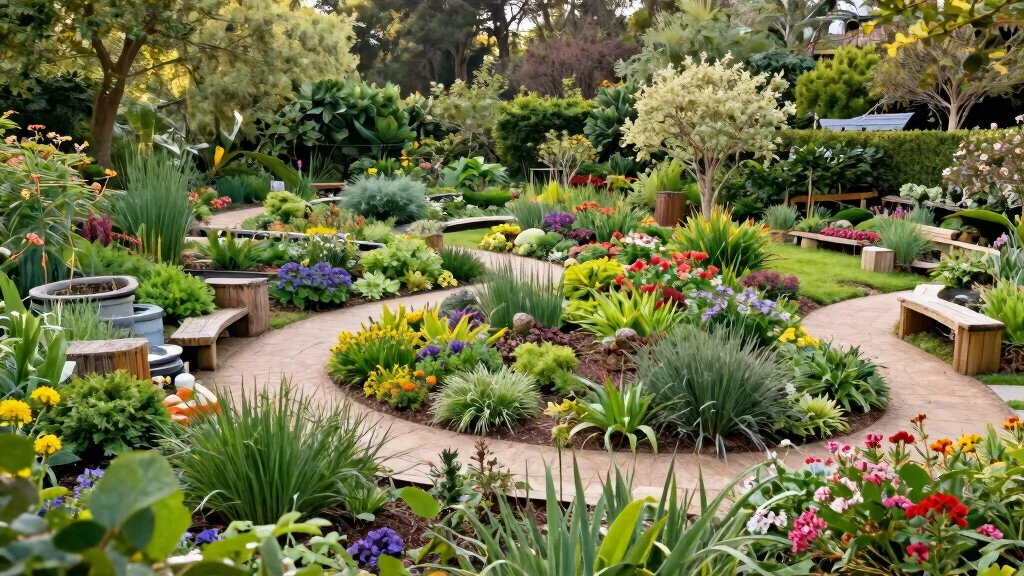
Creating a large garden can feel overwhelming, but it can also be incredibly rewarding. With so many possibilities for design and function, you might find yourself craving a space that not only looks good but also serves your lifestyle. This post was born from that desire. We want to help you turn every corner of your property into a thoughtfully designed oasis that you and your loved ones can enjoy.
If you’re someone who loves gardening but struggles with how to make the most of a large yard, this guide is for you. Whether you are a seasoned gardener or just starting out, you’ll find tips and creative ideas that cater to your needs. We understand that every corner of your garden should reflect your personality and embrace nature, especially with sustainable practices in mind.
In this post, you’ll discover ten unique ideas for large garden landscaping that are not only visually appealing but also functional. From serene meditation spots to vibrant biodiversity gardens, you’ll gain inspiration that is practical and easy to implement. Get ready to transform your outdoor space into a stunning sanctuary that boosts curb appeal while nurturing native plants.
Key Takeaways
– Discover ten innovative landscaping ideas that enhance every corner of your large garden, making it well-designed and functional.
– Learn how to create a serene meditation garden perfect for relaxation and mindfulness, utilizing native plants that thrive in your area.
– Explore the benefits of a rain garden, which not only aids in managing water runoff but also attracts beneficial wildlife.
– Get tips on constructing a sustainable vegetable garden that provides fresh produce while promoting healthy soil practices.
– Find out how to incorporate a cozy fire pit area, ideal for gathering with family and friends, adding warmth to your outdoor experience.
1. Create a Serene Meditation Garden

Imagine stepping into a peaceful escape right in your backyard. A meditation garden invites tranquility through soft scents of lavender and sage, attracting helpful pollinators while enhancing beauty. Picture winding paths made of natural stones, leading to a cozy seating area, with the gentle sound of a small water feature nearby. This serene sanctuary allows you to unwind and reconnect with nature effortlessly.
To get started, select plants that require little upkeep and thrive in your climate. Consider adding elements like wind chimes or a small statue to deepen the calming atmosphere. Opt for colors that harmonize with your surroundings, promoting a sense of peace.
Key features to include:
– Select drought-resistant plants for easy maintenance.
– Add decorative elements like a stone bench or garden art.
– Utilize a soothing color scheme to enhance relaxation.
This meditation garden serves as a personal retreat, fostering mindfulness and inner peace.
A meditation garden doesn’t have to be huge; for large garden landscaping, start with a simple path of natural stones, a lavender corner, and a seat. The soft scents lure pollinators and turn any corner into a calming retreat.
📹 Related Video: How to Create a Zen Garden | GARDEN | Great Home Ideas
Create a Serene Meditation Garden
Editor’s Choice

LuxenHome 22″ Small Water Fountain Outdoor, Modern Resin Cascading Water…


Bits and Pieces – Stepping Stones Outdoor Walkway – 12″ River Rock Lands…

Lavender Seeds for Planting, English Lavender Seeds Indoor & Outdoor, 70…
2. Design an Eclectic Outdoor Living Space

Turn your garden into a vibrant outdoor retreat that reflects your unique style. Use native plants to create a lush backdrop for comfortable seating and dining areas. Imagine a charming pergola wrapped in climbing vines, providing shade and intimacy. Bright, colorful cushions and textiles invite relaxation and conversation.
Start by determining distinct areas for lounging, dining, and cooking to maximize usability. Mix materials like wood, metal, and natural stone for a visually appealing space. Surround your seating with aromatic herbs to stimulate the senses, enhancing your outdoor experience.
Key landscaping tips:
– Build designated zones for various activities.
– Incorporate different materials for added texture.
– Plant herbs like basil and rosemary near seating.
This eclectic outdoor space allows for year-round enjoyment, making it ideal for gatherings or leisurely afternoons.
Fact: In large garden landscaping, a well-zoned outdoor living space can boost usable area by 30%—just carve distinct lounging, dining, and cooking zones. Pair native plants with a pergola and cozy textiles for shade, scent, and year‑round color.
Design an Eclectic Outdoor Living Space
Editor’s Choice

UNIKOME Outdoor Chair Cushions Pack of 4, Water Resistant Patio Cushions…

JEXALINE Pergola Kit for 4″x4″ Lumber, Heavy Duty Pergola Brackets with …
Gift for Women, Mom, Her – 9 Herb Indoor Window Garden Kit | Complete …
3. Implement a Rain Garden

A rain garden is not just beautiful but also plays a vital role in managing stormwater. Creating a gentle dip in your landscape filled with native wetland plants can significantly enhance your garden’s sustainability. This eco-friendly approach minimizes the need for irrigation and supports local biodiversity.
Begin by selecting moisture-loving plants like ferns and rushes that thrive in wet conditions. Use stones and mulch to promote drainage and reduce erosion while designing the rain garden to follow your yard’s natural contours.
Key features to consider:
– Choose plants that thrive in moist conditions.
– Integrate natural materials for drainage support.
– Shape the garden to match the land’s natural flow.
By incorporating a rain garden, you create an enchanting landscape that benefits both your property and the environment.
How To Choose the Right Landscaping Ideas for Your Large Garden
When it comes to large garden landscaping, you want to create an inviting and functional space. Choosing the right ideas is crucial to making your garden feel well-planned and beautiful. Here are some essential criteria to consider.
1. Size of Your Garden
Understanding the size of your garden is the first step. Measure the length and width of your space. This will help you determine how much you can incorporate. Remember that larger elements may overwhelm a smaller area while small features can get lost in a vast garden.
2. Climate and Soil Type
Your local climate and soil type play a significant role in what plants you can choose. Research the native plants that thrive in your area. Using local flora not only enhances your garden’s appeal but also supports local wildlife. A soil test can reveal what nutrients your garden needs for optimal growth.
3. Garden Functionality
Think about how you want to use your garden. Do you envision a space for entertaining, a peaceful retreat, or a vegetable garden? Each function requires different landscaping ideas. For instance, an outdoor kitchen would need proper plumbing and space, while a meditation garden requires a quiet corner away from noise.
4. Aesthetic Preferences
Consider your personal style and how you want your garden to look. Do you prefer a modern look with clean lines or a more traditional, cottage-style garden? Browse through garden design inspiration online or in magazines. Collect images that resonate with you to clarify your vision.
5. Budget
Set a realistic budget before you start planning. Landscaping costs can add up quickly. Factor in expenses for materials, plants, and labor if you plan to hire help. Knowing your budget can help you make cost-effective decisions. Opt for DIY projects or native plants to save money.
6. Long-Term Maintenance
Lastly, think about how much time and effort you can dedicate to upkeep. Some plants require more care, while others are low-maintenance. If you want a lush garden but have a busy schedule, choose native plants that flourish with little attention. Look at landscaping tips for large yards to find easy-care options.
Pro Tip: Create a mood board with your favorite ideas, plant choices, and materials. This visual guide will help streamline your landscaping projects and keep your vision focused. Enjoy the creative process of transforming your large garden into a space that reflects your style and needs!
Implement a Rain Garden
Editor’s Choice
Scotts Nature Scapes Color Enhanced Mulch Deep Forest Brown – Wood Shred…

YISZM 40lbs Natural River Rocks, 3″-4″ Premium Pebbles for Garden and La…
Beth Chatto’s Damp Garden: Moisture-Loving Plants for Year-Round Interest
4. Create a Dynamic Pathway System
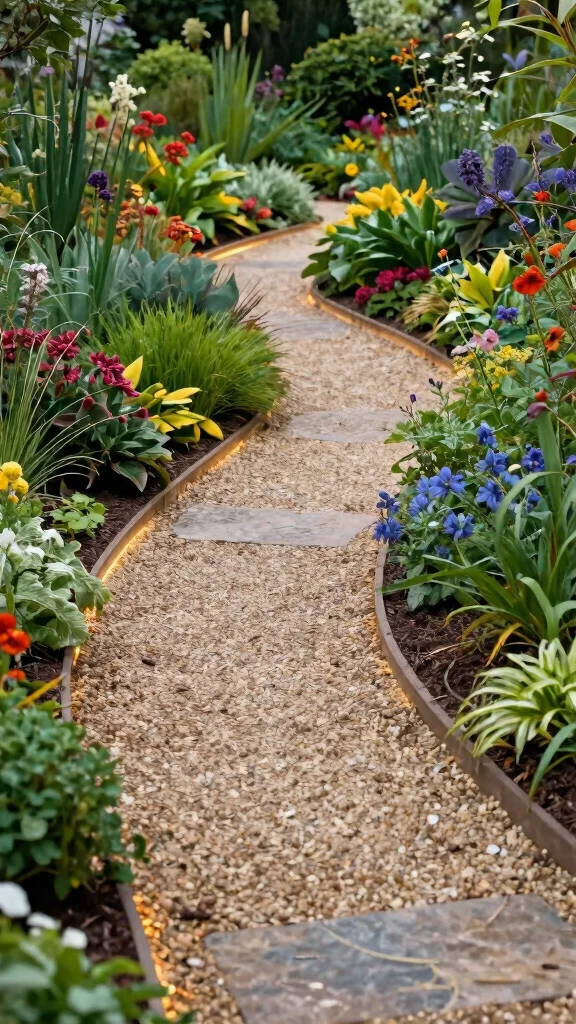
Pathways are essential for guiding visitors through your garden while adding structure and beauty. Use eco-friendly materials like gravel, bark, or stone to create inviting paths that connect different areas. Surround these paths with native plants to soften edges and provide habitats for local wildlife.
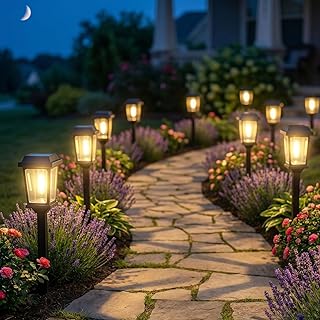
Consider designing curved pathways that create a sense of adventure. Incorporate subtle lighting along the edges for a magical evening glow. Add unique touches like stepping stones surrounded by ground covers for added charm.
Pathway ideas to implement:
– Design curved paths for a whimsical feel.
– Install soft lighting for evening ambiance.
– Use stepping stones with ground covers for character.
This pathway system not only enhances mobility but also encourages exploration of your garden’s natural beauty.
Fun fact: In large garden landscaping, curved pathways with native plants can visually expand space by up to 30%. Eco-friendly materials like gravel, bark, and stone keep maintenance low while boosting habitat value for wildlife. Pro tip: light edges for a magical evening walk.
Create a Dynamic Pathway System
Editor’s Choice

Arcadia Garden Products Set of 4, 16×17” Dark Gray Stepping Stone Fibe…

Arqlite Smart Gravel | Eco-Friendly Plant Drainage for Healthy Roots | P…
12 Pack Solar Lights Outdoor, Modern Solar Pathway Lights Outdoor, Water…
5. Construct a Sustainable Vegetable Garden

Growing your own food is a rewarding and sustainable endeavor. A large garden space is perfect for establishing a vegetable patch filled with native edible plants. Consider using raised beds or containers to define your growing area and ensure easy access. Incorporate companion planting to boost growth while naturally deterring pests.
Start by utilizing recycled materials for your raised beds to promote sustainability. Set up a compost system nearby to recycle kitchen scraps and enrich your soil. Choose native vegetable varieties that thrive in your climate for better yield.
Suggestions for your vegetable garden:
– Use recycled wood for raised beds.
– Set up a nearby compost bin.
– Select local varieties for optimal growth.
Your vegetable garden will not only supply fresh produce but also enhance your landscape and reduce your carbon footprint.
You might also like

Construct a Sustainable Vegetable Garden
Editor’s Choice

EPICA Countertop Compost Bin Kitchen | 1.3 Gallon | Odorless Composting …

Companion Planting for Beginners: Pair Your Plants for a Bountiful, Chem…

Yaheetech 8×2ft Wooden Horticulture Raised Garden Bed Divisible Elevate…
6. Introduce a Biodiversity Garden
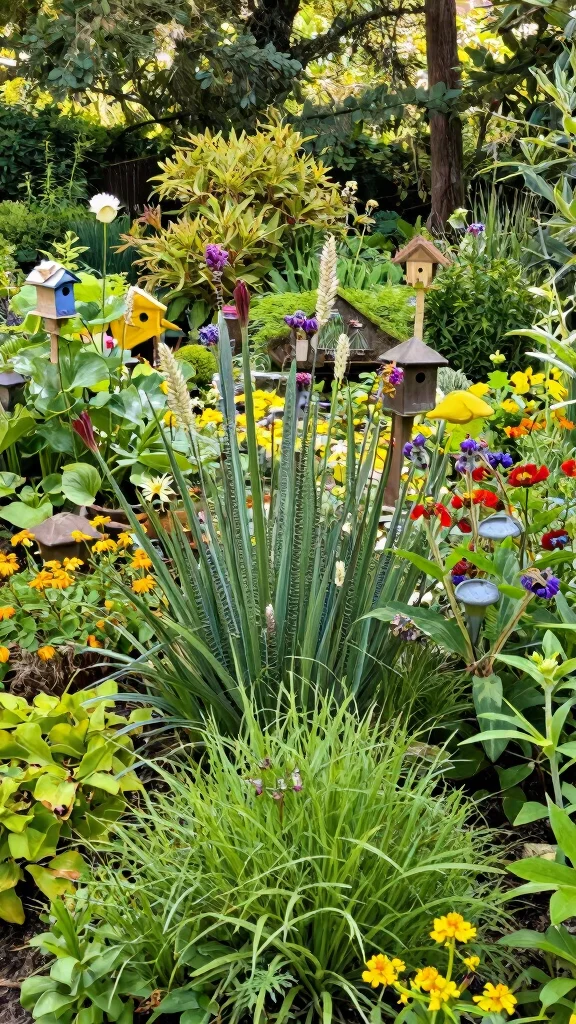
A biodiversity garden nurtures various forms of wildlife, fostering a vibrant ecosystem in your backyard. By planting a diverse mix of native flowering plants that bloom at different times, you can attract pollinators throughout the year. Incorporate features like birdhouses, bee hotels, and small water sources to increase biodiversity.
To enhance your garden, create layers of different plant heights for shelter and nesting. Include flowering plants to draw in butterflies and bees and consider adding a small pond to support amphibians and provide drinking water for birds.
Ideas to enhance your biodiversity garden:
– Layer plants for shelter and nesting.
– Plant nectar-rich flowers for pollinators.
– Add a small pond for wildlife support.
By creating a biodiversity garden, you enrich the environment while enjoying a beautiful, lively space.
Introduce a Biodiversity Garden
Editor’s Choice

Wildflower Seeds Bulk Mix – 10,000+ Perennial & Annual Seeds – Texas, Ca…

2026 Spring Melody Bird House, Composite Material Nesting Box, Hanging B…

Wooden Insect House, Insect Hotel for Bugs, Bees, Butterflys, Ladybirds,…
7. Add an Outdoor Kitchen and Dining Area

An outdoor kitchen serves as a central hub for entertaining while blending beautifully with your garden. Surround the kitchen area with native plants for both aesthetics and practicality. Choose sustainable materials like reclaimed wood for your kitchen structure to keep your design eco-friendly.
Include essential features such as a grill, sink, and preparation area for convenience. Consider adding shade structures like pergolas or canopies to keep the area comfortable year-round. Select outdoor dining furniture that complements your garden’s natural vibe.
Outdoor cooking tips to consider:
– Equip with a grill and preparation space.
– Use shade structures for comfort.
– Choose outdoor furniture that harmonizes with nature.
This outdoor kitchen transforms your space into a culinary oasis, encouraging delightful meals and social gatherings.
Add an Outdoor Kitchen and Dining Area
Editor’s Choice

Charbroil 3-in-1 Dual Fuel Outdoor Bistro Pro Electric Grill & Griddle +…
JEXALINE Pergola Kit for 4″x4″ Lumber, Heavy Duty Pergola Brackets with …

HOMEDIARY 2-Seat Wooden Adirondack Chair, Outdoor Log Patio Loveseat wit…
8. Incorporate a Charming Water Feature

Water features bring tranquility and beauty to your garden. Whether you choose a pond, fountain, or stream, these elements serve as stunning focal points while attracting wildlife. Enhance your feature with native aquatic plants to create habitats for fish and frogs.
Consider starting with a simple bird bath or designing a more elaborate pond. Surround your feature with pebbles and native plants for a natural appearance. Opt for solar-powered pumps for sustainability and ease of maintenance.
Water feature ideas to explore:
– Choose a simple bird bath or elaborate pond.
– Surround with native plants for a natural look.
– Use solar pumps for eco-friendly operation.
A thoughtfully designed water feature enhances your garden’s peaceful ambiance while supporting local wildlife.
You Might Also Like


Incorporate a Charming Water Feature
Editor’s Choice

Water Hyacinths Floating Water Garden Plants (12 live plants)

FANTIAN 20 lbs Large River Rocks for Outdoor Landscaping, 3-4 Inch Decor…

POPOSOAP Solar Fountain Pump, 12W Solar Water Pump Kit with 4400mAh Batt…
9. Enhance with Vertical Gardening
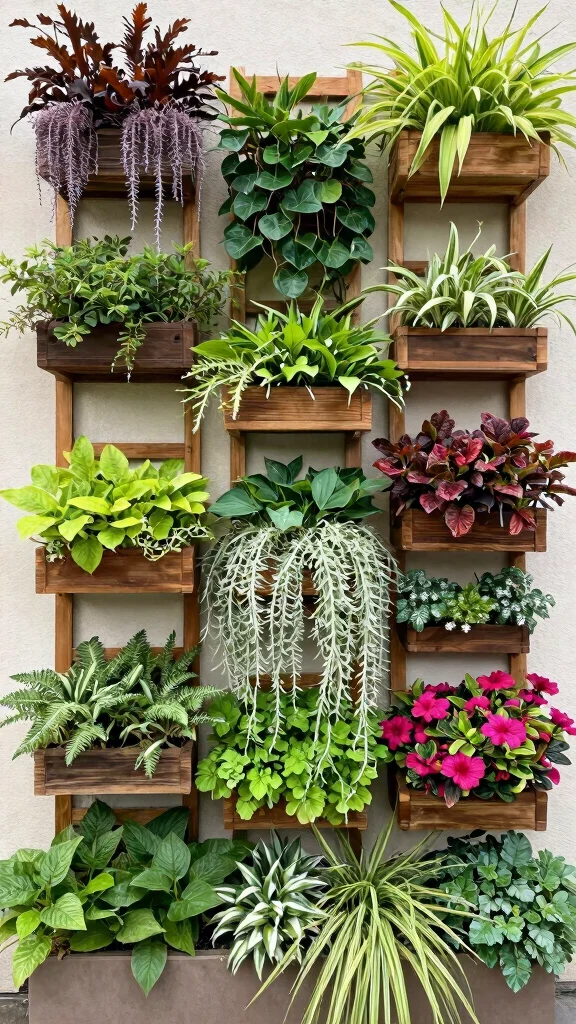
Vertical gardening offers a creative way to maximize space and add dynamic interest to your large garden. Use trellises, living walls, or vertical planters to grow native plants that can climb or cascade. This approach saves space while introducing beautiful layers of texture and color.
Start by incorporating edible plants like peas or tomatoes for a productive garden. Create a living wall in shaded areas using shade-loving plants to make the most of your space. Use recycled materials for trellises or planters to enhance sustainability.
Vertical gardening ideas to try:
– Grow edible plants on vertical structures.
– Design a living wall in shady spots.
– Use recycled materials for trellises.
This trend transforms bland walls or fences into stunning focal points, elevating your overall garden design.
Enhance with Vertical Gardening
Editor’s Choice
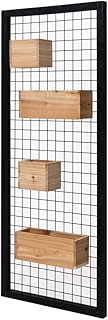
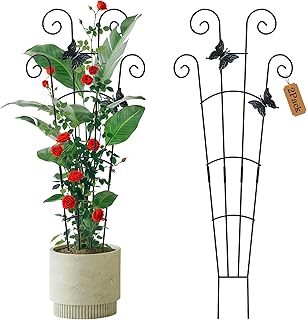
2 Pack 30 Inch Taller Plant Trellis for Potted Climbing Plants Indoor,Ex…
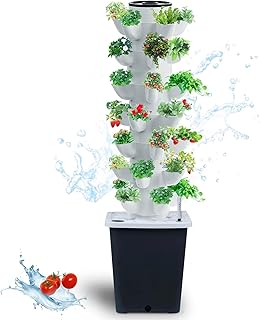
Hydroponics Tower Indoor Growing System Vertical Garden Planter Indoor S…
10. Create a Cozy Fire Pit Area

A fire pit area becomes the heart of your garden, providing a cozy gathering spot for friends and family. Surround the fire pit with native plants and comfortable seating to create an inviting atmosphere. Choose sustainable materials for both the fire pit and seating to align with eco-friendly values.
Design elements can include irregular stones or bricks for a natural look. Add soft lighting around the area for both safety and ambiance. Incorporate cushions and blankets for comfort during cooler evenings.
Design elements to consider:
– Use natural stones for a rustic appearance.
– Install soft lighting for safety and charm.
– Provide cushions for added comfort.
This cozy outdoor space blends relaxation and entertainment, making your garden the ideal spot for memorable gatherings.
Create a Cozy Fire Pit Area
Editor’s Choice

Joomer Solar Fairy Lights, 2-Pack Total 80FT 240LED Solar String Lights …

Melino Wooden Folding Tamarack Chairs, FSC Certified Acacia Low Profile …

Onlyfire 18 Inch Square Fire Pit Burner Pan with Square Burner Ring – …
Conclusion

Transforming your large garden into a thoughtfully designed masterpiece is achievable with these creative landscaping ideas. Each element, from native plants to sustainable materials, contributes to a beautiful and functional outdoor space. As you consider these inspirations, remember that personal touches and environmental consciousness can make your garden truly unique.
Embrace the journey of creating your perfect outdoor sanctuary and enjoy the beauty you cultivate with every corner of your property.
Note: We aim to provide accurate product links, but some may occasionally expire or become unavailable. If this happens, please search directly on Amazon for the product or a suitable alternative.
This post contains Amazon affiliate links, meaning we may earn a small commission if you purchase through our links, at no extra cost to you.
Frequently Asked Questions
Question: What are practical large garden landscaping ideas that use native plants for sustainability and curb appeal?
For large garden landscaping, start with native plant selection that suits your climate and soil.
Group plants by similar water needs to keep maintenance predictable, then create defined zones—an inviting entry, a meadow-style corridor, and a shaded lounging area—linked by gently curved paths.
Add water-smart features like a rain garden or bioswale and cover soil with mulch to cut watering and weed pressure.
Finish with outdoor landscaping ideas such as native flowering shrubs for seasonal color, drift plantings for texture, and strategic lighting to boost enhancing curb appeal after dark. This approach provides garden design inspiration while staying true to landscaping tips for large yards.
Question: How can I create defined zones and creative garden layouts in a large yard without it feeling chaotic?
In a big yard, start with a unifying motif and repeat elements like stone, wood, or native grasses to glue your spaces together.
Create creative garden layouts by carving curved paths that connect each zone—entry court, pollinator meadow, woodland seating nook, and a water feature corner.
Use layers: tall natives at the back, midstory shrubs, groundcovers in front, so color and texture flow.
Add a repeating color palette and seasonal interest for garden design inspiration.
Finally, plan small focal points at intervals to draw the eye and maintain enhancing curb appeal from the curb.
Question: What native plants are best for a large-scale, low-maintenance landscape?
Choose drought-tolerant natives with long bloom cycles and low upkeep. For the backbone, try native grasses like little bluestem and switchgrass, plus perennials such as Rudbeckia (black-eyed Susan), Echinacea (coneflower), and Asclepias tuberosa (butterfly weed). Pair with shrubs like native Ninebark or serviceberry for vertical interest. Once established, these plants thrive with minimal irrigation and provide year-round texture and wildlife value. This aligns with outdoor landscaping ideas and landscaping tips for large yards.
Question: What are the best ways to enhance curb appeal in a large yard with sustainable landscaping?
Boost curb appeal by creating a strong entry sequence: a gateway, a few blooming trees, and a welcoming understory of natives.
Keep a cohesive color palette and repeat plant forms along the front border to read as a single design from the street.
Replace high-maintenance lawn with native groundcovers and low-water shrubs, add mulch and a drip irrigation system for efficiency, and install soft lighting to highlight textures after dark. All these steps are practical outdoor landscaping ideas that improve enhancing curb appeal while supporting garden design inspiration for large yards.
Question: How do I plan and implement a scalable, native-based large garden landscaping project on a budget?
Start with a site assessment and a simple master plan that marks zones, sunlight, and water flow. Break the project into phases—phase one entry and front border, phase two meadow and paths, phase three back yard seating—so you can spread costs.
Choose a core set of native plants that look good together and are reliable, then layer in additional species over time. Install efficient irrigation (drip with a timer) and mulch to reduce maintenance. Track costs and adjust as you go; this practical, phased approach is a smart way to bring your large garden landscaping vision to life without overwhelming budgets. This aligns with outdoor landscaping ideas and landscaping tips for large yards.
Related Topics
large garden landscaping
sustainable gardening
native plants
outdoor landscaping ideas
garden design inspiration
creative garden layouts
landscaping tips
enhancing curb appeal
beginner friendly
seasonal gardening
eco-friendly design
advanced landscaping techniques