Creating a peaceful retreat in your front yard might seem like a dream, but it’s easier than you think. With the right Japanese Zen garden landscaping ideas, you can transform your outdoor space into a serene sanctuary. These gardens are not just beautiful; they embody tranquility and simplicity, making them perfect for anyone seeking a little zen in their busy life. Whether you have a small patch of grass or a more expansive area, these ideas will help you create a sacred space that reflects your personal style and philosophy.
If you’re someone who loves gardening or has a deep appreciation for minimalist design, this post is for you. You’ll find designs that merge nature and thoughtful landscaping techniques. Here, I’ll share eight enchanting Japanese garden ideas that are not only aesthetically pleasing but also practical for small spaces. You’ll discover how to incorporate elements like raked gravel, balanced stones, and tranquil water features, creating an outdoor environment that invites relaxation and contemplation.
By the end of this guide, you’ll have actionable insights to elevate your front yard into a serene escape. Expect to learn about unique design elements, plant selections, and features that make your space more inviting. Get ready to turn your front yard into a peaceful retreat that you’ll love coming home to.
Key Takeaways
– Raked Gravel Patterns: Use raked gravel to create calming patterns that represent water ripples, adding texture and serenity to your garden.
– Balanced Stone Placement: Strategically place stones to create a sense of balance and harmony, essential elements in Japanese garden design.
– Incorporate Water Features: Consider adding a small pond or a fountain to bring the soothing sounds of water into your space, fostering tranquility.
– Minimalist Plant Selection: Choose a few carefully selected plants that embody simplicity, focusing on native species for easier maintenance.
– Cozy Nooks for Reflection: Design intimate seating areas within your garden to encourage mindfulness and reflection, enhancing your outdoor experience.
1. Raked Gravel Patterns for Serenity

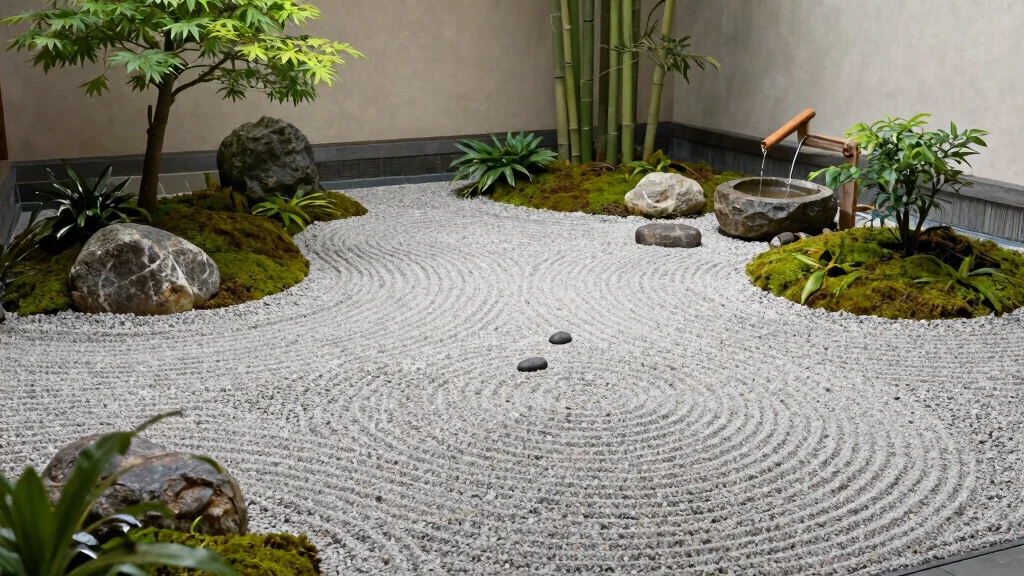
Imagine stepping into your front yard and feeling an immediate sense of calm. Raked gravel patterns serve as a beautiful canvas that creates a peaceful atmosphere. By designing gentle wave patterns, you can mimic serene water ripples, enhancing tranquility in your space.
Opt for fine white gravel to achieve a clean, minimalist aesthetic that accentuates larger stones. Introducing a few selected plants, like small junipers or lush moss, can add subtle green tones and texture. Maintaining the gravel patterns through regular raking fosters a mindful routine that encourages reflection.
Key elements to consider:
– Use a small wooden rake for intricate designs
– Incorporate moss for vibrant green hues
– Choose white gravel for a clean look
– Create a calming focal point with larger stones
This approach not only beautifies your yard but also nurtures your spirit, making your outdoor space feel like a sacred retreat.
Raked Gravel Patterns for Serenity
Editor’s Choice

Creations by Nathalie DIY Terrarium Starter Kit – Small Terrarium Kit wi…


GloFish aquarium Gravel 5 Pounds, White, Complements GloFish Tanks (29022)

4-in-1 Mini Buddha Statue Set – See/Hear/Speak/Think No Evil, Zen Feng S…
2. Stone Placement for Balance

Stones play a crucial role in Japanese garden design, representing strength and stability. Thoughtful stone placement can significantly enhance the balance and harmony of your Zen garden. By grouping larger stones in odd numbers, like three or five, you can create a natural flow that encourages relaxation.
Surround your stones with contrasting pebbles or gravel for added depth, and include low-maintenance greenery for texture. Varying the heights of your stones creates visual interest from various angles, making the space dynamic. Consider adding a path of stepping stones to guide visitors and enhance their experience.
Essential tips for stone arrangement:
– Group stones in odd numbers for natural flow
– Vary heights for visual interest
– Surround stones with pebbles for contrast
– Use low-maintenance plants for added texture
This method cultivates a serene environment where you can unwind and connect with nature.
Fun fact: In japanese zen garden landscaping, stones are grouped in odd numbers—three or five. This simple rule boosts balance and calm in even small spaces. Pair larger stones with contrasting gravel and low-maintenance greenery for instant harmony.
Stone Placement for Balance
Editor’s Choice

Ancient Graffiti Eight-Stone Balancing Cairn – Indoor/Outdoor Garden Dec…

Virekm River Rocks, Decorative Ornamental Pebbles,Garden Landscaping Sto…

3. Incorporating Water Features for Tranquility

Adding water features like a small pond or bamboo fountain can elevate the tranquility of your Zen garden. The gentle sound of flowing water is soothing and serves as a focal point for meditation. Consider a simple basin or a compact fountain that recycles water, minimizing upkeep while maximizing appeal.
Surround your water feature with smooth stones or pebbles to create a seamless natural border. Incorporate plants such as water lilies or irises for vibrant color and soft textures. A small seating area nearby allows you to fully enjoy the calming atmosphere.
Ways to enhance your water feature:
– Use smooth stones to create a natural border
– Add colorful plants for visual interest
– Incorporate a seating area for relaxation
– Maintain the water feature regularly to prevent stagnation
This addition transforms your garden into a peaceful oasis, inviting moments of reflection and serenity.
Small water features pack a big calming punch in japanese zen garden landscaping. A compact bamboo fountain with a recirculating pump can cycle every 15 minutes, creating tranquil soundscapes with minimal upkeep—perfect for tiny front yards and mindful moments.
Incorporating Water Features for Tranquility
Editor’s Choice

VEVOR Fountain and Water Feature Basin, 30-Inch Disappearing Water Fount…

Virginalis Live Perennial Water Lily Perfect Pond Plant Pre Grown Bare R…

Bamboo Accents 12″ Three-Arm Zen Bamboo Fountain Kit – Split-Resistant…
4. Minimalist Plant Selection

The right plant selection is vital for achieving a serene and uncluttered Zen garden. Choose a few simple species that embody elegance, such as moss, small shrubs, or bonsai trees. These choices provide life to your garden without overwhelming the senses.
Moss creates a lush green carpet over rocks or gravel, while well-shaped bonsai trees serve as stunning focal points. Adding grasses like Japanese forest grass introduces movement and texture. Ensure adequate spacing for plants to enhance aesthetics, and consider using containers to keep areas organized.
Key plant selection tips:
– Choose moss for vibrant green coverage
– Opt for bonsai trees as focal points
– Incorporate grasses for texture and movement
– Use native plants for sustainability and ease
This minimalist approach highlights nature’s beauty, allowing seasonal changes to shine throughout the year.
Minimalist Plant Selection
Editor’s Choice

Live Moss 4-Pack (Each 3.5″x7″) – Real Mixed Moss for Terrariums, Reptil…

Real Live Hypnum Moss (8″x8″) – Natural Sheet Moss for Terrariums, Bonsa…

Halatool 2.2LB Premium Sphagnum Moss for Plants, 50QT Green Moss for Pla…

Costa Farms Bonsai Miniature Tree Live Plant in Decorative Pot, Easy Ind…

Live Japanese Forest Grass Plant, Hakonechloa Macra Plant, Live Ornament…
You might also like

5. Unique Pathways to Guide the Journey

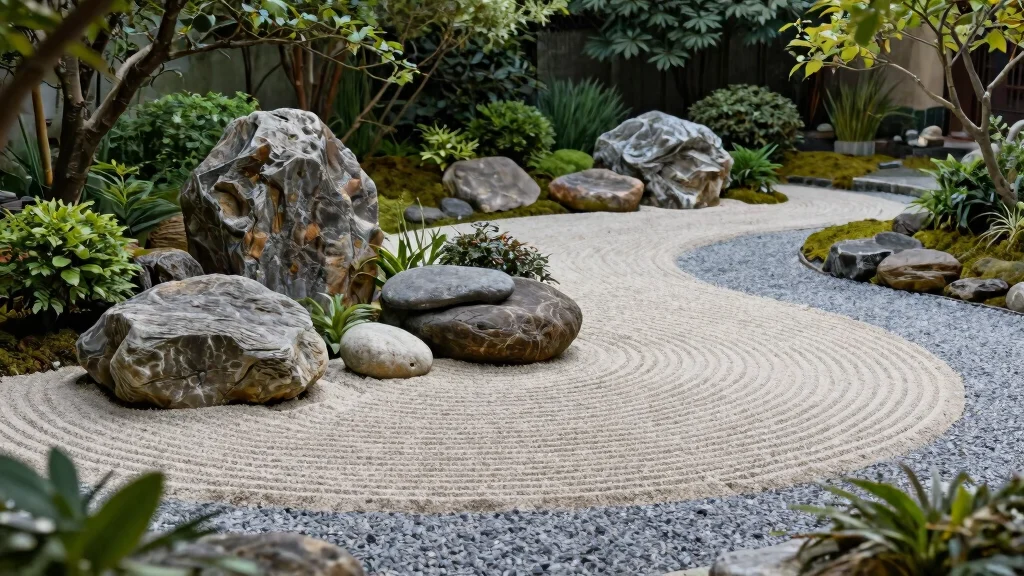
Pathways in your Zen garden do more than connect spaces; they invite exploration and introspection. In smaller gardens, consider creating winding paths with stepping stones or gravel, leading visitors through your landscape. This encourages them to appreciate each element of your garden.
Large, flat stones can create a comfortable walking path, or gravel can flow organically like a gentle stream. Incorporate decorative stones or small lanterns along the way to enhance visual appeal and provide soft lighting at night.
Pathway design ideas:
– Create winding paths with flat stones
– Use gravel for a natural flow
– Add decorative elements for visual interest
– Ensure the path complements overall garden design
A thoughtfully designed pathway transforms your garden into a journey of discovery, making each visit unique and memorable.
📹 Related Video: Zen garden – Pattern explorations
Unique Pathways to Guide the Journey
Editor’s Choice

Bits and Pieces – Stepping Stones Outdoor Walkway – 12″ River Rock Lands…

NEEDOMO Lanterns Decorative Outdoor&Indoor, Set of 2 Large Bronze Metal …

ZOOFOX 10lb Natural Rocks Stones, Small Washed Gravel for Terrariums, Su…
6. Embracing Asymmetry in Design

Asymmetry is a signature feature of Japanese garden design, highlighting the beauty of irregularity and balance. Utilize asymmetrical arrangements in your Zen garden to create a more organic and inviting atmosphere. This technique encourages a natural flow that captivates the eye.
Position a large stone off-center and arrange smaller stones around it, varying their sizes and shapes. Plant groupings with different textures can further enhance this dynamic effect. In smaller spaces, asymmetry can create an illusion of depth, making the area feel more expansive.
Exploration of asymmetry:
– Place stones off-center for organic flow
– Use varied plant groupings for texture
– Allow spontaneous growth for natural beauty
– Embrace irregular shapes for character
This design approach fosters a sense of peace and balance, allowing you to experience the essence of nature in your garden.
How To Choose the Right Elements for Your Japanese Zen Garden
Creating a Japanese Zen garden in your front yard can transform your outdoor space into a tranquil retreat. To ensure you select the best elements for your design, consider these essential criteria:
1. Size and Space
Before starting your garden, assess the size of your front yard. A Zen garden doesn’t require extensive space, but you must ensure that the elements you choose fit comfortably. If your yard is small, opt for compact features such as a few carefully placed stones or a small water feature. You want a design that doesn’t overwhelm your space but rather enhances it with serene simplicity.
2. Material Selection
The materials you use in your Japanese Zen garden play a significant role in the overall feel. Common materials include gravel, stones, and wood. Gravel is often raked into patterns, symbolizing water ripples. Stones represent mountains or islands and should be strategically placed for balance. Bamboo can also add an authentic touch. Choose materials that resonate with you and blend seamlessly into your environment.
3. Plant Choices
Minimalist plant selection is a key aspect of Japanese garden design. Choose plants that thrive in your climate while contributing to the peaceful ambiance. Succulents, moss, or low-growing shrubs work well in smaller spaces. Ensure that the plants you select do not overtake the space but rather complement the hardscape elements, providing bursts of lush greenery without excessive maintenance.
4. Water Feature Consideration
Incorporating water features can enhance tranquility in your garden. Consider a small fountain or a pond if space allows. The sound of flowing water can be soothing and invites wildlife. Ensure the feature is easy to maintain and harmonizes with the overall design. Even a simple bowl filled with water can create a calming focal point.
5. Budget Planning
Establishing a budget is crucial for your Japanese Zen garden project. The costs can vary significantly based on materials and features. Determine how much you are willing to spend on stones, plants, and any water features. Remember to account for tools and potential labor if you hire help. A well-planned budget helps you avoid overspending and keeps your project on track.
6. Personal Touches
Lastly, think about elements that reflect your personality and style. This could include lanterns, benches, or even small sculptures that resonate with you. Personal touches make the space truly yours, creating a sacred retreat that feels inviting and unique.
Pro Tip: Take your time to sketch out your design before you begin. Visualizing the layout helps in making better decisions on placement and elements, ensuring you create a peaceful and harmonious space.
Embracing Asymmetry in Design
Editor’s Choice

Spoontiques – Garden Décor – Scatter Kindness Stepping Stone – Decorati…

Outdoor Zen Garden Rake Large – Japanese Sand Rock Garden Rake Tool – 48…

3 Pink Muhly Grass Live Plant Plugs, Ornamental Grass Clumps 4-7 Inches,…
7. Adding Bamboo Elements for Authenticity
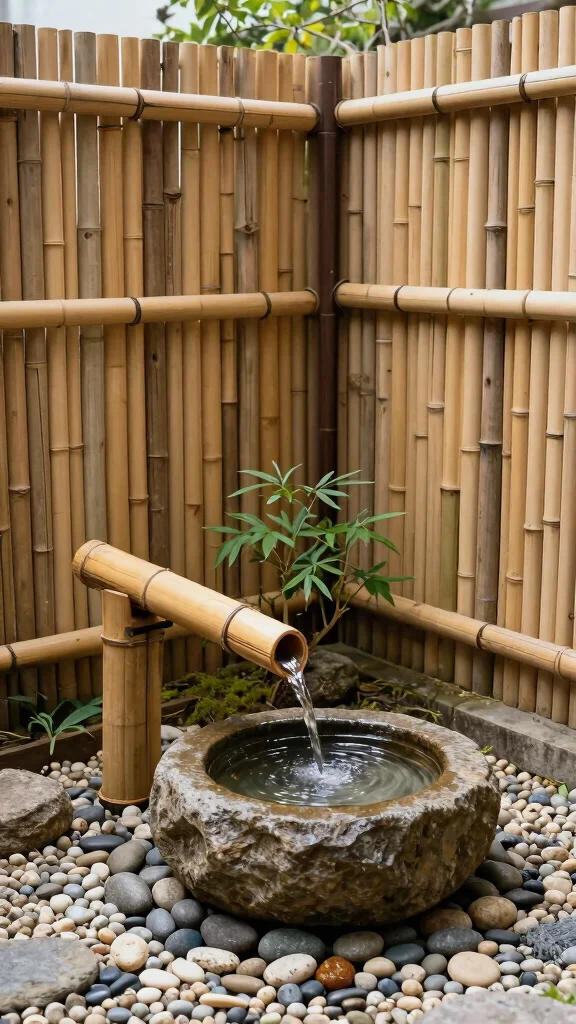
Bamboo is a quintessential element in Japanese culture, making it an excellent addition to your Zen garden. Whether used for fencing or as part of a water feature, bamboo adds authenticity and tradition. Consider crafting a bamboo fence to define your garden, providing privacy and a natural look.
A bamboo fountain can enhance your garden’s tranquility while offering soothing sounds. Using bamboo stakes for plant support or decorative elements adds visual interest and structure. Be sure to select sustainably sourced bamboo to maintain environmental integrity.
Ways to incorporate bamboo:
– Create a bamboo fence for privacy
– Add a bamboo fountain for soothing sounds
– Use bamboo stakes for support and decoration
– Mix with natural stone for textural contrast
Infusing bamboo into your garden allows for a personal touch that reflects your unique design vision.
You Might Also Like

Adding Bamboo Elements for Authenticity
Editor’s Choice

Plant Stakes,4FT Longer Sturdy Natural Bamboo Garden Stakes,GAGINANG 25P…
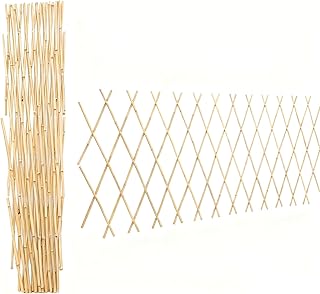
Bamboo Trellis 36×92 Inch, Expandable Fence 3ft by 8ft, Outside Lattice …

12” Bamboo Fountain Kit – Adjustable Half Round Spout with Quiet Pum…
8. Creating Cozy Nooks for Reflection
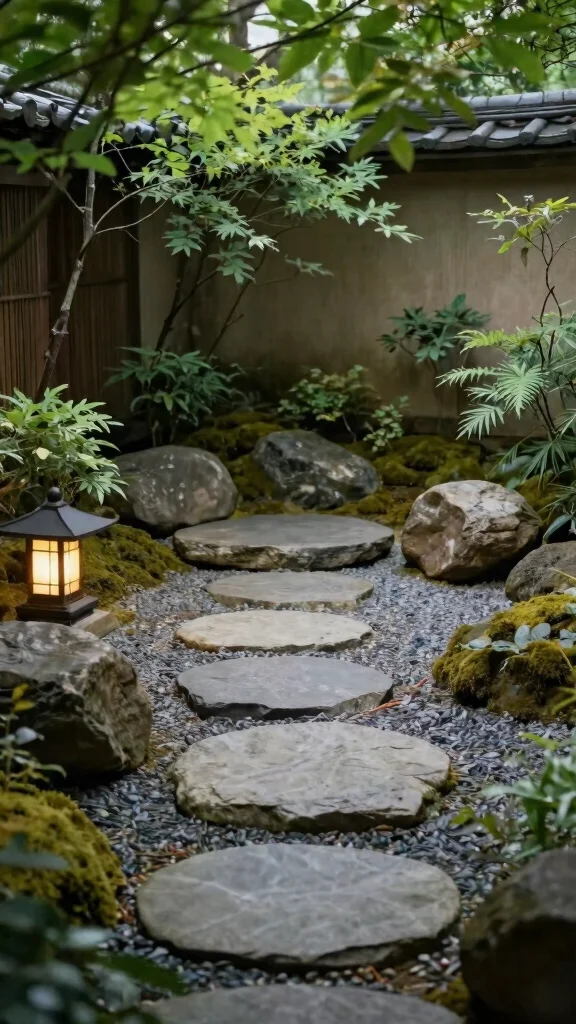
Enhance the meditative quality of your Zen garden by designing cozy corners for reflection. These intimate spaces invite contemplation and relaxation, serving as personal retreats within your landscape. Position flat stones or a bench surrounded by plants, possibly near a soothing water feature.
Strategically placed plants can provide privacy, creating an enclosed, tranquil environment. Adding cushions or soft blankets to your seating area enhances comfort. Soft lighting from lanterns or solar lights can make these nooks magical spots for stargazing at night.
Cozy nook ideas:
– Arrange flat stones for seating areas
– Surround nooks with plants for privacy
– Add cushions for comfort
– Use soft lighting for evening ambiance
Creating a designated space for quiet reflection boosts your well-being, offering a sanctuary amidst the chaos of daily life.
Fun fact: In japanese zen garden landscaping, a cozy nook with a bench and cushions in a 6–8 foot corner can transform even a small yard into a calm retreat. This simple setup boosts perceived serenity by about 25%.
Creating Cozy Nooks for Reflection
Editor’s Choice

SHYMERY Solar Lantern,Outdoor Garden Hanging Lanterns,2 Pack 14 Inch Las…

MFSTUDIO 50 Inches Outdoor Garden Bench, Cast Iron Metal Frame Patio Par…

Retrospec Sedona Zafu Meditation Cushion with Buckwheat Hull Fill – Adju…
Conclusion

Creating a Japanese Zen garden in your front yard offers an incredible way to cultivate tranquility and beauty right at home. Each of these eight landscaping ideas brings a unique element to your space, whether it’s the soothing sound of water, the gentle rustle of bamboo, or simply the artful placement of stones.
By incorporating these concepts, you can transform your outdoor area into a sacred retreat that invites reflection and peace. As you embark on this landscaping journey, remember that the essence of a Zen garden lies in the harmony of nature and the personal touches that make it your own.
Note: We aim to provide accurate product links, but some may occasionally expire or become unavailable. If this happens, please search directly on Amazon for the product or a suitable alternative.
This post contains Amazon affiliate links, meaning we may earn a small commission if you purchase through our links, at no extra cost to you.
Frequently Asked Questions
What exactly is Japanese Zen garden landscaping, and how can it work in a small front yard?
Japanese Zen garden landscaping focuses on simplicity, calm, and mindful composition. It uses natural elements like gravel or sand, rocks, moss, and restrained plantings to create a sense of space and contemplation.
In the context of japanese zen garden landscaping for a small front yard, scale and proportion are your best allies. Define a quiet corner or a single focal point, keep colors limited, and use edging or stepping stones to organize space. This approach also aligns with minimalist garden design and helps your front yard feel like a sacred retreat.
Start small: outline the border, lay a gravel or sand base, place a few meaningful stones, and give plenty of negative space to invite reflection.
What are practical steps to incorporate Zen garden ideas into a minimalist garden design for a tiny front yard?
Start with a plan: measure the space and decide where the focal point will be. Then choose 2-3 core elements—gravel or sand, a few rocks, and a touch of moss or low-growing greenery. Use a simple path or stepping stones to guide the eye. Stick to a restrained color palette of neutrals, greens, and earthy tones to maintain the minimalist look. Add a small seating area or a bench for contemplation. Finally, establish a simple maintenance routine to keep the space serene and low-maintenance, which is essential to minimalist garden design and front yard landscaping.
Which beginner-friendly Zen garden ideas create a sacred outdoor space without feeling cluttered?
Try a small, neatly raked gravel area with a single focal stone to invite quiet focus. Add a patch of moss to soften edges and bring year-round texture. A bamboo screen can provide privacy and a clean, vertical accent without crowding the space. If space allows, include a tiny water feature—a quiet fountain or trickling stone—to introduce gentle sound with minimal visual noise. Keep furniture minimal, perhaps a low bench, to invite contemplation without clutter.
What are low-maintenance plants and features that suit a front yard Zen garden?
Choose evergreen, texture-rich plants that stay tidy with little care: moss patches (in shade), ferns, dwarf conifers, and ornamental grasses. For ground cover and easy maintenance, use gravel, sand, or simple stepping stones rather than dense plantings. Add a vertical element like a bamboo screen or a small lantern to keep the design balanced. This keeps things simple and aligns with front yard landscaping and minimalist garden design ideals.
How much maintenance does a Japanese Zen garden require, and how can I keep it serene year-round?
Maintenance for a Zen garden is light but regular. Rake the gravel or sand weekly to refresh patterns, weed as needed, and prune only the necessary branches to preserve clean shapes. In different seasons, refresh moss patches, tidy edges, and protect fragile plants during extreme weather. A quiet, routine schedule helps keep your sacred outdoor spaces feeling serene and reduces surprises in your front yard landscaping. For extra mindfulness, pair the routine with a simple watering ritual and seasonal cleanups.
Related Topics
japanese zen garden
minimalist garden design
front yard landscaping
sacred outdoor spaces
small space gardening
zen garden ideas
beginner friendly
meditative landscapes
nature inspired
easy landscaping
outdoor retreats
landscaping tips