
If you’re looking for a way to add beauty and charm to your yard, dogwood trees are a fantastic choice. With their stunning flowers, colorful leaves, and unique structures, these trees can brighten your space throughout the year. As someone who loves gardening and the joys of outdoor living, I’ve found that incorporating dogwoods into your landscaping can truly transform your yard into a delightful retreat. This post is all about sharing creative dogwood tree landscaping ideas that will bring beauty through every season.
If you’re a gardening enthusiast or just someone looking to spruce up your outdoor area, this guide is for you. Whether you have a small urban garden or a sprawling backyard, dogwoods can fit seamlessly into your design. You’ll find inspiration in our landscaping ideas that highlight the versatility of dogwood trees in any setting. From spring blooms to winter silhouettes, this article offers practical tips and seasonal ideas that will enhance your garden’s appeal all year long.
By the end of this post, you’ll gain valuable insights into how to use dogwood trees to create stunning visual interest. We’ll explore ideas for planting, caring for these trees, and incorporating them into your overall garden design. You’ll leave with actionable ideas that will help you cultivate a vibrant outdoor space that reflects your personal style.
Key Takeaways
– Dogwood trees provide stunning visual appeal in every season, making them a great choice for year-round landscaping.
– Explore various dogwood varieties that can fit into small urban gardens, maximizing your space while adding beauty.
– Incorporating dogwoods into your garden design can create unique focal points and enhance your yard’s overall aesthetic.
– Proper dogwood tree care is essential for maintaining their health and beauty, ensuring you enjoy their blooms and colors for years to come.
– Seasonal landscaping ideas with dogwoods can help you create a dynamic garden that changes beautifully with the seasons, adding interest and charm throughout the year.
1. Spring Splendor: Blossom Displays

As spring arrives, dogwoods burst into life with stunning blooms that captivate the senses. The delicate pink and white flowers create a soft, inviting ambiance, enhancing the beauty of any garden space. By planting dogwoods near walkways or patios, you can experience their charm up close, turning your yard into a springtime haven.
To design an enchanting spring display, consider mixing different dogwood types like the Eastern Dogwood and Kousa Dogwood. This variety not only draws the eye with its vibrant colors but also lengthens your blooming season. Make sure to select a location with well-drained soil and plenty of sunlight to keep your trees healthy.
Here are some tips for creating a stunning spring display:
– Choose a blend of white and pink flowering dogwoods for contrast.
– Plant them in clusters for a natural appearance.
– Surround with low-growing perennials for added vibrancy.
The combination of flowering dogwoods and lively perennials will transform your garden into a vibrant spring paradise.
Fun fact: Dogwood blossoms can light up your yard for several weeks in spring, boosting curb appeal with pink and white hues. By mixing Eastern and Kousa varieties, you’ll enjoy a longer, more dynamic display—perfect for your dogwood tree landscaping in a small urban space.
Spring Splendor: Blossom Displays
Editor’s Choice

Farmer’s Secret Spring Booster Fertilizer 32oz – Super Concentrated 8-16…

2. Summer Serenity: Shady Retreats

In the heat of summer, dogwood trees offer essential shade and a peaceful retreat. Their broad canopies create cool spots perfect for enjoying a book or sipping lemonade on a hot day. Place your dogwoods where they can shade benches or seating areas for a refreshing escape.
Pair your dogwoods with shade-loving plants like hostas and ferns to enhance the cool, inviting atmosphere beneath their branches. This thoughtful layering not only looks great but also supports a thriving garden ecosystem.
Summer landscaping tips include:
– Use dogwoods as a backdrop for colorful summer flowers.
– Design cozy seating areas under the tree canopy.
– Create a picnic spot beneath the dogwoods for maximum enjoyment.
With their lush foliage, dogwoods can turn the hottest days into serene moments, allowing you to savor the beauty of your garden all summer long.
Fun fact: A dogwood’s broad canopy can create shade that keeps seating areas up to 7°F cooler on hot afternoons. Pair this with hostas and ferns to build a perfect shady retreat in your small urban garden, transforming summer into a relaxing escape.
📹 Related Video: How to Design a Cottage Shade Garden | Top Shade Plants for Your Garden: Easy Ideas for Shady Spots
Summer Serenity: Shady Retreats
Editor’s Choice

Garden Bench,Outdoor Benches,Iron Steel Frame Patio Bench with Mesh Patt…

Partial Shade Wildflower Mix Seed (Potted Plant) – Shade-Loving Wildfl…
3. Autumn Enchantment: Leafy Color Palettes

Fall brings a stunning transformation for dogwood trees, showcasing vibrant shades of red, orange, and yellow. This seasonal color shift pairs beautifully with autumn favorites like asters and chrysanthemums, creating a picturesque landscape.
Plant your dogwoods alongside other deciduous trees that also change color for a breathtaking autumn panorama. This combination can turn your yard into a neighborhood highlight during foliage season.
To enhance your autumn experience:
– Rake fallen leaves to create natural mulch around dogwoods.
– Keep your garden tidy to let the vibrant colors shine.
– Use the dogwood’s brilliant hues as inspiration for seasonal decorations, such as pumpkins and gourds.
As the leaves change, your garden will transform into an enchanting retreat, perfect for enjoying crisp fall afternoons.
Autumn Enchantment: Leafy Color Palettes
Editor’s Choice

Complete Flower Bulb Garden – 75 Bulbs for 50 Days of Continuous Blooms …
4. Winter Whimsy: Sculptural Elegance

When winter arrives, dogwoods reveal their stunning structural forms, becoming striking focal points even while bare. The contrast of their white branches against a snowy backdrop creates a magical winter wonderland.
Enhance the beauty of your dogwoods during this season with winter decorations like evergreen boughs or bright red berries. Consider adding benches for peaceful winter stargazing or cozy gatherings with friends.
Winter landscaping ideas:
– Hang bird feeders to attract winter wildlife.
– Use decorative planters filled with evergreen arrangements for added interest.
– Illuminate your garden with string lights around the trees for a whimsical touch.
With thoughtful touches, your garden can remain captivating and inviting throughout the cold months.
Winter Whimsy: Sculptural Elegance
Editor’s Choice

30 Pcs Christmas Real Touch Norfolk Stems, 15Inch Artificial Pine Branch…

Emsco Group 2306-1AZ Garden Bench – Natural Sandstone Appearance – M…
5. Vertical Interest: Espalier Techniques

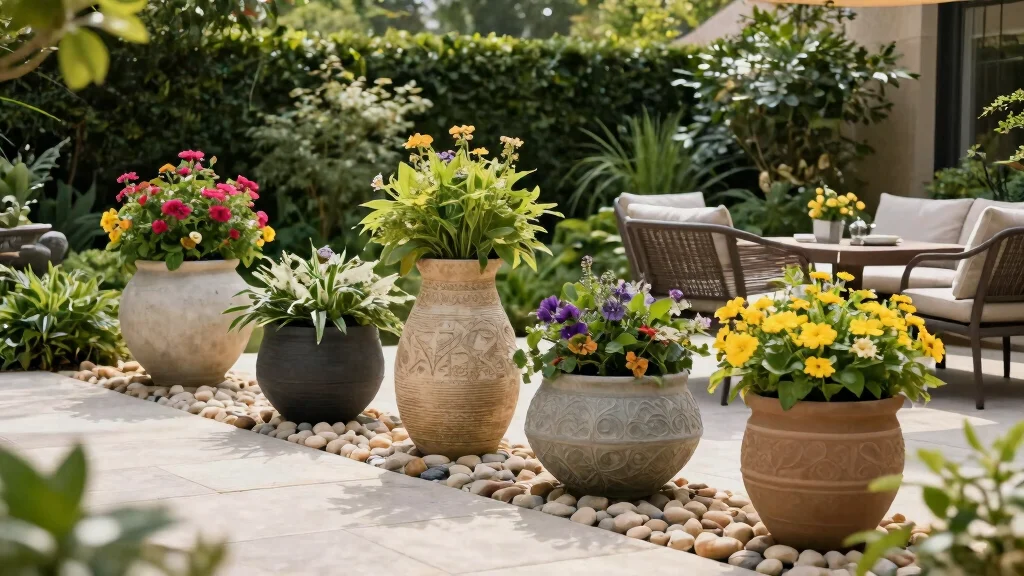
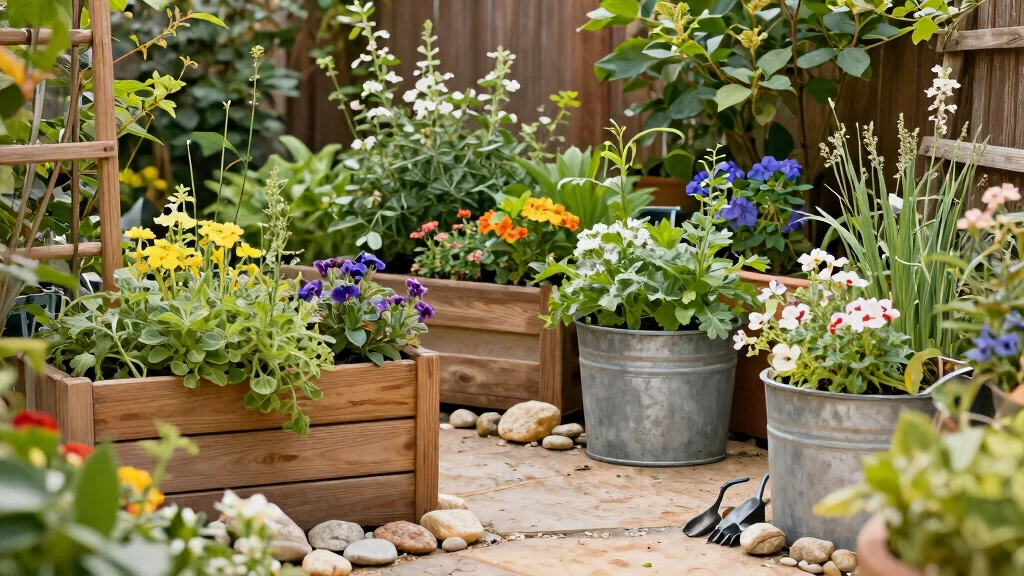
Maximize your urban garden space by employing espalier techniques with dogwood trees. This method allows you to train the branches against walls or fences, creating a stunning vertical display while conserving ground space.
Dogwoods are ideal for this technique due to their manageable size. Utilize the vertical space to incorporate seasonal flowers or climbing plants that thrive in sunny spots, enhancing the visual appeal.
Consider these tips for successful espalier dogwoods:
– Select a sunny area with support structures like trellises or walls.
– Prune regularly to maintain the desired shape and health.
– Mix in trailing plants for a lush vertical garden effect.
This creative approach allows you to enjoy the beauty of dogwoods, regardless of your yard size, making them a versatile addition to any urban setting.
You might also like
Vertical Interest: Espalier Techniques
Editor’s Choice

PerkHomy Natural Jute Twine 600 Feet Long Twine String for Crafts Gift W…

ZELUS Aerial Yoga Swing Sling Strong Yoga Hammock Kit Set Trapeze Invers…

Extra Tall Garden Arch Trellis for Cucumber, Heavy-Duty Rust-Resistant P…
6. Multicolor Gardens: Varietal Combinations

Combining different dogwood varieties can result in a vibrant garden that flourishes through all seasons. Pair species like the Cherokee Brave, known for its beautiful pink blooms, with the white-flowered Cornus kousa for a striking visual impact.
This diversity not only adds various colors and textures but also attracts different pollinators, enriching your garden’s ecosystem. Consider planting taller dogwoods in the center and dwarf varieties around the edges to create depth and interest.
For a vibrant multi-dogwood garden:
– Plan your layout to ensure a harmonious blend of colors.
– Stagger flowering times for a continuous display throughout the seasons.
– Include a variety of flowering perennials to complement the dogwoods.
With thoughtful planning, your dogwood garden can be a dazzling showcase of nature’s beauty year-round.
Multicolor Gardens: Varietal Combinations
Editor’s Choice

Jobe’s Slow Release Tree and Shrub Fertilizer Spikes, Easy Plant Care …

Fiskars Bypass Pruning Shears, 5/8″ Cut Capacity Gardening Scissors, Sel…

Brut Organic Worm Castings for Plants 5 LB – Natural Nutrients, Fertil…
7. Fragrant Corners: Scented Dogwood Varieties

Incorporating fragrant dogwood varieties into your garden can elevate your outdoor experience through delightful scents. Consider hybrid dogwoods that not only produce beautiful blooms but also release captivating aromas—ideal for creating a sensory-rich environment.
These aromatic varieties enhance the visual appeal while inviting relaxation and leisure in your garden. Position them near seating areas or pathways, allowing their fragrance to fill the air as you enjoy your space.
Enhancing your garden with fragrance:
– Select scented varieties to complement the visual charm of your dogwoods.
– Plant alongside herbs or other fragrant plants for a fuller sensory experience.
– Create seating spots near fragrant trees to savor the aroma while relaxing.
By focusing on scent in your landscape design, you create not just a beautiful sight but also an emotionally uplifting garden.
Fragrant Corners transform any yard into a cozy retreat. Choose scented dogwood varieties near seating areas or pathways, so every stroll breathes in a calming aroma. In dogwood tree landscaping, small urban gardens gain drama and perfume without sacrificing space.
Fragrant Corners: Scented Dogwood Varieties
Editor’s Choice

Pink Dogwood, Pink Flowering, Deciduous, Lustrous Green Foliage, 1 gal, …

HERA’S HOUSE Patio Furniture Conversation Set, Outdoor Swivel Glide Wick…

Miracle-Gro Shake ‘N Feed Flowering Trees and Shrubs Plant Food, For In-…
8. Seasonal Decor: Integrating Dogwoods

Dogwood trees serve as an excellent backdrop for seasonal decorations, bringing a festive flair to your garden. In spring and summer, use colorful planters and outdoor furniture that complement the dogwood blooms to create a unified visual theme.
As the seasons evolve, easily update your decor to match the changing colors of dogwood foliage, from warm autumn tones to festive winter themes. This adaptability ensures your garden stays dynamic and engaging all year round.
Tips for seasonal decor:
– Choose color palettes that resonate with your dogwood blooms for cohesive design.
– Add festive elements like lights, ornaments, or seasonal plants.
– Use holiday decorations that enhance, not overshadow, the natural beauty of the trees.
By thoughtfully integrating seasonal decor, you can create a constantly evolving yet harmonious garden space that reflects the beauty of nature’s changes.
You Might Also Like


Seasonal Decor: Integrating Dogwoods
Editor’s Choice

Yardwe Natural Wooden Planter Tree Stump Flower Pot Decorative Tree Trun…

Brightown Clear Christmas String Lights 50 Count 10 Feet Incandescent Bu…

Interchangeable Welcome Sign for Front Door with 4 Seasonal Wreaths 21 C…
9. Accessibility and Dogwood Care: Essential Tips

Proper care for dogwood trees is essential for their health and beauty throughout the seasons. Regular maintenance, including pruning, watering, and pest control, allows you to enjoy their stunning presence for years. Opt for disease-resistant dogwood varieties that thrive in your climate for the best results.
Consider accessibility in your garden layout, spacing dogwoods appropriately for maintenance and enjoyment. This planning also helps you choose companion plants that flourish alongside them.
Here’s how to ensure your dogwoods flourish:
– Plant in well-drained soil and provide ample sunlight.
– Regularly inspect for pests and diseases; early treatment is crucial.
– Prune damaged branches to maintain the tree’s health and shape.
By focusing on proper dogwood care, you’ll ensure your garden remains a stunning retreat season after season.
Ongoing Maintenance & Care Guide
Maintaining your dogwood tree is essential for keeping it healthy and beautiful throughout the year. Here’s a comprehensive guide to help you care for your dogwood tree and enjoy its stunning appeal in every season.
Maintenance Schedule:
Daily/Weekly Tasks:
– Watering: Check soil moisture regularly. Water your dogwood tree if the top inch of soil feels dry. This takes about 10 minutes each time.
– Weeding: Keep the area around the tree free from weeds. Spend around 15 minutes each week pulling unwanted plants.
– Mulching: Check mulch levels to retain moisture and suppress weeds. Replenish if it’s less than 2-3 inches thick, taking about 20 minutes.
– Inspection: Look for any signs of pests or diseases. This quick check should take about 5 minutes.
Monthly/Seasonal Tasks:
– Pruning (Spring): Trim dead or crossing branches to promote healthy growth. Spend 30-45 minutes each month during the growing season.
– Fertilizing (Spring): Apply a slow-release fertilizer specially formulated for flowering trees. This takes about 20 minutes.
– Pest Control (Summer): Monitor for aphids or spider mites and treat as needed. Allocate 30 minutes for inspections and treatments.
– Fall Cleanup: Rake fallen leaves and debris to prevent fungal diseases. This can take about an hour.
– Winter Preparation: Wrap young trees in burlap or protective fabric during the winter months. Allow about 30 minutes for this task.
Maintenance Summary Table:
| Task | Frequency | Difficulty | Time Needed |
|——————————|—————–|————–|———————|
| Watering | Daily/Weekly | Easy | 10 minutes |
| Weeding | Weekly | Easy | 15 minutes |
| Mulching | Monthly | Easy | 20 minutes |
| Inspection | Weekly | Easy | 5 minutes |
| Pruning | Monthly (Spring)| Moderate | 30-45 minutes |
| Fertilizing | Monthly (Spring)| Easy | 20 minutes |
| Pest Control | Monthly (Summer)| Moderate | 30 minutes |
| Fall Cleanup | Seasonal (Fall) | Easy | 1 hour |
| Winter Preparation | Seasonal (Winter)| Easy | 30 minutes |
Common Issues to Watch For:
⚠️ Yellow Leaves: Indicates overwatering or nutrient deficiency. Check the soil moisture levels and consider fertilizing.
⚠️ Discoloration or Spots on Leaves: This may signify a fungal disease. Inspect the leaves closely and remove affected ones.
⚠️ Wilting or Drooping Branches: This can indicate stress from lack of water. Ensure consistent watering and adjust your schedule if needed.
⚠️ Pests: Look for signs of aphids or spider mites on leaves. If you see them, treat promptly to prevent damage.
⚠️ Cracks in Bark: These can be signs of stress or disease. Monitor the tree closely and consult a local expert if necessary.
Care Tips:
💡 Choose the Right Location: Plant your dogwood tree in well-draining soil and locations with partial shade to ensure it thrives.
💡 Water Deeply: When watering, give your dogwood a deep soak rather than shallow watering. This encourages deep root growth.
💡 Avoid Overcrowding: Provide enough space around the tree for air circulation and light. This helps reduce disease risks.
💡 Stay Consistent with Care: Regular maintenance will keep your tree healthy and beautiful. Set reminders for tasks to help you keep track.
💡 Learn About Your Variety: Different dogwood varieties may have unique needs. Research your specific type for tailored care tips.
By following this ongoing maintenance and care guide, you will ensure your dogwood tree remains a stunning focal point in your landscape, bringing you joy through all four seasons.
Accessibility and Dogwood Care: Essential Tips
Editor’s Choice
Fiskars Bypass Pruning Shears, 5/8″ Cut Capacity Gardening Scissors, Sel…

Bonide Captain Jack’s Neem Oil, 32 oz Ready-to-Use Spray, Multi-Purpose …

XLUX Long Probe Deep Use Soil Moisture Meter, Water Monitor Indicator Se…
Conclusion

Incorporating dogwood trees into your landscaping not only provides year-round beauty but also creates a sanctuary for both you and local wildlife. With their stunning seasonal displays, these trees can transform even the smallest urban gardens into vibrant outdoor spaces.
As you explore these landscaping ideas, think of the joy and serenity that a well-designed dogwood garden can bring. Embrace the beauty of nature and let your garden reflect the changing seasons through the enchanting allure of dogwoods.
Note: We aim to provide accurate product links, but some may occasionally expire or become unavailable. If this happens, please search directly on Amazon for the product or a suitable alternative.
This post contains Amazon affiliate links, meaning we may earn a small commission if you purchase through our links, at no extra cost to you.
Frequently Asked Questions
Why are dogwood trees a great fit for small urban gardens in dogwood tree landscaping?
Dogwood trees bring four-season beauty and compact growth, making them ideal for small urban spaces.
In dogwood tree landscaping plans, you can choose dwarf or multi-stem forms that bloom without overwhelming a tight yard.
For seasonal landscaping ideas, pair spring blossoms with rich summer foliage and dramatic fall color.
Practical steps: check the tree’s mature size before planting, pick a compact cultivar if needed, ensure 6-8 hours of sun, and keep the soil evenly moist with mulch.
This creates a lasting focal point in limited spaces.
How should I care for dogwood trees to keep them healthy in a small yard?
Healthy dogwoods start with good soil and consistent moisture.
For dogwood tree care, plant in well-drained, slightly acidic to neutral soil and mulch 2-3 inches to protect roots.
Water deeply during dry spells; avoid overwatering or soggy feet. Feed lightly in early spring with a balanced fertilizer. Prune after flowering to maintain shape and encourage strong growth. Watch for common issues like dogwood anthracnose and scale, and ensure good air circulation by spacing trees appropriately. Regular checks will keep your trees thriving in a small space.
What seasonal landscaping ideas can I use with flowering dogwoods?
With flowering dogwoods, you can create a vibrant four-season display.
In spring, let the blossoms take center stage; in summer, pair with shade-loving perennials and evergreens for a cool canopy; in fall, highlight the foliage color with lighter groundcovers; in winter, use the tree’s structure and nearby lighting to add interest.
For seasonal landscaping ideas, consider underplanting with spring bulbs for early color, using nearby shrubs to extend bloom time, and placing a bench beneath as a focal point. Also think about garden design tips like layering, contrast, and repetition to keep the yard lush year-round, and remember flowering trees for landscaping to draw the eye.
Which dogwood varieties are best for tiny spaces or container gardening?
For tiny spaces, look for compact dogwood varieties and those that stay smaller at maturity, or columnar/multi-stem forms that fit a narrow border or container.
Check the tag for expected height and root spread, and place them where they get morning sun and afternoon shade in hot climates. In containers, choose a large, well-draining pot with steady moisture and good drainage. With careful placement and regular watering, you can enjoy stunning blooms without crowding a tiny yard. This approach is a practical example of dogwood tree landscaping in action.
What are best practices for planting and long-term care of dogwood trees in a backyard?
Start with a good site: partial shade in hot regions, full sun in cooler areas, with well-drained soil. For backyard tree planting, dig a hole wider than the root ball, set the tree at the same depth as in the pot, and backfill gently. Water deeply after planting and mulch to protect roots. In the first growing season, keep evenly moist and avoid compacted soil near the trunk. For long-term care, prune only after flowering to shape, fertilize sparingly in early spring, and monitor for diseases like anthracnose and pests. With regular watering, mulching, and mindful pruning, your dogwood will thrive in a backyard landscape.
Related Topics
dogwood tree landscaping
seasonal landscaping ideas
urban garden design
flowering trees
dogwood tree care
small yard solutions
easy gardening tips
backyard tree planting
ornamental trees
four seasons beauty
landscaping tips
beginner gardening