
Creating a vibrant garden can feel like a daunting task, especially if you’re working with limited space. I created this post because I believe that even small areas can pack a punch with the right plants. If you’re looking for ways to brighten up your yard, patio, or even a balcony, you’re in the right place.
This guide is for garden enthusiasts who want to add colorful shrubs and low-maintenance bushes to their outdoor space. Whether you’re a seasoned gardener or just starting out, these small bushes for landscaping are perfect for you. You’ll discover eight stunning options that bring exquisite color and texture to every corner of your garden. Each selection is not just pleasing to the eye but also easy to care for, making them ideal for anyone seeking to enhance their landscape with minimal effort.
Get ready to explore these compact landscaping plants that will turn your garden into a stunning retreat. Each bush brings its own personality and charm, transforming any area into a lively oasis. You’ll find practical tips on where to plant them, how to care for them, and how to blend them into your existing garden design. Your outdoor space deserves this touch of beauty, and I’m excited to help you achieve it!
Key Takeaways
– Discover eight different small bushes that can add color and texture to any outdoor space.
– Learn about drought-tolerant options that require minimal maintenance, perfect for busy gardeners.
– Find out how to use these bushes for decorative garden borders or as focal points in your landscaping.
– Each shrub has unique care needs and growing conditions, ensuring you find the right fit for your climate.
– Gain inspiration for incorporating vibrant foliage shrubs into your existing garden layout, no matter the size of your space.
1. Dwarf Gardenia

If you’re seeking a touch of elegance and fragrance in your garden, the Dwarf Gardenia is a fantastic choice. This charming shrub boasts glossy, deep green leaves and produces exquisite white flowers that smell heavenly. Perfect for warmer climates, it also offers drought resistance, making it a beautiful yet practical addition to your landscape.
Plant these delightful bushes in decorative borders or as eye-catching focal points, and let their sweet aroma enhance your outdoor experience. Growing to about 2 to 3 feet tall, they fit snugly into smaller gardens or urban spaces. Combine them with bright perennials for a vibrant display that will draw the eye.
Key features to consider:
– Enjoy the sweet scent of the white blooms.
– Thrive in both full sun and partial shade.
– Prune regularly to boost blooming and maintain shape.
– Ideal for urban gardens and decorative borders.
By incorporating Dwarf Gardenias, you’ll elevate your garden’s atmosphere with stunning beauty and fragrance that lingers in the air.
“Fun fact: Dwarf Gardenia shrubs stay under about 3 feet tall and drop fragrant white blossoms for months. Plant them in borders or as focal points—these drought-tolerant beauties thrive in warm climates and elevate your small bushes for landscaping.”
Dwarf Gardenia
Editor’s Choice
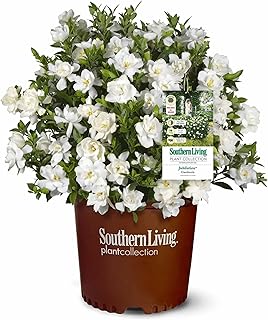
Perfect Plants Jubilation Gardenia by Southern Living in 1 Gal. Grower��…

Sunday WonderFert 2 Pack – All-Purpose Liquid Fertilizer – 10-2-6 NPK Ou…
2. Lavender
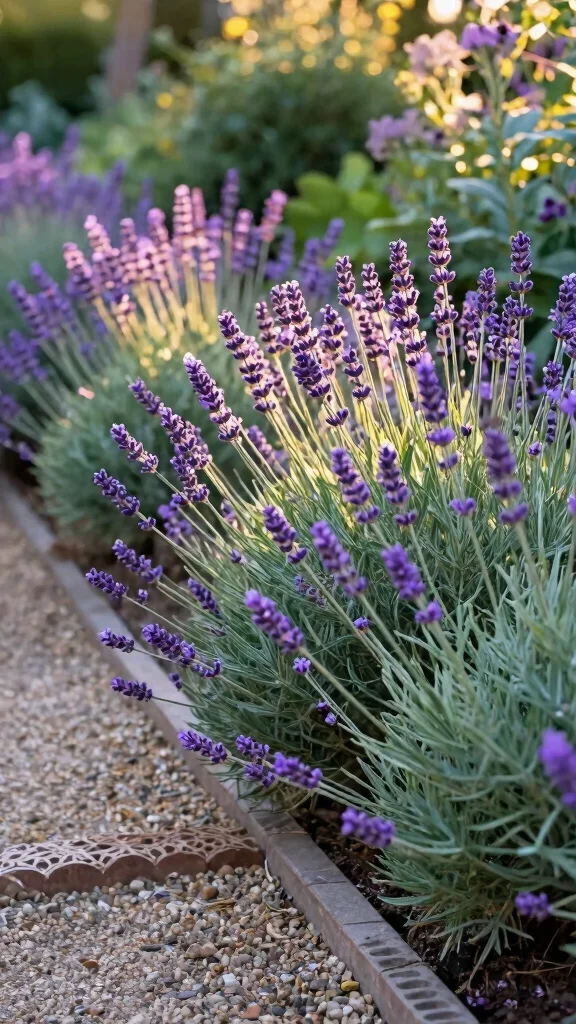
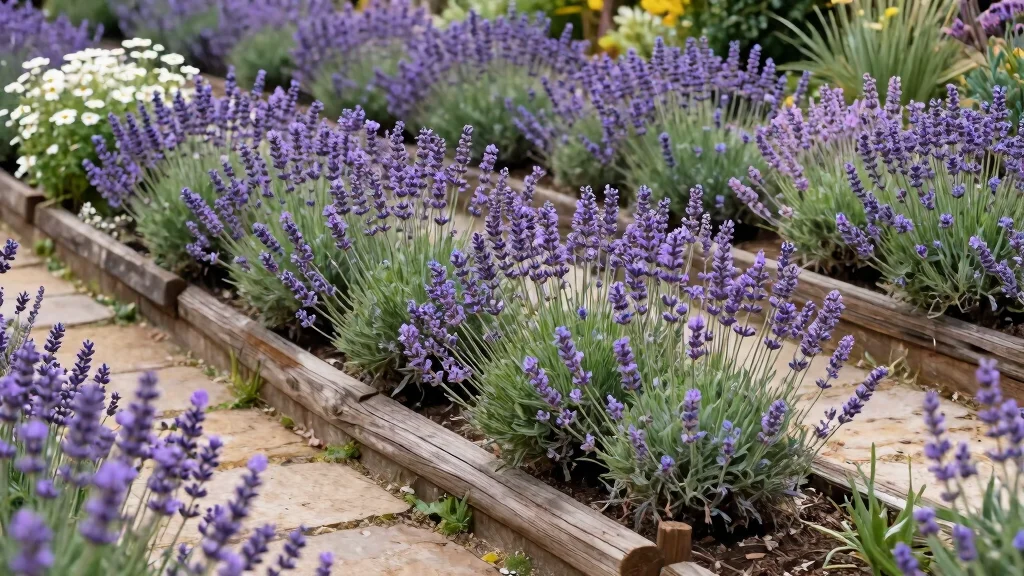
Lavender is more than just a fragrant plant; it’s a versatile and low-maintenance shrub that every garden can benefit from. With its soft silvery-green leaves and vibrant purple flowers, it adds a lovely pop of color and aroma to any outdoor space. Ideal for sunny locations, this drought-tolerant plant grows to about 1 to 3 feet tall, making it perfect for compact landscaping.
Consider planting Lavender along pathways or in mixed borders to create visual interest. Not only does it attract pollinators like bees and butterflies, but it also helps repel unwanted pests, making it a smart choice for companion planting.
Steps to enhance your Lavender garden:
– Use as decorative borders for pathways.
– Cut back after blooming to promote healthy growth.
– Pair with other vibrant shrubs for a colorful effect.
– Choose compact varieties for smaller spaces.
With Lavender in your garden, you’ll enjoy a beautiful blend of color, fragrance, and ecological benefits that enhance your outdoor living experience.
Top Varieties for Different Conditions
1. Dwarf Gardenia
– Best conditions: Ideal for warm, humid climates, and can thrive in full sun to partial shade.
– Key features: This bush offers creamy white flowers that emit a sweet scent and glossy green leaves, adding elegance to any garden.
– Considerations: Dwarf Gardenias need well-drained, acidic soil and can suffer in overly dry or cold conditions.
2. Lavender
– Best conditions: Perfect for hot, dry areas where you want a burst of color and fragrance.
– Key features: With tall spikes of purple blossoms and silvery-green foliage, Lavender not only attracts pollinators but also releases a relaxing aroma when brushed against.
– Considerations: It requires well-drained soil and full sun for optimal growth, making it less suitable for overly wet areas.
3. Japanese Boxwood
– Best conditions: Thrives in temperate climates and can withstand light frost, making it great for structured gardens.
– Key features: This bush boasts dense evergreen foliage that stays lush all year, providing a clean backdrop for other plants or decorative features.
– Considerations: Regular pruning helps maintain its shape, but it can struggle in poorly drained soil.
4. Butterfly Bush
– Best conditions: Loves sunny spots and is well-suited for areas with well-drained soil, particularly in warmer climates.
– Key features: Known for its long-lasting, colorful flower spikes that attract butterflies and bees, this bush adds a lively touch to your garden.
– Considerations: It may need regular pruning to prevent it from becoming leggy and should be planted away from high winds.
5. Barberry
– Best conditions: Great for dry, sunny areas and can tolerate poor soil, making it low-maintenance.
– Key features: With its thorny branches and vibrant foliage that ranges from yellow to deep red, Barberry adds both texture and color year-round.
– Considerations: Some varieties can be invasive, so check local guidelines before planting.
6. Spirea
– Best conditions: Thrives in a variety of climates, particularly in sunny to partially shaded areas.
– Key features: This bush offers clusters of small flowers in shades of white, pink, or red, providing seasonal interest and attracting pollinators.
– Considerations: Regular pruning after flowering encourages new growth but can be sensitive to extreme drought.
7. Fothergilla
– Best conditions: Prefers moist, well-drained soil and can do well in both sun and partial shade, ideal for humid regions.
– Key features: With its fragrant white flowers and spectacular fall color, Fothergilla is a standout choice for seasonal beauty.
– Considerations: It requires consistent moisture, so it’s not suitable for very dry spaces.
8. Euonymus
– Best conditions: Versatile for various climates, thriving in both sunny and shady spots.
– Key features: This shrub provides colorful variegated leaves that brighten up any garden and can be shaped into hedges or standalone features.
– Considerations: Some varieties may be prone to pests, so keeping an eye out for issues is essential.
Climate/Condition Guide:
Understanding your specific conditions is key to choosing the right small bushes for landscaping. If you live in a hot, dry climate, go for drought-tolerant options like Lavender and Barberry. For humid areas, look into Dwarf Gardenia or Fothergilla. Those in temperate regions have a wider selection, including Japanese Boxwood and Spirea. Always consider soil type, moisture levels, and sunlight availability when making your choices.
Growing Tips:
– Water young bushes deeply but infrequently to encourage strong root systems.
– Apply a layer of mulch to conserve moisture and suppress weeds.
– Regularly check for pests and diseases to keep your bushes healthy.
Avoid:
– Avoid planting in poorly drained soil, which can lead to root rot.
– Don’t forget to research your specific variety’s growth habits to prevent overcrowding.
Lavender
Editor’s Choice

HOME GROWN Non GMO English Lavender Seeds 1,500+ Wildflower Seed for Pla…

Premium Liquid Lavender Plant Fertilizer – 3-1-2 Concentrate for Indoor …
3. Japanese Boxwood
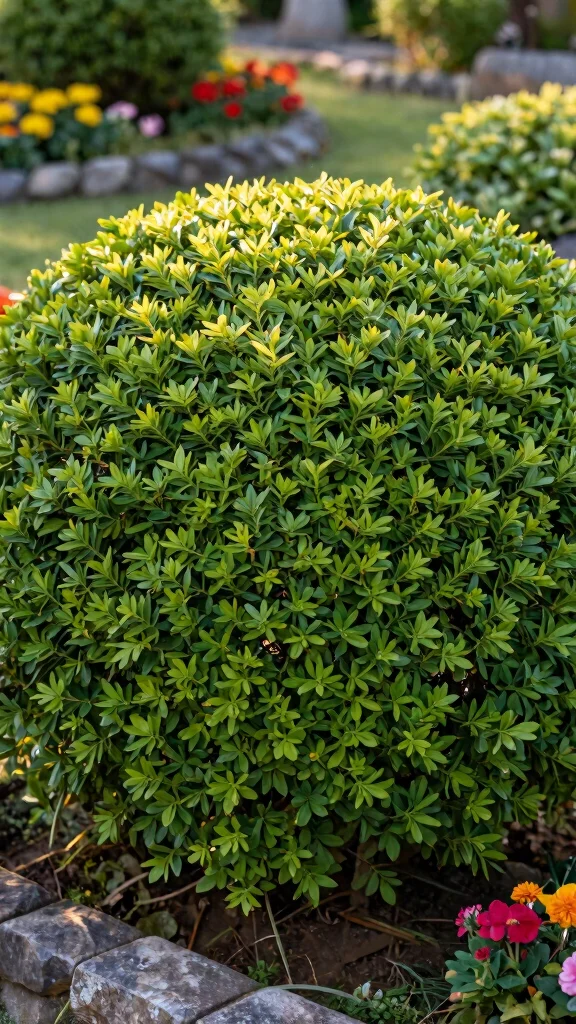
For those aiming for a refined and classic look in their landscaping, Japanese Boxwood stands out as an excellent choice. This evergreen shrub features dense foliage with small leaves that create a lush and elegant appearance year-round. They can be shaped and trimmed to fit any garden size, making them ideal for compact areas.
These low-maintenance shrubs typically grow about 2 to 3 feet tall and work wonderfully as decorative borders or hedges along pathways. Their subtle green tones harmonize beautifully with brighter flowering plants, creating a balanced landscape.
Best practices for your Boxwood:
– Shape and trim to fit your desired garden design. br>- Plant in well-drained soil for optimal growth.
– Position in partial shade for versatility in placement.
– Regular pruning encourages denser growth and neat appearance.
Integrating Japanese Boxwood into your garden will provide a sophisticated touch that enhances your outdoor space’s overall appeal.
Did you know? Japanese Boxwood stays dense and evergreen year-round, reaching just 2–3 feet tall—ideal among small bushes for landscaping. With easy pruning, you can shape neat hedges along paths without overdoing it.
Japanese Boxwood
Editor’s Choice

Fiskars Bypass Pruning Shears, 5/8″ Cut Capacity Gardening Scissors, Sel…

Espoma Organic Evergreen-Tone 4-3-4 Natural & Organic Fertilizer and Pla…

Podocarpus Macrophyllus Japanese Yew | 3 Live Plants | Podocarpus macrop…
4. Butterfly Bush
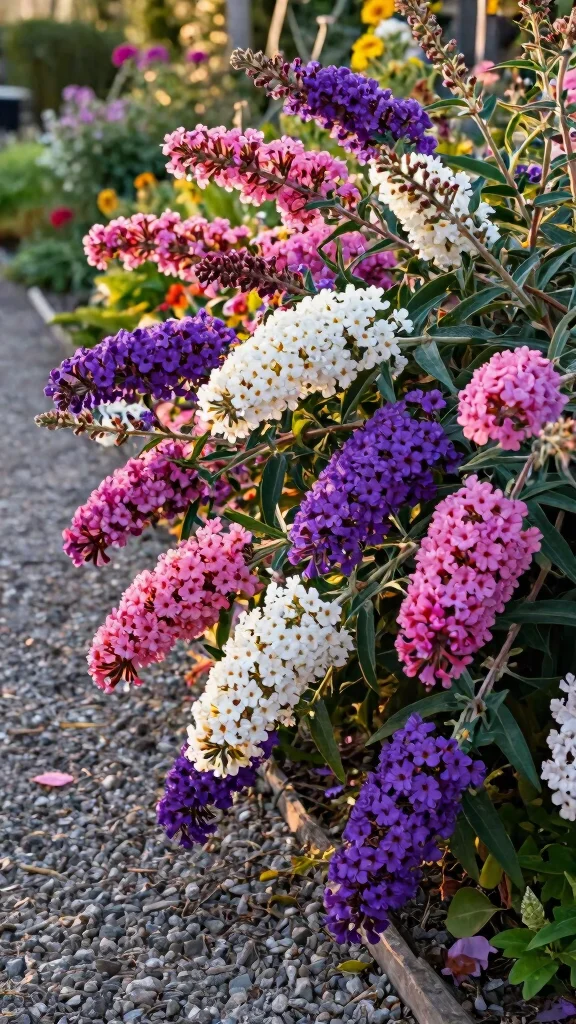
Named for its ability to attract butterflies, the Butterfly Bush is a vibrant addition that brings life to your garden. With colorful flower spikes blooming in shades of purple, pink, and white, this shrub can grow up to 3 to 4 feet tall, making it perfect for borders or as a striking focal point.
These drought-tolerant bushes require minimal water once established, making them ideal for low-maintenance landscaping. Their long blooming season provides continuous color from summer to early fall, drawing in not just butterflies but also bees and hummingbirds.
Tips for caring for your Butterfly Bush:
– Deadhead spent blooms to encourage new flowers.
– Plant in full sun for optimal growth.
– Ensure well-drained soil for best results.
– Use as a backdrop for a colorful garden display.
With Butterfly Bushes, you’ll create an enchanting garden space that delights both you and the local wildlife.
You might also like

Butterfly Bush
Editor’s Choice

350+ Mix Butterfly Bush Seeds -Perennial Ornamental Shrub Seeds, Drought…

Miracle-Gro Shake ‘N Feed Flowering Trees and Shrubs Plant Food, For In-…
5. Barberry
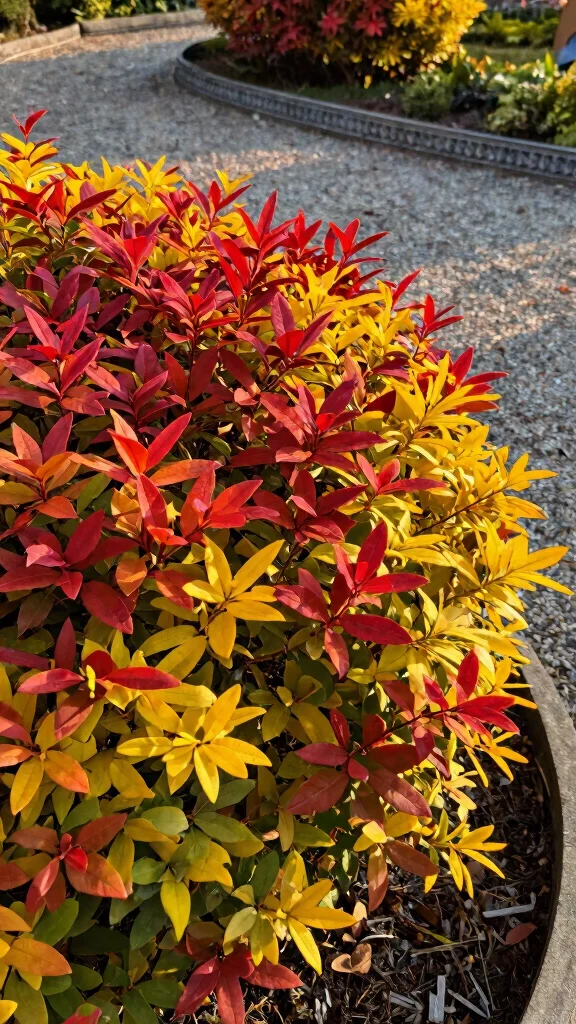
If you want to add a burst of color and texture to your garden, Barberry bushes are a fantastic option. These unique shrubs have thorny stems and come in vibrant shades ranging from fiery red to sunny yellow. They’re ideal for creating visual interest and can grow up to 3 feet tall, making them great for various landscaping settings.
These low-maintenance, drought-tolerant bushes thrive in full sun but can handle partial shade, giving you flexibility in placement. They also produce small berries in the fall, adding another layer of beauty to your garden.
How to make the most of Barberry:
– Use as decorative borders for striking color.
– Prune regularly to maintain shape and promote growth.
– Combine different colors for a dynamic look.
– Perfect for standalone accents or mass plantings.
With Barberry in your garden, you’ll enjoy a stunning display of color and texture that will catch everyone’s eye.
❝Fun fact: Barberry shrubs stay compact, reaching up to 3 feet tall, and require only minimal watering—about once a week in dry summers. Colorful varieties shine in sunny spots, from fiery red to sunny yellow, making Barberry one of the go-to small bushes for landscaping.❞
Barberry
Editor’s Choice
Perfect Plants Orange Rocket Barberry in 1 Gallon Pot from Southern Livi…
6. Spirea
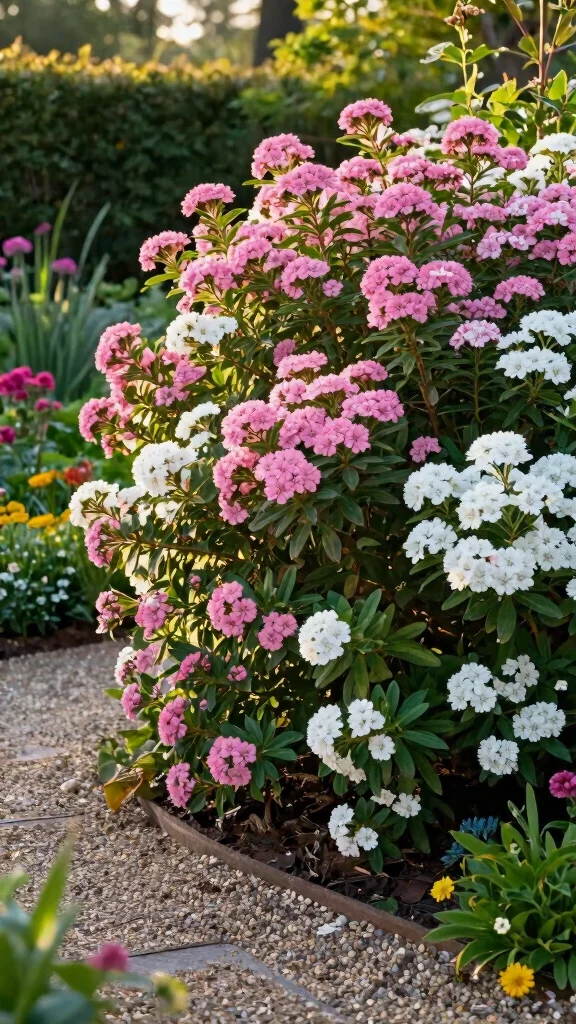
If you’re looking for a bush that radiates color, Spirea is the one to choose. This deciduous shrub showcases delightful clusters of pink, white, and red flowers throughout the growing season. Compact and hardy, Spirea reaches about 3 to 4 feet tall, making it perfect for low-maintenance gardens.
Its soft, arching branches create a flowing silhouette that pairs beautifully with other landscaping elements. Use Spirea as decorative borders or in mass plantings to create a stunning visual display.
Ways to enhance your Spirea garden:
– Prune after blooming to maintain shape and vigor.
– Mix varieties that bloom at different times for continuous color.
– Plant in sunny areas for best results.
– Use alongside other shrubs for a lush appearance.
With Spirea, you’ll enjoy a garden bursting with vibrant flowers that keep your outdoor space alive and inviting.
📹 Related Video: SPIRAEA BRIDAL WREATH REJUVENATION PRUNING
Spirea
Editor’s Choice

Perfect Plants Bridal Wreath Spirea in 1 Gallon Pot | Live Flowering Shr…
Espoma Organic Evergreen-Tone 4-3-4 Natural & Organic Fertilizer and Pla…
7. Fothergilla

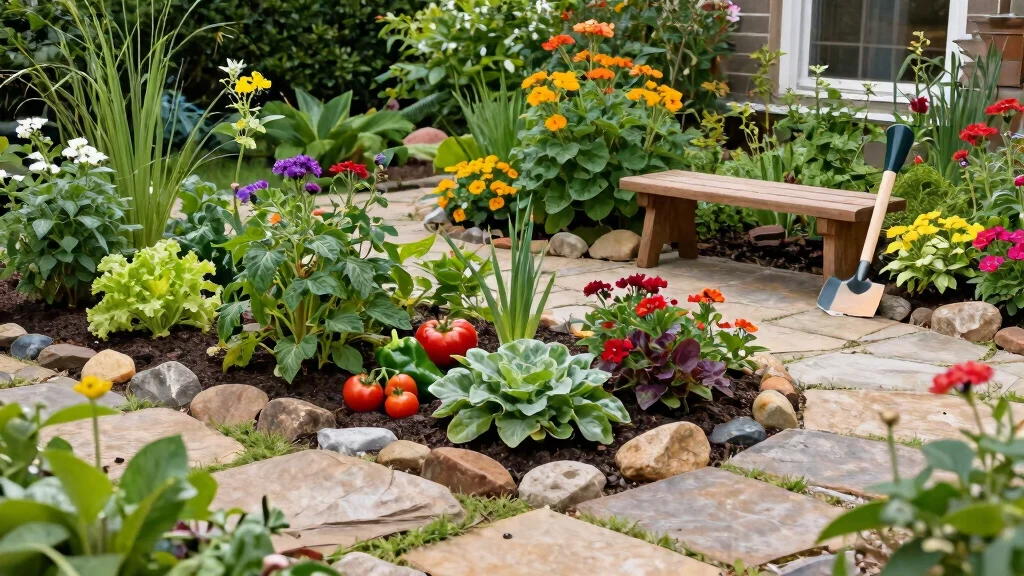
Fothergilla is a hidden gem that can add unique charm to your garden. This shrub features distinctive bottlebrush-like flowers in spring and transitions to stunning fall foliage. Growing about 3 to 4 feet tall, it’s perfect for mixed borders or as a backdrop for colorful perennials.
Drought-tolerant and low-maintenance, Fothergilla thrives in full sun to partial shade, making it a versatile choice. Its fragrant white flowers in spring provide a delightful scent, while its autumn display captivates with warm orange and red hues.
Tips for planting Fothergilla:
– Use well-drained, acidic soil for optimal growth.
– Group with other shrubs to create depth in your landscape.
– Enjoy the seasonal changes for year-round interest.
– Consider its fragrant blooms for added appeal.
Incorporating Fothergilla will transform your garden into a captivating space that showcases beautiful colors and textures throughout the seasons.
You Might Also Like

Fothergilla
Editor’s Choice
Back to the Roots 100% Organic Mulch, 58 Quart, Expanding Coconut Husk B…

Fothergilla Gardenii – Spring Blooms & Fall Color – Live Plant Shipped 2…
8. Euonymus
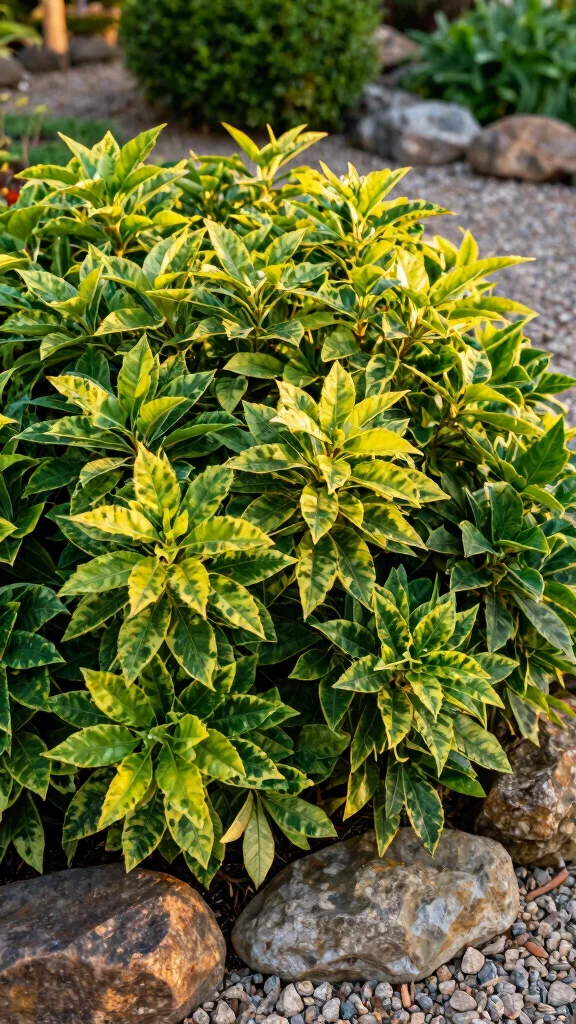
Euonymus is a highly adaptable shrub that brings year-round beauty to your garden. With lush green foliage and colorful varieties featuring variegated leaves in yellow, green, and white, it’s a captivating choice for compact landscapes. This low-maintenance bush can grow between 2 to 4 feet tall, making it perfect for various settings.
Euonymus works well as decorative borders or foundation plantings, creating structure while remaining visually appealing. Drought-tolerant once established, it can thrive in both full sun and partial shade, giving you ample options for placement.
Key considerations for your Euonymus:
– Regular pruning helps maintain shape and density.
– Choose varieties based on your landscape’s specific needs.
– Use in combination for added visual interest.
– Plant in well-drained soil for best results.
With Euonymus in your garden, you’ll enjoy a lush, structured landscape that enhances the beauty of your outdoor space.
Euonymus
Editor’s Choice

12 Golden Euonymus Shrubs | Live Plants in 2.5-inch Nursery Cubes | Japo…
Espoma Organic Evergreen-Tone 4-3-4 Natural & Organic Fertilizer and Pla…
Conclusion
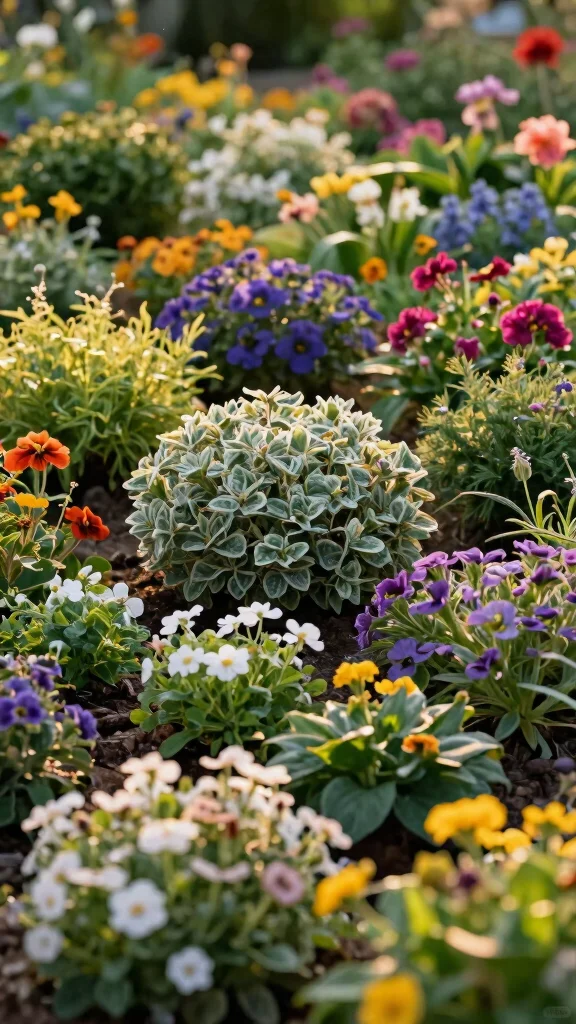
Creating a colorful and textured landscape doesn’t have to be overwhelming. With these eight small bushes for landscaping, you can easily enhance your outdoor space while keeping maintenance levels low. Each of these drought-tolerant options adds something unique, whether it’s vibrant blooms, rich foliage, or the allure of fragrances. It’s time to roll up your sleeves and start planning your garden oasis!
These bushes not only beautify your surroundings, but they also support local wildlife and can thrive in various conditions. Let your creativity shine as you mix and match these shrubs to craft the perfect garden that reflects your style and personality.
Note: We aim to provide accurate product links, but some may occasionally expire or become unavailable. If this happens, please search directly on Amazon for the product or a suitable alternative.
This post contains Amazon affiliate links, meaning we may earn a small commission if you purchase through our links, at no extra cost to you.
Frequently Asked Questions
Which small bushes for landscaping deliver bold color and are drought-tolerant?
Seek compact, drought-tolerant options like Indian Hawthorn, Loropetalum ‘Purple Pixie’, compact Bottlebrush, and dwarf Spiraea. These colorful shrubs can brighten borders with flowers or vibrant foliage while keeping water use low and maintenance light. For best results, plant in full sun with well-draining soil, and group plants with similar water needs to keep your low-maintenance bushes thriving.
Tip: place them along a decorative garden border or as a focal corner to maximize color and texture in every area.
How can I design borders with these small, vibrant shrubs for a neat, compact yard?
Start with a simple plan: pick 2–3 heights, repeat them along the border, and vary leaf color or bloom to create rhythm. Choose compact landscaping plants that share water needs for easy care, then space them to grow without crowding. Use the shrubs to outline paths and define corners, adding texture with different foliage shapes and seasonal color.
Group them in blocks to form decorative garden borders that look intentional year-round.
What maintenance schedule do these drought-tolerant small shrubs need to stay vibrant?
Most drought-tolerant small bushes thrive with minimal fuss: light pruning after flowering to maintain shape, occasional deadheading, and a yearly mulch layer to conserve moisture. Water deeply but infrequently during dry spells, then let the soil dry between waterings to prevent root rot. Keep an eye out for pests or nutrient deficiencies and feed sparingly with a balanced fertilizer to keep vibrant foliage shrubs looking their best.
Overall, these are great low-maintenance bushes for a busy gardener seeking color with less effort.
Will these shrubs work in my climate and sun exposure?
Check your local climate zone and the plant’s sun requirements before planting. Many drought-tolerant options tolerate hot sun and prolonged dry spells, but some prefer partial shade or cooler climates. Match varieties to your site’s light (full sun vs. shade) and water schedule, then group plants with similar needs to ensure successful establishment and ongoing health.
If unsure, start with versatile choices known for broad tolerance and adjust as you observe how they perform in your microclimate.
How can I use these small bushes to create color and texture in small spaces?
Leverage contrast: mix plants with different leaf colors and textures to add depth without crowding. Use colorful shrubs alongside compact landscaping plants to form living borders, corners, and focal points. Try container planting or raised beds to maximize vertical space, and cadence planting to keep the area feeling lush yet orderly.
These ideas help you craft vibrant, low-water schemes that brighten every corner while staying easy to maintain with decorative garden borders and low-maintenance bushes.
Related Topics
small bushes for landscaping
colorful shrubs
drought-tolerant plants
compact landscaping
low-maintenance bushes
decorative garden borders
vibrant foliage
seasonal landscaping
easy gardening
beginner friendly
xeriscaping
garden aesthetics