
Swale landscaping is more than just a way to manage rainwater; it’s a fantastic opportunity to bring style and beauty to your urban garden. If you find yourself craving a yard that’s both functional and aesthetically pleasing, you’re in the right place. Here, we’ll dive into the world of swale landscaping ideas that not only help control water but also enhance the overall look of your outdoor space. The motivation behind this post is simple: we want to empower you to create a garden that is eco-friendly while being a joy to behold.
If you’re someone who loves gardening or is simply looking to improve your urban outdoor space, these ideas are tailor-made for you. You might be an eco-conscious homeowner, a gardening enthusiast, or someone just trying to make better use of your yard. Whatever your background, this guide will provide you with practical tips and creative designs to turn your garden into a haven that efficiently manages water. You’ll find eight unique swale landscaping ideas that are stylish, sustainable, and perfect for anyone wanting to elevate their garden game.
By the end of this post, you’ll be equipped with actionable insights that can transform your landscape. From incorporating native plants to exploring decorative drainage solutions, you’ll discover how to blend functionality with beauty. Let’s get started on making your garden a water-wise wonderland that showcases your personal style without compromising the environment.
Key Takeaways
– Swale landscaping is an effective technique for managing excess water while enhancing your garden’s aesthetic appeal, making it both functional and beautiful.
– Incorporating native plants in your swales not only helps with water management but also supports local wildlife and biodiversity.
– Decorative drainage solutions can be both practical and stylish, allowing you to control water flow while maintaining a cohesive look in your garden.
– Raised bed swales offer a unique design element that can elevate your planting area and improve drainage, making them a great choice for urban settings.
– Regular maintenance of your swales is key to ensuring they continue to function properly and look attractive, which means keeping up with plant health and debris management.
1. The Curvy Swale

Curvy swales can elevate your garden from ordinary to extraordinary. With their gentle, flowing lines, they mimic the natural curves found in landscapes, creating a harmonious environment. This design is not only functional for water management but also enhances the visual appeal of your outdoor space.
The benefits of curvy swales are numerous. They bring aesthetic appeal with their sinuous shapes that create visual interest. They effectively manage drainage by guiding water down slopes, helping to minimize erosion. Plus, their design allows for diverse planting options, accommodating both drought-resistant and moisture-loving plants.
Consider planting a vibrant array of native flowers along the curves, complemented by ornamental grasses that frame the edges. This approach not only unifies your garden’s look but also ensures effective water diversion away from your home’s foundation.
How To Choose The Right Swale Landscaping Design
Choosing the right swale landscaping design for your eco-friendly garden is essential for effective water management and aesthetic appeal. Here are some key factors to consider:
1. Purpose of the Swale
Before choosing a swale design, define its primary purpose. Are you looking to manage stormwater runoff, enhance irrigation, or create a wildlife habitat? Each purpose may dictate different dimensions and shapes. For instance, a swale focused on water management may need to be deeper and wider, while one aimed at aesthetics could be shallower and more decorative.
2. Location and Size
The location of your swale is crucial. Observe how water flows during a rainstorm. Ideally, place your swale in low-lying areas where water naturally collects. Measure the space to determine the optimal size for your swale; a general guideline is to make it about 5% of the area it drains. This way, it can effectively handle excess water without becoming overwhelmed.
3. Plant Selection
Choose plants that thrive in your local climate and can manage wet conditions. Native plants are a great option as they require less maintenance and support local wildlife. Consider using a variety of heights and textures to create visual interest. For instance, taller grasses can be combined with flowering plants for a colorful display.
4. Aesthetic Features
Swales can be beautiful additions to your garden. Think about incorporating decorative elements like rocks, pebbles, or even flowers. You can create a natural look with river rocks or even a small footbridge for added charm. Balancing functionality and style will ensure your swale looks appealing while efficiently managing water.
5. Maintenance Requirements
Different swale designs will have varying maintenance needs. If you prefer a low-maintenance option, a swale with native plants might be ideal. However, if you choose ornamental plants, be prepared for more upkeep, such as regular pruning and watering. Assess your time and resource availability before finalizing your design.
6. Budget Considerations
Your budget will play a significant role in your landscaping choices. Basic swale designs can be created with minimal costs, while intricate designs with decorative features and specific plant selections could require a more significant investment. Create a rough estimate of your expected costs, including materials, plants, and potential labor if hiring help.
Pro Tip: Before starting your swale project, sketch out your design to visualize how it will look and function. This will help you to get a clearer picture of your objectives and ensure you’re on track with your goals. Use online tools or apps to experiment with designs!
The Curvy Swale
Editor’s Choice

Virekm Landscaping Pebbles, River Rocks Decorative Ornamental Pebbles Ga…


VEVOR Geotextile Landscape, 3ft x 100ft 8 oz, Non-Woven PP Drainage 350N…
2. Raised Bed Swales

Imagine the perfect fusion of raised garden beds and swales for a brilliant gardening solution! This unique design enhances drainage while maximizing your planting area. Raised beds keep soil warmer, making them ideal for growing vegetables and herbs you love.
The advantages of raised bed swales are compelling. They create a controlled environment, improving soil drainage and temperature regulation. Accessibility is a key benefit, making it easier for gardeners who may struggle with bending down. Plus, the elevation of raised beds creates a striking visual contrast with the swales below.
To enhance this design, layer your raised beds with various materials like wood, stone, and metal, while the swale below captures and directs rainwater. This not only looks stunning but also keeps your plants thriving and happy!
Fact: Raised bed swales, a core idea in swale landscaping ideas, can boost drainage efficiency by up to 40% and warm soils 2–4°C earlier in spring, giving you faster root development and tastier herbs. It’s a smart, stylish way to stretch urban spaces.
Raised Bed Swales
Editor’s Choice
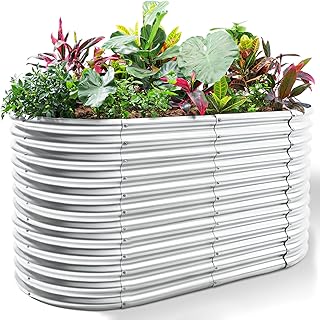
Land Guard 6x3x3ft Oval Galvanized Raised Garden Beds, Large-Capacity Me…

XLUX Long Probe Deep Use Soil Moisture Meter, Water Monitor Indicator Se…
3. Rock Swales

Rock swales introduce a rugged charm to your landscape while expertly managing water flow. Their natural appearance makes them perfect for any garden style, especially in dry climates or rocky terrains.
The key features of rock swales offer multiple benefits. They control erosion by stabilizing the soil, preventing washouts during heavy rains. Their natural beauty allows them to blend seamlessly with surrounding landscapes, enhancing overall appeal. Additionally, water filtration occurs as it flows through the rocks, promoting cleaner runoff.
For added landscaping interest, use a variety of rocks and boulders of different sizes. Pair this design with drought-resistant plants and low-water shrubs, creating a stunning contrast between the rough rock texture and vibrant greenery.
Rock Swales
Editor’s Choice

LAVEVE 4FT x 100FT Weed Barrier Landscape Fabric, 3.2oz Premium Heavy Du…

Pulovin 15 lbs White Rocks for Landscaping, 1-2 inch Large White Rocks f…

4. Swale with Native Plants

Incorporating native plants into your swales is an excellent way to create a sustainable landscape that flourishes with minimal maintenance. Native plants are naturally suited to local climates, requiring less water and upkeep.
The benefits of native plant swales are significant. They promote biodiversity by attracting local wildlife, including beneficial pollinators. They prevent erosion, as their deep roots stabilize soil and support healthy water absorption. Plus, a variety of colors, textures, and blooming seasons offer year-round visual interest.
Select a mix of flowering perennials, grasses, and shrubs that thrive in your environment. You can also enhance the natural look of your swale garden with ornamental features like boulders or driftwood.
Fun fact: Native plants in swales cut water use by up to 30% in urban gardens as part of swale landscaping ideas. They attract local pollinators and stabilize soils with deep roots, making maintenance easier and water management smarter.
You might also like
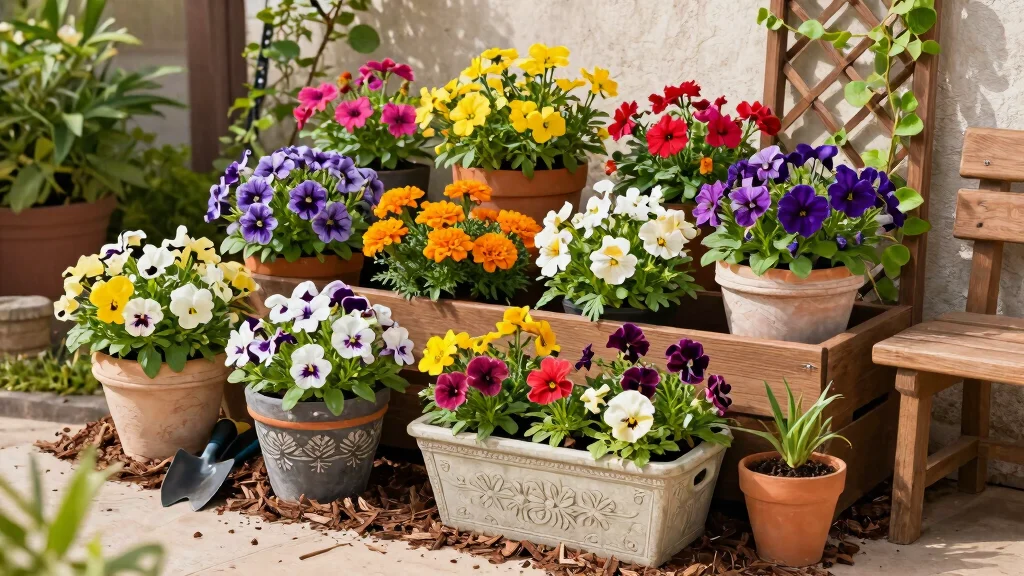

Swale with Native Plants
Editor’s Choice

Jute Erosion Control, Soil Saver Mesh Blanket – 48″ Wide x 20 Yards (60 …

Rain Bird LNDDRIPKIT Drip Irrigation Landscape/Garden Watering Kit with …

Native Wildflower Seeds for Planting 24 Variety Pack – Perennial & Ann…
5. Decorative Drainage Solutions

Who says drainage systems need to be unattractive? Decorative drainage solutions provide an elegant way to manage water while enhancing your landscape’s style. A well-crafted drainage system can become a standout feature in your garden.
The features of decorative drainage are impressive. You can select from stylish grates that match your garden’s theme. Creative channels made of tiles or decorative stones can direct water flow with flair. Furthermore, integrating drainage solutions into your landscape design ensures a seamless look.
Think about adding decorative bowls or basins that not only collect water but also serve as unique garden art. Pair these with ornamental plants that thrive in water runoff areas, boosting both visual appeal and garden functionality.
Decorative Drainage Solutions
Editor’s Choice

NDS 241-1 Spee-D® Channel Drain Grate, Plastic, 4-1/8-Inch wide X 2-Fee…

Pulovin 2.5 lbs Drainage Rocks for Potted Plants, 1/5 Inch Small Pebbles…

ToLanbbt Modular Interlocking Cushion 12P 11.8″ x 11.8″ Interlocking Rub…
6. Permeable Paving with Swales

Combining permeable paving with swales is a clever approach to managing water while providing a stylish surface for paths or patios. This eco-friendly option helps recharge groundwater and significantly reduces runoff.
The advantages of permeable paving are noteworthy. It allows water to pass through, lessening pooling and erosion. Using sustainable materials enhances the overall eco-friendliness of your garden. Additionally, a variety of styles, colors, and sizes are available to match your taste and garden aesthetic.
Consider using decorative stones, bricks, or permeable pavers along pathways leading to your swales. Enhance the appearance by planting low-growing native plants or ground covers between pavers, creating a beautiful blend of form and function.
📹 Related Video: Brett Permeable Paving for Sustainable Drainage Systems (SuDS)
Permeable Paving with Swales
Editor’s Choice

ZOOFOX 10lb Natural Rocks Stones, Small Washed Gravel for Terrariums, Su…

Sekcen 3 Pack Rubber Stepping Stones 15.75”x15.75” Outdoor Garden Wa…

The Drought-Defying California Garden: 230 Native Plants for a Lush, Low…
7. Rain Garden Swales

Rain gardens are a fantastic way to utilize swales for capturing and filtering stormwater runoff while creating a stunning and functional landscape. This design mimics natural ecosystems, addressing water management sustainably.
The benefits of rain gardens are immense. The plants filter pollutants from the water, promoting natural filtration. They create habitats that attract beneficial insects and birds, enhancing local biodiversity. Plus, you can design them with vibrant flowers and layered plantings for stunning visual impact.
To create an effective rain garden swale, select native plants that thrive in both wet and dry conditions, and design it to improve drainage. Add decorative stones or gravel paths to guide visitors through this lush oasis while enjoying its eco-friendly attributes.
Did you know? Rain gardens are one of the most effective swale landscaping ideas, cutting runoff by up to 50% and filtering pollutants as water slows. Plant natives, invite beneficial insects, and watch your urban garden thrive.
You Might Also Like


Rain Garden Swales
Editor’s Choice
Pulovin 15 lbs White Rocks for Landscaping, 1-2 inch Large White Rocks f…

Perennial Farm Juncus Effusus (Common Rush/Soft Rush) – Live Ornamenta…

Farmer’s Secret Soil Revitalizer (32oz) – Organic (OMRI Listed) Dirt H…
8. Sustainable Swale Maintenance

Once your swale is established, maintaining it sustainably ensures it remains efficient and beautiful. Regular upkeep can be enjoyable and a rewarding part of your garden care routine.
Top tips for sustainable maintenance include using organic mulch around plants to retain moisture and suppress weeds. Regularly monitor plant health and remove invasive species that compete for resources. Consider installing rain barrels to collect runoff from swales for watering during dry spells.
Engaging in these maintenance practices not only keeps your swales functioning optimally but also enhances the beauty of your garden. Plus, you’ll enjoy a thriving ecosystem right in your backyard!
Sustainable Swale Maintenance
Editor’s Choice

AVALUTION Orchid Potting Bark-3QT Organic Orchid Bark for Plants, All Na…

Size Large, The Original Highly Trusted, Heavy-Duty Invasive Plant Remov…
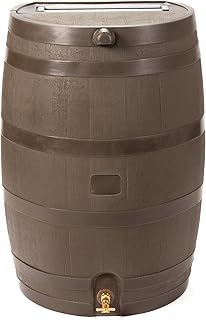
RTS Home Accents 50-Gallon Rain Barrel with Brass Spigot, Flat Back Rain…
Conclusion

Swale landscaping offers a beautiful, practical solution to urban water management challenges. By incorporating these ideas into your garden, you can create a space that not only looks great but thrives sustainably. Each of these styles provides unique solutions and benefits, making swales an essential component of any eco-friendly garden.
So, whether you opt for a curvy swale or a rain garden, you’re sure to enjoy a remarkable blend of aesthetics and eco-consciousness in your urban space. Embrace your gardening journey and let your swale flourish!
Note: We aim to provide accurate product links, but some may occasionally expire or become unavailable. If this happens, please search directly on Amazon for the product or a suitable alternative.
This post contains Amazon affiliate links, meaning we may earn a small commission if you purchase through our links, at no extra cost to you.
Frequently Asked Questions
What exactly is a swale and how does it help manage water in urban gardens?
A swale is a shallow, vegetated trench that captures and slowly infiltrates rainwater. In urban gardens, it reduces runoff, recharges soil, and minimizes erosion while adding a subtle, stylish feature. To start: locate a natural low point on your property, dig a shallow trench about 4–8 inches deep with a gentle slope toward the swale, cover with mulch or rocks to prevent mud, and plant with hardy native species that tolerate both wet and dry periods. For a touch of design, consider edging and surrounding planting beds, and reference swale landscaping ideas to blend function with aesthetics.
How can I design eco-friendly swale landscaping that still looks stylish in a small urban yard?
Start with a curved, shallow swale that doubles as a planting bed. For eco-friendly garden design, choose native plants and use permeable edging, mulch, and a layered mix of grasses, ferns, and flowering perennials. Use decorative drainage solutions like pebble-filled trench rims and a defined border to keep things tidy, while ensuring landscape water control and water management landscaping works. This aligns with sustainable landscaping techniques and adds visual appeal without sacrificing sustainability.
What maintenance is required for swales in urban yards?
Regular checks after storms, remove sediment that builds up in the trench, and prune overgrowth to maintain flow. Replenish mulch to about 2–3 inches, weed promptly, and avoid fertilizer-heavy applications that can run off into the swale. Inspect for clogs in overflow outlets and ensure plants are thriving; replant if needed to maintain infiltration rate. This simple routine aligns with water management landscaping and sustainable landscaping techniques.
Will swales prevent flooding during heavy storms?
When properly sized and placed on a gentle slope, swales can dramatically reduce runoff and slow water enough to prevent puddling. For maximum effect, use a series of shallow swales on a slope or connect to a rain garden or infiltration trench. Test your soil’s infiltration rate before digging, and consider adding overflow paths to safe areas. This is core to swale landscaping ideas and landscape water control and water management landscaping.
What plants work best in swale landscaping for both function and aesthetics?
Favor native grasses, sedges, and moisture-loving perennials in wetter zones, with drier pockets featuring drought-tolerant beauties. Mix texture and color with a few flowering perennials like Echinacea or Gaillardia. Avoid invasive species and give roots room to spread; mulching helps with evaporation and weed suppression. This supports eco-friendly garden design and sustainable landscaping techniques, and reinforces water management landscaping by providing soil stabilization and infiltration.
Related Topics
swale landscaping
eco-friendly design
water management
urban gardening
sustainable techniques
decorative drainage
landscape solutions
beginner friendly
stylish gardens
drainage ideas
rainwater control
green landscaping