
Creating a beautiful front yard can feel overwhelming, especially when you’re working with a slope. If you’ve been staring at your incline, wishing it could transform into a gorgeous garden, you’re not alone! This post is for anyone who loves gardening, wants to enhance their home’s curb appeal, or simply craves a sustainable and functional outdoor space.
I put this together to share some inspiring sloped front yard landscaping ideas that will make your incline look intentional and beautiful. You’ll find tips that blend aesthetics with sustainability, perfect for anyone who values both style and the environment. Get ready to explore creative options that will not just beautify your yard but also make it easier to maintain.
From terraced gardens that add elegant lines to your landscape, to native plantings that thrive in their natural environment, I’ve gathered a range of ideas tailored just for you. Whether you’re a seasoned gardener or looking for your first project, you’ll find something here that sparks your creativity and makes your front yard feel like home.
Key Takeaways
– Terraced Levels for Elegance: Create terraced areas to manage the slope while adding visual interest to your yard. This method allows for a more structured and appealing garden layout.
– Focus on Native Plants: Incorporate native plants into your design. They require less water and maintenance, making your garden more sustainable while supporting local wildlife.
– Utilize Stone Pathways: Enhance visual appeal and accessibility with stone pathways. They guide visitors and create a charming aesthetic that blends well with nature.
– Consider Creative Retaining Walls: Use retaining walls not just for function, but as a design element. They can define spaces and add texture to your yard.
– Layer Your Planting: Layer different plants for depth and interest. This technique not only provides seasonal color but also attracts various pollinators, enriching your garden’s ecosystem.
1. Terraced Levels for an Elegant Look
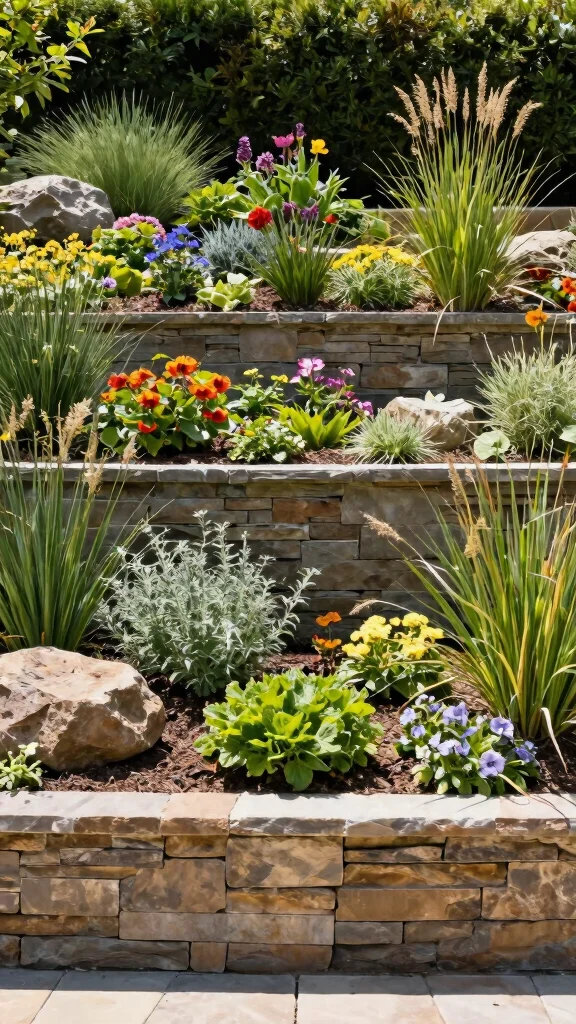
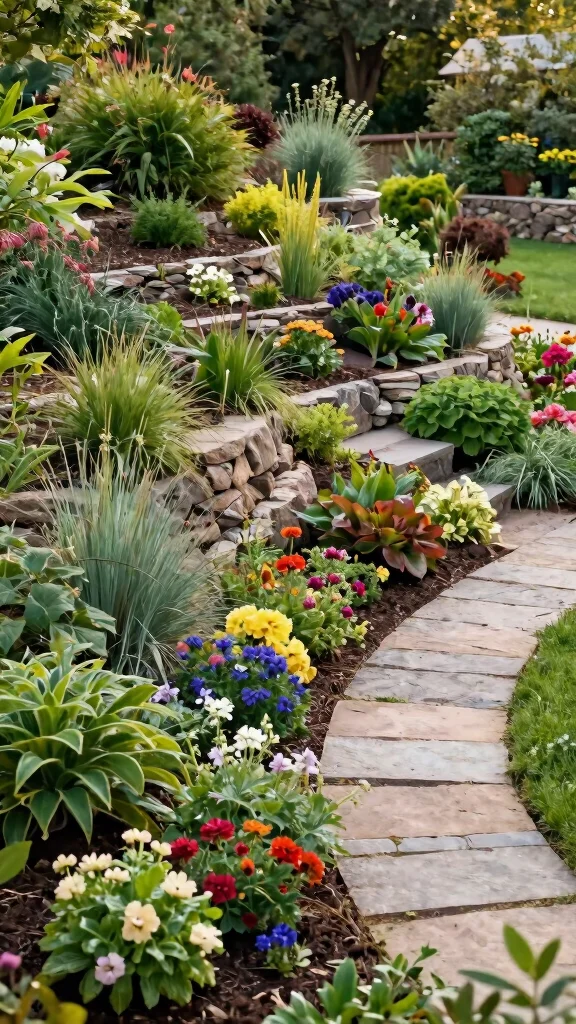
Transforming your sloped front yard into a terraced masterpiece can elevate both its beauty and functionality. This design not only addresses drainage issues but also creates visually appealing layers filled with colorful flowers and shrubs. With different heights, each terrace becomes a canvas for seasonal blooms and greenery, ensuring your garden remains lively all year round.
Start by planning the layout based on your space and the plants you love. Choose materials like natural stone or timber for retaining walls to enhance the charm. Consider adding native plants that thrive in your area, which will require less water and care.
Key steps to create terraced levels:
– Use natural stone or timber for retaining walls.
– Choose drought-resistant plants for lower maintenance.
– Apply mulch to prevent erosion and improve aesthetics.
Terraced gardens add visual interest while simplifying maintenance and gardening, making them both beautiful and practical.
Terraced Levels for an Elegant Look
Editor’s Choice
RTS Home Accents Rock Lock Interlocking Landscape Edging and Border Syst…


LAVEVE 4FT x 100FT Weed Barrier Landscape Fabric, 3.2oz Premium Heavy Du…

Veradek Block Series Long Box Planter – Large Rectangular Planter for In…
2. Native Plant Gardens for Sustainability

Creating a native plant garden is a beautiful way to enhance your front yard while helping local wildlife thrive. These plants are well-suited to your local climate, requiring less water and care compared to non-native species. By attracting pollinators and providing habitats, you contribute to a sustainable ecosystem right in your yard.
To get started, research the best native species for your area. Group them by height and blooming seasons to create a vibrant display. Incorporate a mix of flowering plants and hardy evergreens for year-round interest.
Key benefits of native plant gardens:
– Use less water as they are drought-tolerant.
– Require lower maintenance, saving you time and effort.
– Support the local ecosystem, benefiting wildlife.
By incorporating native plants, you not only beautify your space but also foster biodiversity and create a thriving habitat.
Native plant gardens cut water use by up to 30% in many regions, helping your sloped front yard landscaping ideas thrive sustainably. Group plants by height and bloom to attract pollinators and create lasting color all season.
Native Plant Gardens for Sustainability
Editor’s Choice
Farmer’s Secret Soil Revitalizer (32oz) – Organic (OMRI Listed) Dirt H…

Small Metal Bird Bath for Outdoors, 10″ Dia Bowl with Stake Birdbaths Ga…

Wildflower Seeds Bulk Mix – 10,000+ Perennial & Annual Seeds – Texas, Ca…
3. Stone Pathways for Visual Interest

Installing a stone pathway in your sloped yard can enhance its charm while providing a practical route for visitors. A well-designed path guides the eye and offers a rustic touch that complements the natural landscape. Plus, it makes navigating your garden a breeze.
When designing your pathway, consider curvy lines to follow the slope’s natural flow. Mix different materials like gravel or mulch alongside stone for added texture. Flank the path with colorful flowers to soften its edges and create a welcoming atmosphere.
Pathway design ideas:
– Use curvy routes for a more organic look.
– Combine mixed materials for texture and function.
– Add low-growing plants alongside the path for softness.
By adding a pathway, you enhance accessibility while creating an inviting space that encourages exploration.
📹 Related Video: How To Build A Stepping Stone Path – Small Cost With Big Results!
Stone Pathways for Visual Interest
Editor’s Choice

Mulctun 45LB Natural White Rocks, 1/4″-3/4″ Garden River Rock,Decorative…

Arcadia Garden Products Set of 4, 16×17” Dark Gray Stepping Stone Fibe…

Beuta Landscape Edging | Garden Edging Border | Faux Stone Bricks for La…
4. Creative Retaining Walls

Retaining walls are essential for sloped yards, but they can also serve as stunning visual features. With innovative designs, these walls can prevent soil erosion while adding depth and character to your landscape. They can be both functional and beautiful.
Think about using natural stone that matches your home’s aesthetic. You might even consider incorporating seating into your wall design for a cozy garden nook. Adding a water feature can further enhance its allure, creating a calming focal point.
Stylish retaining wall ideas:
– Use natural stone for a harmonious look with nature.
– Create seating areas within the wall for relaxation.
– Integrate water features for tranquility and charm.
A well-crafted retaining wall can become the highlight of your front yard, combining beauty with essential support.
Creative Retaining Walls
Editor’s Choice

4 Pack Universal Retaining Wall Blocks with French Drain Pipe for Proper…

12” Bamboo Fountain Kit – Adjustable Half Round Spout with Quiet Pum…

Arden 4-Pack Outdoor Patio Dining Chair Cushion, 20×44, Rain-Proof Seat …
5. Mulched Areas for Soil Health
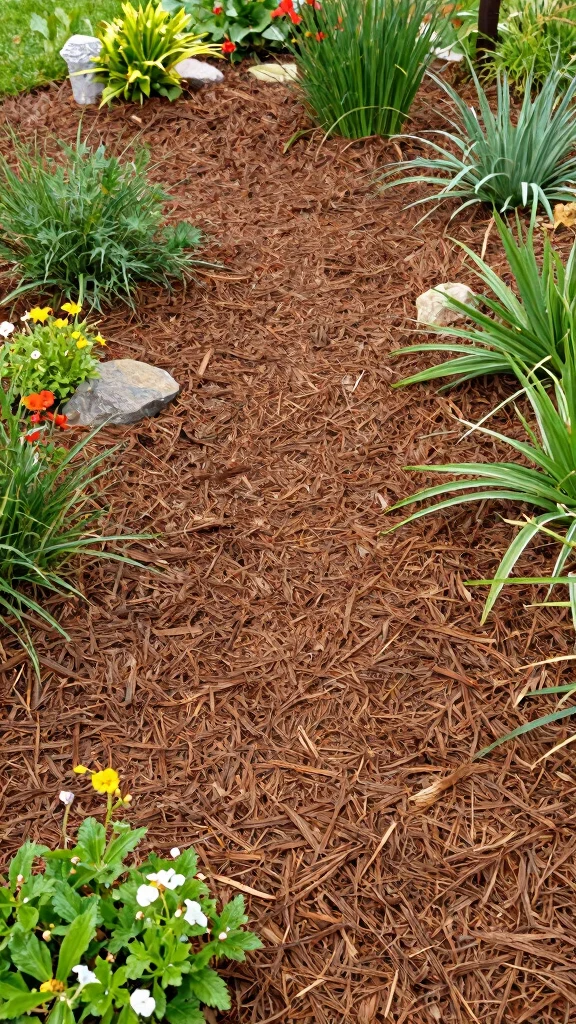
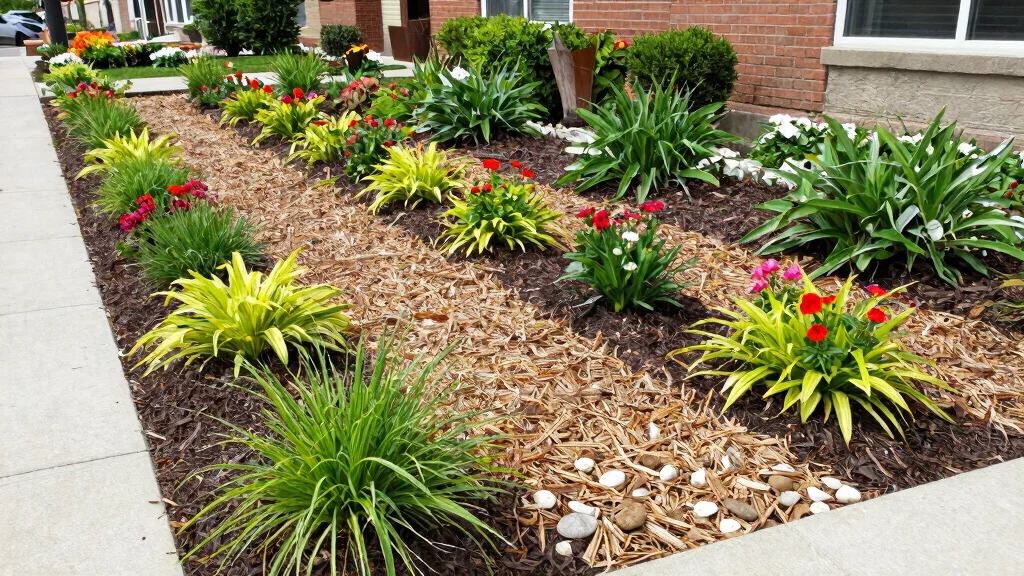
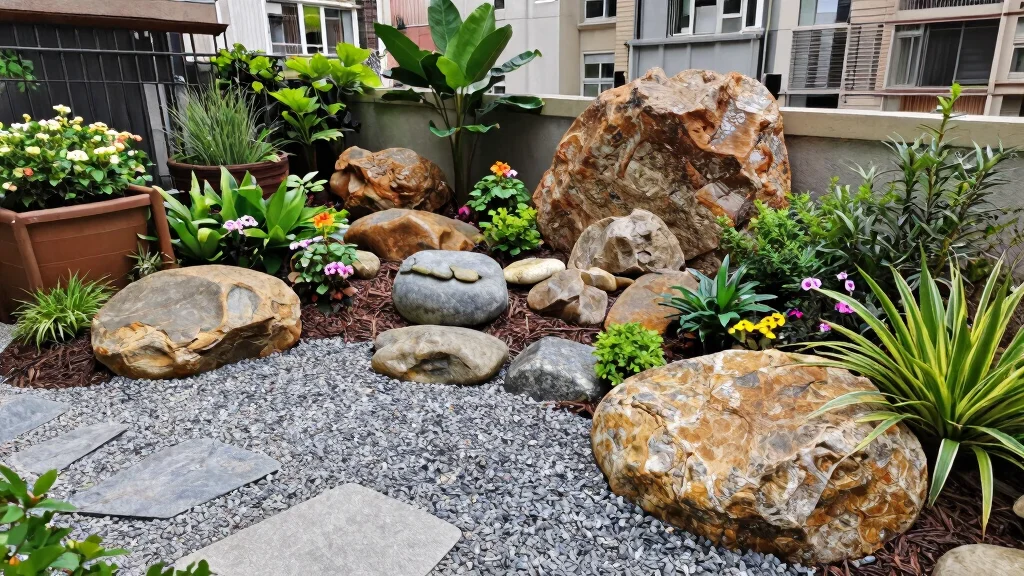
Incorporating mulched areas into your sloped garden is a smart way to promote soil health and create a clean, polished look. Mulch retains moisture, suppresses weeds, and enriches the soil as it breaks down. This simple addition can significantly benefit your plants.
Choose organic mulch materials like bark or wood chips to enhance the garden’s visual appeal. Strategically place mulch around plants and pathways for a seamless look. Ensure you refresh the mulch annually to maintain its effectiveness.
Benefits of using mulch:
– Provides erosion control on slopes.
– Helps with temperature regulation for plant roots.
– Enhances aesthetic appeal with various materials.
By utilizing mulch, you create a healthy environment for your plants while keeping your landscape looking neat and vibrant.
You might also like
Mulched Areas for Soil Health
Editor’s Choice

Double Tree Incense Cedar Wood Chips for Potting House Plants, Vegetable…

VEVOR Compost Spreader, 24 in Wide Peat Moss Spreader with T Shaped Hand…

100% Natural Pine Bark Mulch Nuggets (8 Quarts), Small Mulch Chips for I…
6. Outdoor Art for Personal Touch
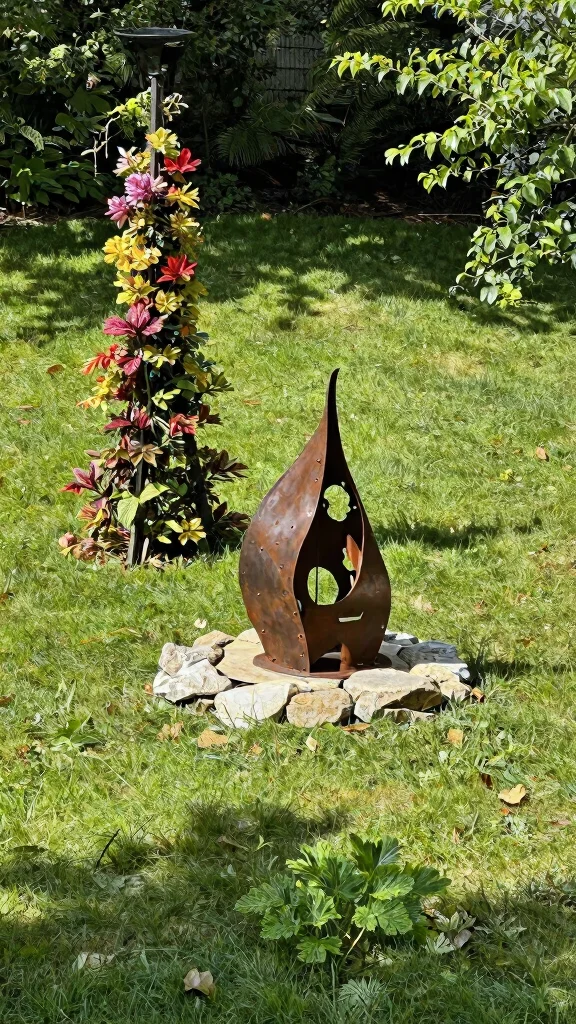
Adding outdoor art to your sloped garden can create a personal touch that brings your space to life. From sculptures to decorative trellises, art enhances your landscape and reflects your unique style. It turns your garden into more than just a collection of plants; it becomes a true expression of you.
Consider choosing art pieces that resonate with your taste, whether modern or rustic. You can also decorate trellises with climbing plants for added height and beauty. Don’t forget to incorporate elements that move, like wind chimes, to engage the senses.
Artistic additions to consider:
– Select sculptures that align with your style.
– Use decorative trellises for climbing plants.
– Introduce wind chimes for sound and movement.
Artful elements not only beautify your garden but also create a warm, inviting atmosphere that reflects your personality.
Fun fact: Adding outdoor art to your sloped front yard landscaping ideas can instantly elevate curb appeal. Try 3 easy touches—sculptures, decorative trellises, and climbing plants on trellises. It personalizes your space with a friendly, practical vibe.
Outdoor Art for Personal Touch
Editor’s Choice

Gardener’s Supply Company Corten Steel Garden Sculpture | 58″ High Artis…

100 Climbing Jasmine Seeds for Planting – Fragrant Perennial Vine Flow…
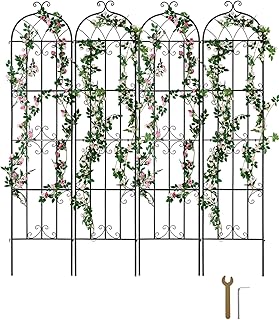
VEVOR Garden Trellis for Climbing Plants, 87 x 20 in, 4 Packs Rustproof …
7. Layered Planting for Depth
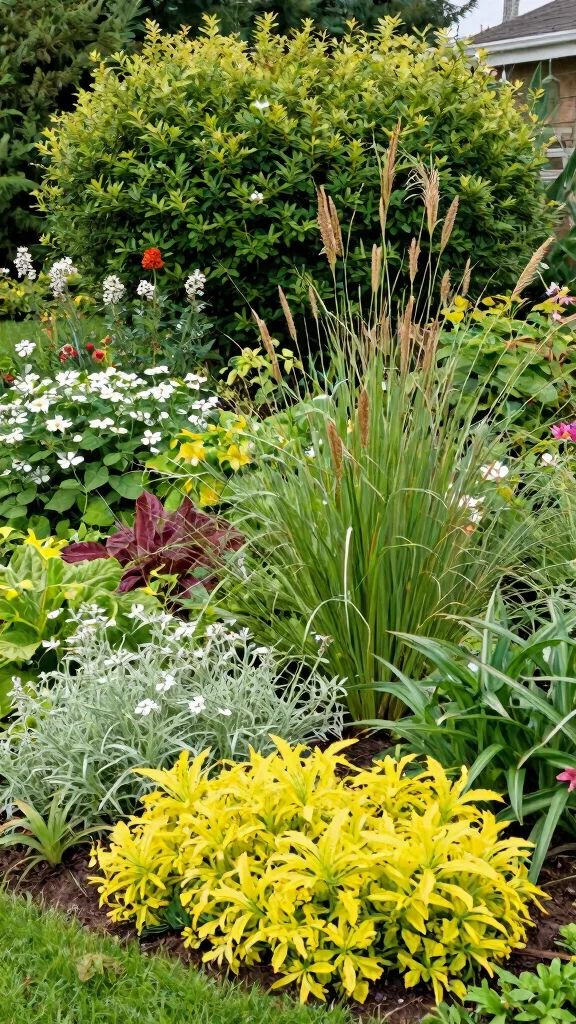
Creating layered plantings in your sloped yard adds depth and visual interest. By grouping tall, medium, and low plants, you soften the incline while showcasing various textures and colors throughout the seasons. This technique draws the eye and creates a lush, inviting space.
Start by placing taller plants at the back of the slope to create height. Follow with medium plants for continuity and finish with low-growing ground covers at the front. This arrangement not only looks great but also supports different pollinator species.
Layering tips:
– Position tall plants at the back for height.
– Arrange medium plants in the middle for flow.
– Use low-growing plants at the front for cohesion.
Layered planting enhances your garden’s beauty while promoting biodiversity, creating a rich habitat for wildlife.
Layered Planting for Depth
Editor’s Choice

K-Brands Auger Drill Bit for Planting 2 Pack 1.6 x 16 Inch & 3.5 x 16 In…
Farmer’s Secret Soil Revitalizer (32oz) – Organic (OMRI Listed) Dirt H…
8. Eco-Friendly Water Features
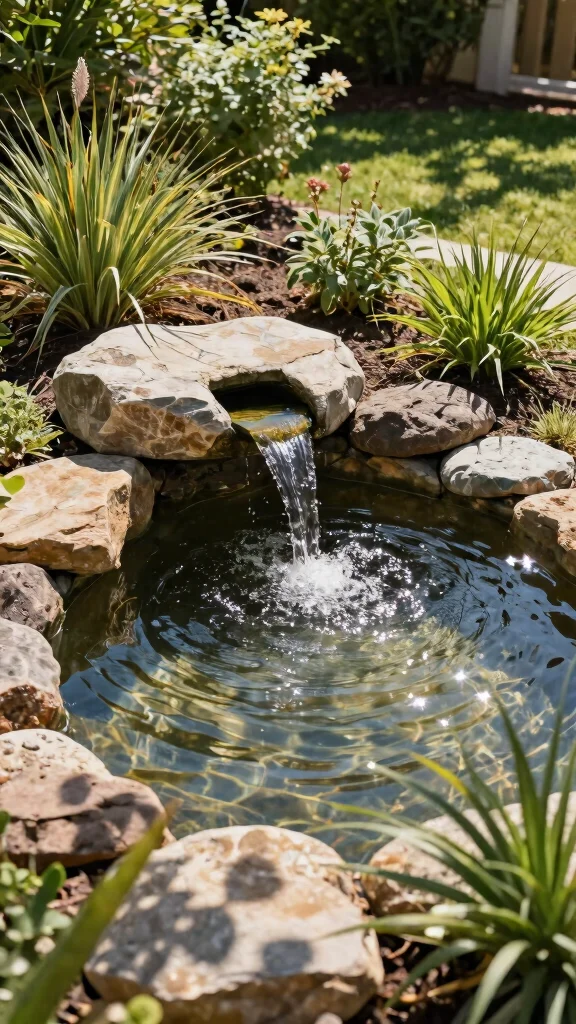
Integrating a water feature into your sloped yard can enhance its beauty and support local ecosystems. Eco-friendly designs, like rain gardens or small ponds, not only attract wildlife but also provide soothing sounds that create a peaceful atmosphere. These features transform your garden into a serene retreat.
Choose a location that captures rainwater effectively, or create a small pond that serves as a habitat for frogs and birds. The gentle sounds of flowing water can also contribute to a calming environment.
Benefits of eco-friendly water features:
– Attract native wildlife like frogs and birds.
– Provide natural filtration for clean water.
– Create soothing sounds for relaxation.
With a well-placed water feature, you can create a tranquil oasis that invites both wildlife and people to enjoy your garden.
You Might Also Like

Eco-Friendly Water Features
Editor’s Choice

POPOSOAP Solar Fountain Pump, 12W Solar Water Pump Kit with 4400mAh Batt…

Northeast Natives Mix – 16,000 Seeds for Planting – 2026 Season – …
RTS Home Accents Premium 55-Gallon Eco Rain Barrel with Removable Lid, F…
9. Seasonal Color with Perennials

Selecting the right perennials for your sloped front yard ensures vibrant colors throughout the year. These resilient plants return season after season, providing beauty without the hassle of constant replanting. They are an excellent choice for creating a lively garden.
When choosing perennials, aim for a diverse mix that blooms at different times for continuous color. Focus on varieties suited to your local climate to ensure they thrive. Don’t forget to incorporate plants with varying leaf shapes and sizes for added visual interest.
Tips for selecting perennials:
– Aim for diversity with various bloom times.
– Choose climate-adaptable varieties for longevity.
– Incorporate textural variety for a dynamic look.
Perennials enhance your landscape with their low-maintenance charm, bringing life and sustainability to your sloped yard.
Fun fact: A compact mix of 4–6 perennials can deliver continuous color from spring through fall in sloped front yard landscaping ideas. These hardy blooms return year after year, cutting maintenance and boosting curb appeal for seasons to come.
Key Trade-offs & Our Top Pick
Option 1: Terraced Levels
– Pros:
– Creates distinct, visual layers that enhance visual appeal.
– Helps manage water runoff and soil erosion effectively.
– Allows for diverse plant selection across different levels.
– Cons:
– Can be labor-intensive to build and maintain.
– Requires precise planning and execution for effective drainage.
– Initial costs might be higher due to materials and labor.
– Best for: Homeowners looking for an elegant and structured look that stands out in any neighborhood.
Option 2: Native Plant Gardens
– Pros:
– Low maintenance as native plants are adapted to local climate and soil.
– Promotes biodiversity by attracting local wildlife and pollinators.
– Reduces water usage, making it eco-friendly.
– Cons:
– May require a longer establishment period to look fully developed.
– Plant selection can be limited to what is native to the area.
– Some native plants may not suit traditional landscaping aesthetics.
– Best for: Eco-conscious homeowners interested in sustainability and creating a low-maintenance landscape.
Option 3: Stone Pathways
– Pros:
– Adds a natural look and feel, enhancing outdoor aesthetics.
– Provides stable walking paths, reducing erosion on slopes.
– Can be customized with various materials (e.g., gravel, pavers) for different styles.
– Cons:
– Can be expensive depending on materials chosen.
– Installation requires time and effort for proper layout and leveling.
– Stone can become hot in summer, which may affect nearby plants.
– Best for: Homeowners wanting to enhance the curb appeal while providing functional walking paths.
Option 4: Creative Retaining Walls
– Pros:
– Prevents soil erosion while adding unique design elements.
– Can be built with various materials (wood, stone, concrete) for versatility.
– Creates usable flat spaces on steep slopes for planting or lounging.
– Cons:
– May require professional installation, increasing costs.
– Poor drainage can lead to wall failure if not designed correctly.
– Maintenance may be needed to ensure longevity, especially with wood options.
– Best for: Homeowners looking to create functional spaces on steep slopes while adding character to their yard.
Expert Recommendation:
Best Overall: Native Plant Gardens
Native plant gardens are the top choice for most homeowners due to their low maintenance requirements and sustainability benefits. They help conserve water, promote local wildlife, and blend beautifully with the natural landscape. While they may take longer to establish, the long-term resilience and adaptability of these plants make them a favorite.
Why We Picked This:
While native plant gardens shine in sustainability and ease, others might prefer terraced levels for a structured appearance or stone pathways to enhance outdoor aesthetics. Creative retaining walls serve as an excellent option for those needing functional spaces. Each option has its strengths and suits different tastes and needs. Consider your priorities when choosing the best landscaping design for your sloped front yard!
Seasonal Color with Perennials
Editor’s Choice

Essential Guide to Perennial Gardening: Techniques and Know-How for Plan…

2-in-1 pH & Nitrogen Soil Test Kit, Home Soil Testing Kit for Lawns Gard…
Back to the Roots 100% Organic Mulch, 58 Quart, Expanding Coconut Husk B…
10. Incorporating Edibles into the Landscape

Why not make your sloped front yard a beautiful food-producing garden? Edible landscaping blends functionality with aesthetics, allowing you to grow herbs, vegetables, and fruits in eye-catching arrangements. This approach not only looks great but also provides fresh produce right at your doorstep.
Start by incorporating edible flowers like nasturtiums for a pop of color that’s also safe to eat. Consider planting berry bushes such as raspberries or blueberries that yield delicious fruit while looking lovely. Add herbs like thyme or lavender in visible spots for both culinary use and fragrance.
Suggestions for edible landscaping:
– Include edible flowers for color and flavor.
– Plant bush fruits for delicious yields.
– Create herb gardens for fragrance and culinary uses.
By incorporating edibles, you create a stunning garden that supports sustainability while offering a fresh harvest, making your space both beautiful and functional.
Incorporating Edibles into the Landscape
Editor’s Choice

Land Guard Galvanized Raised Garden Bed Kit, Galvanized Planter Garden B…

Seed Needs Edible Wildflower Seed Packet Collection (7 Varieties of Flow…

2 Raspberry Plants Live, Red Raspberry Bush for Planting, 4-7″ in Tall, …
Conclusion
Transforming a sloped front yard into a stunning landscape is entirely possible with thoughtful planning and creativity. From terraced gardens and native plants to unique art pieces and edible gardens, the possibilities are endless. Each idea promotes sustainability while enhancing the visual appeal of your home, making your entrance not just more beautiful but also environmentally friendly.
Dive into these sloped front yard landscaping ideas, embrace the challenges of your incline, and create a welcoming outdoor space that reflects your style and values. Your front yard has the potential to be a vibrant extension of your home, inviting both guests and nature to enjoy its beauty.
Note: We aim to provide accurate product links, but some may occasionally expire or become unavailable. If this happens, please search directly on Amazon for the product or a suitable alternative.
This post contains Amazon affiliate links, meaning we may earn a small commission if you purchase through our links, at no extra cost to you.
Frequently Asked Questions
What are the best sloped front yard landscaping ideas for sustainable curb appeal?
Great sloped front yard landscaping ideas begin with terracing or stepped planting beds to control erosion and create usable spaces.
Choose native, drought-tolerant plants that thrive on less water and support your sustainable landscaping design goals while boosting front yard ideas for curb appeal.
Layer groundcovers like sedum or creeping thyme with shrubs to stabilize the slope, then add mulch to reduce runoff and maintain soil health for lasting outdoor aesthetics.
Finally, incorporate a simple drainage plan and a narrow path to guide visitors, highlighting your sloped front yard landscaping ideas without sacrificing accessibility.
How can I prevent erosion and manage drainage on a sloped front yard?
Preventing erosion and managing drainage starts with understanding how water moves on your slope and grading away from the foundation.
Create terraces or raised planting beds to slow runoff—these are classic incline planting techniques that add usable space and reduce erosion.
Install swales or a French drain to capture runoff and guide it to a safe outlet.
Cover bare soil with mulch and dense sloped garden tips like groundcovers to protect soil and improve appearance while keeping maintenance easy.
Pair this with a smart irrigation plan that waters plants, not the slope, and you’ll have a stable, beautiful front yard year-round.
Which plants are best for incline planting on a front yard slope?
Opt for deep-rooted, drought-tolerant plants that anchor soil and survive on slopes.
Good choices include native grasses like Little Bluestem, creeping sedum, lavender, and creeping thyme for sunny spots; for shade, consider hosta and ferns.
Combine these with low-growing groundcovers to create layered mass and reduce erosion—this is a core part of sloped garden tips and incline planting techniques.
Tailor your picks to your climate and sun, and you’ll enjoy color and texture all season without heavy maintenance.
What front yard ideas help make an incline look intentional and stylish?
Think terraces, defined edges, and a cohesive color story to turn an incline into a designed feature.
Install stone or timber retaining edges to create stepped planting zones, then layer with outdoor aesthetics through texture and seasonal color.
Add a meandering path, strategic lighting, and focal plantings to guide the eye and elevate your landscaping design.
Keep maintenance simple with durable materials and mulch, and you’ll have a front yard that looks planned, not random.
How do I maintain a sloped front yard year-round?
Maintenance on a slope is about regular checks, smart planting, and mulch renewal to protect soil.
In spring, prune and refresh mulch, then assess erosion after heavy rains and regrade or add groundcovers as needed.
During summer, use drip irrigation to deliver water to roots and avoid runoff, and select incline planting techniques that suit the season.
In fall and winter, protect exposed soils, tidy beds, and plan for next year’s sloped front yard landscaping ideas to keep the look fresh.
Related Topics
sloped front yard landscaping
landscaping design
sustainable gardening
incline planting techniques
front yard ideas
outdoor aesthetics
beginner friendly
DIY landscaping
seasonal plants
low maintenance gardens
design tips
creative slopes