
As summer approaches, the need to create a beautiful and sustainable outdoor space becomes more pressing. Modern desert landscaping has me craving a sleek and sophisticated look that thrives in the heat. In urban environments, where water can be scarce, it’s essential to rethink our approach to gardening. That’s why I’ve put together this post. It not only highlights eye-catching ideas for your outdoor space but also emphasizes eco-friendly practices.
If you’re a homeowner or a gardening enthusiast looking to elevate your outdoor area, this guide is for you. Whether you’re just starting or looking to revamp your existing garden, the insights here will help you embrace contemporary garden design principles. You’ll find a range of tips that focus on xeriscaping, drought-resistant plants, and minimalist landscaping techniques.
In this post, you’ll discover nine modern desert landscaping ideas that are sleek, sophisticated, and practical for dealing with heat. These ideas will not only enhance your outdoor environment but also help you save water and maintenance time, allowing you to enjoy your garden without the hassle.
Key Takeaways
– Modern desert landscaping combines aesthetics and sustainability, making it perfect for urban areas with limited water resources.
– Xeriscaping is essential, focusing on water-wise gardening practices that help conserve water while maintaining beauty.
– Drought-resistant plants offer a stylish and resilient alternative to traditional garden choices, ensuring your landscape thrives in harsh conditions.
– Minimalist landscaping techniques create sleek designs that require less maintenance and enhance the overall look of your outdoor space.
– Desert garden maintenance can be simplified by understanding plant needs and using hardscape elements, making it easier to create cozy spaces that draw you outdoors.
1. Xeriscaping: The Art of Water-Wise Gardening

If you’re looking to create a garden that thrives in dry conditions, xeriscaping is your answer. This environmentally friendly method focuses on minimizing water usage while still delivering a stunning landscape. By choosing drought-resistant plants and thoughtful design elements, you can enjoy a beautiful garden that requires little maintenance.
Opt for native plants such as agave, yucca, and various succulents that are perfectly suited for arid environments. Adding organic mulch can help retain soil moisture, while strategically placed boulders enhance both beauty and function.
Here are some key tips for successful xeriscaping:
– Select local plant species that are well-adapted to your climate.
– Group plants with similar watering needs to reduce waste.
– Use a variety of colors and textures for visual appeal.
– Design pathways and incorporate decorative stones for added functionality.
Xeriscaping not only conserves water but also promotes a sustainable environment by reducing the need for chemical fertilizers and pesticides.
Xeriscaping proves you can garden smart—save water, not style. In modern desert landscaping, drought-resistant plants like agave and yucca thrive with thoughtful design and mulch. Water-wise gardening isn’t a sacrifice; it’s a sustainable, beautiful habit.
Xeriscaping: The Art of Water-Wise Gardening
Editor’s Choice

Back to the Roots 25.7qt (1 Cubic ft) Organic Premium Mulch


Rain Bird LNDDRIPKIT Drip Irrigation Landscape/Garden Watering Kit with …
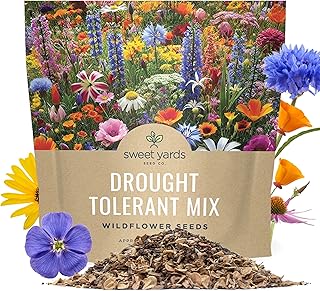
Drought Tolerant Wildflowers Mix – Extra Large Packet – Over 7,500 O…
2. Drought-Resistant Plant Choices for a Modern Look

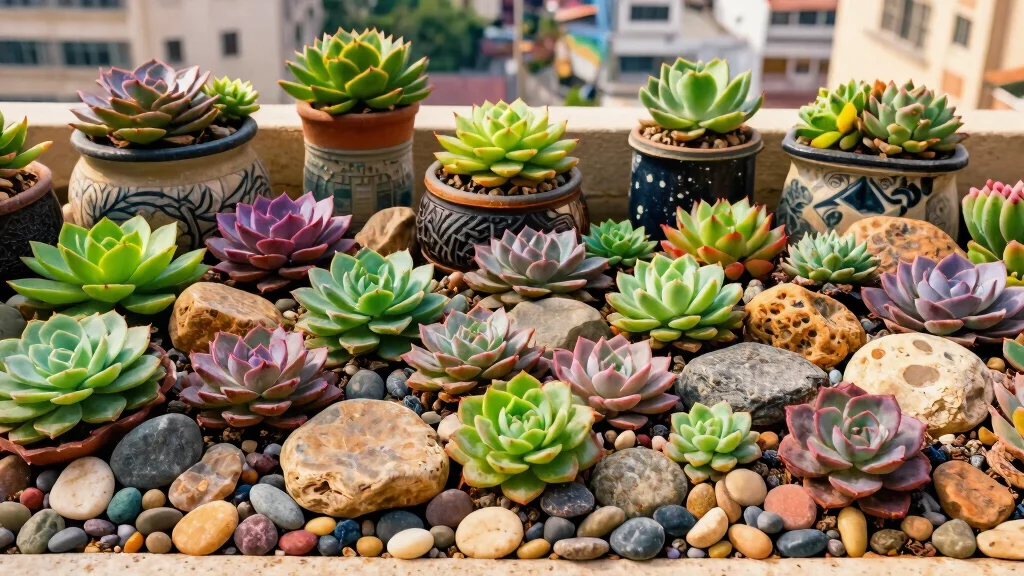
Choosing the right plants is essential for a stylish desert garden. Focus on drought-resistant plants that offer both aesthetic charm and resilience. Options like succulents, cacti, and ornamental grasses add vibrant textures and colors while thriving on minimal water.
Popular selections include:
– Agave: Renowned for its eye-catching rosette shape and strong presence.
– Desert Willow: This tree offers beautiful blooms and shade, ideal for urban gardens.
– Red Yucca: Its tall flower spikes attract hummingbirds and require little water.
– Blue Fescue: A striking grass with a soft blue hue that contrasts beautifully with other plants.
Combining these plants enhances biodiversity and creates a layered, visually appealing garden. By mixing various heights and colors, you can achieve a modern aesthetic while ensuring sustainability in hot climates.
📹 Related Video: 10 Drought Tolerant Plants That Will Survive The Driest Conditions ☀️✨🌼
Ongoing Maintenance & Care Guide
Maintenance Schedule:
Daily/Weekly Tasks:
– Check Soil Moisture: Use a moisture meter or your finger to check if the soil is dry. This task takes about 5 minutes and helps you determine when to water.
– Remove Weeds: Spend 10-15 minutes pulling out any weeds you spot. This will prevent them from competing with your plants for nutrients.
– Inspect Plants: Look for signs of pests or disease. This should take about 5 minutes. Early detection is key to healthy plants.
– Watering: Depending on your climate, water your plants early in the morning or late in the evening. This process might take 15-30 minutes, depending on your garden size.
Monthly/Seasonal Tasks:
– Prune Plants: Dedicate about 30-45 minutes every month to trim back overgrown plants. This encourages new growth and keeps the garden tidy.
– Fertilize: Apply a slow-release fertilizer every 2-3 months to provide essential nutrients. This task should take around 20 minutes.
– Mulch: Add a layer of mulch around your plants every season to retain moisture and suppress weeds, which can take about an hour depending on the garden area.
– Check Irrigation Systems: Monthly, inspect your irrigation systems for leaks or clogs. This check typically takes 15-20 minutes.
– Refresh Gravel or Rock Areas: If you have hardscaped areas, refresh the gravel or rocks seasonally. This can take about 1 hour for a small area.
Maintenance Summary Table:
| Task | Frequency | Difficulty | Time Needed |
|——————————|——————-|————-|——————|
| Check Soil Moisture | Daily/Weekly | Easy | 5 minutes |
| Remove Weeds | Daily/Weekly | Easy | 10-15 minutes |
| Inspect Plants | Daily/Weekly | Easy | 5 minutes |
| Watering | Daily/Weekly | Moderate | 15-30 minutes |
| Prune Plants | Monthly | Moderate | 30-45 minutes |
| Fertilize | Monthly | Easy | 20 minutes |
| Mulch | Seasonal | Moderate | 1 hour |
| Check Irrigation Systems | Monthly | Easy | 15-20 minutes |
| Refresh Gravel/Rock Areas | Seasonal | Moderate | 1 hour |
Common Issues to Watch For:
⚠️ Yellowing Leaves: This may indicate overwatering or nutrient deficiencies. Check the soil moisture and consider fertilizing if needed.
⚠️ Wilting Plants: This can mean your plants need more water. Ensure your irrigation system is working properly and adjust the watering schedule if necessary.
⚠️ Pest Infestations: Look for tiny holes in leaves or webbing. Treat your plants promptly with organic pesticides to prevent damage.
⚠️ Mold or Fungal Growth: This can appear as white spots on the soil or leaves. Improve air circulation around plants and reduce humidity to combat this issue.
⚠️ Weed Proliferation: If you see many weeds, adjust your mulching strategy to prevent them from taking over. Regular weeding is crucial for plant health.
Care Tips:
💡 Choose the Right Plants: Opt for drought-resistant plants suited for your specific climate. This reduces maintenance and ensures better growth.
💡 Water Wisely: Deep watering is better than frequent light watering. Water once a week thoroughly to encourage deep root growth.
💡 Keep Your Tools Clean: Clean gardening tools after each use to prevent the spread of disease. A quick rinse saves you time and effort later.
💡 Rotate Crops: If you grow vegetables, change their location each season. This helps maintain soil nutrients and reduces pests.
💡 Plan for Seasonal Changes: Be aware of the seasonal needs of your plants. Some may need more water in the summer, while others require protection in winter.
Drought-Resistant Plant Choices for a Modern Look
Editor’s Choice

Desert Willow Tree Seeds -Chilopsis linearis 10 Seeds
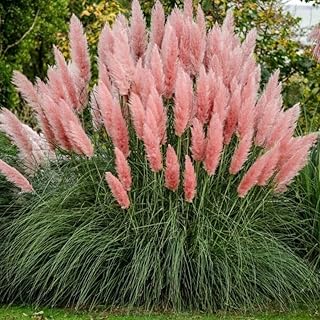
Set 2 Pink Pampas Grass Plants, 4-9″ Pampas Grass Plants Live for Outdoo…
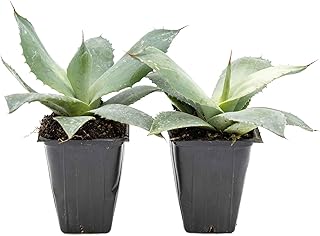
2 Artichoke Agave Succulent Plants in 3.5” Cubes | Live Blue-Gray Rose…
3. Minimalist Landscaping for a Sleek Design

Minimalist landscaping emphasizes simplicity and clean lines, creating an elegant outdoor space. This design approach works especially well in desert areas, where less is often more. By limiting garden elements and using plants wisely, you can craft a modern garden that feels spacious and airy.
Consider employing:
– Geometric planters to showcase a few standout plants.
– Large boulders as natural sculptures that serve as focal points.
– Gravel or decomposed granite pathways instead of traditional grass, which needs more water.
This style highlights the beauty of space and light, allowing each element to stand out. It encourages you to consider how every plant and stone contributes to the overall aesthetic, resulting in a chic garden that complements its surroundings.
Did you know that minimalist desert spaces can feel 40% larger with carefully placed boulders and gravel paths? By using geometric planters and a restrained plant palette, modern desert landscaping stays sleek, sustainable, and effortlessly practical for urban yards.
Minimalist Landscaping for a Sleek Design
Editor’s Choice

Jucoan 6 Pack Ceramic Succulent Planter Pot with Bamboo Tray, 4 Inch Sma…
4. Incorporating Hardscape Elements for Structure

Hardscape elements are vital for providing structure and definition in modern desert landscaping. Materials like stone, concrete, and wood can create pathways, borders, and seating areas that are both beautiful and practical.
Here are some popular hardscape features:
– Stone pathways: Choose large flat stones for a rustic vibe or sleek concrete for a contemporary touch.
– Retaining walls: These help manage soil erosion while adding visual interest.
– Natural wood benches: Incorporate seating that blends with the landscape, inviting relaxation.
Integrating hardscape features not only enhances aesthetics but also reduces maintenance. They create defined spaces, allowing your plants to flourish and making your desert landscape truly exceptional.
Incorporating Hardscape Elements for Structure
Editor’s Choice
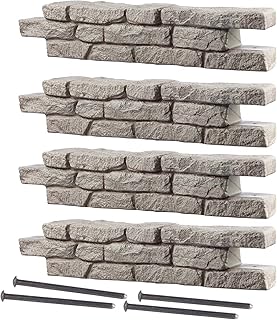
RTS Home Accents Rock Lock Interlocking Landscape Edging and Border Syst…

Arcadia Garden Products Set of 4, 16×17” Dark Gray Stepping Stone Fibe…
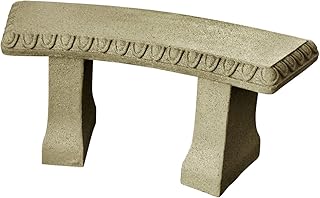
Emsco Group 2306-1AZ Garden Bench – Natural Sandstone Appearance – M…
5. Creative Use of Color in Plant Selection

Color is a powerful element in modern desert landscaping. It can evoke emotions, create visual contrasts, and highlight the unique beauty of desert plants. When selecting plants, consider both their drought resistance and how their colors will harmonize with each other and the environment.
Think about:
– Bold contrasts: Pair vibrant plants like purple or red with greens and blues for a striking look.
– Textural variety: Mix smooth succulents with spiky cacti for dynamic visual interest.
– Seasonal appeal: Incorporate plants that bloom at various times to ensure color year-round.
By carefully choosing your plant colors, you’ll create a cohesive and inviting landscape that transforms your yard into a colorful desert oasis, showcasing the beauty of arid flora in an urban setting.
You might also like


Creative Use of Color in Plant Selection
Editor’s Choice

Mountain Crest Gardens Cactus Bulk Pack – 25 Live Plants, 5 of Each Vari…

Sprout N Green 10 Assorted Succulents with Root, 10 Different Varieties …
6. Layered Planting for Depth and Interest

Layering plants of different heights and textures adds depth and intrigue to your desert garden. This technique creates a dynamic landscape that feels lush and inviting, even in dry conditions. By arranging taller plants in the back and shorter ones in the front, you achieve a visually appealing display that attracts attention.
Consider:
– Placing larger cacti or trees in the background for stability.
– Using medium-height ornamental grasses or shrubs in the middle layer.
– Filling the front with low-growing succulents or colorful flowers.
Layering enhances beauty and provides habitat for local wildlife. Birds, bees, and butterflies will thrive in a diverse garden, fostering a balanced ecosystem right in your backyard and promoting sustainability while creating a vibrant sanctuary.
Fun fact: In modern desert landscaping, layering plants in three height tiers—tall back, mid, and low front—can cut irrigation by up to 25%. This layered look also boosts visual depth by about 40%, making the garden feel lush and inviting.
Layered Planting for Depth and Interest
Editor’s Choice

Garden Tools Set, 8 Piece Gardening Tools Set with Non Slip Ergonomic Ha…
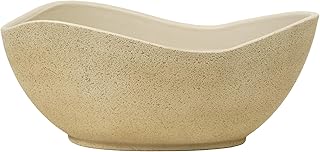
Classic Home and Garden Arc Unique Planter Bowl w/Drain Plug – UV Resist…

Back to the Roots 100% Organic Succulent & Cacti Mix (6 Quart) | Made in…
7. Sustainable Practices in Desert Landscaping

Sustainability is central to modern desert landscaping. Embracing eco-friendly practices not only conserves water but also protects your local ecosystem. Consider implementing these sustainable practices:
– Rainwater harvesting: Set up a rain barrel to collect rainwater for irrigation.
– Composting: Create a compost pile to recycle kitchen scraps into nutrient-rich soil.
– Organic pest control: Use natural methods to manage pests, avoiding harmful chemicals.
By adopting these sustainable practices, your desert garden can flourish with minimal environmental impact. You’ll enjoy a beautiful outdoor space while knowing you’re contributing to a healthier planet.
Sustainable Practices in Desert Landscaping
Editor’s Choice

Bonide Captain Jack’s Neem Oil, 32 oz Ready-to-Use Spray, Multi-Purpose …

Rain Harvesting RHAD100 Both 3″ and 4″ Compatible
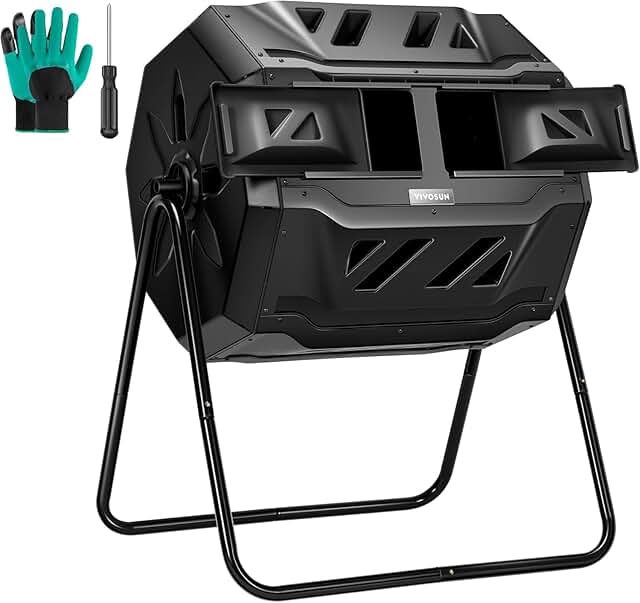
VIVOSUN Outdoor Tumbling Composter Dual Rotating Batch Compost Bin, 43 G…
8. Desert Garden Maintenance Made Easy

Keeping a modern desert landscape looking great doesn’t have to be overwhelming. With the right techniques, you can maintain a beautiful garden with minimal effort. Here are some essential maintenance tips:
– Water wisely: Water in the early morning or late evening to reduce evaporation.
– Prune selectively: Trim dead or overgrown plants to encourage new growth.
– Monitor for pests: Regularly check your plants for signs of pests or disease and address issues quickly.
By focusing on smart maintenance practices, your desert garden will thrive year after year. This approach allows you to enjoy the beauty of your landscape while minimizing upkeep, making modern desert landscaping a stress-free delight.
You Might Also Like

Desert Garden Maintenance Made Easy
Editor’s Choice

Fiskars Bypass Pruning Shears, 5/8″ Cut Capacity Gardening Scissors, Sel…

Mighty Mint Gallon (128 oz) Insect and Pest Repellent Peppermint Oil – N…

The Water-Smart Garden: Techniques and Strategies for Conserving, Captur…
9. Creating Cozy Outdoor Spaces

A modern desert landscape can also feature cozy outdoor living areas that encourage relaxation and enjoyment. Incorporate elements like outdoor seating, fire pits, or shaded spots to enhance your garden’s usability.
– Use natural materials such as wood and stone for seating that blends seamlessly with the landscape.
– Create a fire pit surrounded by comfortable seating for starry night gatherings.
– Install shade structures, like pergolas, to provide relief from the sun while enhancing design.
By crafting inviting outdoor spaces within your desert garden, you can appreciate nature while entertaining or unwinding after a long day. Combine aesthetics with functionality for a truly modern outdoor experience.
Creating Cozy Outdoor Spaces
Editor’s Choice

32 Inch Round Fire Pit with Mesh Cover, Fire Poker, Star and Moon Design…

Aoxun 8’x 5’ Premium Gazebo with Aluminum Top Frame & Polycarbonate …

Wnutrees Sawmill Long Wood Bench, 43″ Farmhouse Entryway Bench for Livin…
Conclusion

Incorporating these modern desert landscaping ideas can transform your outdoor space into a stunning and sustainable oasis. From xeriscaping to layered planting and cozy outdoor spaces, each element contributes to a chic environment that thrives in heat. Embrace the beauty of drought-resistant plants and innovative designs to create a vibrant landscape that reflects your personal style while respecting nature.
Start planning your modern desert garden today and watch it bloom into a gorgeous retreat right in your urban setting!
Note: We aim to provide accurate product links, but some may occasionally expire or become unavailable. If this happens, please search directly on Amazon for the product or a suitable alternative.
This post contains Amazon affiliate links, meaning we may earn a small commission if you purchase through our links, at no extra cost to you.
Frequently Asked Questions
What exactly is modern desert landscaping and how can it work in urban spaces?
Modern desert landscaping blends sleek, heat-tolerant design with water-smart plant choices to create chic, low-water gardens in cities.
In urban spaces it thrives with xeriscaping, drought-resistant plants, and clean lines that reduce maintenance while keeping a contemporary feel. Practical first steps: assess sun exposure, pick drought-tolerant species, layer textures with gravel or concrete, and plan focal points with bold planters. For ongoing care, use efficient irrigation and smart mulching—this is the kind of desert garden maintenance that delivers value.
Which drought-resistant plants are best for xeriscaping a city garden?
Great question for urban desert spaces. Start with reliable drought-resistant plants like agave, yucca, sedum, prairie grasses, and drought-tolerant sempervivums. Pair them with xeriscaping principles: deep, infrequent watering, soil drainage, and mulching. Create texture and color by mixing sculptural succulents with leafy greens, and group plants by water needs to simplify maintenance.
Tip: choose native or well-adapted varieties to boost resilience in your climate.
How can I design a sleek, contemporary desert garden that stays cool in the heat?
Aim for contemporary garden design with crisp lines, a restrained color palette, and purposeful materials like gravel, pavers, and concrete. Embrace minimalist landscaping by reducing planting pockets and using focal points such as a sculpture or water feature. Plan for shade with pergolas or lattice, and arrange plants to minimize reflected heat while maintaining visual interest. Finally, choose a cohesive plant palette of drought-resistant plants to keep it low-maintenance and stylish.
This approach blends form and function for a truly modern desert look.
What is the best way to maintain a desert landscape in a hot urban climate?
Desert garden maintenance is all about efficiency. Set irrigation to early morning, monitor soil moisture, and adjust watering with the seasons. Mulch to cut evaporation, prune dead growth, and control weeds to reduce competition. Use desert garden maintenance routines like seasonal cleanups and soil health checks, and consider drip irrigation and rainwater harvesting to stay water-smart.
Consistency and smart planning are your best friends here.
Can modern desert landscaping be a sustainable choice for urban environments?
Absolutely. Modern desert landscaping supports urban sustainability by xeriscaping your space and selecting drought-resistant plants, which lowers water use and maintenance costs. It also helps combat heat island effects with lighter colors and permeable ground covers. Start small, test irrigation efficiency, and design with a climate-conscious mindset to enjoy a beautiful, sustainable urban garden.
Think long-term savings, water resilience, and a striking, low-maintenance aesthetic.
Related Topics
modern desert landscaping
xeriscaping techniques
drought-resistant plants
contemporary garden design
minimalist landscaping
urban gardening
sustainable gardening
desert garden maintenance
heat-tolerant plants
advanced landscaping
easy care gardens
desert aesthetics