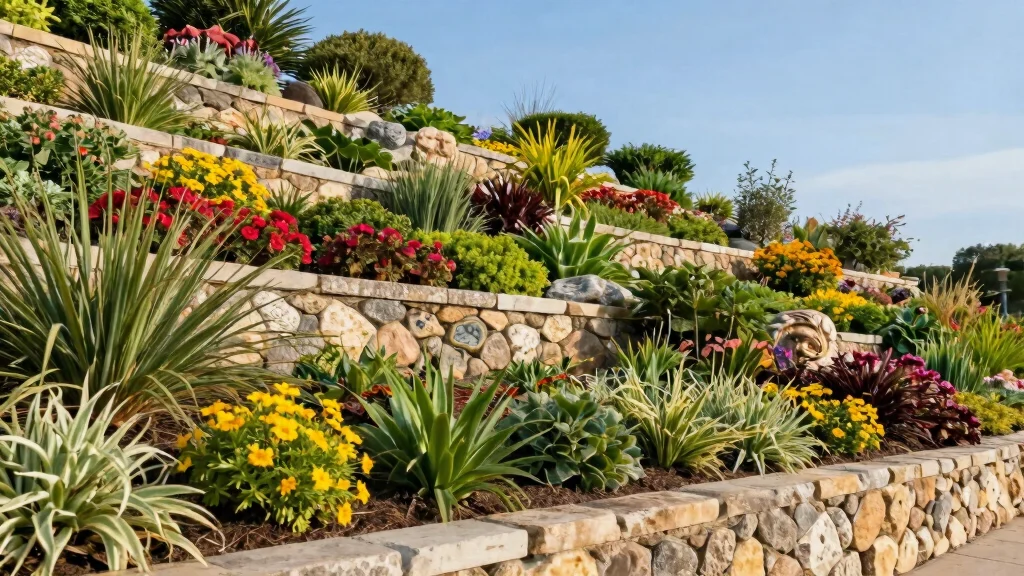
Landscaping a slope can feel like a daunting task, but it doesn’t have to be. If you’ve ever looked at a steep yard and thought, “What on earth can I do with this?” you’re not alone. Many homeowners face the challenge of creating an inviting space on sloped terrain. That’s why I created this post. I want to share ideas that not only tackle erosion and drainage issues but also bring beauty to your hillside.
If you’re a gardening enthusiast or just someone looking to make your outdoor space more appealing, this guide is for you. You’ll find practical solutions and creative landscaping ideas that fit various styles and budgets. From terraced garden beds to stunning water features, these tips will transform your slope into an eye-catching oasis.
Get ready to explore nine unique landscaping ideas that are not only functional but also stunningly good-looking. Each suggestion is designed to help you maximize the potential of your sloped space while ensuring stability and sustainability.
Key Takeaways
– Terraced Garden Beds: Break up your slope into flat areas for planting, making maintenance easier and preventing soil erosion.
– Rock Gardens for Slope Stability: Use rocks strategically to create beautiful focal points while also reinforcing the soil.
– Native Plant Landscaping: Choose plants that thrive in your local climate to reduce water needs and support local wildlife.
– Waterfall Features: Incorporate a waterfall to manage runoff and add a serene touch to your garden while improving drainage.
– Bold Pathways: Create eye-catching pathways that guide visitors through your yard, enhancing both functionality and aesthetic appeal.
1. Terraced Garden Beds
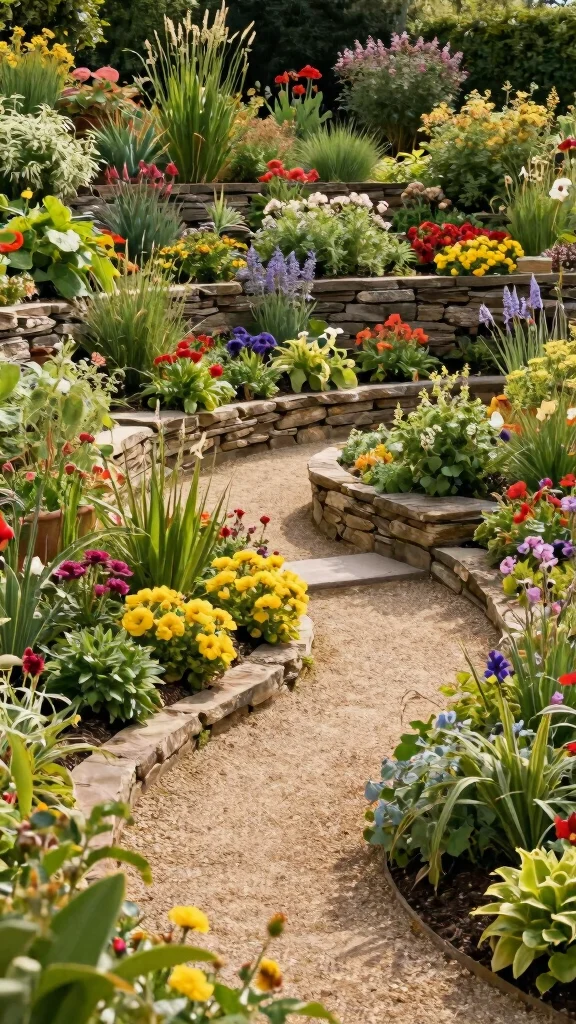
Transforming your sloped garden into terraced beds is a great way to enhance its beauty while addressing practical concerns. These stunning layers not only add visual interest but also help manage soil erosion and water runoff effectively. Using materials like natural stone or timber can integrate these terraces seamlessly into your landscape, creating a harmonious outdoor space.
Start by sketching a design that includes multiple levels to maximize your planting potential. Choose a variety of plants that thrive in different heights and exposures, ensuring a vibrant display throughout the seasons. This thoughtful layout can also make maintenance easier, allowing you to care for your plants without hassle.
Key benefits of terraced garden beds:
– Slow down water flow with raised planting areas.
– Enhance accessibility for maintenance and enjoyment.
– Mix diverse plants for height and texture.
Imagine a cascading garden filled with colorful succulents and perennials, all thriving together. Add pathways between terraces for easy access, and you’ll create a beautiful and functional garden that impresses visitors.
Terraced Garden Beds
Editor’s Choice

FEED GARDEN 4FT x 100FT Landscape Fabric Weed Barrier Fabric, Heavy Duty…


FANTIAN 20 lbs Large River Rocks for Outdoor Landscaping, 3-4 Inch Decor…

LINSHRY Wood Garden Fence, 8in (H) x 12ft (L) Wood Garden Edging Decorat…
2. Rock Gardens for Slope Stability

Rock gardens offer an eye-catching solution for managing slopes while providing a unique aesthetic. By incorporating various sizes of rocks, you can create a natural look that stabilizes the soil and reduces erosion. Plus, these gardens can be filled with drought-resistant plants, making them both beautiful and low-maintenance.
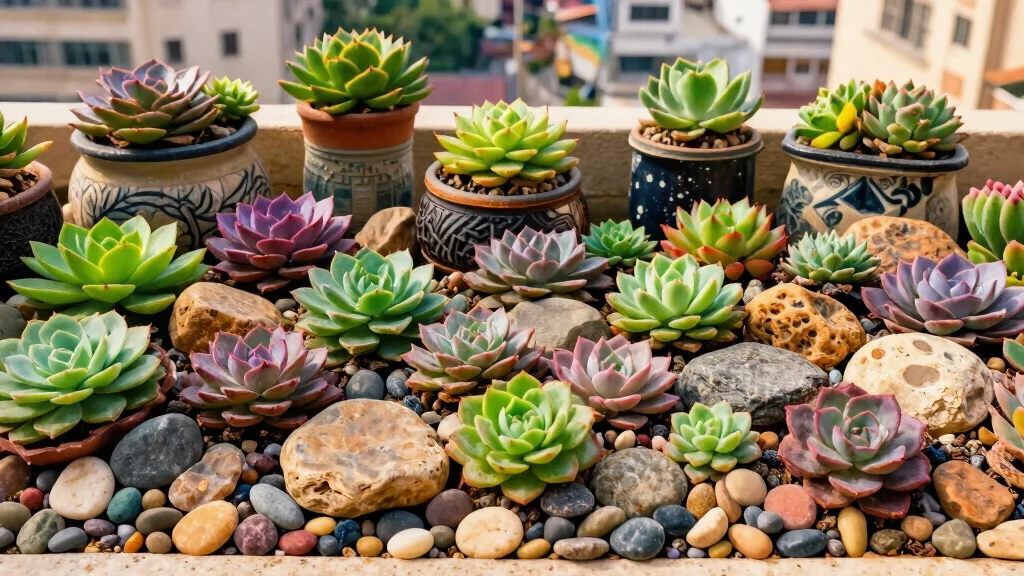
Begin by selecting a mix of large boulders and smaller pebbles to craft layers that add texture and depth. Plant hardy succulents and alpine flowers that thrive in rocky conditions, ensuring vibrant colors throughout the year. This approach not only enhances your landscape but also significantly improves soil stability.
Advantages of rock gardens:
– Secure soil with strategically placed rocks.
– Choose drought-tolerant plants for low upkeep.
– Enhance your landscape with rustic beauty.
With a well-designed rock garden, you’ll create a focal point that seamlessly blends into the natural surroundings while providing vital support for your slope.
Fun fact: Rock gardens on slopes can reduce soil erosion by up to 50% in the first season when layered with large boulders and pebbles. Pair them with drought-resistant plants for a stunning, low-maintenance landscape.
Rock Gardens for Slope Stability
Editor’s Choice

Jute Erosion Control, Soil Saver Mesh Blanket – 48″ Wide x 20 Yards (60 …

Emsco Group Landscape Rock – Natural Sandstone Appearance – Low Prof…

Shop Succulents Assorted Succulent Plant Pack Collection – Live Mini Suc…
3. Native Plant Landscaping
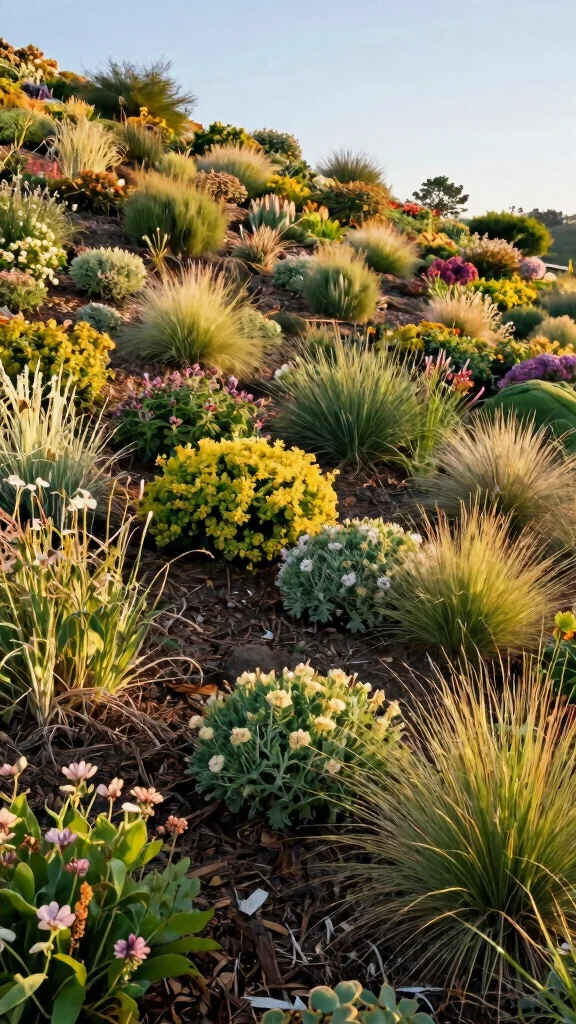
Incorporating native plants into your sloped garden is an excellent choice for both beauty and environmental health. These plants are naturally suited to your local climate, requiring less maintenance while offering essential habitats for wildlife. Their deep root systems play a crucial role in preventing erosion, making them a smart landscaping option.
Design your garden with a colorful array of native flowers, shrubs, and grasses that thrive in your area. This not only creates a stunning display but also supports local biodiversity. Pair your native plants with decorative mulch to enhance aesthetics while reducing weed growth.
Benefits of native plants:
– Low water and care requirements.
– Attract beneficial pollinators and birds.
– Strengthen soil stability with deep roots.
By choosing native plants, you’ll cultivate a lush garden that enhances your landscape and positively impacts the ecosystem around you.
Native Plant Landscaping
Editor’s Choice

Farm Plastic Supply – American Excelsior QuickGrass Pro – Green Erosion …

Native Plants for Wildlife Habitat and Conservation Landscaping (Color P…
Back to the Roots 100% Organic Mulch, 58 Quart, Expanding Coconut Husk B…
4. Waterfall Features
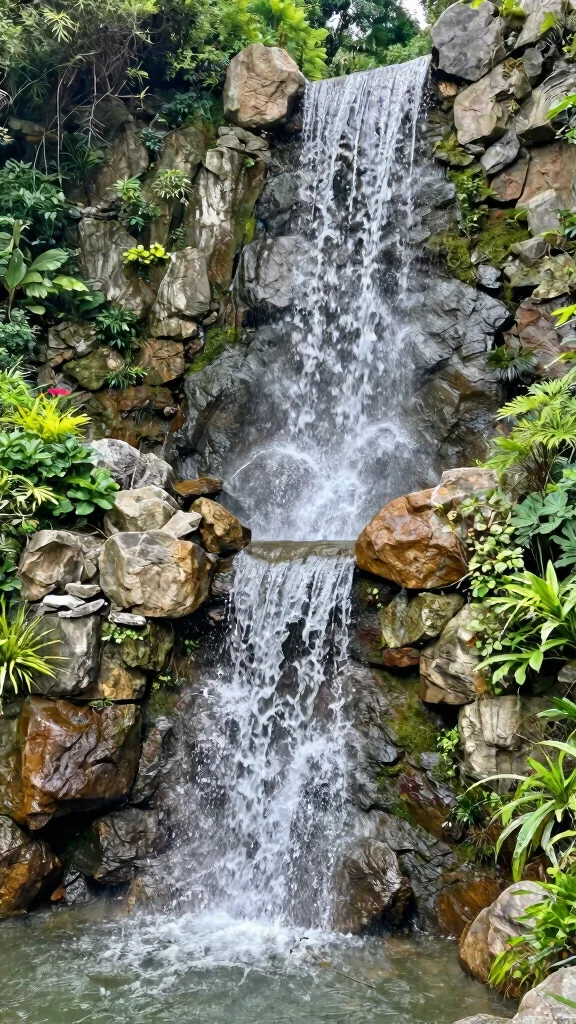
Adding a waterfall to your slope creates a stunning visual centerpiece while addressing erosion concerns. The flowing water slows down runoff, promoting better water absorption into the soil. Additionally, the soothing sound of cascading water enhances the tranquility of your outdoor space.
Position your waterfall strategically to take advantage of the slope’s natural incline, allowing gravity to direct the flow. Surround the feature with native plants and smooth stones for a natural appearance that integrates beautifully with your landscape.
Key benefits of waterfall features:
– Control water flow effectively on slopes.
– Create a picturesque focal point.
– Enjoy a calming atmosphere with soothing sounds.
Your landscape will not only look stunning but also thrive ecologically, creating a harmonious outdoor oasis.
Waterfall Features
Editor’s Choice


VIVOSUN 800GPH Submersible Pump(3000L/H, 24W), Ultra Quiet Water Fountai…

Virekm River Rocks, Decorative Ornamental Pebbles,Garden Landscaping Sto…
5. Bold Pathways
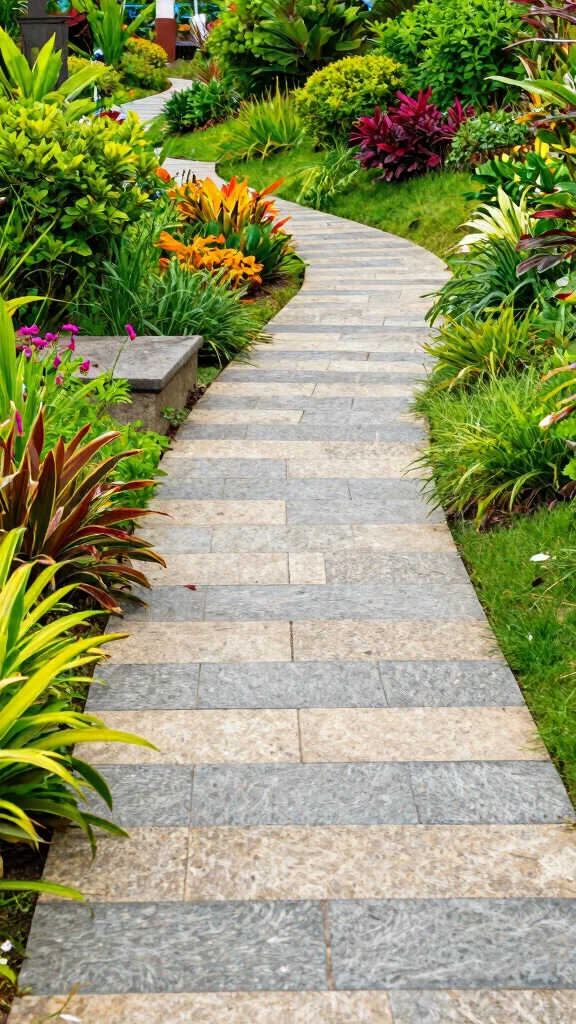
Designing bold pathways on your slope is not only functional but also adds a striking visual element to your garden. Pathways made of stone, gravel, or pavers guide visitors through your landscape while preventing soil compaction and erosion. They encourage exploration and enhance the overall appeal of your outdoor space.
Consider using interlocking pavers for a modern touch, or opt for gravel paths that allow water to permeate easily. Incorporate curves and varied materials to create an engaging design that draws the eye. Surround these pathways with low-maintenance plants or decorative stones for a cohesive look.
Pathway ideas:
– Use interlocking pavers for stability and style.
– Install gravel paths for a casual and permeable option.
– Choose natural stone for a rustic, integrated feel.
These pathways will not only facilitate movement but will also highlight the beauty of your landscaped slope.
📹 Related Video: How to Create a STUNNING Garden Path | GARDEN | Great Home Ideas
You might also like

Bold Pathways
Editor’s Choice

EasyFlex No-Dig Landscape Edging with Anchoring Spikes, 2.7 in Tall Deco…

40 LBS Grey Pea Gravel – Landscape Rocks – Drainage Rock – Gardening – A…

Goovilla Plastic Interlocking Deck Tiles, 9 Pack Outdoor Patio Flooring,…
6. Erosion Control Using Ground Covers
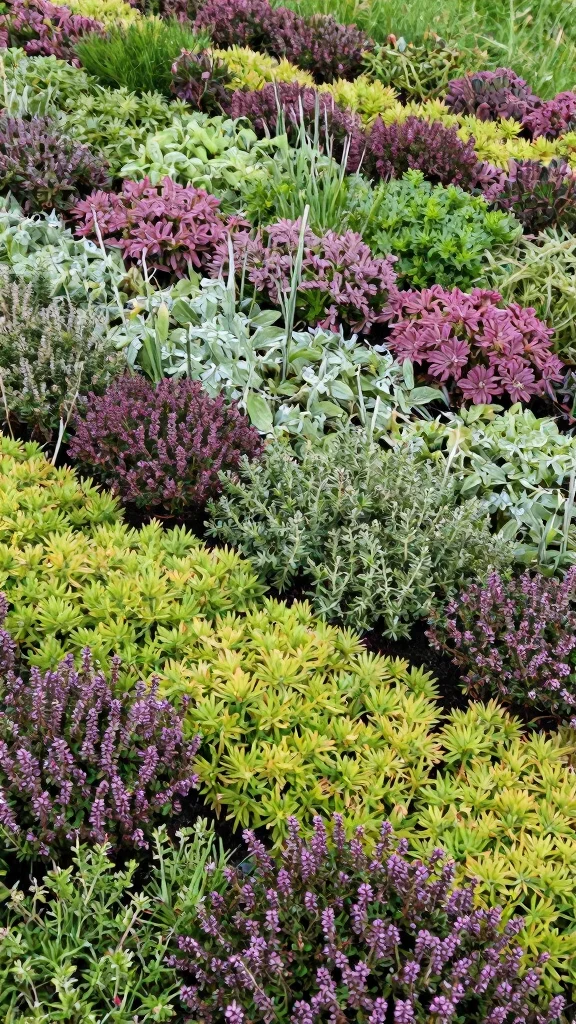
Ground covers are essential for combating erosion on slopes, providing both protection and beauty. These plants spread quickly, creating a lush cover that safeguards soil from runoff while adding color and texture to your landscape. Choosing the right ground cover can lead to a stunning, low-maintenance solution for your sloped garden.
Select a mix of ground covers that thrive in your area, ensuring a vibrant and diverse appearance. Plant them densely to achieve optimal coverage, which will effectively manage erosion while enhancing the visual appeal of your slope.
Top ground cover plants:
– Choose creeping thyme for an aromatic touch.
– Include vinca minor for bright flowers and coverage.
– Plant sedum for its drought resistance and variety.
Your slope will become a beautiful, colorful area while keeping erosion at bay, resulting in a flourishing landscape.
Fun fact: Dense ground covers can cut soil erosion on slopes by up to 70% in the first year. They also create lush, weed-free beauty and cut watering needs when planted close together. Garden smarter by choosing a mix that thrives in your area to support landscaping a slope.
Erosion Control Using Ground Covers
Editor’s Choice
Jute Erosion Control, Soil Saver Mesh Blanket – 48″ Wide x 20 Yards (60 …

Clovers Garden Sedum Autumn Joy Plants – Two (2) Live Plants – Non-G…

21500pcs Creeping Thyme Seeds for Planting Outdoor, Hardy Perennial Grou…
7. Container Gardening on Slopes

Container gardening on slopes is a stylish way to introduce greenery without extensive ground preparation. This method allows for flexibility in design, enabling you to create a multi-dimensional garden that suits various conditions. It’s perfect for areas with challenging soil, as containers can be filled with ideal soil mixtures.
Mix and match container sizes and materials—ceramic, wood, or metal can all contribute to your garden’s charm. Arrange containers at different heights to create visual interest and incorporate a variety of plants like flowers, herbs, or small shrubs for a lively garden space.
Reasons to choose container gardening:
– Rearrange pots easily for fresh aesthetics.
– Customize soil to meet specific plant needs.
– Reduce erosion risk with stable containers.
With proper care, your container garden can become a vibrant focal point that enhances your slope beautifully.
How To Choose the Right Plants for Landscaping a Slope
Tools You’ll Need:
– Gardening gloves
– Trowel
– Soil test kit
– Watering can or hose
– Rake
– Mulch
Step 1: Assess Your Soil
Begin by understanding the soil where you plan to plant. Use a soil test kit to check the pH and nutrient levels. This helps you choose plants that will thrive in your specific conditions. ✔ Test for drainage too; well-drained soil is crucial on slopes.
Step 2: Consider Sunlight Exposure
Observe how much sunlight your slope receives throughout the day. Identify areas with full sun, partial shade, or full shade. Different plants have varying light requirements. ✔ Choose sun-loving plants for bright spots and shade-tolerant varieties for darker areas.
Step 3: Choose Native Plants
Native plants are ideal for slope gardening. They adapt well to local conditions and require less maintenance. Look for plants that are drought-resistant and can stabilize the soil. ✔ Use native grasses, wildflowers, or shrubs to create a beautiful, low-maintenance landscape.
Step 4: Focus on Erosion Control
Choose plants with deep root systems to help prevent soil erosion. Ground covers like creeping thyme or sedum can be effective. They spread out and create a dense mat, holding the soil in place. ✔ Make sure to plant them close together for maximum coverage.
Step 5: Plan for Seasonal Interest
Select a variety of plants that bloom at different times of the year. This ensures your slope remains visually appealing throughout all seasons. Include evergreens for winter interest, flowering plants for spring and summer, and colorful foliage for fall. ✔ Aim for a mix of heights and textures for a stunning design.
Step 6: Incorporate Hardscaping Elements
Consider adding stones, boulders, or retaining walls. These structures not only enhance the aesthetic but also provide additional support to the slope. Think of how these elements can complement the plants you choose. ✔ Ensure that hardscaping is done before planting to minimize disruption.
Pro Tip: Before you start planting, sketch out a simple plan of your slope. This helps visualize how the plants will look together. It also aids in ensuring you don’t plant too closely, allowing each plant to thrive. ⏱ Time: ~1-2 hours | 💡 Tip: Work in sections to avoid overwhelming yourself with the entire slope at once!
Container Gardening on Slopes
Editor’s Choice

Molly’s Aroid Mix – Premium Soilless Potting Mix for Houseplants – Fast …

Gepege 6 Inch Beaded Ceramic Planter Set of 2 with Drainage Hole and Sau…

8/10/12 Inch Self Watering Pots for Indoor/Outdoor Plants – Large Plasti…
8. Mulched Gardens for Moisture Retention

Using mulch in your slope garden is a simple yet effective method for managing moisture and preventing erosion. Mulch retains soil moisture, suppresses weeds, and stabilizes soil temperature, promoting healthier plants. This technique not only benefits your plants but also enhances the overall appearance of your landscape.
Select organic mulch such as wood chips, straw, or bark for a natural look that enriches the soil over time. Spread a thick layer around your plants while ensuring it doesn’t touch the stems, creating a polished appearance that helps your slope garden thrive sustainably.
Benefits of mulch:
– Retain moisture to reduce watering frequency.
– Suppress weeds for less competition.
– Enhance the aesthetic appearance of garden beds.
With mulch in place, your garden will flourish while maintaining a beautiful and tidy look.
Fun fact: A 2-3 inch mulch layer can cut soil evaporation by up to 50%, boosting moisture retention in slope gardens. Mulch also suppresses weeds and stabilizes temperatures, making landscaping a slope easier and healthier. Use organic options like wood chips or bark for lasting effect.
You Might Also Like


Mulched Gardens for Moisture Retention
Editor’s Choice
Back to the Roots 100% Organic Mulch, 58 Quart, Expanding Coconut Husk B…

Back to the Roots 25.7qt (1 Cubic ft) Organic Premium Mulch

HealthiStraw GardenStraw, 3 cu ft (20 lbs) All-Natural Mulch for Gardens…
9. Vertical Gardening Solutions

Vertical gardening is a fantastic solution for maximizing space on sloped landscapes while adding unique flair to your garden. Installing vertical structures allows you to grow a variety of plants in a small area, making it an efficient choice for slopes. This method not only serves practical purposes but also creates an eye-catching display.
Use trellises, wall planters, or vertical garden kits to craft your design. This approach enables you to cultivate herbs, flowers, or vegetables, enhancing both beauty and functionality in your slope. The result will be a vibrant, lush display that can be appreciated from various angles in your garden.
Pros of vertical gardening:
– Efficient use of space for small areas.
– Create stunning visual layers in your garden.
– Reduce soil exposure on slopes for erosion control.
Your garden will not only be more functional but also a captivating showcase that transforms your landscape.
Vertical Gardening Solutions
Editor’s Choice

65″ Cucumber Trellis for Climbing Plants Outdoor, Metal Garden Trellis f…
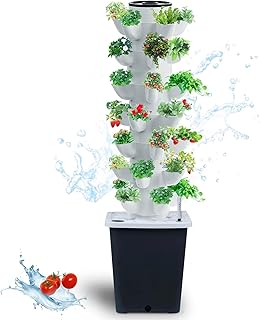
Hydroponics Tower Indoor Growing System Vertical Garden Planter Indoor S…

Ahopegarden Hydroponics Growing System Kit Indoor Herb Garden with Grow …
Conclusion
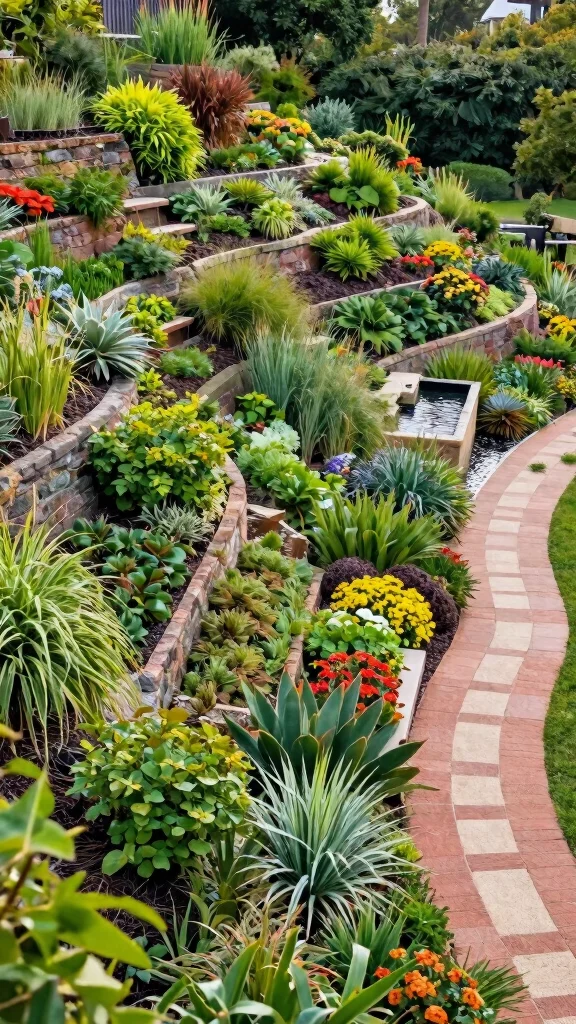
Landscaping a slope offers a unique opportunity to create a stunning outdoor space that is both functional and visually appealing. Each of the ideas presented in this article can help you tackle erosion while adding beauty to your landscape. Whether you choose terraced beds, rock gardens, or vertical solutions, the key is to select approaches that resonate with your style and the needs of your garden. Embrace the creativity and practicality that slope gardening brings, and watch your outdoor space flourish.
With these tips in hand, you’re ready to transform your slope into a garden masterpiece!
Note: We aim to provide accurate product links, but some may occasionally expire or become unavailable. If this happens, please search directly on Amazon for the product or a suitable alternative.
This post contains Amazon affiliate links, meaning we may earn a small commission if you purchase through our links, at no extra cost to you.
Frequently Asked Questions
What are the top slope gardening techniques for preventing erosion and creating a stunning slope garden?
Here are practical slope gardening techniques that fit into landscaping a slope and curb erosion.
Start with a thorough assessment of your slope’s angle, drainage, sun exposure, and soil. Plan terraced or stepped planting beds using timber, stone, or gabions to create stable anchors. Incorporate swales or shallow ditches to slow water flow and promote infiltration.
Choose deep-rooted groundcovers and grasses to hold soil, layer with mulch to protect soil surface, and install a drip irrigation system for efficient watering. Finish with a few focal plants and a cohesive color scheme to make the space stunningly good-looking while remaining practical.
What are some creative landscaping ideas for a hillside that are practical and still look stunning?
Creativity meets practicality with ideas that stabilize and beautify slopes, perfect for landscaping a slope. Try terraced planting beds with alternating heights, a stone stairway or living retaining wall, and colorful focal points like a dwarf fruit tree or dramatic perennial border. Use native plants and groundcovers to reduce maintenance, plus drip irrigation and mulch to conserve moisture. The result should be stunningly good-looking and easy to maintain.
Which practical slope solutions work best for stabilizing a hillside and reducing runoff?
These practical slope solutions are proven to work for landscaping a slope.
Install swales to slow and infiltrate rainwater, add terracing to break up steep gradients, and construct retaining walls or gabion walls where needed for support. Use erosion-control blankets on very loose soils until vegetation gets established. Pair with drip irrigation and a thick mulch layer to keep soil in place and prevent washouts.
What are some reliable plants for slope gardening that minimize erosion and create a stunning garden?
Choosing the right plants makes a slope both stable and beautiful. Focus on deep-rooted perennials, creeping groundcovers, and native grasses that tolerate your climate. Examples include sedum varieties, creeping thyme, and Vinca minor or native equivalents where allowed. Pair with ornamental grasses for movement and seasonal color. Always match plant choices to sun, soil, and moisture, so the slope stays stunningly good-looking while preventing erosion.
How can I maintain a slope garden season to season with limited water?
Water-smart maintenance keeps slopes thriving.
Set up a drip irrigation system and apply a thick layer of mulch to conserve moisture and regulate soil temperature. Use seasonal pruning to prevent overcrowding and promote airflow. Revise plantings as seasons change, replace stressed plants with drought-tolerant cultivars, and monitor drainage after heavy rains to prevent standing water. With these steps, your slope landscape stays stunningly good-looking through the year.
Related Topics
landscaping a slope
slope gardening techniques
creative landscaping ideas
practical slope solutions
stunning garden design
hillside landscaping tips
erosion control
beginner friendly
DIY landscaping
outdoor aesthetics
seasonal plants
sustainable landscaping