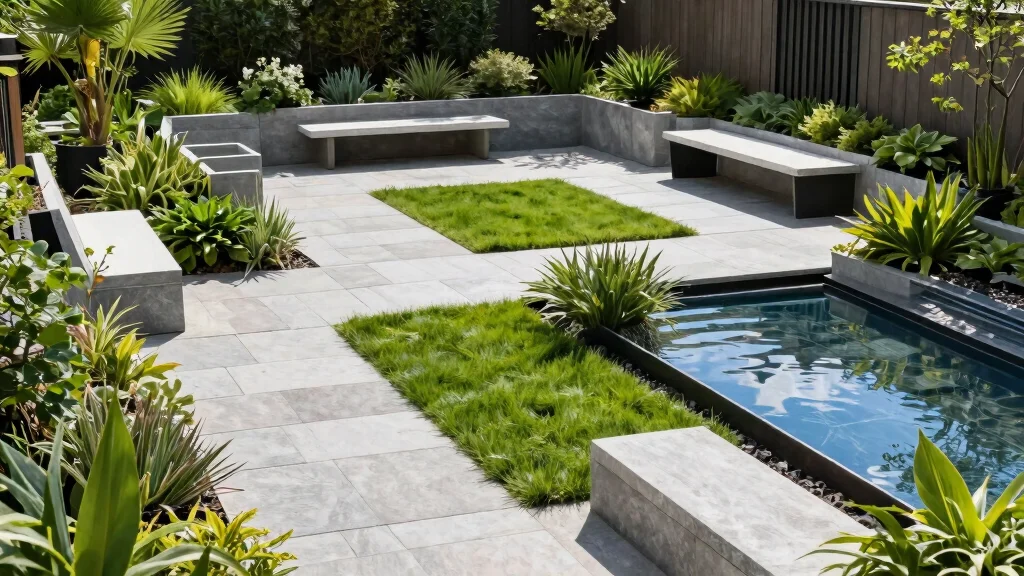
Creating a modern garden isn’t just about aesthetics; it’s about crafting a space that feels harmonious and fresh. With the rise of sustainable practices in gardening, many people are eager to incorporate clean lines and lush greenery into their outdoor areas. This post was inspired by a desire to blend beauty and sustainability, showing how you can cultivate a space that’s not only visually appealing but also eco-friendly.
If you’re someone who appreciates contemporary gardening, or if you simply want to elevate your outdoor aesthetics, you’re in the right place. Whether you have a large yard or a cozy balcony, these ideas will inspire you to create a modern garden that reflects your style while promoting environmental care.
In this post, we’ve gathered nine modern garden landscaping ideas that combine sleek design elements with vibrant greenery. You’ll discover how to incorporate geometric planting beds, minimalist water features, and more into your garden. Each idea is designed to help you create a serene and beautiful space that you can enjoy for years to come.
Key Takeaways
– Discover how using geometric planting beds can add structure and sophistication to your garden while showcasing your favorite plants.
– Learn about minimalist water features that create a calming atmosphere without overwhelming your outdoor space.
– Explore the beauty of vertical gardens, which maximize space while providing lush greenery in urban environments.
– Understand the importance of sustainable hardscaping, incorporating eco-friendly materials that enhance your garden’s appeal.
– Find out how to integrate edible gardens into your design, making your outdoor area both beautiful and functional.
1. Geometric Planting Beds
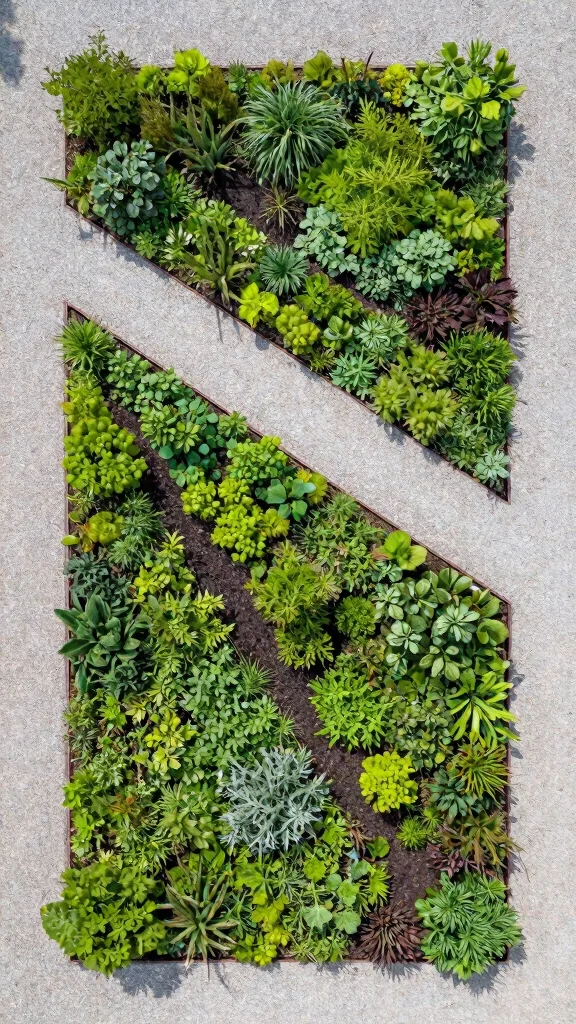
Looking to add a stylish touch to your garden? Geometric planting beds are the perfect solution. These creative designs, featuring shapes like triangles and hexagons, can serve as stunning focal points. By selecting plants that flourish in similar conditions, you can create a harmonious, lush display that captures attention and enhances your outdoor space.
Start by mapping out your space and determining the best shapes for your design. Incorporate a blend of plants with varying heights and colors for a vibrant effect. Using drought-resistant varieties can also help you conserve water while keeping your garden beautiful.
Key benefits of geometric planting beds:
– Introduces a modern aesthetic to your garden.
– Organizes plants efficiently for easy care.
– Provides a striking visual centerpiece.
With these beds, you can enjoy a garden that feels both organized and artistic. Watch your outdoor area transform into a stylish retreat that invites relaxation and admiration.
Geometric Planting Beds
Editor’s Choice

EasyFlex No-Dig Landscape Edging with Anchoring Spikes, 2.7 in Tall Deco…


Kesfitt Raised Garden Bed, Metal Galvanized Steel Oval Garden Bed 8x2x1….
2. Minimalist Water Features

Are you seeking a way to create a calming atmosphere in your garden? A minimalist water feature might be just what you need. Sleek designs, like rectangular ponds or simple fountains, can enhance the beauty of your outdoor space while providing soothing sounds.
To implement this feature, consider materials like concrete or natural stone that resonate with modern aesthetics. Keep the design straightforward and surround it with lush plants for a softer appearance. Adding aquatic plants can also attract wildlife, enriching your garden’s ecosystem.
Tips for your water feature:
– Select clean-lined materials for a modern look.
– Surround with greenery for a balanced appearance.
– Integrate stepping stones for an interactive experience.
A minimalist water feature not only elevates your garden’s visual appeal but also offers a peaceful retreat, making your outdoor space a haven of tranquility.
Fun fact: Minimalist water features with clean, rectangular shapes can boost perceived calm in your garden by up to 30% and cut maintenance time. Pair concrete or natural stone with lush plantings for a modern garden landscaping vibe that feels both serene and practical.
📹 Related Video: How to design a water feature: beginners guide to rills
Minimalist Water Features
Editor’s Choice
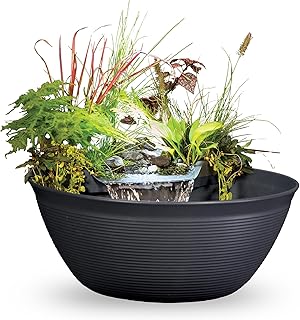
Aquascape Pond and Waterfall Kit AquaGarden Container Water Garden, Stee…

Floating Plants for Water Gardens and Ponds (Water Lettuce)

Tankana Garden Water Fountain Outdoor Bubbler Water Feature Indoor with …
3. Vertical Gardens
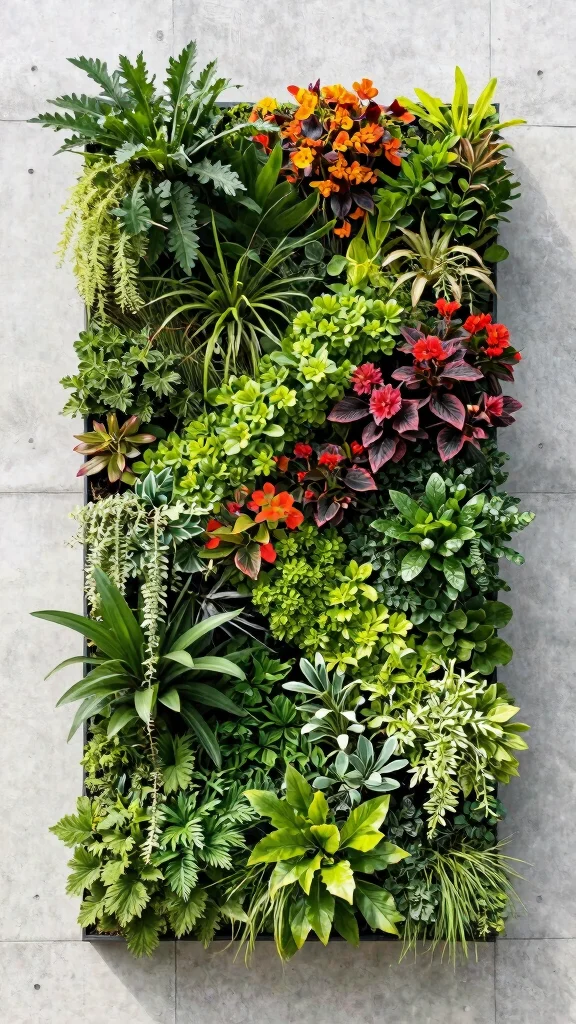
Want to maximize your garden’s potential? Vertical gardens are a fantastic way to do just that. They allow you to transform walls and fences into living canvases, adding greenery and life to your space without taking up ground area.
To create a vertical garden, consider using modular systems or wall-mounted planters that make planting easy. Mix trailing and upright plants for visual excitement, and think about adding a drip irrigation system to keep things manageable. This approach not only beautifies your garden but also improves air quality.
Steps to build your vertical garden:
– Use wall-mounted planters for easy setup.
– Mix different plant types for texture.
– Incorporate a watering system for convenience.
With vertical gardens, you can express your creativity and enjoy a lush environment, all while making the most of limited space.
Vertical Gardens
Editor’s Choice
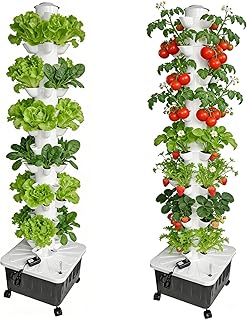
Hydroponic Tower, 14-Layer Hydroponics Growing System Kit with 70 Slots,…

Make Good PlantPod Luxe – Self-Watering Wall Planters (Set of 6) – Easy …

CARPATHEN Drip Irrigation System Kit – Complete Premium Garden Watering …
4. Sustainable Hardscaping

Are you ready to enhance your garden with eco-friendly materials? Sustainable hardscaping focuses on creating beautiful outdoor spaces that are also kind to the environment. By using recycled materials and permeable surfaces, you can reduce your garden’s ecological footprint.
Consider incorporating pathways made from natural stones or recycled concrete for a stylish and functional landscape. Using reclaimed wood can add warmth, while gravel helps with drainage in plant beds. This design approach not only looks great but also supports sustainable practices.
Sustainable hardscaping ideas:
– Utilize recycled materials for pathways.
– Add reclaimed wood for seating and borders.
– Choose gravel for improved drainage.
By embracing sustainable hardscaping, you create an outdoor oasis that balances beauty and environmental responsibility, making your garden a true reflection of your values.
Sustainable Hardscaping
Editor’s Choice

Sekcen 3 Pack Rubber Stepping Stones 15.75”x15.75” Outdoor Garden Wa…

Wood Garden Edging, Wooden Fence Border Decorative Small Picket Panels f…

Arqlite Smart Gravel | Eco-Friendly Plant Drainage for Healthy Roots | P…
5. Ornamental Grasses

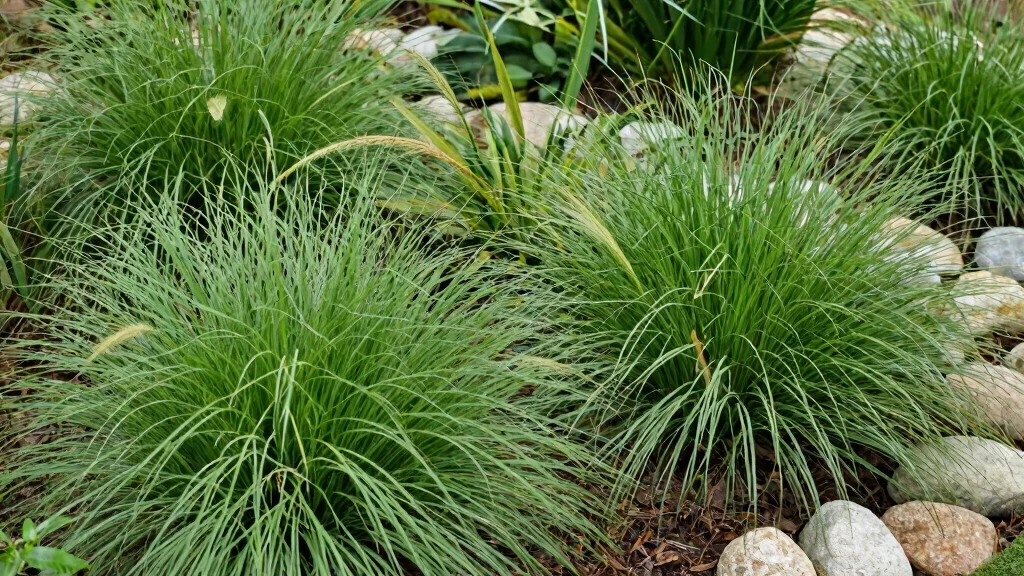
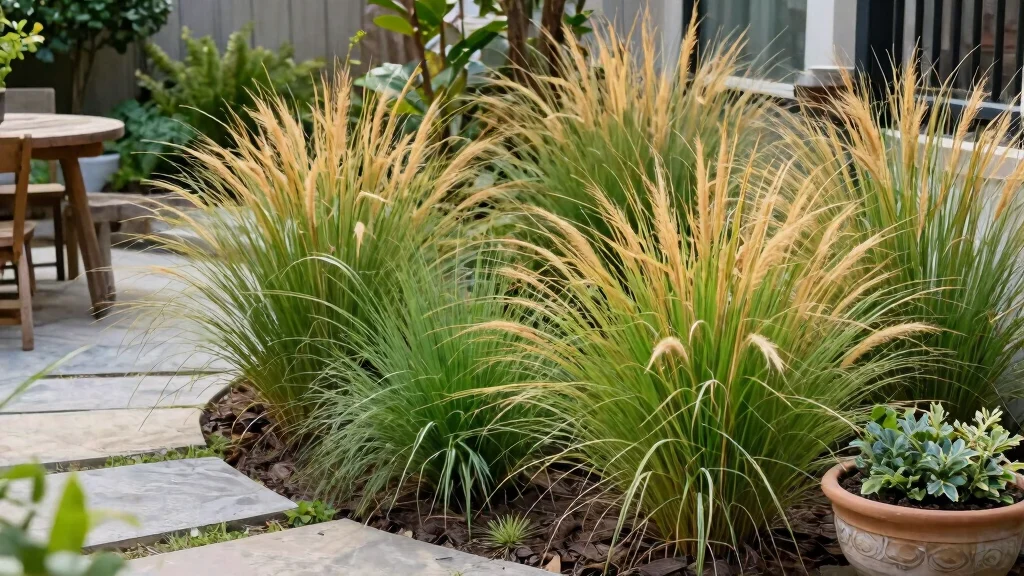
Looking to bring texture and movement to your garden? Ornamental grasses are an excellent choice. They add a soft, architectural quality to your landscape while requiring minimal upkeep, making them perfect for busy gardeners.
These grasses not only enhance the visual appeal of your outdoor space but also provide habitats for beneficial insects and birds. When selecting grasses, think about height and color to ensure they complement your existing plants. Grouping them together creates waves of texture that can transform your garden.
Benefits of ornamental grasses:
– Low-maintenance and resilient in various conditions.
– Attracts wildlife and promotes biodiversity.
– Acts as a natural barrier without traditional fencing.
Integrating ornamental grasses into your garden design can create a serene and modern atmosphere, inviting you to relax and enjoy nature’s beauty.
❝ Ornamental grasses turn modern garden landscaping into motion: a soft, architectural texture that sways with the breeze. They demand minimal upkeep and invite birds and beneficial insects. Group taller and shorter varieties to sculpt contrast and rhythm.
You might also like
Ornamental Grasses
Editor’s Choice

Jonathan Green (10514) Black Beauty Heat & Drought Resistant Grass Seed …
6. Minimalist Furniture

Do you want to enhance comfort in your modern garden? Minimalist furniture can serve both functional and aesthetic purposes. By selecting pieces that align with your garden’s clean lines, you can create inviting spaces for relaxation.
Choose natural materials like wood or metal for benches and chairs that fit seamlessly into your outdoor environment. Low-profile planters can complement your seating, while a simple fire pit adds warmth without clutter. Thoughtful placement of furniture can help create cozy gathering spots, all while keeping a tidy look.
Suggestions for minimalist furniture:
– Select natural materials for a cohesive look.
– Incorporate low-profile planters that blend in.
– Add a fire pit for ambiance without mess.
With minimalist furniture, you can enjoy a beautifully organized garden that invites comfort and connection with nature.
Minimalist Furniture
Editor’s Choice

Fire Chief Wood Burning Fire Pit with Tabletop Lid – Modern Outdoor Me…

Psilvam 2-Person Outdoor Bench with 700 Lbs Weight Capacity, Poly Lumber…

Kante 19.9″ H Charcoal Concrete Planter, Tall Modern Rectangular Plant P…
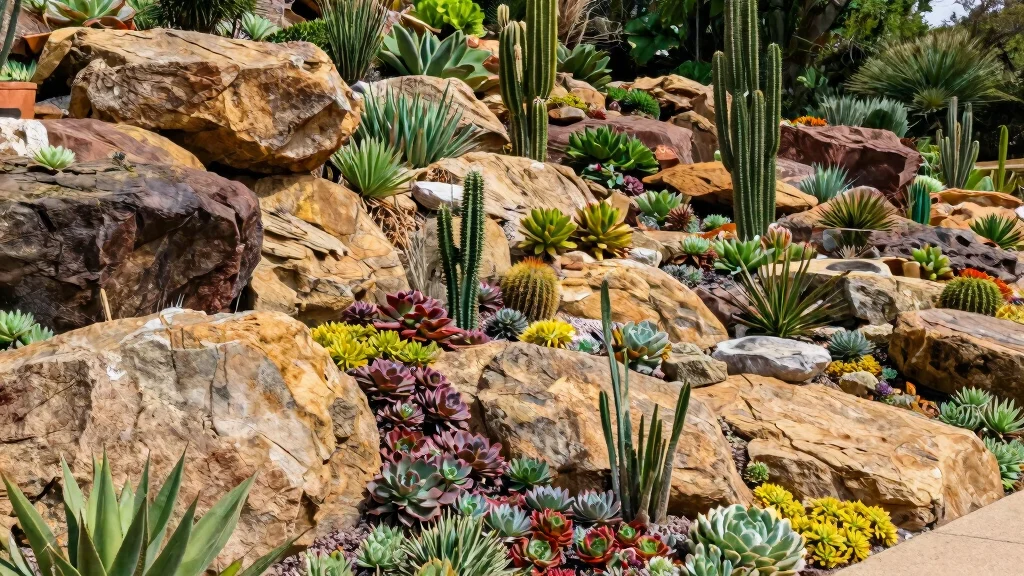
7. Succulent Pathways
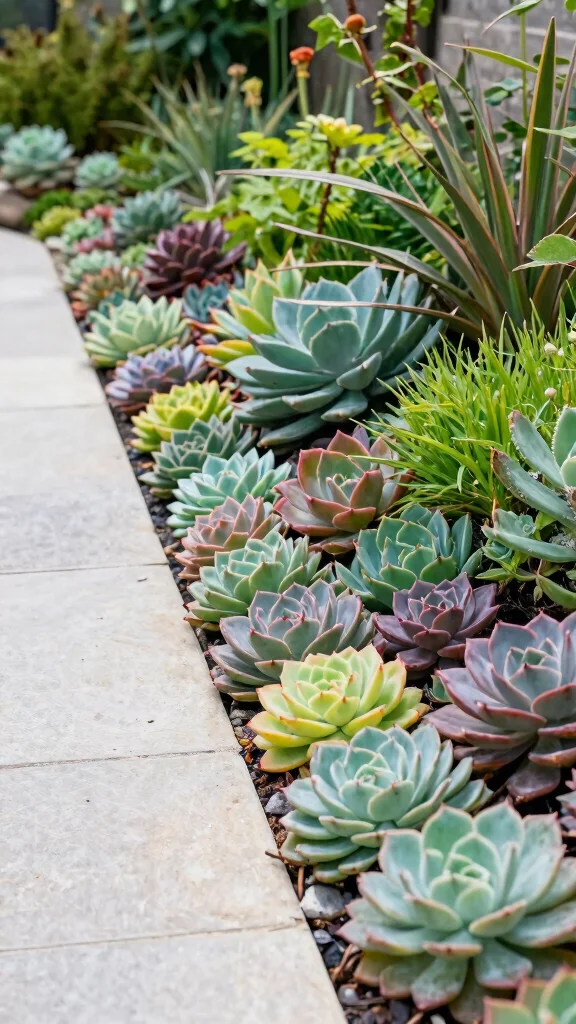
Ready to add a unique twist to your garden? Succulent pathways can bring color and texture to your outdoor space. These hardy plants require little maintenance, making them a perfect option for busy gardeners.
Consider using succulents as decorative borders along gravel paths or planting them between stepping stones for vibrant accents. Mixing various shapes and colors can create a stunning visual display. Choosing varieties that thrive in your local climate will ensure a beautiful and sustainable pathway.
Pathway ideas with succulents:
– Line gravel paths with colorful succulents.
– Plant low-growing types between stepping stones.
– Mix textures and colors for added interest.
Succulent pathways offer a delightful way to enhance your garden, combining beauty with low maintenance and sustainability.
How To Choose Modern Garden Landscaping Features
When embarking on a journey to enhance your outdoor space, it’s crucial to choose the right elements for your modern garden landscaping. By focusing on clean lines and lush greenery, you can create a serene environment that feels both refreshing and stylish. Here are some key aspects to consider when selecting features for your garden:
1. Purpose
Before you dive into design, think about how you want to use your garden. Is it for relaxation, entertaining, or growing your own food? Understanding the primary function will guide your choices. For instance, if you plan to host gatherings, consider seating areas or fire pits that encourage social interaction.
2. Size and Scale
Measure your garden space accurately. This will help you select features that fit without overwhelming the area. For small yards, opt for vertical gardens or compact furniture. In larger spaces, you can experiment with geometric planting beds or water features. Always keep proportion in mind to ensure harmony in your design.
3. Materials
Choose materials that complement both your home’s architecture and the natural environment. For a modern look, consider using concrete, stone, or metal. These materials pair well with lush greenery and can create striking contrasts. Additionally, think about durability and maintenance; some materials require more upkeep than others.
4. Color Palette
Select a color scheme that resonates with your style and enhances your outdoor aesthetics. Neutrals like whites, grays, and browns can provide a calm backdrop for vibrant plants. Alternatively, bold colors can add a pop of excitement. Keeping a cohesive palette throughout your garden helps tie different elements together.
5. Sustainability
Incorporate eco-friendly practices into your design. Choose native plants that require less water and maintenance. Sustainable hardscaping options, like permeable pavers, can improve drainage. Additionally, integrated edible gardens allow you to grow your own vegetables and herbs while beautifying your space.
6. Personal Style
Let your personality shine through your garden features. Consider minimalist furniture that complements the clean lines of your landscape. You can also incorporate unique elements, such as a succulent pathway or ornamental grasses, that reflect your individual taste. Your garden should be an extension of who you are.
Pro Tip: Create a mood board with photos, colors, and materials that inspire you. This will help clarify your vision and make decision-making easier.
By considering these factors, you can select modern garden landscaping features that not only beautify your outdoor space but also function effectively. With careful planning and thoughtful design, your garden can be a perfect blend of clean lines and lush greenery, enhancing your home’s appeal and creating a relaxing retreat.
Succulent Pathways
Editor’s Choice

40 LBS Grey Pea Gravel – Landscape Rocks – Drainage Rock – Gardening – A…
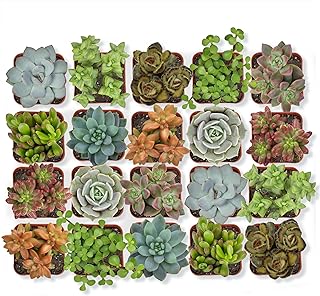
Altman Plants, Live Succulent Plants (20 Pack) Assorted Potted Succulent…

Sekcen 3 Pack Rubber Stepping Stones Outdoor Garden Rubber Pavers Pathwa…
8. Integrated Edible Gardens

Why not blend beauty with functionality in your garden? Integrated edible gardens allow you to grow vegetables and herbs alongside ornamental plants for a stunning visual and culinary experience.
Start with raised beds that feature clean lines to complement your overall design. Interplant herbs among flowers for a vibrant and functional space, or create designated areas for fruit trees with decorative trellises. This arrangement not only beautifies your garden but also encourages a sustainable lifestyle.
Ideas for integrating edible gardens:
– Use raised beds to enhance garden aesthetics.
– Interplant herbs with ornamental flowers.
– Designate areas for fruit trees with trellises.
By incorporating edible gardens, you can enjoy fresh produce right from your outdoor space, making your gardening experience both productive and pleasing to the eye.
You Might Also Like

Integrated Edible Gardens
Editor’s Choice

100% Metal Obelisk Garden Trellis 6.3 Feet Tall Sturdy Plant Support for…
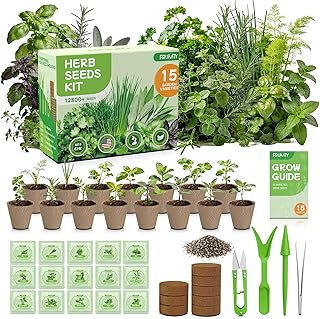
Herb Garden Starter Kit – Fruivity 12800+ 15 in 1 Herb Heirloom Seed K…

2PCS 10x3x1ft Galvanized Raised Garden Bed,Outdoor Planter Box Metal Pat…
9. Zen-Inspired Spaces

Looking for a peaceful retreat in your garden? Creating Zen-inspired spaces can offer a serene escape from everyday life. Focus on natural materials, simple lines, and lush greenery to cultivate tranquility.
Include features like smooth stone paths leading to minimalist seating or bamboo structures for shade. Water elements, such as small fountains, can enhance the soothing atmosphere while inviting nature into your space. With carefully chosen plants, you can create an environment that promotes calm and reflection.
Key elements for a Zen garden:
– Smooth stones or gravel paths for serenity.
– Bamboo structures for shade and beauty.
– Water features for soothing sounds and visuals.
A Zen-inspired garden can provide a calming sanctuary, allowing you to unwind and reconnect with nature in your own outdoor oasis.
Fact: In modern garden landscaping, 5 minutes of Zen-inspired breathing amid smooth stone paths can reset your mood in under 10 minutes. Relaxation grows with simple lines, bamboo shade, and a tiny fountain—practical serenity you can design today.
Zen-Inspired Spaces
Editor’s Choice

FANTIAN 5 lbs Green River Rocks for Plants, 1-2 Inch Polished Jade Pebbl…

Bamboo Fence,Reed Fencing 4Feet High Bamboo Privacy Screen Outdoor for P…

Sunlinua 33″ H Modern Outdoor Water Fountain Cascading Realistic Rock Wa…
Conclusion
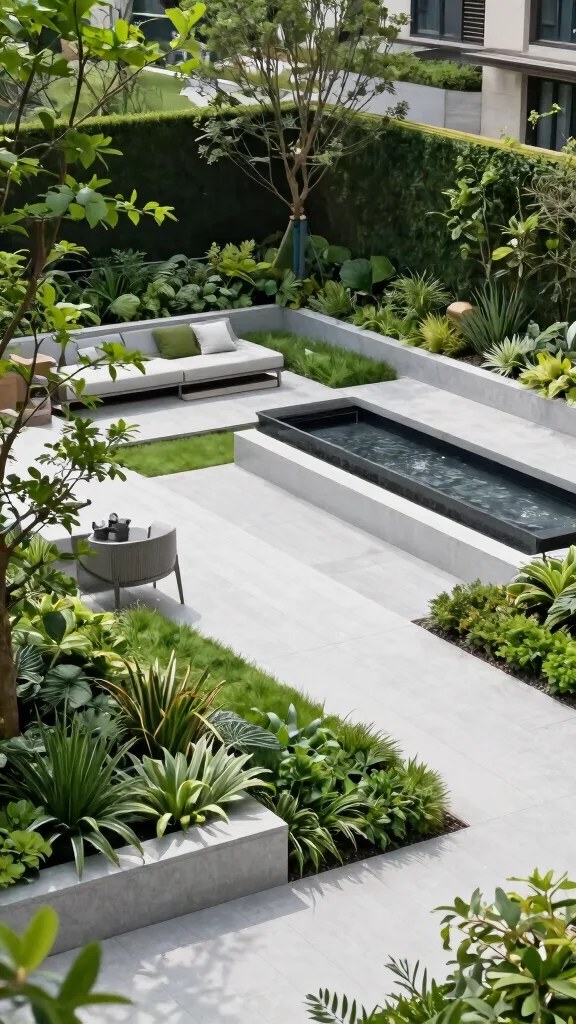
Modern garden landscaping showcases how clean lines and lush greenery can coexist beautifully.
With these nine ideas, you can create an outdoor space that is not only visually stunning but also promotes sustainability and tranquility.
Embrace the trends that resonate with you, and start transforming your garden into a chic, eco-friendly haven today!
Note: We aim to provide accurate product links, but some may occasionally expire or become unavailable. If this happens, please search directly on Amazon for the product or a suitable alternative.
This post contains Amazon affiliate links, meaning we may earn a small commission if you purchase through our links, at no extra cost to you.
Frequently Asked Questions
What is modern garden landscaping and why do clean lines pair with lush greenery?
Modern garden landscaping blends minimal, geometric structure with abundant living elements to create calm, functional outdoor spaces. In this style, clean lines provide order and accessibility, while lush greenery adds texture and warmth. The result is a balance between landscape design discipline and vibrant lush greenery landscaping that feels contemporary and inviting.
Start with a simple framework of lines or a grid, then layer in plants that offer texture and seasonal interest. Choose native or drought-tolerant species for sustainability, and use materials like stone, concrete, or natural timber to keep the outdoor aesthetics clean and cohesive.
How can I plan a sustainable modern garden landscaping layout while keeping clean lines?
Begin with a straightforward axis or grid to preserve the crisp lines you want in modern garden landscaping. Map zones for seating, planting, and irrigation, then pick materials that are permeable and durable for landscape design practicality. Use minimalist garden ideas to maintain the structure, while selecting a few focal plants to deliver lush greenery landscaping. Add a water-smart irrigation plan and composting if possible to boost sustainability, and keep color and texture restrained to support outdoor aesthetics.
Which plants are best for a contemporary garden that blends clean lines with lush greenery?
For a contemporary look that still feels alive, combine evergreen structure with expressive foliage. Try boxwood or yew for crisp edges, ornamental grasses for vertical movement, and low-growing groundcovers like creeping thyme or vinca minor to soften lines. Add seasonal color with native perennials such as echinacea, rudbeckia, and salvia, and consider a small tree or stem-like option (Japanese maple or columnar pear) for height. This pairing supports contemporary gardening and lush greenery landscaping while keeping landscape design simple and elegant.
Choose plants suited to your climate and water conditions to maintain sustainability.
What are practical maintenance tips to keep a minimalist garden ideas look vibrant and neat?
Maintain the crisp look by regular edging, light pruning, and clean lines trimming every season. Mulch thickly to suppress weeds and regulate soil moisture, and use a smart irrigation schedule to conserve water in a modern garden landscaping setup. Pick low-maintenance plants that suit your climate and minimalist garden ideas without sacrificing texture, then rotate in a few flowering accents for seasonal interest. Finally, keep outdoor furniture and hardscapes tidy, and schedule yearly checks for pests or disease to protect your outdoor aesthetics.
How can I add texture and year-round interest to a modern garden landscaping design?
Texture comes from mixing leaf shapes, sizes, and materials. Combine smooth concrete or steel with warm wood, rough stone, and soft planting to create contrast in modern garden landscaping. Plan for year-round interest by choosing evergreens and winter-blooming or bark-interest species, plus lighting to highlight features after dark. Use layered planting with a mix of lush greenery landscaping and some architectural accents, then add a simple water feature or sculpture to elevate outdoor aesthetics.
Related Topics
modern garden landscaping
sustainable gardening
clean lines
lush greenery
minimalist garden ideas
contemporary landscape design
outdoor aesthetics
beginner friendly
easy landscaping
garden design trends
eco-friendly gardens
landscape inspiration