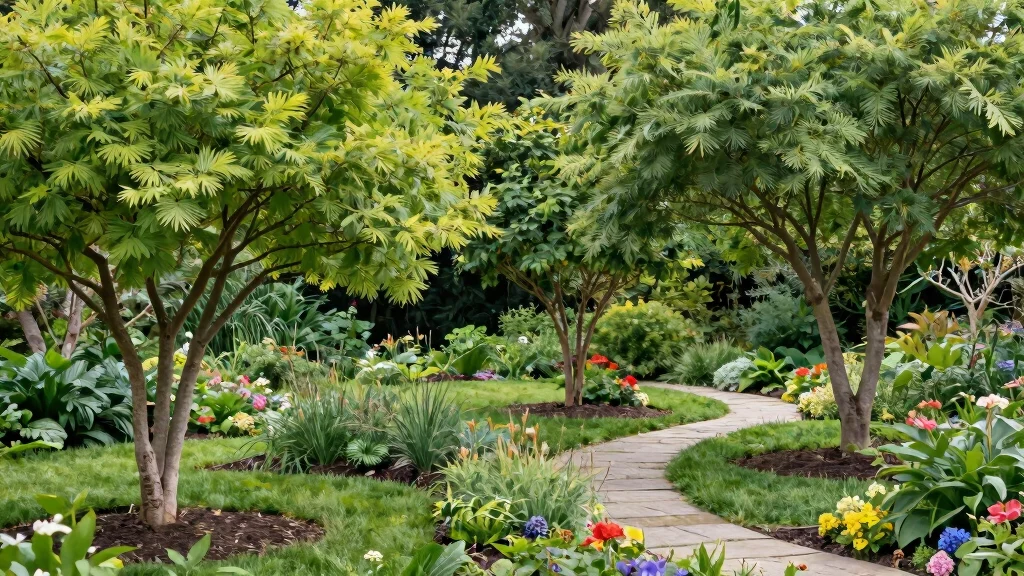
Creating a serene outdoor space is something many of us crave, especially when noise and prying eyes invade our personal sanctuaries. This need for privacy in our gardens has me reflecting on how the right tree privacy landscaping can transform our backyards into peaceful retreats. Whether you’re living in a bustling neighborhood or just want to shield yourself from the street view, planting a natural privacy screen is a beautiful, eco-friendly solution.
If you’re someone who loves gardening, enjoys spending time outdoors, or simply wants to enhance your property’s curb appeal, this post is for you. You care about creating a space where you can relax and feel safe without losing the beauty of a natural landscape. That’s why I’ve gathered eight fantastic tree planting ideas that are not only drought-resistant but also effective at providing the privacy you desire. These suggestions will help you cultivate a lush, green wall that hides unsightly views while adding charm to your garden.
In this guide, you’ll find detailed descriptions of various trees that can serve as effective natural privacy screens. Each selection is chosen for its beauty, ease of care, and ability to thrive in various climates. By the end of this post, you’ll be equipped with practical knowledge and tips to create your own gorgeous, green shield.
Key Takeaways
– Discover eight tree options that provide natural privacy, such as the elegant Italian Cypress and the versatile Willow Hybrid.
– Learn how to create layered privacy with trees like Eastern Red Cedar, enhancing both aesthetics and screening effectiveness.
– Understand the benefits of drought-resistant tree choices, making your landscaping low-maintenance and eco-friendly.
– Get tips on combining different tree species for a diverse and dynamic privacy screen that thrives in your climate.
– Embrace sustainable gardening practices by incorporating native trees that support local ecosystems while providing privacy.
1. Embrace the Elegance of Italian Cypress

Looking for an eye-catching way to enhance your privacy? The Italian Cypress offers both height and style, making it a perfect choice for your garden. With its tall, slender form, this tree can soar up to 50 feet, making it ideal for driveways or as a stunning backdrop. Its rich, dark green leaves create a classic look that complements colorful flowers beautifully.
To get the most out of your Italian Cypress, plant them in groups for added impact or use them as solo features. Ensure they have well-drained soil and receive plenty of sunlight to thrive. Regular pruning will maintain their elegant shape and encourage healthy growth.
Key tips for planting:
– Space trees 3-5 feet apart for a fuller effect.
– Choose well-drained soil to avoid water issues.
– Prune regularly for a neat appearance.
This tree not only elevates your garden’s aesthetics but also provides a natural privacy screen that lasts for years.
2. Create Layers with Eastern Red Cedar

Do you want to add depth and character to your garden? The Eastern Red Cedar is an excellent option that combines beauty with function. Its evergreen foliage offers a vibrant green backdrop while its aromatic scent enhances your outdoor experience. Reaching heights of about 40 feet, it can stand alone or work with other trees to form a lush privacy barrier.
Consider grouping these trees together for a more impactful look. Their blue-green needles blend well with various plants, creating a dynamic garden space. This tree thrives even in poorer soils, making it a versatile choice.
Planting insights include:
– Group them for a dense effect.
– Pair with flowering shrubs for added color.
– Ideal for drought-prone areas.
The Eastern Red Cedar not only beautifies your landscape but also attracts birds, enriching your garden’s ecosystem.
Fun fact: An Eastern Red Cedar can reach about 40 feet tall, and when grouped, these evergreens create a lush privacy screen for tree privacy landscaping that stays vibrant year-round. Plant a small cluster to add depth, aroma, and natural separation to your garden.
Create Layers with Eastern Red Cedar
Editor’s Choice



Eastern Red Cedar Tree – 12 to 18″ inches Tall Live Plant – Gallon Pot -…

2 Eastern Red Cedar Trees – 12-18″ Tall Live Plants – Redcedar Juniper E…

Burkii Juniper Eastern Red Cedar – Live Outdoor Plant, Compact Evergreen…

3. Go for the Graceful Acacia
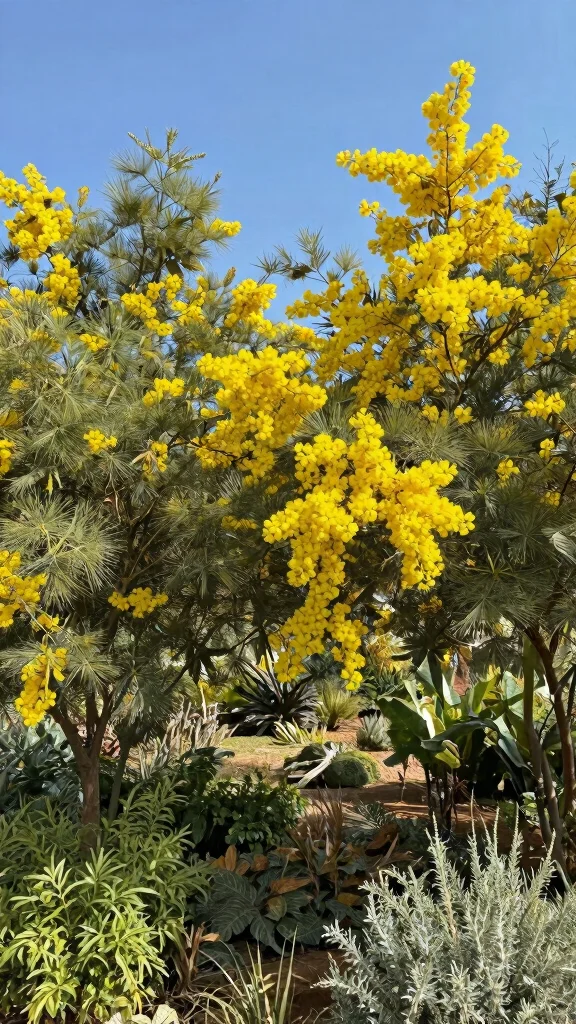
Searching for a tree that combines beauty and resilience? The Acacia is a stunning option known for its feathery foliage and drought resistance. This tree can develop a lovely canopy, offering shade while also serving as a natural privacy screen. In spring, its delicate yellow flowers burst forth, adding vibrant color and attracting pollinators.
Perfect for warm climates, the Acacia makes a charming addition to any backyard design. Ensure you provide enough space for its wide spread and consider pairing it with ground cover plants for a more attractive effect. Regular watering during its initial growth phase is key to establishing strong roots.
Pro tips for planting:
– Allow ample space for growth.
– Combine with ground covers for visual appeal.
– Keep well-watered in the first year.
This tree’s graceful silhouette and vivid blooms create a natural privacy screen that transforms your garden.
Tree privacy landscaping isn’t about sacrificing beauty—it’s about balance. With Acacia, plant with room to spread and you’ll gain shade, color, and privacy, plus buzzing pollinators every spring.
4. Discover the Versatility of Willow Hybrid

Are you in need of a fast-growing privacy solution? Willow hybrids are the answer, offering rapid growth and remarkable adaptability. They can grow tall quickly, forming a dense screen in just a few years while their long, flowing branches create a whimsical vibe in your backyard. Planting these trees together can form a lush barrier that also supports local wildlife.
Choose a well-drained area for planting and make sure to prune them regularly to maintain their shape. These trees thrive in wetter conditions, making them perfect near ponds or streams.
Planting tips include:
– Select well-drained spots to prevent rot.
– Regularly prune for bushier growth.
– Perfect for wetland areas or alongside water features.
The Willow Hybrid not only enhances your privacy but adds a serene beauty to your landscape.
Want instant privacy in tree privacy landscaping? Willow hybrids can grow a dense screen in just a few years, while their sweeping branches invite wildlife. Plant them in a well-drained spot and prune regularly to keep the look you love—no cookie-cutter fences needed.
Discover the Versatility of Willow Hybrid
Editor’s Choice

Willow Hybrid Trees for Privacy – Fast Growing Austree Willow Cuttings (…

100 Fast Growing Willow Trees – Hybrid Willow Cuttings to Grow for Priva…

100 Austree Hybrid Willow Trees Live Plants – Fastest Growing Shade & Pr…

50 Austree Hybrid Willow Trees, Fastest Growing Shade or Privacy Tree – …

Austree Hybrid Willow Tree Plants for Growing | Fast Privacy Hedge Row, …
📹 Related Video: Privacy In 1 Year with Hybrid Willows | Buy Once, Create Thousands More!
You might also like

5. Add Drama with Flowering Pear Trees

Looking for a tree that offers both privacy and stunning seasonal beauty? The Flowering Pear might be just what you need. Known for its breathtaking spring blooms, this tree also features glossy green leaves throughout summer. It can grow to 30-40 feet, providing a dense screen that changes beautifully with the seasons.
The white flowers in spring not only beautify your yard but also attract bees and butterflies, enhancing your garden’s lively atmosphere. Make sure to give these trees enough space to thrive and regularly prune them to maintain their shape.
Care tips include:
– Allow room for upward and outward growth.
– Prune regularly for shape and health.
– Thrives in full sun and diverse soil types.
The Flowering Pear brings elegance and vibrancy, turning your yard into a delightful retreat.
6. Cultivate a Cozy Atmosphere with the Red Maple
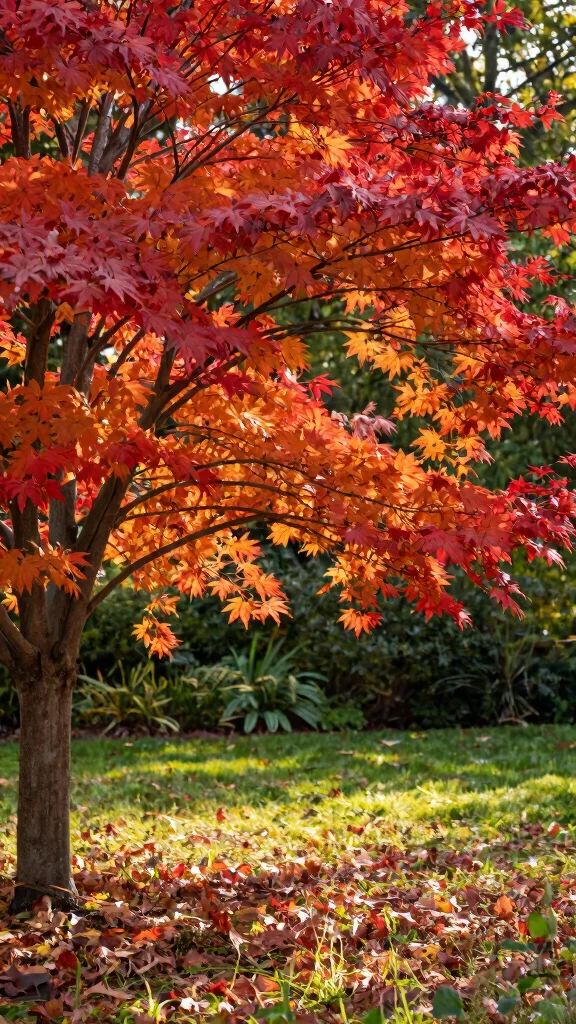
Want a tree that adds a splash of color to your landscape? The Red Maple is a beloved option for its stunning fall foliage and adaptability to various soil conditions. Growing up to 60 feet, it creates an excellent natural privacy screen while showcasing brilliant red and orange leaves in autumn.
This tree will attract wildlife like birds and butterflies, making your garden feel alive and welcoming. For the best color display, plant it in a sunny spot and ensure it has moist, well-drained soil. Grouping multiple trees can enhance their visual impact.
Planting ideas include:
– Choose sunny locations for vibrant fall colors.
– Prefer moist, well-drained soil for best growth.
– Plant in clusters for dramatic effect.
The Red Maple is not just a tree; it’s a showstopper that transforms your garden into a stunning landscape.
Cultivate a Cozy Atmosphere with the Red Maple
Editor’s Choice

Large Two Pack of American Red Maple Shade Trees – 2 Live Plants Shipped…

Simpson Nursery Brandywine Maple Tree, Burgundy Foliage, Shade Tree, 7 g…

2 October Glory Maple Trees – 6-12″ Tall Live Plants – Orange/Red Maple …

American Red Maple Shade Tree – Live Plant Shipped 3 Feet Tall by DAS Farms

Autumn Blaze Maple Tree – 6-12″ Tall Live Plant – 2.5″ Pot – Fast Growin…
7. Opt for the Low-Maintenance Olive Tree
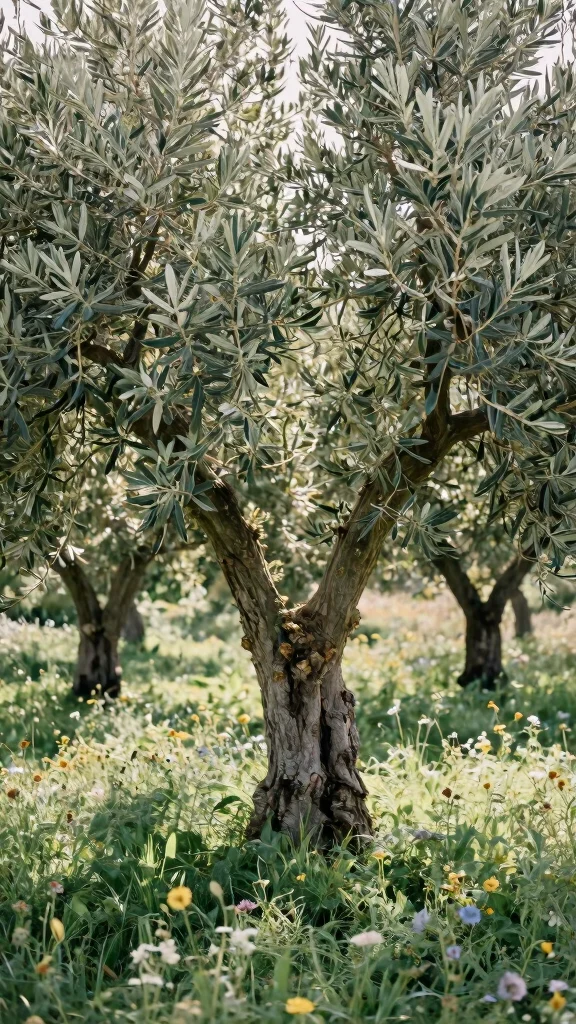
Searching for a low-maintenance tree with a unique flair? The Olive tree is an excellent drought-resistant choice that adds an exotic touch to your outdoor space. Its silvery leaves and gnarled trunk create a striking visual effect while providing a natural privacy screen. Growing to about 20 feet, these trees fit well in smaller gardens or as part of larger designs.
Their fruit not only adds interest but can also attract diverse wildlife to your yard. Ensure the soil is well-drained and water deeply during dry spells for optimal health. A light pruning can help maintain its shape and airflow.
Care tips include:
– Ensure soil drains well to avoid water issues.
– Water deeply during dry periods.
– Lightly prune for shape and airflow.
The Olive tree is not only practical but also infuses your space with Mediterranean charm.
Opt for the Low-Maintenance Olive Tree
Editor’s Choice

Olive Tree Arbequina (4 Pack) Real Olea Europaea | Easy to Grow Plants |…

Olive Tree Mission (4 Pack) Real Olea Europaea | Easy to Grow Plants | G…

2 Mission Olive Tree Saplings – Edible Fruiting Evergreen Tree for Patio…

Olive Tree Live Plant 2.5-3 Feet Tall in 3 Gallon Pot, Olive Tree with S…

Olive Tree Live Plant, 3 Gallon – 2-3 Ft Tall Hardy Fruiting Olive Tree …
8. Emphasize Sustainability with Native Trees

Want to make your landscaping more eco-friendly? Incorporating native trees is a sustainable way to create a natural privacy screen that harmonizes with your local ecosystem. These trees typically require less water and maintenance, making them ideal for areas prone to drought. Moreover, they support local wildlife, providing essential food and shelter for birds and insects.
Whether you choose Oaks, Maples, or Dogwoods, you’ll be contributing positively to the environment while enhancing your landscape. Research the native species that thrive in your area to ensure success in planting.
Planting guidelines include:
– Identify native species that suit your region.
– Plant in groups to mimic natural habitats.
– Use companion plants to boost biodiversity.
Native trees not only offer privacy but also deepen your connection to the local environment.
Emphasize Sustainability with Native Trees
Editor’s Choice

BUZZY Seeds Spruce Tree 12-Pack Mini Terracotta Grow Kits – Sustainable …

Bonsai Starter Kit, 5 Seeds Growing into Acacia, Wisteria, Sakura, Red M…

Big Pack – (500) Giant Sequoia, Sequoiadendron giganteum Tree Seeds – ak…

Generic Moringa Trees 3 Live Moringa Plants with Moringa Seeds – Organic…

Native Wildflower Seeds for Planting 24 Variety Pack – Perennial & Annua…
Top Varieties for Different Conditions
Italian Cypress
– Best conditions: Ideal for warm, dry climates and narrow spaces.
– Key features: This tree grows tall and slender, making it perfect for tight areas where you want to create a vertical privacy screen. Its dark green foliage adds elegance to any backyard.
– Considerations: It requires good drainage and may struggle in very wet conditions.
Eastern Red Cedar
– Best conditions: Thrives in a variety of climates, particularly in the eastern U.S.
– Key features: This hardy tree offers dense foliage that provides excellent year-round privacy. Its aromatic wood is also a bonus!
– Considerations: It prefers full sun and well-drained soil, so it’s not ideal for overly shady areas.
Acacia
– Best conditions: Suited for hot, dry climates and arid landscapes.
– Key features: Acacia trees are known for their beautiful yellow flowers and quick growth. They form a lovely canopy that can create a cozy feel in your yard.
– Considerations: Some varieties can be invasive, so be sure to choose the right type for your area.
Willow Hybrid
– Best conditions: Flourishes near water and in moist soils, making it perfect for wet regions.
– Key features: This tree grows rapidly and has a unique, graceful form that adds character to your garden. Its long, flowing branches create a soft privacy screen.
– Considerations: Needs regular watering and might not do well in dry areas.
Flowering Pear Trees
– Best conditions: Grows well in temperate climates with well-drained soil.
– Key features: Known for their stunning white blossoms in spring, these trees also provide vibrant fall color. They are a great way to add beauty while enhancing privacy.
– Considerations: They can be susceptible to fire blight, so proper care is essential.
Red Maple
– Best conditions: Thrives in both wet and dry soils across a range of climates.
– Key features: This tree is known for its stunning red foliage in autumn. It grows quickly and can create a lush, vibrant screen in no time.
– Considerations: It may require more maintenance to keep its shape and health.
Olive Tree
– Best conditions: Perfect for hot, dry climates with well-drained soil.
– Key features: Olive trees are low-maintenance and drought-tolerant, making them a smart choice for eco-friendly gardening. Their silvery leaves add a distinct look.
– Considerations: They can be slow to establish and may not produce fruit in colder climates.
Native Trees
– Best conditions: Adaptable to local climates and conditions, making them great for sustainable landscaping.
– Key features: Native trees support local wildlife and are often low-maintenance. They blend beautifully with the natural environment.
– Considerations: Specific species will depend on your location, so it’s essential to choose wisely.
Growing Tips:
– Ensure proper spacing between trees to promote healthy growth and air circulation.
– Regularly check soil moisture, especially for trees that prefer well-drained soil.
– Prune as needed to maintain shape and remove any dead or diseased branches.
Avoid:
– Don’t plant trees too close to your home or other structures; this can lead to damage and maintenance issues.
– Steer clear of fast-growing invasive species that can harm local ecosystems and outcompete native plants.
Conclusion

Enhancing your backyard with tree privacy landscaping not only improves your outdoor space but also contributes to sustainability.
These eight ideas showcase a variety of drought-resistant options that provide natural beauty and privacy.
Whether you opt for the dramatic Italian Cypress or the cozy Red Maple, each tree brings its own unique appeal to your garden.
Note: We aim to provide accurate product links, but some may occasionally expire or become unavailable. If this happens, please search directly on Amazon for the product or a suitable alternative.
This post contains Amazon affiliate links, meaning we may earn a small commission if you purchase through our links, at no extra cost to you.
Frequently Asked Questions
Which trees are best for drought-resistant privacy landscaping and creating a natural screen?
For drought-prone yards, choose evergreen and native trees that stay leafy most of the year. Good options include fast-growing evergreen trees and resilient natives that tolerate heat and dry soil. Plant in a staggered row with about 6–12 feet of spacing to build density over time, and layer with landscape design elements like mid-story shrubs to enhance the screen. Mulch 2–3 inches to conserve moisture and water deeply during the first 1–2 years while they establish. With these tree planting ideas, you can create a natural privacy screen that embodies tree privacy landscaping in your yard.
How can I design a natural privacy screen with trees that still lets in light throughout the year?
Use a layered approach: tall back-row trees, a row of mid-height evergreens, and low-growing front shrubs. Choose a mix of deciduous options in the front to allow winter sun, then keep a slightly open silhouette so light filters through in summer. Space plants to avoid a dense, single-block wall too early, and prune selectively to maintain density without sacrificing brightness. This strategy aligns with landscape design and backyard landscaping tips while delivering a natural privacy screen.
What maintenance steps keep drought-resistant trees healthy when used as privacy screens?
Establish a consistent irrigation plan (drip irrigation works well) and mulch 2–4 inches to retain moisture. Water deeply rather than frequent shallow watering, and avoid heavy pruning in hot months; instead, prune after active growth to shape density. Fertilize sparingly and monitor soil health to prevent nutrient deficiencies. Regularly check for pests and diseases, because healthy trees make the most effective natural privacy screens.
Can I start tree privacy landscaping on a budget and still get a dense screen quickly?
Absolutely. Start with a small block of fast-growing evergreen trees, then fill gaps with complementary garden trees for privacy and shrubs a couple of years later. Look for sales, buy container-grown specimens, and prioritize native species for drought tolerance. Plant in clusters rather than a single row to gain privacy sooner, and layer in inexpensive groundcovers to suppress weeds and reduce ongoing maintenance. This approach makes tree privacy landscaping approachable on a budget.
How long does it take for a tree privacy landscaping screen to become dense and private?
Most screens reach full density in roughly 3–7 years, depending on species, site conditions, and maintenance. You can speed things up by selecting faster-growing varieties, planting in overlapping clusters, and providing consistent irrigation and proper pruning. For immediate privacy while the trees mature, combine the screen with seasonal plantings or ornamental features as part of your landscape design plan.
Related Topics
tree privacy landscaping
natural privacy screens
drought-resistant trees
backyard landscaping tips
landscape design
garden trees for privacy
easy planting ideas
low-maintenance gardens
privacy hedges
sustainable landscaping
beginner gardening
outdoor living spaces