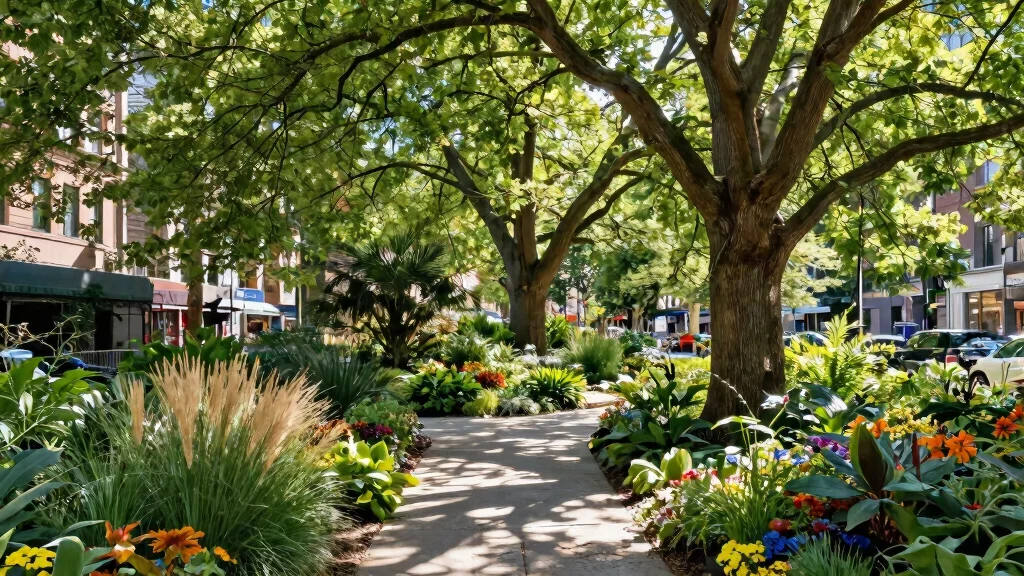
Large trees have a unique way of transforming outdoor spaces, creating a sense of grandeur and tranquility. If you’ve been feeling like your garden or yard lacks that special touch, you’re not alone. Many of us crave that vibrant, inviting atmosphere that only a majestic tree can provide. This post was crafted to inspire you to embrace large tree landscaping and explore how these magnificent natural features can elevate your outdoor aesthetic.
Whether you’re a gardening enthusiast, an urban planner, or someone simply looking to beautify your home, this guide is tailored for you. You care about making thoughtful choices in your landscaping that benefit both people and the environment. Large trees not only enhance beauty but also contribute to air quality and local wildlife habitats.
In this post, you will discover eight bold ideas for incorporating large trees into your landscaping design. From selecting the right tree placement to creating stunning focal points, each section is packed with actionable insights to help you define the spaces around you. With these ideas, you’ll be able to create a lush, inviting environment that serves both aesthetic and ecological purposes.
Key Takeaways
– Large trees serve as stunning focal points, drawing the eye and adding depth to your garden design.
– Thoughtful tree placement can provide essential shade for outdoor spaces, enhancing comfort during hot days.
– Multi-layered canopies allow for lush understory plants, creating a diverse and rich habitat for wildlife.
– Incorporating trees into hardscapes can create beautiful transitions between natural and built environments.
– Large trees contribute significantly to environmental benefits, improving air quality and cooling urban areas.
1. The Majestic Canopy: Embracing Shade Trees

Picture a serene outdoor space filled with dappled sunlight filtering through the leaves of majestic shade trees. These towering beauties, like oaks and maples, not only provide essential relief from the sun but also elevate the aesthetic of your garden. With the right placement, these trees can define cozy areas for lounging or dining, creating an inviting atmosphere for family and friends.
To maximize the impact of shade trees, think about clustering them for a lush, dramatic effect. Choose varieties that thrive in your local climate and consider their mature size when planting. You can transform shaded spaces into comfortable outdoor lounges with stylish seating arrangements.
Key considerations for planting shade trees:
– Select tree species that are suited for your soil and climate.
– Plant at least 10-15 feet away from structures to allow growth.
– Create a cozy seating area under their shade to enjoy relaxing moments.
This approach not only enhances visual appeal but also promotes a healthier garden ecosystem.
The Majestic Canopy: Embracing Shade Trees
Editor’s Choice
18qt Organic Orchid Potting Bark -Natural Mulch for Potted Plants, Root …


Giantex Outdoor Wooden Garden Bench – 2-Person Acacia Wood Loveseat with…

Fiskars 28″ Loppers for Tree Trimming, Heavy Duty, Rust-Resistant Sharp …
2. Creating a Focal Point with Grand Trees
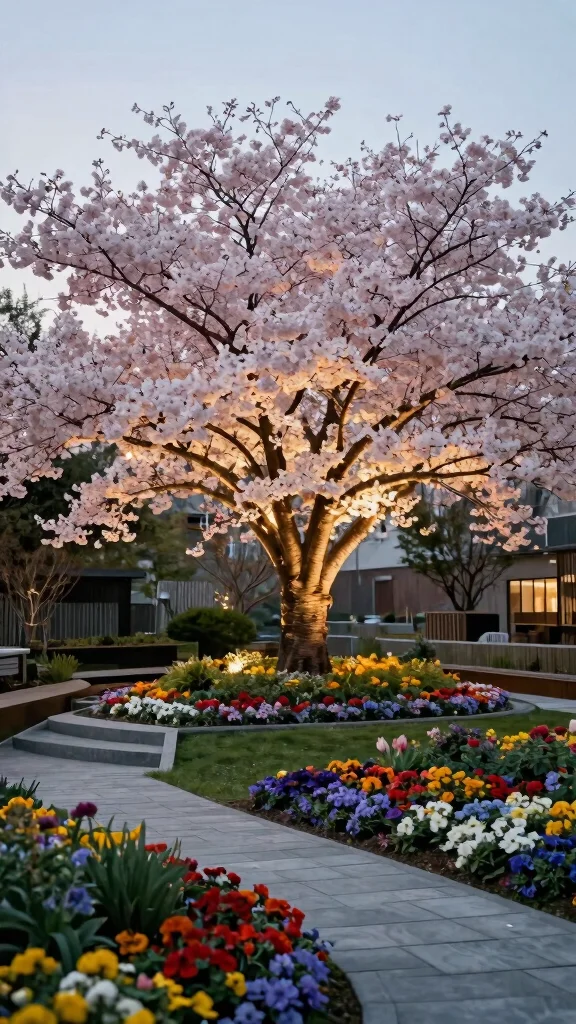
Transform your garden into a stunning retreat by making a large tree the focal point. Bold specimens like weeping willows or flowering cherry trees can capture attention and add a unique charm to your space. By carefully selecting surrounding plants, you can highlight the tree’s beauty without overwhelming it.
Encourage guests to appreciate its magnificence by creating pathways that lead to the tree. Choosing a tree that offers seasonal interest can keep your garden captivating throughout the year. Consider plants that thrive in similar conditions to create a harmonious look.
Tips for establishing a focal tree:
– Opt for trees that bloom or showcase vibrant fall colors.
– Pair with low-maintenance plants to enhance visual appeal.
– Add lighting features to highlight the tree after dark.
A striking focal tree turns every outdoor gathering into a delightful experience.
A grand tree turns any yard into a story. In large tree landscaping, choose a specimen with seasonal charm, plant thoughtfully, and let inviting paths guide guests to its quiet glory.
Creating a Focal Point with Grand Trees
Editor’s Choice


River Rock Stepping Stones Outdoor for Garden Walkway, 10 inch Diameter …

Rainier Cherry Tree Live Plant – Self-Pollinating Sweet Cherry – Yel…
3. Multi-Layered Canopies: Planting Large Trees with Understory Plants

Enhance the richness of your garden with a multi-layered approach that combines large trees with understory plants. By choosing trees like birches or magnolias, you can create a thriving ecosystem where sunlight nourishes smaller plants below. This strategy not only maximizes your garden’s potential but also fosters biodiversity.
Consider selecting understory plants that thrive in partial shade, creating a lush atmosphere underneath the canopy. Group plants by height to maintain a natural look while ensuring they coexist harmoniously with the tree’s root system.
Ideas for implementing this design:
– Choose shade-loving plants such as ferns or hostas for beauty and resilience.
– Arrange plants thoughtfully for a balanced and natural appearance.
– Use mulch to help retain moisture and reduce weeds around the base.
This sustainable method showcases how large trees can beautifully coexist with a variety of plants.
📹 Related Video: How to Plant a Large-Shade Tree | Ask This Old House
Top Varieties for Different Conditions
When it comes to large tree landscaping, choosing the right variety can make all the difference in defining your outdoor space. Here are some recommended varieties suited for different conditions and purposes.
1. Oak (Quercus spp.)
– Best conditions: Suitable for temperate climates with well-drained soil.
– Key features: Oaks are known for their majestic stature and sprawling canopies, providing excellent shade and wildlife habitat. They are long-lived and can add both beauty and value to your property.
– Considerations: Oaks can take several years to reach their full height and may require ample space for root growth.
2. Maple (Acer spp.)
– Best conditions: Thrives in temperate regions and prefers moist, well-drained soil.
– Key features: Maples are renowned for their stunning fall colors and provide a striking focal point in any landscape. Their broad canopies offer great shade, making them perfect for yards and parks.
– Considerations: Some maples may be sensitive to drought conditions, so regular watering is essential during dry spells.
3. Sweetgum (Liquidambar styraciflua)
– Best conditions: Grows well in humid areas and can tolerate a variety of soil types.
– Key features: Sweetgums have a unique star-shaped leaf, providing seasonal interest with vibrant fall colors. They can grow tall and wide, making them ideal for creating a dramatic statement in your landscape.
– Considerations: The gumball fruit can be messy, so consider this if you plan to plant near walkways or patios.
4. Red Maple (Acer rubrum)
– Best conditions: Prefers wet, low-lying areas but adapts well to various soils and conditions.
– Key features: This tree is celebrated for its brilliant scarlet leaves in the fall and ability to thrive in diverse environments. It’s a popular choice for urban areas due to its fast growth.
– Considerations: Red maples can spread quickly and may require regular pruning to control their shape.
5. Southern Magnolia (Magnolia grandiflora)
– Best conditions: Thrives in warm, humid climates, ideal for southern regions.
– Key features: Known for its large, fragrant flowers and glossy leaves, the Southern Magnolia is a stunning choice for creating focal points in gardens. It provides excellent shade and beauty year-round.
– Considerations: This tree can grow quite large and may need space to spread its branches.
6. Tulip Tree (Liriodendron tulipifera)
– Best conditions: Prefers moist, well-drained soils in temperate zones.
– Key features: This fast-growing tree features unique tulip-shaped flowers and can reach impressive heights, making it a striking addition to any landscape. Its foliage provides great shade during warmer months.
– Considerations: Tulip trees may not fare well in drought conditions and can require extra water.
7. Black Locust (Robinia pseudoacacia)
– Best conditions: Thrives in poor soils and can tolerate dry conditions, making it ideal for hot, dry climates.
– Key features: This tree grows rapidly and has fragrant white flowers that attract pollinators. It’s great for creating natural shade areas and is often used for erosion control.
– Considerations: The black locust can be invasive in some areas, so check local guidelines before planting.
Climate/Condition Guide:
When selecting a tree, consider your local climate. Temperate regions favor species like oak and maple. In coastal areas, choose salt-tolerant varieties. For hot and dry climates, black locust is an excellent option. Humid regions can support sweetgum and magnolia trees. Always assess the soil type and moisture levels in your area to choose the best tree for your needs.
Growing Tips:
– Ensure proper spacing between trees to allow for growth.
– Regularly water young trees until established to promote healthy roots.
– Mulching around the base can help retain moisture and suppress weeds.
Avoid:
– Do not plant trees too close to buildings or power lines, as this can lead to future problems.
– Avoid choosing varieties that are prone to disease in your specific area, which can lead to costly maintenance.
Multi-Layered Canopies: Planting Large Trees wi…
Editor’s Choice
Back to the Roots 100% Organic Mulch, 58 Quart, Expanding Coconut Husk B…

Bully Tools 11-Gauge Dibble Bar Tree Planting Tool | Heavy Duty All-Stee…

American Plant Exchange Live Autumn Fern – 6-Inch Pot – Hardy Shade-…
4. Urban Wildlife Habitats: Planting for Pollinators
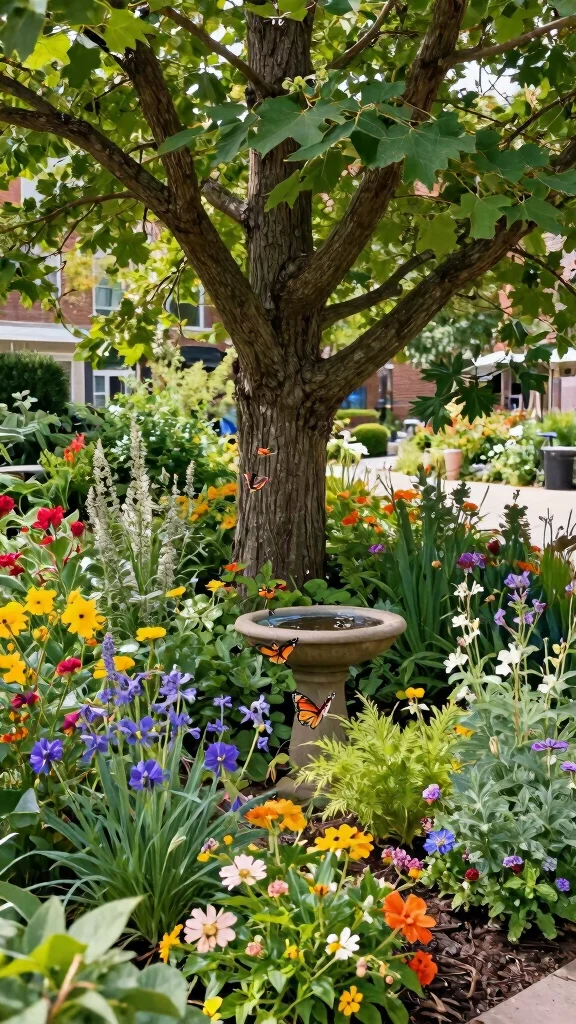
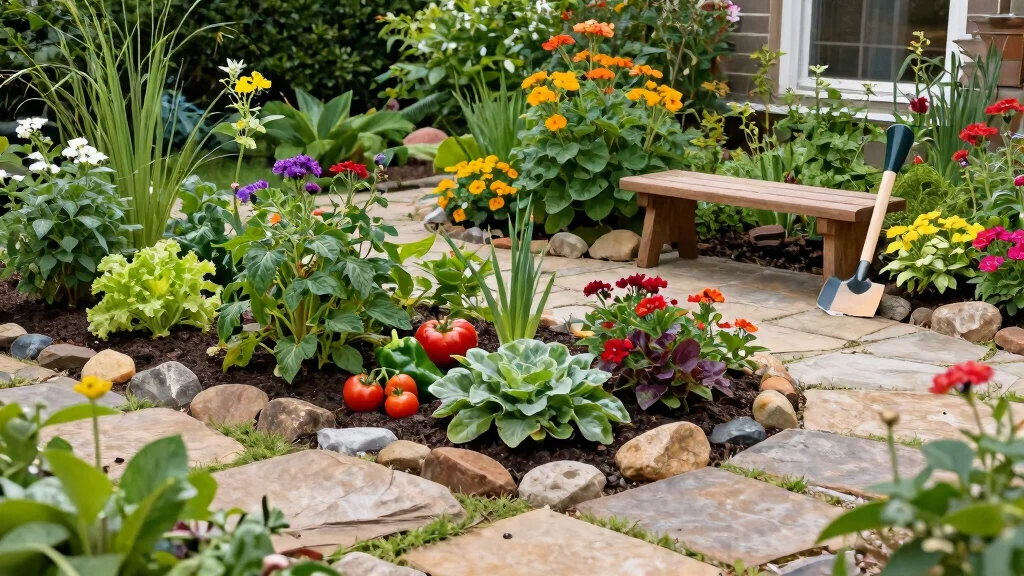
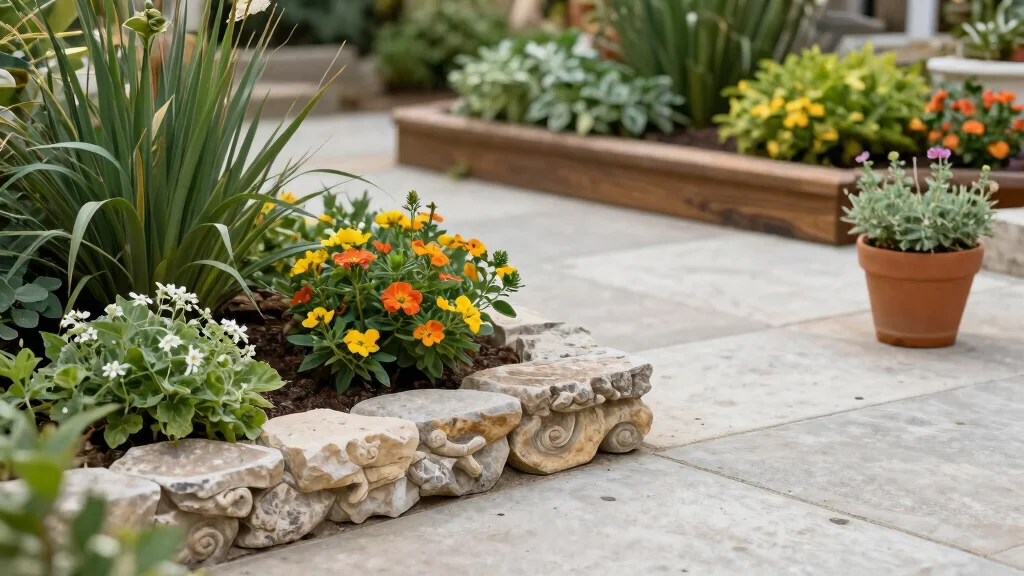
Create a welcoming haven for urban wildlife with thoughtful landscaping that includes large trees and native plants. Trees like sweetgums or serviceberries are excellent choices for fostering a habitat that attracts pollinators, such as bees and butterflies. By doing this, you’re not only enhancing your garden but also contributing positively to the environment.
To develop an inviting habitat, focus on planting native species that bloom at different times throughout the year. Adding water features, like birdbaths, can also encourage a diverse range of wildlife to visit.
Suggestions for fostering wildlife habitats:
– Plant a variety of native flowers that provide continuous nectar sources.
– Incorporate water features to attract various animals.
– Avoid pesticides to create a safe environment for all creatures.
This garden approach not only beautifies your space but also supports vital ecosystems.
You might also like
Urban Wildlife Habitats: Planting for Pollinators
Editor’s Choice

Espoma Organic Tree-Tone 6-3-2 Natural & Organic Fertilizer and Plant Fo…

Burpee Wildflower 25,000 Bulk, 1 Bag, 18 Varieties of Non-GMO Flower See…

Best Choice Products 28in Pedestal Bird Bath, Vintage Outdoor Resin Acce…
5. Seamless Integration with Hardscapes
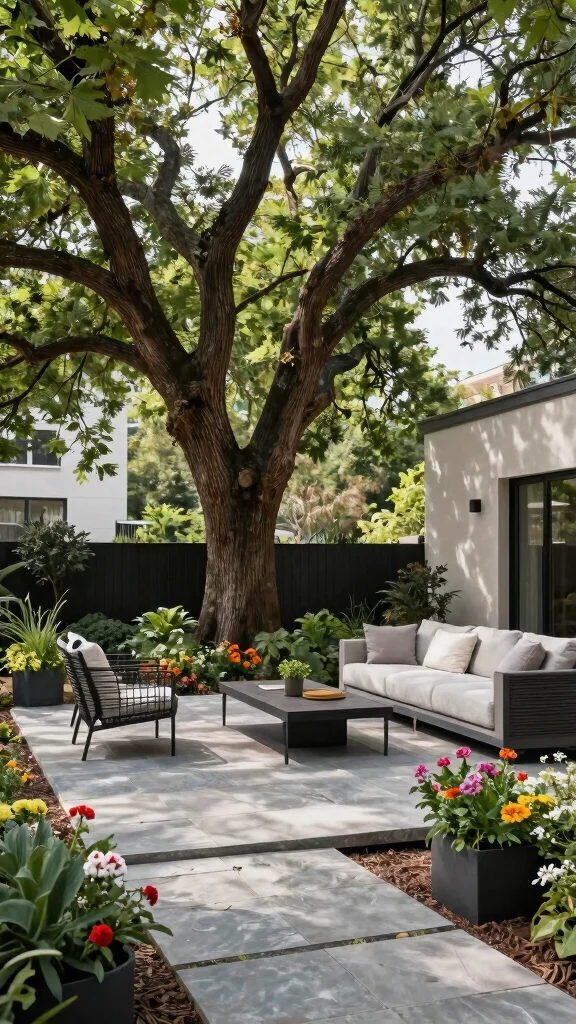
Integrate large trees into your hardscape design to enhance patios, walkways, and decks. When you select the right tree species, you can create a harmonious atmosphere that complements your outdoor living spaces. Trees like elms or sycamores offer shade while remaining visually appealing alongside hardscape elements.
Position trees strategically near seating areas to provide comfort without blocking views. You can also use decorative planters to beautify the tree base while protecting its roots.
Tips for merging trees with hardscapes:
– Place trees near seating areas for shade without obstructing sightlines.
– Use attractive planters around the base to enhance aesthetics.
– Incorporate stone pathways that weave around trees for a cohesive design.
This method adds an organic feel to modern spaces, allowing nature and architecture to coexist beautifully.
Seamless Integration with Hardscapes
Editor’s Choice

Back to the Roots 25.7qt (1 Cubic ft) Organic Premium Mulch

Land Guard Galvanized Raised Garden Bed Kit, Galvanized Planter Raised G…
6. Environmental Benefits: Cooling and Air Quality

In urban settings, large trees are vital for enhancing air quality and providing natural cooling through shade. These benefits may often be overlooked, but they significantly impact our living environments. By placing trees thoughtfully throughout your landscape, you can lower temperatures and save on energy costs.
The advantages of large trees are numerous and contribute to a healthier city ecosystem.
Key benefits of incorporating large trees:
– They absorb carbon dioxide and release oxygen, enhancing air quality.
– Provide shade that lowers surface and air temperatures effectively.
– Reduce energy costs by cooling nearby buildings.
Adding large trees to urban landscapes not only beautifies the area but also promotes sustainability.
Environmental Benefits: Cooling and Air Quality
Editor’s Choice
Back to the Roots 25.7qt (1 Cubic ft) Organic Premium Mulch

Meekear Bonsai Tree Kit with Complete Plant Growing Tools, Grow in Pot I…
7. Seasonal Interest: Year-Round Beauty
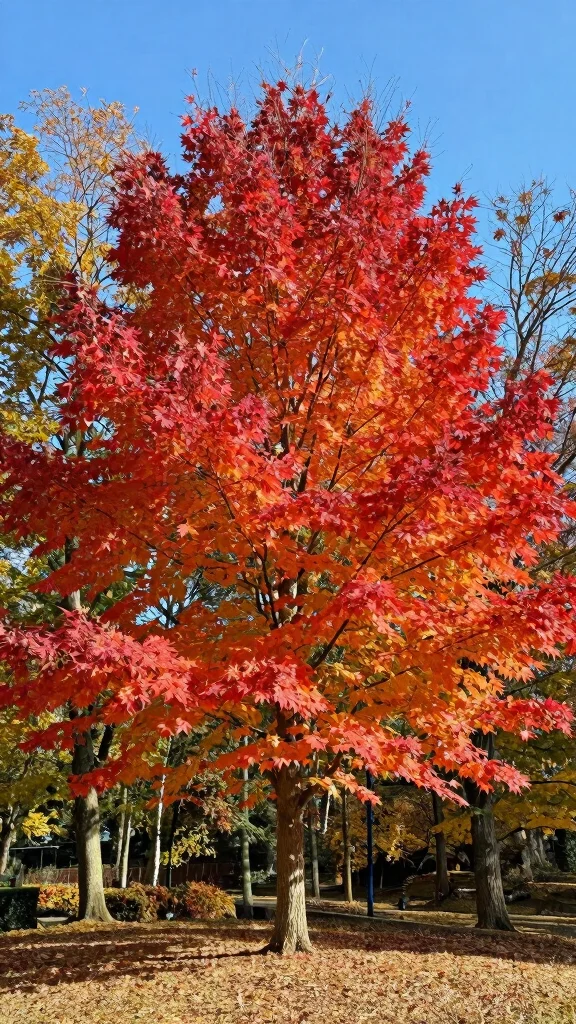
Incorporating large trees into your landscaping provides stunning beauty throughout the year. Varieties like maples or dogwoods showcase vibrant colors, from spring blooms to autumn foliage. To ensure seasonal interest, consider planting a mix of trees that offer diverse aesthetic qualities.
Select trees that display striking features in every season to keep your garden visually engaging all year long. Including evergreens can provide consistent color and texture, while planning for winter can add interest with unique bark or branching structures.
Tips for ensuring year-round beauty:
– Choose trees with distinctive seasonal characteristics for year-round interest.
– Incorporate evergreens for consistent color and texture.
– Plan for winter appeal by picking trees with attractive bark.
This design ensures your garden remains captivating, regardless of the season.
Did you know a smart mix of maples, dogwoods, and evergreens can deliver color for 12 months straight? With thoughtful planting, your large tree landscaping becomes a practical, year-round showpiece that stays vibrant through spring blooms, summer shade, and winter texture.
You Might Also Like


Seasonal Interest: Year-Round Beauty
Editor’s Choice

EBaokuup 6 Pack 28.3 Inch Non-Woven Tree Mulch Ring – Degradable Tree Pr…

Jobe’s Slow Release Tree and Shrub Fertilizer Spikes, Easy Plant Care …
Back to the Roots 100% Organic Mulch, 58 Quart, Expanding Coconut Husk B…
8. Community Spaces: Enhancing Public Areas
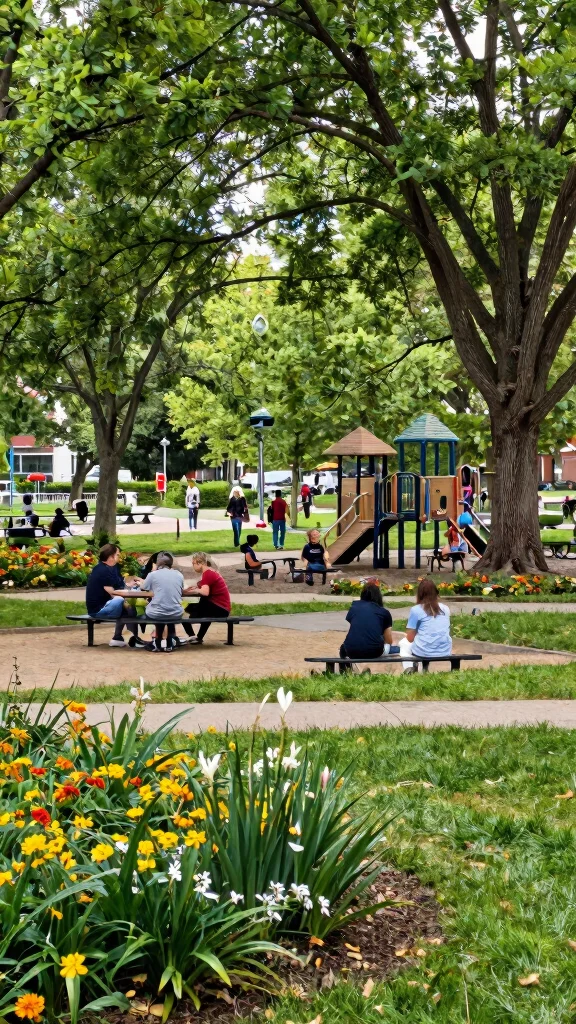
Large trees play a crucial role in creating inviting community spaces within urban environments. By introducing greenery to parks and public gardens, we foster a sense of community and inspire outdoor activities. Trees can establish zones for gatherings, picnics, and recreation while enhancing residents’ quality of life.
Think about incorporating large trees into community-focused designs:
– Use trees to define areas like playgrounds and picnic spots.
– Add benches around trees to encourage social interaction.
– Host community tree-planting events to engage residents and promote sustainability.
Investing in large trees for public spaces not only beautifies the environment but also strengthens community bonds.
Fun fact: large tree landscaping can shade up to 1,000 square feet, turning parks into welcoming community spaces. That cool canopy invites picnics, play, and casual gatherings. Plan with mature trees in mind, using shade to define zones and seating around them.
Community Spaces: Enhancing Public Areas
Editor’s Choice
Bully Tools 11-Gauge Dibble Bar Tree Planting Tool | Heavy Duty All-Stee…
Back to the Roots 25.7qt (1 Cubic ft) Organic Premium Mulch

Sunnydaze 2-Person Outdoor Bench for Front Porch or Park – Wooden Teak P…
Conclusion
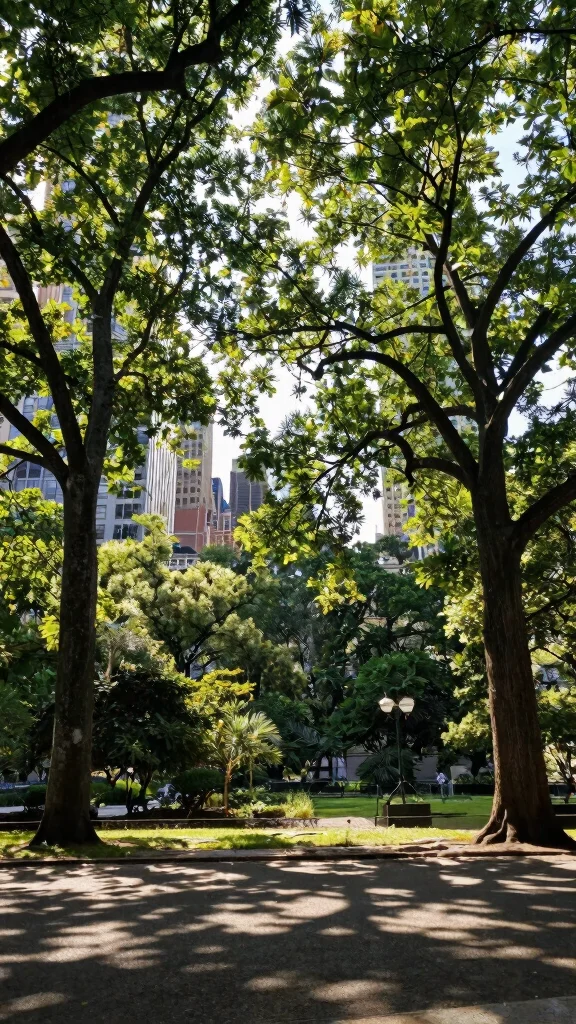
Integrating large trees into urban landscaping brings a multitude of benefits, from enhancing outdoor aesthetics to promoting sustainability.
These magnificent trees define spaces, support wildlife, and create natural cooling effects, all while adding beauty to our surroundings.
By embracing innovative landscaping designs with large trees, we can cultivate greener urban environments that enrich our lives and those of future generations.
Note: We aim to provide accurate product links, but some may occasionally expire or become unavailable. If this happens, please search directly on Amazon for the product or a suitable alternative.
This post contains Amazon affiliate links, meaning we may earn a small commission if you purchase through our links, at no extra cost to you.
Frequently Asked Questions
What are some bold large tree landscaping ideas that define spaces and make a statement in urban yards?
Bold large tree landscaping can define spaces and create dramatic outdoor aesthetics in urban yards. Start with a strong anchor tree that becomes the room’s focal point, then layer with a secondary canopy to add depth and shade.
Frame entryways and views with evenly spaced trees to guide circulation, and use trees with distinctive trunks or multi‑stem forms as living sculpture. Lighting, planting structure, and permeable paving help keep the look sustainable and comfortable all year. All of this falls under large tree landscaping that respects urban constraints.
How should I plan tree placement for sustainable large tree landscaping in an urban environment?
Start with site analysis: sun/shade patterns, soil, and existing utilities. Choose species that fit climate and mature size; place the tallest tree away from structures but where it will frame views. Maintain safe setbacks from foundations, sidewalks, and underground lines (local codes apply). Use strategic spacing and root-aware designs (like structural soils or mulch rings) to keep pavement intact. This approach supports large tree landscaping that is both sustainable and visually striking.
Which shade trees balance outdoor aesthetics and energy savings in city landscapes?
For urban heat islands, select shade trees with broad, high canopies that suit your climate—examples include red maple, oak species, tulip poplar, and honey locust. Native or well-adapted varieties typically offer better drought tolerance and longer life in constrained spaces. Consider root behavior near sidewalks, leaf litter, and maintenance needs. Choosing the right large tree landscaping combos can lower cooling costs while elevating outdoor aesthetics.
How can large trees function as garden focal points without overwhelming small spaces?
Pick one standout tree as the focal point and keep surrounding plantings light and low. Place it where it’s visible from seating areas and windows, and frame it with simple understory shrubs or groundcovers. Use lighting to highlight its form at night and prune for a clean silhouette so the space still feels open. This is a smart tactic in large tree landscaping for small urban plots.
What maintenance tips ensure sustainable large tree landscaping in urban environments?
Mulch properly around the drip line to protect roots and conserve moisture, then water deeply during dry spells. Avoid soil compaction by limiting heavy traffic near root zones and consider soil aeration if the ground is dense. Schedule regular pruning to maintain structure and clearance from utilities, pests, and diseases with a qualified arborist. Pair these practices with compost, rainwater harvesting, and permeable surfaces to keep your large tree landscaping thriving in city environments.
Related Topics
large tree landscaping
urban gardening
tree placement
outdoor aesthetics
sustainable landscaping
shade trees
garden focal points
landscaping design
bold landscape ideas
eco-friendly gardening
beginner friendly
seasonal landscaping