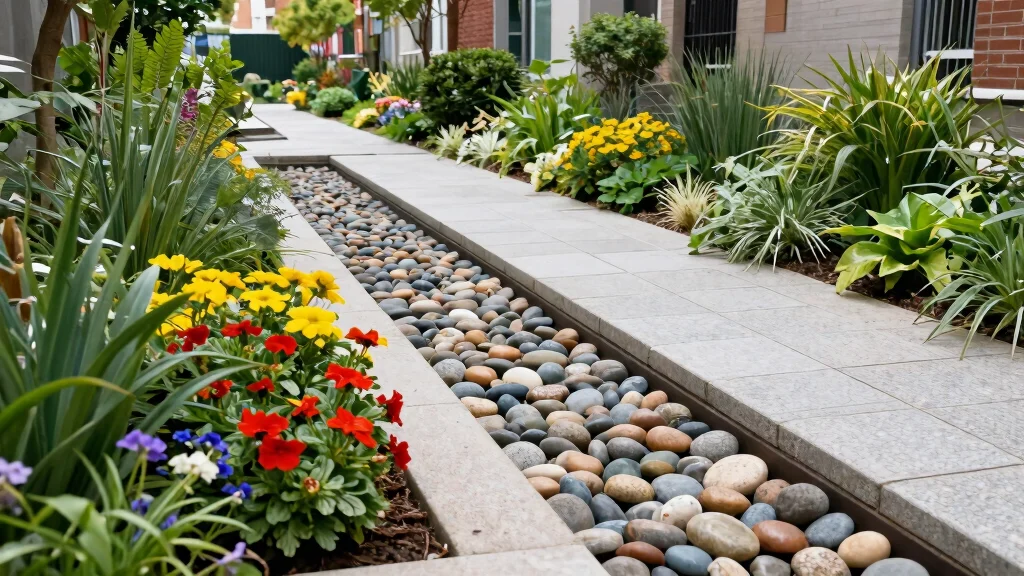
Water problems in your garden can be frustrating. Whether it’s pooling water after a heavy rain or muddy patches that seem to linger, these issues can hinder your gardening dreams. That’s why I created this post—you deserve beautiful outdoor spaces that function well, too. It’s time to stop worrying about standing water and start enjoying your garden.
If you’re passionate about gardening or landscaping, this guide is for you. You might be a homeowner looking to improve your yard, or perhaps a gardener eager to tackle drainage issues. Either way, you’ll find practical solutions that not only fix water problems but also enhance your garden’s beauty.
In this post, I’m sharing nine drainage solutions landscaping ideas that will help you manage water effectively while still looking stunning. From natural rain gardens to stylish permeable pavements, each idea is designed to make your space both functional and attractive. Get ready to transform your wet areas into vibrant, thriving parts of your landscape.
Key Takeaways
– Discover how a rain garden can naturally absorb excess water while adding beauty to your yard.
– Learn about bio-swales for effective water management that enhances your garden’s aesthetic.
– Explore permeable pavements that provide stylish drainage options without sacrificing design.
– Understand the subtlety of French drains for redirecting water away from problem areas.
– Find out how decorative water features can add visual interest while solving drainage issues.
1. Embrace a Rain Garden for Natural Drainage
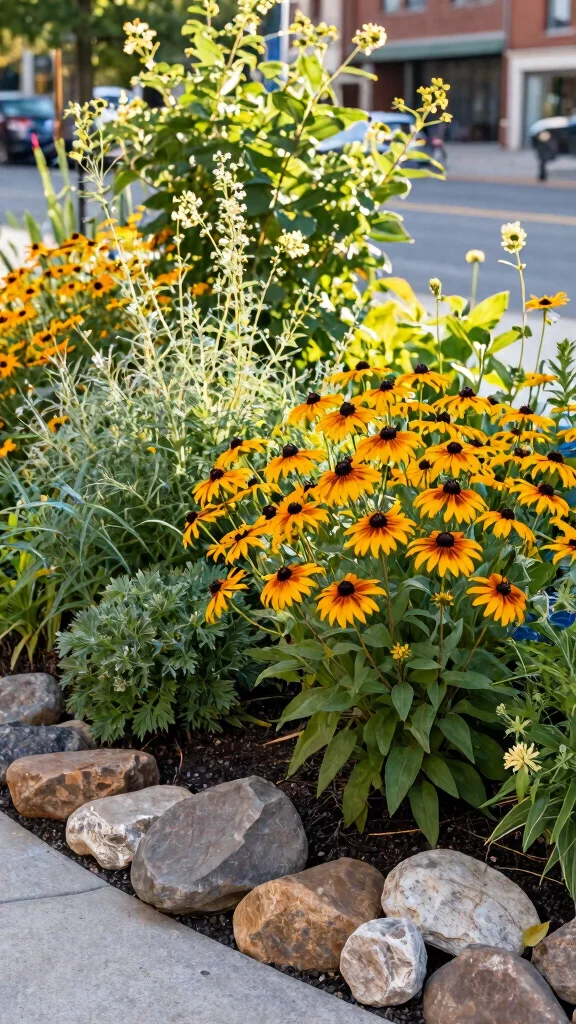
If you’re looking for a beautiful way to handle stormwater, a rain garden might be just what you need. This eco-friendly garden captures rainwater from your roof and driveway, turning it into a vibrant display of colorful plants. With moisture-loving flora, you can create a lively and sustainable landscape that thrives in wet conditions.
Start by selecting native plants that can soak up plenty of water. Design your garden with layers—tall plants in back and shorter ones in front—to create depth. Make sure to prepare the soil well by mixing in sand and compost for optimal drainage.
Key features of rain gardens:
– Choose native plants for better water absorption.
– Create layered designs for visual interest.
– Improve soil drainage with sand and compost.
By creating a rain garden, you not only beautify your space but also support local ecosystems and groundwater health.
Embrace a Rain Garden for Natural Drainage
Editor’s Choice

NDS Stormwater Management Kit with Flo Dry Well, Catch Basin, and Access…

Beth Chatto’s Damp Garden: Moisture-Loving Plants for Year-Round Interest
2. Bio-Swales for Effective Water Management

Bio-swales are a stunning way to manage stormwater while adding charm to your landscape. These channels slow down and filter runoff, helping recharge groundwater and reduce pollution. Filled with native plants and gravel, bio-swales create a visually appealing solution.
Place them strategically along sidewalks or driveways to catch runoff effectively. Incorporate a variety of plants to enhance biodiversity and keep your garden looking fresh all year. Regular maintenance, like checking for debris, will ensure efficient drainage.
Essential steps for implementing bio-swales:
– Locate them along sidewalks or driveways for maximum effect.
– Use a mix of plants for seasonal interest.
– Maintain by removing debris regularly.
This method not only controls water flow but also adds unique beauty to your urban landscape.
📹 Related Video: Swale & Rain Garden How To
Bio-Swales for Effective Water Management
Editor’s Choice

Sustainable Stormwater Management: A Landscape-Driven Approach to Planni…

Rain Bird LNDDRIPKIT Drip Irrigation Landscape/Garden Watering Kit with …

3. Permeable Pavements for Stylish Drainage

Permeable pavements offer an eye-catching solution for hardscaping while allowing water to drain through them. Constructed from materials like permeable concrete, pavers, or gravel, these surfaces effortlessly blend into your garden design.
Select styles that match your aesthetic for a cohesive look. These pavements reduce runoff, helping recharge groundwater, and they’re easy to maintain, keeping weeds at bay.
Advantages of permeable pavements:
– Choose designs that complement your garden theme.
– Reduce water runoff for environmental benefits.
– Enjoy easy maintenance to keep them looking great.
By incorporating permeable pavements, you not only address drainage issues but also enhance the beauty of your outdoor space.
❝ Fun fact: Permeable pavements can cut runoff by up to 60–80% during heavy rain. This improves drainage and helps recharge groundwater, while keeping weeds at bay in urban gardens. ❞
Permeable Pavements for Stylish Drainage
Editor’s Choice

ZOOFOX 10lb Natural Rocks Stones, Small Washed Gravel for Terrariums, Su…
ConSandtrate Concrete Crack Filler – 2 LB (Single Bottle) for Filling in…

Vodaland Permeable HexPave System – Grass & Gravel Pavers – 100% Recycle…
4. French Drains for Subtle Solutions
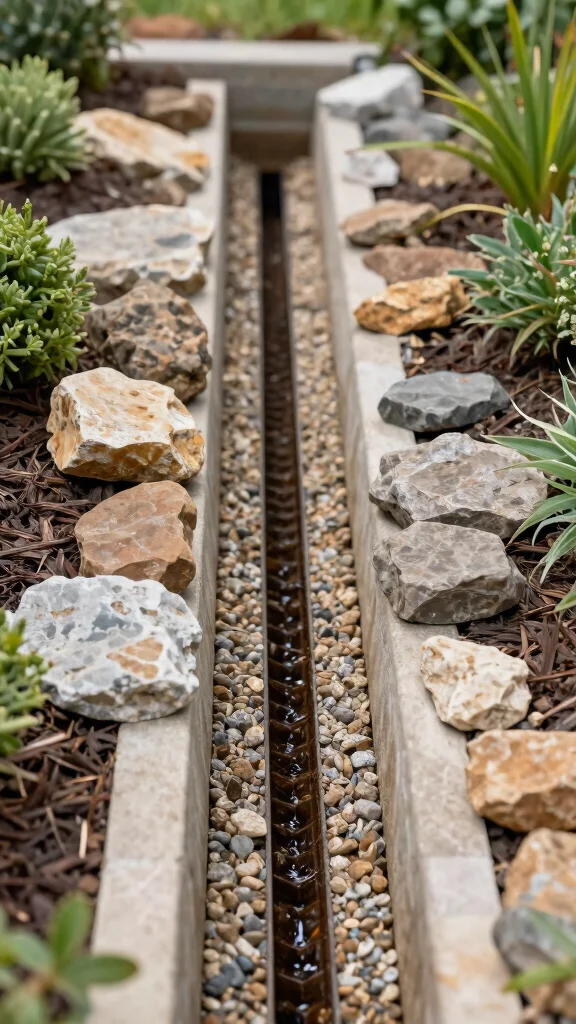
French drains are a smart and discreet way to manage water in your yard. They consist of a gravel-filled trench with a perforated pipe that redirects excess water away from trouble spots. This system is flexible and can be tailored to fit different garden layouts.
Once installed, French drains require minimal upkeep while delivering impressive results. You can even cover them with decorative stones or plants to maintain your garden’s visual appeal.
Features of French drains:
– Customize to redirect water effectively based on layout.
– Enjoy low maintenance after installation.
– Use decorative covers to blend with your landscape.
With a French drain, you can effectively tackle drainage issues while keeping your garden looking its best.
Dealing with soggy lawns is frustrating—but French drains make it simple. A gravel trench with a perforated pipe redirects excess water, and you can hide it with stones or plants to keep your drainage solutions landscaping both effective and beautiful.
French Drains for Subtle Solutions
Editor’s Choice

Pulovin 2.5 lbs Drainage Rocks for Potted Plants, 1/5 Inch Small Pebbles…

VEVOR Trench Drain System with Plastic Grate, 5.9×5.1-Inch HDPE Channel …

Flex-Drain 51310 Flexible/Expandable Landscaping Drain Pipe, Perforated,…
5. Rain Chains for Decorative Functionality
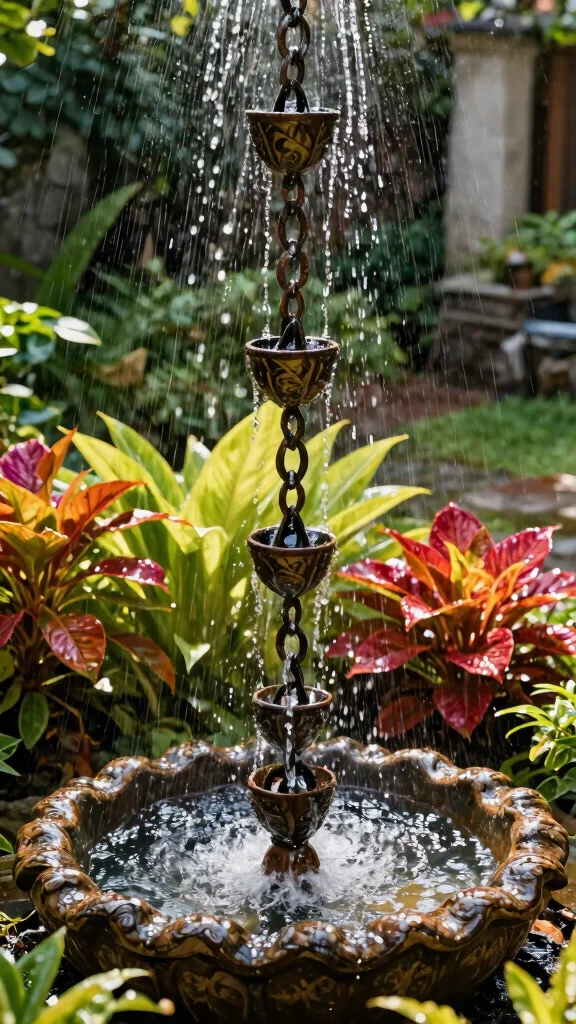
Rain chains offer a charming alternative to traditional downspouts, guiding rainwater from gutters in an artistic way. These beautiful chains not only manage drainage but also add character to your garden, allowing water to flow gracefully into a rain barrel or basin.
Choose from various designs, such as copper or aluminum, to match your style. The sound of flowing water enhances the ambiance of your outdoor space and promotes sustainable gardening practices.
Highlights of rain chains:
– Explore varied designs to fit your aesthetic.
– Enjoy the soothing sound of cascading water.
– Support sustainability by reducing runoff.
Incorporating rain chains allows you to merge functionality with beauty, making your outdoor space even more inviting.
You might also like


Rain Chains for Decorative Functionality
Editor’s Choice

U-nitt 12″ Spill Bowl Downspout Catch Basin for Rain Chain Anchoring & S…

Monarch Rain Chains Pure Copper Lotus Cup Rain Chains for Gutters – 8….
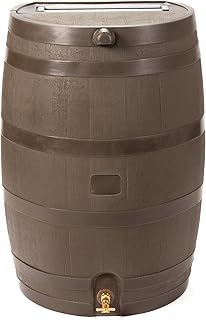
RTS Home Accents 50-Gallon Rain Barrel with Brass Spigot, Flat Back Rain…
6. Green Roofs for Urban Drainage
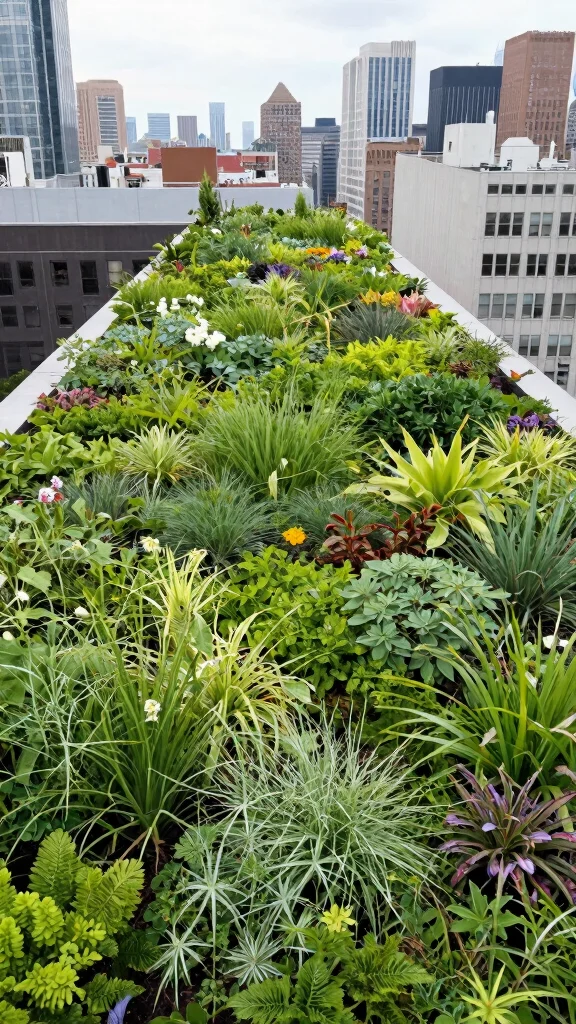
Green roofs are not just trendy; they are also a smart way to handle drainage in urban settings. By covering rooftops with lush vegetation, they absorb rainwater, reducing runoff while providing added insulation and boosting biodiversity.
These vibrant gardens turn underutilized spaces into thriving ecosystems. They help capture rainwater, easing the load on urban drainage systems and cooling buildings.
Benefits of green roofs:
– Manage stormwater by capturing rainwater effectively.
– Enhance buildings with unique visual appeal.
– Support urban biodiversity by housing various species.
Adopting green roofs transforms spaces while positively impacting the urban landscape.
Fun fact: A well-designed green roof can cut urban stormwater runoff by up to 50% during heavy rains, a smart move for drainage solutions landscaping. It turns unused rooftops into thriving ecosystems, absorbing rainwater and easing the load on drainage systems.
Key Trade-offs & Our Top Pick
When it comes to choosing the right drainage solution for your landscaping, you have several options. Each comes with its own set of benefits and drawbacks. Let’s break down a few choices to help you find the best fit for your garden’s water management needs.
Option 1: Rain Gardens
– Pros:
– Naturally filters stormwater, providing habitat for wildlife.
– Adds beauty to your garden with native plants.
– Cons:
– Requires space; may not suit small yards.
– Needs regular maintenance to keep plants healthy.
– Best for: Homeowners looking for a sustainable solution that enhances biodiversity while managing excess water.
Option 2: French Drains
– Pros:
– Effectively redirects water away from your home’s foundation.
– Low maintenance once installed.
– Cons:
– Installation can be labor-intensive and costly.
– May not blend well with certain landscapes.
– Best for: Properties with serious water pooling issues near foundations.
Option 3: Permeable Pavements
– Pros:
– Keeps rainwater on-site, reducing runoff.
– Available in various styles; adds aesthetic appeal.
– Cons:
– Can be pricier than traditional pavements.
– Requires proper maintenance to prevent clogging.
– Best for: Homeowners wanting to create attractive walkways or driveways that manage water effectively.
Option 4: Bio-Swales
– Pros:
– Provides a natural way to manage stormwater.
– Attracts pollinators and enhances landscape aesthetics.
– Cons:
– Needs adequate space and specific soil conditions to function well.
– May require ongoing maintenance for plants and sediment removal.
– Best for: Larger landscapes where stormwater management and beauty can go hand in hand.
Option 5: Decorative Water Features
– Pros:
– Enhances the overall beauty of your garden.
– Provides soothing sounds, creating a relaxing environment.
– Cons:
– May require power and regular cleaning.
– Can attract mosquitoes if not properly maintained.
– Best for: Garden enthusiasts looking to combine aesthetics with functionality.
Best Overall: Rain Gardens
Rain gardens stand out as the top choice for most people. They not only serve a practical purpose by handling excess water, but they also beautify your space with native plants. Their ability to filter pollutants naturally makes them an environmentally friendly option. Plus, they require relatively low ongoing maintenance once established, making them a cost-effective solution in the long run.
Why We Picked This:
While rain gardens are our top pick, other options like French drains or decorative water features might appeal to those with specific needs. If you have serious drainage issues or prefer a more traditional look, a French drain could be the right choice. For those focused purely on aesthetics, a decorative water feature may be more suitable. Your specific situation and preferences will determine the best solution for your garden.
Green Roofs for Urban Drainage
Editor’s Choice

Srliya Round Rain Collector Downpipe, Compact Design Rainwater Collectio…

Back to The Roots 10-Cell Greenhouse Germination Kit | Includes Biodegra…
7. Channel Drains for Easy Water Redirection

Channel drains are a practical and effective way to control water flow in areas prone to pooling. These systems capture surface water and direct it away from your garden, preventing water damage.
Available in various styles, channel drains can enhance your landscape design while being functional. They are easy to clean, ensuring efficient water management year-round.
Advantages of channel drains:
– Capture surface water effectively in heavy rainfall.
– Choose from various decorative designs for visual appeal.
– Enjoy easy maintenance for efficient water management.
Using channel drains helps solve drainage issues while keeping your outdoor space beautiful.
Channel Drains for Easy Water Redirection
Editor’s Choice

NDS 5” Pro Series Deep Profile Channel Drain Kit With HDPE Plastic Gra…

A15 6 Pack Polymer Plastic Channel Drain Grate-19.7×7.9×1 in Durable Tre…
8. Dry Wells for Long-Term Water Management
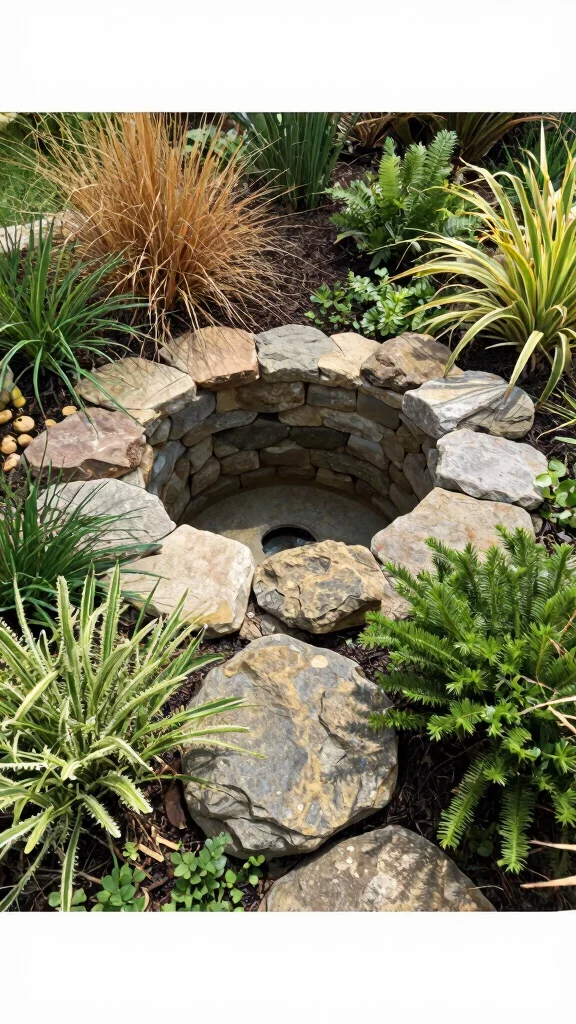
Dry wells are underground solutions that allow water to seep slowly into the soil, ideal for areas where water tends to collect. They provide a long-term way to manage excess runoff, especially in urban areas with limited space.
Design your dry well to be deep enough to hold significant rainwater while ensuring proper drainage. Surround it with drought-resistant plants to enhance your garden’s appearance.
Key insights on dry wells:
– Ensure the well’s depth supports effective drainage.
– Use drought-tolerant plants for beauty.
– Regularly check for debris to maintain functionality.
Integrating dry wells into your landscape design offers a sustainable way to manage water without sacrificing aesthetics.
You Might Also Like

Dry Wells for Long-Term Water Management
Editor’s Choice

Outsidepride Perennial Sweet Alyssum Seeds – 5,000 Pieces White Lobulari…
Pulovin 5 lbs Drainage Rocks for Potted Plants, 1/5 Inch Small Pebbles f…

NDS FWAS24 50 Gal. Flo Stormwater Dry Well System Kit with 3 Side Panels…
9. Decorative Water Features for Aesthetic Impact
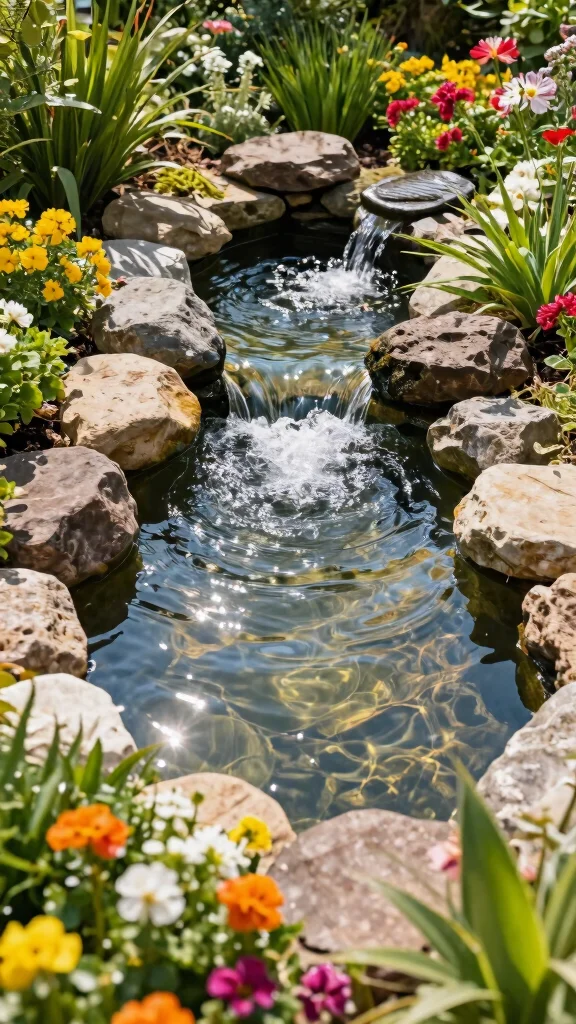
Incorporating decorative water features like ponds or fountains not only elevates your garden’s beauty but also aids in effective water management. These features can store excess water while providing a habitat for wildlife, creating a balanced ecosystem.
Water features attract birds and beneficial insects, enhancing biodiversity. They also serve as stunning focal points, adding movement and sound to your outdoor space.
Benefits of decorative water features:
– Attract wildlife, improving biodiversity.
– Create eye-catching focal points in your garden.
– Manage runoff effectively while collecting rainwater.
Incorporating a water feature enhances your garden’s visual appeal while providing a sustainable solution for excess water.
Decorative Water Features for Aesthetic Impact
Editor’s Choice

AISITIN DIY Solar Water Pump Kit for Water Feature Outdoor, Solar Powere…

Aquascape 22008 Installation Kit for Pond, Waterfall, Landscape, and Gar…

37″ L Garden Outdoor Water Fountain, Floor Standing 5-Tiers Rock Natural…
Conclusion
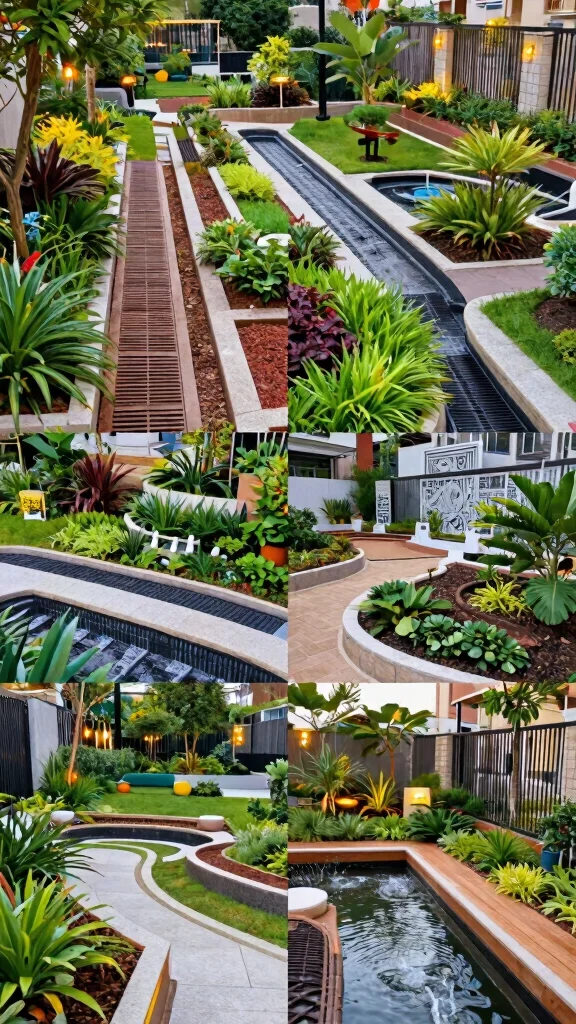
Creatively addressing drainage problems in your urban garden can transform your space into a beautiful retreat while enhancing its functionality. By embracing these nine drainage solutions, you can tackle water issues head-on while making your landscape visually stunning. Sustainable practices contribute positively to the environment and your local ecosystem. So, which idea will you implement in your garden to enhance its beauty and functionality?
Explore these concepts and think about how you can creatively manage water in your outdoor sanctuary.
Note: We aim to provide accurate product links, but some may occasionally expire or become unavailable. If this happens, please search directly on Amazon for the product or a suitable alternative.
This post contains Amazon affiliate links, meaning we may earn a small commission if you purchase through our links, at no extra cost to you.
Frequently Asked Questions
What are the most effective drainage solutions landscaping ideas for urban gardens?
Urban gardens often struggle with excess water in small spaces. Start with a site assessment and a simple water-flow map to identify where pooling occurs, then choose drainage solutions landscaping that fit your style and budget.
Consider practical, attractive options like landscape drainage systems such as bioswales, rain gardens, and French drains to move water away from foundations, plus effective drainage techniques that improve soil structure. For areas that stay wet, try landscaping for wet areas ideas—permeable paving, elevated beds, and ornamental channels that double as features—so your garden remains both functional and aesthetic drainage solutions.
How do I choose the right landscape drainage systems for my yard?
Start by assessing your soil type, slope, and typical rainfall. Then set a budget and pick a system that matches your needs: a French drain for subsurface water, surface channels for heavy runoff, a dry well for storage, or catch basins for collection. Always prioritize landscape drainage systems that integrate with your garden water management plan, and consider how the solution looks in your space so you get aesthetic drainage solutions that also work functionally.
Can I manage garden water without sacrificing aesthetics?
Absolutely. You can design around water with features that look intentional: a rain garden with native plants acts as a natural filter and a seasonal focal point; permeable pavers or gravel paths keep surfaces dry while adding texture; use ornamental swales lined with grasses to guide water and look good. With thoughtful plantings and color, you can achieve landscaping for wet areas that still feel cohesive and stylish, delivering aesthetic drainage solutions that don’t shout drainage.
What maintenance is needed for landscape drainage systems to stay effective?
Regular checks are key. After big storms inspect for clogging, clearing outlets, and ensuring downspouts direct water away from foundations. Clean grates and screens monthly, flush perforated pipes annually, and perform seasonal tasks like winterizing or adjusting for growth. Keeping your landscape drainage systems tidy ensures continuous garden water management and prevents backups.
What are common mistakes in drainage solutions landscaping and how can I avoid them?
Common pitfalls include ignoring slope and soil type, underestimating rainfall, or trying to shortcut a plan without proper design. Another mistake is linking drainage directly to sewer lines or not planning for overflow, which causes backups. To avoid these, perform a professional site assessment, choose designs that complement your space, and ensure effective drainage techniques are integrated with your overall plan for drainage solutions landscaping that balance function and beauty.
Related Topics
drainage solutions landscaping
landscape drainage systems
garden water management
effective drainage techniques
landscaping for wet areas
aesthetic drainage solutions
urban gardening
sustainable landscaping
beginner friendly
DIY drainage
seasonal drainage tips
water management strategies