
Transforming a sloped yard can feel like a daunting task. If you’ve ever looked at your uneven terrain and wished for a magical solution, you’re not alone! Many homeowners find themselves grappling with tricky landscapes that hinder their outdoor enjoyment. That’s exactly why I created this post. I want to inspire you with practical ideas that can turn your sloped yard into a stunning outdoor space.
If you’re someone who loves gardening or simply wants to make the most of your outdoor living area, this is for you. Whether you’re dealing with steep inclines or gentle slopes, you’ll find solutions that fit your unique needs. In this article, I’ve gathered nine creative landscaping ideas that not only stabilize your slope but also enhance the beauty of your home. These ideas are designed to be visually appealing, functional, and easy to implement.
You’ll discover how to create terraced gardens that combat soil erosion, erect stunning vertical walls bursting with greenery, and design inviting outdoor spaces perfect for entertaining. By the end, you’ll have a toolkit of inspiration to craft a spectacular landscape that will impress your guests and make you fall in love with your yard all over again.
Key Takeaways
– Terraced Gardens: These gardens help manage steep slopes by creating levels, reducing erosion while adding visual interest.
– Native Plant Landscaping: Using local plants not only conserves water but also supports local wildlife and requires less maintenance.
– Vertical Garden Walls: A stylish solution for small spaces, vertical gardens maximize planting areas and beautify bland walls.
– Erosion Control Solutions: Implement measures like dry creek beds and retaining walls to stabilize soil and prevent runoff.
– Outdoor Living Spaces: Create functional areas for relaxation and entertainment, turning your sloped yard into a gathering spot for family and friends.
1. Terraced Gardens
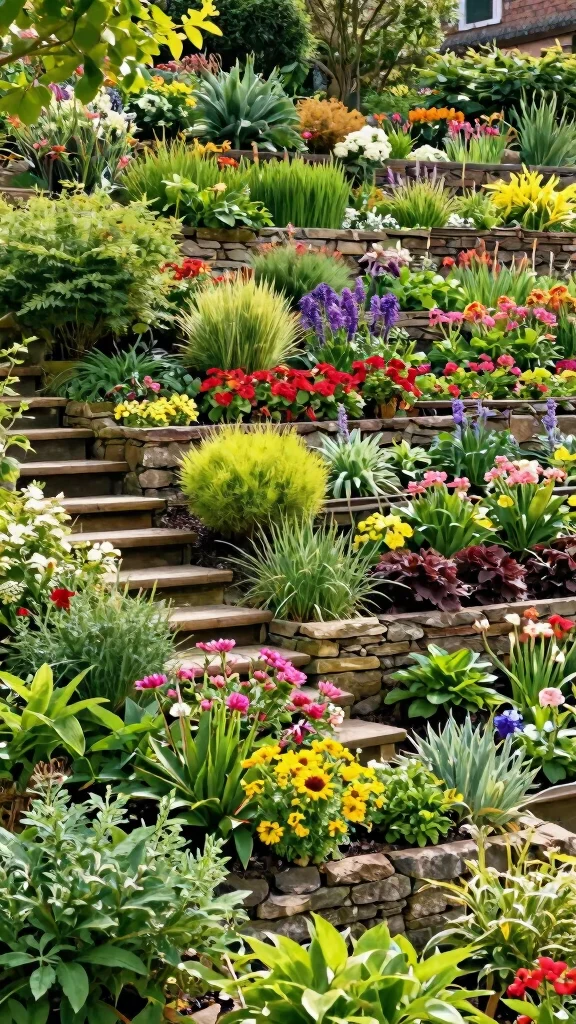
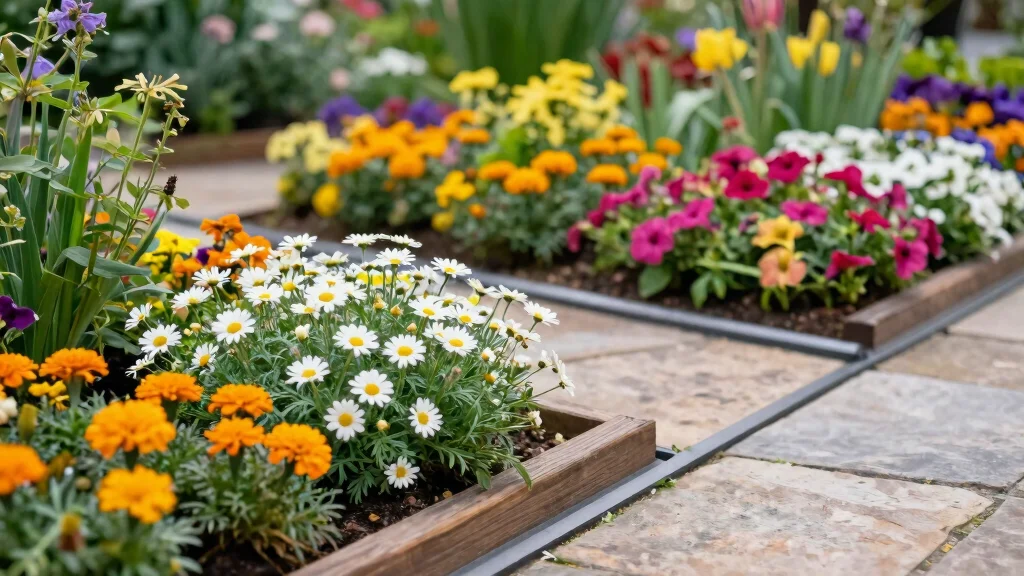
If you have a sloped yard, terraced gardens offer a stylish solution to make the most of your space. By creating flat sections at different heights, you can cultivate a vibrant garden bursting with flowers, shrubs, and small trees. Imagine lush greenery and colorful blooms layered like steps against your slope, inviting you to explore.
To build these terraces, consider using materials like natural stone or timber for stability and beauty. Plant native species that thrive in your area to ensure they flourish while preventing soil erosion.
Benefits of Terraced Gardens:
– Enjoy easy access to plants for care and harvesting.
– Create unique microclimates for a variety of plants.
– Design distinct sections with themes or color palettes.
Tips:
– Choose climate-appropriate plants for longevity.
– Add pathways between terraces for seamless movement.
– Mix edible and ornamental plants for a productive garden.
With thoughtful design, terraced gardens can transform a challenging slope into an enchanting multi-level oasis.
Terraced Gardens
Editor’s Choice
Landical 8 Pcs Imitation Stone Garden Fence, Faux Stone Retaining Wall L…


Wildflower Seeds Bulk Mix – 10,000+ Perennial & Annual Seeds – Texas, Ca…

9.6ft L x 3.9in H Landscape Edging – Sturdy Anti-Corrosive Wood Garden E…
2. Native Plant Landscaping

Opting for native plants in your sloped yard is a smart choice that benefits both you and the environment. These plants are perfectly suited to local conditions, making them resilient against pests and requiring minimal maintenance. Their deep roots also help hold soil in place, reducing erosion risk.
By planting native species, you create a beautiful landscape that thrives naturally. This not only enhances your garden’s appearance but also supports local wildlife.
Best Native Plants for Sloped Yards:
– Groundcovers like creeping thyme or sedum to stabilize soil.
– Bright perennials such as coneflowers and black-eyed Susans for vibrant colors.
– Ornamental grasses for added texture and movement.
Advantages of Native Plants:
– Provide crucial habitats for pollinators and other wildlife.
– Require little to no irrigation after establishment, conserving water.
– Enhance biodiversity in your garden.
By embracing native plants, you’ll not only beautify your sloped yard but also create a low-maintenance environment that flourishes year-round.
Native Plant Landscaping
Editor’s Choice

Jute Erosion Control, Soil Saver Mesh Blanket – 48″ Wide x 20 Yards (60 …

Miracle-Gro Organic All Natural Mulch for Landscaping – Bagged and Shred…

Eden Brothers Native Southwest Wildflower Seed Mix
3. Vertical Garden Walls
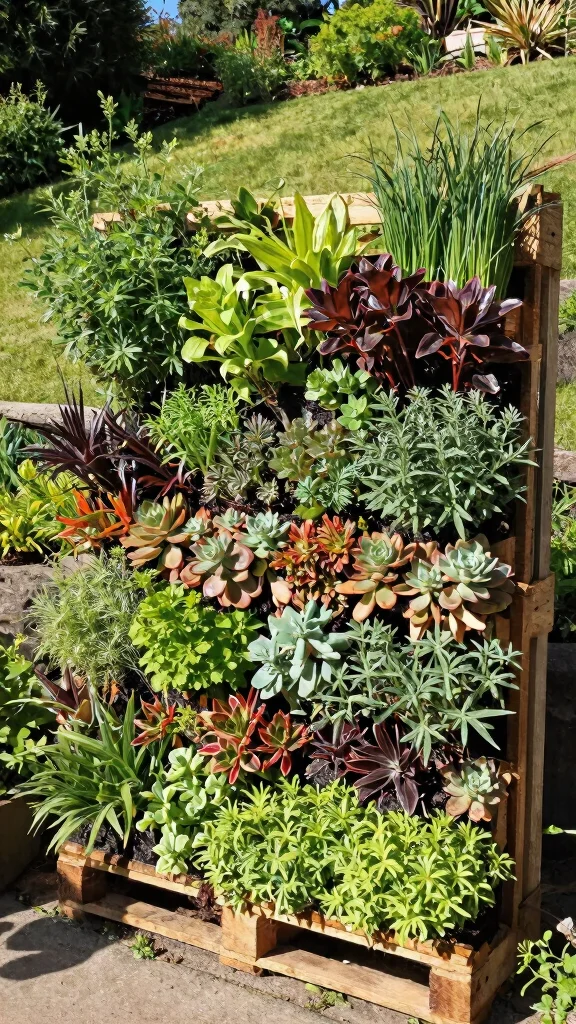
Vertical garden walls are a fantastic way to add greenery to your sloped yard without taking up much ground space. These walls can be designed using pallets, trellises, or specially made vertical planters, making them a versatile choice for any garden style. Imagine a stunning wall of plants that enhances your outdoor area while addressing erosion issues.
Installing vertical gardens along your slope creates an eye-catching backdrop filled with life and color. They are not only visually appealing but also functional, helping to manage soil stability.
Materials to Use:
– Recycled pallets or wooden frames for a rustic charm.
– Metal grids or trellises for a modern flair.
– Quality soil and moisture-retaining materials for plant vitality.
Plant Suggestions:
– Fragrant herbs like basil and mint for culinary delight.
– Low-maintenance succulents for easy beauty.
– Vining plants like jasmine or clematis for added vertical interest.
Vertical gardens can enhance your yard’s aesthetics while providing a lush green feature that becomes a focal point of your outdoor space.
How To Choose the Right Vertical Gardening Solutions for Sloped Yards
Choosing the right vertical gardening solutions for your sloped yard can make a significant difference in both aesthetics and practicality. Here’s a straightforward guide to help you make informed decisions.
1. Assess Your Space
Before diving into any project, evaluate the size and slope of your yard. Measure the dimensions to understand how much vertical space you have available. A steep slope may require different solutions compared to a gentle incline. Knowing your yard’s specifics will guide you in selecting the right vertical garden structures that fit comfortably within your landscape.
2. Consider Plant Selection
Choose plants that thrive in vertical gardens and are suited for sloped areas. Consider native plants, as they are typically more resilient and require less maintenance. Think about how much sunlight different areas of your slope receive. Selecting the right plants will enhance both the beauty and health of your garden, leading to successful growth and minimal upkeep.
3. Evaluate Watering Needs
Watering a vertical garden on a slope can be tricky. Determine how water will flow in your garden and plan for irrigation accordingly. You might want to install drip irrigation or a soaker hose to ensure even watering. Proper water management is crucial to prevent soil erosion and keep your plants healthy.
4. Choose the Right Materials
The materials you use can impact the durability and overall look of your vertical garden. Look for options like wood, metal, or composite materials that can withstand outdoor conditions. Ensure they blend well with your existing landscape. Selecting robust materials will provide long-lasting beauty and functionality while enhancing your outdoor living space.
5. Think About Structure and Design
Decide on the design of your vertical garden. Options include trellises, wall-mounted planters, or freestanding units. The structure should complement your overall garden design and provide stability on a slope. A well-thought-out design can become a striking feature in your yard while making the best use of limited space.
6. Budget Wisely
Set a budget for your vertical gardening project. Factor in costs for plants, materials, and potential installation services. Be realistic about what you can afford, but don’t skimp on quality. You may spend more upfront, but investing in durable materials and healthy plants can save you money in the long run.
Pro Tip: Consider incorporating erosion control methods like terracing or dry creek beds alongside your vertical garden. This will not only add beauty but also stabilize your slope and prevent soil loss. A well-planned approach can create a stunning and functional landscape in your sloped yard!
Vertical Garden Walls
Editor’s Choice
Hydroponic Tower, 14-Layer Hydroponics Growing System Kit with 70 Slots,…

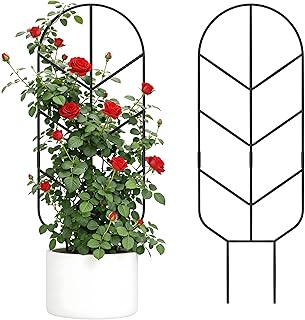
2 Pack 30” Large Metal Plant Trellis for Climbing Plants, Tall Plant Su…
4. Dry Creek Beds

Dry creek beds are an attractive and practical method for managing water drainage in your sloped yard. This landscaping feature utilizes stones and gravel to create a natural-looking waterway that collects rainwater and directs it away from vulnerable areas, reducing erosion risks. Picture a winding creek bed lined with colorful native plants, creating visual interest while serving a vital function.
By integrating native flora along the creek, you enhance your garden’s aesthetics and create habitats for beneficial wildlife. This approach beautifully marries function and design.
Key Steps to Create a Dry Creek Bed:
1. Choose a path that follows your yard’s natural slope.
2. Dig a shallow trench and line with landscaping fabric to prevent weeds.
3. Fill with various-sized stones for an authentic appearance.
4. Plant suitable native species along the edges for stabilization.
This solution not only adds beauty to your yard but also effectively manages runoff, making it an excellent choice for any sloped landscape.
Taming a slope feels possible once you line a dry creek bed along it. It guides rain where it belongs, turns erosion into beauty, and lets native plants steal the show—proof that sloped yard landscaping can be practical and stunning.
📹 Related Video: 2018 Lawn Care | Installing Dry Creek Bed
Dry Creek Beds
Editor’s Choice

River Rocks for Painting 25 Pcs Large 2-3 Inch Flat Smooth Painting Ston…

LAVEVE 4FT x 100FT Weed Barrier Landscape Fabric, 3.2oz Premium Heavy Du…

Native Wildflower Seeds for Planting 24 Variety Pack – Perennial & Ann…
5. Wooden Steps & Pathways

Building wooden steps and pathways can beautifully connect different levels of your sloped yard while enhancing its charm. These features not only provide easy navigation but also define distinct areas within your garden. Imagine natural wood steps guiding you through a lush landscape, blending seamlessly with the surroundings.
Using untreated wood creates a rustic feel that complements the outdoor environment, making your yard more inviting.
Steps to Install Wooden Pathways:
1. Plan the route, keeping slope and ease of access in mind.
2. Choose durable, weather-resistant wood like cedar or redwood.
3. Securely set the steps in the ground for stability.
4. Surround paths with gravel or mulch to reduce erosion.
Benefits of Pathways:
– Prevent soil compaction in high-traffic areas.
– Create a structured layout for easier navigation.
– Enhance the overall beauty of your sloped yard.
Incorporating wooden steps makes your sloped yard not only more accessible but also adds a natural aesthetic that elevates the landscape.
Fun fact: Installing wooden steps can boost usable yard space by up to 30%, turning tricky slopes into inviting paths. With untreated wood, expect a rustic charm that ages gracefully and sharpens the flow between levels—sloped yard landscaping made simple.
You might also like

Wooden Steps & Pathways
Editor’s Choice
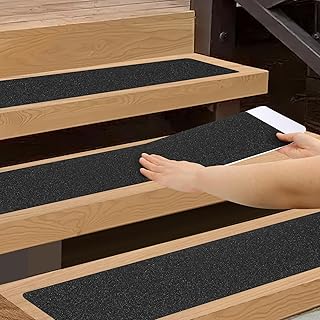
SMILOOL Outdoor Stair Treads Non-Slip Step Strips for Wooden Steps 5 Pac…

Wood Garden Edging, Natural Wooden Solid Log Fence Border Decorative for…
6. Rock Gardens
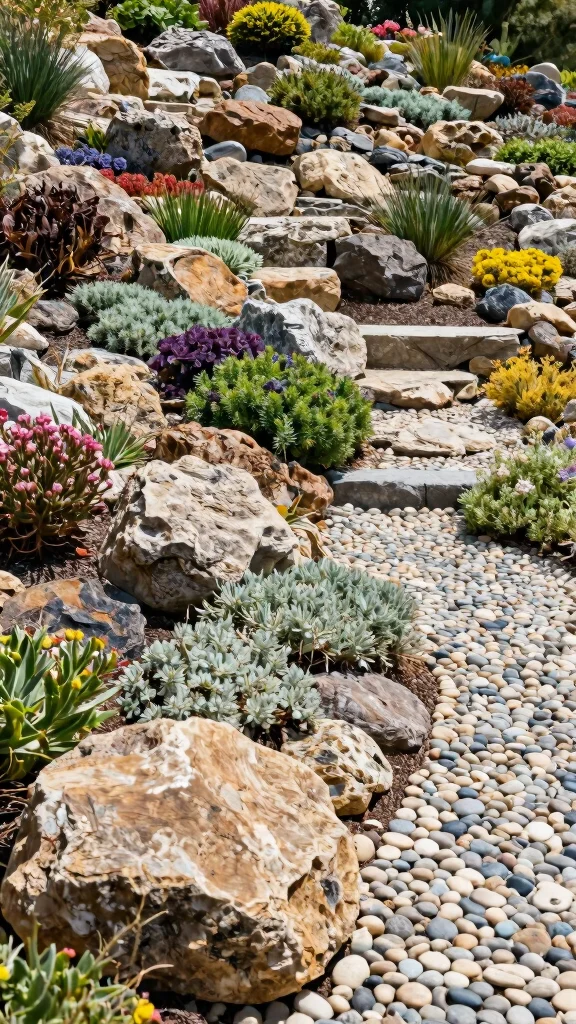
Rock gardens are a stunning way to blend hardscaping into your sloped yard while providing a low-maintenance environment for various plants. This garden style mimics a natural mountainous landscape, ideal for slope stabilization and drainage. Visualize a rocky haven filled with drought-resistant plants that requires minimal upkeep and adds striking visual appeal.
By mixing rocks, boulders, and hardy plants, you create a captivating focal point that thrives in a variety of conditions.
Design Tips for Rock Gardens:
– Select diverse rock sizes and types for texture and depth.
– Incorporate drought-resistant plants like sedums that thrive in rocky settings.
– Include a pebble pathway to encourage exploration.
Advantages:
– Manage water runoff effectively, reducing erosion.
– Provide habitats for beneficial insects and wildlife.
– Create a visually appealing, low-maintenance landscape.
Rock gardens can beautifully enhance your sloped yard while addressing practical landscaping needs.
Rock Gardens
Editor’s Choice
Alpine Flowers: How to Recognize Over 200 Alpine Flowers

Virekm River Rocks, Decorative Ornamental Pebbles,Garden Landscaping Sto…

YISZM 2LB Succulent and Cactus Gravel Pebbles, 1/5 Inch Natural Decorati…
7. Erosion Control Solutions
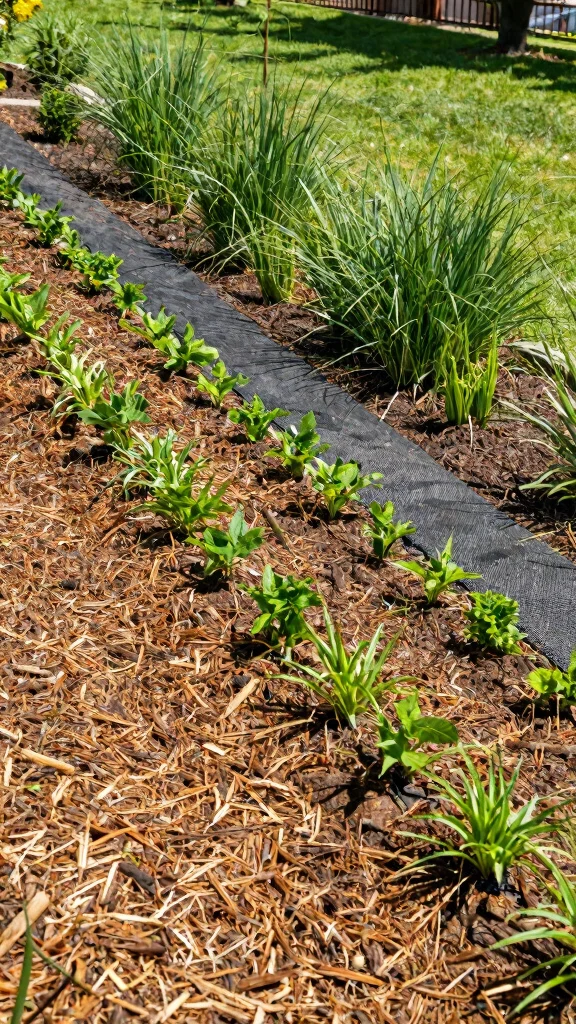
Implementing effective erosion control solutions is essential for preserving the health of your sloped yard. This involves using natural and man-made materials to prevent soil erosion and promote healthy plant growth. Imagine a thriving garden that retains its beauty and integrity despite rainfall and runoff.
Using these solutions helps maintain the landscape’s aesthetic while supporting healthy vegetation.
Some Effective Erosion Control Methods:
– Mulching: Utilize organic materials like wood chips to protect soil and retain moisture.
– Geo-textiles: Lay down fabrics to stabilize soil and enhance drainage.
– Planting cover crops: Fast-growing plants can anchor the soil while enriching it.
Benefits of Erosion Control:
– Maintain the beauty of your landscape.
– Reduce the frequency of replanting due to soil loss.
– Encourage healthy plant growth by preserving soil structure.
Taking proactive erosion control measures ensures your sloped yard remains both beautiful and functional for years to come.
Fun fact: When you mulch a slope correctly, soil erosion drops by up to 60% after a heavy rain. Pair it with terracing and native grasses to keep your sloped yard landscaping thriving and beautiful, even in downpours.
Erosion Control Solutions
Editor’s Choice

No-Till Garden Farm and Garden Cover Crop Mix Seeds – 5 Lbs – Blend of G…

Farm Plastic Supply – American Excelsior QuickGrass Pro – Green Erosion …

Back to the Roots 25.7qt (1 Cubic ft) Organic Premium Mulch
8. Outdoor Living Spaces

Creating outdoor living spaces in your sloped yard is a wonderful way to enhance your home’s landscape while providing functional areas for relaxation and entertainment. These spaces can include decks, patios, or cozy seating areas that utilize the slope’s natural contours. Visualize a beautifully designed outdoor retreat where you can unwind and enjoy nature.
By thoughtfully integrating these areas into the landscape, you create an inviting flow between indoor and outdoor living.
Design Ideas for Outdoor Spaces:
– Use natural materials like wood and stone to blend seamlessly with nature.
– Incorporate comfortable seating with cushions for leisurely enjoyment.
– Add shade structures, such as pergolas, for increased usability.
Benefits:
– Create welcoming areas for family gatherings and entertaining guests.
– Enhance your yard’s overall appeal.
– Maximize space with functional designs tailored for outdoor living.
With careful design, your sloped yard can become a cherished outdoor haven, perfect for enjoying the tranquility of nature.
You Might Also Like

Outdoor Living Spaces
Editor’s Choice

VINGLI 85in Wooden Arbor Garden Arch, Wedding Arch for Ceremony, Wood Tr…

Yaheetech 27PCS Interlocking Patio Deck Tiles Outdoor Flooring for Garde…

LAUSAINT HOME 3-Piece Rocking Bistro Set, Outdoor Patio Furniture with T…
9. Artistic Features and Sculptures

Incorporating artistic features and sculptures into your sloped yard is a delightful way to showcase your personality while enhancing the landscape. From contemporary pieces to whimsical garden art, these elements can serve as captivating focal points that draw attention and add character. Imagine your garden transforming into a vibrant gallery, beautifully complemented by nature.
When choosing art for your garden, consider pieces that harmonize with the natural surroundings and elevate your landscape design.
Considerations for Choosing Garden Art:
– Select durable materials like metal or stone to withstand outdoor conditions.
– Choose pieces that reflect your individual style or garden theme.
– Place artwork thoughtfully to ensure it complements the yard’s layout.
Benefits of Garden Art:
– Infuse unique charm and character into your landscape.
– Create points of interest that delight visitors.
– Elevate the overall aesthetic of your sloped yard.
Adding artistic features can transform your sloped yard into a creative sanctuary, making it a truly special place to enjoy.
Artistic Features and Sculptures
Editor’s Choice

Gardener’s Supply Company Corten Steel Garden Sculpture | 58″ High Artis…
Conclusion
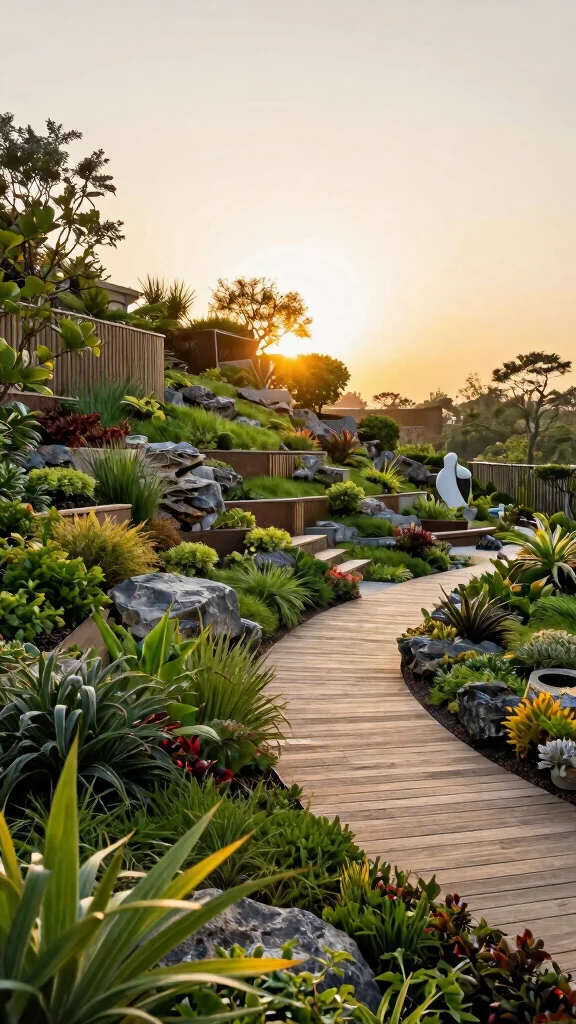
Transforming a sloped yard into a stunning and functional landscape is not only achievable but can also be enjoyable! By incorporating these diverse landscaping ideas, you’ll create an outdoor space that is beautiful and sustainable while also addressing the practical concerns of slope stabilization and soil erosion control.
Whether you’re drawn to terraced gardens, vertical walls, or artistic sculptures, each concept offers a unique opportunity to celebrate the beauty of nature in your own backyard.
Note: We aim to provide accurate product links, but some may occasionally expire or become unavailable. If this happens, please search directly on Amazon for the product or a suitable alternative.
This post contains Amazon affiliate links, meaning we may earn a small commission if you purchase through our links, at no extra cost to you.
Frequently Asked Questions
What exactly is sloped yard landscaping and how can it turn a tricky terrain into something truly spectacular?
Sloped yard landscaping means turning a hillside into usable, beautiful space by terraces, retaining walls, and smart plantings that stabilize soil and control erosion. To start, assess the slope, sun exposure, and drainage, then sketch zones for paths, seating, and plantings. Choose slope stabilization methods like terracing or a living wall, install proper drainage to manage water flow, and select groundcovers and native plants that thrive on slopes. Layer color and texture with shrubs, perennials, and grasses to create outdoor living areas that feel cohesive and spectacular.
As you plan, think about soil erosion control and slope stabilization to keep the landscape looking great year after year.
And don’t forget vertical gardening options to maximize space without overwhelming the hillside.
How can vertical gardening help a sloped yard and what are practical options?
Vertical gardening adds usable growing space without widening the footprint, which is perfect for a sloped yard. It helps reduce soil erosion by keeping plants close to the ground and slows runoff with layered vegetation. Practical options include pocket planter panels, wall-mounted planters, espalier fruit trees, and living walls. Start by evaluating sun exposure, weight limits, and drainage, then choose a system (pocket panels, modular vertical planters, or trellised options). Pick plants that suit your light and moisture needs, and install a simple drip irrigation line to keep everything hydrated.
It’s a smart way to enhance outdoor living on a slope while staying mindful of soil erosion control and sloped yard landscaping goals.
What are the best slope stabilization and erosion-control ideas I can start with?
Great first steps for slope stabilization and erosion control on a hillside include creating terraces or stepping stones to slow water flow, installing a proper drainage plan, and planting groundcovers and grasses that root deeply. Add a lightweight retaining wall or bio-retaining features to hold soil in place, and consider erosion-control blankets or geotextiles on steeper sections during establishment. Use native or drought-tolerant plants like creeping phlox, periwinkle, or blue fescue to cover soil quickly.
Always design with future maintenance in mind and ensure drainage directs water away from foundations and walkways.
Which plants and garden design ideas work best for creating outdoor living spaces on a slope?
Aim for a layered, accessible design that invites outdoor living while keeping slope stability in check. Choose plants for slope stabilization such as groundcovers, low-growing evergreens, and ornamental grasses that provide year-round cover. Use curved paths, small terraces, and raised beds to create inviting seating areas and micro-gardens. Group plants by sun and shade to maximize growth, and weave in native species for easier care and ecological benefits. Don’t forget practical touches like seating nooks, stepping-stone courtyards, and a drip irrigation system to keep maintenance manageable.
Your landscaping ideas on a slope should balance beauty with soil erosion control and functional outdoor living spaces.
What common mistakes should I avoid when planning sloped yard landscaping?
Common pitfalls include neglecting drainage, underestimating maintenance, and choosing heavy or unsuitable plants for a slope. Avoid skipping terraces or proper retaining structures, which can lead to shifting soil and erosion. Don’t ignore accessibility—sloped paths should be safe and drivable by a mower or wheelbarrow where needed. Another trap is overcomplicating the design with too many colors or features that require heavy upkeep. Start with a solid drainage plan, pick durable, slope-appropriate plants, and keep future maintenance in mind to ensure your sloped yard landscaping stays spectacular.
Related Topics
sloped yard landscaping
garden design
vertical gardening
slope stabilization
soil erosion control
outdoor living space
landscaping ideas
beginner friendly
easy landscaping
tricky terrain solutions
seasonal gardening
eco-friendly gardens