
Creating a stunning garden can feel challenging, especially when it comes to shaded areas. If you’re like me, you may find yourself craving that lush, green beauty that only ferns can bring. Their feathery leaves and elegant shapes can transform dark corners into enchanting spaces. That’s why I’ve put together this guide on fern landscaping ideas that will help you breathe life into every shaded spot in your yard.
This post is for anyone who loves gardening, especially those who struggle with low light conditions. If you have a shady garden area or want to add some greenery to your outdoor space, you’ve come to the right place. Here, you’ll discover creative ways to incorporate ferns that will not only bring beauty but also enhance the overall design of your shade garden.
You’ll find eight practical ideas that are easy to implement and will make your yard feel more inviting. From creating pathways adorned with ferns to using them as focal points, these tips are designed to inspire you to think outside the box. Whether you’re a seasoned gardener or just starting, these ideas are perfect for anyone looking to elevate their outdoor greenery.
Key Takeaways
– Diverse Ideas: Explore eight unique fern landscaping ideas that cater to different aspects of shade gardening. Each idea brings a distinct charm to your yard.
– Layering Techniques: Learn how to layer ferns with other low light plants to create depth and interest in your shade garden design.
– Utilizing Space: Discover how to use ferns as focal points or border plants to define your garden spaces beautifully.
– Vertical Gardening: Find out how hanging ferns can add vertical interest, making the most of your available space and enhancing the visual appeal.
– Container Gardening Tips: Get practical advice on using ferns in container gardens, allowing you to bring lush greenery to any shaded area without committing to ground planting.
1. Create a Fern Pathway

Imagine transforming a plain walkway into a vibrant path brimming with lush ferns. This upgrade can breathe life into your garden, creating an inviting atmosphere. Mixing Boston ferns with the delicate Maidenhair ferns yields a striking visual contrast, making your path an eye-catching feature of your landscape.
Begin by preparing the soil along your desired pathway, ensuring it drains well. Plant ferns in clusters to mimic natural growth, allowing the fronds to elegantly spill over the edges. Integrate stepping stones or wooden slats to guide guests through your inviting garden.
Key steps to create your fern pathway:
– Prepare soil for optimal drainage
– Cluster ferns for a natural appearance
– Add stepping stones to enhance flow
This setup not only beautifies your walkways but also creates a serene sensory experience, with the gentle rustle of fronds in the breeze as you stroll through your garden.
Fun fact: A winding fern pathway can cut yard maintenance by 30% while boosting shade garden vibes. Mix Boston ferns with Maidenhair for texture and contrast—your guests will follow the fronds straight to lush fern landscaping bliss.
Create a Fern Pathway
Editor’s Choice

Miracle-Gro Moisture Control Potting Mix – Plant Soil For Container Plan…


Live Maidenhair Fern Indoor Plant, 4 inch Pot, Delicate Green Foliage

Costa Farms Boston Fern Live Plant in Plastic Pot, Air Purifying Large I…
2. Fern Borders for a Polished Look

Ferns make a perfect choice for borders in shaded gardens, offering a refined and cohesive look. Using ferns to define spaces can create a sense of privacy while enhancing the overall aesthetic of your garden.
For stunning fern borders, select a variety of heights, mixing tall ferns like the Ostrich fern with shorter types such as the Lady fern. Space them properly to allow for their natural growth, and consider adding decorative stones or mulch to boost their visual appeal and retain moisture.
Here’s how to create impressive fern borders:
– Mix tall and short ferns for visual interest
– Space plants to accommodate growth
– Use stones or mulch for added beauty
This design not only frames your garden beautifully but also elevates the atmosphere of your shaded areas, making them feel more inviting.
Fern Borders for a Polished Look
Editor’s Choice


ZOOFOX 10lb Natural Rocks Stones, Small Washed Gravel for Terrariums, Su…

Tennessee Ostrich Fern 5 Rhizome Roots Starter kit
3. Layering with Ferns and Other Shade Plants

Layering plants is a fantastic way to introduce depth and intrigue to your garden. By combining ferns with other shade-loving plants, you can craft a beautiful blend of textures and colors.
For an appealing layered effect, place taller ferns like Tree ferns at the back of your flower beds, providing a lush backdrop. In the foreground, use smaller ferns, such as Sensitive ferns, and integrate colorful shade plants like hostas or astilbes to add vibrant pops of color.
Steps for effective layering:
– Position tall ferns at the back
– Use smaller ferns in the forefront
– Add colorful shade plants for variety
This technique not only enhances your garden’s beauty but also fosters a thriving ecosystem, allowing various plants to coexist in harmony.
📹 Related Video: Don’t Plant Hellebores Alone: Shade Garden Design Tips for a Layered Border
Layering with Ferns and Other Shade Plants
Editor’s Choice

CQURE 50″ Large Fake Fern Artificial Ferns for Outdoors,96 Fronds Realis…
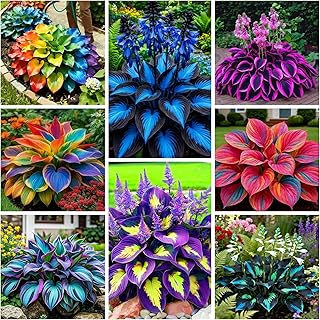
290+ Perennial Hostas for Planting, Low Maintenance Rich Foliage, Heart …

Australian Tree Fern (Sphaeropteris cooperi) – Live Lush Tropical Fern…
4. Ferns as Focal Points

Utilizing ferns as focal points can significantly enhance the visual appeal of your landscape. A single, striking fern can serve as a captivating centerpiece in your shaded garden when strategically placed.
To create a fern focal point, select a standout variety like the Cinnamon fern, known for its unique fronds. Position it prominently, perhaps at the entrance of a garden path or near a cozy seating area, and surround it with low-maintenance ground cover plants to highlight its beauty without detracting from it.
Tips for establishing a fern focal point:
– Choose a unique fern for emphasis
– Place it in a visible location
– Surround with low-maintenance plants
This approach allows your ferns to shine and adds a balanced look to your overall landscape design.
Did you know a lone Cinnamon fern can anchor a shade garden as a striking focal point in fern landscaping? A single, well-placed fern boosts visual impact by up to 60%, especially when paired with simple ground cover.
You might also like


Ferns as Focal Points
Editor’s Choice

Sekcen 3 Pack Rubber Stepping Stones Outdoor Garden Rubber Pavers Pathwa…

5 Cinnamon Fern Roots – Native Woodland Fern Rhizomes – Low Maintenance …

Outsidepride Perennial White MiniClover Seed – 1 lb. Dwarf, Small-Leaved…
5. Hanging Ferns for Vertical Interest
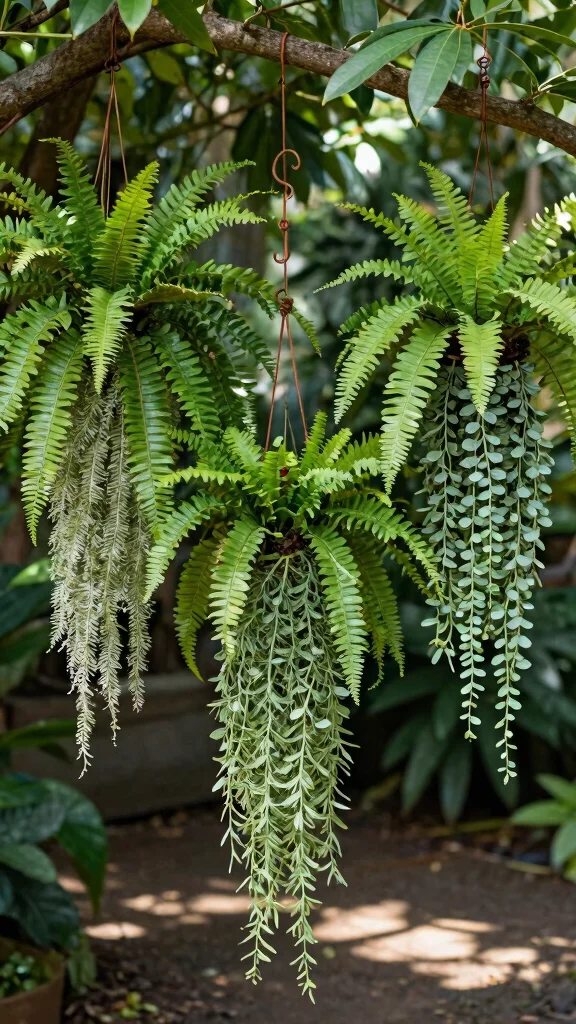
Adding hanging ferns to your landscape introduces vertical interest while maximizing space in compact areas. These ferns can be suspended from trees or decorative hooks, creating a floating greenery effect that captivates the eye.
When incorporating hanging ferns, opt for lightweight varieties like the Staghorn fern or String of Hearts for easier care. Hang them at different heights to create a cascading look that enhances your garden’s visual appeal, ensuring they receive enough moisture and indirect light to thrive.
Tips for adding hanging ferns:
– Select lightweight ferns for ease
– Vary heights for a cascading effect
– Ensure proper moisture and light
This design invites onlookers to appreciate the lush greenery above, adding delightful layers to your garden.
Fun fact: Hanging ferns can maximize small spaces; just a few lightweight varieties like Staghorn or String of Hearts create a vertical oasis with careful moisture. Place them at different heights to boost fern landscaping impact and shade garden drama.
Hanging Ferns for Vertical Interest
Editor’s Choice


Costa Farms Live Boston Fern Plants (2-Pack), Large 16-Inch Tall Hanging…

Gtongoko 2 Pack 10 Inch Plant Hangers Outdoor Metal, Plant Hooks for Wal…
6. Water Features with Fern Surroundings

Water features in your garden create a peaceful atmosphere, and surrounding them with ferns enhances the soothing environment. Placing ferns around a pond or fountain transforms your backyard into a serene oasis.
To design a fern-focused water feature, position lush ferns like the Royal fern along the edges of your pond or fountain for a rich border. Incorporate natural elements such as rocks and pebbles to add authenticity, and consider installing lighting to create a magical ambiance at night, highlighting the plants’ silhouettes against the water.
Steps for creating a fern water feature:
– Place ferns around the water’s edge
– Incorporate rocks for a natural look
– Add lighting for evening charm
This combination not only beautifies your garden but also attracts local wildlife, enriching the life within your space.
Top Varieties for Different Conditions
1. Lady Fern (Athyrium filix-femina)
– Best conditions: Thrives in temperate, moist environments with partial to full shade.
– Key features: This fern is known for its delicate, feathery fronds that can grow up to 3 feet tall, making it a lovely addition to any shade garden. Its vibrant green color provides a lush appearance.
– Considerations: Needs consistent moisture, so it’s essential to ensure the soil doesn’t dry out.
2. Japanese Painted Fern (Athyrium niponicum)
– Best conditions: Prefers cooler climates with dappled shade or light shade.
– Key features: With its stunning silvery-blue leaves and burgundy stems, this fern adds a pop of color and texture to shaded areas. It grows about 18-24 inches tall and thrives in rich, well-drained soil.
– Considerations: It can be a bit sensitive to extreme heat, so provide some morning sun instead of harsh afternoon light.
3. Ostrich Fern (Matteuccia struthiopteris)
– Best conditions: Grows well in moist, rich soils in shady spots, especially near water features.
– Key features: This large fern can reach up to 5 feet tall, offering dramatic foliage that resembles ostrich plumes. The fronds are lush and can create a striking backdrop in any garden.
– Considerations: It can spread aggressively, so consider planting it in a contained space or managing its growth.
4. Boston Fern (Nephrolepis exaltata)
– Best conditions: Thrives in humid, warm environments with partial to full shade.
– Key features: This popular houseplant can also be grown outdoors. Its long, arching fronds drape elegantly, bringing a tropical feel to your garden.
– Considerations: Requires high humidity and may need extra care in cooler climates.
5. Bracken Fern (Pteridium aquilinum)
– Best conditions: Grows well in a variety of soils, thriving in both sun and shade, making it versatile for various gardens.
– Key features: This hardy fern can reach heights of 3 feet or more. It offers a wild and untamed look, perfect for naturalized gardens or woodland settings.
– Considerations: Can be invasive in some areas, so monitor its spread.
6. Christmas Fern (Polystichum acrostichoides)
– Best conditions: Prefers shaded, moist areas but can tolerate drought once established.
– Key features: This evergreen fern maintains its lush foliage throughout winter, offering year-round beauty. It typically grows 1-3 feet tall and is great for borders or under trees.
– Considerations: While it is low maintenance, it does best in a mix of shade and filtered sunlight.
7. Maidenhair Fern (Adiantum pedatum)
– Best conditions: Ideal for rich, moist soils in shaded areas, particularly in cooler regions.
– Key features: Notable for its delicate leaf structure and graceful appearance, this fern adds an airy feel to your garden. It typically grows 1-2 feet tall.
– Considerations: Requires consistent moisture and may need protection from strong winds.
Climate/Condition Guide:
– Temperate: Most ferns grow well; choose hardy varieties like Lady Fern or Christmas Fern.
– Continental: Look for ferns that tolerate cold; Ostrich Fern and Maidenhair Fern are good choices.
– Coastal: Opt for salt-tolerant varieties; Boston Fern works well in humid coastal areas.
– Hot/Dry: Consider ferns that can survive heat but still need some shade; Bracken Fern is adaptable.
– Humid: Most ferns thrive; Japanese Painted Fern and Lady Fern love humidity.
Growing Tips:
– Use mulch around your ferns to retain moisture and regulate soil temperature.
– Regularly check soil moisture, especially during dry spells. Ferns prefer consistently moist soil but not soggy conditions.
– Prune dead or damaged fronds to encourage new growth and keep your ferns looking tidy.
Avoid:
– Don’t plant ferns in full sun unless they specifically require it. Most ferns prefer shaded areas.
– Avoid overwatering, as this can lead to root rot. Always ensure good drainage in your planting area.
Water Features with Fern Surroundings
Editor’s Choice

Nature’s Way Farms Fern Kimberly Queen Live Plant (18-24 in. Tall) in 2 …

Vego garden Rippled Solar Garden Lights with Auto Sensors Magnetize Secu…

Aquascape 22008 Installation Kit for Pond, Waterfall, Landscape, and Gar…
7. Fern ‘Understories’ in Shady Spaces

Creating an understory of ferns in shaded areas adds depth and softness to your garden. This approach involves planting ferns beneath taller plants or trees, mimicking the look of a natural forest.
To set up an understory, select shade-tolerant ferns like the Bracken fern or Lady fern, which thrive in low-light conditions. Cluster them together to form a lush carpet effect, and mix in ground cover plants to enhance the visual harmony with the ferns.
Consider these steps for establishing an understory:
– Choose shade-loving ferns for low light
– Group them for a lush look
– Mix in ground cover for cohesion
This design not only beautifies your garden but also creates a micro-ecosystem that supports various wildlife, enriching your outdoor space.
You Might Also Like


Fern ‘Understories’ in Shady Spaces
Editor’s Choice

Mixed 117+ Hosta Seeds for Planting Under Trees & North Facing Areas, Sh…
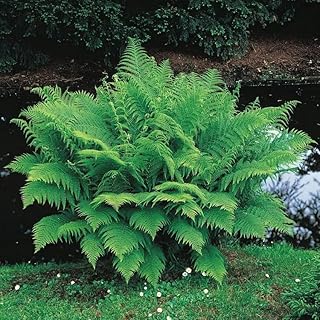
10 Lady Fern Roots – Common Lady-Fern Rhizomes – Athyrium Filix-Femina -…

8. Container Gardens with Ferns

Container gardening with ferns offers versatility, enabling you to create lush arrangements that can be easily moved. This is especially helpful for shaded porches or patios where space may be limited.
To design a fern container garden, select a variety of ferns, such as the Bird’s Nest fern and Kimba fern, for diverse textures and heights. Choose attractive pots that complement the foliage, like earthy ceramic or rustic wooden containers, ensuring they have proper drainage and use high-quality potting mix.
Tips for crafting a fern container garden:
– Mix different fern varieties for interest
– Select pots that enhance the look
– Ensure proper drainage and soil quality
This method allows for seasonal plant swaps and adds vibrant greenery to your outdoor living spaces.
Container Gardens with Ferns
Editor’s Choice
Costa Farms Live Boston Fern Plants (2-Pack), Large 16-Inch Tall Hanging…

ragnaroc Nephrolepis exaltata ‘Boston Fern’ 2-4″ & Asplenium Antiquu…

Quarut 3 Pack 10 inch Plant Pots,Whiskey Barrel Planters with Drainage H…
Conclusion

Incorporating ferns into your shade garden design not only enhances beauty but also brings a sense of tranquility to your outdoor spaces. Whether you create pathways, borders, or use them as focal points, these lush, feathery plants add depth and sophistication. With proper planning and a little creativity, your garden can become an oasis filled with vibrant greenery.
So, gather your favorite ferns and get ready to transform those shaded spots into breathtaking displays of nature’s splendor.
Note: We aim to provide accurate product links, but some may occasionally expire or become unavailable. If this happens, please search directly on Amazon for the product or a suitable alternative.
This post contains Amazon affiliate links, meaning we may earn a small commission if you purchase through our links, at no extra cost to you.
Frequently Asked Questions
What are the best ferns for shade garden design and how should I start with fern landscaping?
Choosing the right ferns for fern landscaping in shade starts with selecting varieties that thrive in low light and fit your space. For shade garden design, pick 2–3 decorative ferns with different heights and textures.
Popular options include Japanese painted fern (Athyrium nipponicum var. pictum), Autumn fern (Dryopteris erythrosora), Maidenhair fern (Adiantum spp.), and Christmas fern (Polystichum acrostichoides). Check mature size and moisture needs so they sit well together.
Plant in rich, well-draining soil and keep it evenly moist. Create a layered bed: taller ferns in the back, mid-height in the middle, and smaller or trailing ferns in front. Group plants in odd numbers for a natural look, and mulch to lock in moisture.
With these choices, your fern landscaping becomes a lush backbone for a beautiful shade garden design.
How can I design a lush shade garden using ferns and other low-light plants?
Start by mapping how your yard receives light throughout the day. In a shade garden design, combine low light plants with ferns to create texture and depth.
Choose ferns plus companions like hostas, Caladiums for color, and Solomon’s seal. Plant tall ferns at the back, mid-height ferns in the middle, and low or trailing varieties in front to build layers.
Use curves and clusters to mimic a natural understory and keep foliage year-round with evergreen ferns. Provide even moisture and organic mulch to feed the soil, and use a simple irrigation timer if you can. This approach aligns with fern landscaping in shaded areas and fosters a lush, tropical vibe without full sun.
What maintenance tips keep decorative ferns thriving in shaded spots?
Keep soil consistently moist but not soggy; ferns hate drought in shade. Water when the top inch of soil feels dry, usually weekly in dry spells.
Mulch to conserve moisture and feed lightly each spring with a balanced fertilizer or compost tea. Remove spent fronds to tidy and encourage new growth.
Divide clumps every 3–4 years to rejuvenate. Protect from strong winds and ensure good airflow to prevent fungal issues. For pest control, watch for slugs and snails at night. This routine supports healthy decorative ferns and your overall fern landscaping in shade garden design.
Can I blend tropical garden ideas with ferns in a shaded yard, and what plants pair well?
Absolutely. You can evoke a tropical feel in a shaded yard by pairing ferns with bold, shade-tolerant companions.
Try Caladiums or Coleus for color, Aspidistra (cast-iron plant) for structure, and Begonias for glow and texture. Let ferns provide the feathery greenery, while Caladiums add color splashes. Use layered plantings to keep shade positions visually rich, and incorporate a few evergreen tropical-looking elements to keep year-round greenery.
This approach fits well with fern landscaping and keeps your tropical garden ideas alive in low light.
What are practical watering and fertilizing tips for decorative ferns in low light?
Decorative ferns in low light need steady moisture and gentle feeding. Water when the top inch of soil dries, usually 1–2 times per week depending on pot size and humidity; in beds, ensure irrigation reaches roots evenly.
Use a layer of organic mulch to retain moisture. Feed with a balanced, half-strength fertilizer in spring and early summer; avoid heavy nitrogen that can scorch fronds.
Prefer slow-release pellets or diluted liquid fertilizer every 4–6 weeks during growing season. Increase humidity around potted ferns with misting or a humidity tray. Regular pruning of dusty fronds keeps plants healthy and vibrant—this is all part of a practical fern landscaping routine for low light conditions.
Related Topics
fern landscaping
shade garden design
low light plants
tropical garden
outdoor greenery
decorative ferns
easy gardening
beginner friendly
lush landscapes
garden aesthetics
plant care tips
seasonal gardening