
Looking out at nature can spark a craving for something beautifully untamed. The wild garden movement celebrates this idea, offering a way to create spaces that feel like an extension of the natural world. This post dives into nine wild garden landscaping ideas that look effortlessly enchanting and entirely intentional. Whether you want to bring a touch of nature to your backyard or create a lush refuge, these ideas will inspire you to embrace the wild.
If you’re someone who loves gardening, enjoys sustainable practices, or simply wants a sanctuary that blends with the environment, this is for you. You care about making choices that are not only appealing but also good for the planet. By following this guide, you’ll discover ways to craft a stunning wildflower garden design that incorporates native plants, eco-friendly features, and rustic aesthetics.
Get ready to explore nine creative, natural landscaping ideas that are perfect for adding depth and charm to your outdoor spaces. You’ll walk away with practical tips to create a wild garden that feels authentic, unique, and inviting. Let’s bring that untamed beauty into your life!
Key Takeaways
– Embrace Native Plants: Using plants that grow naturally in your area helps create an authentic and low-maintenance garden.
– Natural Pathways: Consider using stones, wood chips, or gravel to create charming pathways that blend with your garden’s wild look.
– Eco-Friendly Features: Introduce birdhouses, rain barrels, or compost bins to incorporate functional elements that support local wildlife.
– Layering Plants: Mix different heights and types of plants to add depth and diversity, making your garden visually engaging.
– Minimal Pruning: Let your plants grow naturally. A less formal approach to maintenance can enhance the wild aesthetic while supporting healthy growth.
1. Embrace Native Plants for Authenticity

If you want a garden that feels genuine and alive, using native plants is essential. These plants are naturally suited to your local environment, thriving effortlessly while also attracting vital wildlife like bees and butterflies. By selecting species from your region, your garden will achieve a harmonious, natural look that feels right at home in its surroundings.
Start by researching native wildflowers and resilient perennials that fit well in your space. Group plants with similar care requirements to create a unified aesthetic, ensuring they not only look good together but also support each other ecologically.
Key benefits of native plants:
– Low Maintenance: Once settled, they need less water and care.
– Biodiversity: Attract a variety of beneficial insects and birds.
– Local Beauty: Their unique colors and shapes enhance the landscape.
Incorporating native plants will create a vibrant garden that showcases your commitment to local ecosystems, making your outdoor space both beautiful and purposeful.
Native plants make wild garden landscaping feel authentic—your space thrives on local colors, and bees and butterflies keep the ecosystem buzzing. Start by researching regional natives and resilient perennials, then group plants with similar care for a truly effortless, natural look.
Embrace Native Plants for Authenticity
Editor’s Choice

Wildflower Seeds Bulk Mix – 10,000+ Perennial & Annual Seeds – Texas, Ca…

2. Create Charming Pathways with Natural Materials
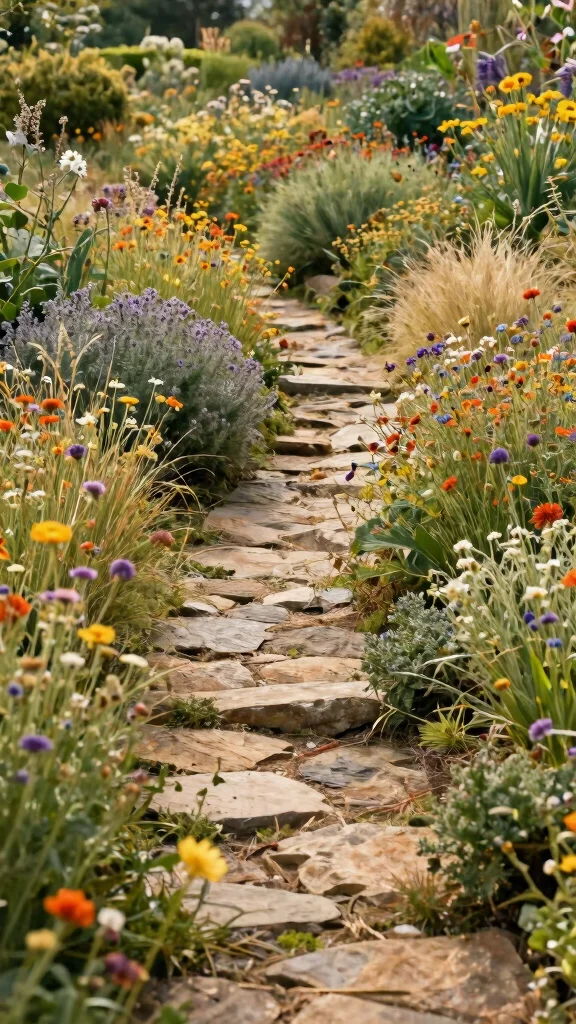
Charming pathways can lead visitors through your wild garden, adding structure while enhancing its beauty. Using natural materials like stone, wood chips, or gravel creates a rustic appeal that perfectly complements the wildflower garden aesthetic.
Begin by mixing different materials to achieve an organic look; for instance, blend smooth pebbles with rugged stones. Opt for gentle curves over straight lines to mimic natural trails and invite exploration. Consider lining paths with low-growing wildflowers or fragrant herbs for an enchanting sensory experience.
Pathway tips:
– Mix Materials: Combine textures for a natural vibe.
– Curves over Straight Lines: Encourage exploration with gentle bends.
– Border with Plants: Enhance paths with color and scent.
With such pathways, your garden becomes a delightful space for discovery, inviting guests to wander and savor the rich flora surrounding them.
Create Charming Pathways with Natural Materials
Editor’s Choice

YISZM 2LB Succulent and Cactus Gravel Pebbles, 1/5 Inch Natural Decorati…

TierraVerde 4-Pack 18”x22” Natural Rock Rubber Stepping Stones, Grey…
![MODELLOR Premium Super Washed, Clean, Coco Chips [10 lb], Yields 2 cu ft...](https://m.media-amazon.com/images/I/91aeQTpfxhL._AC_UL320_.jpg)
MODELLOR Premium Super Washed, Clean, Coco Chips [10 lb], Yields 2 cu ft…
3. Incorporate Functional Eco-Friendly Features

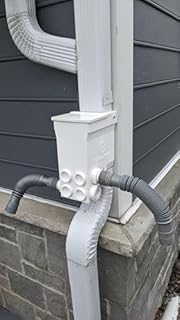
Adding eco-friendly elements to your wild garden not only elevates its beauty but also supports the environment. Consider features like birdhouses, bee hotels, and rainwater collection systems to boost biodiversity and sustainability.
Start by placing bee hotels among flowering plants to provide safe nesting for solitary bees. Adorn your garden with birdhouses to attract local species, creating a lively atmosphere filled with the sounds of nature. Additionally, rain gardens can help manage water runoff while enhancing your landscape’s appeal.
Eco-friendly ideas:
– Bee Hotels: Safe spaces for crucial pollinators.
– Birdhouses: Attract local birds for lively ambiance.
– Rain Gardens: Manage runoff while beautifying your space.
By incorporating these features, your garden evolves into a sanctuary for wildlife, showcasing your dedication to eco-friendly practices and creating a purposeful wildflower haven.
How To Choose Wild Garden Landscaping Ideas
When diving into wild garden landscaping, you want to ensure you select elements that not only look beautiful but also thrive in your environment. Here’s how to make the best choices for your natural landscape.
1. Understand Your Space
Start by assessing your garden space. Measure your area to know how much room you have to work with. Consider sun and shade patterns, as some plants prefer full sun while others thrive in the shade. This understanding will help you select the right plants and design features to suit your space.
2. Choose Native Plants
Native plants are the backbone of any wild garden. They are adapted to your local climate and soil, making them easier to maintain. Look for wildflowers and grasses that are indigenous to your region. This not only supports local wildlife but also ensures your garden flourishes with minimal intervention.
3. Consider Soil Quality
The soil is crucial for plant health. Test your soil to understand its pH and nutrient levels. You may need to amend it with organic materials like compost or mulch to create a rich environment for your plants. Healthy soil encourages robust growth, essential for a wild garden’s untamed look.
4. Incorporate Natural Features
Add features like boulders, logs, or water elements to enhance the rustic aesthetics of your garden. These elements provide structure and can serve as habitats for beneficial insects and small animals. Use locally sourced materials to maintain an organic feel that harmonizes with the natural surroundings.
5. Emphasize Diversity
Diversity is key in wild garden landscaping. Incorporate a mix of plants that bloom at different times, ensuring year-round interest. Layer your plants by height and color to create depth. Group plants with similar water and light needs together for a healthier and more sustainable garden.
6. Plan for Maintenance
While wild gardens are designed to be low-maintenance, some care is still necessary. Decide how much time you can commit to your garden. Native plants generally require less care, but occasional weeding and monitoring for pests are essential. Plan your layout to allow easy access for maintenance tasks.
Pro Tip: Create a seasonal checklist to remind you of necessary tasks throughout the year. This helps keep your wild garden thriving without becoming overwhelming.
Embracing these principles will guide you in choosing components for your wild garden landscaping. By understanding your space, selecting native plants, and considering soil and maintenance, you’ll create a stunning, eco-friendly oasis that looks both untamed and intentional. Happy gardening!
Incorporate Functional Eco-Friendly Features
Editor’s Choice
Best Downspout Diverter Rainwater Harvesting & Collection, Self-Flushing…

Glitzhome Bird Houses for Outside, 12″ H Washed White Distressed Solid W…

WildYard Bee House – Yellow, Modern Wood – Weather-Resistant Refuge & So…
4. Layering Plants for Depth and Diversity
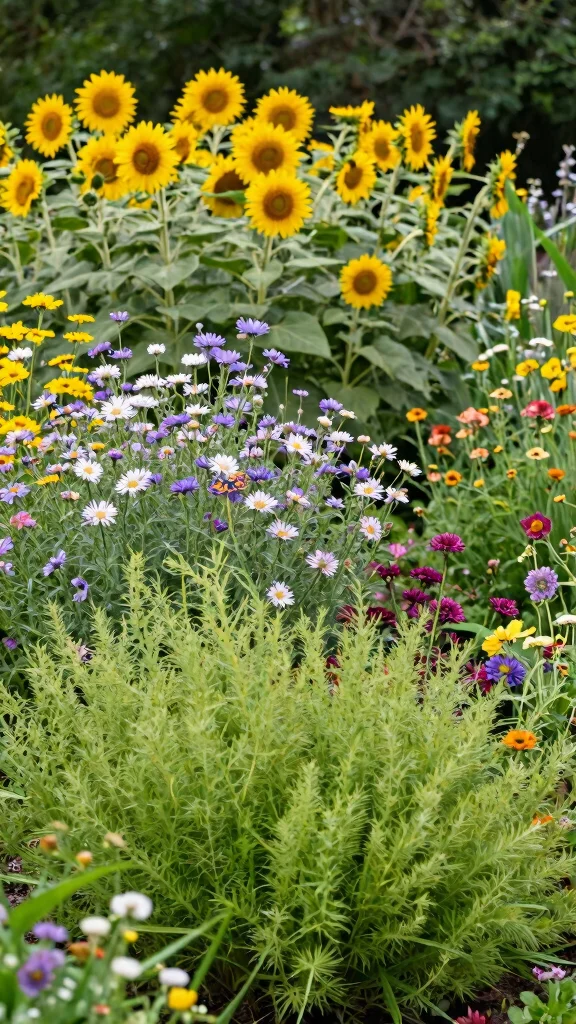
To create a visually captivating wild garden, consider the art of layering plants. This technique involves positioning taller plants at the back and shorter varieties in front, crafting a dynamic landscape that draws the eye and invites exploration.
Utilize a mix of tall perennials, medium-sized plants, and ground covers to build a lush, multi-dimensional garden. Opt for complementary colors within each layer, allowing for bursts of contrast while maintaining cohesion. Incorporate plants that bloom at different times to keep your garden vibrant across seasons.
Layering strategies:
– Height Variation: Mix tall, mid-size, and ground cover plants.
– Color Continuity: Choose hues that flow yet pop.
– Seasonal Blooms: Ensure year-round color with varied bloom times.
Thoughtful layering not only enriches your garden’s aesthetics but also provides diverse habitats for wildlife, keeping your space lively and engaging.
Layer your wild garden landscaping with three heights: tall back, mid, and ground cover. When you mix tall perennials, mid-sized flowers, and low creepers, your space reads lush and intentional, not chaotic.
📹 Related Video: CLONE a FRUIT TREE the EASY WAY | Air Layering Fruit Trees
Layering Plants for Depth and Diversity
Editor’s Choice

Farmer’s Secret Soil Revitalizer (32oz) – Organic (OMRI Listed) Dirt H…

Garden Tools Set, 3 Pack Heavy Duty Gardening Tools Set Include Garden S…

Seedphony 23 Wildflower Hummingbird & Butterfly Mix 4 oz – 100,000 Non-G…
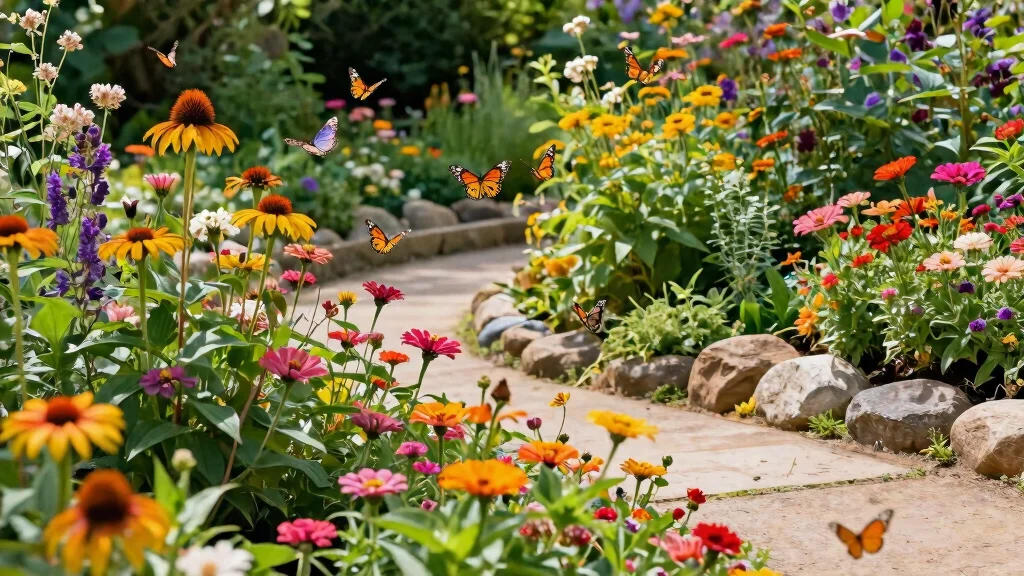
5. Wildflower Meadows: A Naturalist’s Dream

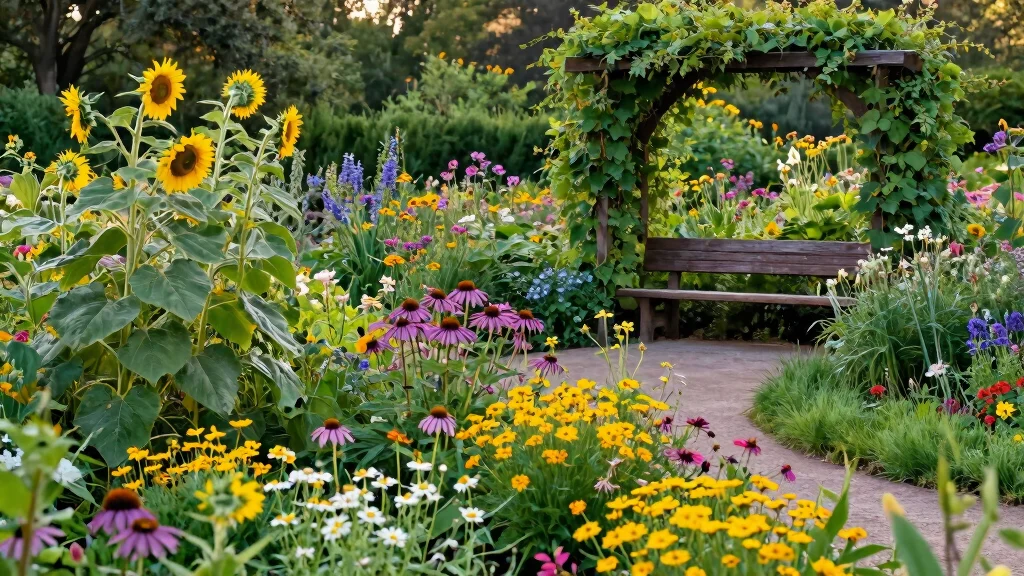
Creating a wildflower meadow gives you a vibrant canvas for ecological landscaping. Rather than traditional lawns, wildflower meadows offer a rich tapestry of colors, textures, and life, turning open spaces into thriving ecosystems.
Begin by selecting a diverse mix of native wildflower seeds suited to your region, preparing the soil for optimal growth. Allow the flowers to grow wild, creating an ever-changing landscape that shifts with the seasons and supports local wildlife.
Meadow benefits:
– Biodiversity: Support various species and pollinators.
– Low Water Needs: After establishment, meadows require less water.
– Aesthetic Appeal: Create a stunning focal point in your landscape.
Establishing a wildflower meadow transforms your yard into a natural wonder, capturing the hearts of onlookers while promoting ecological balance.
Fun fact: a 1,000 sq ft wildflower meadow can host 20–30 pollinator species and cut mowing time by about 60%. That single shift supports local wildlife, improves soil health, and elevates your wild garden landscaping with a dynamic palette that shifts with the seasons.
You might also like
Wildflower Meadows: A Naturalist’s Dream
Editor’s Choice

BARAYSTUS Rotary Cultivator Garden Rotary Tiller Adjustable Stainless St…

HealthiStraw GardenStraw, 3 cu ft (20 lbs) All-Natural Mulch for Gardens…
Wildflower Seeds Bulk Mix – 10,000+ Perennial & Annual Seeds – Texas, Ca…
6. Rustic Garden Borders for a Finished Look

Enhancing the edges of your wild garden with rustic borders adds a polished touch while maintaining an organic feel. Use natural materials like logs, stones, or reclaimed wood to create effective and charming boundaries.
Consider using logs for a naturalistic touch that complements the wild aesthetic. Small stone walls can create defined edges while adding texture and interest. Incorporate low-growing flowers or herbs to create living borders that offer additional color and scent.
Border ideas:
– Log Edging: Add natural charm with logs.
– Stone Walls: Create boundaries with visual interest.
– Plant Borders: Use flowers for color and softness.
These rustic borders help define spaces in your garden, enhancing its allure while allowing wildflowers to thrive in their natural setting.
Rustic Garden Borders for a Finished Look
Editor’s Choice

Rustic Pine Wood Landscape Edging – 11.8ft L x 8in H Garden Fence Border…
7. Functional Furniture: Adding Comfort to Nature
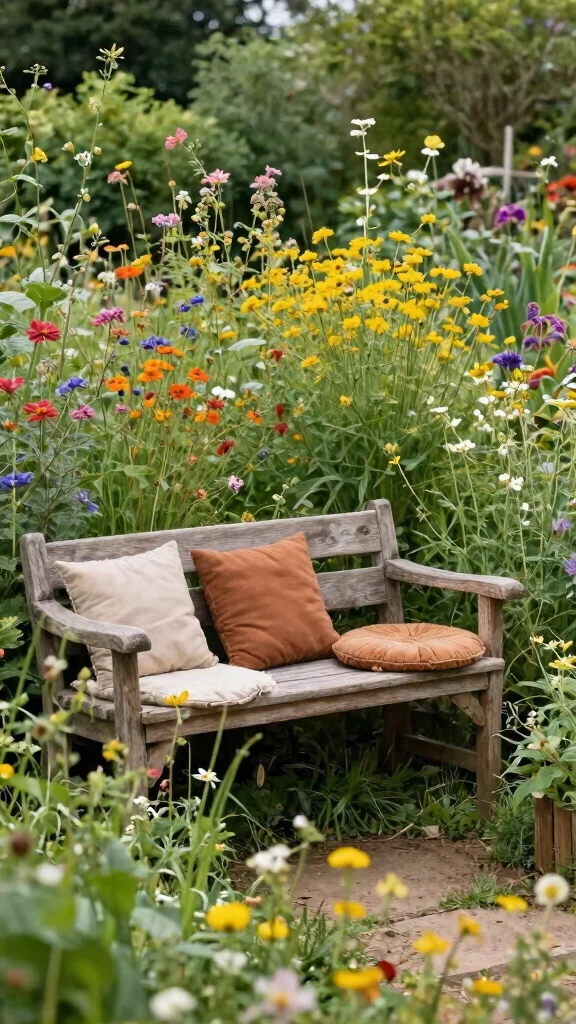
Incorporating functional furniture into your wild garden creates inviting spaces for relaxation and enjoyment. Rustic benches, picnic tables, or hammocks can significantly enhance the garden experience, making it more user-friendly.
Select furniture made from reclaimed wood or other sustainable materials to align with an eco-friendly approach. Position seating areas near the most vibrant blooms, inviting visitors to rest and soak in the beauty around them. Adding cushions or throws in earthy tones can enhance comfort and appeal.
Furniture tips:
– Natural Materials: Choose eco-friendly or reclaimed options.
– Strategic Placement: Position seating near lively blooms.
– Comfort Items: Add cushions for extra coziness.
Functional furniture not only encourages enjoyment but also fosters interaction with the garden, making it a true sanctuary for relaxation.
Functional Furniture: Adding Comfort to Nature
Editor’s Choice

Durable Hammock 400 lb Capacity, Nylon Camping Hammock Chair – Double or…

Jack and June Premium Cedar Wood Rectangular Picnic Table Easy Assembly …

Outvita Wooden Garden Bench, Outdoor Rustic Wagon Wheel Bench with Carbo…
8. Seasonal Rotation for Year-Round Interest
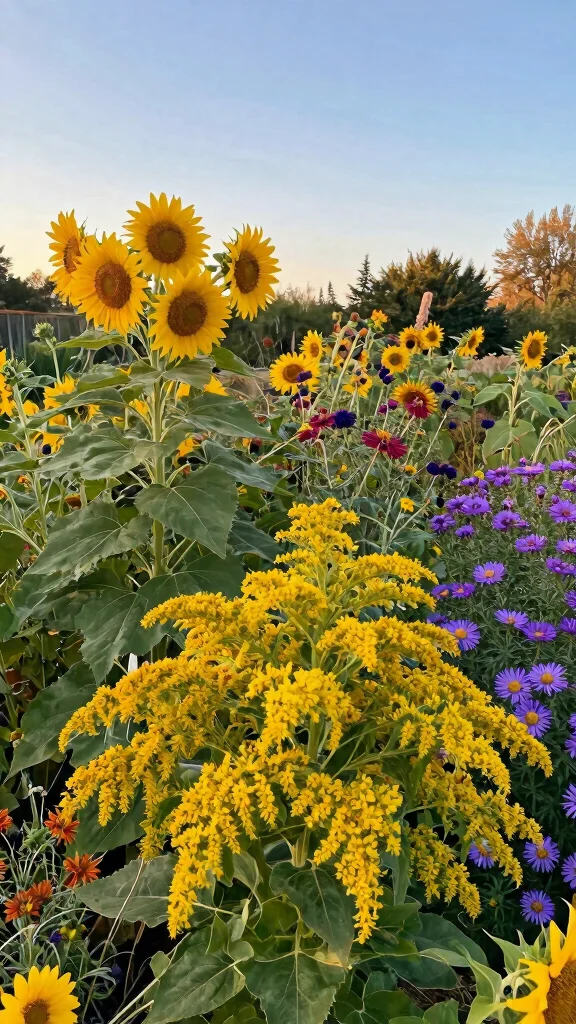
To keep your wild garden captivating and vibrant, consider implementing seasonal rotation. Planning for continuous bloom cycles ensures that your garden has visual appeal year-round.
Start with early bloomers like crocus or daffodils to kick off spring colors. Mid-summer favorites like sunflowers and zinnias can add vibrant displays, while asters and goldenrod bring stunning autumn hues. Even in winter, consider adding evergreen textures or decorative elements like bird feeders.
Rotation strategies:
– Early Bloomers: Start with spring flowers for early color.
– Summer Faves: Add vibrant mid-summer blooms.
– Fall Beauties: Incorporate plants for autumn interest.
– Winter Interest: Use evergreens or decorations for winter charm.
With thoughtful planning, you can create a garden that delights in every season, inviting new colors and textures to keep it alive and engaging.
You Might Also Like

Seasonal Rotation for Year-Round Interest
Editor’s Choice

Yaheetech 43.5″ L×16″ W×14″ H Wooden Raised Garden Bed, Horticul…
Wildflower Seeds Bulk Mix – 10,000+ Perennial & Annual Seeds – Texas, Ca…

Youvip Metal Roof Bird Feeder – Chew Proof for Outdoor Hanging Wild Bird…
9. Embrace the Wild with Minimal Pruning

One of the most enjoyable aspects of wild garden landscaping is the minimal need for pruning. Allowing plants to grow in their natural forms celebrates the wild beauty of nature while reducing your maintenance workload.
Take time to observe which plants thrive best without intervention, letting them flourish naturally. If pruning is necessary, aim to do so when plants are dormant for the least disruption. Embrace the unique shapes of wildflowers and grasses, letting them define their forms instead of imposing strict boundaries.
Minimal pruning tips:
– Observe Plant Growth: Let thriving plants flourish naturally.
– Timing: Prune when plants are dormant.
– Natural Shapes: Allow plants to create their own forms.
This hands-off approach allows your garden to express its wild nature fully, creating a serene environment that feels both natural and intentional, encouraging the beauty of spontaneous growth.
Embrace the Wild with Minimal Pruning
Editor’s Choice
Back to the Roots 100% Organic Mulch, 58 Quart, Expanding Coconut Husk B…
Wildflower Seeds Bulk Mix – 10,000+ Perennial & Annual Seeds – Texas, Ca…
Conclusion
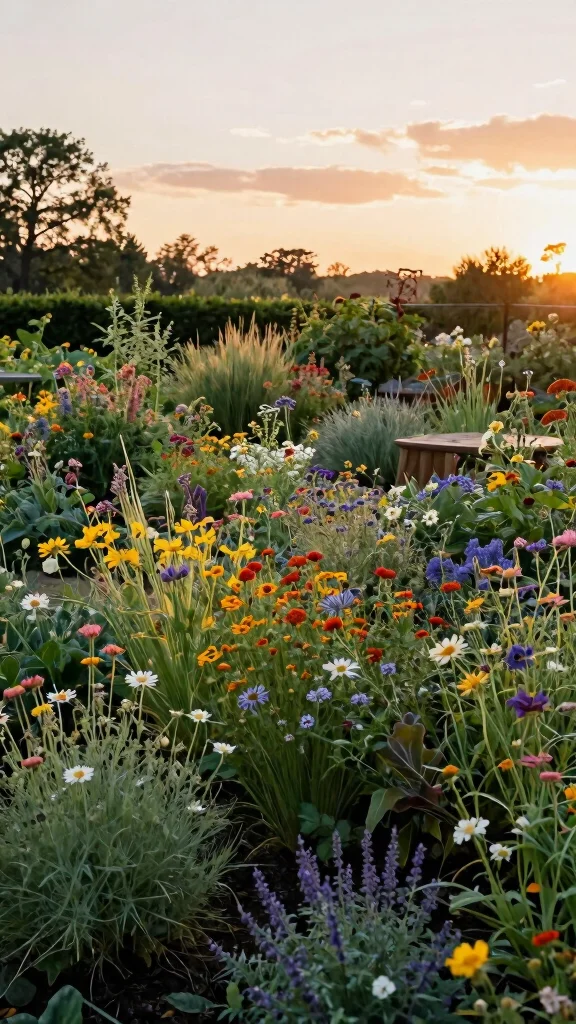
Creating a wild garden landscape is an exciting journey that allows you to connect with nature while enhancing your outdoor space. These nine landscaping ideas not only inspire creativity but also promote ecological responsibility, making your garden a haven for wildlife.
With a blend of native plants, rustic features, and eco-friendly practices, your garden can reflect the beauty of the wild while feeling entirely intentional. Embrace the untamed beauty and let your garden flourish in its natural splendor!
Note: We aim to provide accurate product links, but some may occasionally expire or become unavailable. If this happens, please search directly on Amazon for the product or a suitable alternative.
This post contains Amazon affiliate links, meaning we may earn a small commission if you purchase through our links, at no extra cost to you.
Frequently Asked Questions
Question: How Do I Start a Wild Garden Landscaping Project That Looks Untamed Yet Completely Intentional?
Begin with a quick site assessment: sun, shade, soil, drainage, and any existing plants. Pick a palette of native wildflowers that support local pollinators, then sketch a simple plan that keeps most areas loose while placing a few intentional focal points. Use natural landscaping ideas like weathered wood accents and stone paths to anchor the design, and mix in a few robust perennials with annuals for easy fill-in as the space grows. Decide whether to sow seed or install plugs, and aim to plant in the best season for your region (usually fall or early spring). Leave room for self seeding so the wildflower garden design evolves over time. This approach reflects wild garden landscaping with practical, eco-friendly landscape solutions.
Question: Which Native Plants Create a Rustic Wildflower Garden Design With Minimal Care?
Great native picks for a rustic wildflower garden design include Purple Coneflower (Echinacea purpurea), Black-eyed Susan (Rudbeckia hirta), Tickseed (Coreopsis tinctoria), Butterfly Weed (Asclepias tuberosa), Prairie Blazing Star (Liatris pycnostachya), and native grasses like Little Bluestem (Schizachyrium scoparium). These plants thrive with drip of water once established and reward you with long-lasting blooms. Use organic gardening techniques—compost, mulch, and rainwater—to keep maintenance light. Group plants in clusters to create natural mass and let self-seeding fill gaps, staying true to wildflower garden design and rustic garden aesthetics.
Question: How Can I Maintain a Wild Garden Without Losing Its Natural Look?
Keep maintenance light and purposeful. Mow or cut back only a couple of times a year at a modest height to preserve the meadow vibe. Deadhead selectively to extend bloom, but let some seed heads stand for wildlife. Thin crowded clumps in late winter or early spring to refresh vigor. Mulch with leaf litter or compost to nourish soil and reduce weeds, and avoid synthetic fertilizers and pesticides. This approach keeps wild garden landscaping feeling untamed yet intentional while following natural landscaping ideas and eco-friendly landscape solutions.
Question: Will a Wild Garden Attract Pollinators and Wildlife, and How Can I Maximize Biodiversity?
Yes—wild gardens are magnets for pollinators when you provide nectar-rich natives across the season. Plant in bloom-rich clusters, ensure continuous nectar throughout spring, summer, and fall, and add a shallow water source. Create habitat with native grasses, fallen logs, brush piles, and bee hotels to invite birds and insects. Avoid pesticides and embrace organic gardening techniques to support a thriving ecosystem. This aligns with wildflower garden design, eco-friendly landscape solutions, and natural landscaping ideas.
Question: What Common Mistakes Should I Avoid To Keep My Wildflower Garden Sustainable and Beautiful?
Avoid planting invasive or non-native species, misjudging sun or moisture needs, and over-tiling or using weed fabric that harms soil life. Don’t chase a perfectly manicured lawn look; instead, celebrate self-seeding and seasonal shifts. Don’t overwater or oversimplify with synthetic fertilizers or pesticides. Start small, observe which natives thrive in your microclimate, and gradually expand. This helps keep your space aligned with eco-friendly landscape solutions, natural landscaping ideas, and wild garden landscaping.
Related Topics
wild garden landscaping
natural landscaping
wildflower garden
rustic aesthetics
eco-friendly gardens
organic gardening
beginner gardening
low maintenance landscaping
seasonal blooms
pollinator-friendly plants
sustainable gardening
landscape design ideas