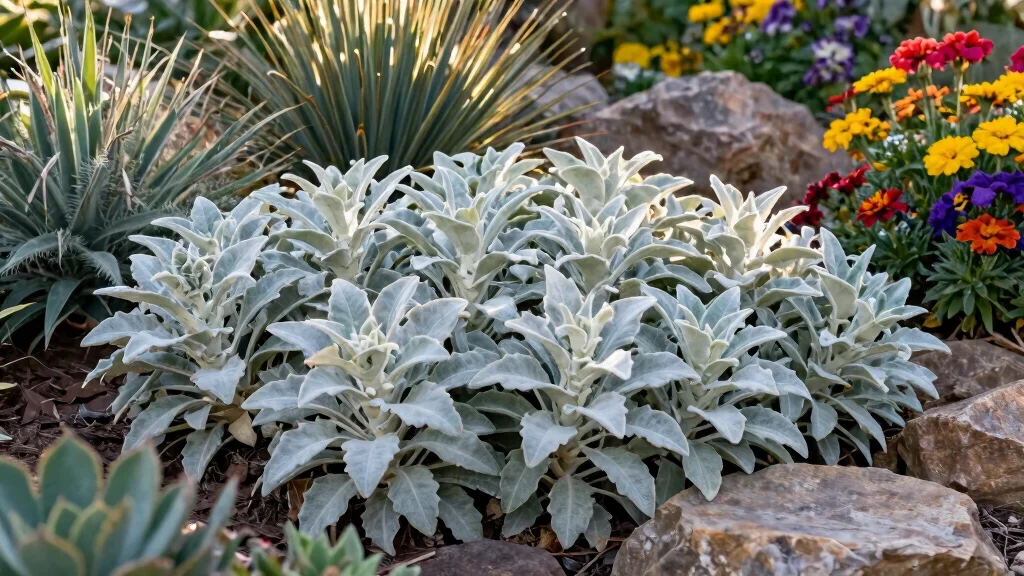
Lamb’s ear has me craving a garden filled with soft textures and striking silver hues. This charming plant, known for its velvety leaves, is not just a beautiful addition; it’s also a champion of drought resistance. If you’re someone who loves to create inviting outdoor spaces, whether you’re new to gardening or a seasoned pro, this post is for you. I’m excited to share how lamb’s ear can elevate your garden beds, providing both aesthetics and functionality to your landscape.
I’ve pulled together ten thoughtful lamb’s ear landscaping ideas that are not only visually appealing but also practical for low-maintenance gardening. With these ideas, you can create stunning displays that thrive in dry conditions, making them perfect for anyone looking to simplify their gardening efforts without sacrificing beauty. From mass plantings to creative container gardens, you’ll find inspiration that speaks to your gardening needs and style.
Get ready to explore the soft beauty of lamb’s ear and discover how you can use it to enhance your outdoor areas. Whether you’re aiming for a relaxed cottage garden look or a more contemporary design, you’ll find the perfect ideas to help you achieve the garden of your dreams.
Key Takeaways
– Mass Planting: Use lamb’s ear in large groups to create a dramatic impact in your garden. Its soft texture draws the eye and can be a focal point in any landscape.
– Edging and Borders: Lamb’s ear works beautifully as an edging plant. Its low-growing habit makes it perfect for defining pathways and flower beds.
– Textural Pairing: Combine lamb’s ear with succulents or other drought-tolerant plants. This creates a dynamic look with varied textures that captivate the senses.
– Container Gardens: Consider planting lamb’s ear in pots for a unique approach to your garden. It thrives in containers and can be easily moved to suit seasonal changes.
– Butterfly Friendly: Incorporate lamb’s ear into butterfly gardens. Its soft leaves not only attract butterflies but also provide a habitat for beneficial insects.
1. Mass Planting for Dramatic Effect
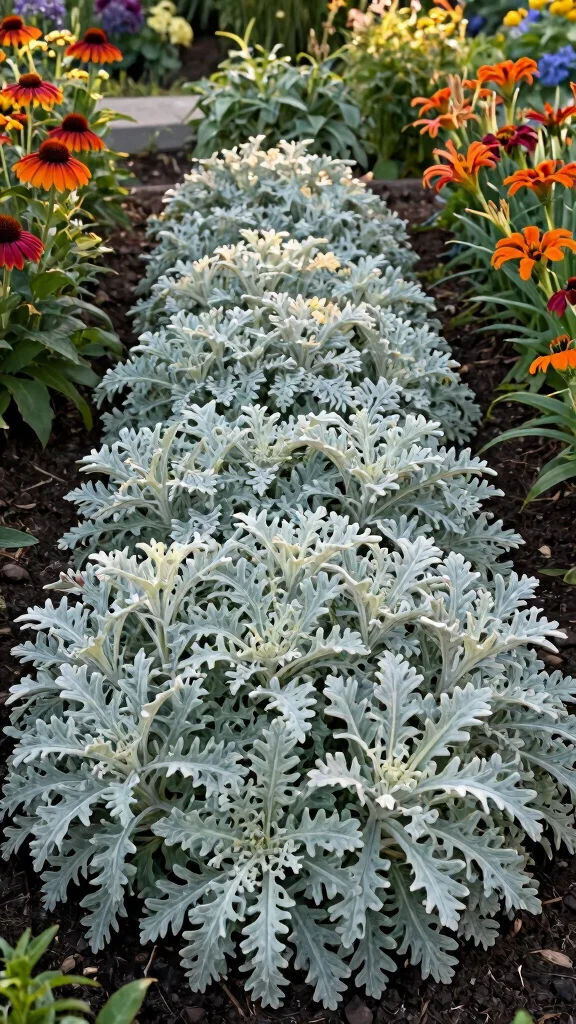
If you’re looking to make a bold statement in your garden, mass planting lamb’s ear is a fantastic choice. Picture a vast expanse of lush silver leaves that not only catch the eye but also contrast beautifully with vibrant flowers. This technique not only creates stunning visuals but also offers excellent ground cover, helping to keep weeds at bay while softening hard landscape edges.
To enhance the drama, try pairing lamb’s ear with colorful perennials like echinacea or daylilies. The mix of textures will elevate the aesthetic appeal of your space.
Tips for Mass Planting:
– Select a dedicated garden area for your lamb’s ear.
– Space plants 12-18 inches apart to encourage healthy growth.
– Ensure your soil drains well to prevent rot.
This planting style maximizes your garden’s beauty and offers a low-maintenance option for busy gardeners.
Fun fact: mass planting lambs ear landscaping can cover soil in weeks, reducing weed growth by up to 60% and cutting watering needs. Pair it with echinacea or daylilies for dramatic contrast and soft, silvery edges.
Mass Planting for Dramatic Effect
Editor’s Choice

Sow Right Seeds – Lambs Ear Seeds for Planting – Non-GMO Heirloom Packet…


HealthiStraw GardenStraw, 3 cu ft (20 lbs) All-Natural Mulch for Gardens…
2. Creating Edging and Borders
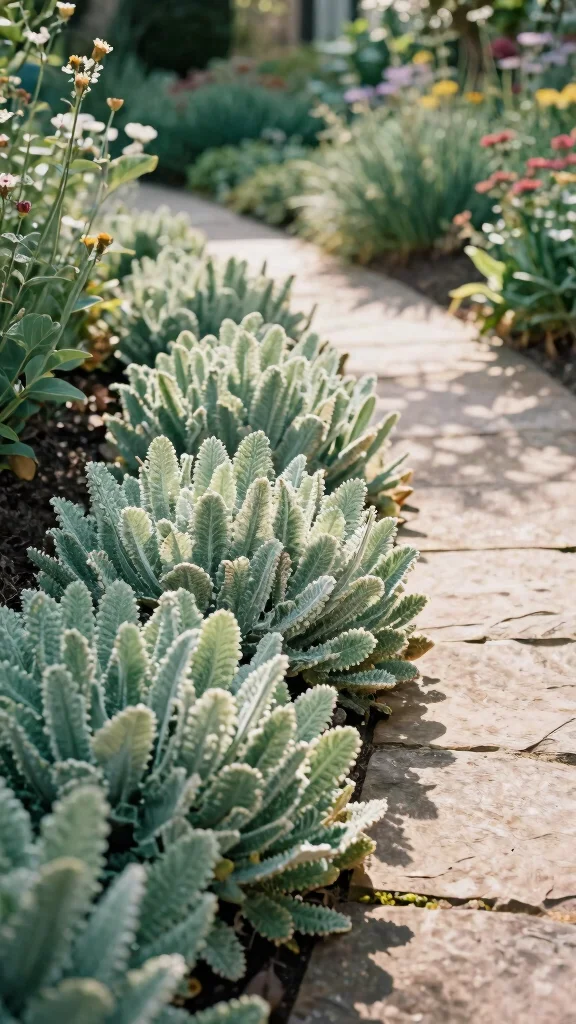
Lamb’s ear makes for a perfect edging plant that softens the look of pathways and flower beds. Their unique texture and silvery hue frame your garden beautifully, guiding the eye along your outdoor space. Imagine walking on a path bordered by soft, velvety leaves—a truly inviting experience.
Using lamb’s ear as an edge not only retains soil moisture but also prevents erosion. Plus, they require little care and are drought-resistant, making them a smart choice.
Edging Tips:
– Plant lamb’s ear 8-12 inches apart for a lush border.
– Pair them with taller plants for added visual interest.
– Use natural stones or wood to accentuate the edges.
The result is a calming and welcoming atmosphere, perfect for a peaceful garden retreat.
📹 Related Video: How To Create A Lambs Ear Garden Border #BudgetFriendlyProject
Creating Edging and Borders
Editor’s Choice

Back to the Roots 25.7qt (1 Cubic ft) Organic Premium Mulch
![Landscape Edging 33FT,Garden Edging Borders [Extra Tall 4IN High] Flexib...](https://m.media-amazon.com/images/I/61g6PosFAJL._AC_UL320_.jpg)
Landscape Edging 33FT,Garden Edging Borders [Extra Tall 4IN High] Flexib…
3. Pairing with Succulents for Varied Textures
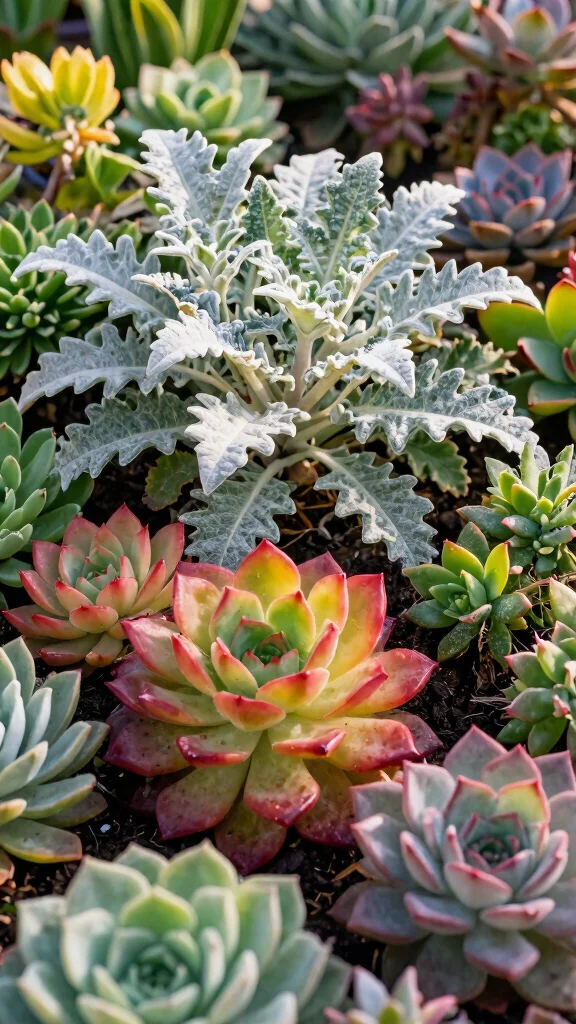
Do you love the resilience of lamb’s ear but want to add some flair? Pairing them with succulents can create a stunning display! The soft, fuzzy leaves of lamb’s ear contrast beautifully with the glossy, waxy surfaces of succulents, making your garden pop.
Choose succulents with bold colors or unique shapes, like hens-and-chicks or agave, to amp up the visual appeal. This combination not only enhances your garden’s texture but also provides a striking backdrop for seasonal flowers.
Pairing Tips:
– Select succulents with similar light and water requirements.
– Use raised beds to create layers and depth in your garden.
– Experiment with various sizes and colors for dynamic effects.
This pairing offers a unique aesthetic while ensuring your garden remains low-maintenance and drought-tolerant.
Pairing with Succulents for Varied Textures
Editor’s Choice

Back to the Roots 100% Organic Succulent & Cacti Mix (6 Quart) | Made in…
4. Rock Gardens with Lamb’s Ear

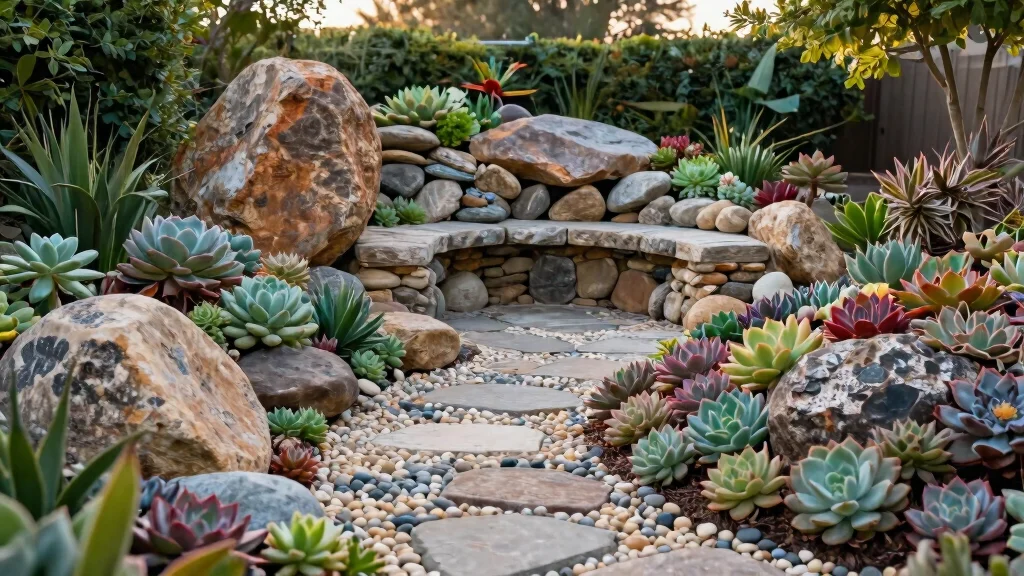
For a captivating design, integrating lamb’s ear into a rock garden setting is a brilliant idea. Their hardy nature pairs perfectly with stone elements, creating a natural and rustic atmosphere that’s easy to care for. Imagine clusters of lamb’s ear nestled among smooth stones, their silver leaves contrasting with the earthy tones around them.
Rock gardens provide excellent drainage, which lamb’s ear thrives on. This setup encourages local wildlife, adding life to your serene space.
Rock Garden Tips:
– Combine with other drought-tolerant plants for added interest.
– Strategically place rocks for accessibility and visual appeal.
– Vary stone heights to add dimension to your garden bed.
This landscaping choice creates a stunning focal point while promoting sustainability in your garden.
Did you know? In rock gardens with excellent drainage, lamb’s ear landscaping thrives with up to 40% less watering while still delivering silver-green drama. Place clusters among smooth stones to boost texture and invite wildlife into your serene space.
Rock Gardens with Lamb’s Ear
Editor’s Choice

FANTIAN 20 lbs Large River Rocks for Outdoor Landscaping, 3-4 Inch Decor…
5. Lamb’s Ear in Container Gardens

Short on space? Lamb’s ear is an excellent choice for container gardening! Their compact nature allows you to showcase their beautiful, velvety leaves in small pots, perfect for patios or balconies. Mixing lamb’s ear with other drought-resistant plants can highlight their striking silver tones.
Containers offer flexibility, allowing you to move plants around to capture sunlight or enhance aesthetics. This versatility lets you create a lush look even in tight spaces.
Container Gardening Tips:
– Use pots with drainage holes to prevent waterlogging.
– Opt for high-quality potting mix for healthy growth.
– Pair with colorful annuals or trailing plants for extra visual interest.
This approach not only beautifies your area but also keeps maintenance low, ideal for busy gardeners.
You might also like
Lamb’s Ear in Container Gardens
Editor’s Choice

Garden Tools Set, 3 Pack Heavy Duty Gardening Tools Set Include Garden S…

Burpee Fast Blooming 25,000 Non-GMO Planting, 1 Bag Easy Grow Wildflower…

8/10/12 Inch Self Watering Pots for Indoor/Outdoor Plants – Large Plasti…
6. Butterfly Gardens with Lamb’s Ear

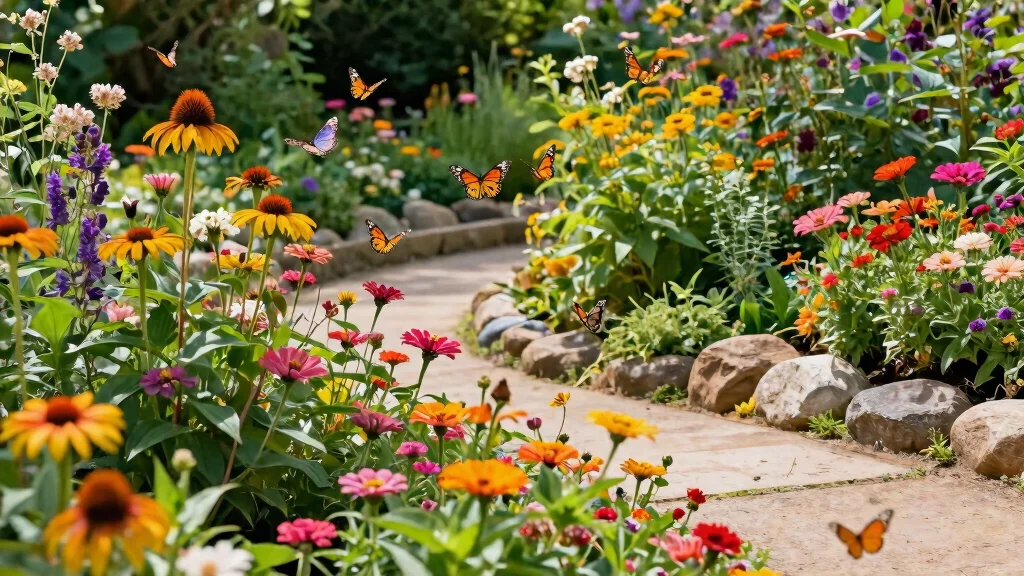
Lamb’s ear not only looks great but also attracts beneficial pollinators like butterflies. By adding lamb’s ear to a butterfly garden, you create a welcoming space for these lovely visitors. The soft foliage provides a resting area, while the blooms offer vital nectar.
A successful butterfly garden features a mix of flowering plants, and lamb’s ear adds a unique texture that complements vibrant blooms like milkweed and coneflowers.
Butterfly Garden Tips:
– Include a variety of host and nectar plants for diverse butterflies.
– Group plants in clusters to attract more butterflies.
– Avoid pesticides to maintain a healthy habitat.
A butterfly garden not only enhances your landscaping with lamb’s ear but also supports local ecosystems, creating a beautiful and beneficial outdoor space.
Butterfly Gardens with Lamb’s Ear
Editor’s Choice
Sow Right Seeds – Lambs Ear Seeds for Planting – Non-GMO Heirloom Packet…

Groundio Wildflower Seeds Mix, 24 Varieties Perennial & Annual Seeds for…
7. Low-Maintenance Mixed Beds

For a low-maintenance garden, consider creating mixed beds with lamb’s ear and other drought-tolerant plants. Such a design allows you to achieve a lush appearance with minimal effort. Combine lamb’s ear with herbs, ornamental grasses, or other perennials for a beautiful tapestry of colors and textures.
This arrangement not only adds visual interest but also encourages biodiversity in your garden. The soft silver leaves of lamb’s ear contrast wonderfully with the rich greens and bright hues of other plants.
Mixed Bed Tips:
– Plan for varying heights and textures to enhance aesthetics.
– Group plants with similar watering needs for easier care.
– Include hardscape elements like decorative stones for structure.
This concept is perfect for anyone seeking a stunning garden without constant upkeep.
Low-Maintenance Mixed Beds
Editor’s Choice

Miracle-Gro Organic Outdoor Potting Mix – Plant Soil for Outdoor Contain…

True Organic Herb & Leafy Greens Food – Organic Fertilizer for Abundan…
Back to the Roots 25.7qt (1 Cubic ft) Organic Premium Mulch
8. Rock Walls with Lamb’s Ear

Adding lamb’s ear to rock walls creates a visually striking effect while providing a natural habitat for the plants. This unique landscaping idea allows lamb’s ear to cascade over the rocks, softening hard edges and adding an organic touch to your garden. The silver foliage beautifully contrasts with the textured stone, creating a dramatic look.
Rock walls not only enhance the design but also improve drainage, which is essential for lamb’s ear. This feature is particularly useful in sloped areas where traditional planting may be difficult.
Rock Wall Tips:
– Use rocks of different sizes for added interest.
– Ensure proper drainage to prevent water buildup.
– Plant lamb’s ear between stones for a natural cascading effect.
This idea creates an eye-catching focal point, showcasing the harmonious relationship between earth and plant life.
You Might Also Like


Rock Walls with Lamb’s Ear
Editor’s Choice

Petra Max Rock Glue for Landscaping, 32 Ounce – Ground Coverage & Pet Sa…

Outsidepride Stachys Byzantina Lamb’s Ear Seeds – 1000 Pcs Perennial Flo…
9. Seasonal Color Contrast with Lamb’s Ear

Lamb’s ear provides an excellent backdrop for seasonal color contrasts in your garden. By planting them alongside vibrant annuals or perennials that bloom at different times, you can create a dynamic landscape that delights year-round. The silver leaves of lamb’s ear complement various colors, highlighting the beauty of your blooms.
Consider pairing lamb’s ear with bright summer annuals like petunias or bold fall flowers like asters. This seasonal interplay keeps your garden looking fresh and lively.
Seasonal Tips:
– Select a mix of blooms that provide color throughout the seasons.
– Incorporate plants that complement lamb’s ear for a cohesive look.
– Prune lamb’s ear regularly to prevent overshadowing seasonal flowers.
With careful planning, lamb’s ear can act as a stunning canvas for the changing seasons in your garden.
Ongoing Maintenance & Care Guide
Maintenance Schedule:
Daily/Weekly Tasks:
– Check for weeds: Pull any weeds that appear to keep your lamb’s ear thriving. This can take about 10-15 minutes each week.
– Water as needed: During hot spells, ensure your plants receive enough moisture. Water deeply, if needed, which takes about 20 minutes.
– Inspect for pests: Look under the leaves for any signs of pests like aphids. This can be a quick 5-minute check.
Monthly/Seasonal Tasks:
– Trim dead leaves: Each month, cut away any brown or dead foliage to encourage new growth. Spend around 30 minutes on this task.
– Fertilize sparingly: Use a balanced fertilizer every 4-6 weeks during the growing season. This should take about 15 minutes.
– Mulch around plants: Apply a layer of mulch every season to retain moisture and suppress weeds. This can take about an hour, depending on your garden size.
– Monitor soil moisture: Test the soil monthly to ensure it’s not too dry. Spend about 10 minutes checking moisture levels.
Maintenance Summary Table:
| Task | Frequency | Difficulty | Time Needed |
|————————|—————-|————|——————|
| Check for weeds | Weekly | Easy | 10-15 minutes |
| Water as needed | Weekly | Easy | 20 minutes |
| Inspect for pests | Weekly | Easy | 5 minutes |
| Trim dead leaves | Monthly | Moderate | 30 minutes |
| Fertilize | Monthly | Easy | 15 minutes |
| Mulch | Seasonal | Moderate | 1 hour |
| Monitor soil moisture | Monthly | Easy | 10 minutes |
Common Issues to Watch For:
⚠️ Yellowing leaves: This may indicate overwatering or poor soil drainage. Check if the soil is soggy or compacted.
⚠️ Wilting plants: If your lamb’s ear looks droopy, it may need more water. Feel the soil to assess moisture levels.
⚠️ Pests: Look for sticky residue or holes in the leaves. This indicates aphids or other pests that may need treatment.
Care Tips:
💡 Use sharp tools: When trimming, use clean and sharp scissors or pruners to avoid damaging the plant.
💡 Group plants: Plant lamb’s ear with other drought-tolerant plants. This helps in creating a low-maintenance garden that thrives together.
💡 Avoid heavy fertilizers: Over-fertilizing can lead to lush growth but weaker plants. Stick to light applications for best results.
💡 Be mindful of spacing: Give your lamb’s ear enough room to spread. This helps prevent overcrowding and fungal issues.
💡 Watch for rust: If you see orange spots on the leaves, it could be rust fungus. Remove affected leaves immediately to stop the spread.
Seasonal Color Contrast with Lamb’s Ear
Editor’s Choice

Fiskars Trowel, Heavy Duty Gardening Hand Tool with Hang Hole, For Diggi…

YAMRON 4-in-1 Soil Moisture Meter, Digital Plant Temperature/Soil Moistu…
10. Edible Landscapes with Lamb’s Ear
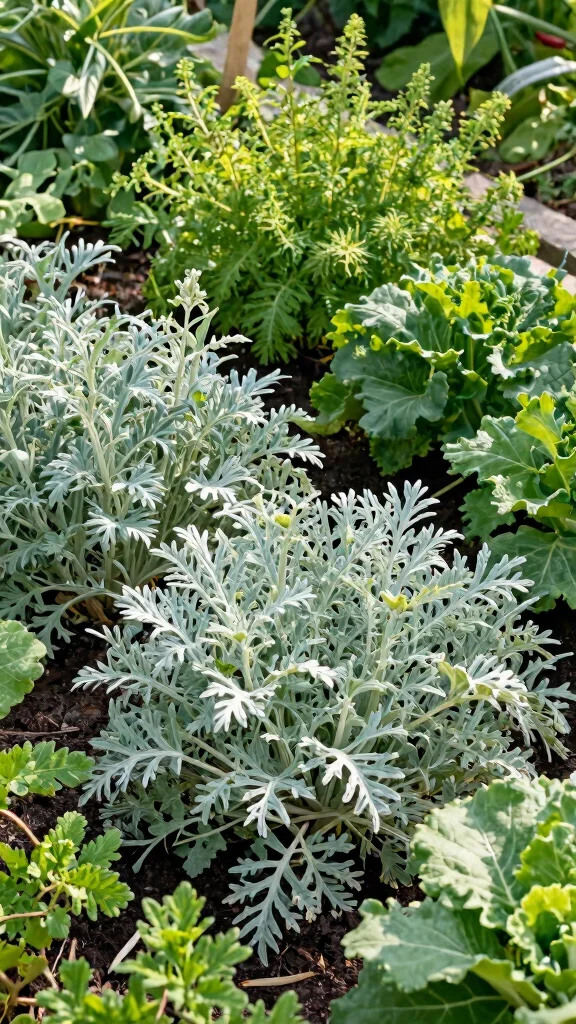
Incorporating lamb’s ear into an edible landscape is a creative way to enhance both beauty and practicality. Their lush texture pairs wonderfully with edible plants like herbs and vegetables. Imagine lamb’s ear nestled around fragrant basil or colorful tomatoes, merging aesthetics with function.
Edible landscapes support sustainable living and foster biodiversity. They also offer a chance to blend ornamental and practical gardening in your space.
Edible Landscape Tips:
– Choose companion plants that thrive in similar conditions.
– Position lamb’s ear for easy access to herbs and vegetables.
– Use edging plants to define different garden sections.
This landscaping idea nurtures a beautiful and functional garden, providing fresh produce while remaining easy on the eyes.
❝ lambs ear landscaping proves that beauty can be practical—soft texture pairs beautifully with herbs and veggies in edible beds. Place lamb’s ear around basil or tomatoes, and gardening becomes inviting rather than fussy. Start small and watch flavor and fragrance grow. ❞
Edible Landscapes with Lamb’s Ear
Editor’s Choice

Yaheetech 8×2ft Wooden Horticulture Raised Garden Bed Divisible Elevate…

Sereniseed Certified Organic Herb Seeds (10-Pack) – Non GMO, Heirloom …
Miracle-Gro Organic Outdoor Potting Mix – Plant Soil for Outdoor Contain…
Conclusion

Lamb’s ear is a versatile and beautiful addition to any garden, offering soft texture and stunning silver foliage that enhances the overall landscape. Whether you choose to mass plant, use them as edging, or create mixed beds, the possibilities are endless. Not only does lamb’s ear thrive in drought-resistant conditions, but it also complements a variety of plants, making it an ideal choice for low-maintenance gardens.
By incorporating lamb’s ear into your gardening design, you’re ensuring a lush, inviting space that’s easy to care for, all while contributing to the local ecosystem. So, why not get started on your own lamb’s ear landscaping project today?
Note: We aim to provide accurate product links, but some may occasionally expire or become unavailable. If this happens, please search directly on Amazon for the product or a suitable alternative.
This post contains Amazon affiliate links, meaning we may earn a small commission if you purchase through our links, at no extra cost to you.
Frequently Asked Questions
How can lambs ear landscaping be used as a drought-tolerant ground cover in a perennial garden ideas bed?
Lambs ear landscaping uses the soft, silver leaves as a versatile drought-tolerant ground cover that shines in sunny spots.
Plant Stachys byzantina in well-drained soil, spacing plants about 12-18 inches apart to form a natural drift in your perennial garden ideas beds.
Once established, it goes long stretches without water, making it ideal for drought-tolerant landscaping—water deeply only during extended dry spells.
Pair it with other ground cover plants such as creeping thyme or Sedum to extend the texture and color, and to reduce weed pressure.
For maintenance, trim back flowering stalks after they fade and divide clumps every 2-3 years to maintain fullness.
What are the best companion plants for lambs ear to create silver foliage focal points in a low-maintenance garden design?
To create silver foliage focal points in lambs ear landscaping, mix it with other silver foliage plants and drought-tolerant companions.
Excellent partners include Santolina, Artemisia (silvery varieties), Lavender, Rosemary, and compact Sedum, all of which thrive in sun and well-drained soil.
Plant in drifts to form cohesive borders that echo the ground cover plants vibe while keeping a low-maintenance garden design at the forefront.
Space according to mature size, water deeply until established, then rely on rain or deep, infrequent irrigation to preserve leaf color and texture.
This pairing showcases silver foliage plants beautifully and keeps care simple.
How much sun and water does lambs ear need, and how should I care for it to stay soft and silver in a drought-tolerant landscape?
Lambs ear loves sun: aim for at least 6 hours of direct sun daily for best results in lambs ear landscaping.
In general, established plants tolerate drought well, so water deeply during prolonged dry spells but let the soil dry out between waterings.
Avoid overwatering, especially in winter when roots can rot; ensure well-drained soil and a light mulch to keep roots cool.
To keep the leaves soft and silver, trim back spent blooms after flowering, remove any ragged foliage at the base, and fertilize sparingly in early spring if growth looks pale.
Healthy, low-maintenance roots mean you’ll enjoy a long-lasting silver texture in your garden with minimal fuss.
Can lambs ear survive year-round in my climate, and what perennials make good perennial garden ideas with it?
Most gardeners in USDA zones 4–8 can grow lambs ear year-round with good drainage and sun exposure.
In hotter climates, provide afternoon shade or extra mulch to reduce heat stress; in very cold winters, some die-back is normal and new growth may emerge in spring.
For perennial garden ideas, pair lambs ear with drought-tolerant perennials like Lavender, Santolina, Artemisia, Russian sage, Sedum, Gaura, or Echinacea to build year-round structure and color.
Practical tips: plant in sunny beds, mulch to conserve moisture, and divide every 2-3 years to maintain vigor, all while keeping maintenance light for a low-maintenance garden design.
How do you design a fast, low-maintenance lambs ear border that still looks lush and silver all season?
Start with a sunny, well-drained strip and plant generous drifts of lambs ear to establish the silver backbone of the border.
Add a few evergreen or perennial companions with similar drought tolerance, such as Lavender or Santolina, to carry color through winter.
Keep maintenance simple: use a clean edging, mulch to suppress weeds, deadhead spent flowers to encourage neat growth, and divide the clumps every 2-3 years to maintain vigor.
With these steps, your lambs ear landscaping border stays lush, silver, and low-maintenance year after year, aligning perfectly with ground cover plants and drought-tolerant landscaping goals.
Related Topics
lambs ear landscaping
drought-tolerant plants
silver foliage
low-maintenance garden
ground cover plants
perennial garden
easy gardening
textured landscaping
garden bed design
xeriscaping
beginner gardening
beautiful gardens