
Creating a beautiful ranch house landscape is like wrapping your home in nature’s embrace. With every season, there’s a new color to enjoy, and every plant tells a story about the land. As someone who values the connection between the home and its surroundings, I’ve been thinking a lot about how we can honor that bond through intentional landscaping. This post is here to inspire you with ideas that not only beautify your space but also celebrate the natural world around us.
If you’re a ranch owner or an aspiring gardener who cares about sustainability, you’re in the right place. Whether you’re looking to create a vibrant garden, enhance outdoor living areas, or support local wildlife, these ideas will resonate with your goals. After all, gardening should be more than just a hobby; it should reflect your values and commitment to the environment.
Get ready to explore nine ranch house landscaping ideas that are sustainable, practical, and visually stunning. Each idea will help you create a space that feels intentional and harmonious with nature. You’ll find tips on using native plants, creating inviting outdoor spaces, and more ways to make every acre thrive.
Key Takeaways
– Focus on native plants to create a sustainable landscape that supports local ecosystems and requires less water and maintenance.
– Design outdoor living spaces to encourage relaxation and social gatherings, making your ranch a welcoming retreat.
– Use rock gardens to add visual interest and texture while minimizing water usage and maintenance.
– Incorporate sustainable water features like ponds or fountains that attract wildlife and enhance your ranch’s natural beauty.
– Boost soil health and reduce weeds with eco-friendly mulching techniques, ensuring your plants thrive year after year.
1. Embrace Native Plants for a Flourishing Landscape

Selecting native plants for your ranch garden is a game-changer. These plants thrive in your local climate and soil, resulting in lower water usage and minimal upkeep. This not only encourages sustainable practices but also enhances the beauty of your landscape with colors and textures that shift with the seasons.
By choosing a mix of native flowers, grasses, and shrubs, you create a vibrant ecosystem that supports local wildlife and adds visual interest. Look into various options that will flourish in your area.
Some great options include:
– Black-eyed Susan – Bright yellow blooms that attract pollinators.
– Lantana – A colorful shrub that thrives in dry conditions.
– Buffalo grass – Drought-resistant grass that can replace traditional lawns.
Focusing on native plants not only conserves resources but also honors the land you cherish.
Fun fact: native plants can cut irrigation needs by up to 50% in ranch landscapes. Start with a mix of drought-tolerant natives suited to your soil, and plan for your ranch house landscaping to maximize water savings. This switch adds color and wildlife without extra upkeep.
Embrace Native Plants for a Flourishing Landscape
Editor’s Choice

Wildflower Seeds Bulk Mix – 10,000+ Perennial & Annual Seeds – Texas, Ca…

Back to the Roots 100% Organic Mulch, 58 Quart, Expanding Coconut Husk B…
2. Create Zones for Outdoor Living Spaces
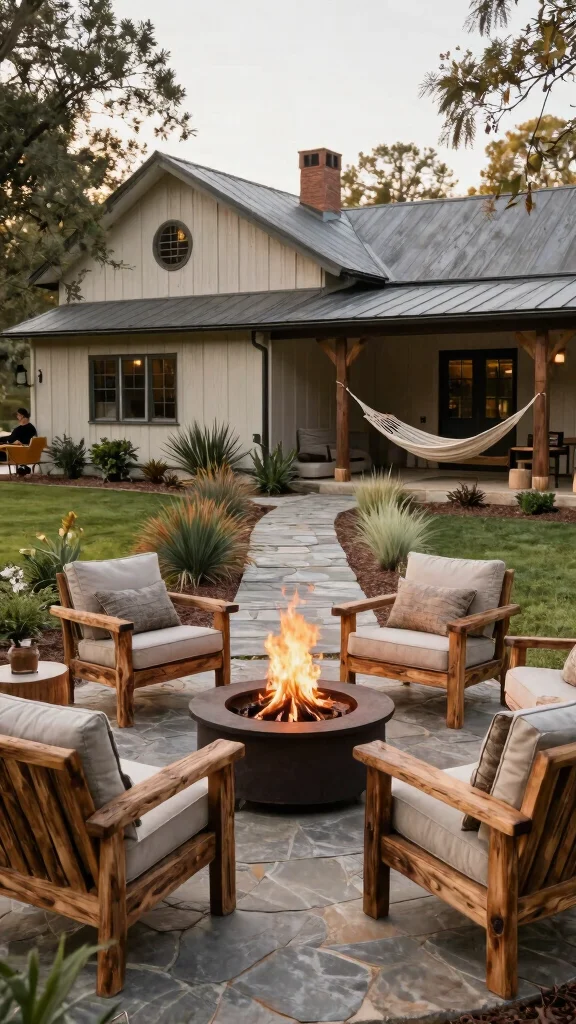
Designing separate outdoor areas can transform your ranch into a personal retreat. Envision spaces for morning coffee, lively gatherings, or peaceful reading nooks. By using natural materials like stone and wood, you can define these areas while ensuring they harmonize with the landscape.
Think about adding inviting features that enhance each space.
Consider incorporating:
– Sitting areas with rustic furniture made from reclaimed wood.
– Fire pits with comfortable seating for evening gatherings.
– Garden paths lined with native plants to guide guests.
Creating distinct zones enhances your outdoor experience and adds character to your ranch design.
Create Zones for Outdoor Living Spaces
Editor’s Choice

Arcadia Garden Products Set of 4, 16×17” Dark Gray Stepping Stone Fibe…

VINGLI Rustic Wooden Wheel Bench Outdoor Bench, Patio Bench Wagon Slatte…

Sunnydaze Rustic Affinity 24-Inch Fire Pit – Outdoor Wood-Burning Fire P…
3. Incorporate Rock Gardens for Texture and Interest

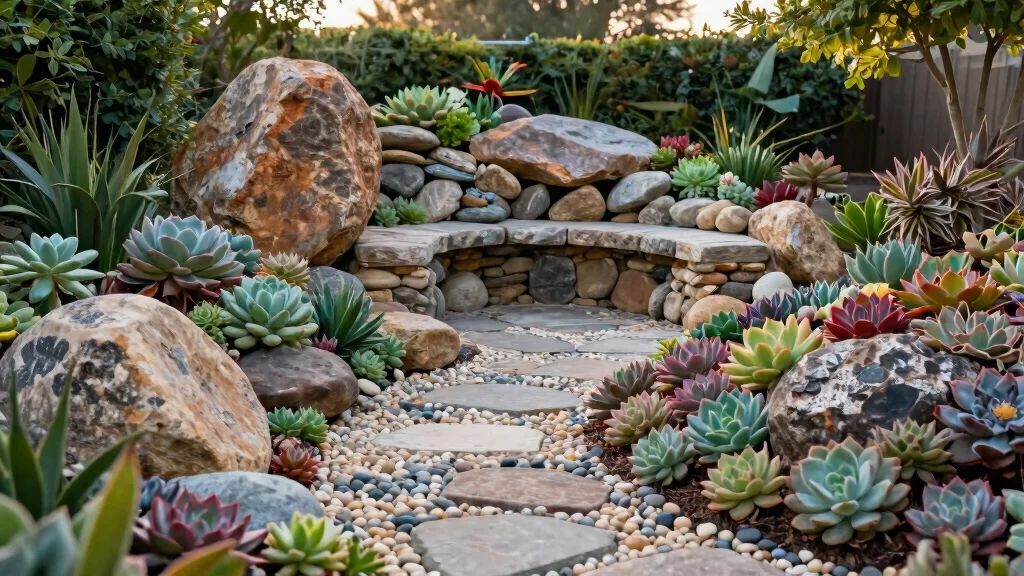
Rock gardens offer a stunning way to enhance your ranch landscaping with texture and visual appeal. They can be placed on slopes or flat areas, serving as a lovely backdrop for native plants. By using local stones, you not only boost the natural look but also reduce environmental impact.
The key to a successful rock garden lies in thoughtful planning.
Focus on:
– Choosing the right plants – Opt for drought-tolerant natives that flourish in rocky soil.
– Layering stones – Mix sizes and shapes for depth and interest.
– Incorporating pathways – Allow visitors to explore freely.
This combination of rocks and plants creates a striking landscape while supporting local biodiversity.
Fun fact: Rock gardens can slash irrigation by up to 50% when paired with drought-tolerant natives. Start with local stones for a natural ranch house landscaping backdrop, plan beds thoughtfully, and choose plants that thrive in rocky soil.
📹 Related Video: How to Landscape with Rocks | How To Anything
Top Varieties for Different Conditions
1. Purple Coneflower (Echinacea purpurea)
– Best conditions: Thrives in hot, dry climates and well-drained soil. Great for sunny areas.
– Key features: This stunning native perennial attracts pollinators and is drought-tolerant, making it a resilient choice for ranch house landscaping.
– Considerations: Ensure it has space to spread, as it can take over smaller garden areas if not managed.
2. Western Redbud (Cercis occidentalis)
– Best conditions: Performs well in temperate climates with full sun to partial shade.
– Key features: Its beautiful pink blossoms in spring provide great visual appeal and support local wildlife.
– Considerations: Be aware that it prefers well-draining soil and can struggle in overly wet conditions.
3. Desert Marigold (Baileya multiradiata)
– Best conditions: Ideal for hot, dry areas and rocky soils; thrives with little water.
– Key features: This vibrant yellow flower is striking and requires minimal maintenance, making it perfect for low-water landscapes.
– Considerations: It may not survive in humid climates, so ensure you’re in a suitable environment.
4. Switchgrass (Panicum virgatum)
– Best conditions: Works well in a variety of soils, from sandy to clay, and can tolerate wet conditions.
– Key features: This ornamental grass is not only beautiful but also helps with soil erosion and provides habitat for wildlife.
– Considerations: While it’s hardy, it can grow tall (up to 6 feet), which might not be suited for all garden designs.
5. Milkweed (Asclepias spp.)
– Best conditions: Thrives in sunny areas with well-draining soil; works well in most climates.
– Key features: Known for attracting monarch butterflies, milkweed is a fantastic choice for ecological ranch gardens.
– Considerations: Some varieties can spread aggressively, so monitor their growth closely to avoid overcrowding.
6. Native Sunflower (Helianthus annuus)
– Best conditions: Prefers full sun and tolerates various soil types.
– Key features: These cheerful flowers are not only gorgeous but also support pollinators and birds.
– Considerations: Make sure you have enough space, as they can grow quite tall and may require staking in windy areas.
7. Blue Grama Grass (Bouteloua gracilis)
– Best conditions: Thrives in hot, dry conditions and is perfect for low-maintenance lawns.
– Key features: This native grass adds texture and movement to your garden while requiring minimal water and care.
– Considerations: It prefers well-drained soil and may not do well in overly damp areas.
Climate/Condition Guide:
When planning your ranch house landscaping, consider the climate of your area.
– Temperate: Choose a mix of perennials and trees that can handle moderate temperatures and varying conditions.
– Continental: Look for hardy species that can withstand temperature extremes and snow.
– Coastal: Select salt-tolerant plants that thrive in sandy soils and can handle windy conditions.
– Hot/Dry: Focus on drought-tolerant species that require minimal water.
– Humid: Opt for plants that can thrive in moisture-rich environments and are resistant to mold or pests.
Growing Tips:
– Water deeply but infrequently to encourage deep root growth.
– Mulch around your plants to retain moisture and suppress weeds.
– Group plants with similar water and sunlight needs for more effective care.
Avoid:
– Don’t plant species that are non-native, as they can outcompete local flora.
– Avoid overwatering your plants, which can lead to root rot and other issues.
Incorporate Rock Gardens for Texture and Interest
Editor’s Choice

FANTIAN 20 lbs Natural River Rocks Mexican Beach Pebbles, 2-3 Inch Decor…
Wildflower Seeds Bulk Mix – 10,000+ Perennial & Annual Seeds – Texas, Ca…
4. Sustainable Water Features for Wildlife

Adding sustainable water features elevates the ecological value of your ranch landscaping. These elements provide aesthetic appeal and create habitats for local wildlife. Options like natural ponds and birdbaths can utilize rainwater, enhancing sustainability.
When designing your water feature, consider its ecological benefits.
Look into:
– Natural filtration systems – Employ native plants to keep water clean.
– Diverse habitat creation – Include shallow areas for birds and deeper spots for frogs.
– Integrating native plants – Surround water with vegetation for a cohesive look.
These features not only encourage biodiversity but also create a peaceful outdoor space for relaxation.
Sustainable Water Features for Wildlife
Editor’s Choice

TotalPond Complete Pond Filter with UV Clarifier Black 15.16 x 9.06 x 13…

Mellbree Bird Bath Copper Disk, 0.6mm Reinforced 99.99% Pure Copper Clea…

Collapsible Rain Barrel, Portable Rain Water Collection System Kit, 53 G…
5. Pathways that Connect and Enhance
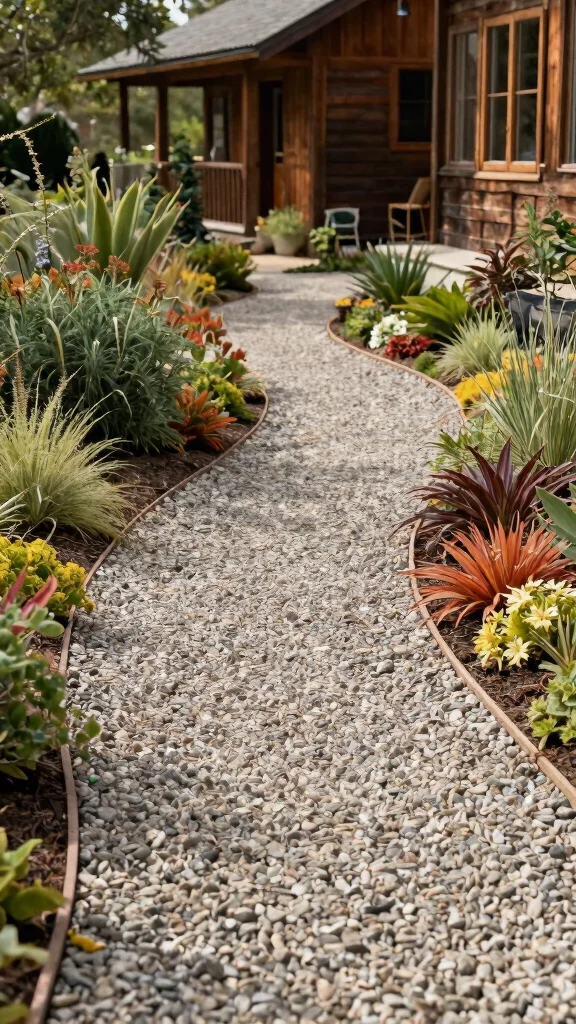
Pathways are essential in ranch landscaping, providing practical routes while enhancing beauty. Opt for natural materials like gravel and stone to create inviting walkways that blend seamlessly into the surroundings.
Consider these design tips for effective pathways.
Implement:
– Curved paths – Choose gentle curves for a more natural feel.
– Native plant borders – Line pathways with local plants for added beauty.
– Path lighting – Use subtle lighting for safety and ambiance.
Thoughtfully designed pathways invite exploration and make your ranch feel welcoming.
Fun fact: Curved pathways with native plant borders can boost how the ranch house landscaping feels by blending naturally into the landscape. Use gravel or stone for a natural feel, and your paths become inviting, practical routes that honor the land.
You might also like

Pathways that Connect and Enhance
Editor’s Choice

FANTIAN 20 lbs Large River Rocks for Outdoor Landscaping, 3-4 Inch Decor…

40 LBS Grey Pea Gravel – Landscape Rocks – Drainage Rock – Gardening – A…

Western Home Landscaping, Second Edition: 42 Landscape Designs, 300+ Pla…
6. Eco-Friendly Edible Landscapes
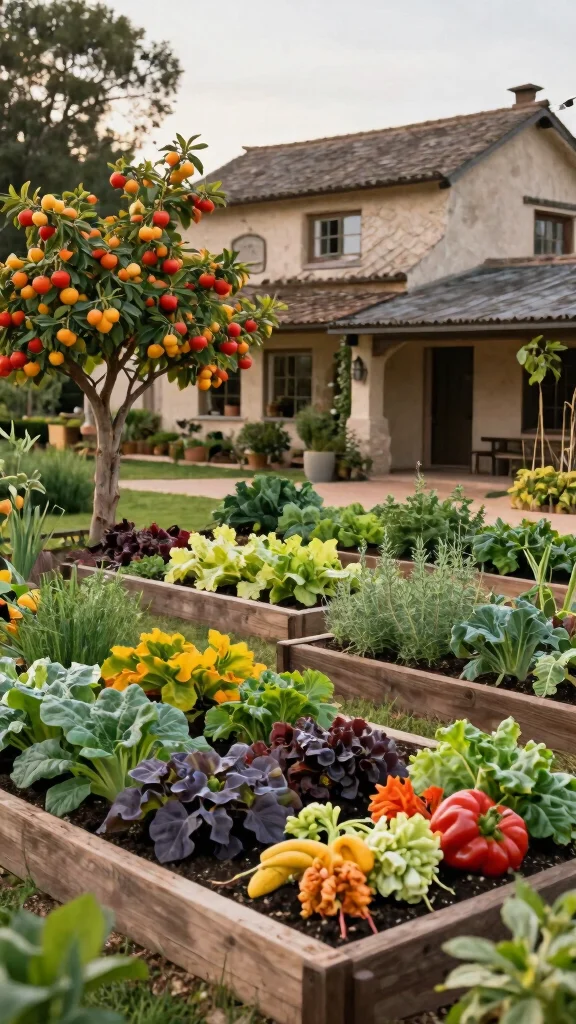
Why not merge beauty with functionality through eco-friendly edible landscapes? Incorporating fruit trees and herb gardens not only beautifies your ranch but also promotes sustainability.
Start by focusing on plants that thrive in your local environment.
Consider:
– Choosing native or adapted edible plants – They require less care and water.
– Creating raised beds – These help with soil management.
– Incorporating companion planting – This technique boosts growth and naturally reduces pests.
Enjoy fresh produce while supporting local ecology and embracing sustainable living.
Eco-Friendly Edible Landscapes
Editor’s Choice

EPICA Countertop Compost Bin Kitchen | 1.3 Gallon | Odorless Composting …

Earthwise Shady Native Wildflower Seed – Organic Native Blooms for Sha…

Meberam 2 Pack 6x3x1FT Galvanized Raised Garden Beds Kit Outdoor Metal G…
7. Support Local Wildlife with Native Habitats

Creating habitats for local wildlife is vital for sustainable ranch landscaping. You can attract pollinators and beneficial insects by designing spaces that cater to their needs.
Implement strategies that foster diverse ecosystems.
Try:
– Planting diverse native species – Offer a variety of food sources and nesting spots.
– Creating bee hotels – Provide homes for solitary bees crucial for pollination.
– Incorporating brush piles – These offer shelter for small mammals and insects.
Supporting local wildlife enriches biodiversity and creates a lively landscape that connects you to nature.
Support Local Wildlife with Native Habitats
Editor’s Choice
Wildflower Seeds Bulk Mix – 10,000+ Perennial & Annual Seeds – Texas, Ca…
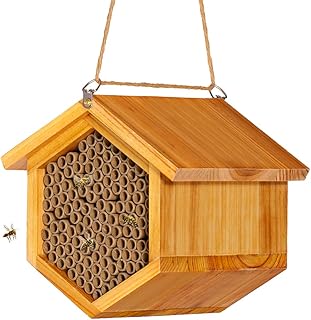
Mason Bee House Wax Coated Bee Hotel, Pollinator House Waterproof, Natur…

Native Plant Gardening for Birds, Bees & Butterflies: Northeast (Nature-…
8. Sustainable Mulching for Healthier Soil
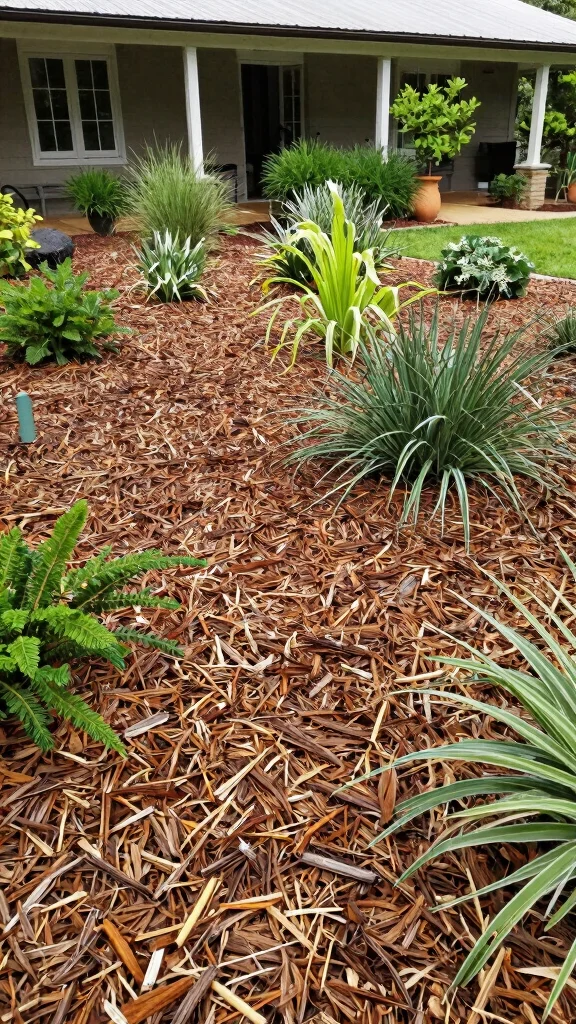
Mulching is a straightforward yet effective way to maintain healthy soil while enhancing your ranch garden’s beauty. Using organic materials like shredded bark and compost can improve soil quality and retain moisture.
Maximize the benefits of mulching with these tips.
Focus on:
– Choosing native materials – This connects your garden to its roots.
– Applying a thick layer – Aim for 2-4 inches for optimal results.
– Renewing regularly – Add more mulch as it decomposes.
A well-mulched garden looks great and promotes plant health and landscape vitality.
You Might Also Like


Sustainable Mulching for Healthier Soil
Editor’s Choice

XLUX Long Probe Deep Use Soil Moisture Meter, Water Monitor Indicator Se…

Native Wildflower Seeds for Planting 24 Variety Pack – Perennial & Ann…

Soil Sunrise 100% Natural Pine Bark Mulch Nuggets (12 Quarts) Small Chip…
9. Seasonal Interest with Native Perennials

Integrating native perennials into your landscape ensures your ranch remains beautiful throughout the year. These plants offer seasonal changes in color and texture, keeping your outdoor space lively.
Here are some tips to effectively incorporate native perennials.
Consider:
– Choosing a mix – Select species that bloom at various times.
– Considering fall foliage – Opt for perennials that provide stunning colors in fall.
– Grouping by height and color – Create layers for a dynamic look.
By focusing on native perennials, you cultivate a sustainable landscape that delights the senses and supports local wildlife.
Seasonal Interest with Native Perennials
Editor’s Choice
Back to the Roots 100% Organic Mulch, 58 Quart, Expanding Coconut Husk B…
Native Wildflower Seeds for Planting 24 Variety Pack – Perennial & Ann…
Conclusion

Creating a sustainable ranch house landscape that honors the land is a rewarding endeavor. By incorporating native plants, thoughtful designs, and eco-friendly practices, you not only enhance your outdoor living space but also contribute to the health of the local ecosystem.
Embracing these landscaping ideas ensures that your ranch looks intentional and vibrant throughout the seasons, fostering a deeper connection to the land we cherish.
Note: We aim to provide accurate product links, but some may occasionally expire or become unavailable. If this happens, please search directly on Amazon for the product or a suitable alternative.
This post contains Amazon affiliate links, meaning we may earn a small commission if you purchase through our links, at no extra cost to you.
Frequently Asked Questions
What are the core elements of ranch house landscaping that honor the land?
A thoughtful ranch house landscaping plan starts with a site-first mindset. Begin with a thorough assessment of soil, drainage, sun exposure, and water needs, then set goals that align with sustainable landscaping and habitat health. Choose a mix of native plants for ranches and drought-tolerant ornamentals, grouping them by water needs to support ecological landscaping solutions. Create intentional zones around the house—front yard, pollinator patches, and a back area that flows into outdoor living spaces—using permeable paths and durable materials. End with a simple maintenance plan to keep every acre looking intentional.
Which native plants for ranches perform best, and how can I restore them on my land?
For most ranch settings, prioritize 4-6 reliable natives—grasses, wildflowers, and shrubs that thrive with seasonal rainfall. Check your local extension for a recommended list of native plants for ranches suited to your soil and climate. Start restoration by removing invasives, improving soil with compost, and planting in blocks to establish habitat patches. Water deeply during establishment, mulch to suppress weeds, and group plants with similar water needs to support ranch garden design and ecological landscaping.
How can I design ranch garden design that looks intentional while staying sustainable?
Think in zones and layers. Create a cohesive palette of materials and native colors, then add focal points like a native tree that anchors your ranch house landscaping. Use outdoor living spaces like patios that blend with the landscape, and incorporate ecological landscaping solutions such as rain gardens or bioswales to manage runoff. Keep maintenance simple with mulch, drip irrigation, and selective pruning.
What are practical ways to create outdoor living spaces that blend with the landscape and support sustainability?
Start with function: plan how you move through the yard, where you sit, and where you cook. Design shade structures, durable materials, and windbreaks that fit the ranch aesthetic. Tie in outdoor living spaces with sustainable landscaping by using permeable pavers, native plant borders, and efficient irrigation (drip lines, smart controllers). For entertainment and wildlife, add a pollinator-friendly buffer and a fire pit area that uses low-emission fuels. The result is a space that feels intentional and eco-friendly.
How do I maintain ecological landscaping solutions on a ranch without sacrificing curb appeal?
Develop a simple seasonal maintenance plan: mow at a taller height to keep natives healthy, prune after flowering, and monitor for invasives. Use mulch to retain moisture and suppress weeds, and water with a schedule matched to plant needs to support sustainable landscaping. Keep a native plant patch as a focal point in your ranch garden design, and rotate cared-for areas to preserve habitat value for pollinators. With consistent attention, ecological landscaping solutions stay attractive year-round.
Related Topics
ranch house landscaping
sustainable landscaping
native plant restoration
ranch garden design
outdoor living spaces
ecological landscaping
easy maintenance
drought-tolerant plants
landscape design tips
wildlife-friendly gardens
permaculture principles
beginner gardening