
Wooded landscapes can be enchanting, offering a unique blend of serenity and natural beauty. If you’ve ever found yourself craving inspiration for your garden, you’re not alone. Many of us dream of transforming those shaded corners of our properties into lush, inviting spaces. That’s why I created this post—because I want to help you unlock the potential of your shaded garden areas, turning them into a picturesque retreat filled with life and color.
This guide is for anyone who loves gardening and is eager to embrace the beauty of their outdoor spaces. Whether you are a seasoned gardener or just starting out, if you have trees and shadows on your property, you’ll find these ideas incredibly useful. You’ll discover how to enhance your garden aesthetics, create cozy outdoor decor, and select the right plants that thrive in shade. With these ten creative landscaping ideas, you’ll learn how to work with the natural features of your property, making the most of what nature has to offer.
By the time you finish reading, you’ll have a treasure trove of practical tips and suggestions that can transform your wooded landscape. Each idea is designed to inspire you and guide you through the process, ensuring your garden is not just a patch of grass and trees but a beautiful extension of your home. Let’s dive into these amazing wooded landscaping ideas that will work harmoniously with every tree and shadow on your property.
Key Takeaways
– Embrace layered planting to create textural depth and visual interest, making full use of varied heights and textures.
– Design pathways that invite exploration through your shaded areas, encouraging movement and discovery in your garden.
– Incorporate rustic garden decor to enhance the natural charm of your outdoor space, adding personality and warmth.
– Consider shade-loving water features to create a calming atmosphere while attracting local wildlife.
– Experiment with shade-tolerant vegetables for edible gardening, allowing you to enjoy fresh produce right from your shaded areas.
1. Layered Planting for Textural Depth

Creating a layered planting scheme can truly transform your garden into a vibrant tapestry of colors and textures. By strategically positioning taller plants in the back and shorter ones in the front, you not only maximize space but also craft a lush, inviting atmosphere. Incorporate shade-loving perennials like hostas, astilbes, and ferns to bring rich textures and stunning colors to your shady corners.
To achieve success with layered planting, focus on varying the heights of your plants for a dynamic look. Mixing different foliage types adds depth and interest while selecting plants with contrasting colors enhances visual appeal. Don’t forget to think about seasonal changes; choose plants that bloom at different times to ensure beauty year-round.
Key steps for effective layered planting:
– Select plants of varying heights for visual dynamics.
– Mix foliage types for added texture and intrigue.
– Choose contrasting colors to elevate interest.
– Plan for seasonal blooms to maintain year-round beauty.
With the right plant choices, your shaded spaces can come alive, enriching the overall beauty of your wooded landscape.
Layering is the secret sauce of wooded landscaping: plant tall back rows and shorter front—suddenly shade becomes a stage for color, texture, and calm. Use shade-loving perennials like hostas and ferns to create depth you can walk into.
Layered Planting for Textural Depth
Editor’s Choice

Garden Tools Set, 3 Pack Heavy Duty Gardening Tools Set Include Garden S…

Back to the Roots 100% Organic Mulch, 58 Quart, Expanding Coconut Husk B…
2. Pathways That Invite Exploration
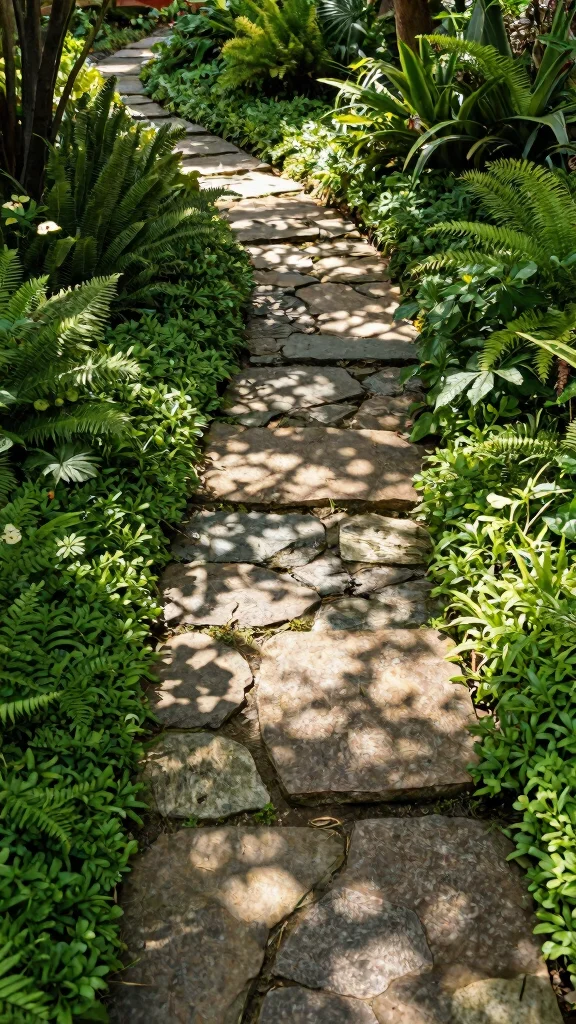
A winding pathway can turn your wooded area into a magical retreat, encouraging exploration and discovery. Using natural materials like stones or mulch, you can guide guests through your garden, making each turn an adventure. These paths not only enhance aesthetics but also serve practical purposes, leading to seating areas or other features.
When designing beautiful pathways, consider using larger stones for a rustic charm or smaller pebbles for a refined look. Edging the pathways with flowering plants adds a splash of color and softness. You can also incorporate stepping stones among ground covers for a playful touch and create curves for a more organic flow.
Ideas for creating inviting pathways:
– Choose larger stones for a rustic pathway appearance.
– Add flowering plants along the edges for color.
– Use stepping stones among ground cover for fun.
– Design curves for a natural, organic feel.
A thoughtfully designed pathway invites exploration and enhances the charm of your shaded garden.
Pathways That Invite Exploration
Editor’s Choice

Sekcen 3 Pack Rubber Stepping Stones Outdoor Garden Rubber Pavers Pathwa…
Back to the Roots 100% Organic Mulch, 58 Quart, Expanding Coconut Husk B…

EasyFlex No-Dig Landscape Edging with Anchoring Spikes, 2.7 in Tall Deco…
3. Incorporate Rustic Garden Decor

Rustic decor can beautifully complement your wooded landscape, adding personal flair while respecting nature’s beauty. Think about including wooden benches, trellises, or charming birdhouses that harmonize with the surroundings. Using reclaimed materials not only supports sustainability but also brings a narrative to your garden.
Consider these decor ideas to enhance your space: wooden benches carved from logs placed in serene corners, trellises adorned with climbing plants like clematis, and birdhouses painted in earthy tones to attract wildlife. Natural sculptures or stone figurines can infuse artistic charm without overpowering the landscape.
Creative rustic decor suggestions:
– Place log benches in quiet garden corners.
– Use trellises for climbing shade plants like clematis.
– Paint birdhouses in earthy shades for wildlife attraction.
– Add stone sculptures for an artistic touch.
By thoughtfully integrating decor, you add character to your garden while preserving the understated beauty of the trees.
Incorporate Rustic Garden Decor
Editor’s Choice

HOKYHOKY Reclaimed Solid Wood Bench-43.3″ Farmhouse Entryway Bench with …

Birdfy Smart Bird House with Cameras 2025 New Version,1080P Dual-Cam, Re…
2 Pack 30 Inch Taller Plant Trellis for Potted Climbing Plants Indoor,Ex…
4. Create a Shade-Loving Water Feature

Adding a water feature can introduce a calming essence to your wooded landscape, creating a serene focal point. A small pond or a bubbling fountain not only enhances the visual appeal but also nurtures aquatic life. The gentle sound of water fosters a tranquil atmosphere that beautifully complements the shade provided by trees.
When planning your water feature, choose a design that suits your garden’s scale; small ponds or fountains fit well in compact spaces. Surround the feature with moisture-loving plants like Japanese irises for a lush feel. Integrating stones can create a natural look, and positioning the feature near seating areas maximizes enjoyment.
Essential elements for your water feature:
– Pick a design fitting for your garden’s size.
– Surround with moisture-loving plants like irises.
– Use stones for a natural, integrated appearance.
– Position near seating for enhanced enjoyment.
A well-placed water feature not only heightens the tranquility of your shady retreat but also provides a perfect relaxation spot.
📹 Related Video: 6 Ideas for Miniature Gardens With Water Features 🌿💦
Create a Shade-Loving Water Feature
Editor’s Choice

Artificial Lotus Flowers Water Lilies for Pond Pool, 10 Pcs Realistic Fl…

ToLanbbt Pond Liner 7 x 10 Ft, 20 Mil HDPE UV Resistant Preformed Pond L…

Teamson Home 33.25 in. Cascading Bowls and Stacked Stones LED Outdoor Wa…
5. Harness the Power of Colorful Foliage

Infusing colorful foliage into your garden can breathe life into even the shadiest spots. Incorporating diverse plants with various leaf colors creates visual excitement and invites warmth into your landscape. Consider plants like Japanese maples, which showcase stunning reds and golds.
To maximize color in shaded areas, mix evergreen and deciduous plants for year-round beauty. Select plants that shift colors with the seasons for dynamic aesthetics, and combine different leaf shapes and sizes for a layered look. Don’t forget to include flowering plants that thrive in the shade to add splashes of color amidst the greenery.
Tips for maximizing color in your shaded garden:
– Combine evergreen and deciduous plants for year-round interest.
– Choose plants that change colors with seasons for variety.
– Mix leaf shapes and sizes for depth.
– Add flowering plants for vibrant bursts of color.
Colorful foliage can beautifully contrast the deep greens of your wooded landscape, enhancing its charm throughout the year.
You might also like


Harness the Power of Colorful Foliage
Editor’s Choice

2 Pack 43.3″/3.6FT Artificial Tree with Camellia Flowers Fake Tree with …

200+ Hosta Seeds – Premium Plantain Lily Perennial Seeds for Shady Garde…

Blue Rug Juniper Wiltonii | 20 Live Plants | Juniperus Horizontalis | Cr…
6. Shade Tolerant Vegetables for Edible Gardening

Don’t let shaded areas stop your gardening dreams. Many vegetables thrive in partial shade, allowing you to cultivate a productive garden under the trees. Leafy greens, radishes, and certain herbs can flourish beautifully without direct sunlight.
Consider these shade-loving vegetables: leafy greens such as spinach and kale, which thrive in cooler conditions, root vegetables like beets and carrots that can handle some shade, and herbs like mint, parsley, and chives that thrive in limited sunlight. If space is tight, container gardening offers flexibility in placement, even in shaded spots.
Popular shade-friendly vegetables to grow:
– Spinach and kale for leafy greens in cooler areas.
– Beets and carrots for root vegetables thriving in shade.
– Mint, parsley, and chives for flavorful herbs.
– Use containers for flexible gardening options.
With creativity, you can blend edible plants into your landscape, crafting a functional space that enhances your wooded design.
Did you know 3–4 hours of dappled shade can yield a thriving harvest? Leafy greens like spinach and kale flourish in wooded landscaping under partial sun, while radishes and herbs thrive in cooler, indirect light—proving shade gardening can be productive and delicious.
How To Choose Shade Plants for Your Wooded Landscaping
Choosing the right shade plants for your wooded landscaping can enhance your outdoor space significantly. The right plants not only thrive in low light but also complement the existing trees and shadows on your property. Here are essential criteria to consider when selecting shade plants:
1. Understand Light Conditions
Before making any choices, assess the light levels in your shaded areas. Some areas might receive dappled sunlight, while others may be completely shaded. Use a light meter or observe how sunlight moves through your space during the day. This will help you choose plants that will thrive in their specific conditions.
2. Consider Soil Type
Different plants require different soil conditions. Test your soil to see if it’s sandy, clay, or loamy. You may also want to check the pH level. Some shade plants prefer acidic soil, while others thrive in alkaline conditions. Amend the soil if necessary to create the best environment for your chosen plants.
3. Evaluate Plant Height and Spread
When selecting plants, consider how tall and wide they will grow. If you have low-growing plants under taller trees, it can create a beautiful layered look. However, be mindful of spacing; crowded plants can lead to competition for nutrients and water. Make sure to follow the recommended spacing guidelines on plant labels.
4. Choose for Seasonal Interest
Opt for plants that provide year-round appeal. Some shade plants bloom in spring, while others have colorful foliage in the fall. Selecting a variety of plants that change with the seasons will keep your garden visually interesting. Mixing textures and colors can also create a dynamic landscape.
5. Focus on Maintenance Needs
Different plants come with varying maintenance requirements. Some may need regular pruning, while others may be more self-sufficient. Think about how much time you can devote to caring for your garden. Choose a mix of low-maintenance plants for ease, especially if you have a busy schedule.
6. Select for Wildlife Attraction
If you want to attract birds, butterflies, or beneficial insects, look for native shade plants. These plants are often better suited to local wildlife needs. Incorporating a variety of flora can create a thriving ecosystem in your wooded landscape that supports various creatures.
Pro Tip: When in doubt, visit a local nursery and ask for advice on shade plants that thrive in your specific area. Local experts can offer insight into plant varieties that work best with your soil and climate conditions. Plus, you may discover unique options that you hadn’t considered before!
By following these criteria, you can create a lush and inviting shade garden that complements the natural beauty of your wooded landscape. Enjoy the process and watch your garden flourish!
Shade Tolerant Vegetables for Edible Gardening
Editor’s Choice

MJZ 2 Pack Plant Shade Tent, Plant Shades for Outdoor Plants, UV Resisit…
7. Build a Cozy Outdoor Gathering Spot
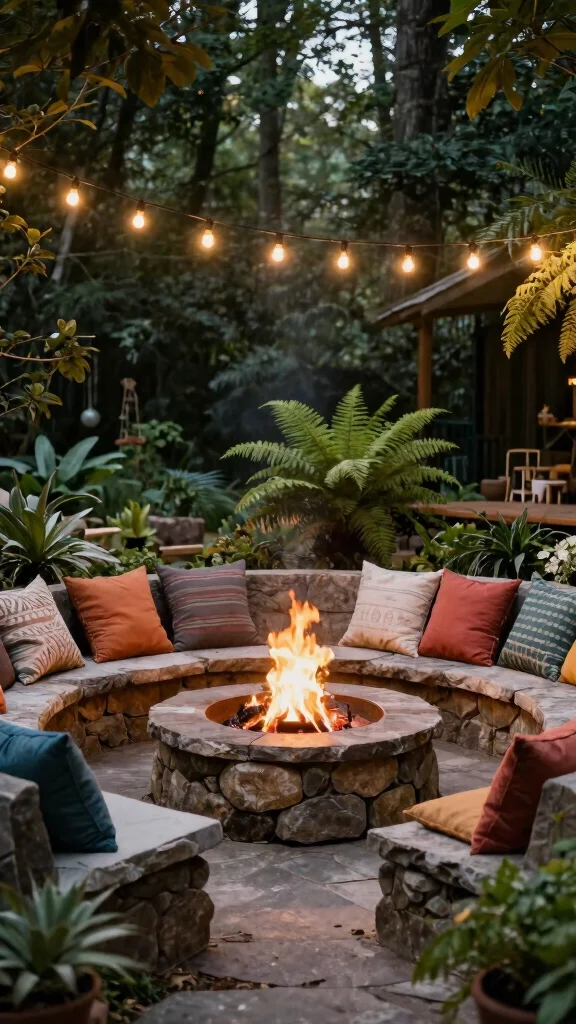
Designing a cozy outdoor gathering space invites relaxation and connection within your wooded landscape. A fire pit surrounded by comfortable seating sets the stage for memorable moments with family and friends. Incorporating natural elements enhances the ambiance, making the area warm and inviting.
For your outdoor gathering spot, consider using natural stone or bricks to create a rustic fire pit. Add comfortable seating options like wooden benches or stylish outdoor chairs. Surround your space with soft lighting, such as string lights or lanterns, to create a magical atmosphere at night. Use outdoor cushions and rugs to elevate comfort and style.
Elements for your cozy gathering area:
– Build a rustic fire pit with natural stones or bricks.
– Incorporate comfy seating like wooden benches.
– Use string lights or lanterns for soft evening glow.
– Add cushions and rugs for comfort and style.
A well-planned outdoor gathering space fosters lasting memories amidst the beauty of your wooded garden.
Build a Cozy Outdoor Gathering Spot
Editor’s Choice

Flamaker 3 Pieces Outdoor Patio Wicker Furniture Set, Modern Rattan Chai…

addlon 100FT Outdoor String Lights G40 with Remote, 54 LED Shatterproof …

Heavy Duty 32” Long Fireplace Fire Pit Campfire Poker Stick and 26” …
8. Create Layered Canopies with Climbing Plants

Climbing plants can create stunning layered canopies in your wooded landscape, adding depth and beauty to vertical spaces. These plants can cover unsightly structures, enhance greenery, and introduce dynamic shapes and textures. Vines like wisteria or climbing roses can provide enchanting blooms and delightful fragrances.
To effectively incorporate climbing plants, install trellises or arches to encourage upward growth and define spaces. Choose plants that bloom at different times to ensure continuous beauty. Be mindful of sunlight conditions when selecting climbing plants to match the shade in your area. Adding lighting can highlight these plants at night, adding a magical touch.
Tips for using climbing plants:
– Install trellises to support upward growth.
– Select plants that bloom at various times for year-round appeal.
– Choose shade-appropriate plants for your environment.
– Add lighting to showcase climbing plants at night.
Climbing plants can elevate your wooded space, bringing layers of beauty and enchanting scents to your garden.
Fun fact: In wooded landscaping, climbing plants can cover a trellis in as little as 12–18 months, creating layered canopies that transform vertical space. Start with arches and trellises to guide growth and enjoy blooms from spring to fall.
You Might Also Like
Create Layered Canopies with Climbing Plants
Editor’s Choice

50+ Dark Red Morning Glory Seeds Climbing Vine Flowers Garden Planting

Wooden Raised Garden Bed with Trellis, 40″ Outdoor Planter Box for Climb…

Garden Arch Trellis for Climbing Plants Outdoor Wedding Arches for Cerem…
9. Mulching for Beauty and Functionality
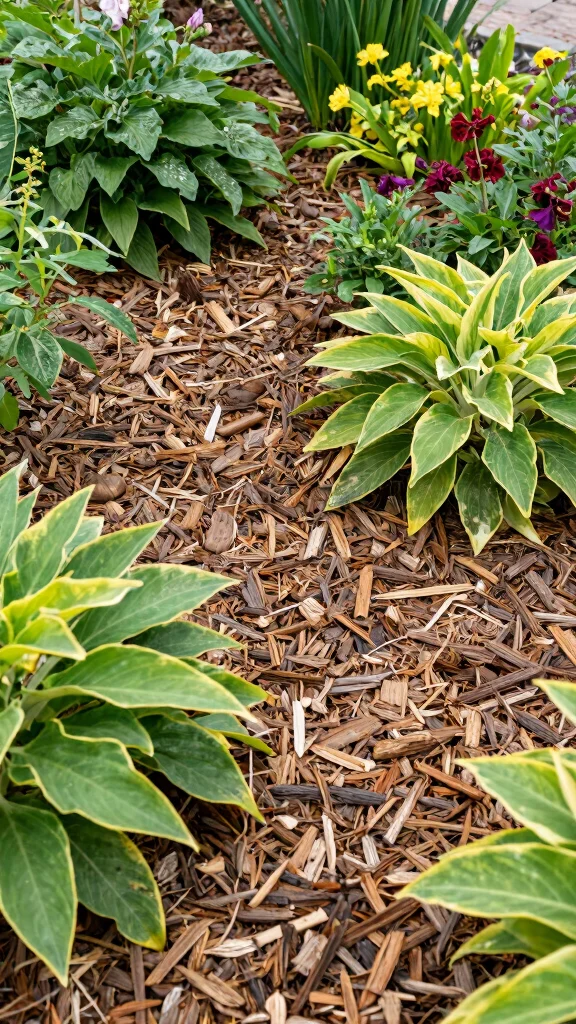
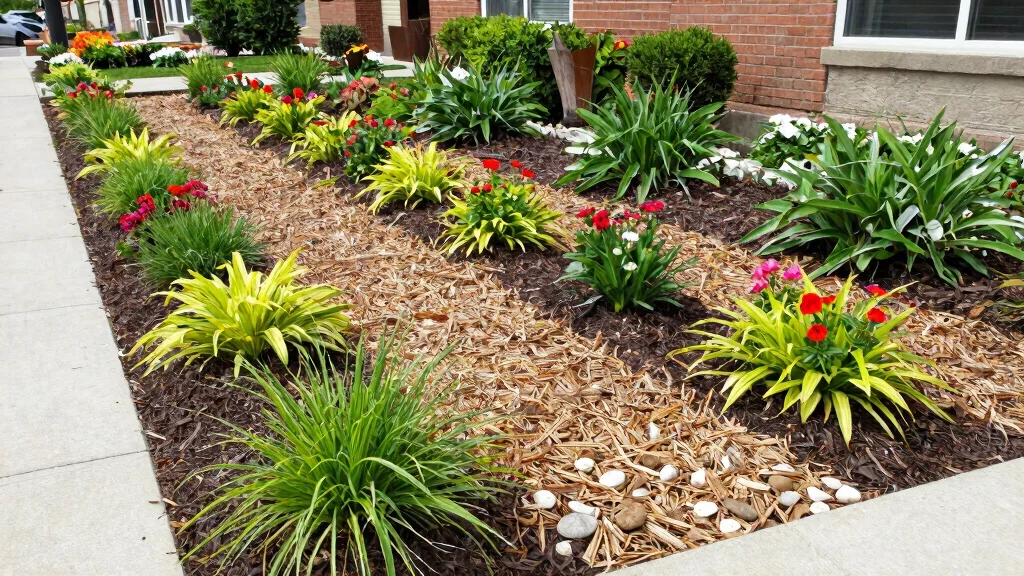
Mulch offers incredible benefits to your shaded garden, combining beauty and practicality. It helps retain moisture, suppresses weeds, and improves soil quality. Choosing organic mulches like wood chips or shredded bark blends seamlessly with natural surroundings, enhancing your garden’s aesthetic.
For effective mulching, apply a 2-3 inch layer to efficiently retain moisture and curb weed growth. Select colors that complement your plants and the atmosphere you wish to create. Regularly replenishing mulch maintains its appearance and effectiveness, while using it as a decorative feature can create patterns or borders around plants.
Effective mulching tips:
– Apply a 2-3 inch layer for moisture retention.
– Select colors that match your garden’s vibe.
– Regularly refresh mulch for continued effectiveness.
– Use mulch creatively for decorative patterns.
Thoughtful mulching not only polishes your garden’s look but also supports its thriving in a shaded environment.
Mulching for Beauty and Functionality
Editor’s Choice

Soil Sunrise 100% Natural Pine Bark Mulch Nuggets (12 Quarts) Small Chip…

BARAYSTUS Rotary Cultivator Garden Rotary Tiller Adjustable Stainless St…

AVALUTION Orchid Potting Bark-3QT Organic Orchid Bark for Plants, All Na…
10. Embrace Natural Edges

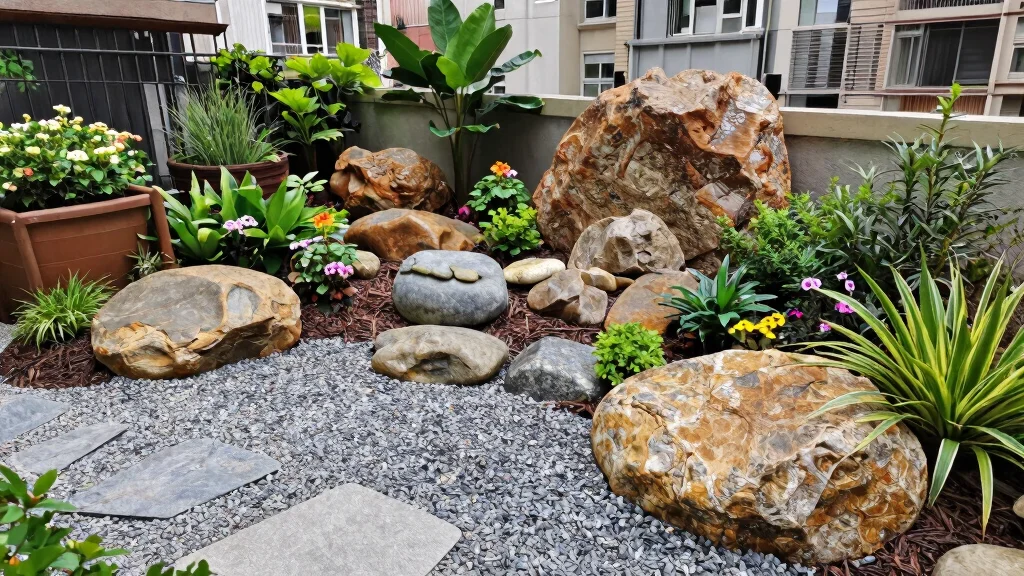
Natural edges can enhance your wooded landscape by creating a more organic and inviting feel. Instead of harsh borders, consider using stones, logs, or plants that flow naturally into the environment. This approach fosters a soft and welcoming look while allowing your garden to harmonize with its surroundings.
To create natural edging, use stones or logs to define garden beds without rigid lines. Incorporating native plants helps transition seamlessly between the garden and surrounding woods. Allowing grass or ground cover to spill over edges creates a soft, whimsical effect, while maintaining curves enhances the organic character of your garden.
Ideas for creating natural edges:
– Use stones or logs for gentle garden bed definitions.
– Incorporate native plants for seamless transitions.
– Allow ground cover to spill over for a whimsical touch.
– Maintain curves for a natural flow in your garden.
By embracing natural edges, you cultivate a garden that feels like a graceful extension of the surrounding woods.
Embrace Natural Edges
Editor’s Choice

Wildflower Seeds Bulk Mix – 10,000+ Perennial & Annual Seeds – Texas, Ca…

🌳 Large Hollow Log Planter. Outdoor Garden, Yard & Porch Pot. Tall Tr…
EasyFlex No-Dig Landscape Edging with Anchoring Spikes, 2.7 in Tall Deco…
Conclusion

Transforming your wooded landscape into an enchanting garden is all about blending the natural beauty of trees and shade with your creative vision. From colorful foliage and cozy gathering spots to stylish outdoor decor, every element comes together to create a serene outdoor retreat.
Whether you choose to layer plants, add rustic features, or embrace natural edges, remember that your garden should reflect your personality and style. Embrace the beauty of shade gardening and let your property shine with life and color!
Note: We aim to provide accurate product links, but some may occasionally expire or become unavailable. If this happens, please search directly on Amazon for the product or a suitable alternative.
This post contains Amazon affiliate links, meaning we may earn a small commission if you purchase through our links, at no extra cost to you.
Frequently Asked Questions
What exactly is wooded landscaping and why is shade gardening important in a wooded yard?
Wooded landscaping is designing your yard to work with existing trees, shadows, and natural textures rather than fighting them. In a wooded yard, shade gardening helps you choose plants that thrive in dappled light, enhances garden aesthetics, and protects roots and soil from compaction.
Think of it as applying landscape design principles to a living canopy: map sun pockets, plan paths that weave through the trees, and create focal points like a shaded seating nook or a leafy border.
How can I plan tree placement and plant choices to optimize shade while keeping the yard visually open?
Start by surveying the sun over a full day and noting where light filters through the canopy. Choose a mix of shade-tolerant perennials and groundcovers that brighten the space without competing with mature trees.
Space plants to respect root zones, keep walkways accessible, and use contrast textures (ferns with broadleaf hostas, or grasses alongside glossy ivy) to preserve garden aesthetics while maintaining airflow.
What are some reliable shade-tolerant plants for wooded landscapes and how should I group them for best garden aesthetics?
Great shade gardening relies on plants that thrive in lower light: hostas, ferns, astilbe, heuchera, and epimedium, plus woodland ornamentals like trilliums or bleeding hearts. Group them in drifts or layered borders to mimic natural understory and ensure year-round interest.
Combine taller textures with low groundcovers to keep the space feeling lush but not crowded, and amend soil with compost to improve moisture retention under trees.
What outdoor decor and landscape design ideas work best in a wooded space?
Embrace natural materials: wood mulch, stone stepping stones, and rustic seating that blends with the canopy. Add subtle garden aesthetics through color accents with shade-tolerant blooms, decorative planters at clearings, and soft solar lighting for evening charm.
Keep decor lightweight and close to the ground to avoid crowding tree roots, and use rain gardens or shallow swales to manage moisture without disturbing roots.
How can I maintain a healthy understory in wooded landscaping through the seasons?
Maintenance starts with light soil care and regular mulching to preserve moisture around tree roots. Use a smart irrigation plan or soaker hoses to prevent dry spells where canopy blocks rain.
Prune selectively to maintain air circulation and viewlines, monitor for pests that love shady spots, and refresh compost annually to keep beds fertile without overcrowding the canopy.
Related Topics
wooded landscaping
shade gardening
landscape design
tree placement
garden aesthetics
outdoor decor
beginner friendly
nature inspired
seasonal planting
low maintenance
eco-friendly gardening
backyard oasis