
When you think about lakefront living, do you ever dream about stepping outside to a stunning view that takes your breath away? The beauty of nature is right at your doorstep, and with the right touch, your outdoor space can transform into a serene oasis. That’s why I created this guide to share some incredible lakefront landscaping ideas that will not only enhance your property but also harmonize with the surrounding environment.
If you’re a homeowner looking to create a picturesque outdoor space that’s eco-friendly and functional, this post is for you. You want a waterfront garden design that not only looks beautiful but also supports local ecosystems, and I totally get that. The ideas here are tailored for anyone who cherishes sustainable gardening, from seasoned green thumbs to those just starting their journey into lakeside plants and outdoor living spaces.
Within this article, you’ll discover nine unique lakefront landscaping ideas that will make your space shine. From incorporating native plants to creating inviting outdoor living areas, these tips will help you craft an aesthetically pleasing environment while also being kind to nature. Get ready to be inspired and turn your waterfront into a stunning visual delight that you can enjoy year-round!
Key Takeaways
– Native Plant Landscaping: Use local plants to attract wildlife and reduce maintenance while ensuring your garden thrives in its natural environment.
– Sustainable Pathways: Create eco-friendly pathways using materials like gravel or stone that blend with your landscape while allowing for easy access.
– Outdoor Living Spaces: Design comfortable seating areas to enjoy the scenic views, making your lakefront ideal for gatherings or quiet moments.
– Rain Gardens: Incorporate rain gardens to manage stormwater runoff, which will benefit local wildlife and keep your property beautiful during heavy rains.
– Seasonal Color: Choose plants that bloom at different times of the year to ensure your garden is always lively and full of color, providing stunning views no matter the season.
1. Native Plant Landscaping

Creating a sustainable landscape by using native plants is a smart choice for your lakeside retreat. These plants are perfectly suited to your local climate, which means they require less water and care. Imagine vibrant wildflowers and lush grasses that not only beautify your space but also attract butterflies and birds, enhancing the natural experience by the water.
To get started, research the native species that flourish near your lake. Group your plants by their watering needs for easier maintenance, and consider layering taller plants in the back for depth.
Key tips to implement:
– Discover local plants that thrive near water.
– Organize plants by their watering needs for simple care.
– Use taller plants in the back for a layered look.
This approach results in a lively garden that evolves with the seasons, supporting local wildlife and minimizing water usage.
Fun fact: Native plant landscaping can slash lakefront watering needs by up to 40-50% and still burst with wildflowers and grasses. That means less maintenance, more wildlife, and greener waterfront views—perfect for lakefront landscaping ideas.
Native Plant Landscaping
Editor’s Choice

Native Plants for Wildlife Habitat and Conservation Landscaping (Color P…

2. Sustainable Pathways
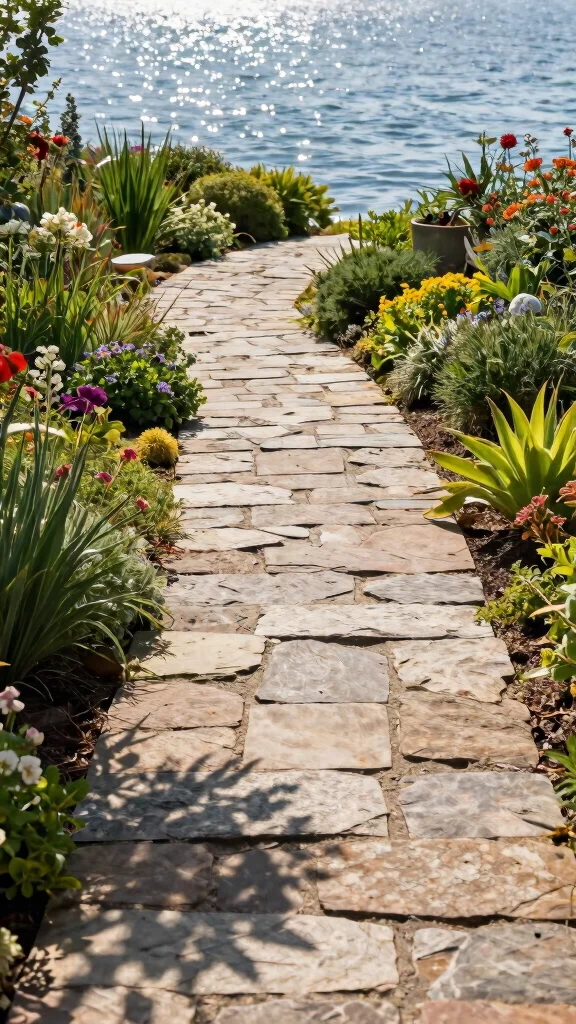
Pathways can enhance the beauty of your lakeside paradise while providing easy access. Choose sustainable materials like repurposed wood or natural stone to create walkways that seamlessly blend into the scenery. For instance, a winding stone path can guide guests through your garden, offering stunning views along the way.
When designing your pathways, consider using permeable materials that allow water to drain and nourish your plants. Softening the edges with low-growing flowers can also create a more inviting atmosphere.
Design ideas to explore:
– Create rustic paths with natural stone pavers.
– Use permeable materials for effective drainage.
– Line paths with flowers to soften the look.
This not only improves accessibility but also enhances the visual journey to the lake, making every step a delightful experience.
How To Choose The Right Plants for Your Lakefront Landscaping
When designing an eco-friendly waterfront garden, selecting the right plants is key. The plants you choose will not only beautify your space but also support local wildlife and enhance your scenic views. Here’s how to pick the best lakeside plants for your lakefront landscaping.
1. Know Your Zone
Understanding your USDA plant hardiness zone is crucial. This zone indicates which plants will thrive in your climate. Check local guidelines to see what zones are suitable for your area. This will help narrow down your choices to only those plants that can survive your local weather conditions.
2. Choose Native Species
Opting for native plants is a great way to ensure your garden supports local ecosystems. Native species require less water and maintenance since they are adapted to the local environment. They also provide food and shelter for local wildlife, creating a vibrant ecosystem right outside your door.
3. Consider Water Tolerance
Since you’re landscaping by a lake, water tolerance is important. Some plants thrive in wet conditions, while others prefer drier soils. Look for plants labeled as “wetland” or “moisture-loving” for areas near the water. Conversely, choose drought-tolerant plants for areas farther from the lake.
4. Plan for Height and Structure
When selecting plants, think about their mature height and structure. Taller plants can provide privacy and block wind, while lower-growing plants can add color and texture. Mix different heights for a dynamic look. This layering creates visual interest and enhances your scenic views from the water.
5. Assess Maintenance Requirements
Different plants require varying levels of care, including watering, pruning, and fertilizing. If you prefer a low-maintenance garden, choose hardy perennials and native species that require less upkeep. Make sure to understand how much time you’re willing to invest in maintaining your garden.
6. Think About Seasonal Interest
A beautiful lakeside garden should provide interest throughout the year. Choose plants that bloom at different times or have colorful foliage in various seasons. This way, your landscape remains appealing, whether in spring, summer, fall, or winter.
Pro Tip: Before making your final selections, visit local nurseries or botanical gardens to see how various plants look in your area. This firsthand experience can help you visualize how they will fit into your landscape and ensure you make the best choices for your lakefront garden.
By following these steps, you can create a stunning and sustainable lakefront landscape that complements both your home and the natural environment. Enjoy the beauty and tranquility of your waterfront space for years to come!
Sustainable Pathways
Editor’s Choice

Arcadia Garden Products Set of 4, 16×17” Dark Gray Stepping Stone Fibe…

Seed Needs Low Growing Wildflower Flower Seeds for Planting | 1 Ounce Mi…

Vodaland Permeable HexPave System – Grass & Gravel Pavers – 100% Recycle…
3. Outdoor Living Spaces
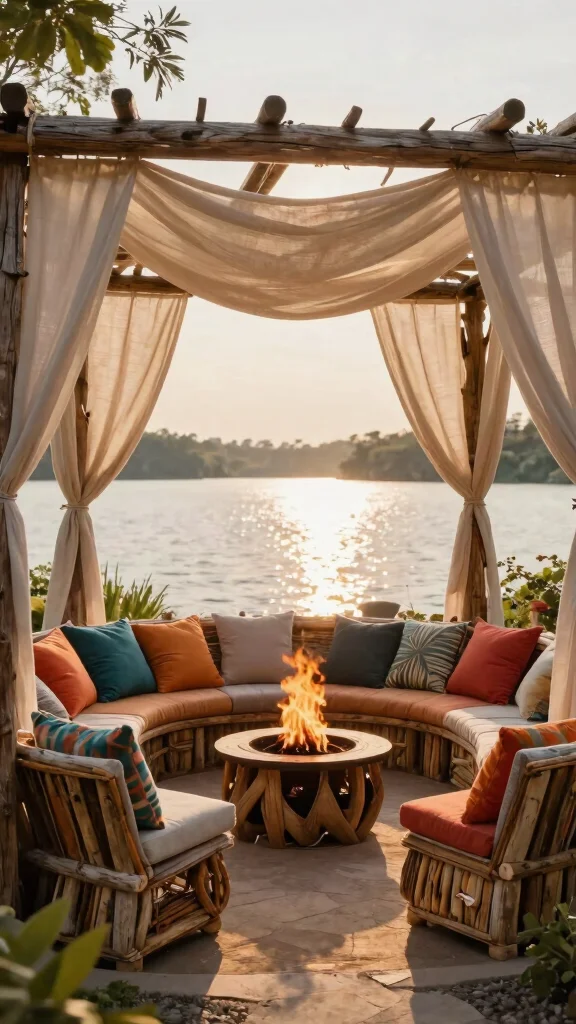
Transform your lakefront into a relaxing retreat with well-designed outdoor living spaces. Comfortable areas for sitting and enjoying the view are essential for any lakeside home. Consider adding a pergola or gazebo where you can dine outdoors while enjoying shade from the sun. Look for eco-friendly furniture made from recycled materials or sustainably sourced wood.
To enhance comfort, add cushions in water-resistant fabrics and consider incorporating fire pits for warmth during cooler evenings. Position seating to ensure breathtaking views of the lake.
Functional ideas to try:
– Add water-resistant cushions for comfort.
– Include fire pits for evening warmth.
– Face seating towards the lake for the best views.
These elements create a cozy atmosphere that encourages outdoor living while respecting the environment, allowing you to fully enjoy the stunning scenery.
Outdoor Living Spaces
Editor’s Choice

OutVue 36 Inch Fire Pit with 2 Grills, Wood Burning Fire Pits for Outsid…

5-Piece Acacia Wood Outdoor Furniture Set, All-Weather Conversational Ch…

Aoxun Replacement Cushions for Outdoor Furniture, 14-Piece Outdoor Cushi…
4. Rain Gardens

Rain gardens are a beautiful and effective way to manage stormwater while enhancing your landscape. Designed to absorb and filter rainwater, they help reduce pollution in the lake and support a healthy ecosystem. These gardens typically feature native plants that thrive in wet conditions, making them both functional and attractive.
To create a rain garden, consider placing it near the water’s edge to maximize its benefits. This garden will flourish while playing an important role in the health of your lakeside environment.
Key benefits to consider:
– Prevent flooding by absorbing excess rainwater.
– Provide habitat and food for local wildlife.
– Reduce shoreline erosion effectively.
By incorporating a rain garden, you not only enhance your landscape’s beauty but also contribute positively to the local ecosystem.
Rain Gardens
Editor’s Choice

DIY Guide to Ponds, Fountains, Rain Gardens & Water Features, Revised Ed…

Miracle-Gro Organic Outdoor Potting Mix – Plant Soil for Outdoor Contain…

Perennial Farm Juncus Effusus (Common Rush/Soft Rush) – Live Ornamenta…
5. Eco-Friendly Water Features
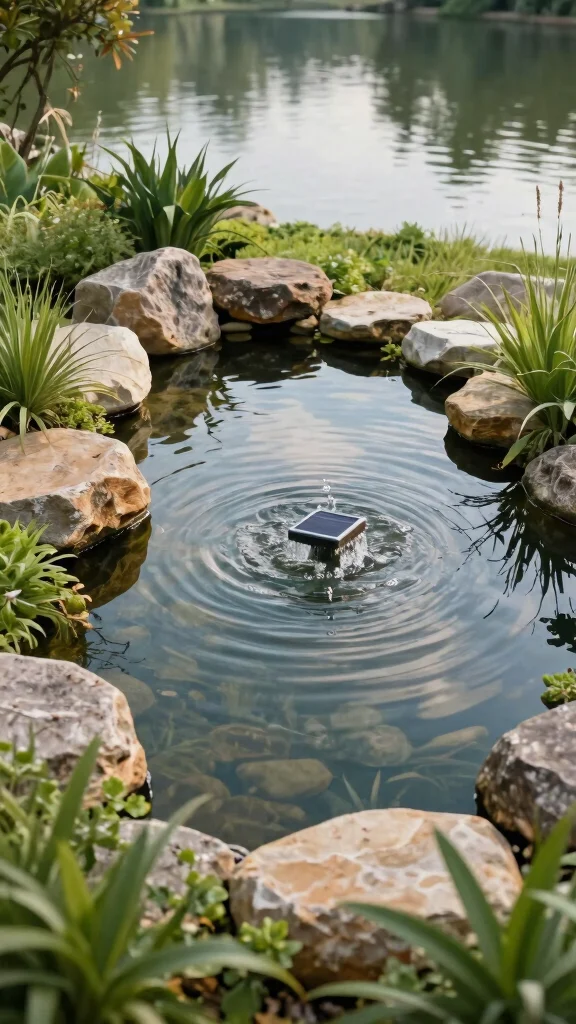
Adding water features like ponds or fountains can elevate your lakefront landscape while creating habitats for wildlife. Choose eco-friendly designs that utilize natural filtration systems or recirculate water to minimize waste. A pond surrounded by native plants can attract frogs, dragonflies, and birds, enriching the ecosystem right in your backyard.
When planning your water feature, consider using natural stones to create a waterfall that blends with the landscape. Solar-powered fountains provide an energy-efficient option as well. Surrounding these features with native plants enhances biodiversity.
Design suggestions to inspire you:
– Use natural stones for a seamless waterfall.
– Opt for solar-powered fountains for energy savings.
– Add native plants around water features for beauty.
These enhancements not only beautify your property but also support local wildlife, making your outdoor space a true haven for nature.
Lakefront landscaping ideas get real when you start with a simple pond and native plants. Build a solar-powered fountain, use natural stones, and recycle water—your backyard becomes a wildlife oasis that’s easy to maintain and incredibly rewarding.
📹 Related Video: DIY Budget Ecosystem Pond – Solo Build in 5 Days by Hand
You might also like


Eco-Friendly Water Features
Editor’s Choice

Wildflower Seeds Bulk Mix – 10,000+ Perennial & Annual Seeds – Texas, Ca…

Voulosimi Natural Slate Rocks PH Neutral Stone Perfect Rocks for Aquariu…

Solar Fountain Water Pump for Bird Bath, New Upgraded Mini Solar Powered…
6. Terraced Gardens

Terracing can turn a steep lakeside slope into a stunning and functional garden. By creating flat areas for planting, you can reduce erosion while maximizing space for flowers and vegetables. Design terraces with connecting steps or paths to enhance your views of the lake.
For an eco-conscious option, use retaining walls made from local stone or reclaimed wood. Mixing flowers, herbs, and vegetables across levels adds visual interest and utility. Include seating areas at various heights for different perspectives of the lake.
Design tips to implement:
– Build retaining walls with local stone or reclaimed wood.
– Plant a variety of flowers and vegetables for interest.
– Add seating at different heights for diverse views.
These gardens not only look beautiful but also allow effective use of space while preserving the natural landscape.
Terraced Gardens
Editor’s Choice

4 Pack Universal Retaining Wall Blocks with French Drain Pipe for Proper…

vidaXL Bench Multicolour Solid Reclaimed Wood Medium Durable

8.2ft Wooden Garden Pathway – Weather Resistant Carbonized Pine Roll Out…
7. Edible Landscaping

Turn your lakefront into a source of fresh produce with edible landscaping. Incorporating fruits, vegetables, and herbs not only beautifies your garden but also provides delicious, homegrown food. Consider planting berry bushes, fruit trees, or vegetable beds that thrive in your area.
To make gardening easier, use raised beds or containers. Pair companion plants that grow well together, like tomatoes and basil, for better yields. Edible flowers can add beauty and flavor to your garden too.
Practical ideas to explore:
– Use raised beds for easier gardening.
– Choose companion plants that thrive together.
– Add edible flowers for beauty and taste.
This approach promotes sustainability by reducing reliance on store-bought produce, connecting you with your environment.
❝Did you know edible landscaping can cut grocery runs on lakefront properties by up to 40%? Raised beds and containers set you up for easier harvests and eco-friendly yields that thrive with your scenic waterfront view—perfect for lakefront landscaping ideas.❞
Edible Landscaping
Editor’s Choice

Companion Planting for Beginners: Pair Your Plants for a Bountiful, Chem…
6 Pack Berry Grower Live Plants Bundle – 2 Blueberry, 2 Raspberry & 2 …
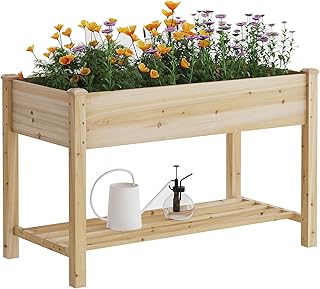
Raised Garden Bed with Legs Elevated Wooden Planter Box Stand Large Plan…
8. Ornamental Grasses

Ornamental grasses add texture and movement to your lakefront landscaping. With various heights and colors, these grasses provide year-round interest without demanding much maintenance. Their unique forms can frame lake views or serve as natural privacy screens.
When designing with ornamental grasses, mix different varieties for a stunning effect, combining tall grasses with shorter ones. Use them as borders along pathways or around seating areas to create a soft, inviting atmosphere.
Design considerations to keep in mind:
– Mix various grasses for visual appeal.
– Use them to frame pathways or seating areas.
– Choose native species for sustainability.
Ornamental grasses sway gently in the breeze, creating an inviting atmosphere that complements the natural setting beautifully.
You Might Also Like


Ornamental Grasses
Editor’s Choice

4 Assorted Grasses Ornamental Live Plants Seedlings Well-Rooted, Size 5 …

No Dig Landscape Edging Border 2-Inch x 40 FT, Heavy-Duty Plastic Garden…

Espoma EOLF28 Organic All Season Lawn Food, 28-Pound
9. Seasonal Color

Incorporating seasonal color into your lakeside landscaping keeps the view fresh and exciting all year. Choose a mix of perennials, annuals, and flowering shrubs that bloom at different times to ensure vibrant sights in every season.
Plant spring bulbs like daffodils and tulips for early color, summer bloomers like coneflowers for later seasons, and fall foliage plants such as ornamental cabbage for seasonal shifts.
Colorful suggestions to consider:
– Plant spring bulbs for early bursts of color.
– Choose summer bloomers like coneflowers for vibrant displays.
– Incorporate fall plants for seasonal changes.
This dynamic approach creates a landscape that evolves with the seasons, ensuring every view from the water is captivating.
Seasonal Color
Editor’s Choice

LOYWREE Small Artificial Plants Hanging Potted Fall Foliage – Orange Fau…

All-in-One Flower Bulb Garden Kit – Cotton Candy Punch Mix – 24 Flower B…

Wildflower Seeds Bulk 10000+, 1.06oz Butterfly Hummingbird Mix, 21 Varie…
Conclusion

Creating a stunning lakefront landscape is both an art and a commitment to sustainability.
By embracing these nine landscaping ideas, you can enhance the beauty of your waterfront while supporting the local ecosystem. Whether it’s through native plants, ornamental grasses, or edible gardens, each choice plays a role in creating a breathtaking view from the water. Let your creativity flow and enjoy the tranquil beauty of your lakeside oasis.
Note: We aim to provide accurate product links, but some may occasionally expire or become unavailable. If this happens, please search directly on Amazon for the product or a suitable alternative.
This post contains Amazon affiliate links, meaning we may earn a small commission if you purchase through our links, at no extra cost to you.
Frequently Asked Questions
What are practical lakefront landscaping ideas to maximize scenic views from the water?
Think of your shoreline as a living frame for your water views. Here are actionable lakefront landscaping ideas to enhance scenic views gardening and make every glance toward the lake breathtaking.
Begin with clear sightlines toward the water by placing focal trees and tall plants away from docks and seating areas. Choose lakeside plants that tolerate moisture and seasonal changes. Create a layered shoreline buffer with grasses, shrubs, and flowering perennials to filter runoff and provide year‑round texture, all within an eco-friendly landscaping approach. Use permeable paving or natural stepping stones for outdoor paths to reduce runoff and maintenance. By using these lakefront landscaping ideas, you’ll enjoy stunning views with less work.
How can I design a waterfront garden that supports local wildlife and stays low maintenance?
To design a wildlife-friendly, low-maintenance waterfront garden, prioritize native lakeside plants and reduce lawn, which cuts mowing and runoff.
Plant a diverse buffer of grasses, shrubs, and flowering perennials to attract pollinators and birds.
Use a rain garden or bioswale to capture runoff before it reaches the lake, aligning with eco-friendly landscaping.
Mulch heavily to retain moisture and suppress weeds.
Install a simple irrigation system with smart timing to minimize water use.
For soil stabilization along slopes, choose native groundcovers and shallow-rooted shrubs to prevent erosion while keeping maintenance manageable.
Which lakeside plants are best for a durable, eco-friendly shoreline garden?
Lakeside plants thrive in sun, wind, and fluctuating moisture. Start with native lakeside plants such as grasses and sedges for erosion control, then add shrubs like willows or dogwoods and flowering perennials.
Choose species that tolerate occasional flooding and dry spells. For waterfront garden design, group plants with similar water needs, create microclimates with shade from trees, and use mulch to preserve moisture.
Remember to avoid invasive species and select cultivars that support local wildlife.
How do I create comfortable outdoor living spaces by the lake without harming the water quality?
Design outdoor living spaces that invite relaxation while protecting the lake. Place seating to overlook the water and use durable, natural materials.
Choose permeable surfaces like crushed granite or permeable pavers to reduce runoff.
Build a native plant buffer along the shoreline to filter sediment and nutrients, improving eco-friendly landscaping.
Install rain barrels and consider a simple scenic views gardening strategy to keep things low maintenance.
Keep maintenance tools away from the water and schedule trimming to avoid disturbing wildlife.
What maintenance routines help preserve the beauty of lakefront landscaping while protecting the lake?
For ongoing care that keeps your lakeside oasis healthy, focus on native planting, minimal fertilizer near the shore, and erosion control. Mulch beds to retain moisture and reduce weed growth.
Use organic compost and avoid phosphorus-heavy fertilizers to protect water quality.
Inspect shoreline for erosion after storms and replenish with native grasses.
Schedule pruning to preserve sightlines and ensure safety, all while practicing eco-friendly landscaping and scenic views gardening.
Related Topics
lakefront landscaping
waterfront garden design
eco-friendly landscaping
scenic views gardening
lakeside plants
outdoor living spaces
sustainable gardening
beginner friendly
seasonal landscaping
DIY lakefront decor
natural habitat gardening
waterfront aesthetics