
Creating a beautiful outdoor space can feel overwhelming, especially in small urban gardens. If you’ve been longing for a way to blend the soft, lush blooms of hydrangeas with the structured elegance of boxwoods, you’re in the right place. This post is crafted for those who want to elevate their garden aesthetics without adding too much to their to-do list. Whether you’re a busy urban dweller or simply someone who appreciates low-maintenance gardening, these ideas will inspire you to transform your small space into a serene retreat.
In today’s post, you’ll discover seven innovative hydrangea and boxwood landscaping ideas that mix softness and structure perfectly. You’ll learn how to create modern minimalism, embrace cottage charm, or even design an edible garden. Each concept is designed to enhance your outdoor decor while celebrating the seasonal blooms that hydrangeas provide. With these practical tips and plant combinations, you can achieve a stunning garden that reflects your unique style and is easy to maintain.
Get ready to dive into a world where elegance meets simplicity. Whether you want to create eye-catching mixed planter boxes or charming garden pathways, there’s something in this guide just for you. Let’s start your journey towards a beautiful garden that feels like a breath of fresh air.
Key Takeaways
– Mixing Softness and Structure: Hydrangeas and boxwoods create a harmonious balance in small gardens, offering both vibrant blooms and structured greenery.
– Modern Minimalism: Embrace a clean aesthetic by using fewer plants and focusing on the unique shapes of boxwoods paired with the soft hues of hydrangeas.
– Cottage Charm: Create a cozy atmosphere by combining lush hydrangeas with neatly trimmed boxwood hedges for that classic garden feel.
– Edible Landscaping: Incorporate edible plants in your design alongside hydrangeas and boxwoods, adding both beauty and practicality to your garden.
– Seasonal Displays: Strategically plan your plant pairings to ensure a stunning display throughout the year, highlighting seasonal blooms and evergreen structure.
1. Modern Minimalism

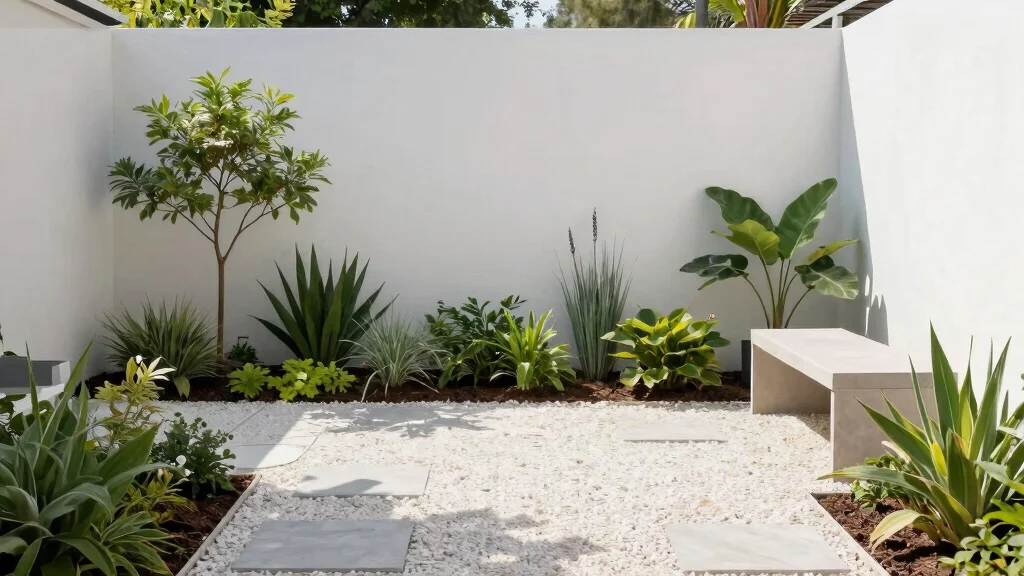
If you love clean aesthetics, modern minimalism with hydrangeas and boxwoods is for you. This style highlights simplicity and elegance, using muted colors and structured forms. Imagine pairing crisp white hydrangeas with lush green boxwoods for a refined look that’s both calming and inviting.
To achieve this fresh vibe, consider using large planters to showcase your boxwoods. Arrange hydrangeas in clusters for a striking focus, letting their blooms shine against the boxwoods. You might also add gravel paths to enhance the minimalist feel, as they require little maintenance and direct the eye beautifully.
Key tips for your minimalist garden:
– Choose a limited color scheme for a sleek look
– Use large planters for a bold statement
– Incorporate gravel paths for low upkeep and elegance
This design is perfect for small spaces, allowing you to express creativity without overwhelming your surroundings.
Modern Minimalism
Editor’s Choice

Hydrangea Fertilizer – Liquid Plant Food for Bigger Blooms, Rich Flowe…


Devoko Resin Tall Planters for Outdoor Plants Set of 2, Large Taper Outd…
2. Cottage Charm

Capture the cozy essence of a cottage garden by blending hydrangeas and boxwoods in a whimsical layout. This design embraces soft curves and a variety of blooms, creating a warm and inviting atmosphere. Opt for different types of hydrangeas, like lacecaps and mopheads, to add visual interest and texture throughout the seasons.
To enhance this charming look, stagger your hydrangea plantings so that they bloom at different times for continuous color. Use boxwoods to form playful borders or gentle hedges, giving structure while softening the overall feel. Adding charming features like vintage lanterns or a rustic bench will elevate the cozy vibe of your garden.
Ways to create cottage charm:
– Stagger hydrangeas for continuous blooms
– Form whimsical boxwood borders and hedges
– Incorporate cozy decorations like benches or lanterns
This style offers a delightful retreat, perfect for enjoying a cup of tea in the sun.
Did you know that staggering hydrangea plantings by 1–2 weeks can deliver continuous color from spring to fall? Pair soft lacecaps and mopheads with boxwood borders for a cottage-charm look that stays neat with minimal upkeep.
📹 Related Video: Cottage Garden Design Masterclass – Structure
Cottage Charm
Editor’s Choice

Grenebo Gardening Tools 9-Piece Heavy Duty Garden Hand Tools with Fashio…

Wells Lamont Gardening Gloves for Women – Breathable Polyester, Seamle…

KVR Upgraded Garden Kneeler and Seat with Thicken & Widen Soft Kneeling …
3. Vertical Gardens
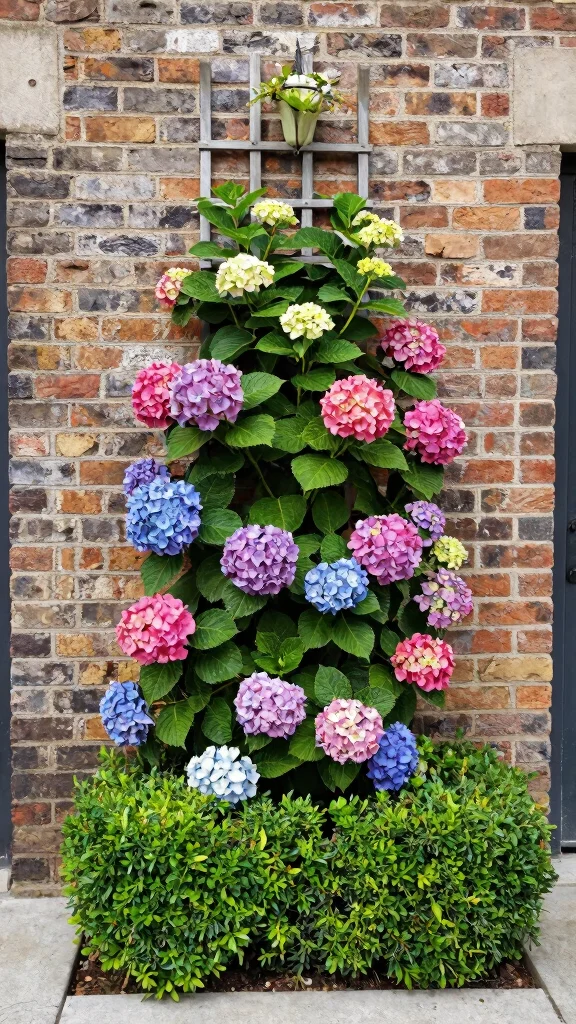
As urban living spaces shrink, vertical gardens are a clever solution to maximize your landscaping potential. Using trellises and wall planters, you can showcase hydrangeas and boxwoods in a stunning vertical display that draws the eye upward.
To create your vertical oasis, install a sturdy trellis against a wall or fence to support climbing hydrangeas. Surround the base with compact boxwoods for stability and to frame the vibrant display. Wall planters can hold smaller hydrangea varieties, allowing you to mix colors and add a pop of life to your vertical garden.
Steps to design a vertical garden:
– Install a trellis for climbing hydrangeas
– Use boxwoods to provide a solid base
– Incorporate wall planters for smaller hydrangea varieties
This design not only saves space but adds an interesting dimension to your garden.
Fun fact: A vertical garden using trellises can boost curb appeal by 70% while using just a small wall footprint. Pair hydrangeas climbing upward with compact boxwoods at the base, and you’ll master hydrangea and boxwood landscaping in a tidy, blooming display.
Vertical Gardens
Editor’s Choice

Avalution 10 Pack Bamboo Trellis for Climbing Plants 16″ Natural Garden …


6 Pack Hanging Planter Wall Planter Self Watering 5 inch Plant Pot with …
4. Edible Landscaping
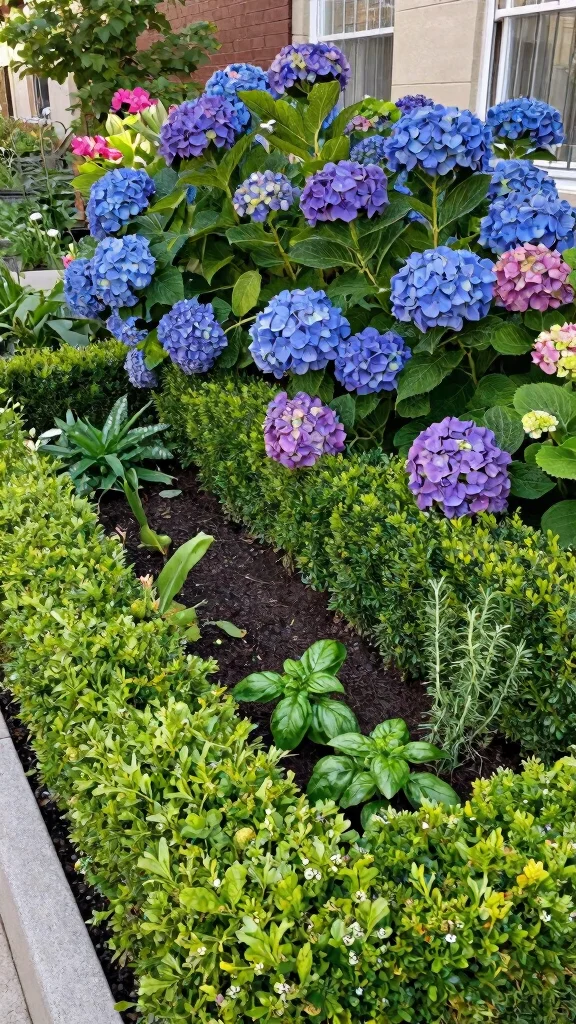
Why not fuse beauty with practicality in your garden? By integrating hydrangeas and boxwoods with herbs and vegetables, you create an edible landscape that’s as beautiful as it is productive. This eco-friendly approach lets you enjoy stunning blooms while also reaping the rewards of homegrown produce.
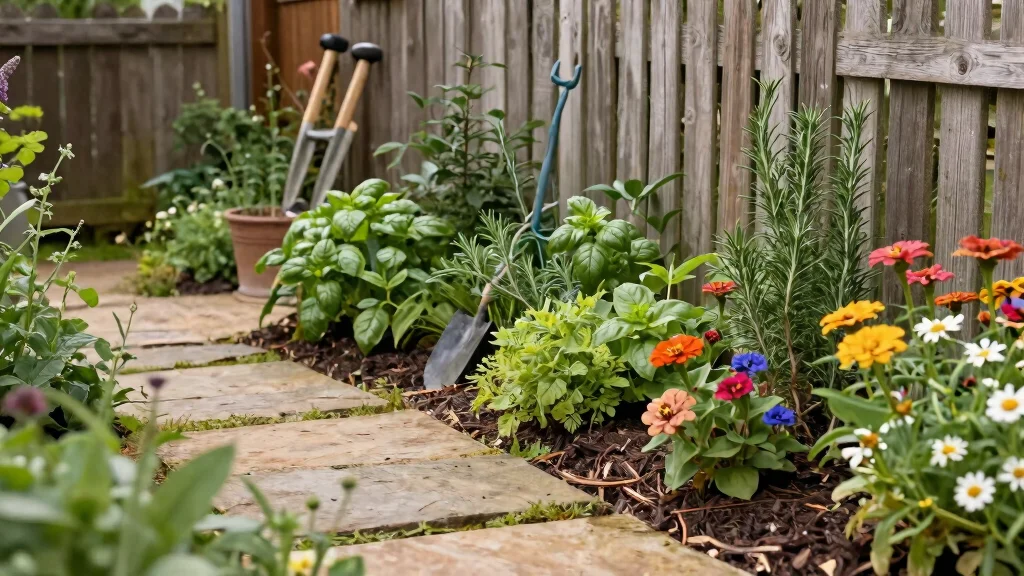
Plant hydrangeas as a colorful backdrop for your raised vegetable beds; they add charm without overshadowing your crops. Use boxwoods to define borders around a small herb garden, featuring aromatic plants like basil and rosemary that complement your hydrangeas. With proper care, you can ensure that your garden flourishes both aesthetically and functionally.
Ideas for an edible landscape:
– Use hydrangeas as a backdrop for veggies
– Frame herb gardens with boxwoods
– Maintain plant health for beauty and productivity
This creative mix allows you to enjoy the best of both worlds in your garden.
You might also like
Edible Landscaping
Editor’s Choice

Wood Garden Edging, Wooden Fence Border Decorative Small Picket Panels f…

Land Guard Galvanized Raised Garden Bed Kit, Galvanized Planter Garden B…
5. Seasonal Blooms Display
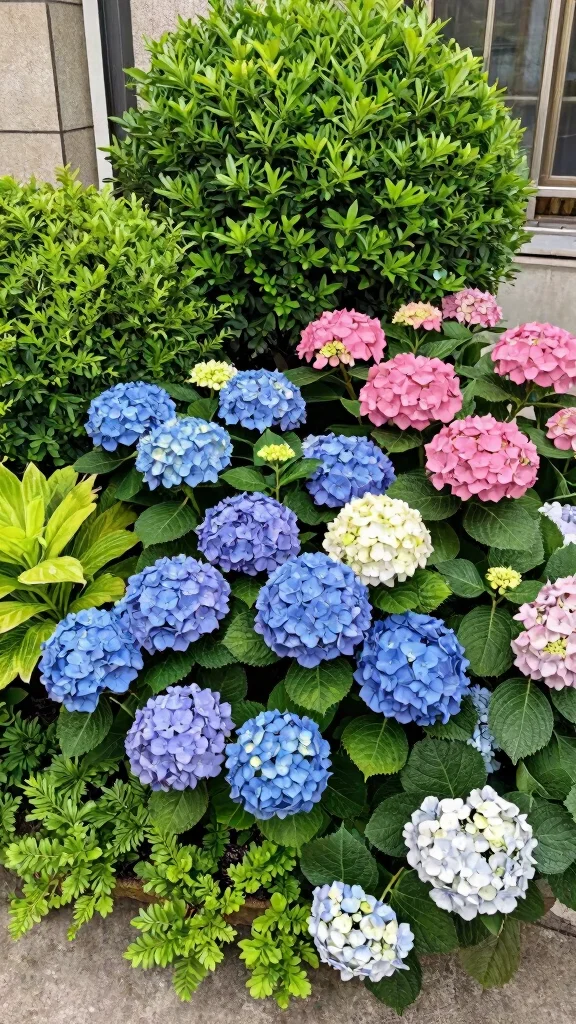
Showcase the beauty of changing seasons by designing a garden that highlights hydrangeas and boxwoods in an evolving display. This approach allows you to appreciate different blooms throughout the year while maintaining a structured backdrop with boxwoods.
Select hydrangea varieties that bloom at various times to keep your garden lively. Position boxwoods to anchor the layout, providing a constant green foundation. You can also mix in other seasonal plants that bloom alongside your hydrangeas for added color and interest throughout the year.
Ways to create a seasonal display:
– Choose hydrangeas that bloom at different times
– Use boxwoods for a solid, green backdrop
– Mix in seasonal plants for varied color
With thoughtful planning, you can create a dynamic garden that celebrates nature’s beauty year-round.
Seasonal Blooms Display
Editor’s Choice

6. Mixed Planter Boxes
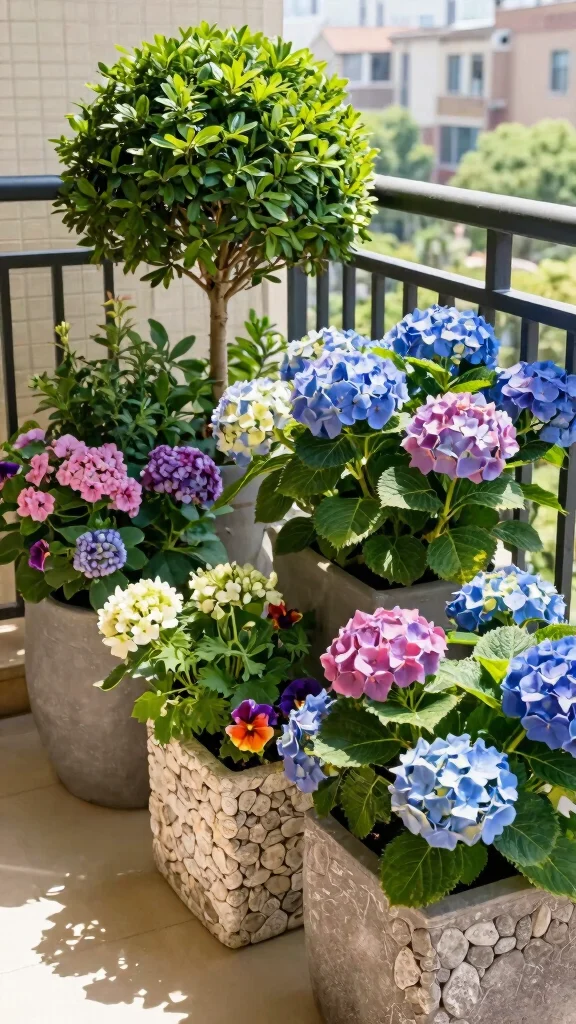
Planter boxes offer a fantastic way to combine various plants while keeping your garden neat and organized. Hydrangeas and boxwoods thrive beautifully together in these boxes, creating a lush and cohesive aesthetic.
To design your mixed planter boxes, choose a large container that accommodates both hydrangeas and boxwoods. Position the boxwoods towards the back or edges for height, allowing the hydrangeas to bloom in front for a lovely layered effect. You can also swap out seasonal annuals to refresh the look as the seasons change, keeping your garden feeling new and vibrant.
Steps for creating mixed planter boxes:
– Choose a large planter for both plants
– Position boxwoods for height behind hydrangeas
– Change annuals seasonally for freshness
This approach provides flexibility and easy maintenance, perfect for small urban spaces.
Fun fact: In small urban gardens, a single large planter can showcase hydrangea and boxwood landscaping with 2 hydrangeas and 1 boxwood for a lush, low-maintenance focal point. Place the boxwoods toward the back for height, with hydrangeas in front to bloom—instant structure, minimal effort.
You Might Also Like

Ongoing Maintenance & Care Guide
Maintenance Schedule:
Daily/Weekly Tasks:
– Watering: Ensure hydrangeas and boxwoods receive adequate moisture, especially during dry spells. Aim for 1 inch of water per week. ⏱ (10-15 minutes)
– Weeding: Check for weeds in your garden beds. Remove them to prevent competition for nutrients. ⏱ (10-20 minutes)
– Inspecting plants: Look for any pests or signs of disease. Early detection helps keep your plants healthy. ⏱ (5 minutes)
Monthly/Seasonal Tasks:
– Pruning: Trim boxwoods to maintain their shape. Hydrangeas may need deadheading after blooms fade. ⏱ (30-60 minutes)
– Mulching: Apply a 2-3 inch layer of mulch around your plants to suppress weeds and retain moisture. ⏱ (20-30 minutes)
– Fertilizing: Use a balanced fertilizer in spring to encourage growth. Choose one suitable for both hydrangeas and boxwoods. ⏱ (15 minutes)
– Seasonal Checks: In fall, prepare your garden for winter. Cut back hydrangeas based on the variety. ⏱ (30 minutes)
– Pest Control: Monitor for pests like aphids or scale. Treat with organic pesticides if needed. ⏱ (20 minutes)
Maintenance Summary Table:
| Task | Frequency | Difficulty | Time Needed |
|————————–|—————-|————–|——————-|
| Watering | Weekly | Easy | 10-15 minutes |
| Weeding | Weekly | Easy | 10-20 minutes |
| Inspecting plants | Daily/Weekly | Easy | 5 minutes |
| Pruning | Monthly | Moderate | 30-60 minutes |
| Mulching | Monthly | Easy | 20-30 minutes |
| Fertilizing | Monthly | Easy | 15 minutes |
| Seasonal Checks | Seasonal | Moderate | 30 minutes |
| Pest Control | Monthly | Moderate | 20 minutes |
Common Issues to Watch For:
⚠️ Yellowing Leaves: This may indicate overwatering or nutrient deficiency. Check soil moisture and consider fertilizing.
⚠️ Wilting: If your plants droop, they may be underwatered. Ensure you’re giving them enough water during dry spells.
⚠️ Pest Infestation: Look for webs or sticky residue on leaves. This could mean spider mites or aphids. Treat quickly to avoid damage.
⚠️ Mold or Mildew: White powdery spots can indicate fungal issues. Improve air circulation and consider fungicides if necessary.
⚠️ Stunted Growth: If plants aren’t thriving, it could be due to poor soil quality or inadequate sunlight. Test soil pH and adjust as needed.
Care Tips:
💡 Choose the Right Varieties: Select hydrangeas and boxwoods that thrive in your climate. For small gardens, compact varieties work best.
💡 Water Wisely: Water early in the morning or late in the evening to reduce evaporation. Deep watering encourages strong root growth.
💡 Rotate Mulch: Refresh your mulch layer each spring to maintain its effectiveness. This will help keep weeds down and moisture in.
💡 Watch for Sun Exposure: Ensure your hydrangeas get some sun but protect them from harsh afternoon rays. Too much sun can scorch their leaves.
💡 Stay Consistent: Develop a care routine. Regular attention prevents bigger problems down the line and keeps your garden looking its best.
By following these practical steps, you can enjoy a beautiful hydrangea and boxwood garden that requires minimal effort, letting you relax and admire your outdoor oasis!
Mixed Planter Boxes
Editor’s Choice

Miracle-Gro Potting Mix – For Container Plants, Flowers, Vegetables, Shr…

Yaheetech 43.5″ L×16″ W×14″ H Wooden Raised Garden Bed, Horticul…
7. Garden Pathways
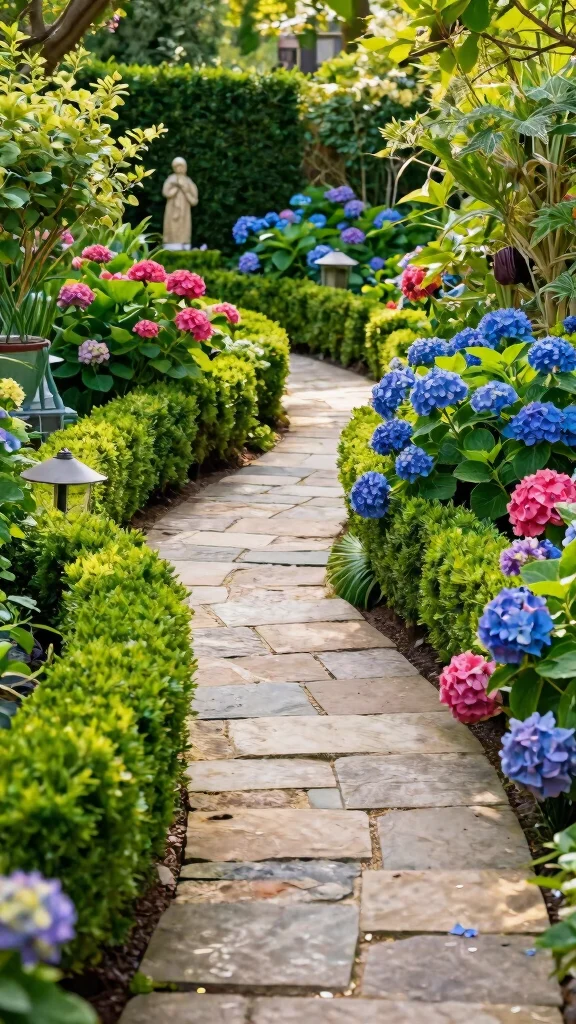
Creating charming pathways through your garden not only guides visitors but also enhances the overall appeal. Use boxwoods to outline your garden paths while hydrangeas offer vibrant pops of color along the way.
For effective garden pathways, choose natural materials like stone or gravel that blend seamlessly with your plants. Strategically plant hydrangeas in spots where their blooms can peek through for an inviting touch. Adding gentle curves to your pathways creates a relaxed, welcoming atmosphere for everyone who wanders through.
Design tips for garden pathways:
– Choose natural materials for a cohesive look
– Plant hydrangeas for colorful accents
– Incorporate curves for an inviting feel
This design invites exploration, making your garden a delightful escape from urban life.
Garden Pathways
Editor’s Choice

River Rock Stepping Stones Outdoor for Garden Walkway, 10 inch Diameter …
Hydrangea Fertilizer – Liquid Plant Food for Bigger Blooms, Rich Flowe…
Wood Garden Edging, Wooden Fence Border Decorative Small Picket Panels f…
Conclusion

Incorporating hydrangeas and boxwoods into your landscaping can create an urban oasis that is both beautiful and low-maintenance. Whether you prefer a modern minimalist style or a cozy cottage feel, these ideas are sure to inspire your next gardening project. With careful planning and a touch of creativity, your small urban garden can transform into a stunning retreat that offers both structure and softness throughout the seasons.
Embrace the joy of gardening and the beauty of these versatile plants for a landscape that reflects your style and enhances your outdoor living space!
Note: We aim to provide accurate product links, but some may occasionally expire or become unavailable. If this happens, please search directly on Amazon for the product or a suitable alternative.
This post contains Amazon affiliate links, meaning we may earn a small commission if you purchase through our links, at no extra cost to you.
Frequently Asked Questions
Question: What makes hydrangea and boxwood landscaping ideal for small urban gardens?
Hydrangea and boxwood landscaping blends softness with structure, making it ideal for tight spaces. In landscape design terms, boxwood provides a timeless backbone that stays evergreen, while hydrangeas deliver seasonal blooms and color that soften hard edges. For small urban gardens, choose compact varieties, group hydrangeas in odd numbers (three) for maximum impact, and keep pathways clear to maintain a clean silhouette. With a simple backbone of boxwood and a few flowering clusters, you can achieve garden aesthetics that look intentional with minimal effort.
Tips: position boxwood as a backbone along borders, place hydrangea clusters where you want a focal point, and mulch to reduce maintenance.
Question: Which plant combinations work best with hydrangea and boxwood landscaping for a balanced landscape design?
Pairing boxwood with hydrangeas creates a balanced landscape design that looks polished and lush. For structure, use boxwood as a backbone—hedges or grid-like shapes—and place flowering hydrangeas in front or at the ends of those lines. Add texture with hostas, ferns, and ornamental grasses for movement and depth. Keep colors harmonious by considering soil pH and leaf tones, which supports garden aesthetics and consistent landscape design. In small spaces, repeat the same trio along borders to reinforce unity and reduce maintenance.
Pro tip: plant groups of three to five for a natural, cohesive look and leave space for air circulation.
Question: How do I maintain hydrangea and boxwood with minimal effort in a small garden?
Keep it simple and resilient. Mulch 2-3 inches to retain moisture and suppress weeds, and water deeply during dry spells. Prune hydrangeas after flowering to shape and encourage rebloom if you have remontant types, otherwise follow type-specific guidance; for many common garden hydrangeas, prune lightly after bloom. Boxwoods prefer light shaping once or twice a year; avoid heavy pruning that can stress plants. Feed lightly in spring with a balanced, slow-release fertilizer. Check for pests and diseases, but stay proactive with good air circulation and enough sunlight. This approach supports hydrangea and boxwood landscaping with minimal fuss.
Note: adjust care for your climate.
Question: What seasonal blooms and year-round interest does hydrangea and boxwood landscaping offer for small spaces?
Hydrangeas deliver lush summer blossoms in a range of colors that shift with soil pH, adding vibrant seasonal blooms. Boxwoods stay evergreen, giving structure through winter when other perennials fade. To keep year-round interest, layer in spring bulbs or late-summer annuals in containers, and use evergreen grasses or ferns for texture in shade. This combination supports landscape design and garden aesthetics even when hydrangea blooms are off-season. Remember to prune the hydrangeas to encourage next season’s blooms, and maintain the boxwood’s shape for a clean silhouette.
Question: Can I use hydrangea and boxwood landscaping in containers or on balconies for tiny spaces?
Definitely. Choose compact hydrangea varieties and small-boxwood cultivars that fit your containers. Use 12-18 inch diameter pots or larger with drainage holes; use high-quality potting mix with irrigation-friendly components. Plant one focal hydrangea in the center and flank it with dwarf boxwoods or trailing boxwood cultivars along the edges for structure. Water consistently, especially in hot months, and group planters to create a cohesive look in your outdoor decor. Swap in seasonal annuals or bulbs for fresh color as needed. This approach integrates landscape design and garden aesthetics into a space-saving solution.
Related Topics
hydrangea landscaping
boxwood design
urban gardens
low-maintenance plants
garden aesthetics
seasonal blooms
plant combinations
landscape design
small space gardening
beginner friendly
outdoor decor
soft and structured