
New England is a region full of charm, history, and breathtaking landscapes. As the seasons change, so do the colors and textures in our front yards. This time of year always reminds me of strolls through quaint towns, where every garden tells a story. If you’re someone who loves creating warm and inviting outdoor spaces, this post is for you. I pulled together seven front yard landscaping ideas that capture everything charming about New England. These ideas focus on native plants and designs that work perfectly in our unique climate.
You’ll find practical tips that not only enhance your home’s curb appeal but also celebrate the natural beauty of the region. From cozy nooks with stone walls to beautiful pollinator gardens, there’s something for everyone. By the end of this guide, you’ll be inspired to transform your front yard into a picturesque haven, reflecting the spirit of New England right at your doorstep. Let’s dive in and explore the many ways you can create a front yard that feels like home.
Key Takeaways
– Native Perennials: Incorporate native perennials in your garden to enjoy vibrant colors throughout the seasons while supporting local wildlife.
– Cozy Nooks: Design intimate outdoor spaces with stone walls and pathways to create inviting areas for relaxation and enjoyment.
– Rock Gardens: Add a rock garden to bring natural beauty and texture to your front yard, showcasing a unique plant selection.
– Classic Fencing: Consider a classic white picket fence to enhance your home’s charm and provide a welcoming feel.
– Seasonal Decor: Use seasonal decorations to create a warm and inviting atmosphere, making your home feel welcoming year-round.
1. Embrace Native Perennials for Year-Round Color

Looking to add vibrant hues to your front yard all year long? Native perennials are your best bet! With options like echinacea, black-eyed Susans, and asters, you can create a lively garden that thrives in New England’s diverse climate. These plants not only brighten your landscape but also attract local pollinators, enhancing your garden’s beauty and biodiversity.
To get started, choose a mix of plants that bloom in different seasons to ensure ongoing color. Arrange them in odd-numbered clusters for a natural feel, and vary the heights for added visual appeal. Taller plants can provide a backdrop, while shorter ones can fill the front.
Key planting strategies include:
– Select early, mid, and late bloomers for continuous color
– Group plants in odd numbers for a natural look
– Vary heights to create visual depth
By planting native perennials, you’ll cultivate a stunning garden that supports wildlife and requires minimal upkeep once established. Plus, you can collect seeds to share or replant, keeping your garden vibrant year after year.
Embrace native perennials for year-round color in your new england landscaping front yard. Mix blooms that peak in different seasons to keep color alive, attract local pollinators, and reduce upkeep—echinacea, black-eyed Susans, and asters thrive with minimal care. Plan a layered, odd-numbered planting for dynamic charm.
📹 Related Video: 7 Spring Blooming Native Plants for New England Gardens 🍃🌸🌻
Embrace Native Perennials for Year-Round Color
Editor’s Choice

Wildflower Seeds Bulk Mix – 10,000+ Perennial & Annual Seeds – Texas, Ca…


Fiskars Trowel, Heavy Duty Gardening Hand Tool with Hang Hole, For Diggi…
2. Create Cozy Nooks with Stone Walls and Pathways
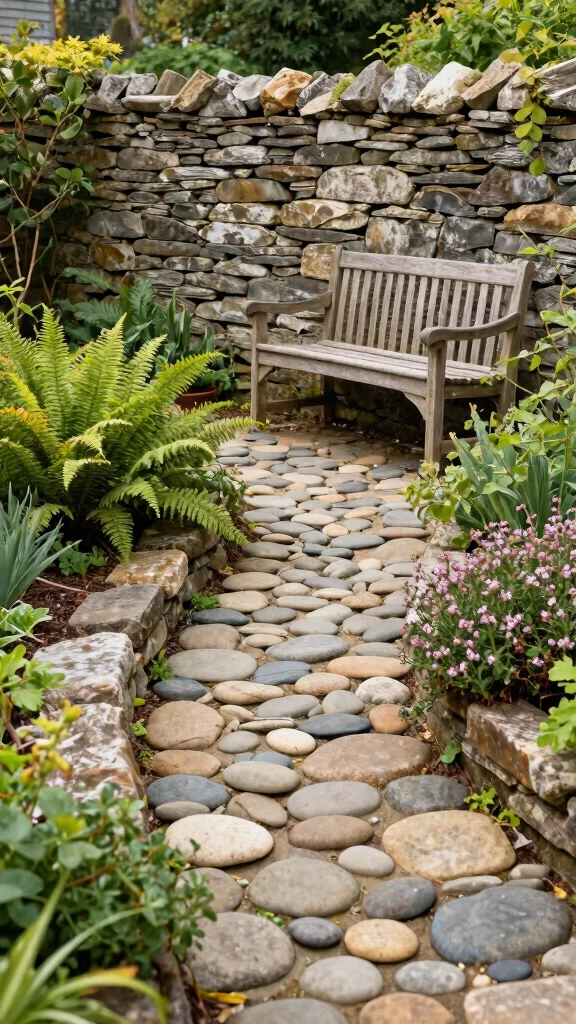
Is there anything more inviting than a charming stone wall or pathway in your front yard? These features evoke New England’s rich history and add character to your landscape. A well-placed stone wall not only frames your garden but also establishes a sense of permanence and warmth.
When designing your stonework, opt for locally sourced materials to harmonize with the natural surroundings. Create gentle curves in your pathways for a relaxed feel, and consider adding seating areas to encourage relaxation and enjoyment of your space.
Here are some cozy nook ideas:
– Use local stones for a natural appearance
– Incorporate curves in pathways for a softer touch
– Add benches for inviting seating areas
This cozy nook can become a gathering spot where you enjoy your garden or sip your morning coffee. The combination of stone and greenery creates a beautiful contrast that embodies New England charm and draws the eye.
Create Cozy Nooks with Stone Walls and Pathways
Editor’s Choice

Arcadia Garden Products Set of 4, 16×17” Dark Gray Stepping Stone Fibe…

Psilvam 2-Person Outdoor Bench with 700 Lbs Weight Capacity, Poly Lumber…
3. Incorporate a Rock Garden for Natural Beauty

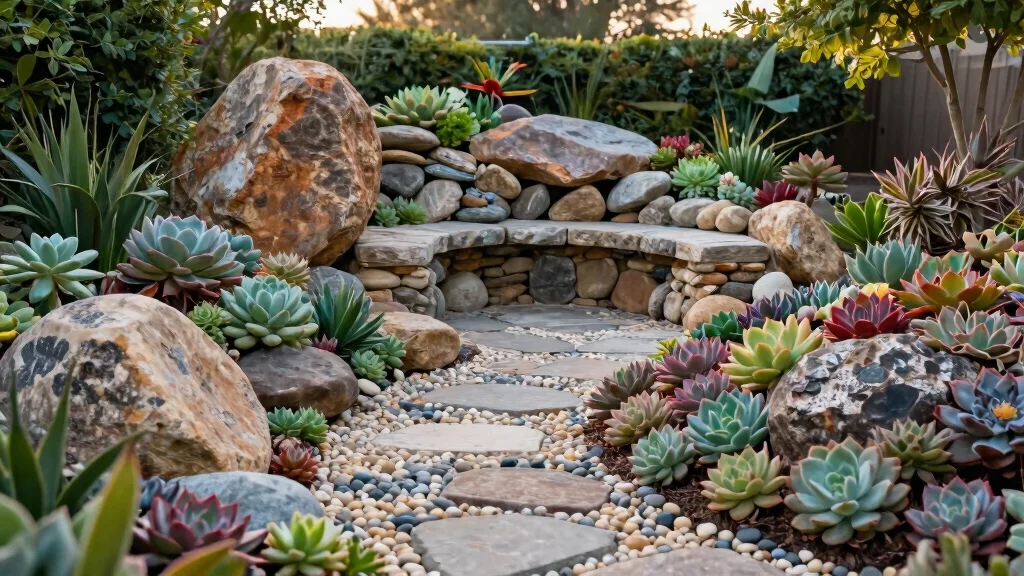
Rock gardens are a fantastic way to showcase the natural beauty of New England while keeping maintenance low. They fit perfectly in sloped areas or spots where grass struggles to thrive. By combining various stones with native plants, you can create a stunning focal point that captivates the eye.
For an appealing design, mix large boulders with smaller stones to achieve a natural look. Choose drought-resistant plants like sedum and alpine aster for vibrant colors and textures. Ground covers can fill gaps and soften the rocky edges, creating a harmonious landscape.
Design your rock garden with these tips:
– Combine boulders and smaller rocks for a natural effect
– Select drought-resistant plants for easy care
– Use ground covers to soften edges
This style not only highlights your creativity but also provides a habitat for local wildlife. A rock garden transforms your front yard into a stunning visual experience while requiring minimal upkeep, allowing you to enjoy its beauty effortlessly.
Incorporate a Rock Garden for Natural Beauty
Editor’s Choice

Sedum rupestre,Sedum reflexum,Jenny’s stonecrop 500 Seeds,evergreen pere…

Bits and Pieces – Stepping Stones Outdoor Walkway – 12″ River Rock Lands…
4. Opt for a Classic White Picket Fence
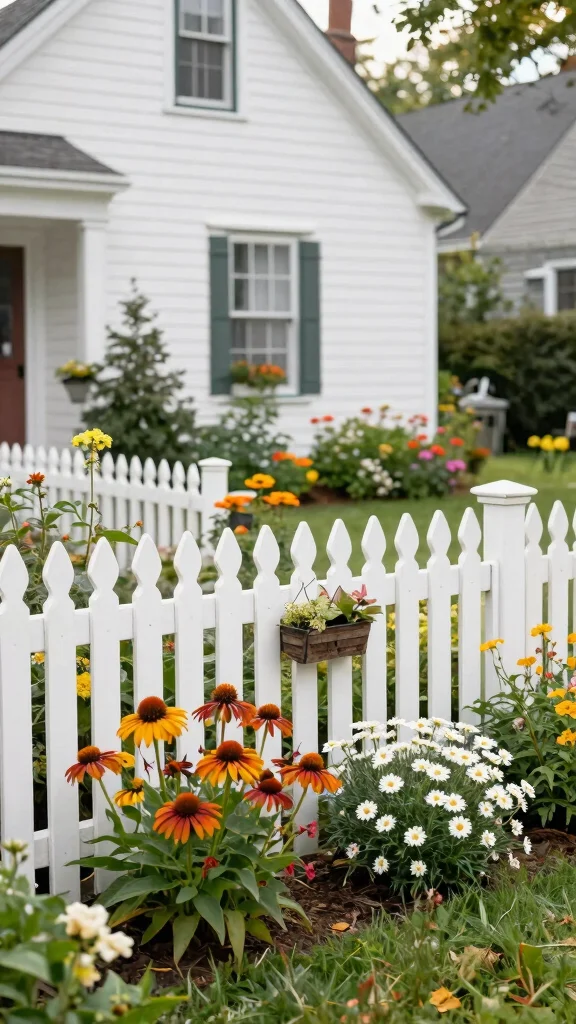
Nothing captures New England charm better than a classic white picket fence. This iconic detail not only defines your property but also adds a whimsical touch to your front yard. The bright white color contrasts beautifully with your garden’s greenery, creating an inviting atmosphere.
When planning your fence, choose a height that complements your home and select weather-resistant materials to ensure durability. Consider adding climbing plants like morning glories for a soft, romantic touch that enhances the charm.
Fencing tips to consider:
– Install at a height that suits your home
– Use weather-resistant materials for longevity
– Add climbing plants for a touch of softness
A picket fence can be more than just functional. Use it as a canvas for creativity by adding hanging plants or seasonal decorations that keep your front yard feeling fresh. This traditional feature not only enhances curb appeal but also creates a welcoming vibe that every visitor will love.
You might also like

Opt for a Classic White Picket Fence
Editor’s Choice

Miniature Decorative Fence, White Wooden Classic Picket Fence, 16×8.5x7c…

Seed Needs Morning Glory Seeds for Planting – Variety Pack/Collection of…

EVOLVE Barn & Fence Paint, Flat (Black), 1 Gallon – Durable Scratch-Re…
5. Include Pollinator-Friendly Plants
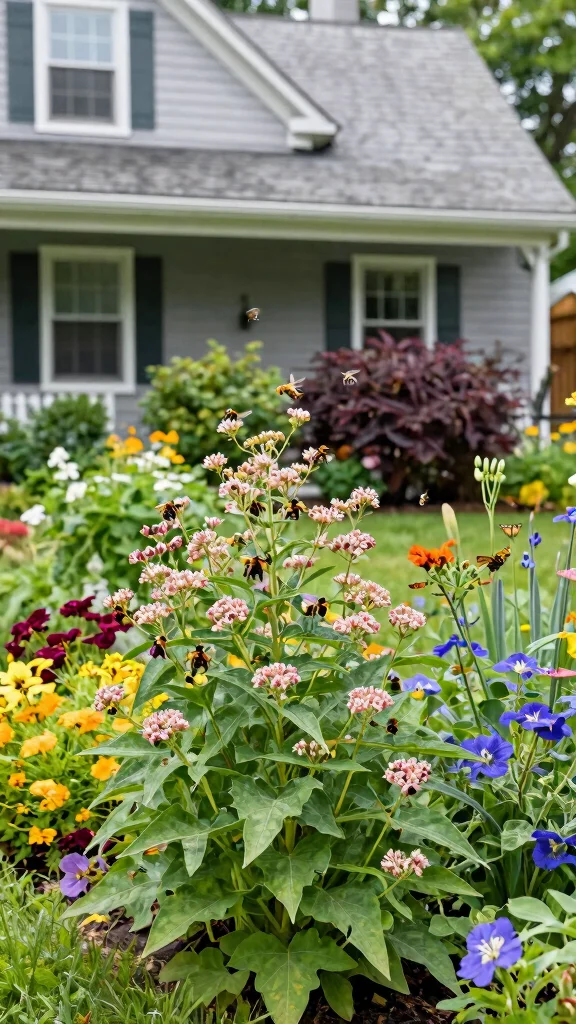
Want to boost biodiversity right in your front yard? Including pollinator-friendly plants can be rewarding and beneficial for the environment. Think about flowers that attract bees, butterflies, and hummingbirds, like bee balm, milkweed, and butterfly bush. These beautiful plants are essential for sustaining local ecosystems.
To create an inviting pollinator garden, group plants in clusters to attract more pollinators. Steer clear of pesticides and opt for natural solutions to protect these vital creatures. Offering a range of blooming times ensures there’s always food available for them.
Planting strategies include:
– Cluster plants to attract pollinators
– Use natural pest controls instead of chemicals
– Provide a variety of bloom times for continuous food
A pollinator garden not only beautifies your space but also plays a vital role in the ecosystem. Your front yard can become a lively haven, bringing joy as you watch bees and butterflies flutter among your flowers, all while being low-maintenance and eco-friendly.
❝ Fun fact: native pollinator gardens in New England front yards can boost local bee and butterfly populations by up to 30% in a season. Cluster nectar-rich blooms—bee balm, milkweed, butterfly bush—and ditch pesticides for real, observable results in your new england landscaping front yard.
Top Varieties for Different Conditions
1. Black-Eyed Susan (Rudbeckia hirta)
– Best conditions: Thrives in full sun and well-drained soil, making it perfect for sunny New England front yards.
– Key features: Known for its bright yellow flowers and dark centers, this perennial blooms from mid-summer to fall, providing a burst of color when many other plants have faded.
– Considerations: While drought-tolerant once established, it may require watering during dry spells in its first year.
2. Eastern Redbud (Cercis canadensis)
– Best conditions: Prefers well-drained soil and full sun to partial shade, ideal for creating a stunning focal point in your front yard.
– Key features: This small tree features beautiful pink flowers in early spring, making it a standout before most other trees have even leafed out.
– Considerations: It may struggle in overly wet or compacted soils, so ensure proper drainage for healthy growth.
3. New England Aster (Symphyotrichum novae-angliae)
– Best conditions: Grows well in full sun and can thrive in a range of soil types, including sandy and clay soils.
– Key features: The dazzling purple flowers bloom late in the season, attracting butterflies and other pollinators, adding charm to your garden.
– Considerations: Requires some staking if planted in a windy area, as taller varieties can flop over.
4. Blueberry Bush (Vaccinium corymbosum)
– Best conditions: Prefers acidic soil and full sun, making it a great choice for sunny front yards in New England.
– Key features: Not only do these bushes produce delicious fruit, but they also offer beautiful fall foliage, adding seasonal interest to your landscape.
– Considerations: Requires cross-pollination for the best fruit yield, so consider planting multiple bushes.
5. Witch Hazel (Hamamelis virginiana)
– Best conditions: This shrub thrives in moist, well-drained soils and can tolerate partial shade, making it versatile for various front yard conditions.
– Key features: Witch hazel flowers in late winter or early spring, showcasing delicate yellow flowers, providing beauty when few plants are blooming.
– Considerations: It can become quite large, so ensure you have enough space for it to grow.
6. Coral Bells (Heuchera spp.)
– Best conditions: Prefers partial shade and well-drained soil, making it suitable for shaded areas of your front yard.
– Key features: These perennial plants come in various leaf colors, from deep purple to bright green, adding year-round interest even when not in bloom.
– Considerations: While relatively low-maintenance, they may require protection from harsh winter winds.
7. Native Ferns (e.g., Ostrich Fern, Matteuccia struthiopteris)
– Best conditions: Thrives in shaded, moist areas, making them perfect for woodland edges or shady spots in your front yard.
– Key features: Ferns add a lush, textural element to your garden and can help fill in spaces where other plants may struggle.
– Considerations: Be mindful of their spread, as some varieties can take over if not managed.
Climate/Condition Guide:
When planning your New England front yard, consider the specific climate conditions of your area.
– Temperate areas: Focus on plants that can handle cold winters and warm summers, like perennials and shrubs.
– Coastal regions: Choose salt-tolerant species that can withstand windy conditions.
– Humid zones: Select plants that thrive in moisture but ensure good drainage to prevent root rot.
Assess your front yard’s sunlight exposure, soil type, and moisture levels before making your selections.
Growing Tips:
– Choose native plants to support local wildlife and ensure they thrive in your specific conditions.
– Regularly check soil moisture, especially during dry spells, to help your plants establish strong roots.
– Group plants with similar water and sunlight needs together for easier maintenance.
Avoid:
– Don’t overcrowd your front yard; allow enough space for each plant to grow and thrive.
– Avoid using non-native plants that may struggle to adapt to your local climate or soil conditions.
Include Pollinator-Friendly Plants
Editor’s Choice

Seed Needs Panorama Mixed Bee Balm Seeds for Planting – Heirloom & Open …

Augshy Butterfly Decorations, 75 Pcs Butterfly Stakes PVC Waterproof Dec…

Pollinator Garden Live Plant Collection – 8 Perennial Live Plants | Bu…
6. Utilize Raised Garden Beds for Edibles

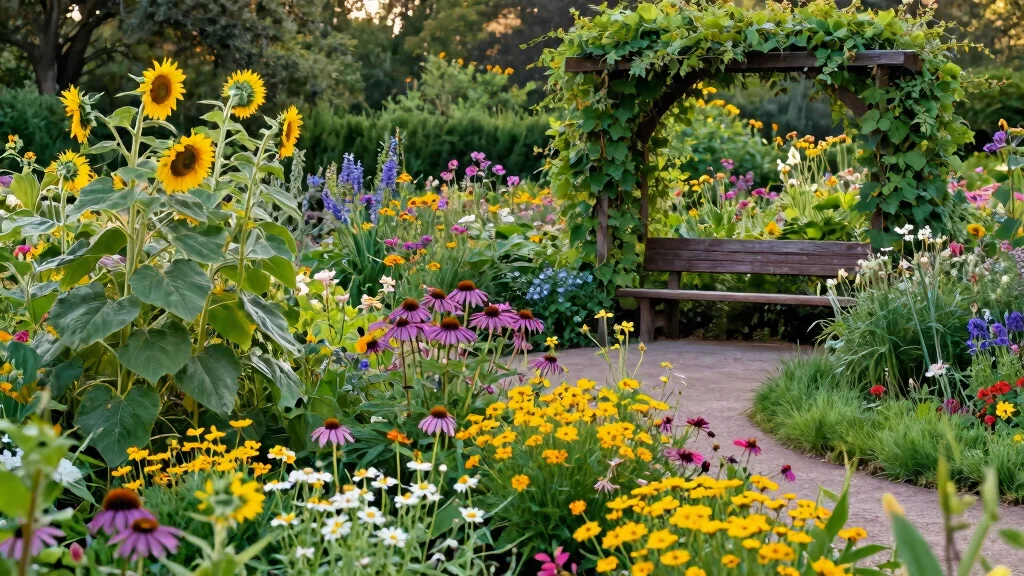
Why not combine beauty with functionality by adding raised garden beds? These attractive structures can showcase colorful vegetables and herbs right in your front yard. Imagine growing native New England plants like tomatoes, basil, and peppers, creating a living pantry that’s both practical and beautiful.
To build your beds, use untreated wood to keep chemicals out of the soil. Elevating the beds makes it easier to care for your plants while adding visual interest. Consider adding trellises for climbing plants to maximize your garden space.
Here are some building tips:
– Use untreated wood for health-safe beds
– Elevate beds for easy access and style
– Incorporate trellises for vertical planting
Raised beds provide better drainage and soil control, making it easier to grow healthy plants. Plus, they add rustic charm that complements New England homes. Enjoy fresh herbs and vibrant vegetables while promoting healthy eating for your family.
You Might Also Like

Utilize Raised Garden Beds for Edibles
Editor’s Choice

Miracle-Gro Organic Outdoor Potting Mix – Plant Soil for Outdoor Contain…

1 Pack Garden Obelisk Trellis for Climbing Plants Outdoor, 6FT Adjustabl…

Infinite Cedar Select Cedar Raised Garden Bed (4′ x 8′ x 17.5″ H)
7. Add Seasonal Decor for a Warm Welcome

Enhancing your front yard’s charm can be as simple as incorporating seasonal decor. From vibrant hanging planters in spring to festive pumpkins in fall, these decorations reflect the changing seasons and create a warm welcome for visitors.
For a rustic touch, use natural materials like wood and burlap. Seasonal wreaths made from local foliage can add flair to your door. Regularly updating your decorations keeps your front yard fresh and inviting throughout the year.
Decorating ideas include:
– Use wood and burlap for a rustic feel
– Hang seasonal wreaths for door decor
– Regularly update decorations for freshness
Seasonal decor personalizes your front yard and connects you to nature’s rhythm. It enhances your plants and yard features, making them pop with added interest. Your home becomes more inviting, and it’s a wonderful way to share the joy of each season with your community.
Seasonal decor keeps your new england landscaping front yard feeling fresh year round. Swap in rustic wood accents, burlap ribbons, and local foliage wreaths for spring, summer, and fall—it’s quick, affordable, and makes your home welcoming all season long.
Add Seasonal Decor for a Warm Welcome
Editor’s Choice

Boston International Pumpkin Thanksgiving Halloween Decorations for Home…

LA JOLIE MUSE Large Hanging Planters – 13 Inch Flower Pots Outdoor Indoo…

20 Inch Eucalyptus Wreath for Front Door All Season, Spring Summer Silk …
Conclusion

Creating a beautiful front yard in New England is all about embracing local charm and using native plants that thrive in the region. By incorporating some of these landscaping ideas, you can enhance your curb appeal and create a peaceful oasis right outside your door.
Whether it’s nurturing native perennials or building cozy stone paths, there’s a world of possibilities to explore. Share your favorite ideas or designs with friends and inspire them to create their own charming outdoor spaces!
Note: We aim to provide accurate product links, but some may occasionally expire or become unavailable. If this happens, please search directly on Amazon for the product or a suitable alternative.
This post contains Amazon affiliate links, meaning we may earn a small commission if you purchase through our links, at no extra cost to you.
Frequently Asked Questions
What are the core elements of a successful new england landscaping front yard?
A strong new england landscaping front yard blends a native-plant backbone with seasonal charm, smart curb appeal ideas, and low-maintenance routines.
Start with regional plant selection that thrives in our climate and fits New England garden design, then layer with an evergreen backbone and a clear focal point to guide the eye toward your home.
Finish with simple maintenance like mulching and native groundcovers to keep it easy to manage.
Which native plants are best for a New England front yard and why?
For front yards, choose regionally reliable options like American blueberry (Vaccinium corymbosum), mountain laurel, inkberry (Ilex glabra), serviceberry, and native grasses such as big bluestem or little bluestem. They provide structure, wildlife value, and seasonal color, and they perform well across sun and moisture ranges.
This approach supports regional plant selection and gives you solid New England garden design outcomes while keeping front yard landscaping tips practical.
How can I boost curb appeal in a New England front yard without heavy upkeep?
Build a strong evergreen backbone, define sightlines to the street, and create a welcoming path.
Use mass plantings of native perennials for color with minimal upkeep, add durable mulch and proper drainage, and install low-voltage lighting to highlight key features at night.
All of these are practical front yard landscaping tips and curb appeal ideas that work well in the region.
How should I design for year-round interest in New England front yards?
Focus on an evergreen backbone for winter structure, then layer with seasonal foliage, berries, and bark contrast. Use textures like grasses, ferns, and shrubs to keep visual interest in snow and sun.
Plan color changes through the seasons to reflect the region’s charm in your New England garden design and create charming outdoor spaces.
What are practical steps to plan and maintain a front yard that captures the region’s charm?
Start with a quick site assessment (sun, shade, drainage) and sketch a plan that groups candidates by sun exposure and water needs.
Pick natives that fit your soils and climate for easy maintenance and good wildlife value, then install clear borders, mulch, and a simple irrigation plan.
Set a seasonal maintenance schedule: prune in late winter, mulch in spring, and deadhead or cut back in fall. This approach reflects coherent regional plant selection, solid front yard landscaping tips, and a welcoming charming outdoor spaces vibe.
Related Topics
New England landscaping
front yard gardens
native plants
charming outdoor spaces
curb appeal tips
seasonal landscaping
easy garden design
regional plants
landscaping techniques
beginner friendly
sustainable landscaping
front yard makeovers