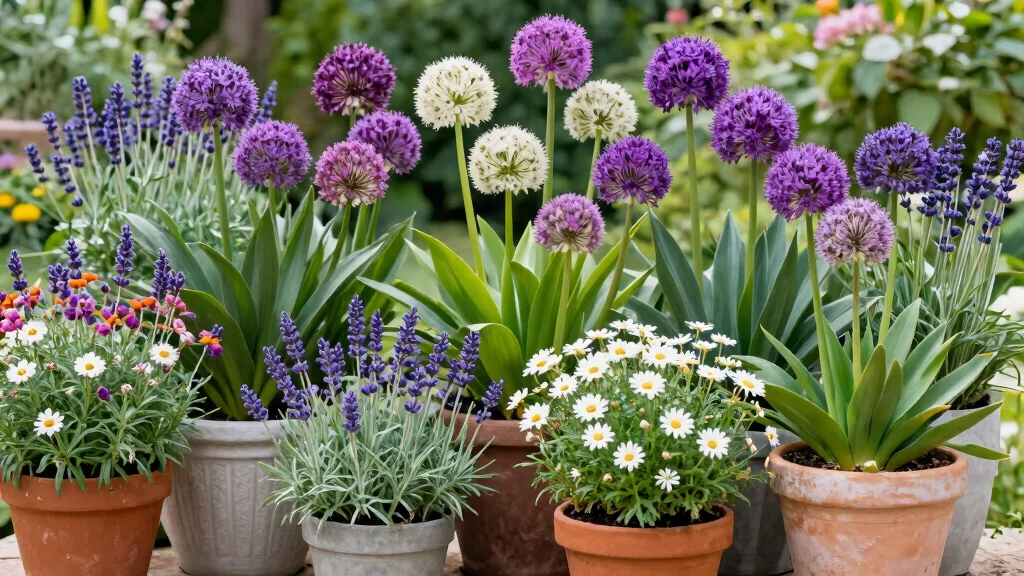
If you’re looking to breathe new life into your garden, allium flowers might just be the perfect answer. These striking, globe-like blooms are not just for show—they can add a dramatic flair that transforms any outdoor space. As spring approaches, many of us are eager to spruce up our yards. I’ve been daydreaming about colorful garden accents that can make my landscape pop. If you’re someone who loves to create beautiful, engaging outdoor spaces, this guide is for you.
In this post, I’ve pulled together eight allium flower landscaping ideas that will inspire you to think outside the box. Whether you’re a seasoned gardener or just starting out, you’ll find tips on how to incorporate different allium bulb varieties into your garden design. These ideas will help you pair alliums with perennial flower combinations and strategize seasonal flower planting for year-round beauty. Get ready to discover how these unique blooms can provide unexpected joy and vibrancy to your garden.
The beauty of allium flowers lies not only in their elegant shapes but also in their versatility. From bold container displays to themed garden spaces, each idea is designed to give your garden that dramatic pop you’ve been craving. So, let’s get started on transforming your garden into a colorful paradise!
Key Takeaways
– Allium flowers come in various bulb varieties, making them a versatile choice for any garden design.
– Container gardening with alliums allows for creative, bold displays that can easily be changed each season.
– Pairing alliums with perennial favorites can enhance your garden’s color and texture, providing year-round interest.
– Utilize dramatic group plantings to create focal points in your landscape, drawing attention and admiration.
– Seasonal layering with allium flowers ensures continuous blooms, keeping your garden lively throughout the year.
1. Bold Container Displays
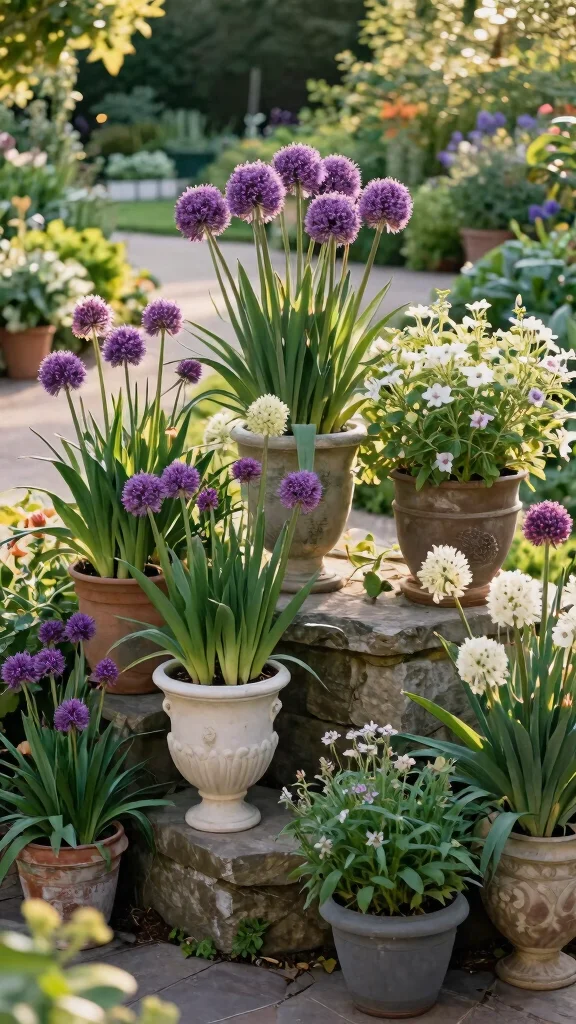
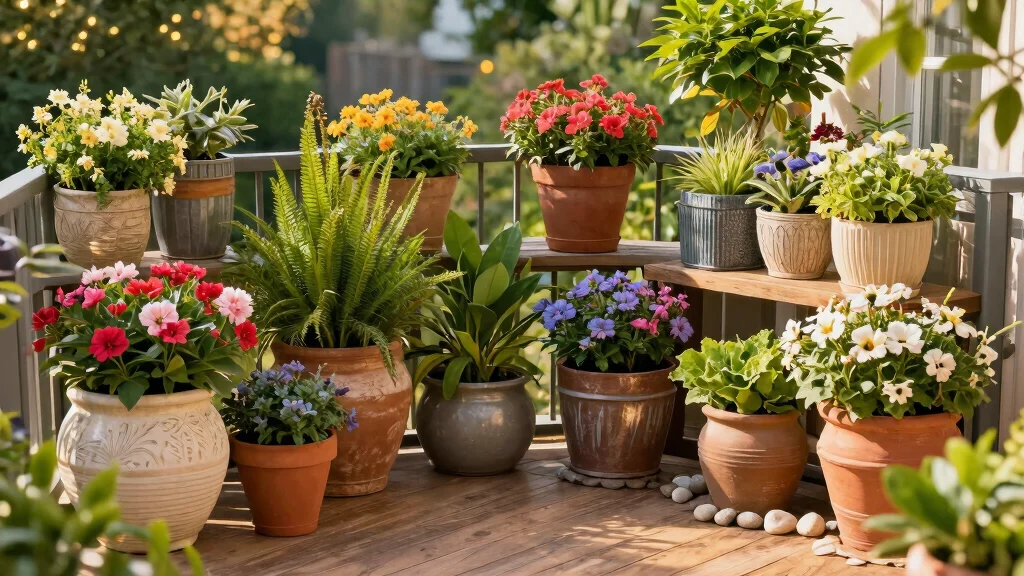
Capture attention in your garden with bold allium displays showcased in striking containers. Mixing different pot sizes and heights adds depth while showcasing these stunning blooms. Choose large, dramatic containers for tall allium varieties, placing them on pedestals or tables to elevate their presence.
Surround these magnificent flowers with shorter companions like pansies or creeping thyme for a lush, layered effect. Opt for pot colors that either complement or contrast with the vibrant purples and whites of your alliums. To keep your display fresh, add seasonal flowers such as daisies in spring or marigolds in summer.
Key tips for your container displays:
– Select pots in similar shapes for unity
– Incorporate contrasting flowers for added flair
– Use varying heights to create a dynamic look
This approach not only enhances visual interest but also ensures your garden remains vibrant throughout the seasons.
📹 Related Video: Planting Allium Bulbs in Pots | How to Plant Alliums in Containers | Growing Allium ‘Purple Rain’
Bold Container Displays
Editor’s Choice

5Pcs Succulent Tools,Mini Garden Tools,Pruning Scissors as Plant Accesso…


Burpee, 9 Quarts | Premium Organic Potting Natural Soil Mix Food Ideal f…

LEETOLLA Elevate 32″ Tall Raised Garden Bed Outdoor with Wheels & Shelf …
2. Alliums as Garden Edging

Enhance ordinary borders with the elegant touch of allium flowers as garden edging. Their unique spherical blooms and height create a sophisticated boundary that clearly defines different areas in your garden.
Plant shorter allium varieties along pathways or around flower beds for a tidy, structured appearance. Pair them with low-growing plants like sedum or lamb’s ear to introduce contrasting textures. The whimsical alliums guide the eye along your garden paths, creating an inviting atmosphere.
Consider these edging ideas:
– Plant in clusters for a cohesive look
– Combine with other flowers for added color
– Use alliums to accentuate garden features
This design not only adds charm but also allows your garden to feel more expansive and welcoming.
Fun fact: plant 3–5 lower-growing allium varieties along borders; their spherical blooms act as living markers, guiding guests through your space. This allium flowers landscaping trick helps you create a tidy boundary without heavy edging.
Alliums as Garden Edging
Editor’s Choice

33ft. Galvanized Steel Landscape Edging (10-Pack) – 40″ Metal Edging f…

Allium Bulbs for Planting – 10 Large Bulbs – Purple Sensation Plant 30″-…

21500pcs Creeping Thyme Seeds for Planting Outdoor, Hardy Perennial Grou…
3. Mixing with Perennial Favorites
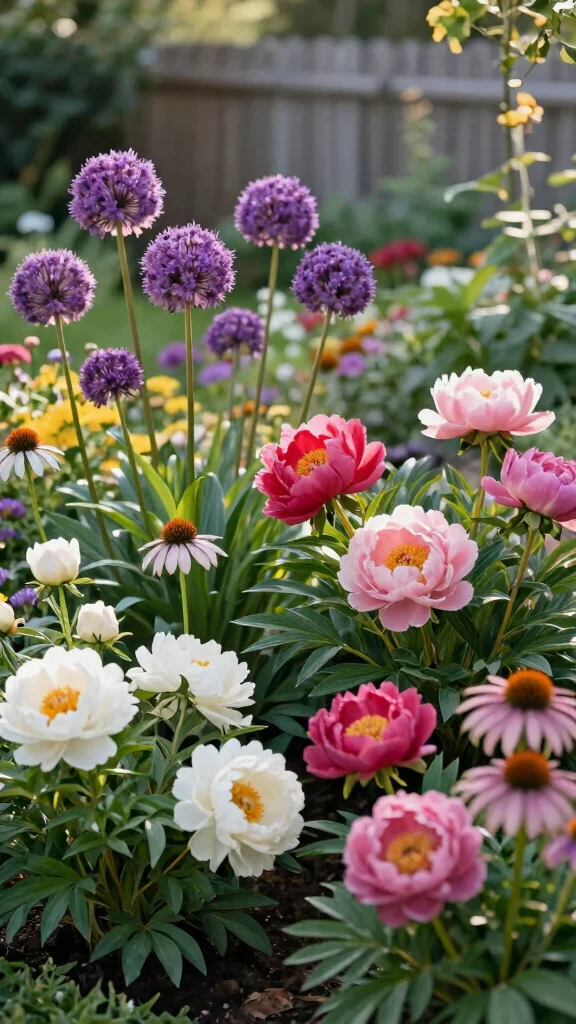
Alliums are fantastic companions in the garden, pairing beautifully with various perennial flowers for a vibrant display. Combine allium varieties with beloved perennials like daylilies, peonies, or coneflowers to create a colorful collage.
Choose plants that bloom simultaneously with your alliums for a harmonious look that evolves through the seasons. As the alliums fade, these perennials will take center stage, ensuring your garden stays lively year-round. Consider adding ground cover plants like creeping phlox to unify the overall design.
Mix and match for a stunning garden:
– Use different heights for visual interest
– Incorporate contrasting colors for dynamic appeal
– Choose plants that thrive in your climate
This combination creates a captivating visual tapestry, catching the eye from various angles.
Mixing with Perennial Favorites
Editor’s Choice
Allium Bulbs for Planting – 10 Large Bulbs – Purple Sensation Plant 30″-…

Eden Brothers All Perennial Wildflower Mixed Seeds for Planting, 5 lb, 2…
4. Dramatic Group Plantings
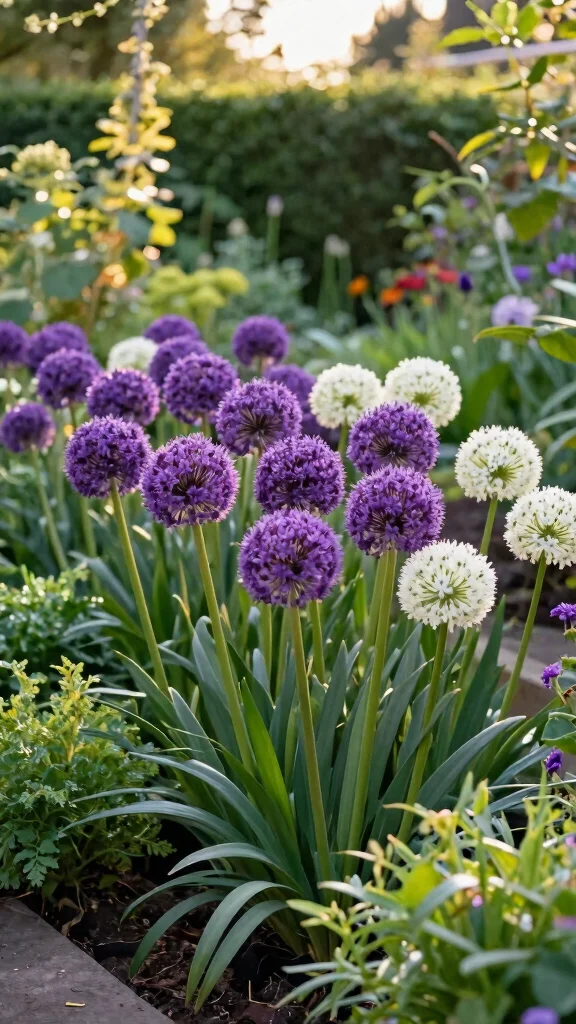
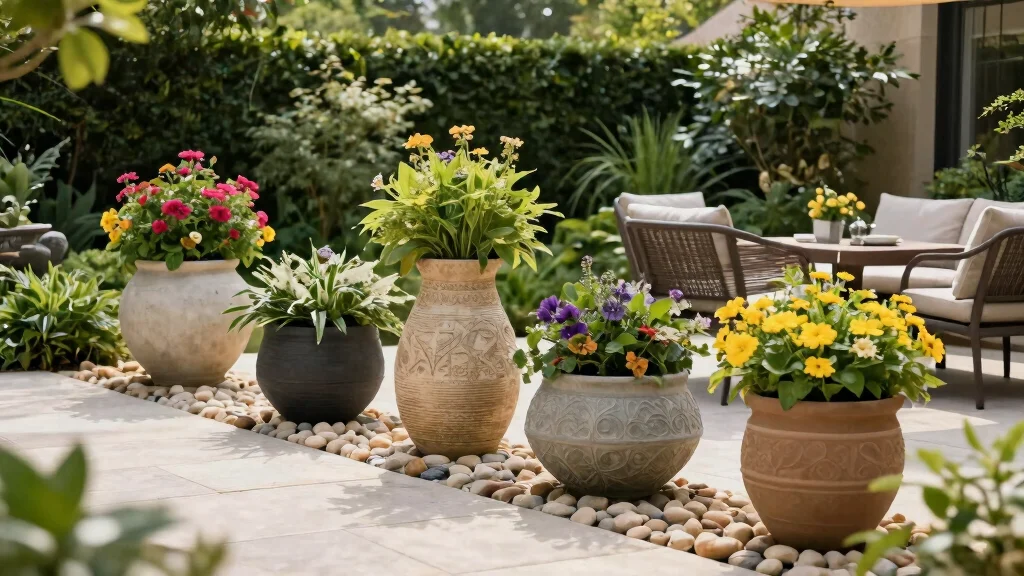
For a breathtaking visual effect, plant alliums in large clusters. This grouping technique highlights their boldness while making a dramatic statement in your garden.
Select a spot where you want to draw attention and plant multiple bulbs of the same variety together. Mixing heights by adding shorter alliums alongside taller ones adds depth and interest. Picture a vibrant sea of purple and white blooms dancing in the breeze, captivating everyone who passes by.
Enhance your grouping with these strategies:
– Incorporate contrasting flowers for more visual pop
– Use foliage to highlight the alliums
– Attract pollinators with diverse plant choices
This approach not only beautifies your garden but also enriches its ecosystem.
Fun fact: Plant 12–16 allium bulbs in a single spot to elevate your allium flowers landscaping with a dramatic bloom mass that lasts for weeks. Mix heights for depth, and you’ll enjoy a sea of purple and white dancing in the breeze, captivating every passerby.
You might also like
Dramatic Group Plantings
Editor’s Choice

Votaniki Mount Everest Allium Bulbs – Perennial Allium (Ornamental Onion…

Bulb Planter Tool, Bulb Planter with Depth Markers and Bend Free for Pla…
5. Seasonal Layering

Allium flowers can be the backbone of your seasonal layering strategy in the garden. Start by planting alliums in early spring, then introduce other seasonal flowers as they bloom for a vibrant display.
For a delightful spring scene, pair allium bulbs with tulips, transitioning into summer blooms like zinnias or cosmos. This layering technique ensures your garden is alive with color throughout the year, offering a dynamic array of hues. Ground covers or decorative stones can fill gaps as the seasons change, ensuring a smooth transition between blooms.
Get started with layering:
– Combine early and late bloomers for continuity
– Use varied colors for a lively canvas
– Consider adding textures with ground covers
This method keeps your garden looking fresh and full of life, no matter the season.
Fun fact: Planting 5-7 allium bulbs per square meter creates a bold backbone for seasonal layering in allium flowers landscaping. Their tall, architectural blooms pair with tulips in spring and shift to zinnias and cosmos in summer for continuous color.
Seasonal Layering
Editor’s Choice

Pulovin 15 lbs River Rocks for Plants, 1-1/2 inch Decorative Garden Rock…

Votaniki Allium Moly Bulbs – Long Lasting Blooms, Allium Moly (Lily Leek…

Mixed Color Tulip 1 Pack of 20 Flower Garden Seeds Collection, not Bulbs…
6. Container Gardens with a Twist
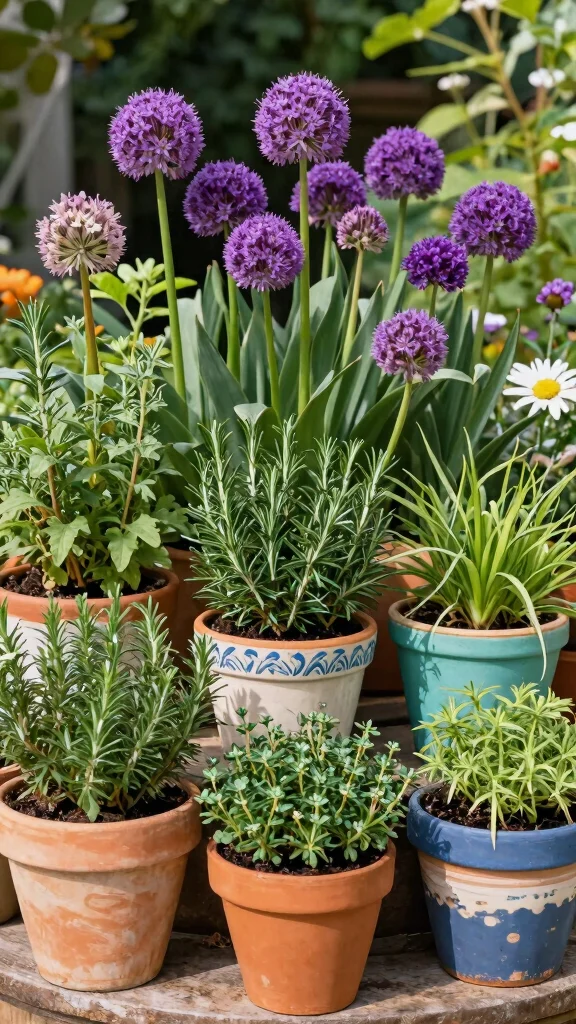
Revamp traditional container gardening by incorporating allium flowers for a fresh twist. Combine allium varieties with unexpected plants to redefine your outdoor spaces.
Mix alliums with culinary herbs like rosemary or thyme for a fragrant and visually appealing arrangement. The tall alliums against shorter herbs create a unique garden experience, and having fresh herbs at your fingertips is a delightful bonus! Use colorful, patterned pots to enhance the whimsy of your design.
Explore these container ideas:
– Shift pots around to refresh your space
– Mix herbs and flowers for versatility
– Choose unique colors and shapes for a fun look
This flexible approach allows you to change your design with the seasons, keeping your garden exciting.
Container Gardens with a Twist
Editor’s Choice

Garden Elements Indoor/Outdoor Glazed Brushed Happy Plastic Planter, Lar…
Allium Bulbs for Planting – 10 Large Bulbs – Purple Sensation Plant 30″-…

Seed Needs Rosemary Seeds for Planting – Non-GMO Heirloom & Untreated Pe…
7. Vertical Gardens with Alliums

Limited on space? Maximize your impact with vertical gardening featuring allium flowers. Utilize wall planters or vertical structures to showcase these stunning blooms in a creative way.
Plant allium bulbs in vertical containers or hanging baskets, combining them with trailing plants like ivy or lobelia. This not only saves ground space but also transforms your walls into vibrant living art. The unique shapes and heights of alliums enhance the vertical display, making it a focal point in your outdoor area.
Consider these vertical planting tips:
– Choose a mix of colors and heights for dynamism
– Use sturdy supports for climbing plants
– Create patterns for visual interest
This innovative approach brings beauty to limited spaces while allowing for creativity in design.
You Might Also Like


How To Choose Allium Flowers for Container Gardening
Choosing the right allium flowers can make a significant difference in your garden’s appeal. With a variety of allium bulb varieties available, it’s essential to consider several factors before making your selection. Here are some key criteria to keep in mind:
1. Flower Size
Allium flowers come in different sizes. Some varieties can reach up to 4 feet tall, while others stay petite at around 1 foot. Consider where you want to place them. Taller alliums work great as focal points, while shorter ones can add depth to the foreground. Measure your space to ensure you choose the right height for your containers.
2. Color Variety
Allium flowers bloom in various colors. From deep purple to white, you have plenty of options to create colorful garden accents. Think about your garden’s existing color scheme. If your garden features a lot of greens, a bright purple allium can provide a stunning contrast. A mix of colors can create a vibrant display, so consider using multiple varieties in your containers.
3. Blooming Season
Different allium bulb varieties bloom at various times throughout the growing season. Some bloom in early spring, while others may not show their flowers until summer. To create a continuous display, plan for seasonal layering by selecting alliums that bloom at different times. Check the blooming period on the packaging before you purchase to ensure a staggered display.
4. Sunlight Needs
Allium flowers generally thrive in full sun. However, some varieties can tolerate partial shade. Make sure you know how much sunlight your chosen location receives. If your containers will be in direct sun for most of the day, opt for sun-loving alliums. If they’ll get shaded during parts of the day, choose a variety that can thrive in less light.
5. Companion Planting
Consider what you want to plant alongside your alliums. Some allium varieties pair well with other perennial flower combinations. For example, alliums look stunning next to daylilies or peonies. When selecting companions, think about height, color, and blooming times to create a harmonious look in your container garden.
6. Container Size
The size of your containers will impact the growth of your alliums. Alliums generally prefer spacious containers, allowing their roots to spread. Choose a pot that is at least 12 inches deep and wide for optimal growth. Larger containers also help retain moisture, which is essential for the healthy growth of your allium flowers.
Pro Tip:
Before planting, soak your allium bulbs in water for a few hours. This helps jumpstart their growth and ensures they get the moisture they need. It’s a simple step that can lead to more vibrant blooms in your container garden!
Vertical Gardens with Alliums
Editor’s Choice

Vanslogreen 2 Pack Hanging Planters for Indoor Outdoor Plants, 10 Inch H…

240+ Mix Rare Allium Giganteum Flower Seeds for Planting-Non-GMO Heirloo…

Ogrmar 36 Pockets Vertical Wall Garden Planter Plant Grow Bag for Flower…
8. Themed Garden Spaces

Elevate your gardening creativity by designing themed spaces where allium flowers take center stage. Imagine a whimsical fairy garden where alliums add magic with their unique shapes and colors.
Alternatively, create a Mediterranean oasis by pairing alliums with herbs and drought-resistant plants like lavender and sage. This approach not only fosters sustainability but also cultivates a fragrant environment. Themed gardens let you express your creativity, choosing colors and plant combinations that resonate with your vision.
Design your themed garden with these ideas:
– Select plants that bloom in harmony
– Experiment with various colors for mood
– Use unique arrangements to highlight themes
This transformation creates a stunning spectacle that reflects your style and personality throughout the year.
Themed Garden Spaces
Editor’s Choice

Grenebo Gardening Tools 9-Piece Heavy Duty Garden Hand Tools with Fashio…

COOLJOB 2 Pairs Gardening Gloves for Women Ladies, Breathable Rubber Coa…

KVR Upgraded Garden Kneeler and Seat with Thicken & Widen Soft Kneeling …
Conclusion

Incorporating allium flowers into your landscaping opens up endless possibilities for creative expression. From bold container displays to themed gardens, these versatile blooms provide height and drama, making any garden pop with color.
As you explore these eight ideas, remember that the combination of allium varieties and strategic plant pairings can transform your outdoor spaces into colorful paradises. Whether you prefer traditional designs or modern twists, alliums will surely enhance the beauty of your garden.
Note: We aim to provide accurate product links, but some may occasionally expire or become unavailable. If this happens, please search directly on Amazon for the product or a suitable alternative.
This post contains Amazon affiliate links, meaning we may earn a small commission if you purchase through our links, at no extra cost to you.
Frequently Asked Questions
What are the best allium bulb varieties for container gardening to maximize drama?
For container gardening, you want height, contrast, and repeat bloom. Try these allium bulb varieties that excel in pots: Allium giganteum for towering purple umbels; Allium ‘Globemaster’ for massive white globes; Allium ‘Purple Sensation’ for electric purple drama; Allium sphaerocephalon for slender, textured heads; Allium christophii for starry, silvery glints. Plant 3–5 bulbs in a container to create a bold focal point. Use a well-draining mix, a pot with drainage holes, and full sun. Water sparingly after bloom to protect foliage, and group bulbs in layers to extend seasonal color across your display.
How can I design a container display using allium flowers landscaping to create a dramatic focal point?
Think height, rhythm, and repetition in your design. Start with a single tall allium as the anchor, placed at the back or center of the container, then surround it with mid-height perennials like Nepeta, Sedum, or Eryngium and a trailing spiller for softness. Choose color palettes that contrast with the allium blooms—cool whites and purples with warm yellows or pinks create a dynamic colorful garden accents. Repeat the same plant group in multiple containers to achieve cohesive garden design tips across your space, and vary textures for lasting interest.
When should I plant allium bulbs for seasonal flower planting and how long do they bloom?
Plant allium bulbs in fall, about 6–8 weeks before the first hard frost, in well-draining soil. In containers, plant bulbs to the same depth as in the ground (usually 2–3 inches deep) and space them according to bulb size. With proper chilling, they typically bloom in late spring to early summer. For continuous color, pair early and late-blooming allium varieties in the same pot for an extended display during your seasonal flower planting window.
What perennial flower combinations pair best with alliums for long-lasting color?
Great matches include Echinacea purpurea (coneflowers), Sedum spp. (like ‘Autumn Joy’), Salvia nemorosa, Nepeta, and ornamental grasses such as Miscanthus or Panicum. These perennial flower combinations create textural contrast and keep color coming after the allium blooms fade. Plant in drifts of 3–5 and repeat in containers for a cohesive, layered look that adds colorful garden accents year round.
Are allium plants deer- and pest-resistant, and how should I care for them in containers?
In most gardens, allium flowers landscaping are relatively deer-resistant and suffer few pests. For container care, ensure excellent drainage, full sun, and a light feeding in spring with a balanced potting mix. Water at the base, avoid overwatering, and deadhead after bloom to tidy the display. Let the foliage yellow naturally to nourish the bulb for next year, and overwinter containers in a sheltered spot if needed. With these steps, container-grown alliums stay sturdy and showy with minimal fuss.
Related Topics
allium flowers
container gardening
garden design
perennial combinations
colorful accents
seasonal planting
landscaping ideas
easy gardening
dramatic gardens
bulb varieties
beginner friendly
outdoor decor