
When it comes to creating a beautiful outdoor space, arborvitae and hydrangea landscaping can be a game changer. There’s something so inviting about lush greenery paired with stunning blooms that makes any garden feel like a serene retreat. I’m sharing this post because I want to help you transform your small urban garden into a layered masterpiece full of life and color. Whether you’re just starting your gardening journey or looking to refresh your existing space, these landscaping ideas will inspire you to think creatively about how to use these two fabulous plants.
If you’re someone who craves a vibrant garden but also values low-maintenance options, you’re in the right place. Arborvitae offers evergreen structure, while hydrangeas provide seasonal interest with their blooms. Together, they create a dynamic environment that fits perfectly in small spaces. You’ll discover a range of ideas that will not only enhance your garden’s aesthetics but also give you practical ways to enjoy your outdoor space year-round. Get ready to explore eight stunning concepts that will make your garden the envy of the neighborhood.
By the end of this post, you’ll be armed with specific tips on how to layer these plants effectively, combine textures, and integrate decor that complements your garden’s natural beauty. You’ll learn practical gardening techniques, seasonal bloom pairings, and clever ways to make the most of your space. So grab your gardening gloves, and let’s dive into the world of arborvitae and hydrangea landscaping!
Key Takeaways
– Vertical Layering: Use tall arborvitaes as a backdrop for low-growing hydrangeas, creating depth in your garden design.
– Seasonal Bloom Pairings: Choose hydrangea varieties that bloom at different times to keep your garden colorful throughout the year.
– Textured Plant Combinations: Mix various foliage textures to add visual interest and complexity to your landscaping.
– Rustic Decor Enhancements: Incorporate outdoor decor elements like wooden benches or trellises to complement the natural beauty of your plants.
– Container Gardening: Use pots for hydrangeas to easily move them around and create flexible arrangements that can change with the seasons.
1. Vertical Layering with Arborvitae and Low Hydrangeas
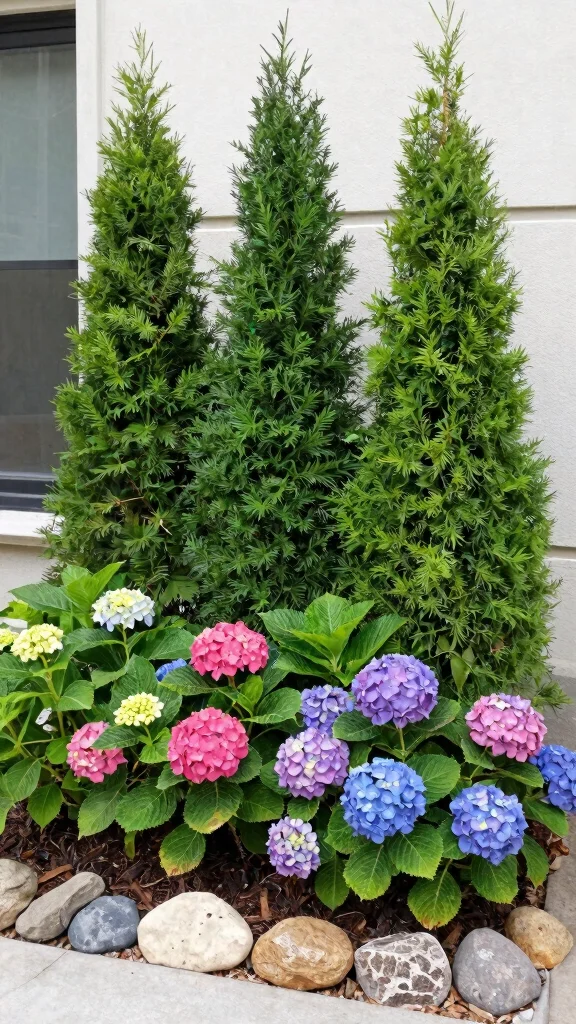
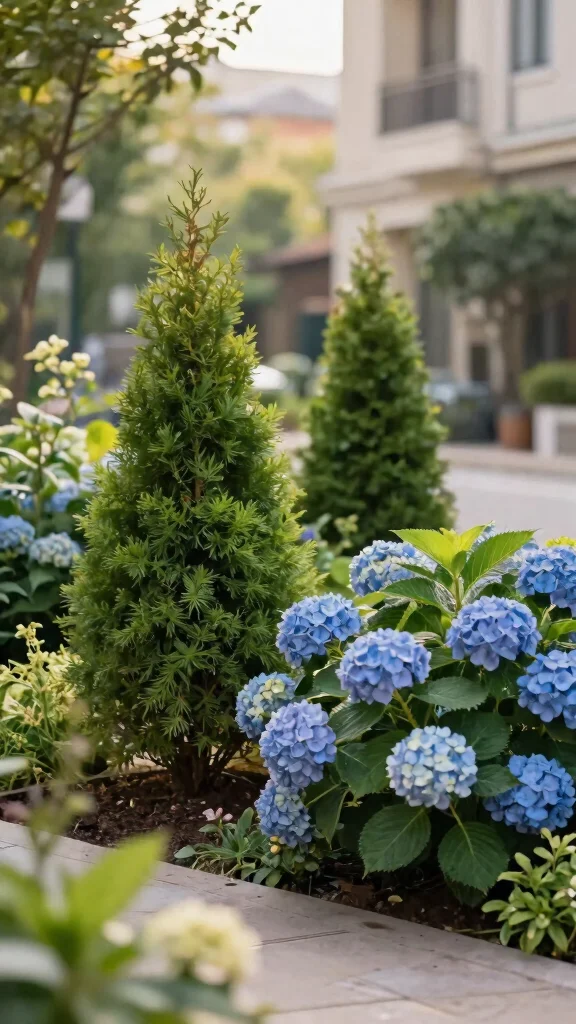
If you’re looking to maximize space in a small garden, vertical layering is your solution. By placing tall arborvitae at the back and shorter hydrangeas in front, you create a beautiful depth that draws attention. This setup not only enhances visual interest but also provides a lush backdrop, making your garden feel vibrant and welcoming. When choosing hydrangeas, pick varieties that bloom in colors you adore, from soft pinks to bright blues. The evergreen arborvitae will stay green year-round, while hydrangeas offer seasonal splashes of color, creating a dynamic garden all year long. Here are some tips for this setup:- Select hydrangeas that bloom at different times for ongoing color.- Space plants a foot or two apart for optimal growth.- Apply mulch around the base to retain moisture and control weeds. This combination is not only stunning but also low-maintenance, perfect for busy lives in the city.
Vertical Layering with Arborvitae and Low Hydra…
Editor’s Choice



Perfect Plants Thuja Green Giant 2ft. Tall 8-Pack | Privacy Evergreen Ar…
2. Seasonal Bloom Pairings

To keep your garden vibrant, explore seasonal bloom pairings. By planting hydrangeas that bloom in a variety of colors, your garden remains visually captivating throughout the seasons. Pairing white hydrangeas with dark green arborvitae creates a striking contrast that exudes elegance. Blue hydrangeas can also provide a lovely pop against the lush backdrop of arborvitae. Consider these tips:- Incorporate seasonal varieties like Annabelle or Endless Summer for diverse colors.- Use fertilizers designed for hydrangeas to boost bloom vibrancy.- Plan your layout to prevent taller arborvitae from overshadowing the hydrangeas. With this setup, you’ll enjoy a living gallery that evolves with the seasons, bringing beauty to your garden year-round.
Seasonal bloom pairings in arborvitae and hydrangea landscaping are your garden’s talking points—try mixing white hydrangeas with dark arborvitae for instant elegance. Blue hydrangeas pop against that lush backdrop, making a small urban garden feel bigger and brighter.
📹 Related Video: Best Hydrangea Companion Plants | What to Plant with Hydrangeas | Hydrangea Care
Seasonal Bloom Pairings
Editor’s Choice

Wells Lamont Gardening Gloves for Women – Breathable Polyester, Seamle…

KVR Upgraded Garden Kneeler and Seat with Thicken & Widen Soft Kneeling …

Grenebo Gardening Tools 9-Piece Heavy Duty Garden Hand Tools with Fashio…
3. Textured Plant Combinations
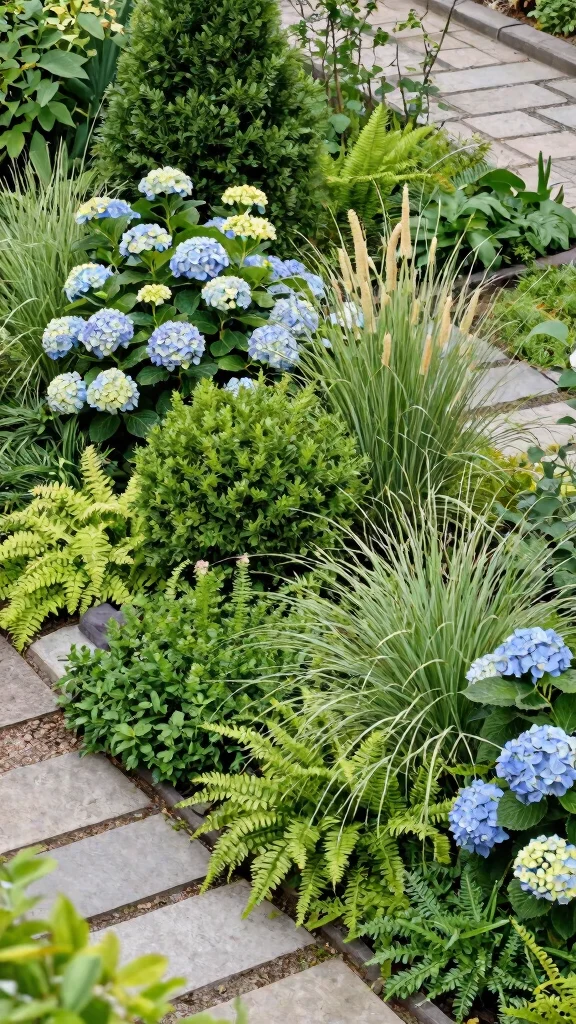
To create a visually captivating landscape, think about textured plant combinations. Mixing plants with various leaf shapes and sizes alongside your arborvitae and hydrangeas can add depth and movement. Ornamental grasses or ferns can sway gently in the breeze, enhancing the overall appeal of your garden. While the smooth leaves of arborvitae and round hydrangea blooms are lovely, adding different textures keeps the eye engaged. For successful combinations:- Select grasses that complement your color scheme without overwhelming main plants.- Be mindful of growth patterns to avoid overcrowding.- Maintain a consistent color palette for a harmonious design. This thoughtful layering not only enhances your garden’s beauty but also creates a lively sanctuary.
Textured Plant Combinations
Editor’s Choice

MAQIHAN 10 Artificial Grass Plant Outdoors – Faux Fake Wheat Grass Decor…

American Plant Exchange Live Autumn Fern – 6-Inch Pot – Hardy Shade-…
4. Rustic Decor Enhancements
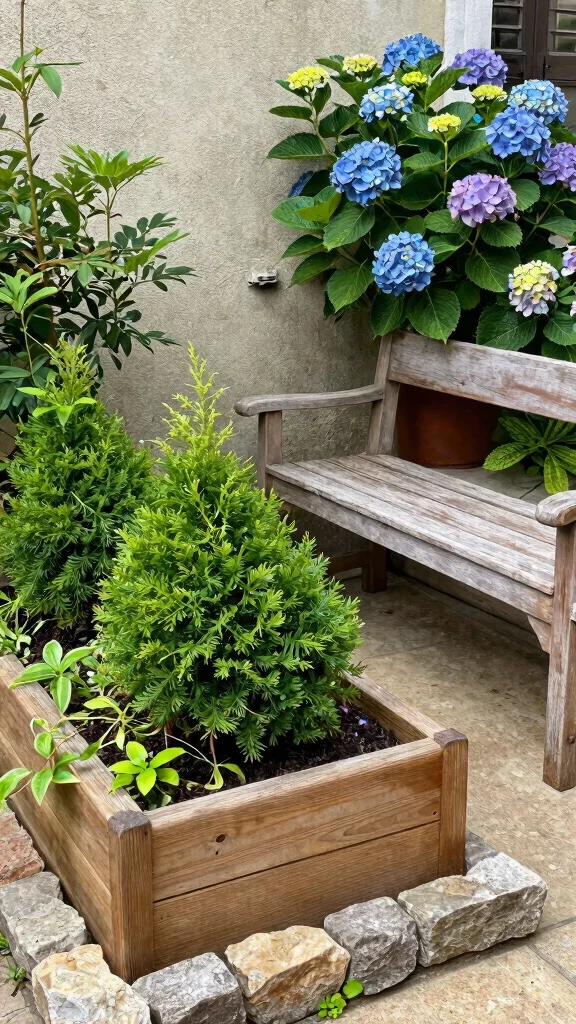
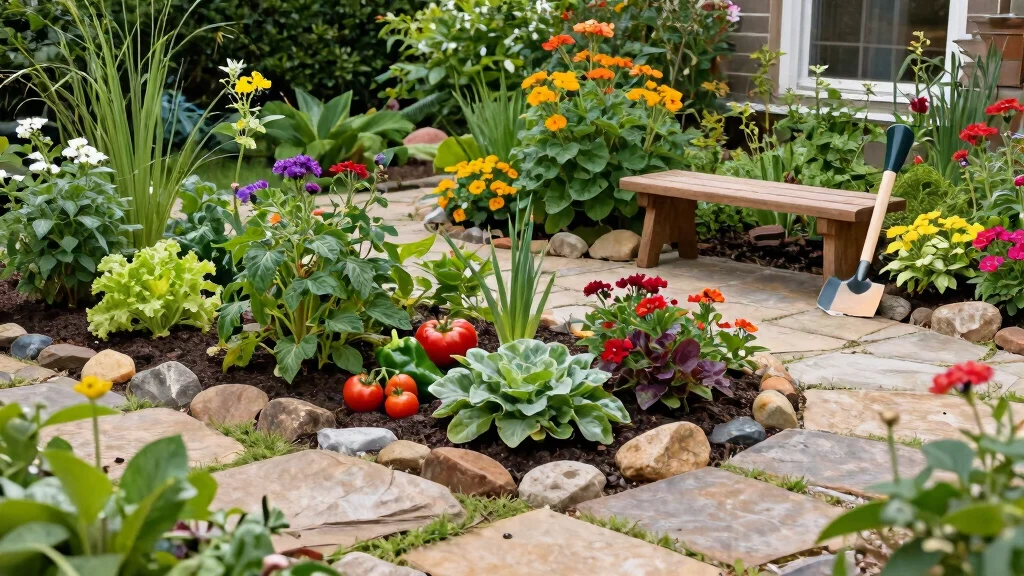
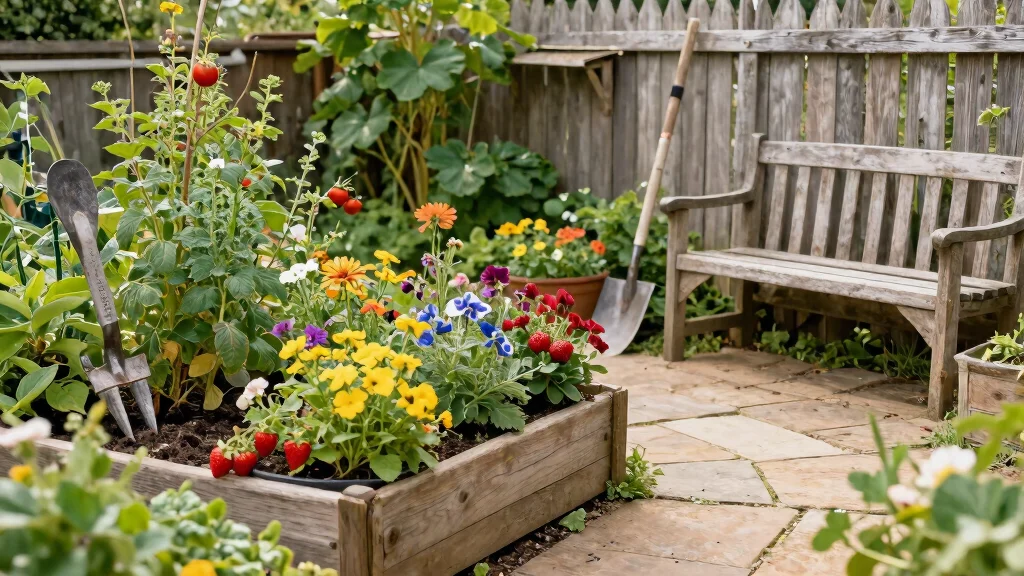
If you love a rustic aesthetic, incorporate natural decor elements into your arborvitae and hydrangea landscape. Wooden planters, trellises, or stone borders can enrich the organic feel of your garden. These features enhance aesthetics while adding structure to your plant layout. A simple wooden bench surrounded by flowers can create a cozy spot to unwind, turning your garden into a personal retreat. To enhance your rustic theme:- Use reclaimed wood for planters to add character.- Add hanging planters for extra visual interest.- Choose stones that match the natural colors of your plants for cohesive design. This approach instills a cozy atmosphere, making your garden a perfect escape.
Fun fact: Rustic features like reclaimed wood planters and stone borders can boost perceived garden cohesion by up to 40% in arborvitae and hydrangea landscaping. In small urban spaces, these simple touches add structure and calm—without overwhelming the plants.
You might also like
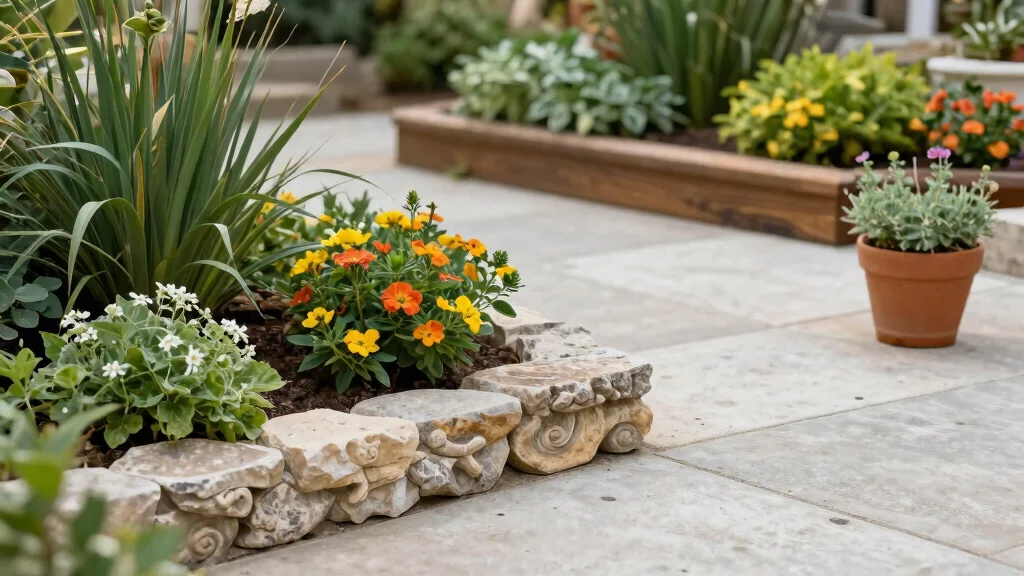
Rustic Decor Enhancements
Editor’s Choice

EasyFlex No-Dig Landscape Edging with Anchoring Spikes, 2.7 in Tall Deco…

Avalution 10 Pack Bamboo Trellis for Climbing Plants 16″ Natural Garden …

My Barnwood Frames Reclaimed Wood Planter Box with Metal Brackets (Large…
5. Edging with Arborvitae

Utilizing arborvitae as a natural edging technique can beautifully define your garden space. Arranging slender arborvitae along pathways or borders creates an elegant look that enhances garden structure. This not only guides guests through your garden but also highlights the beauty of the hydrangeas within. To maintain this refined appearance, regularly trim the arborvitae to keep them at a uniform height. The lush green backdrop will make your hydrangeas stand out even more. For effective edging:- Opt for dwarf varieties for smaller spaces.- Ensure proper spacing for air circulation.- Consider adding complementary plants to fill gaps for fullness. This method creates a seamless transition between different garden areas while keeping everything orderly.
Edging with Arborvitae
Editor’s Choice

2-Inch x 66 FT Landscape Edging Border with 100 Spikes, No Dig Garden Bo…

BLACK+DECKER Electric Hedge Trimmer, 17-Inch Corded 3.2 Amp, Dual Action…
6. Container Gardening with Hydrangeas
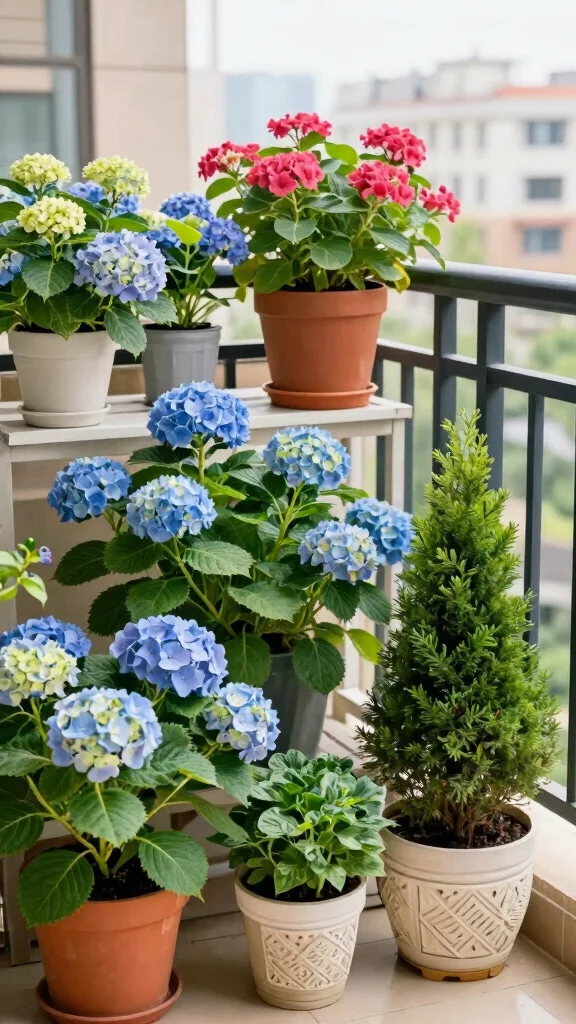
If you’re short on space, container gardening is a fantastic option. Planting hydrangeas in attractive pots allows you to enjoy their beauty without needing a large garden. Pair these with smaller arborvitae in distinct containers to create an inviting arrangement on patios or balconies. This method is space-efficient and allows for easy rearrangement whenever you like. Choose pots that complement your outdoor decor for a cohesive look. Here are some container gardening tips:- Ensure pots have drainage to keep plants healthy.- Use quality potting soil to encourage growth.- Try self-watering pots to simplify maintenance. Container arrangements can be tailored by season, allowing for vibrant blooms that shine throughout the year.
Ongoing Maintenance & Care Guide
Maintenance Schedule:
Daily/Weekly Tasks:
– Watering: Ensure your arborvitae and hydrangeas receive 1-2 inches of water each week. Check moisture levels in the soil, especially during dry spells. ⏱ (15 minutes per week)
– Weeding: Regularly remove weeds around your plants to prevent competition for nutrients and water. Pull them out by hand or use a hoe. ✔ (10 minutes per session)
– Mulching: Refresh mulch to retain moisture and suppress weeds. Wood chips or bark mulch work well. Replenish when it looks thin. 🚀 (30 minutes monthly)
Monthly/Seasonal Tasks:
– Pruning: Trim dead or damaged branches from arborvitae and hydrangeas. This promotes healthy growth and improves appearance. 🌱 (1 hour in early spring or late fall)
– Fertilizing: Feed your plants with a slow-release fertilizer in spring. Look for one rich in phosphorus for blooming. Follow package instructions carefully. 💡 (30 minutes)
– Pest Inspection: Examine plants for signs of pests like aphids or spider mites. If found, treat with insecticidal soap or neem oil. 🔍 (20 minutes)
– Fall Cleanup: In autumn, remove fallen leaves and spent blooms. This helps prevent diseases. 🌾 (1 hour)
– Winter Protection: Wrap the base of your arborvitae with burlap in cold regions to protect roots from freezing. ❄️ (30 minutes)
Maintenance Summary Table:
| Task | Frequency | Difficulty | Time Needed |
|————————-|—————-|————|———————|
| Watering | Weekly | Easy | 15 minutes |
| Weeding | Weekly | Easy | 10 minutes |
| Mulching | Monthly | Medium | 30 minutes |
| Pruning | Seasonally | Medium | 1 hour |
| Fertilizing | Monthly | Easy | 30 minutes |
| Pest Inspection | Monthly | Easy | 20 minutes |
| Fall Cleanup | Annually | Medium | 1 hour |
| Winter Protection | Annually | Easy | 30 minutes |
Common Issues to Watch For:
⚠️ Yellowing Leaves: This may indicate overwatering or nutrient deficiency. Check soil moisture and consider fertilizing.
⚠️ Wilting Plants: Lack of water can cause wilting. Ensure your plants are getting enough moisture, especially in hot weather.
⚠️ Brown Tips: This could be a sign of underwatering or excessive heat. Adjust your watering schedule and provide some shade during peak sun hours.
⚠️ Fungal Growth: White spots or powdery substance on leaves indicate a fungal issue. Remove affected leaves and apply fungicide if needed.
⚠️ Pest Infestation: Look for tiny insects on the undersides of leaves. If you notice any, take immediate action to treat them.
Care Tips:
💡 Use Drip Irrigation: This helps maintain consistent moisture while conserving water. It’s especially useful in urban gardens with limited space.
💡 Layered Planting: Consider planting lower hydrangeas in front of taller arborvitae. This creates depth and improves visual appeal in small spaces.
💡 Regularly Check Soil: Healthy soil is key. Test your soil every few years to ensure proper pH and nutrient levels. Adjust as necessary with compost or amendments.
💡 Companion Planting: Pair hydrangeas with other low-maintenance plants like hostas or ferns for a lush garden effect that requires minimal upkeep.
💡 Seasonal Decor: Change up your outdoor decor each season. Use seasonal blooms and colors for pots or garden ornaments to keep your garden looking fresh and inviting.
Container Gardening with Hydrangeas
Editor’s Choice

Miracle-Gro Potting Mix – For Container Plants, Flowers, Vegetables, Shr…

8/10/12 Inch Self Watering Pots for Indoor/Outdoor Plants – Large Plasti…

DeeCoo 3 Piece Ceramic Plant pots Indoor Pots Set with Drainage Holes, 5…
7. Pathway Accents with Hydrangeas
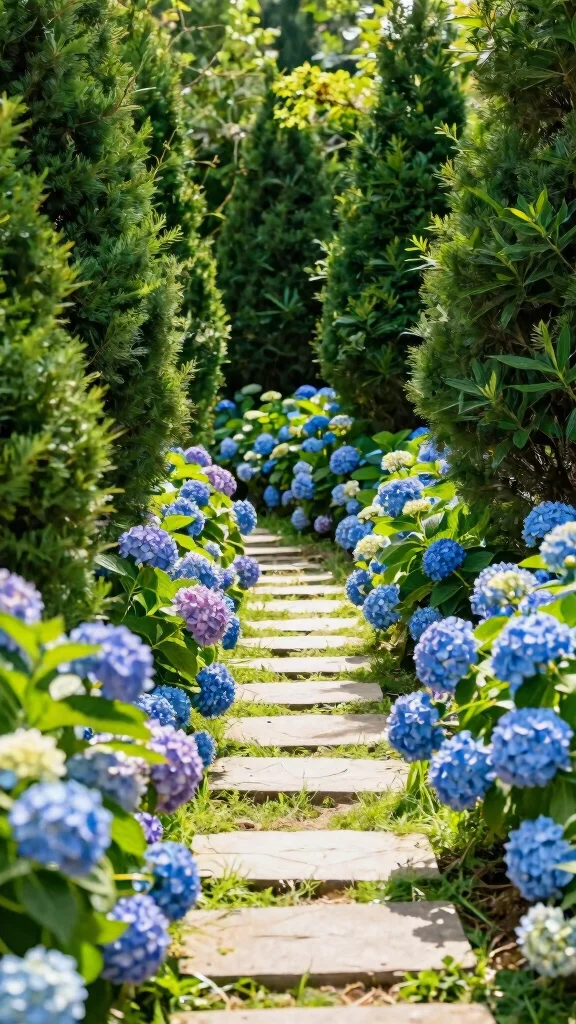
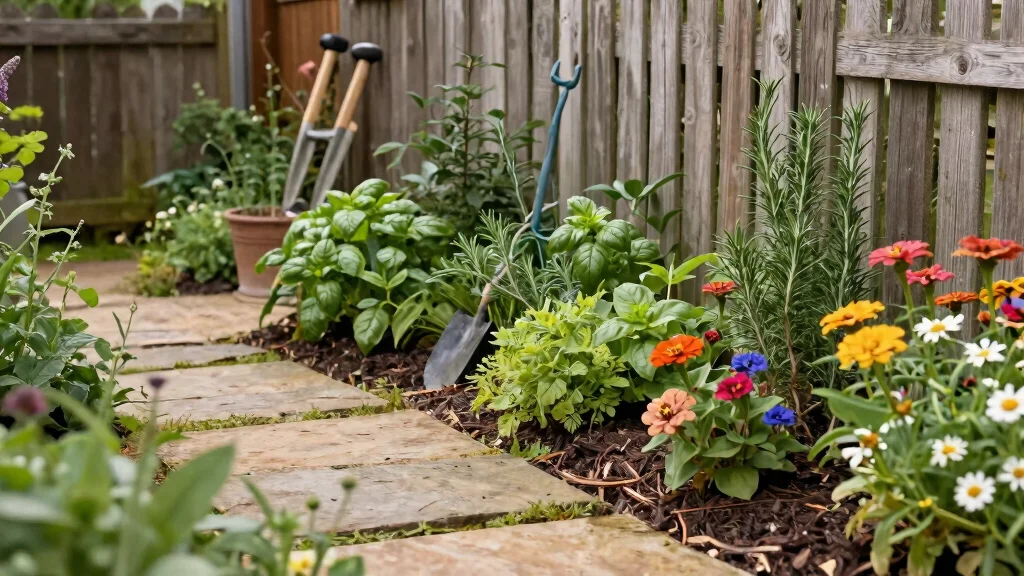
Enhancing pathways with hydrangea accents can infuse your garden trails with color and life. Planting hydrangeas along pathway edges brightens the area and adds delightful surprises as you stroll through. This idea pairs beautifully with the towering arborvitae, creating a layered effect that invites exploration. Opt for hydrangea varieties that bloom at different times to maintain visual interest throughout the season. Consider these key points:- Space hydrangeas according to their mature size for optimal growth.- Add stepping stones to guide foot traffic while protecting the flowers.- Use ground covers between plants for added texture. With this approach, you’ll have a pathway that delights and encourages leisurely strolls through your lush garden.
Fun fact: Hydrangeas can deliver 2-3 color bursts from spring through fall when paired with arborvitae along a path. This pairing anchors a lush edge in arborvitae and hydrangea landscaping. Space them 2–4 feet apart to keep the walk bright without crowding the edge.
You Might Also Like
Pathway Accents with Hydrangeas
Editor’s Choice
Grenebo Gardening Tools 9-Piece Heavy Duty Garden Hand Tools with Fashio…

COOLJOB 2 Pairs Gardening Gloves for Women Ladies, Breathable Rubber Coa…

NIUXX Garden Kneeler and Seat with 360° Wheels: 3-in-1 Rolling Garden S…
8. Evening Garden Glow

Finally, create a magical evening garden glow with subtle lighting around your hydrangeas and arborvitae. Thoughtfully placed solar lights or lanterns can bring your urban garden to life at night, enhancing the landscape and creating a warm ambiance. Soft lighting accentuates the lush foliage and vibrant hydrangea colors, transforming your garden into an enchanting escape. Opt for warm-toned lights to highlight the natural beauty of your plants instead of harsh white lights. For achieving this look:- Place lights to highlight key features like prominent hydrangea blooms.- Choose energy-efficient solar lighting options for low maintenance.- Incorporate light-reflecting elements like decorative stones to enhance the glow. This finishing touch lets you enjoy your garden day and night, creating a serene retreat in your urban environment.
Conclusion
Incorporating arborvitae and hydrangea into your urban garden design brings lush layers of beauty that can transform even the smallest spaces. Each idea shared in this guide reflects how you can cultivate a vibrant and visually appealing landscape with minimal upkeep.
By mixing textures, colors, and strategic layouts, you’ll find that your garden becomes a relaxing retreat that highlights the beauty of nature amidst the hustle and bustle of urban life. So roll up your sleeves, and get ready to create your own lush haven!
Note: We aim to provide accurate product links, but some may occasionally expire or become unavailable. If this happens, please search directly on Amazon for the product or a suitable alternative.
This post contains Amazon affiliate links, meaning we may earn a small commission if you purchase through our links, at no extra cost to you.
Frequently Asked Questions
Why are arborvitae and hydrangea landscaping a great choice for small urban gardens?
For small urban gardens, arborvitae and hydrangea landscaping delivers year-round structure and lush color with relatively low maintenance.
Arborvitae provide evergreen screening and vertical interest, while hydrangeas offer seasonal blooms that pop against the greens. When you layer them, you get depth and privacy without crowding a tight space.
Practical tips: choose compact or dwarf cultivars that fit your footprint, group plants in odd numbers for a natural look, place hydrangeas where they will get some sun but a touch of shade in the hottest part of the day, and use a simple drip irrigation plan with a light mulch. This approach supports landscape design and highlights plant combinations that stay beautiful across the seasons and enhance garden aesthetics.
Which arborvitae varieties are best for containers and narrow beds in a small urban garden?
Look for cultivars labeled as dwarf, compact, or columnar that stay under 4–6 ft tall. For containers, choose slower-growing varieties with dense foliage and good tolerance to pruning. Plant in well-drained soil, use a high-quality potting mix, and water deeply, allowing the top inch of soil to dry between waterings. In a small garden, place the arborvitae toward the back and use hydrangeas in front to create a layered effect. This is a smart way to achieve landscape design goals and create plant combinations that work in tight spaces.
How can I pair hydrangeas with arborvitae to achieve layered, year-round garden aesthetics?
Treat arborvitae as an evergreen backbone and use hydrangeas to bring texture and seasonal color in front. Choose hydrangea types with complementary bloom times (for example, bigleaf Hydrangea in summer and panicle hydrangea into fall). Vary heights and keep a cohesive color story to enhance garden aesthetics. Make sure the soil is slightly acidic if you want blue blooms, or more alkaline for pink, and prune hydrangeas after they bloom as appropriate for your cultivar to maintain shape. With careful spacing and proper irrigation, you get a lush, layered look all year.
What maintenance tasks keep these plants healthy in a small space?
Keep the landscape lush with regular, focused care: deep, infrequent watering during dry spells; a 2–3 inch layer of mulch to conserve moisture and suppress weeds; ensure good drainage so arborvitae don’t sit in wet roots; prune dead wood and spent hydrangea blooms at the right times; feed lightly in early spring with a balanced fertilizer, avoiding heavy feeding; monitor for pests and diseases, especially in containers; and in winter, protect potted plants from freezes if you are in cold climates. All of this fits a landscape design that stays low-maintenance while delivering strong garden aesthetics.
Can you share a simple 3-season plan for a compact arborvitae and hydrangea landscape?
Spring planning: prepare soil with compost, install or refresh mulch, plant any new arborvitae or hydrangea, and set up a small drip system; prune dead wood from last season and tidy the shape.
Summer care: water deeply, mulch to keep roots cool, deadhead hydrangeas to encourage bloom, and check stakes or supports as needed.
Fall/Winter: apply a final mulch layer, wrap containers if winters are harsh, and do light pruning only if needed to maintain shape. Throughout, keep your color palette cohesive and enjoy the layered look that the arborvitae and hydrangea landscaping provides as landscape design and garden aesthetics in a small space.
Related Topics
arborvitae landscaping
hydrangea design
urban gardening
low-maintenance plants
seasonal blooms
layered gardens
plant combinations
outdoor decor
garden aesthetics
beginner friendly
small urban spaces
landscape design