
As summer approaches, many of us are craving ways to brighten our gardens, especially the shadier spots that often feel neglected. If you’re like me, you love the idea of adding lush, colorful plants that thrive in low-light conditions. This is why I created this guide on astilbe landscaping. These stunning perennials not only add feathery blooms but also bring a splash of color to those shady corners of your yard.
Whether you’re a seasoned gardener or just starting out, this post is for anyone who appreciates the beauty of shade-loving plants. If you care about creating a vibrant garden without spending all day on upkeep, then you’re in luck. I’ve gathered ten innovative ideas that showcase astilbe in unique and exciting ways. You’ll discover combinations and arrangements that are low maintenance yet visually striking, perfect for enhancing your garden’s charm.
Get ready to explore how to make the most of astilbe in your landscaping! You’ll walk away with creative ideas, practical tips, and a renewed sense of inspiration for your garden. Together, let’s transform those dimly lit spots into beautiful, colorful retreats.
Key Takeaways
– Astilbe is perfect for shady areas: These perennials thrive in low-light environments, making them ideal for gardens where sunlight is limited.
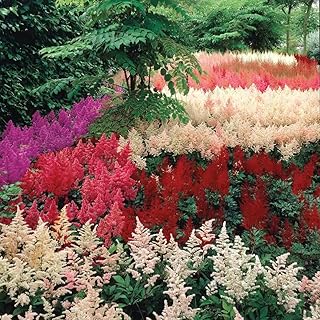
– Diverse color options: Astilbe comes in various shades, from white to deep red, allowing you to create an eye-catching display that complements your outdoor space.
– Companion planting: Pair astilbe with other shady garden plants like ferns to create a layered look that adds depth and texture to your garden.
– Low maintenance: Once established, astilbe requires minimal care, making it a great choice for gardeners who prefer easy-to-manage landscaping.
– Creative design ideas: From focal points to moonlight gardens, there are numerous innovative ways to incorporate astilbe into your yard, ensuring every corner bursts with color.
1. Create a Colorful Border

Looking to add a splash of color to your garden? Astilbe is perfect for crafting a vibrant border that brightens your shaded spots. By mixing various species, you can create a stunning display of colors that will intrigue your visitors. For instance, try pairing the striking red of ‘Fanal’ with the soft pink of ‘Peach Blossom’ to achieve a delightful contrast.
Position these plants in a staggered layout to enhance visual interest, allowing their diverse heights and colors to draw the eye. Complement them with other shade-loving plants like ferns and hostas to fill in any gaps and maintain a lush, inviting atmosphere.
Key tips for a successful border:
– Amend soil with organic matter for better drainage
– Water regularly, especially during the growing season
– Choose a mix of astilbe varieties for continuous color
Your garden borders will thrive and burst with life all summer long!
Fun fact: A staggered astilbe border using three colors creates drama in just a 4-foot span. Pair red ‘Fanal’ with pink ‘Peach Blossom’ for contrast, then mix heights for lasting rhythm in shade. Your shady corners will feel instantly brighter.
Create a Colorful Border
Editor’s Choice

Giant Plume Assorted Astilbe Flowers – 3, 6, or 9 Bulbs -Attracts Butter…

2. Pair Astilbe with Ferns

Do you want to create an enchanting shade garden? Astilbe and ferns are a fantastic duo that can elevate your garden’s aesthetic. The feathery blooms of astilbe beautifully contrast with the lush, green fronds of ferns, creating a captivating visual experience.
Position astilbe at the base of taller ferns for a layered effect, where the ferns act as a backdrop, enhancing the colors of the astilbe flowers. Consider planting varieties like the elegant Japanese Painted Fern for added sophistication.
To ensure both plants thrive:
– Use moist, well-drained soil that retains moisture
– Choose similar light conditions for both
– Keep the area weed-free for optimal growth
You’ll enjoy a low-maintenance garden that impresses with its unique beauty and texture!
Did you know astilbe landscaping with ferns in partial shade can reduce daily watering by up to 20%? Layer tall ferns behind feathery astilbe for a dramatic, color-rich backdrop that stays lush all season.
Pair Astilbe with Ferns
Editor’s Choice

3 Japanese Painted Fern-Hardy Shade Lovers in a 4″ Pot. Do not Order in …
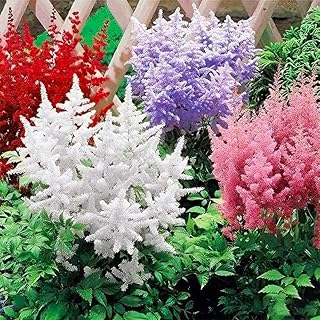
1100+ Mix Astilbe Arendsii Bunter Seeds for Planting-Non-GMO Heirloom Pl…
3. Create a Shady Retreat with Pathways

Imagine a lovely pathway adorned with colorful astilbe on both sides. This charming look can be achieved by lining a stone or gravel path with these stunning plants. The soft textures and vibrant colors will make each step feel special.
Select a variety of astilbe colors to create a gradient effect, transitioning from light pinks to deep reds along your walk. Enhance your retreat by adding other shade-loving plants like bleeding hearts or ornamental grasses for extra texture.
When designing your pathway:
– Ensure it is wide enough for easy access
– Opt for natural stones or gravel for low-maintenance
– Incorporate curves for visual appeal
Your pathway will transform into a delightful stroll through a lush garden oasis!
Create a Shady Retreat with Pathways
Editor’s Choice

Miracle-Gro Water Soluble Bloom Booster Flower Food, Plant Food for Annu…

Pulovin 15 lbs White Rocks for Landscaping, 1-2 inch Large White Rocks f…
1100+ Mix Astilbe Arendsii Bunter Seeds for Planting-Non-GMO Heirloom Pl…
4. Use Astilbe as a Focal Point

Want to create a striking centerpiece in your garden? Use astilbe as a focal point to capture attention and create a breathtaking display. Plant them in clusters to draw the eye and enhance your garden’s visual appeal.
Surround astilbe with contrasting plants like hostas or columbines to add depth and interest. These flowers thrive when grouped together, increasing their blooming potential.
Position them where they can be admired up close:
– Near seating areas for easy viewing
– By windows to enjoy their beauty indoors
– In clusters to maximize impact
With the right care, including regular watering and mulching, your astilbe will shine throughout the season, creating a stunning focal point in your garden!
Use Astilbe as a Focal Point
Editor’s Choice

Heavy Duty Gardening Tools – Gardening Gifts for Women, Men, Mom, Dad – …

Miracle-Gro Shake ‘N Feed All Purpose Plant Food – Outdoor and Indoor Pl…

Bridal Veil Astilbe Flower Root – Attracts Butterflies and Hummingbirds …
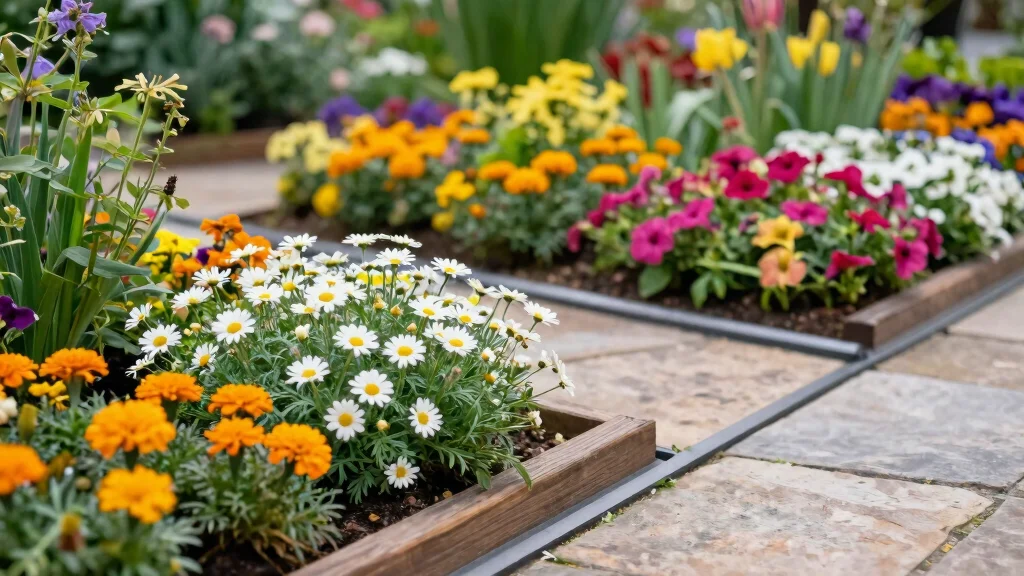
5. Combine with Other Perennial Flowers

Astilbe thrives in the company of other perennials, creating a lively and colorful display. Plant them alongside lungwort or brunnera for a harmonious blend of vibrant blossoms and attractive foliage.
This combination ensures a continuous bloom throughout the season while offering a rich tapestry of colors and textures. Experiment with heights by placing taller astilbe at the back for depth.
When planting, remember to:
– Space plants adequately to avoid overcrowding
– Use organic mulch to retain moisture
– Monitor for healthy growth and nutrient balance
This thoughtful arrangement will create a stunning, flourishing garden that thrives in shade!
📹 Related Video: Planting 3 Pink Perennials in the Garden: Salvia, Astilbe & A New Echinacea! 💗🌸💗 // Garden Answer
You might also like

Combine with Other Perennial Flowers
Editor’s Choice

4-in-1 Soil Moisture Meter Digital PH Meter/Soil Moisture/Plant Temperat…

Fiskars Trowel, Heavy Duty Gardening Hand Tool with Hang Hole, For Diggi…

Osmocote Smart-Release Plant Food Plus Outdoor & Indoor1 – Granular, Con…
6. Create a Moonlight Garden

Why not design a magical moonlight garden featuring astilbe? This enchanting theme will transform your shaded areas into captivating spaces after sunset. By planting white or light-colored astilbe with night-blooming plants like white hostas, you’ll create a soft, glowing atmosphere.
Use path lighting or lanterns to highlight these flowers, casting an ethereal glow throughout your garden. Pairing these plants with fragrant varieties will enhance your sensory experience.
To maximize the effect:
– Position plants where they can capture moonlight
– Use reflective materials to amplify the glow
– Select plants with varying bloom times for continuous interest
Your moonlight garden will be a stunning spectacle at night, inviting all to enjoy its beauty.
Create a Moonlight Garden
Editor’s Choice

Complete Shade Perennial Flower Bulb Garden – 30 Bulbs for 50 Days of Co…

Hanging Solar Lanterns Outdoor Waterproof – 2 Pack Lanterns Decorative O…

Greluna Solar Lights Outdoor,12 Pack 3000K Waterproof Auto On/Off Solar …
7. Incorporate Astilbe in Container Gardens

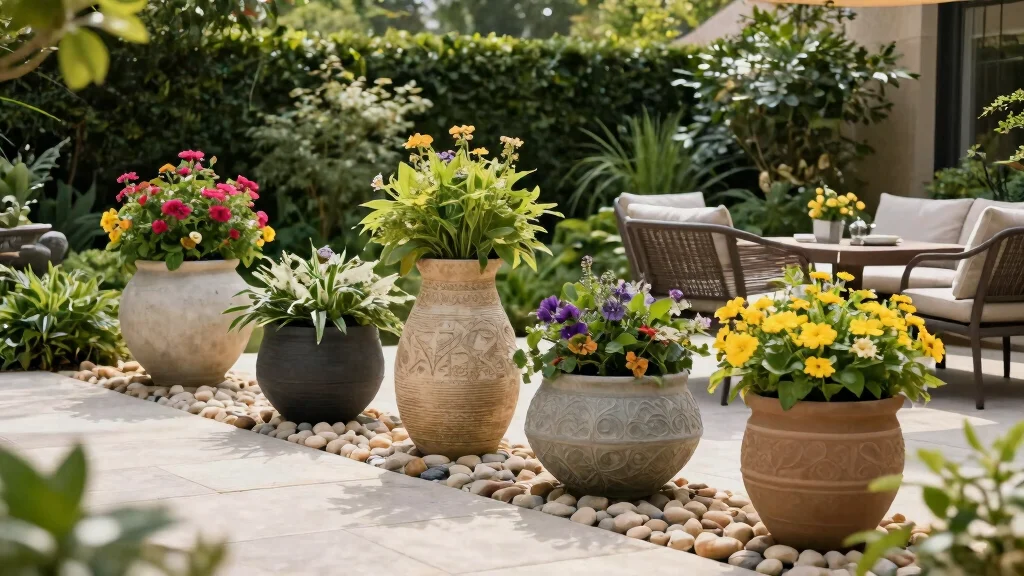
Limited ground space? Container gardens are a perfect solution for adding astilbe to your shaded retreat. Choose large, decorative pots that can accommodate astilbe’s root system while enhancing your outdoor decor.
Mix astilbe with other shade-loving plants like caladiums or heucheras to create vibrant arrangements that stand out. Ensure your pots have good drainage and use quality potting soil enriched with organic matter.
Remember to:
– Water regularly to prevent drying out
– Rearrange pots as the seasons change
– Choose appropriate sizes for each plant
This method not only adds flexibility but also allows you to easily shift your garden design whenever inspiration strikes!
Incorporate Astilbe in Container Gardens
Editor’s Choice

35 oz Metal Small Indoor Watering Can with Long Spout & Real Wood Handle…

Burpee, 9 Quarts | Premium Organic Potting Natural Soil Mix Food Ideal f…

Land Guard 4-Pack Fabric Grow Bags 5 Gallon, Thickened Nonwoven Garden P…
8. Create Layers for Depth

Layering plants is an effective way to add depth to your shaded areas, and astilbe plays a crucial role in this design. Position shorter astilbe varieties in the front and pair them with taller shade-tolerant perennials like foxglove or delphinium in the back.
This arrangement creates a cascading effect, allowing each plant to showcase its beauty without overshadowing others. Be mindful of each plant’s mature height to avoid overcrowding.
To create a stunning layered garden:
– Group plants with similar care needs
– Ensure adequate sunlight for all layers
– Incorporate a mix of textures for visual diversity
This thoughtful layering will captivate and provide a healthy environment for your shade-loving plants!
You Might Also Like
Ongoing Maintenance & Care Guide
Maintenance Schedule:
Daily/Weekly Tasks:
– Water your astilbe plants deeply once a week. Ensure the soil remains moist but not waterlogged. ⏱ About 15 minutes.
– Check for pests like aphids or slugs. If spotted, remove them by hand or use an organic insecticidal soap. ⏱ About 10 minutes.
– Remove any dead or yellowing leaves to promote healthy growth. ⏱ About 5 minutes.
Monthly/Seasonal Tasks:
– Fertilize your astilbe with a balanced, slow-release fertilizer in early spring. This gives them the nutrients they need to thrive. ⏱ About 20 minutes.
– Mulch around your plants to retain moisture and suppress weeds. Use organic mulch like bark chips or straw, replenishing it as needed. ⏱ About 30 minutes.
– Divide your astilbe plants every 3-4 years to prevent overcrowding. This also encourages better blooming. ⏱ About 1 hour.
– Prepare for winter by cutting back foliage after the first frost. This helps protect the roots from freezing damage. ⏱ About 15 minutes.
– Inspect for diseases like powdery mildew in late summer. If necessary, treat with fungicides and improve air circulation around plants. ⏱ About 10 minutes.
Maintenance Summary Table:
| Task | Frequency | Difficulty | Time Needed |
|——————————|—————–|————-|————–|
| Watering | Weekly | Easy | 15 minutes |
| Pest checking | Weekly | Easy | 10 minutes |
| Leaf removal | Weekly | Easy | 5 minutes |
| Fertilizing | Monthly | Easy | 20 minutes |
| Mulching | Monthly | Moderate | 30 minutes |
| Dividing | Every 3-4 years | Moderate | 1 hour |
| Winter prep | Annually | Easy | 15 minutes |
| Disease inspection | Monthly | Moderate | 10 minutes |
Common Issues to Watch For:
⚠️ Yellowing Leaves: This might indicate overwatering or poor drainage. Check the soil moisture. If it’s soggy, reduce watering.
⚠️ Wilting Plants: If astilbe wilts even after watering, it may have root rot. Dig up the plant to check for damaged roots and replant in well-draining soil.
⚠️ Stunted Growth: If your plants are not growing well, they might not be getting enough sunlight or nutrients. Ensure they have partial shade and fertilize them if needed.
⚠️ Pests: Look for signs of aphids or slugs. They can quickly damage your plants. Regular inspections help catch these early.
⚠️ Powdery Mildew: White spots on leaves are a sign of this fungal disease. Improve air circulation and treat with fungicide to prevent it from spreading.
Care Tips:
💡 Choose the Right Spot: Place your astilbe in a shaded area where they can receive indirect sunlight. They thrive in moist, well-drained soil. This can prevent many care issues.
💡 Consistent Watering: Astilbe loves moisture. During dry spells, check the soil more frequently and water as needed to keep it consistently moist.
💡 Use Organic Mulch: Mulching not only retains moisture but also enriches the soil as it breaks down. It helps control weeds, allowing your astilbe to thrive without competition.
💡 Monitor Fertilization: Over-fertilizing can harm your plants. Stick to a balanced fertilizer and follow the recommended doses for best results.
💡 Be Patient: Astilbe can take time to establish. Avoid the urge to disturb them too often. Give them time to grow and flourish in their shady spots.
Create Layers for Depth
Editor’s Choice
1000 Pcs Mixed Astilbe Seeds Perennial-Shade Tolerant Flower Seeds for P…
9. Use Astilbe in Rain Gardens

Astilbe is a fantastic addition to rain gardens, thriving in moist soils. If you have a shaded area that collects water, consider creating a rain garden featuring astilbe alongside other moisture-loving plants. This setup enhances drainage and supports local ecosystems by attracting pollinators.
Pair astilbe with plants like marsh marigolds or Joe Pye weed to create a vibrant landscape. Ensure the area has proper drainage to avoid waterlogging, which can harm the astilbe.
Key tips for a successful rain garden:
– Choose plants that thrive in wet conditions
– Monitor water levels regularly
– Create a diverse planting scheme for added beauty
This sustainable approach to gardening maximizes your landscape’s potential while fostering biodiversity!
Did you know rain gardens featuring astilbe can attract 40% more pollinators? Pair it with marsh marigolds to boost moisture tolerance and color, while improving drainage. It’s a simple, actionable way to turn shady, wet corners into thriving, low-maintenance beauty.
Use Astilbe in Rain Gardens
Editor’s Choice

General Tools MMD4E Digital Moisture Meter, Water Leak Detector, Moistur…
Giant Plume Assorted Astilbe Flowers – 3, 6, or 9 Bulbs -Attracts Butter…

FEED GARDEN 4FT x 100FT Landscape Fabric Weed Barrier Fabric, Heavy Duty…
10. Embrace the Color Wheel

Don’t hesitate to utilize the color wheel in your astilbe landscaping! The vibrant hues of astilbe can be beautifully complemented by contrasting or analogous colors for a stunning design. Pair astilbe with forget-me-nots in shades of blue or deep purple toad lilies for a striking visual impact.
Consider seasonal changes too; using plants that bloom at different times keeps your garden lively year-round. Additionally, think about foliage colors, as astilbe pairs well with plants featuring stunning leaves, ensuring interest even out of bloom.
To achieve a harmonious look:
– Experiment with combinations for maximum effect
– Observe seasonal patterns for consistent interest
– Plan your layout to balance colors throughout the year
This intentional approach to color will elevate your garden design, creating a feast for the eyes all year round!
Embrace the Color Wheel
Editor’s Choice
1100+ Mix Astilbe Arendsii Bunter Seeds for Planting-Non-GMO Heirloom Pl…

Color Wheel Gardener’s Helps Gardeners Create Exciting Color Combination…
Conclusion

Incorporating astilbe into your garden can breathe new life into shaded areas, transforming them into stunning displays of color and texture. These adaptable perennials thrive with minimal care, making them an excellent choice for any gardener.
By combining astilbe with other shade-loving plants, creating focal points, or utilizing them in layered arrangements, you can craft a garden that not only looks good but feels good too. Embrace the beauty of astilbe and let your creative gardening spirit shine.
Note: We aim to provide accurate product links, but some may occasionally expire or become unavailable. If this happens, please search directly on Amazon for the product or a suitable alternative.
This post contains Amazon affiliate links, meaning we may earn a small commission if you purchase through our links, at no extra cost to you.
Frequently Asked Questions
What makes astilbe a standout choice for shady corners in astilbe landscaping?
Astilbe thrives in deep shade and still delivers feathery color from spring through fall, making it a standout in astilbe landscaping. In shady corners it provides reliable color when many other plants struggle, and it pairs beautifully with shady garden plants like hostas and ferns. For best effect, plant in airy drifts, keep the soil evenly moist but well-drained, and top with a light mulch to preserve moisture. This simple setup is a go-to among perennial flowers for shade for long-lasting color.
Which companion plants work best with astilbe in a low maintenance landscaping scheme?
Great companions include hostas, ferns, and heuchera; add bergenia or lamium for texture. These shady garden plants thrive in similar moisture and light, helping you keep low maintenance landscaping while still achieving impact. Plant astilbe in massed drifts alongside these partners, mulch to retain moisture, and water during dry spells. Together they create colorful shade garden ideas with minimal effort.
How should I care for astilbe to keep it healthy through summer in shady beds?
Keep the soil consistently moist and well-drained; avoid letting it dry out. Water at soil level rather than overhead to prevent leaf burn, especially in shaded areas. Mulch heavily in spring to conserve moisture and feed with a light, balanced fertilizer or compost. Divide clumps every 3-4 years to maintain vigor. These are core astilbe care tips to keep blooms coming year after year.
Are there low-maintenance astilbe varieties that keep color through shady seasons?
Yes. Look for varieties marketed for shade with durable stems and long bloom seasons. Many growers label them as long-blooming or reliable in shade, delivering steady color from mid-summer into fall. Remember that performance depends on moisture and soil, so choose sites with consistent moisture and rich, well-drained soil. With proper care, you’ll enjoy plentiful perennial flowers for shade and a dependable palette for your colorful shade garden ideas.
How can I design a colorful shade garden using astilbe landscaping?
Plan in layers: place tall astilbe toward the back, mid-height companions in the middle, and groundcovers in front. Group colors in cohesive blocks to create impact and keep the bed easy to maintain. Pair astilbe with other perennial flowers for shade and shade-loving perennials like hostas, ferns, and heuchera for year-round interest, then add texture with mulch and edging. Use a consistent moisture approach, and you’ll create colorful shade garden ideas that brighten every shady corner.
Related Topics
astilbe landscaping
shady garden plants
perennial flowers
colorful shade gardens
low maintenance landscaping
astilbe care tips
shade-loving plants
garden design
beginner gardening
outdoor aesthetics
seasonal blooms
easy gardening