Are you staring at your backyard hill and feeling overwhelmed by its steep slopes? You’re not alone. Landscaping a challenging yard can feel like a daunting task, but it can also be a rewarding opportunity to create something beautiful. I created this post to help you turn those tricky slopes into stunning outdoor spaces that you can enjoy all year round.
If you love gardening, nature, or simply want to enhance your home’s outdoor appeal, this guide is for you. You’ll discover innovative solutions that cater to sloped garden design, hillside planting techniques, and erosion control landscaping. Whether you’re a seasoned gardener or just starting, these ideas will inspire you to embrace the challenges of your yard and transform it into a serene retreat.
Here, you will find seven creative backyard hill landscaping ideas that not only beautify your space but also address practical concerns like erosion control and maintenance. From terraced gardens that add drama to your landscape to native plants that thrive on slopes, we’ve got practical tips and tricks to help you create a space that’s both beautiful and functional. Let’s dive in and explore how to make your backyard hill a stunning feature of your home.
Key Takeaways
– Discover how terraced gardens can create dramatic elevation while providing flat areas for planting and relaxation.
– Learn about erosion control landscaping using native plants that require less maintenance and improve soil stability.
– Explore the advantages of innovative pathways, designed to make navigating your hill safe and enjoyable.
– Find out how vertical gardening solutions can maximize space and enhance your garden’s aesthetics.
– Understand the importance of seasonal color with perennial plantings that ensure your garden looks beautiful throughout the year.
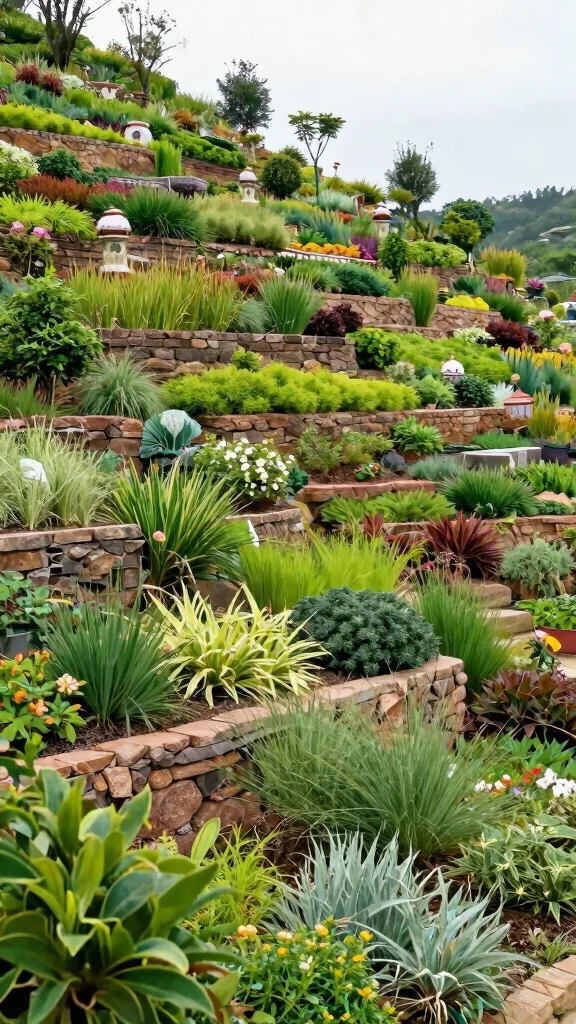
1. Terraced Gardens for Dramatic Elevation

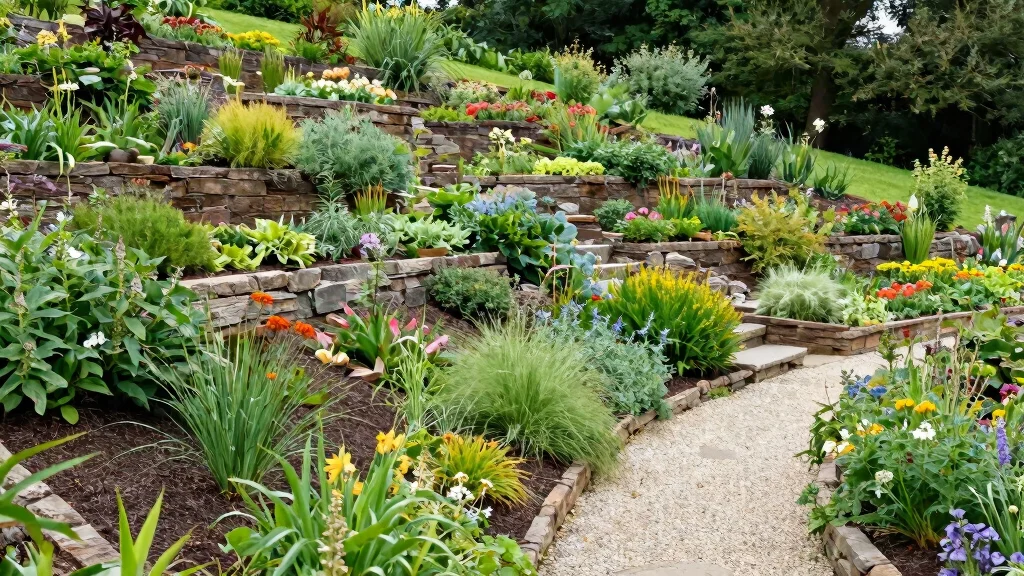
If you have a sloped backyard, terraced gardens could be your perfect solution. These stunning layers create visual depth and allow you to showcase different types of plants and decorative elements. Imagine vibrant flowers and lush greenery cascading down the hill, all while preventing soil erosion by holding moisture in place. You can easily transform your yard into an eye-catching feature with this approach.
Start by planning your terraces based on the slope’s steepness. Use sturdy materials like natural stone or wood for retaining walls, ensuring they can withstand the weight of soil. Create pathways between terraces for easy access and plant a variety of flowers to keep the colors changing through the seasons.
Key steps for successful terraced gardens:
– Design your terraces to fit the slope naturally
– Choose diverse plants for year-round color
– Build strong retaining walls to support soil
– Add cozy seating areas on upper levels for relaxation
With terraced gardens, you can turn a challenging hill into a stunning focal point, enhancing the beauty of your landscape.
Terraced Gardens for Dramatic Elevation
Editor’s Choice

DIIYIV 2PCS Galvanized Raised Garden Bed with Legs,2PCS 48×18×30in Ele…


Landical 8 Pcs Imitation Stone Garden Fence, Faux Stone Retaining Wall L…

FEED GARDEN 4FT x 100FT Landscape Fabric Weed Barrier Fabric, Heavy Duty…
2. Erosion Control Landscaping with Native Plants

Dealing with erosion on steep slopes can be challenging, but using native plants provides an effective and beautiful solution. These plants thrive in your local conditions and help hold the soil in place, creating a vibrant garden while protecting your landscape. Imagine a lush area filled with native flowers, all while reducing erosion risks.
To maximize the benefits, select ground covers like creeping thyme or wildflowers that spread and cover the slope. Adding mulch can further enhance moisture retention and protect against rain runoff, ensuring your plants flourish. This approach not only beautifies your garden but also supports wildlife and promotes biodiversity.
Benefits of using native plants:
– Require minimal water and maintenance
– Deep roots anchor soil, reducing erosion
– Provide habitats for local birds and insects
By choosing native plants, you’ll create a stunning landscape that works in harmony with nature, making your garden both beautiful and resilient.
Slopes don’t have to be scary—native ground covers make erosion effortless. Plant creeping thyme and wildflowers, mulch generously, and watch the hillside transform into a lush, stable garden you can actually enjoy. Backyard hill landscaping becomes doable—and beautiful—with the right natives.
Erosion Control Landscaping with Native Plants
Editor’s Choice

Wildflower Seeds Bulk Mix – 10,000+ Perennial & Annual Seeds – Texas, Ca…

Long Needle Pine Straw Mulch – 65-80 Sqft Coverage 1 Set – Premium USA H…

20000+Creeping Thyme Seeds for Planting Outdoor-Heirloom Thymus Serpyllu…
3. Innovative Pathways to Navigate Your Hill

Adding pathways to a steep hill not only enhances functionality but also elevates the overall look of your garden. Well-designed paths can guide visitors through your backyard, showcasing the beauty of your plants and landscape features. Imagine strolling through winding paths surrounded by greenery, making your outdoor experience delightful.
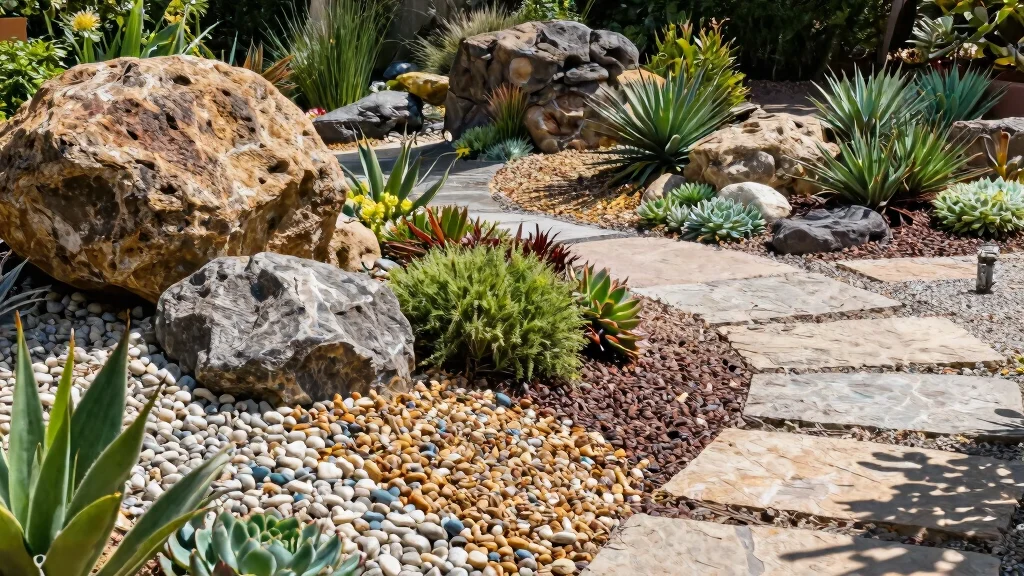
Consider using materials like natural stone or gravel that blend in with the surroundings. Curved paths mimic the slope’s natural flow, creating an inviting atmosphere. Adding steps in steeper sections ensures safe navigation while maintaining style.
Options for beautiful pathways:
– Use gravel or wooden chips for natural appeal
– Design curved paths to enhance flow
– Incorporate steps for steeper areas
Thoughtfully designed pathways not only improve access but also create an inviting ambiance, encouraging you to enjoy your garden even more.
📹 Related Video: Quick and Easy Outdoor Steps
How To Choose the Right Plants for Your Backyard Hill Landscaping
Choosing the right plants for your backyard hill landscaping is essential for creating a beautiful and sustainable space. A well-planned selection ensures that your garden thrives, even on challenging slopes. Here are some key points to consider:
1. Know Your Soil Type
Understanding your soil is crucial. Test it to see if it’s sandy, clay, or loamy. Sandy soils drain quickly but may need more water. Clay retains moisture but can become compacted. Use this information to select plants that can thrive in your specific soil conditions.
2. Consider Sunlight Exposure
Take note of how much sunlight your hill receives throughout the day. Some plants prefer full sun, while others thrive in partial shade. Assess the sun patterns in your yard and choose plants that match these conditions to ensure they flourish.
3. Select Native Plants
Native plants are often the best choice for sloped gardens. They are adapted to your local climate and soil conditions, making them easier to care for. Plus, they support local wildlife. Look for plants that are known to prevent erosion, like certain grasses and ground covers, which can stabilize your hillside.
4. Think About Plant Size and Growth
When selecting plants, consider their mature size. You don’t want large plants overshadowing smaller ones or causing overcrowding. Group taller plants at the back and shorter ones in the front for balanced visual appeal. Also, consider how fast they grow; some plants may need more frequent trimming.
5. Plan for Erosion Control
If your backyard hill is steep, erosion can be a significant issue. Choose plants that have deep root systems, which help hold the soil in place. Groundcovers like creeping thyme or moss can also help prevent soil washout during heavy rains. Planting in layers can create terraces that slow water flow down the hill.
6. Incorporate Seasonal Interest
Select a variety of plants that bloom at different times of the year. This will keep your garden visually appealing throughout all seasons. Consider using evergreen shrubs for year-round foliage, paired with flowering plants that bring color in spring and summer.
Pro Tip: Before planting, sketch your garden layout. This will help you visualize the areas and ensure you’re selecting the right plants for the right spots. Remember to take into account maintenance needs; some plants require more care than others.
By following these guidelines, you can create a stunning and functional landscape on your backyard hill. Enjoy the process of bringing your unique vision to life!
Innovative Pathways to Navigate Your Hill
Editor’s Choice

EasyFlex No-Dig Landscape Edging with Anchoring Spikes, 2.7 in Tall Deco…

Sekcen 3 Pack Rubber Stepping Stones Outdoor Garden Rubber Pavers Pathwa…

40 LBS Grey Pea Gravel – Landscape Rocks – Drainage Rock – Gardening – A…
4. Vertical Gardening Solutions for Space Efficiency

Maximizing space on a hillside can be a challenge, but vertical gardening offers a stylish and efficient solution. By utilizing structures like trellises or wall planters, you can grow a variety of plants without taking up valuable ground space. Imagine a vibrant, green wall filled with herbs and flowers, transforming your yard into a stunning display.
To get started, consider attaching vertical planters to fences and fill them with colorful blooms or edible herbs. A trellis adorned with climbing plants can add a lush touch while keeping your growing area organized. This approach not only saves space but also makes plant care more convenient.
Advantages of vertical gardening:
– Maximizes limited space effectively
– Reduces soil erosion by growing upwards
– Adds unique visual interest to your garden
With vertical gardening, you can create a beautiful and functional space, making maintenance easier and enhancing your landscaping.
Vertical gardening can add up to 2x more usable space on a hillside—no heavy digging required. With trellises and wall planters, your backyard hill landscaping becomes a lush herb and flower wall you can harvest all season.
You might also like

Vertical Gardening Solutions for Space Efficiency
Editor’s Choice

TOREVSIOR 5-Tier Vertical Raised Garden Bed, Vertical Garden Planter wit…
LaLaGreen Vertical Garden Planter – 24 Pack 13 Inch Dark Green Hanging…

Natural Bamboo Trellis, 4Feet,3Pack,Fan-Shaped Plant Support Trellis for…
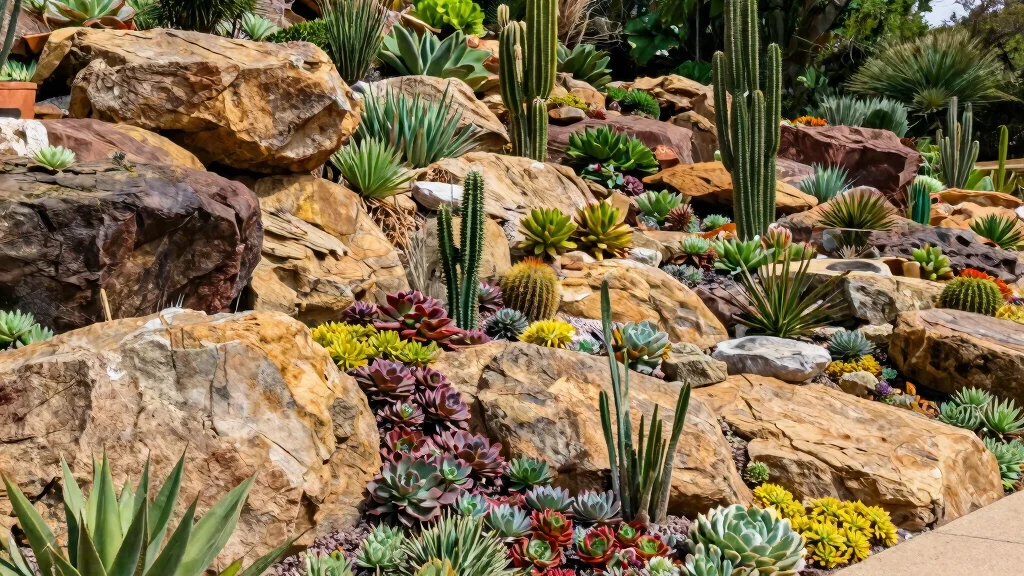
5. Decorative Erosion Control Features
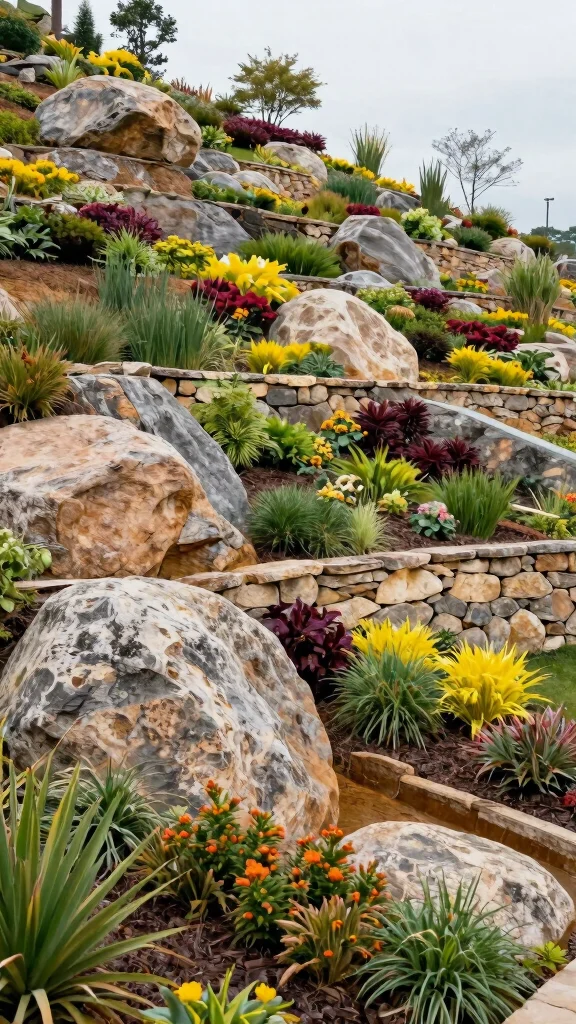
Erosion control doesn’t have to be dull! You can enhance your landscape while managing erosion with decorative features that add character to your yard. Imagine large, beautiful boulders or artistic erosion control blankets that not only serve a purpose but also look stunning in your garden.
Strategically position boulders to catch rainwater and slow runoff while using terracing with decorative stone walls to add texture. Colorful erosion control blankets can brighten up your landscape while providing essential protection.
Creative erosion control ideas:
– Use boulders as eye-catching focal points
– Incorporate decorative stone walls for support
– Choose vibrant erosion blankets to enhance color
By blending beauty with function, you can create a landscape that reflects your style and ensures your garden remains safe and vibrant.
Decorative erosion control can transform backyard hill landscaping from worry to wow. Place bold boulders to catch rain, terrace with decorative stone walls, and brighten the scene with colorful erosion blankets—practical, stylish, and surprisingly simple.
Decorative Erosion Control Features
Editor’s Choice

EMSCO Group 2372-1 Natural Sandstone Appearance – Extra Large Lightwei…
Landical 8 Pcs Imitation Stone Garden Fence, Faux Stone Retaining Wall L…

Jute Erosion Control, Soil Saver Mesh Blanket – 48″ Wide x 20 Yards (60 …
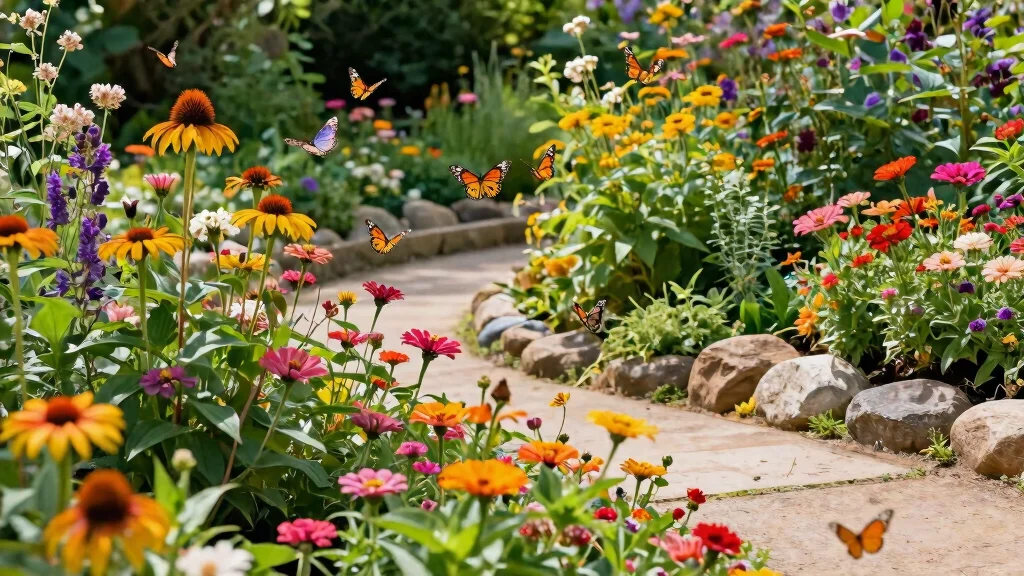
6. Seasonal Color with Perennial Plantings

Choosing perennial plants for your hill landscaping can yield year-round beauty with minimal effort. Unlike annuals, these plants return each season, delivering consistent color and helping stabilize soil on slopes. Imagine a colorful tapestry of blooms throughout the year, making your garden a truly inviting space.
Select a mix of perennials that flower at different times to maintain interest and create depth with varying heights and textures. Ground covers like creeping phlox can fill gaps and combat weeds, providing a lush appearance.
Perennial planting benefits:
– Bloom at different times for year-round color
– Create layered effects for depth and texture
– Utilize ground covers to suppress weeds
With perennials, you’ll enjoy a garden that transforms with the seasons, offering beauty and stability without excessive maintenance.
You Might Also Like
Seasonal Color with Perennial Plantings
Editor’s Choice

Heavy Duty HDPE Honeycomb Geogrid – 2″ Soil Stabilizer for Slopes – Dura…
![200,000+ Wildflower Seeds [4oz] 16 Variety Perennial Mix - Heirloom Seed...](https://m.media-amazon.com/images/I/81tsPu8J2NL._AC_UY218_.jpg)
200,000+ Wildflower Seeds [4oz] 16 Variety Perennial Mix – Heirloom Seed…

Garden Tools Set, 3 Pack Heavy Duty Gardening Tools Set Include Garden S…
7. Creating a Habitat for Wildlife

Your backyard hill can be more than a personal oasis; it can also become a sanctuary for local wildlife. By adding features that attract birds, butterflies, and beneficial insects, you create a thriving ecosystem in your garden. Imagine watching colorful birds flit around while enjoying your beautifully landscaped yard.
Plant native flowers that provide food sources and include water features like bird baths to attract wildlife. Creating sheltered areas with native plants offers resting spots for small creatures and enhances biodiversity.
Wildlife-friendly features to consider:
– Plant native flowers for food sources
– Install water features to attract wildlife
– Create habitats with native plants for shelter
By fostering a wildlife-friendly landscape, you enhance the beauty of your garden while supporting local ecosystems, creating a joyous connection to nature right outside your door.
Creating a Habitat for Wildlife
Editor’s Choice

Best Choice Products 28in Pedestal Bird Bath, Vintage Outdoor Resin Acce…

Lulu Home Wooden Insect House, Hanging Insect Hotel for Bee, Butterfly, …
Wildflower Seeds Bulk Mix – 10,000+ Perennial & Annual Seeds – Texas, Ca…
Conclusion
Transforming a challenging backyard hill into a beautiful landscape is entirely possible with thoughtful planning and creative solutions. From terraced gardens and erosion control features to vertical gardening and wildlife habitats, there’s something for every gardener to embrace.
These seven ideas offer practical yet stunning ways to make the most of your sloped yard, showing that every challenge can be an opportunity for beauty. Let your backyard hill inspire a unique landscape that reflects your personality and style, while also inviting nature to be part of your design.
Note: We aim to provide accurate product links, but some may occasionally expire or become unavailable. If this happens, please search directly on Amazon for the product or a suitable alternative.
This post contains Amazon affiliate links, meaning we may earn a small commission if you purchase through our links, at no extra cost to you.
Frequently Asked Questions
What are the best backyard hill landscaping ideas for steep slopes?
Here’s a practical approach to backyard hill landscaping on steep slopes: Start with a quick assessment of sun, drainage, and erosion risk. Then lay out a sequence of terraced garden ideas to create level planting beds and slow runoff. For hillside planting techniques, choose native plants for slopes that establish quickly and stabilize soil. Add erosion control landscaping features like mulch, groundcovers, and shallow swales to keep soil in place. Integrate vertical gardening solutions for steep backyard hills with wall-mounted planters or trellises on the terraces. Install a simple drip irrigation system to water evenly without washing soil away. Finally, plan ongoing upkeep—mulching, weeding, and seasonal pruning—to keep it beautiful and stable.
How can I prevent erosion while creating a hillside garden?
Preventing erosion on a hillside comes down to smart drainage, strong groundcovers, and steady maintenance. Start with erosion control landscaping strategies: plant deep-rooted native plants for slopes or grasses that hold soil, cover bare soil with mulch or living groundcovers, and create shallow swales to slow water. Use sloped garden design tactics like terracing or retaining walls to break the slope into smaller sections. Add mulch to protect new plantings, and route irrigation with drip lines to keep soil in place. Regularly inspect after storms and replenish mulch as needed. This approach helps you enjoy a beautiful hillside with less erosion and more long-term stability.
Which native plants for slopes work best for hillside planting techniques?
When choosing plants for slopes, look for native varieties that tolerate sun, drought, and erosion. Good options for hillside planting techniques include deep-rooted grasses, groundcovers, and drought-tolerant perennials that form a living mat. Focus on native plants for slopes that offer soil stabilization, color, and seasonal interest. Group plants by water needs and sun exposure, mulch the soil, and use layered plantings to create a natural cascade. With the right natives, your hillside will thrive with less maintenance and stronger erosion resistance.
Are terraced garden ideas affordable and feasible for small backyards?
Absolutely. Terraced garden ideas can transform a small or steep backyard without breaking the bank. Start by mapping the slope and choosing a plan that fits your space and budget within terraced garden ideas. Build low-cost retaining elements like timber steps or upcycled stone, then fill with layered planting beds. Apply sloped garden design principles to maximize sun and airflow. Install affordable irrigation like drip lines, and select long-lasting native plants for slopes that require minimal upkeep. With thoughtful planning, you can create a dramatic, usable backyard that feels larger than it is.
How can I integrate vertical gardening into a steep hillside?
Vertical gardening solutions for steep backyard hills can dramatically increase growing space without widening the slope. Start by securing a sturdy wall, fence, or terraced edge for planters. Use modular vertical planters, pocket planters, or trellises for climbing plants. Ensure proper drainage and consider weight when mounting. Pair vertical elements with surface plantings to maximize the look and function of your sloped garden design. Choose sun- or shade-appropriate plants and consider a drip irrigation line to keep everything hydrated with minimal runoff.
Related Topics
backyard hill landscaping
sloped garden design
hillside planting
erosion control
terraced gardens
native plants
vertical gardening
landscaping tips
beginner friendly
sustainable gardening
outdoor aesthetics
seasonal planting