
Coastal living has a way of making us crave that perfect blend of relaxation and beauty. There’s something about the sound of waves crashing and the scent of salty air that makes us want to create our own little oasis. If you’re dreaming of a beach house that embodies this serene lifestyle, you’re in the right place. This post is designed to inspire you with creative beach house landscaping ideas that will transform your outdoor space into a coastal paradise.
Whether you’re a new homeowner near the sea or just looking to refresh your existing beach garden, this guide has you covered. If you love the idea of creating inviting outdoor living spaces filled with seaside plants, this one is for you. I pulled together eight fantastic ideas that are stylish, sustainable, and perfect for capturing every relaxed feeling that comes with coastal life. From drought-resistant landscaping to beach-inspired decor, you’ll find plenty of ways to make your beach house stand out and feel like home.
Get ready to dive into ideas that will help you embrace the coastal vibes and bring that dreamy beach atmosphere right into your backyard. With these tips, you’ll be well on your way to designing a coastal retreat that welcomes friends, family, and relaxation.
Key Takeaways
– Succulent Sanctuary: Create a low-maintenance garden featuring coastal succulents that thrive in sandy soils and require minimal watering.
– Tranquil Outdoor Living Space: Design functional areas for relaxation and entertaining, such as patios or fire pits, to enjoy the coastal breeze.
– Coastal Walkways: Use natural materials like driftwood or seashells to create charming pathways that lead through your beach garden, enhancing its beauty.
– Drought-Resistant Flora: Select plants that are well adapted to beach conditions, helping you conserve water while still enjoying a lush landscape.
– Beach-Inspired Decor: Incorporate decor elements like nautical accents and beach-themed art to tie your outdoor space together and evoke seaside charm.
1. Embrace a Succulent Sanctuary

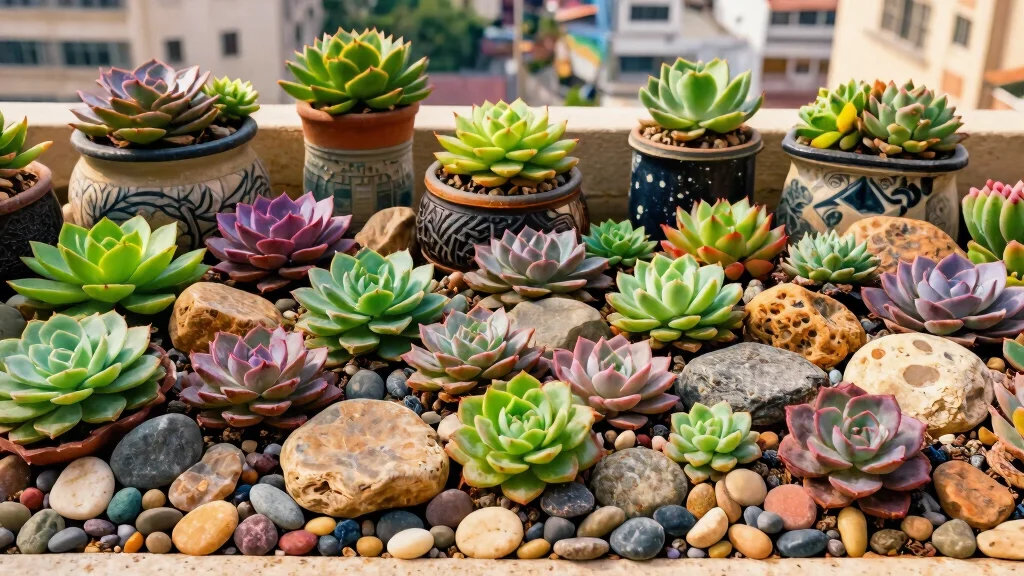
Imagine transforming your beach house landscape into a lively succulent sanctuary, bursting with colors and unique textures! Succulents are perfect for coastal gardens because they thrive in sandy soils and are drought-resistant, making them ideal for hot, dry environments.
Mix various shapes and sizes, from the round Echeverias to the trailing Sedums, to create a visually stunning arrangement. These low-maintenance plants require minimal watering, allowing you to enjoy your garden without constant upkeep. You can plant them in beautiful decorative pots or directly in well-draining soil beds to showcase their charm.
To create your succulent sanctuary:
– Use sandy soil with excellent drainage to keep roots healthy.
– Combine different colors, shapes, and textures for an eye-catching display.
– Group succulents together for a lush look and ease of maintenance.
– Add decorative elements that resonate with coastal aesthetics.
Don’t forget to scout for the best sunlight, as most succulents love soaking up bright, natural light!
Embrace a Succulent Sanctuary
Editor’s Choice

Back to the Roots 100% Organic Succulent & Cacti Mix (6 Quart) | Made in…

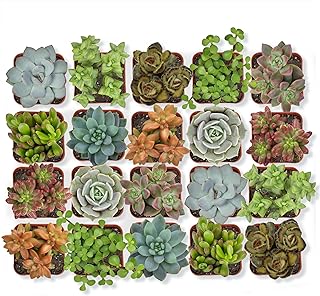
Altman Plants, Live Succulent Plants (20 Pack) Assorted Potted Succulent…

NWFashion Special Design Fun Garden 6INCH Flower Planter Succulent Pot I…
2. Design a Tranquil Outdoor Living Space

Creating an outdoor living space that radiates relaxation is essential for any beach house. Picture a cozy patio filled with comfortable furniture, surrounded by lush plants and flowers that invite serenity.
Choose weather-resistant furniture made from materials like teak or eucalyptus, blending seamlessly with the natural surroundings. Enhance the peaceful atmosphere with soft outdoor cushions and vibrant textiles. Incorporate aromatic plants like lavender and rosemary that not only look beautiful but also fill the air with calming scents.
Steps to design your outdoor living space:
– Select furniture that complements the coastal vibe and withstands the elements.
– Surround the area with fragrant plants to awaken the senses.
– Add cozy lighting options like string lights for a warm glow.
– Create versatile seating arrangements to cater to gatherings or solitude.
Incorporating these elements allows you to enjoy the beauty of your surroundings while crafting a personal retreat that feels inviting.
Design a Tranquil Outdoor Living Space
Editor’s Choice

Outdoor Chair Cushions, Water-Resistant & Fade-Resistant, Patio Furnitur…

Live Lavender 2-Pack – Purple – Fragrant Sun Perennial Herb, Pollina…

VilroCaz 4-Piece Patio Conversation Set, All Weather Sectional Sofa Set …
3. Create a Coastal Walkway

A coastal walkway not only enhances the practicality of your garden but also adds a touch of beauty to your beach house landscape. Envision pathways weaving through your garden, lined with seaside plants and natural accents.
Utilizing natural stones or driftwood for your walkway evokes a beachy atmosphere while ensuring durability against coastal elements. Add low-growing plants like beach daisies or ornamental grasses to soften the edges of the path and provide movement as the wind brushes through.
Ideas for your coastal walkway:
– Use local materials that blend seamlessly with your surroundings.
– Plant low-height greenery along the sides for a natural border.
– Install lighting for both aesthetics and safety during nighttime.
– Create winding paths that draw the eye and invite exploration.
A well-designed walkway not only boosts the charm of your property but also guides you and your guests through your coastal oasis.
Create a Coastal Walkway
Editor’s Choice

Arcadia Garden Products Set of 4, 16×17” Dark Gray Stepping Stone Fibe…
4. Drought-Resistant Coastal Flora

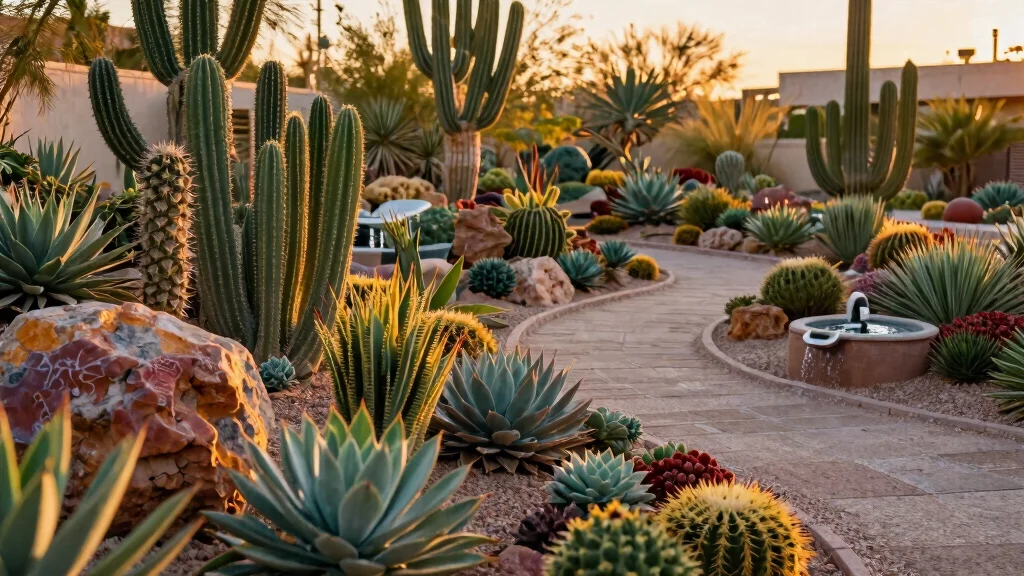
Choosing drought-resistant plants is a smart choice for beach house landscaping, especially in areas where water conservation is crucial. Many coastal plants thrive in sandy soil and require minimal watering, perfect for a low-maintenance garden.
Consider adding varieties like sea oats, beach grass, and native succulents. These hardy plants not only need little care but also help prevent erosion and provide habitats for local wildlife. Mixing these plants with decorative drought-resistant groundcovers creates a lush appearance without extensive upkeep.
Best drought-resistant plants for your garden:
– Beach grass: Excellent for erosion control and sandy soils.
– Sea oats: Tall, graceful plants ideal for naturalizing your garden.
– Sedums and succulents: Colorful options that thrive on neglect.
– Native wildflowers: Bright blooms that attract local pollinators.
By incorporating these plants, you’ll enjoy a stunning coastal garden that enhances your beach house’s charm while promoting sustainability.
📹 Related Video: Florida Native Landscape Tour: Drought Tolerant, Low Maintenance Plants in a Coastal Yard!
You might also like
Drought-Resistant Coastal Flora
Editor’s Choice
200 pcs Rare Mixed Mini Succulents Seeds for Bonsai & Ornamental Plants …

16,000 Creeping Thyme Seeds – Non-GMO Heirloom, Easy Growing Drought Tol…
5. Incorporate Beach-Inspired Decor

Adding beach-inspired decor can elevate your beach house landscaping while tying in the coastal theme. Think about integrating elements like driftwood sculptures, seashell borders, and nautical features for an authentic seaside vibe.
Strategically position decorative items throughout your garden—perhaps a large driftwood piece serves as a natural sculpture, while seashells can outline pathways or flower beds. Choose colors and materials that reflect the ocean’s tones, such as soft blues, sandy beiges, and natural wood hues.
Suggestions for beach-inspired decor:
– Use driftwood art pieces to add texture and interest.
– Incorporate seashells into pathways or as decorative borders.
– Opt for colors that mirror the coastal ambiance.
– Create mosaic designs to add a personal artistic touch.
The right decor can truly encapsulate the spirit of coastal living, making your outdoor spaces feel even more welcoming.
Did you know that 70% of coastal homeowners say driftwood sculptures and seashell borders make a space feel instantly beachy? Try placing a bold driftwood piece as a garden sculpture and outline paths with shells to boost your beach house landscaping ideas.
Incorporate Beach-Inspired Decor
Editor’s Choice
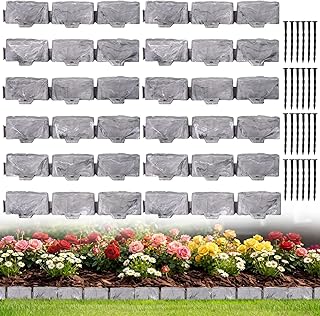
Landscape Edging Garden Edging Border Faux Stone Edging,17FT x 2.75 in T…

Wonderjune Beach House Decor Coastal Chair Resin with Animal Figurine Si…
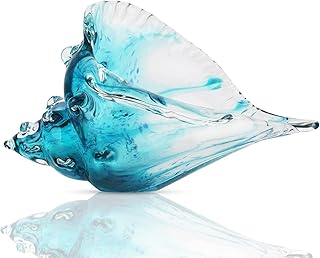
Hand-blown glass conch sculpture, modern green sea glass art decorative …
6. Create Vertical Gardens
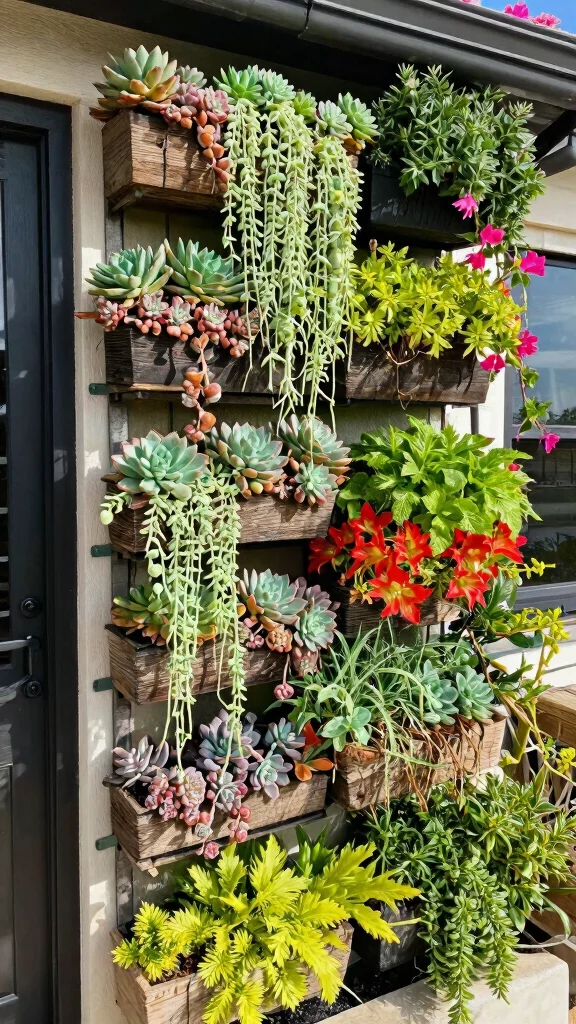
Vertical gardens are an excellent way to maximize space while adding a vibrant touch to your beach house landscape. A wall of greenery not only saves ground space but also becomes a stunning visual feature, showcasing a variety of seaside plants.
Select plants that thrive in vertical settings, such as trailing succulents, herbs, or native flowering vines. Installing wall planters or trellises can support climbing plants while enhancing visual appeal. Vertical elements can also provide privacy for outdoor living areas, blocking wind and noise.
For creating vertical gardens:
– Choose a variety of plants that flourish in vertical arrangements.
– Use strong materials for wall planters that withstand coastal weather.
– Incorporate colors and designs that echo your beach house aesthetic.
– Consider sunlight exposure when positioning your vertical garden.
Vertical gardens allow you to express your love for coastal gardening while creating a beautiful backdrop for any outdoor space.
Vertical gardens turn tiny beach walls into living art—perfect for coastal living. Plant trailing succulents and native vines, then watch your space grow skyward without sacrificing sandy views. A vertical touch is one of the beach house landscaping ideas you can actually maintain.
Create Vertical Gardens
Editor’s Choice

Mountain Crest Gardens Trailing & Strings Succulent Pack – 12 Live Plant…
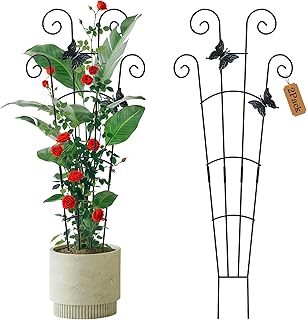
2 Pack 30 Inch Taller Plant Trellis for Potted Climbing Plants Indoor,Ex…

Make Good PlantPod Luxe – Self-Watering Wall Planters (Set of 6) – Easy …
7. Use Natural Borders and Pathways

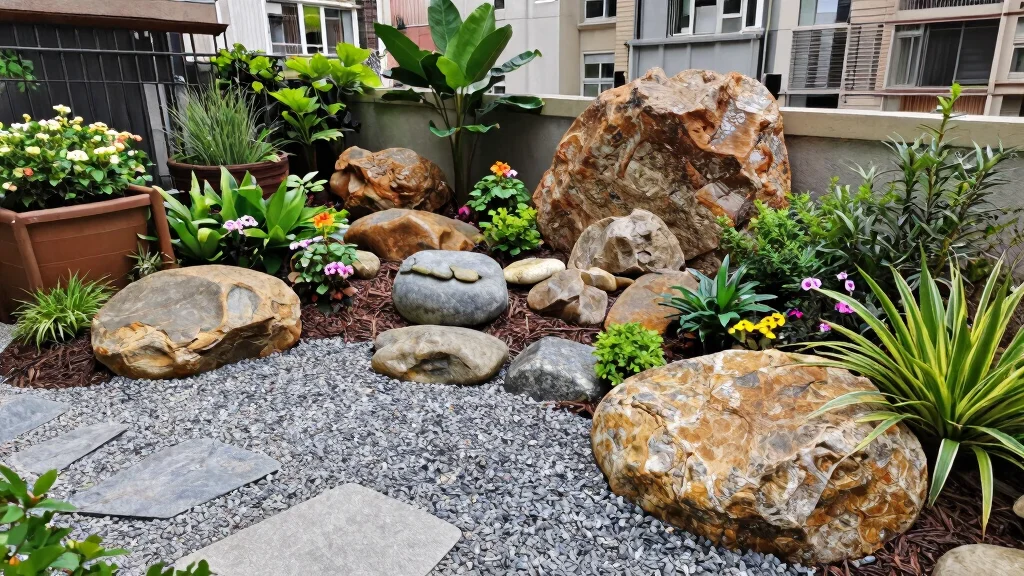
Natural borders and pathways can beautifully frame your beach house garden, enhancing the coastal landscape while maintaining a relaxed vibe. Utilizing materials like stones, pebbles, or even driftwood adds texture and character to your outdoor spaces.
Surround flower beds with natural stones or gravel for a rustic feel, keeping your garden looking tidy. Paths made from pebbles or sand lead through the garden, guiding visitors while blending seamlessly with nature. Incorporating low-growing plants along the borders softens the edges and creates a cohesive look.
Design ideas for natural borders and pathways:
– Use locally sourced stones or gravel for an authentic touch.
– Create winding paths to invite exploration of your garden.
– Incorporate low-growing plants as living borders.
– Experiment with curves and shapes for a more organic appearance.
Natural borders enhance the beauty of your beach house landscaping while maintaining a grounded connection to the coastal environment.
You Might Also Like

Use Natural Borders and Pathways
Editor’s Choice

Virekm Landscaping Pebbles, River Rocks Decorative Ornamental Pebbles Ga…

majoywoo Natural Small Driftwood for Aquarium Decor Reptile Decor, Assor…
Landscape Edging Garden Edging Border Faux Stone Edging,17FT x 2.75 in T…
8. Native Plants and Pollinator Gardens

Incorporating native plants into your beach house landscaping is an eco-friendly choice that supports local wildlife while adding natural beauty to your garden. Native plants are well-adapted to the local climate, requiring less water and maintenance compared to non-native options.
Create a pollinator garden by planting flowers that attract bees, butterflies, and other beneficial insects. Consider options like coreopsis, coneflowers, and milkweed, which provide vibrant blooms and support local ecosystems. Design your garden to include a mix of heights and colors, ensuring year-round interest and visual appeal.
Benefits of native plants and pollinator gardens:
– Low maintenance and drought-resistant once established.
– Support local pollinators and wildlife.
– Provide vibrant colors and textures throughout the seasons.
– Enhance the beauty of your beach house garden while promoting ecological health.
By incorporating native plants, you’ll create a beach house landscape that is not only stunning but also beneficial for the environment.
Did you know native coastal plants use 30-50% less water than non-native options? Choose coreopsis, coneflowers, and milkweed to boost beach house landscaping ideas and attract pollinators.
How To Choose The Right Coastal Succulent Plants for Your Beach House Landscaping
Choosing the right coastal succulent plants for your beach house landscaping can elevate your outdoor space beautifully while ensuring it thrives in a seaside environment. Here are key factors to consider when selecting the perfect plants for your coastal garden design.
1. Climate Suitability
Understanding your local climate is crucial. Coastal areas often experience salty air and strong winds, which can stress many plants. Look for succulents that are specifically labeled as salt-tolerant and able to handle harsh conditions. Varieties like Agave and Sedum are good examples that thrive by the shore.
2. Drought Resistance
Drought-resistant plants are essential for coastal gardens. Given the limited rainfall in some beach areas, you want succulents that can store water and survive dry spells. Always check for plants classified as drought-tolerant, such as Echeveria and Aloe, as they will require less watering and care.
3. Sunlight Requirements
Most succulents enjoy full sunlight, making them perfect for beach environments. However, some may need partial shade during the hottest part of the day. Assess the sunlight exposure in your yard to choose plants that will thrive according to your specific conditions. A mix of full-sun and partial-shade plants can create a visually appealing arrangement.
4. Aesthetic Appeal
Consider how each plant fits into your desired beach-inspired decor. Look for a variety of colors, shapes, and textures to bring life to your outdoor living spaces. Mixing bold colors like bright pinks and yellows with softer greens can create a stunning visual impact. Don’t shy away from using different heights and forms to add dimension to your garden.
5. Maintenance Level
Evaluate how much time you want to spend maintaining your garden. Some succulents require minimal care, while others may need regular trimming or specific soil conditions. If you’re looking for low-maintenance options, stick with hardy species that can survive without constant attention. This will allow you to focus on enjoying your outdoor space rather than working on it.
6. Local Availability
Finally, check the availability of your selected plants at local nurseries or garden centers. Purchasing native or locally adapted plants not only supports your community but also increases the chances of a successful garden. You may also find plants that are better suited to your specific coastal conditions.
Pro Tip: When selecting your succulents, consider combining them with native plants to create a balanced and thriving coastal garden. Native plants can help attract pollinators, which will enhance the beauty and health of your garden while requiring minimal care. So, take some time to explore local options too!
Native Plants and Pollinator Gardens
Editor’s Choice

Bee House Bug Hotel & Butterfly House with Stake, Handcrafted Wooden Lad…

Northeast Wildflower Seeds – Extra Large 1 Ounce Packet – Over 7,500 Nat…
Conclusion

Embracing coastal living through thoughtful beach house landscaping ideas creates a serene retreat that captures the beauty of nature and offers ease of care. From vibrant succulent sanctuaries to pollinator gardens, these landscaping trends not only enhance the visual appeal but also promote sustainability.
As you plan your beach house garden, remember to incorporate elements that resonate with your personal style while celebrating the coastal environment. Whether it’s through natural borders, outdoor living spaces, or stunning vertical gardens, your beach house can truly embody the relaxed and beautiful essence of coastal living.
Note: We aim to provide accurate product links, but some may occasionally expire or become unavailable. If this happens, please search directly on Amazon for the product or a suitable alternative.
This post contains Amazon affiliate links, meaning we may earn a small commission if you purchase through our links, at no extra cost to you.
Frequently Asked Questions
What are the top beach house landscaping ideas to create a coastal succulent garden?
Coastal succulent gardens are a perfect fit for beach house landscaping ideas. Start with hardy seaside succulents like agave, echeveria, sedum, and yucca that tolerate wind, sun, and salt spray.
Choose well‑draining soil and add coarse sand or perlite for drainage. Use gravel mulch to reduce moisture and reflect heat. Create sheltered microclimates with windbreaks such as driftwood screens or low hedges. Group plants by sun and water needs to simplify maintenance. Install a simple drip irrigation line to keep drought-resistant landscaping efficient. By combining these coastal succulent ideas, you can craft beach house landscaping ideas that feel relaxed yet put together.
How can I design a drought-resistant coastline garden that still looks vibrant and coastal?
Focus on coastal garden design that emphasizes texture, color, and resilience. Pick seaside plants like ice plant, sea lavender, beach grass, and drought-tolerant succulents. Use sunken or raised beds to improve drainage, add mulch and sandy soil, and install a drip irrigation timer to water deeply but infrequently. Create outdoor living spaces with gravel paths, shade structures, and weatherproof cushions to protect plants and people. Use light colors and natural materials to reflect the coastal vibe while keeping maintenance low. This beach house landscaping ideas stay vibrant with perennials and drought-resistant landscaping goals.
Which seaside plants thrive in beach house landscaping and tolerate salt spray?
Many seaside plants thrive with a salty breeze and sandy soil. Look for hardy seaside plants such as ice plant (Delosperma), sea lavender (Limonium), dune grasses like Ammophila breviligulata, as well as agave and yucca, plus salt-tolerant shrubs. Combine with coastal garden design principles: sun-loving, salt-tolerant, and drought-tolerant. Place tall grasses in the back, succulents in sun-filled spots, and low groundcovers at edges to control windblown sand. Water with a drip system and ensure well‑drained soil. Add shading for outdoor living spaces to keep things comfortable. For climate-specific choices, check your local extension.
What are practical ideas to create outdoor living spaces with beach-inspired decor that support plant health?
Think layered textures: weathered timber decking, driftwood planters, and low-maintenance perennials. Use large containers with drainage and fill with a sandy, well-draining mix. Create wind breaks with lattice screens to protect both people and plants. Use beach-inspired decor such as rope lighting, lanterns, and sea glass accents, but keep plants prioritized with sun exposure. Install pergolas or shade sails to protect coastal plants from intense sun. Choose salt‑resistant furniture materials and finishes. With outdoor living spaces that feel relaxed and cohesive, your garden will be stylish and easy to care for while staying true to beach house landscaping ideas.
Is it possible to start a low-water coastal succulent garden in a small beach yard?
Absolutely. Start with a simple plan that uses vertical or container gardening to maximize space. Choose compact coastal succulents like echeveria, kalanchoe, or sedum, and group them in sun-filled containers with excellent drainage. Use a sandy, well-draining soil mix and a layer of gravel mulch to deter weeds and retain moisture where needed. Water deeply but infrequently, allowing the soil to dry between waterings. Arrange plants in tiers to create a lush look without crowding, and incorporate small hardscapes and shell accents to echo the coastal vibe. This approach fits well with coastal garden design and drought-resistant landscaping, delivering fast results in a small beach yard.
Related Topics
beach house landscaping
coastal garden design
drought-resistant plants
seaside plants
outdoor living spaces
beach-inspired decor
easy landscaping
succulent gardens
coastal gardening tips
low maintenance landscaping
summer gardening
relaxed outdoor spaces