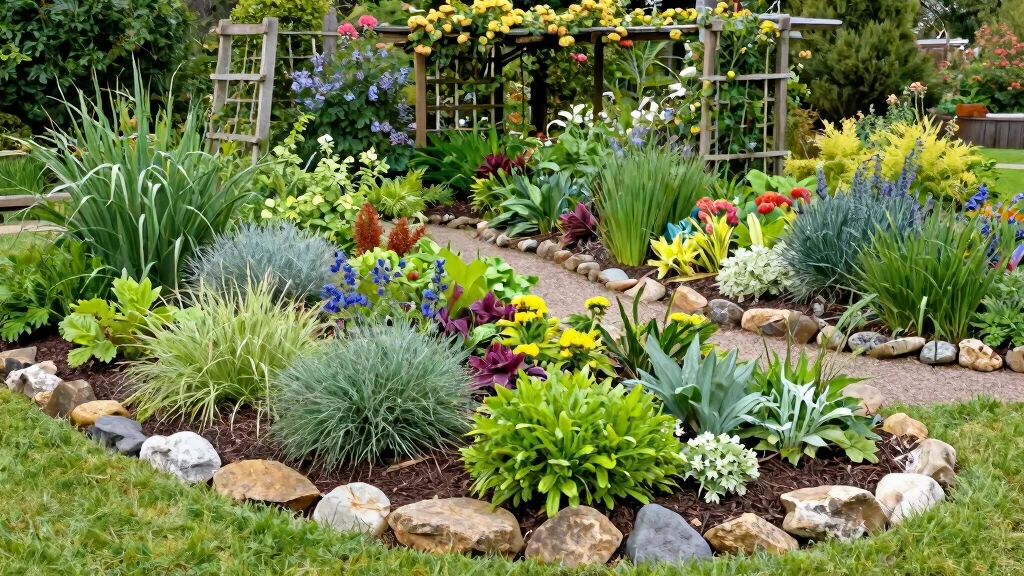
Creating a beautiful yard can feel like a daunting task. You might be longing for an inviting outdoor space that offers dimension and privacy but aren’t sure where to start. If you’re searching for fresh ideas that can elevate your garden’s appeal, you’re in the right place. This post is all about unique berm landscaping ideas that can transform your yard into a vibrant oasis.
If you love gardening or simply want to enhance your outdoor space, this guide is for you. Whether you’re a seasoned gardener or a hobbyist, the right berm can add visual interest and practical benefits to your yard. Each idea I’ve gathered emphasizes the beauty of native plants and offers practical solutions for garden privacy. With this information, you’ll find creative ways to build a stunning landscape that captures attention and complements your lifestyle.
Get ready to explore nine engaging berm landscaping ideas that not only boost your yard’s aesthetic but also provide effective garden privacy solutions. From elegant curved designs to edible plant setups, you’ll discover tips and tricks to implement these techniques effectively. By the end of this article, you’ll be inspired and equipped to create an outdoor space that reflects your personality and enhances your home.
Key Takeaways
– Dimension and Elevation: Discover how berms can create visual layers in your yard, making it more dynamic and inviting.
– Privacy Solutions: Learn how strategic berm placement can enhance privacy, giving you a cozy retreat in your outdoor space.
– Native Plants: Explore the benefits of using colorful native plants that thrive in your area and require less maintenance.
– Functional Design: Understand how to incorporate pathways and edible plants into berms, adding both beauty and utility.
– Seasonal Interest: Find out how to plan for seasonal changes, ensuring your berms are visually appealing throughout the year.
1. Elegant Curved Berms

Curved berms bring a graceful touch to your yard, enhancing its natural flow. These gentle, sweeping shapes create visual interest and define areas without harsh lines. Imagine planting vibrant native wildflowers and grasses that bloom across seasons, providing a constantly changing landscape.
To maximize the benefits of your curved berms, consider how they can aid in water drainage while supporting your plants’ health. Start with these practical tips:
– Incorporate various plant heights for added depth.
– Use larger stones at the base for stability and style.
– Apply mulch to keep moisture in check and minimize weeds.
– Cluster plants for a more organic look and feel.
This approach fosters a serene garden atmosphere, making your outdoor space both beautiful and inviting.
❝ Fun fact: Curved berms can speed drainage by up to 30% and boost wildlife blooms across seasons. With berm landscaping ideas, those soft, sweeping curves define spaces while keeping plants thriving.
Elegant Curved Berms
Editor’s Choice

Wildflower Seeds Bulk Mix – 10,000+ Perennial & Annual Seeds – Texas, Ca…


LAVEVE 4FT x 100FT Weed Barrier Landscape Fabric, 3.2oz Premium Heavy Du…
Farmer’s Secret Soil Revitalizer (32oz) – Organic (OMRI Listed) Dirt H…
2. Multi-Layered Berms
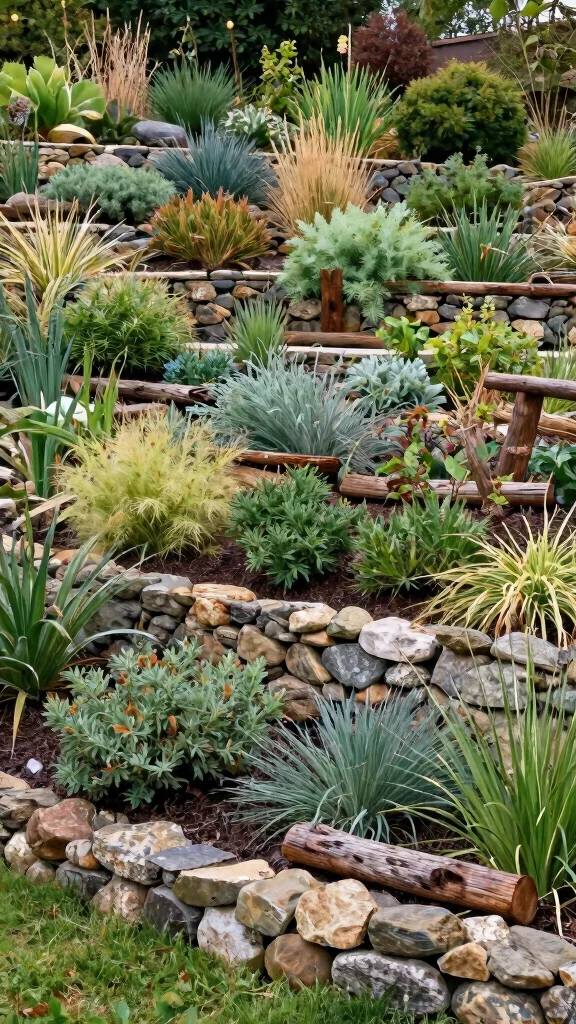
Multi-layered berms are perfect for gardeners who want to create a dynamic, tiered landscape. This design allows you to showcase a variety of plants, with taller varieties at the back and shorter ones in front, forming a beautiful cascade of greenery. Picture a vibrant ecosystem that not only looks stunning but also thrives together.
When crafting your multi-layered berm, keep these essential tips in mind for best results:
– Choose plants with diverse heights and textures for a lush effect.
– Opt for native plants that flourish in similar soil conditions.
– Experiment with layering materials, like stones or logs, to enhance visual appeal.
The outcome will be a captivating landscape feature that reflects your love for nature and creativity.
📹 Related Video: How to build a landscaping berm #garden #landscape
Multi-Layered Berms
Editor’s Choice

TierraVerde 4-Pack 18”x22” Natural Rock Rubber Stepping Stones, Grey…

Old Potters Kiln Dried Firewood – Oak, 1100 Cu. in, 16-18 Logs ~ 8″ x 2….

Miracle-Gro Organic Outdoor Potting Mix – Plant Soil for Outdoor Contain…
3. Privacy Enhancing Berms

If you seek privacy in your yard, consider using berms as natural barriers. These elevated mounds block unwanted views while still allowing sunlight and airflow. Envision planting dense shrubs or tall grasses that not only create a screen but also add beauty to your space.
For effective privacy-enhancing berms, follow these helpful tips:
– Select fast-growing native plants for quick privacy solutions.
– Mix ornamental grasses for added texture and movement.
– Layer your plants strategically, placing taller varieties in the back.
With careful planning, your garden can become a secluded retreat, even in a busy neighborhood.
Fun fact: A 3–4 foot berm planted with fast-growing natives can cut sightlines by up to 60% in just a few weeks, turning privacy into a garden feature. With layered shrubs and ornamental grasses, berm landscaping ideas become a living screen that earns sunlight and airflow.
Privacy Enhancing Berms
Editor’s Choice

Willow Hybrid Trees for Privacy – Fast Growing Austree Willow Cuttings (…
Miracle-Gro Organic Outdoor Potting Mix – Plant Soil for Outdoor Contain…
Southern Living 2.6 Qt. Everillo Carex Grass Plant
4. Colorful Native Plant Berths
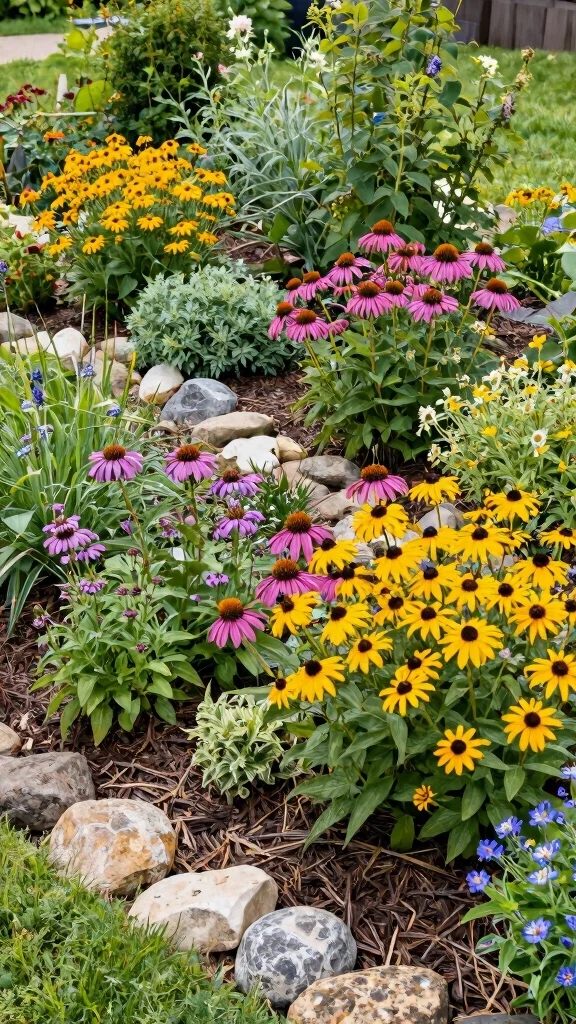
Brighten your garden with berms filled with colorful native flowering plants. Their vibrant blooms not only enhance visual appeal but also attract essential pollinators like bees and butterflies. Picture a lively display with a mix of perennials and annuals for year-round color.
To create a stunning visual impact, implement these strategies:
– Alternate plant colors and heights for an engaging arrangement.
– Use decorative stones or mulch to accentuate your plants.
– Position taller plants at the back, allowing shorter blooms to shine in front.
This approach beautifies your yard while supporting local ecosystems, making your garden a lively haven.
Colorful Native Plant Berths
Editor’s Choice

Native Wildflower Seeds for Planting 24 Variety Pack – Perennial & Ann…

Miracle-Gro Organic All Natural Mulch for Landscaping – Bagged and Shred…

Spoontiques – Garden Décor – Scatter Kindness Stepping Stone – Decorati…
5. Functional Berms with Pathways
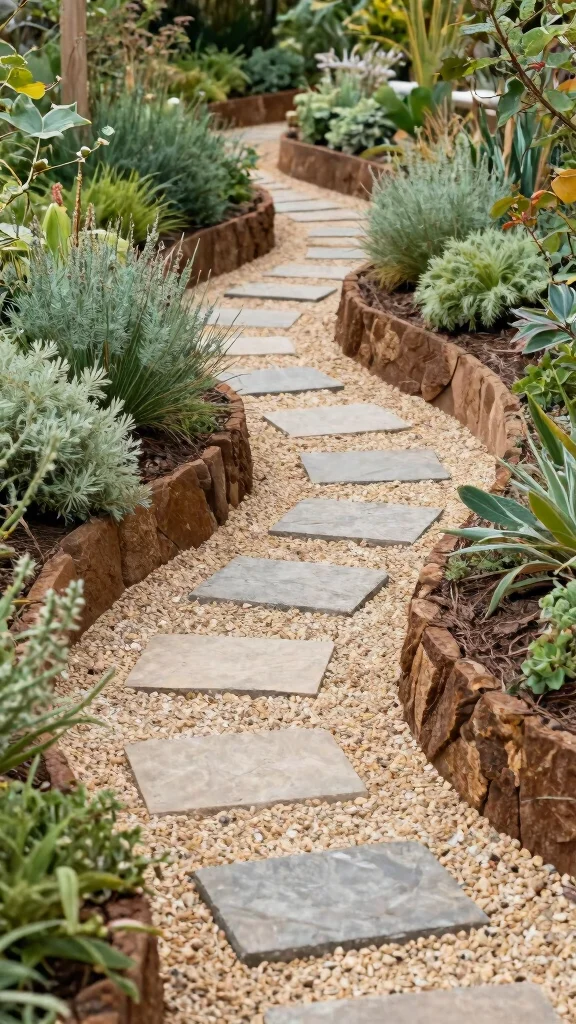
Incorporating pathways through your berms adds functionality and charm to your landscape. These paths can lead to cozy seating areas or guide visitors through your garden. Imagine using natural materials like gravel or stepping stones to create a seamless connection with the environment.
For practical pathways, consider these tips:
– Design routes that weave through the berms, making them feel integrated.
– Use materials that harmonize with the surrounding landscape.
– Add lighting along the paths for a magical evening atmosphere.
This thoughtful layout transforms your garden into a delightful space for exploration and relaxation.
You might also like


Functional Berms with Pathways
Editor’s Choice

Amazon Basics Flexible Landscape Edging Coil for Garden Border, Flower B…

6 Pcs River Rock Stepping Stones, 16″ L x 5.5″ W Rectangles Natural Outd…

River Rock Stepping Stones Outdoor for Garden Walkway, 10 inch Diameter …
6. Edible Plant Berms

Why not blend beauty with purpose by creating berms filled with edible plants? Imagine enjoying fresh flavors right from your garden while enhancing its appearance. Incorporating plants like blueberries, herbs, and wild strawberries adds greenery and delicious ingredients to your meals.
To establish an edible berm, keep these tips in mind:
– Mix ornamental plants with edibles for a stunning display.
– Use companion planting techniques to ensure healthy growth.
– Maintain proper spacing so each plant can thrive without crowding.
This approach transforms your yard into a productive oasis, perfect for any home chef who cherishes fresh ingredients.
Edible Plant Berms
Editor’s Choice

Seed Needs Herb Seeds Variety Pack Culinary Herb Collection (12 Individu…

zunatu 10x2x1ft(2 Pack) Galvanized Raised Garden Bed,Outdoor Planter Box…

Companion Planting: The Beginner’s Guide to Companion Gardening (The Org…
7. Rock and Berm Combination

Combine the rugged charm of rocks with the lushness of plants in your berm design. Using stones creates a strong visual contrast and adds a permanent touch to your landscape. Picture these rock-berm combinations forming natural barriers or striking focal points in your yard.
To effectively integrate rocks, consider these suggestions:
– Use a variety of stone sizes and types for added interest.
– Plant groundcovers in the gaps to soften hard edges.
– Utilize rocks as the base of the berm for increased stability.
This design not only adds depth to your landscaping but also provides a low-maintenance solution with thoughtful plant choices.
Did you know that using 3 sizes of stones in a berm boosts visual depth by 40%? Pair these rocks with groundcovers in the gaps, and your berm landscaping ideas become low-maintenance, resilient, and naturally striking.
Rock and Berm Combination
Editor’s Choice

Groundcover Revolution: How to use sustainable, low-maintenance, low-wat…

Pulovin 15 lbs River Rocks for Plants, 1-1/2 inch Decorative Garden Rock…
8. Seasonal Interest Berms

Create berms that offer seasonal interest for a constantly evolving garden. By selecting plants with staggered bloom times, your landscape will always be vibrant and inviting. This design keeps your garden fresh while attracting diverse wildlife throughout the year.
To achieve this dynamic look, follow these guidelines:
– Choose early bloomers for spring, followed by summer perennials, and fall flowers.
– Include evergreens for structure and color in winter.
– Use mulch to retain moisture and support plant health.
With this approach, you can enjoy the beauty of your garden all year long.
You Might Also Like

Seasonal Interest Berms
Editor’s Choice

The Well-Tended Perennial Garden: The Essential Guide to Planting and Pr…

Perfect Plants Winter Gem Boxwood 1 Gallon | Live Shrub for Landscaping,…

Back to the Roots 25.7qt (1 Cubic ft) Organic Premium Mulch
9. Community Focused Berms
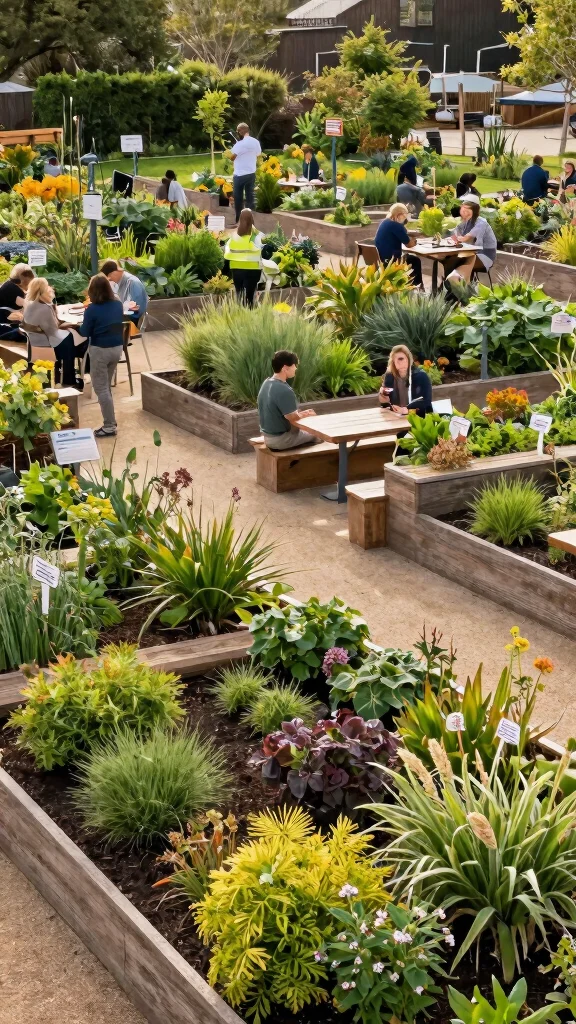
Engaging your community through berm landscaping fosters connection and shared environmental responsibility. Design communal spaces with seating, educational signage, or community gardens filled with native plants. By encouraging interaction, you create a space where everyone can embrace nature together.
Key strategies for success include:
– Collaborate with local gardening clubs or schools to establish shared areas.
– Feature a variety of native plants for education and enjoyment.
– Add seating areas to promote socialization among community members.
This community-focused approach transforms your yard into a lively gathering spot, enhancing connections to nature and each other while beautifying your surroundings.
How To Choose The Right Berm Landscaping Ideas
Choosing the right berm landscaping ideas can transform your yard into a vibrant oasis. To make the best decision, consider these essential factors:
1. Purpose of the Berm
Identify why you want a berm in your yard. Are you looking to create privacy, add elevation, or enhance the visual appeal? Knowing the purpose will guide your design choices. For example, if increasing privacy is your main goal, opt for taller plants or multi-layered berms to block unwanted views.
2. Size and Location
Measure the area where you plan to place the berm. Consider both the height and width; a berm that’s too large can overwhelm a small yard. A general guideline is to keep the height around 2 to 3 feet for residential spaces. Also, think about how much sunlight the spot receives. Some plants thrive in full sun, while others prefer shade or partial light.
3. Plant Selection
Choose native plants that are suited to your climate and soil type. Native plants generally require less maintenance and provide better support for local wildlife. Look for a mix of flowers, shrubs, and grasses to add texture and color throughout the seasons. Local garden centers can often provide guidance on which plants will flourish in your area.
4. Aesthetic Appeal
Think about how you want your berm to look. Do you prefer a natural, wildflower look or a more polished, structured approach? Mixing different plant heights can create depth and interest. You might also want to incorporate decorative elements like stones, pathways, or garden ornaments for added charm.
5. Budget Considerations
Assess how much you’re willing to spend on your berm project. Costs can vary widely depending on the materials and plants you choose. Factor in expenses for soil, mulch, and irrigation if necessary. Planning a budget can help you make choices that fit your financial parameters without compromising on quality.
6. Maintenance Requirements
Consider how much time you can dedicate to maintaining your berm. Some plants require regular trimming and watering, while others can thrive with minimal attention. If you prefer a low-maintenance option, look for drought-resistant plants and mulch to reduce weed growth. Make sure your design fits your lifestyle and the amount of care you’re willing to provide.
Pro Tip: Before you commit, sketch your ideas on paper or use garden design software. Visualizing your berm can help you see how the elements fit together and make adjustments as needed. This step can save you time and money in the long run!
Community Focused Berms
Editor’s Choice
Do Not Mow Do Not Spray Wildflower and Pollinator Habitat Yard Sign With…
Native Wildflower Seeds for Planting 24 Variety Pack – Perennial & Ann…

Garden Bench,Outdoor Benches,Iron Steel Frame Patio Bench with Mesh Patt…
Conclusion

Berm landscaping offers a fantastic way to add dimension, privacy, and interest to any yard through sustainable, native planting. Each idea presented showcases the potential these raised garden beds hold in transforming ordinary spaces into extraordinary landscapes.
Whether you’re looking to create a tranquil retreat, a colorful haven, or a community gathering spot, these berm ideas provide a foundation for your gardening dreams. Don’t hesitate to dive into these creative concepts and watch your garden flourish!
Note: We aim to provide accurate product links, but some may occasionally expire or become unavailable. If this happens, please search directly on Amazon for the product or a suitable alternative.
This post contains Amazon affiliate links, meaning we may earn a small commission if you purchase through our links, at no extra cost to you.
Frequently Asked Questions
What are berm landscaping ideas and how do they add privacy and dimension to a yard?
Berm landscaping ideas transform flat spaces into layered mounds and plantings.
They add dimension by varying height, texture, and color, and privacy by using tall native shrubs and evergreen screens.
Start with a simple elevation plan, choose native plants suited to sun and moisture, and apply landscape elevation techniques to keep the look balanced. Use berm landscaping ideas, landscape elevation techniques, and landscaping design as your guide.
How can I use native plants in berm landscaping ideas to boost privacy without sacrificing beauty?
Native plants make berms easier to maintain and friendlier to local wildlife.
For privacy, plant tall native shrubs along the berm back line and layer mid height natives in front to form a living wall that still lets light through.
Mix evergreens with flowering natives to keep year round cover and seasonal interest. Add a simple drip irrigation and mulch plan to conserve water, and you have practical garden privacy solutions and outdoor space enhancement driven by creative berm ideas.
What are practical steps to implement landscape elevation techniques for a small yard?
Start with a quick site assessment and a simple sketch of how elevation will change the space.
Decide where the berm will maximize privacy, view, or shade in a small yard.
Build the berm gradually in shallow layers, anchoring with native grasses and shrubs to stabilize the slope.
Include drainage features like a shallow swale or stone trench and use landscape elevation techniques to keep water away from the foundation.
Finish with a plant palette chosen for sun or shade and water needs, guided by landscaping design.
What are common mistakes to avoid when applying berm landscaping ideas for privacy and visual interest?
A common mistake is overbuilding a berm and creating drainage problems or blocking important sightlines.
Another pitfall is ignoring drainage, which can lead to water pooling near foundations.
Also avoid placing all plants at once; use layered heights and native options to match light and water.
Keep paths clear and design for maintenance. These points tie to landscape elevation techniques and landscaping design.
How can berm landscaping ideas enhance privacy and add value to outdoor spaces for entertaining?
Berms create intimate outdoor rooms by acting as privacy screens and backdrops for seating areas.
A well placed berm can frame a view, reduce wind, and add a focal point with flowering natives for year round appeal.
Pair living walls with simple hardscape like stone seating or a deck, and use low maintenance native plants for lasting curb appeal and outdoor space enhancement. For best results, explore creative berm ideas that fit your yard and landscape design goals.
Related Topics
berm landscaping
native plants
garden privacy solutions
landscape elevation
outdoor space design
creative berm ideas
easy landscaping
visual interest gardens
backyard enhancement
beginner friendly
seasonal gardening
landscaping trends