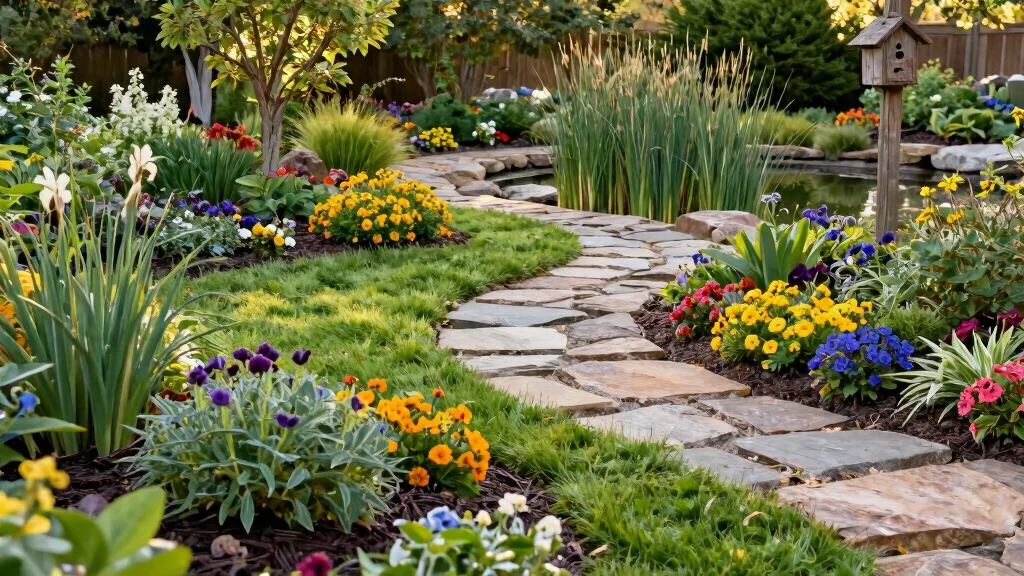
Landscaping your big yard can feel overwhelming, especially when you want it to serve a purpose while looking beautiful. Whether you’re dreaming of a space filled with wildlife or a sustainable garden that feeds your family, the possibilities are endless. I created this post because I understand that many people crave outdoor spaces that are both functional and visually stunning. It’s all about taking that available space and turning it into something meaningful.
If you love gardening, outdoor design, or simply want to enhance your yard, this guide is for you. It’s perfect for anyone who wants to transform their big yard into a haven for wildlife and a sanctuary for themselves. You’ll find nine landscaping ideas that are not only creative but also sustainable, offering both beauty and character to your property. Each idea is designed to inspire you to think outside the box and fill every inch of your yard with purpose.
Get ready to explore these ideas that will help you create a big yard that resonates with life and offers a peaceful retreat. From establishing pollinator gardens to designing cozy seating areas, the following suggestions will provide you with the guidance you need to make your outdoor space truly yours. You can expect practical tips, engaging features, and a sense of accomplishment as you dive into garden planning and yard transformation.
Key Takeaways
– Discover how to create a Pollinator Paradise to attract bees and butterflies while enhancing biodiversity in your yard.
– Learn how to build a Wildlife Habitat Garden that provides shelter and food for various animals, fostering a connection with nature.
– Explore the concept of a Sustainable Edible Landscape where beauty meets practicality by growing your own fruits and vegetables.
– Find inspiration for designing a Tranquil Water Feature that adds soothing sounds and visual interest to your outdoor space.
– Gain insights on incorporating Pathways and Natural Borders to organize your garden and create inviting spaces for relaxation and exploration.
1. Create a Pollinator Paradise
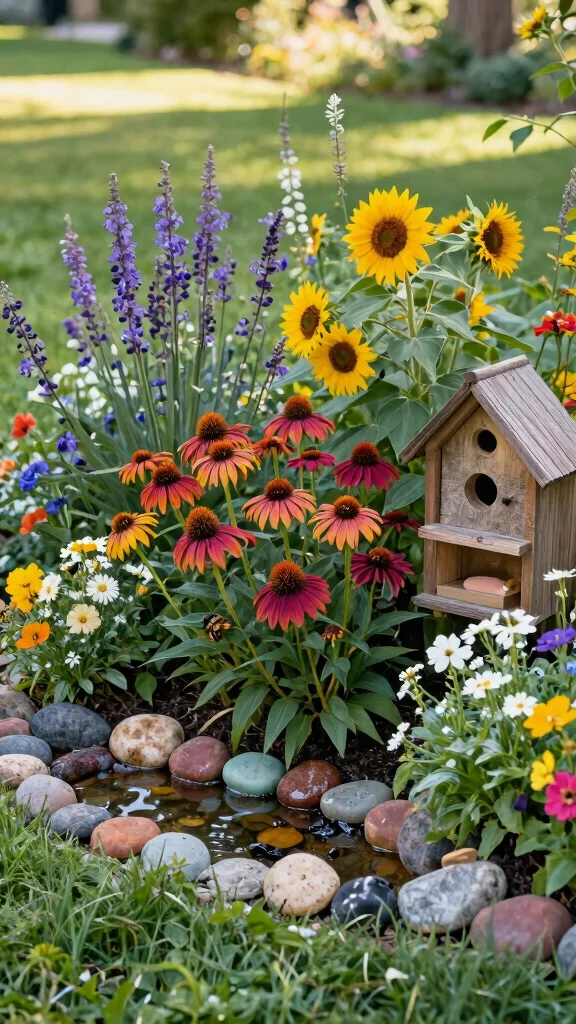
You can easily transform your yard into a welcoming haven for pollinators, which are essential for vibrant gardens. By planting a variety of native flowers, you can create a stunning landscape that dazzles the eye and supports these vital creatures. Think of colorful sunflowers, fragrant lavender, and blooming wildflowers that draw in bees and butterflies, enhancing both beauty and biodiversity.
Start by selecting flowers that bloom at different times of the year. Group similar plants together to make it easier for pollinators to forage. Pair your blooms with features like bee hotels and butterfly-friendly plants to attract these beneficial insects to your garden.
Here’s how to create a pollinator paradise:
– Choose native plants for your local environment.
– Cluster plants together for easier access.
– Avoid harmful pesticides that can affect pollinators.
– Add shallow water sources for safe drinking options.
This effort not only beautifies your yard but also nurtures local ecosystems, creating a vibrant space for all.
Create a Pollinator Paradise
Editor’s Choice

Burpee Wildflower 25,000 Bulk, 1 Bag, 18 Varieties of Non-GMO Flower See…

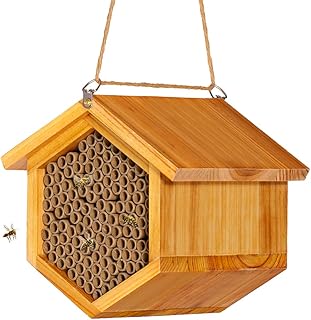
Mason Bee House Wax Coated Bee Hotel, Pollinator House Waterproof, Natur…
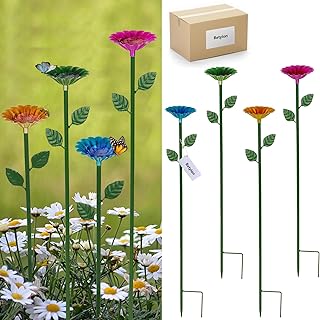
4 Pack Bee Watering Station, Bee Bath for Garden Metal Bee Water Feeder …
2. Build a Wildlife Habitat Garden

Creating a wildlife habitat in your yard can be both enjoyable and beneficial for the environment. By integrating native plants that provide food and shelter, you can attract a variety of birds, insects, and small mammals to your outdoor space. Think about including dense shrubs, small trees, and wildflower meadows to enhance the natural beauty while supporting local wildlife.
Consider features like a small pond or a rain garden to help retain water and create drinking sources for animals. These elements will boost biodiversity and create a low-maintenance landscape that thrives naturally.
Unique landscaping tips include:
– Use organic mulch to enrich the soil.
– Allow some areas to grow wild for native plants.
– Install nesting boxes and feeders to attract birds.
This habitat encourages natural pest control and adds liveliness to your yard.
How To Choose The Right Big Yard Landscaping Ideas
When it comes to filling your big yard with purpose and beauty, choosing the right landscaping ideas is essential. Here are some key factors to consider that will help you create a stunning outdoor space that works for you and the wildlife around you.
1. Purpose of the Space
Think about how you want to use your yard. Do you want a space for entertaining, a wildlife garden, or perhaps an edible landscape? Defining the purpose will guide your design decisions. For example, if you want to attract pollinators, you’ll need to choose plants that provide food and shelter for them.
2. Size and Scale
Measure your yard to determine its size. This will help you understand what landscaping features can fit without overcrowding the space. Keep in mind that large features, like ponds or patios, may look awkward in a small yard, while smaller, intricate designs may get lost in a vast area. Aim for balance in your design.
3. Soil Quality and Drainage
Before planting anything, assess your soil quality. Test the pH and nutrient levels with a simple soil kit, available at garden centers. Good drainage is crucial for many plants. If your yard holds water after rain, you might need to incorporate raised beds or drainage solutions to keep your plants healthy.
4. Native and Wildlife-Friendly Plants
Choose plants that are native to your region as they generally require less maintenance and are more beneficial to local wildlife. Native plants provide food and habitat for various species and promote biodiversity in your yard. Look for resources or local gardening clubs that can advise you on the best plants for your area.
5. Sustainability Practices
Consider incorporating sustainable practices into your yard design. This can include using rain barrels for watering, composting organic waste, and choosing drought-resistant plants. These practices not only benefit the environment but also reduce your maintenance workload.
6. Budget
Finally, set a budget for your project. Landscaping can range from simple DIY projects to major renovations. Outline potential costs for materials, plants, and labor if you plan to hire help. Having a budget will help you prioritize what features you want to include in your yard transformation.
Pro Tip: Start small! If you’re overwhelmed, begin with one area of your yard and expand your project over time. This allows you to see what works and make adjustments without feeling rushed.
By considering these factors, you’ll be well on your way to choosing the right big yard landscaping ideas that not only enhance the beauty of your space but also foster a thriving environment for wildlife. Happy gardening!
Build a Wildlife Habitat Garden
Editor’s Choice

Wildflower Seeds Bulk Mix – 10,000+ Perennial & Annual Seeds – Texas, Ca…

HALF OFF PONDS Savio Select 4,000 GPH Submersible Pump Pond Kit with 20’…

Sunnydaze 10-Inch Glass Mosaic Hanging Bird Feeder for Outdoors – Fly-Th…
3. Create a Sustainable Edible Landscape
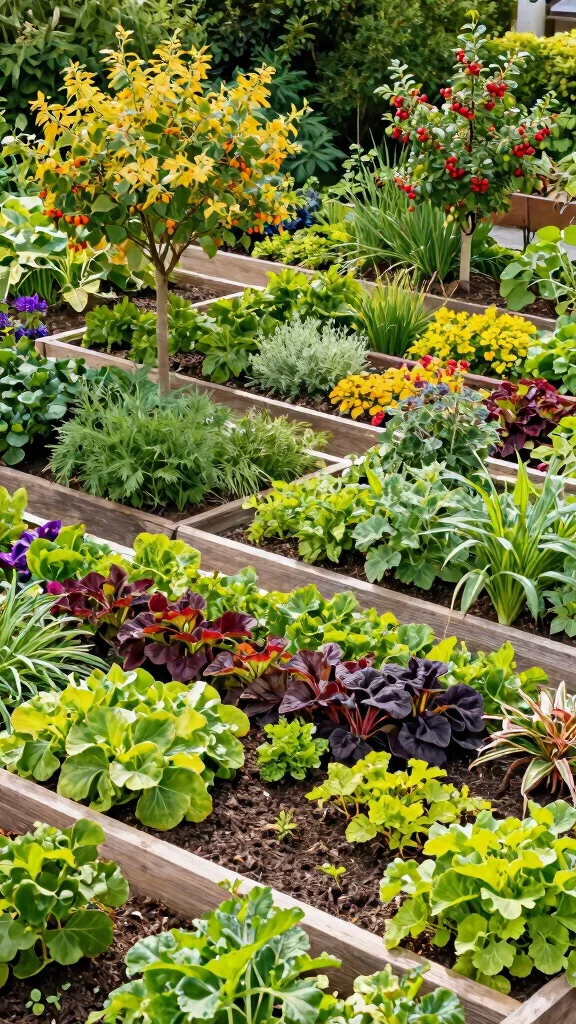
Why not turn your big yard into a feast for both the eyes and the table? An edible landscape brings together beauty and practicality, allowing you to grow fruits, vegetables, and herbs alongside ornamental plants. Imagine raised garden beds filled with colorful tomatoes, peppers, and leafy greens, complemented by edible flowers like nasturtiums for added flair.
Use permaculture principles to maximize your space and promote efficient water use. Vertical gardening techniques can also help you save ground space while adding visual interest.
Landscaping features to consider:
– Plant fruit trees for shade and beauty.
– Create herb gardens that add fragrance and flavor.
– Place berry bushes to attract butterflies and birds.
This sustainable approach provides fresh produce while enhancing your yard’s charm.
📹 Related Video: Edible Landscaping – How to Create a Foodscape
Create a Sustainable Edible Landscape
Editor’s Choice

The Permaculture Garden: A Practical Approach to Year-Round Harvests
Hydroponics Tower Indoor Growing System Vertical Garden Planter Indoor S…

Yaheetech 8×2ft Wooden Horticulture Raised Garden Bed Divisible Elevate…
4. Design a Tranquil Water Feature

Water features like ponds, fountains, or streams can serve as stunning focal points in your landscape. They create a serene atmosphere and attract various forms of wildlife to your yard. A simple pond filled with native aquatic plants can offer habitats for frogs, dragonflies, and fish, while a bubbling fountain provides soothing sounds and a drinking source for birds.
When designing your water feature, choose native plants that thrive in wet conditions. Incorporate rocks and driftwood for a natural look, and ensure shallow areas are accessible for wildlife.
Tips for designing your water feature:
– Select native plants to improve water quality.
– Use natural materials for visual appeal.
– Make sure wildlife can access shallow areas safely.
By adding a water feature, you create a calming space that also enhances your yard’s ecological value.
Fun fact: a simple pond with native plants can boost wildlife in your big yard landscaping ideas— frogs, dragonflies, and birds will visit. Add a bubbling fountain for soothing sound and habitat, then use rocks and driftwood for a natural, low-maintenance focal point.
Design a Tranquil Water Feature
Editor’s Choice

AquaGarden Pond Kit, Container Water Garden | 78325

TONGCHANT Pond Pump, 1600 GPH & 14FT Lift | 100W Submersible Water Pump …

Floating Plants for Water Gardens and Ponds (Water Lettuce)
5. Incorporate Pathways and Natural Borders

Effective landscaping goes beyond what you grow; it’s also about how you connect different areas of your yard. Pathways can guide visitors while adding functionality and aesthetic charm. Consider using natural materials like wood chips, gravel, or flagstones to create meandering paths that fit your yard’s contours. Borders made of native plants can define spaces while providing habitat for wildlife.
Here are some ideas for landscaping pathways:
– Vary path widths for different effects.
– Use plants like lavender to beautifully frame paths.
– Include seating areas for resting spots along the way.
These elements enhance both the beauty and functionality of your yard, encouraging exploration.
You might also like


Incorporate Pathways and Natural Borders
Editor’s Choice

Sekcen 3 Pack Rubber Stepping Stones Outdoor Garden Rubber Pavers Pathwa…
![MODELLOR Premium Super Washed, Clean, Coco Chips [10 lb], Yields 2 cu ft...](https://m.media-amazon.com/images/I/91aeQTpfxhL._AC_UL320_.jpg)
MODELLOR Premium Super Washed, Clean, Coco Chips [10 lb], Yields 2 cu ft…

Earthwise Shady Native Wildflower Seed – Organic Native Blooms for Sha…
6. Embrace Vertical Gardening

Maximizing space is crucial, especially in larger yards with limited flat areas. Vertical gardening allows you to grow plants upwards, freeing up ground space for diverse growth. Consider using trellises, vertical planters, or wall-mounted pots to cultivate climbing plants like cucumbers and flowers, creating an eye-catching display.
For effective vertical gardening, choose sturdy supports for mature plants and mix ornamental and edible varieties for visual appeal. Ensure all plants receive ample sunlight.
Tips for maximizing your vertical garden:
– Select strong supports for climbing plants.
– Combine ornamental and edible plants for beauty.
– Ensure proper sunlight access for growth.
This method not only enhances your yard’s beauty but also invites a variety of wildlife.
Fun fact: vertical gardening is one of the big yard landscaping ideas that frees up ground space for edibles and blooms. Use trellises, vertical planters, or wall-mounted pots to grow cucumbers and climbing flowers upward. For best results, anchor sturdy supports and mix ornamental with edible varieties.
Embrace Vertical Gardening
Editor’s Choice

Make Good PlantPod Luxe – Self-Watering Wall Planters (Set of 6) – Easy …

65″ Cucumber Trellis for Climbing Plants Outdoor, Metal Garden Trellis f…

Vertical Strawberry Planter 5 Tier Stackable Tower Herb Planters-Stackin…
7. Create Cozy Nooks with Seating

Your yard should be a space for relaxation and enjoyment. By designing cozy seating areas, you can transform your outdoor space into an inviting retreat. Incorporate benches made from reclaimed wood or stone seating surrounded by lush landscaping for a natural feel. Frame these spots with flowering shrubs or ornamental grasses to create privacy while enjoying nature’s beauty.
Consider adding features like fire pits for warmth, hammocks for a laid-back vibe, or picnic tables for outdoor dining surrounded by gardens.
Ideas for cozy seating:
– Include fire pits for evening gatherings.
– Hang hammocks for relaxation between trees.
– Set up picnic tables for al fresco dining.
These areas enhance enjoyment and provide opportunities for wildlife watching and connecting with nature.
Create Cozy Nooks with Seating
Editor’s Choice

Outland Living Portable Propane Fire Pit, 19-inch, 58,000 BTU with Fire …

VINGLI 38.5″ Patio Park Garden Outdoor Metal Rose Bench, 2-Person Cast I…
PNAEUT Double Hammocks with Stand for Outside, Portable Space Saving Hea…
8. Foster an Eco-Friendly Mindset

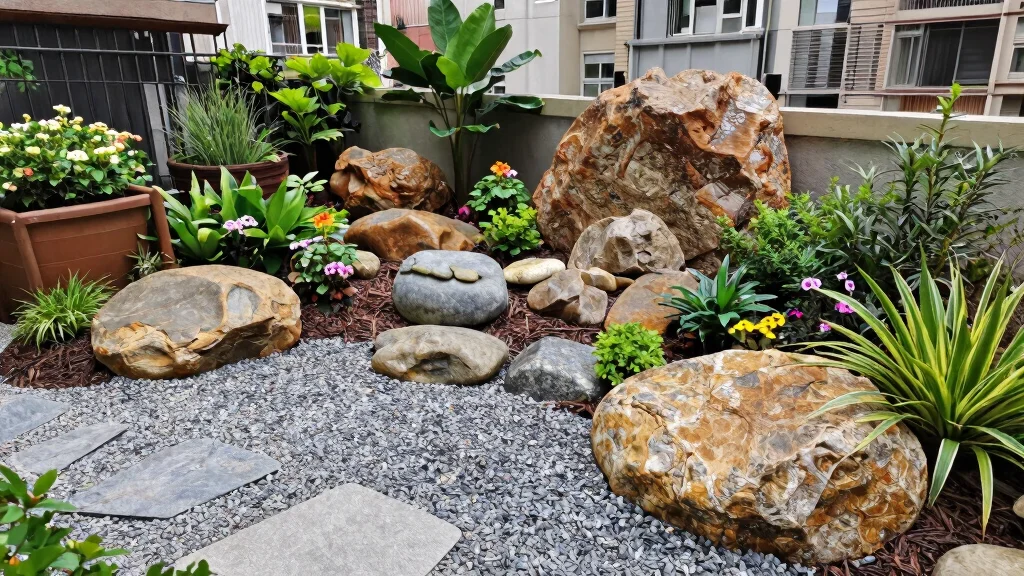
Sustainable practices extend beyond just plants; they encompass every aspect of your landscaping efforts. Choosing eco-friendly materials and techniques can significantly reduce your yard’s ecological footprint. Use recycled materials for pathways and furniture, and incorporate rain gardens to manage stormwater while supporting local wildlife. By adopting organic pest control and composting, you keep your yard healthy without relying on chemicals.
Key points to consider for an eco-friendly yard include:
– Collect rainwater for irrigation.
– Select low-water plants to conserve resources.
– Promote soil health with natural fertilizers.
By embracing an eco-friendly approach, your yard becomes a beautiful space that also contributes positively to the environment.
Fun fact: Rain gardens can cut stormwater runoff by up to 30% in a yard, while supporting local wildlife. Use eco-friendly materials and organic pest control to keep your big yard landscaping ideas thriving without chemicals.
You Might Also Like
Foster an Eco-Friendly Mindset
Editor’s Choice

Babyganics Insect Spray, 2oz, 1 pack, Made with Plant and Essential Oils…

Vodaland Permeable HexPave System – Grass & Gravel Pavers – 100% Recycle…

FCMP Outdoor Raincatcher 4000 Rain Barrel, Flat-Back Rainwater Catcher w…
9. Focus on Seasonal Interest

Designing for year-round beauty ensures your yard remains vibrant no matter the season. Plan a diverse plant palette that offers blooms and colors throughout the year. Incorporate evergreens for winter interest, spring bulbs for early color, summer perennials for abundant flowers, and fall foliage for warm hues.
Adding structural elements like arbors and trellises will provide visual interest even when plants are not in bloom.
To enhance seasonal interest:
– Choose plants with varied bloom times.
– Integrate grasses for movement and texture in winter.
– Add seasonal decorations for extra charm.
By focusing on seasonal interest, your yard will always feel alive and inviting.
Focus on Seasonal Interest
Editor’s Choice

1 Pack Garden Obelisk Trellis for Climbing Plants Outdoor, 6FT Adjustabl…

Complete Spring Flower Garden | 50 Fresh Bulbs | Bloom All Spring and Su…

Conclusion
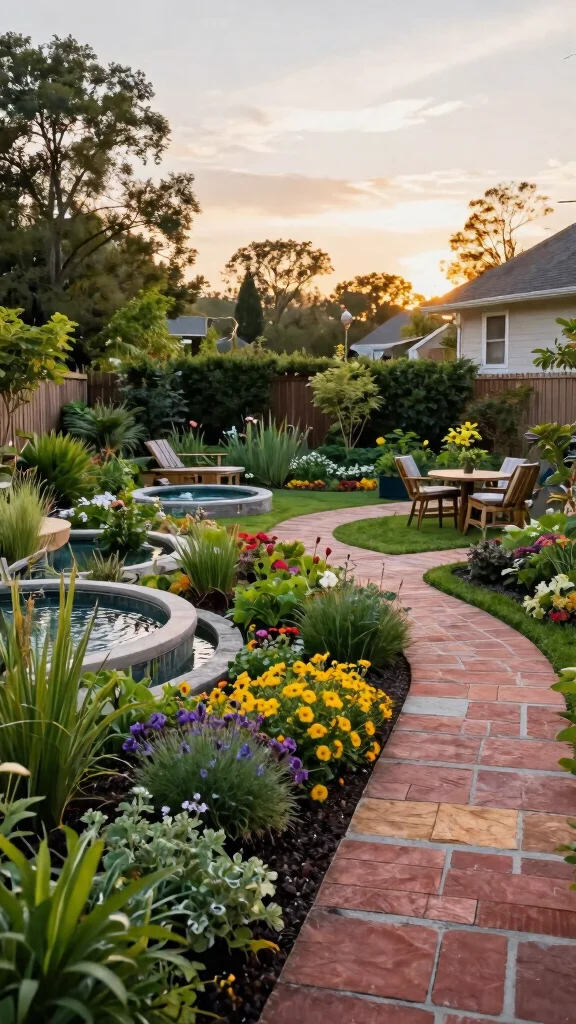
Transforming your big yard into a sustainable paradise can be a rewarding journey that enriches both your life and the surrounding ecosystem.
By thoughtfully incorporating these landscaping ideas, you can create a vivid space that attracts wildlife, provides beauty, and encourages relaxation. Explore these ideas as a way to connect with nature and enjoy the stunning results of your hard work.
Note: We aim to provide accurate product links, but some may occasionally expire or become unavailable. If this happens, please search directly on Amazon for the product or a suitable alternative.
This post contains Amazon affiliate links, meaning we may earn a small commission if you purchase through our links, at no extra cost to you.
Frequently Asked Questions
What Are the Best Big Yard Landscaping Ideas to Create Wildlife-Friendly Habitat?
Kick off your big yard landscaping ideas with a wildlife-first plan by choosing native plants that provide food and shelter. Start by assessing your site: where is sun, where is shade, what is soil like. Create layered plantings: tall trees for canopy, mid-size shrubs for cover, and groundcovers for bees and butterflies.
Add water sources like a shallow pond, a bird bath, or a damp basin to attract different visitors. Include shelter such as fallen logs, brush piles, hedges, and evergreen cover for year-round protection. Reduce lawn area and group plants to cut mowing and watering, letting nature fill spaces between features.
Finish with thoughtful garden planning that ties these elements into fluid sightlines and easy paths, and highlight key landscaping features like rain gardens, rock walls, and pollinator borders to boost habitat value.
How Can I Transform a Large Yard into Outdoor Design Inspiration on a Budget?
Turn your large yard into a showcase of outdoor design inspiration by focusing on a few bold ideas and executing them in stages. Start with a simple master plan that defines 2–3 focal areas and a clear circulation path. Reuse materials you already have—think reclaimed pavers for a meandering path or timber for a low-cost screen. Choose native plants and drought-tolerant varieties to cut ongoing maintenance and water use. Add a confident landscaping feature like a stone seating circle or a small water element, then layer in color with seasonal blooms for year‑round interest. Finish with a realistic budget and a phased schedule so you can watch your yard transform without overwhelming resources while keeping plenty of garden planning in mind.
What Landscaping Tips Help Keep a Big Yard Sustainable and Low-Maintenance?
To keep a big yard sustainable, start with low-maintenance plantings and water-smart practices. Choose native plants that thrive in your climate and reduce irrigation needs. Mulch heavily to conserve moisture and suppress weeds, and build a simple soil health routine with periodic composting. Install a rain barrel or two to harvest water for irrigation, and group plants with similar water needs to minimize waste. Reduce lawn footprint where possible and use permeable hardscapes to improve drainage. With thoughtful yard transformation focused on sustainability, you’ll spend less time on upkeep and more time enjoying the landscape.
Which Landscaping Features Best Support Both Kids and Wildlife in a Yard Transformation?
Create a space that feels inviting to both kids and wildlife by combining safe play areas with wildlife-friendly edges. Plan a soft, forgiving play zone with child-safe turf or mulch, and separate it with a low hedge from wildlife corridors. Add features like bird feeders and bee hotels tucked into flower borders, logs for critters, and native grasses that sway with the breeze. A winding path with shade, seating, and focal points like a wildlife-friendly pond helps everyone explore without disturbing wildlife. This balanced approach is a classic example of landscaping features that support yard transformation and outdoor design inspiration.
How Should I Start Garden Planning for an Acre‑Plus Yard to Maximize Beauty and Habitat?
Begin with a simple sun/shade map and a clear sense of zones: habitat corridors, edible spaces, play areas, and entertainment spots. Create a master plan that prioritizes garden planning and a phased yard transformation over several seasons. Choose a few bold landscaping features—like a native plant meadow, a rain garden, and a stone seating area—and design paths that connect them logically. Then draft a maintenance schedule that fits your climate and lifestyle, ensuring wildlife needs (pollinators, shelter, water) are integrated into every phase of your big yard landscaping ideas.
Related Topics
big yard landscaping
wildlife habitat
sustainable gardening
outdoor design
yard transformation
landscaping features
garden planning
eco-friendly landscaping
beginner friendly
creative landscaping
seasonal gardens
landscaping tips