
Gardening enthusiasts and busy homeowners alike often crave colorful gardens that require minimal upkeep. That’s why I created this post about black eyed susan landscaping! These stunning perennial flowers are not only beautiful but also incredibly low-maintenance, making them a perfect choice for anyone looking to brighten their outdoor spaces without a lot of effort. They bloom in vibrant yellows and browns, adding a cheerful touch to any garden. If you find yourself longing for a lively garden but feel overwhelmed by maintenance, this guide is just for you.
Whether you’re a seasoned gardener or someone who just wants to add a splash of color to your backyard, you’ll find something valuable here. In this article, I’ve gathered 9 clever ideas that showcase how you can incorporate black eyed susans into your landscape. These ideas are easy, practical, and designed to make your gardening experience enjoyable. You’ll learn how to create stunning displays, define borders, and even attract pollinators—all while keeping your garden vibrant with minimal effort.
Get ready to explore these creative approaches that will not only beautify your garden but also make it an inviting haven for wildlife. With these tips, you’ll be well on your way to a flourishing garden filled with colorful flowers and happy pollinators. Let’s dive in and discover how to make the most of black eyed susans!
Key Takeaways
– Black eyed susans are ideal for low-maintenance gardening, allowing for a vibrant garden with minimal care.
– Grouping these flowers in clusters creates a striking visual impact and draws attention to your garden.
– Pairing black eyed susans with other plants enhances biodiversity and attracts beneficial pollinators.
– Container gardening offers flexibility for those with limited space, allowing you to showcase these flowers anywhere.
– Incorporating seasonal color transitions ensures that your garden remains lively and appealing throughout the year.
1. Clustered Displays for Maximum Impact

If you want a stunning visual in your garden, clustered displays of Black Eyed Susans are the way to go. Grouping these cheerful flowers together not only enhances their bright colors but also creates a captivating focal point. Picture a vibrant patch of Black Eyed Susans surrounded by lush green leaves, drawing the eye and inviting admiration.
Start by mixing different heights; pair Black Eyed Susans with taller plants like coneflowers or sunflowers for added depth. Opt for planting in odd numbers, such as three or five, to achieve a more natural look. Don’t forget to choose companion plants like purple salvia or white phlox that offer a beautiful contrast throughout the summer.
Key tips for cluster planting:
– Mix Heights: Combine with taller perennials for visual interest.
– Use Odd Numbers: Plant in groups of three or five for a natural appearance.
– Choose Companion Plants: Pair with purple salvia or white phlox for color contrast.
– Maintain Space for Growth: Ensure each plant has room to thrive and bloom.
This arrangement not only adds vibrant color to your space but also attracts pollinators, making it an essential feature for any low-maintenance garden.
Did you know a cluster of 3–5 Black Eyed Susans creates instant impact in any garden? These tight patches deliver bold color from mid-summer to fall, with minimal upkeep. Perfect for low-maintenance pollinator gardens and striking focal points.
Clustered Displays for Maximum Impact
Editor’s Choice

Grenebo Gardening Tools 9-Piece Heavy Duty Garden Hand Tools with Fashio…


Miracle-Gro Water Soluble All Purpose Plant Food – Fertilizer For All In…
2. Edging for Defined Borders

Using Black Eyed Susans as edging plants is a fantastic way to define specific areas in your garden. Their height and vivid colors create a welcoming boundary that looks organized and appealing. Imagine a garden path lined with these joyful flowers, inviting guests to explore your outdoor sanctuary.
To create beautiful edges, ensure consistent spacing as you plant them along pathways or flower beds for a tidy look. Consider mixing in low-growing ground covers like creeping thyme for a delightful texture contrast. For year-round beauty, incorporate late-blooming plants alongside the Black Eyed Susans.
Tips for creating defined borders:
– Consistent Spacing: Plant evenly along edges for a structured appearance.
– Mix Textures: Pair with low-growing ground covers for visual interest.
– Seasonal Interest: Add late-blooming plants for year-round color.
This technique enhances the flow of your garden while providing a natural barrier against weeds, all while showcasing the beauty of these perennial flowers.
Edging for Defined Borders
Editor’s Choice

EasyFlex No-Dig Landscape Edging with Anchoring Spikes, 2.7 in Tall Deco…

Red Creeping Thyme Seeds for Planting 20000+ Non-GMO Perennial Flower Se…
3. Companion Planting for Pollinator Power

Building a pollinator-friendly garden is both simple and rewarding, especially with Black Eyed Susans as the main attraction. These flowers not only draw in bees and butterflies but also thrive alongside a variety of other plants. Picture a lively garden buzzing with activity, where different flower species bloom together in harmony.
When selecting companion plants for Black Eyed Susans, consider mixing them with coneflowers for a colorful display that attracts pollinators. Lavender is another great choice, as its fragrant blooms entice bees while contrasting beautifully with the yellows and browns of Black Eyed Susans. For fall interest, add asters, ensuring your garden remains vibrant as the seasons change.
Best companions for Black Eyed Susans:
– Coneflowers: Provide a color variety that attracts pollinators.
– Lavender: Attracts bees and offers lovely fragrance.
– Asters: Ensure your garden has fall interest as summer blooms fade.
This planting strategy not only boosts your garden’s biodiversity but also enhances its beauty, creating a colorful haven for pollinators and gardening enthusiasts alike.
❝ Fun fact: In black eyed susan landscaping, pairing Susans with coneflowers can boost pollinator visits by 25% in a single growing season. Keep it simple—mix in lavender and other blossoms, and enjoy a colorful, low-maintenance garden that buzzing bees adore.
Companion Planting for Pollinator Power
Editor’s Choice

Burpee Wildflower 25,000 Bulk, 1 Bag, 18 Varieties of Non-GMO Flower See…

Espoma Organic Flower-Tone 3-4-5 Natural & Organic Plant Food; 4 lb. Bag…
4. Naturalistic Garden Layouts
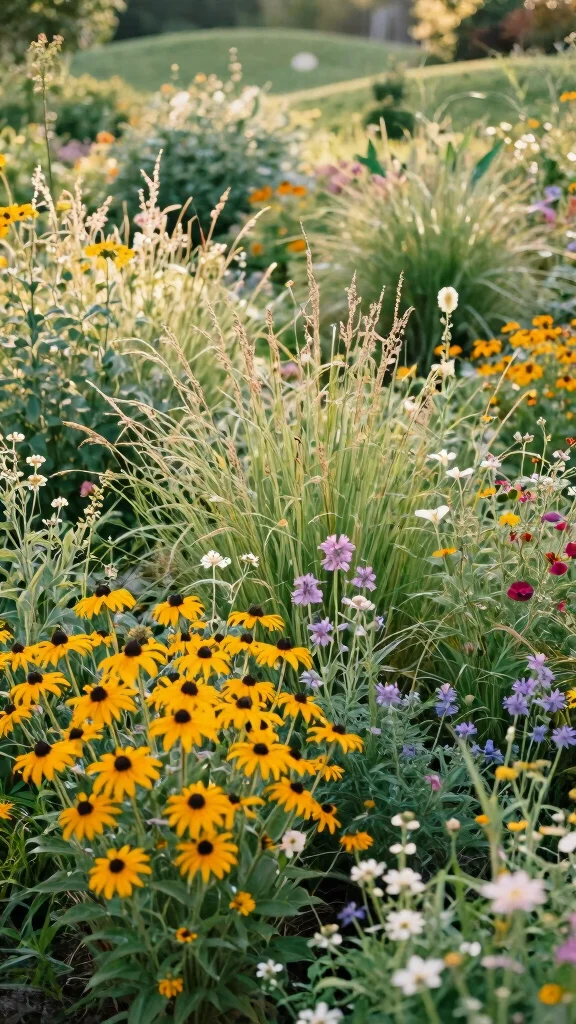
If you prefer a more relaxed aesthetic, naturalistic garden layouts are ideal for incorporating Black Eyed Susans. This style mimics nature, allowing plants to grow freely and inviting wildlife. Imagine a garden that resembles a wildflower meadow, bursting with life and vibrant colors.
For a naturalistic design, layer your plants by placing taller perennials in the back and shorter Black Eyed Susans in the front to create depth. Embrace variety by combining these flowers with native grasses and wildflowers, fostering a diverse ecosystem. Avoid rigid lines; instead, plant in clusters that reflect natural growth patterns.
Tips for naturalistic design:
– Layering Plants: Use taller perennials in the back and shorter ones in front for depth.
– Embrace Variety: Combine with native grasses and wildflowers for diversity.
– Random Spacing: Plant in clusters to mimic natural growth.
This approach requires less maintenance as plants settle into their environment while creating a visually stunning garden that supports local wildlife.
Naturalistic Garden Layouts
Editor’s Choice
Back to the Roots 100% Organic Mulch, 58 Quart, Expanding Coconut Husk B…

Black Eyed Susan Seeds for Planting | 30,000+ Heirloom Seeds, Flower See…
5. Container Gardening with Black Eyed Susans

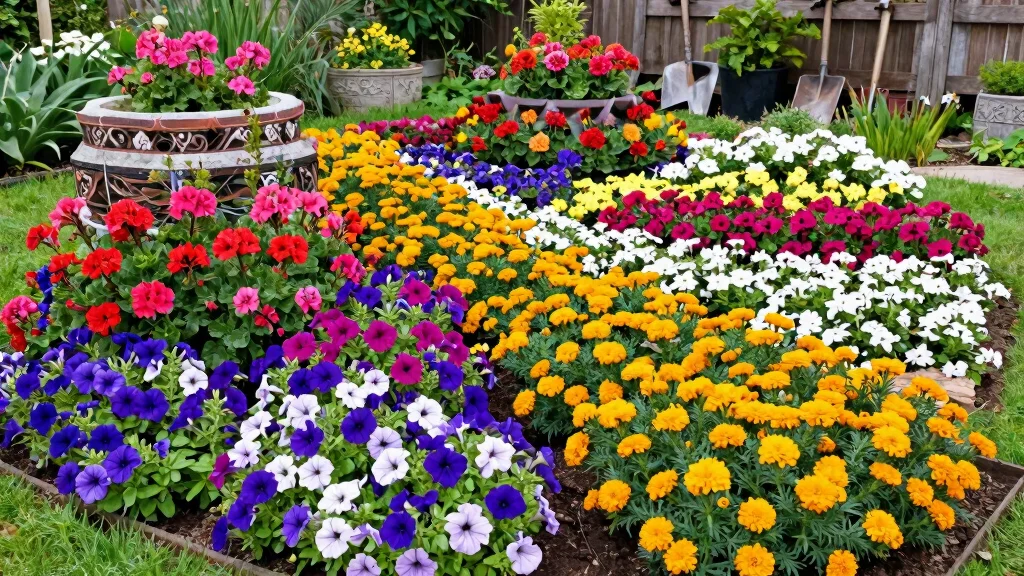
If you’re short on space or want to add vibrant pops of color to patios and balconies, container gardening with Black Eyed Susans is a fantastic option. These hardy perennials thrive in pots, brightening any outdoor area. Imagine a cheerful arrangement of containers overflowing with these sunny flowers, bringing charm and color to your space.
Start by selecting the right size pot to accommodate the plant’s root system properly. Use high-quality, well-draining potting mix to keep the roots healthy and thriving. For an eye-catching display, group containers of varying sizes together, mixing Black Eyed Susans with other colorful annuals or perennials.
Container gardening tips:
– Choose the Right Size Pot: Ensure the pot is large enough for healthy growth.
– Use Quality Soil: Opt for well-draining potting mix for strong roots.
– Group Containers: Mix sizes and plants for a dynamic look.
Container gardening lets you enjoy the beauty of Black Eyed Susans up close while allowing for creative freedom in your garden design.
📹 Related Video: Black-eyed Susan (Rudbeckia). Border and container idea. 🌼
You might also like

Container Gardening with Black Eyed Susans
Editor’s Choice

DeeCoo 3 Piece Ceramic Plant pots Indoor Pots Set with Drainage Holes, 5…

Black Gold Potting Mix – Natural & Organic, Indoor Use, Bulk Potting Soi…
Black Eyed Susan Seeds for Planting | 30,000+ Heirloom Seeds, Flower See…
6. A Splash of Color in Rock Gardens

Rock gardens provide a unique landscape where Black Eyed Susans can truly shine. These resilient flowers introduce bright pops of color amid stones and gravel, creating a striking contrast. Imagine a beautiful rock garden where the vibrant yellows and blacks of the flowers stand out against earthy tones.
To incorporate Black Eyed Susans into rock gardens, plant them in groups near larger rocks for a natural appearance. Balance the softness of these flowers with durable succulents or drought-tolerant plants for varied textures. Ensure good drainage in your rock garden to prevent waterlogged roots, vital for the plants’ health.
Tips for rock garden integration:
– Plant in Groups: Cluster near larger rocks for a natural look.
– Mix with Hardscape: Pair with drought-tolerant plants for texture.
– Plan for Drainage: Ensure good drainage for healthy roots.
This low-maintenance option allows you to enjoy the beauty of Black Eyed Susans while creating a visually appealing outdoor space that thrives effortlessly.
A Splash of Color in Rock Gardens
Editor’s Choice

Drought Tolerant Wildflower Mix – 20,000+ Seeds – 1 oz Bulk Extra La…

ZOOFOX 10lb Natural Rocks Stones, Small Washed Gravel for Terrariums, Su…

Heavy Duty Gardening Tools – Gardening Gifts for Women, Men, Mom, Dad – …
7. Seasonal Color Transitions

While Black Eyed Susans are summer stars, they can also be part of a beautiful seasonal color transition. By incorporating them with early and late bloomers, you can create a garden that remains visually captivating all year round. Imagine a dynamic landscape where colors shift with the seasons, keeping your garden lively and engaging.
For planning seasonal interest, pair Black Eyed Susans with early bloomers like tulips or daffodils to kick off the growing season. As summer fades, integrate asters or ornamental grasses to provide ongoing color. Don’t forget to include deciduous plants that change colors in the fall for a complete seasonal experience.
Seasonal interest planning tips:
– Early Bloomers: Pair with tulips and daffodils to start the season.
– Late Bloomers: Add asters or ornamental grasses for continued color.
– Fall Foliage: Include plants that change colors for seasonal beauty.
This strategy enhances your garden’s overall aesthetic, allowing you to enjoy a vibrant and ever-changing landscape.
Fact: When you pair Black Eyed Susans with early bloomers like tulips and daffodils, your garden shifts through color from spring to fall. This can extend bloom time by up to 8–10 weeks with almost zero extra effort.
Seasonal Color Transitions
Editor’s Choice

MySoil Soil Test Kit, Unlock Your Lawn & Garden Potential, Complete & Ac…

Garden Tools Set, 3 Pack Heavy Duty Gardening Tools Set Include Garden S…

Plant Ruler by Snurfado – Wooden Seed Spacing Tool for Vegetable Garde…
8. Wildlife-Friendly Gardens

Creating a wildlife-friendly garden not only benefits nature but also adds vibrancy and life to your outdoor space. Black Eyed Susans are an excellent choice for attracting birds, butterflies, and bees. Picture a garden bustling with activity, where every bloom serves a purpose in the ecosystem.
To enhance wildlife habitats, combine Black Eyed Susans with native plants to provide food and shelter for various creatures. Allow some areas of your garden to grow freely, creating habitats for insects and small animals. Including water sources like a birdbath or small pond can attract even more wildlife to your garden.
Tips for enhancing wildlife habitats:
– Diverse Planting: Combine with native plants for food and shelter.
– Leave Some Areas Wild: Create habitats by allowing natural growth.
– Provide Water Sources: Include a birdbath or pond for wildlife.
This approach supports local ecosystems while creating a beautiful, engaging garden that connects you with nature.
You Might Also Like

How To Choose the Right Black Eyed Susan for Your Garden
When selecting the right Black Eyed Susan for your landscaping project, consider several important factors. These flowers are known for their hardiness and low-maintenance care, but choosing the right variety can enhance your garden’s beauty and functionality.
1. Variety Selection
Black Eyed Susans come in various varieties, such as the classic Rudbeckia hirta and the taller Rudbeckia maxima. Think about your garden’s style and what specific look you want to achieve. For a more informal garden, opt for the traditional variety. If you’re aiming for height and drama, go for the maxima variety, which can reach up to 6 feet tall.
2. Sunlight Requirements
These flowers thrive in full sun, needing at least 6 hours of direct sunlight daily. Pay attention to your garden’s layout. Identify areas that receive ample sunlight, as these spots will help your Black Eyed Susans grow robustly and bloom beautifully. If your garden has shaded areas, consider companion plants that flourish in lower light.
3. Soil Type
Black Eyed Susans prefer well-drained soil but are adaptable to different soil types. Before planting, test your soil’s drainage and nutrient levels. If your soil is too compact or lacks nutrients, amend it with organic matter like compost or well-rotted manure. This will help create a suitable environment for your plants to thrive.
4. Maintenance Level
While Black Eyed Susans are low-maintenance, some varieties may require more care than others. If you want a truly carefree garden, choose native species that are accustomed to your local climate. Consider how much time you can dedicate to gardening tasks, such as watering, deadheading, and pest control, before making your selection.
5. Bloom Time
Different varieties of Black Eyed Susans bloom at various times. Some start in mid-summer and last into fall, while others may bloom as early as spring. Choose a variety that aligns with your garden’s seasonal color scheme. For continuous blooms, consider planting a mix of varieties that flower at different times.
6. Space and Layout
Consider how much space you have for your Black Eyed Susans. They can spread and fill in areas quickly, so it’s crucial to plan their placement. If you want a clustered effect, plant them closer together (about 1-2 feet apart). For a more staggered look, you can space them further apart. Think about their height and how they will interact with other plants in your garden.
Pro Tip: Always check your local climate zone before purchasing Black Eyed Susans. This ensures that you choose varieties that will thrive in your specific conditions. A visit to a local garden center can also provide insights and recommendations tailored to your area!
Wildlife-Friendly Gardens
Editor’s Choice

Daoeny 35In Metal Bird Bath for Outside, Vintage Freestanding Birdbaths …

Wildflower Seeds Bulk Mix – 10,000+ Perennial & Annual Seeds – Texas, Ca…

VGOODALL 50PCS Butterfly Garden Decorations, 11.8 inch Butterfly Stakes …
9. Incorporating Black Eyed Susans in Community Gardens

If you’re involved in a community garden, adding Black Eyed Susans can enhance the colorful and supportive atmosphere. These flowers thrive with minimal care and bring a cheerful vibe, uniting people in their gardening efforts. Picture a vibrant community space where everyone enjoys the beauty of Black Eyed Susans while sharing gardening tips and experiences.
One benefit of community garden planting is the opportunity for shared knowledge; collaborate with fellow gardeners to learn best practices for caring for Black Eyed Susans. Additionally, these flowers help create habitats that attract bees and other pollinators, contributing to healthier gardens overall. A beautiful patch of Black Eyed Susans can become a community highlight, fostering connections among gardeners.
Benefits of community planting:
– Shared Knowledge: Learn best practices with fellow gardeners.
– Encourage Pollinators: Create habitats that attract beneficial insects.
– Create a Community Highlight: Foster connections with a beautiful focal point.
Including these flowers in community spaces promotes a sense of belonging, sustainability, and the joy of gardening together.
Incorporating Black Eyed Susans in Community Ga…
Editor’s Choice

Miracle-Gro Potting Mix – For Container Plants, Flowers, Vegetables, Shr…
Black Eyed Susan Seeds for Planting | 30,000+ Heirloom Seeds, Flower See…
Garden Tools Set, 3 Pack Heavy Duty Gardening Tools Set Include Garden S…
Conclusion
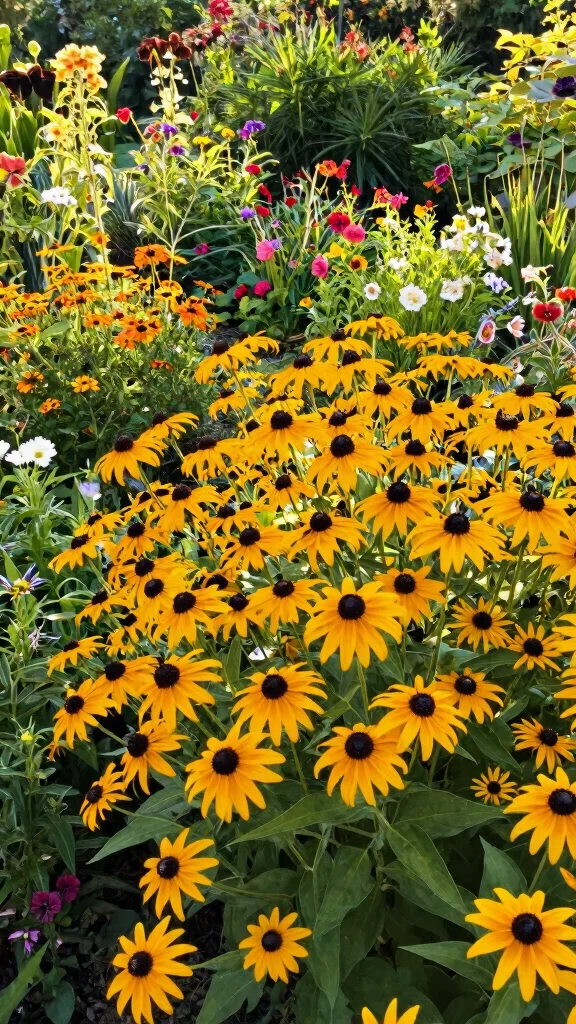
Black Eyed Susans truly embody the joy of gardening with their vibrant colors and low-maintenance care. By incorporating these stunning flowers into your landscaping, you can create an inviting and colorful space that attracts both pollinators and compliments your outdoor area.
Whether you opt for clustered displays, naturalistic layouts, or container gardening, there are endless possibilities to explore with Black Eyed Susans. Let your creativity flow and enjoy the beauty and ease of planting these perennial flowers in your garden!
Note: We aim to provide accurate product links, but some may occasionally expire or become unavailable. If this happens, please search directly on Amazon for the product or a suitable alternative.
This post contains Amazon affiliate links, meaning we may earn a small commission if you purchase through our links, at no extra cost to you.
Frequently Asked Questions
Why are black eyed susans a great choice for low maintenance gardening and easy landscaping?
Black eyed susans are a standout for low maintenance gardening and easy landscaping tips because they’re hardy perennial flowers that bloom reliably for weeks. For a bold, colorful garden ideas display in your yard, plant them in full sun with well-drained soil. Once established, they require minimal watering and need little effort beyond occasional deadheading. Space about 18-24 inches apart to let them breathe, and mulch to conserve moisture. You’ll get long-lasting color in your yard with colorful garden ideas and black eyed susan landscaping that stays vibrant year after year.
How should I care for black eyed susans to keep them healthy year after year?
For black eyed susan care, start with good basics: plant in full sun, on well-drained soil, and water deeply until established. They tolerate drought once rooted, so let the soil dry between waterings. Feed lightly in early spring with a balanced fertilizer, then reinforce with a mulch layer to suppress weeds. Deadhead spent blooms to encourage more flowers, but you can also let some seeds mature for natural reseeding. To keep clumps tidy, divide every 3-4 years in spring or fall.
Do black eyed susans attract pollinators and how can I design a pollinator-friendly bed around them?
Yes—black eyed susans are highly pollinator-friendly. They attract bees, butterflies, and even hummingbirds, adding movement and life to a pollinator garden. To maximize benefits, plant them in drifts for impact, group them with other native perennials, and stagger varieties to create a long bloom sequence. Water at soil level to avoid wet foliage, and keep maintenance simple with a low maintenance gardening approach.
What are good companion plants and layout ideas to create bold color with black eyed susans?
Use bold color by planting large drifts of black eyed susans as the backbone of a bed, then pair with complementary hues like purples, oranges, and greens for colorful garden ideas. Great companions include purple coneflower, ornamental grasses, salvia, and agastache for texture and extended bloom. Keep maintenance light by choosing hardy perennials, ensuring good drainage, mulching, and spacing so air can circulate. This approach epitomizes black eyed susan landscaping that looks deliberate but requires little effort.
How much maintenance do black eyed susans require and what are the easiest tips to maximize their bloom?
These plants are forgiving, and a simple routine helps maximize bloom with minimal work. Plant in groups for impact, apply a 2-3 inch mulch layer, water deeply but infrequently once established, deadhead regularly or let some blooms mature for seeds, and divide every 3-4 years to keep them vigorous. With these steps you’ll enjoy abundant blooms and steady color, a classic win for low maintenance gardening and easy landscaping tips that play nicely with perennial flowers like black eyed susans.
Related Topics
black eyed susan landscaping
low maintenance gardening
colorful garden ideas
perennial flowers
easy landscaping tips
pollinator friendly
summer blooms
beginner friendly
garden design
easy care plants
vibrant landscapes
drought tolerant gardening