
When it comes to creating a stunning outdoor space, few plants can match the charm and versatility of boxwoods. If you’ve been daydreaming about a polished and well-designed yard, you’re not alone. This post dives into eight unique boxwood landscaping ideas that can elevate your garden and give it that professional touch. I crafted this guide to help you discover how these low-maintenance shrubs can transform your small urban garden into a lush retreat, all while requiring minimal upkeep.
If you love gardening but feel overwhelmed by the complexities of traditional landscaping, this post is for you. Whether you’re a busy city dweller with limited time or a novice gardener looking to make a big impact, you’ll find something here. With these eight boxwood landscaping ideas, you’ll learn practical tips to enhance your curb appeal and create a serene outdoor environment. So grab your gardening gloves, and let’s get started on making your yard a polished masterpiece.
Key Takeaways
– Boxwoods are low-maintenance shrubs that add elegance and structure to your garden, making them ideal for small urban spaces.
– Explore a variety of landscaping ideas, including classic hedges and topiary shapes, that can fit any style and design preference.
– Using boxwoods in combination with stones enhances the visual appeal of your garden, creating a beautiful contrast that draws the eye.
– Grouping boxwoods can serve as striking focal points, guiding visitors through your outdoor space while maintaining a clean, organized look.
– Seasonal displays and elevated planters allow you to keep your garden fresh and intriguing throughout the year.
1. Classic Boxwood Hedge

If you’re looking to add elegance and structure to your garden, the classic boxwood hedge is the way to go. This beautiful greenery can be planted in neat rows or as a border around your flower beds, enhancing the overall charm of your outdoor space. Regular maintenance, like trimming, is essential to keep your hedge looking dense and healthy, ensuring it remains a stunning focal point throughout the seasons.
Start by planting boxwoods in well-drained soil and ensure they receive adequate sunlight. Regularly check for pests and water them appropriately to encourage lush growth. You might also consider mixing different boxwood varieties for added texture and interest.
Key benefits of a classic boxwood hedge:
– Creates a clean, polished look that enhances curb appeal.
– Acts as a natural privacy screen, perfect for urban living.
– Provides a backdrop for seasonal flowers or ornaments.
This classic hedge not only brings beauty to your garden but also serves practical purposes, making your outdoor area feel more inviting and structured.
Classic Boxwood Hedge
Editor’s Choice

BLACK+DECKER Electric Hedge Trimmer, 17-Inch Corded 3.2 Amp, Dual Action…


Rapitest Soil Test Kit for Gardens, Vegetables, Flowers and Lawns. USA d…

Boxwood Fertilizer – Liquid Plant Food for Dense Growth, Rich Green Fo…
2. Boxwood Topiary Shapes
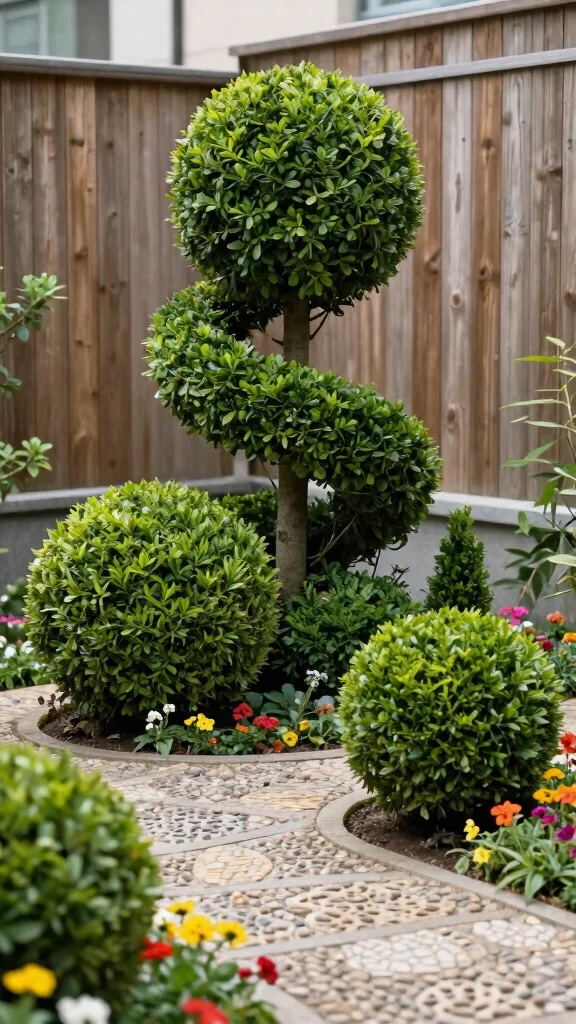
Transform your garden into a whimsical wonderland with boxwood topiaries! Shaping boxwoods into fun forms like spheres or spirals adds an artistic touch that draws the eye. These playful designs elevate the aesthetics of your outdoor space while paying homage to classic landscaping techniques.
Begin with young boxwood plants for easier shaping, and use sharp pruning shears for clean lines. Be prepared for a bit of patience, as achieving the desired shape may take a few seasons. You can also place these topiaries along pathways or at your home’s entrance for a sophisticated flair.
Tips for creating stunning boxwood topiaries:
– Start with young boxwood plants that are easy to shape.
– Use sharp pruning shears for clean cuts and defined edges.
– Be patient; it may take a few seasons to achieve the desired shape.
Maintaining these topiaries ensures they remain vibrant and eye-catching, making your garden a true standout.
Did you know it can take 2–3 seasons to shape a perfect sphere from boxwood? Start with young plants and trim steadily; even a few precise cuts can turn a simple hedge into a striking box woods landscaping centerpiece.
3. Boxwood and Stone Combination

Combine the rich greens of boxwoods with the earthy tones of decorative stones for a stunning landscaping effect. This idea allows boxwoods to stand out as focal points amidst stone features like pathways and rock gardens. The contrast between the greenery and stone creates an elegant yet low-maintenance arrangement.
Experiment with different stone sizes to add texture, and group boxwoods in clusters for a natural look. You can also incorporate gravel or mulch around the stones to keep maintenance simple. This combination not only looks polished but also enhances the dimension of your garden space.
Design suggestions for a beautiful boxwood and stone display:
– Use different sizes of stones for added texture and interest.
– Arrange boxwoods in clusters for a more natural look.
– Consider adding gravel or mulch as a base around the stones for easy maintenance.
This attractive pairing ensures that your garden remains vibrant with minimal upkeep, perfect for busy lifestyles.
Boxwood and Stone Combination
Editor’s Choice

GASPRO 15lb Natural River Rocks Decorative Rocks for Plants and Garden L…
Back to the Roots 100% Organic Mulch, 58 Quart, Expanding Coconut Husk B…

4. Boxwood as Garden Borders

Using boxwoods as garden borders is a smart way to define your outdoor areas without overwhelming them. These versatile plants can line pathways or flower beds, creating a clear separation that enhances organization while maintaining charm. This technique provides a neat look while contributing to the overall beauty of urban gardens.
Regular trimming is essential to keep your boxwoods in shape, ensuring they provide a clean border. Pair them with seasonal flowers or decorative garden stakes for extra visual appeal. Proper care, including watering and pruning, helps keep your boxwoods healthy and vibrant all year round.
Benefits of using boxwoods as borders:
– Keeps the garden organized and visually appealing.
– Helps to control plant overgrowth, making maintenance easier.
– Provides a natural transition between different garden elements.
This approach not only enhances your garden’s aesthetics but also makes maintenance easier, allowing you to enjoy your outdoor space more fully.
You might also like


Ongoing Maintenance & Care Guide
Maintenance Schedule:
Daily/Weekly Tasks:
– Watering: Check moisture levels in the soil. If it’s dry, give your boxwoods a deep watering. This takes about 10-15 minutes depending on your method.
– Weeding: Remove any weeds around the boxwoods to prevent competition for nutrients. This task can take 5-10 minutes per week, depending on the size of your garden.
– Pruning: Trim any dead or overgrown branches to keep boxwoods healthy and well-shaped. Spend around 20 minutes once a week for maintenance.
Monthly/Seasonal Tasks:
– Fertilizing: Apply a slow-release, balanced fertilizer in early spring and late summer. It takes about 15 minutes to apply, but be mindful of the instructions on the product.
– Inspecting for Pests: Check your boxwoods once a month for any signs of pests like spider mites or aphids. A thorough inspection may take about 30 minutes.
– Mulching: Refresh mulch around your boxwoods twice a year (spring and fall) to help retain moisture and suppress weeds. This can take 30-45 minutes depending on the area covered.
– Seasonal Trimming: In late winter or early spring, do a major trim to keep your boxwoods in shape. Allocate about an hour for this task.
Maintenance Summary Table:
| Task | Frequency | Difficulty | Time Needed |
|—————————|—————|————|————–|
| Watering | Daily/Weekly | Low | 10-15 mins |
| Weeding | Weekly | Low | 5-10 mins |
| Pruning | Weekly | Moderate | 20 mins |
| Fertilizing | Monthly | Low | 15 mins |
| Inspecting for Pests | Monthly | Moderate | 30 mins |
| Mulching | Biannual | Moderate | 30-45 mins |
| Seasonal Trimming | Annual | High | 1 hour |
Common Issues to Watch For:
⚠️ Yellowing Leaves: This can indicate over or underwatering. Check the soil moisture level to determine the issue.
⚠️ Wilting or Drooping: This often means your boxwoods need water. Make sure to check them regularly, especially in hot weather.
⚠️ Brown Tips: This can signify either drought stress or too much fertilizer. Review your watering and fertilization schedule.
⚠️ Unusual Insect Activity: Look for tiny webs or small pests on the leaves. This may require pest control measures.
⚠️ Leaf Drop: If leaves are falling off, it might be due to shock from transplanting or environmental stress. Protect them from harsh conditions.
Care Tips:
💡 Choose the Right Location: Plant your boxwoods in a spot with well-draining soil and partial to full sun. This ensures they thrive.
💡 Water Deeply and Infrequently: Instead of daily watering, give them a deep soak once a week. This encourages deep root growth and makes them more drought-resistant.
💡 Keep an Eye on Soil: Test the soil pH regularly. Boxwoods prefer slightly acidic to neutral soil (pH 6.0 to 7.0). Adjust with amendments as needed.
💡 Use Protective Barriers: If pests are common in your area, consider using row covers or insect netting during peak seasons to protect your boxwoods.
💡 Stay Consistent with Pruning: Regular pruning keeps your boxwoods looking neat and encourages healthy growth. Always use sharp, clean tools to prevent disease spread.
Boxwood as Garden Borders
Editor’s Choice

Fiskars Power-Lever Extendable Hedge Shears, Self-Sharpening Serrated St…
Boxwood Fertilizer – Liquid Plant Food for Dense Growth, Rich Green Fo…

EasyFlex No-Dig Landscape Edging with Anchoring Spikes, 4.5 in. Tall Dec…
5. Boxwood Groupings for Focal Points

Create stunning focal points in your garden by grouping boxwoods together. This technique adds depth and visual interest, drawing attention to specific areas. By combining varying heights and shapes, you can design a layered landscape that feels both natural and sophisticated.
Consider mixing different boxwood varieties to enhance visual appeal, and think about the scale of your garden when deciding on the size of your clusters. Surrounding these groups with colorful perennials or annuals can further elevate their beauty. Grouping boxwoods can also help with soil erosion and moisture retention.
Tips for effective boxwood groupings:
– Mix different boxwood varieties for visual interest.
– Consider the scale of your garden when deciding cluster sizes.
– Surround groups with perennials or annuals for added color.
This strategy not only enhances your garden’s design but also provides practical benefits, ensuring a lush and inviting environment year-round.
Fun fact: Grouping three boxwoods at different heights—2 ft, 3 ft, and 4 ft—creates instant depth in your yard. This simple box woods landscaping trick frames focal points and makes small urban gardens feel layered and polished.
Boxwood Groupings for Focal Points
Editor’s Choice

Back to the Roots 25.7qt (1 Cubic ft) Organic Premium Mulch
6. Minimalist Boxwood Arrangements

For lovers of simplicity, minimalist boxwood arrangements can create a serene and sophisticated vibe in your garden. Focus on fewer, larger boxwoods to embrace negative space while showcasing the beauty of the plants themselves. This style creates an elegant atmosphere without the fuss.
Opt for larger boxwoods to make a statement, and keep surrounding areas uncluttered to highlight their elegance. You can complement them with subtle elements like a stone bench or a single pathway for a cohesive look. This low-maintenance approach ensures your garden remains beautifully neat with minimal effort.
Design essentials for minimalist arrangements:
– Use fewer plants but select larger boxwoods for impact.
– Keep the surrounding area free of clutter to emphasize the elegance of the boxwoods.
– Pair with subtle decorative elements, such as a stone bench or a single pathway.
This style not only simplifies maintenance but also enhances your garden’s tranquility, allowing you to enjoy a peaceful outdoor retreat.
Minimalist Boxwood Arrangements
Editor’s Choice

Sekcen 3 Pack Rubber Stepping Stones Outdoor Garden Rubber Pavers Pathwa…

Boxwood Topiary Bush – Artificial Shrubs for Outdoors, Artificial Boxw…
Emsco Group 2306-1AZ Garden Bench – Natural Sandstone Appearance – M…
7. Elevated Boxwood Planters

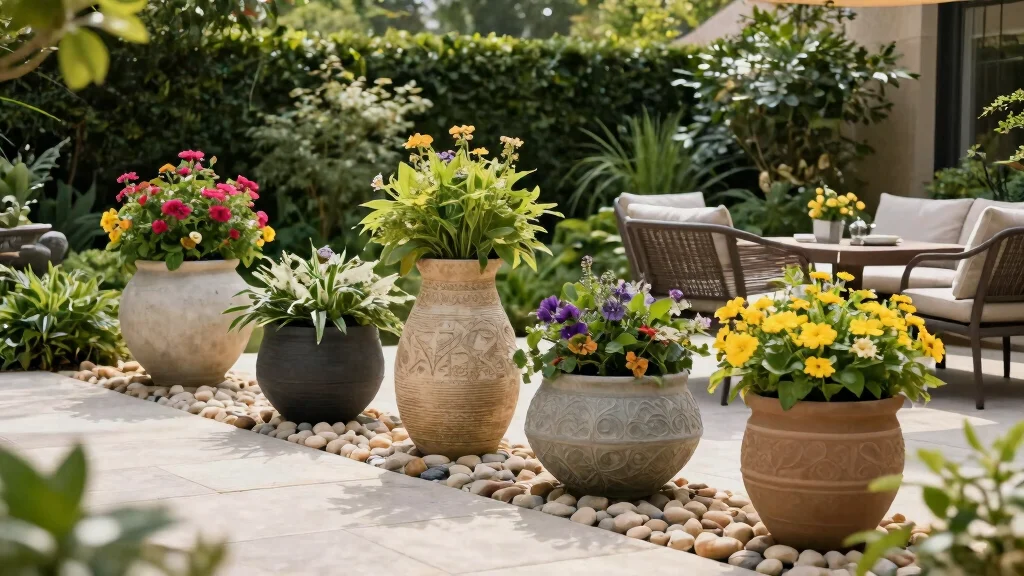
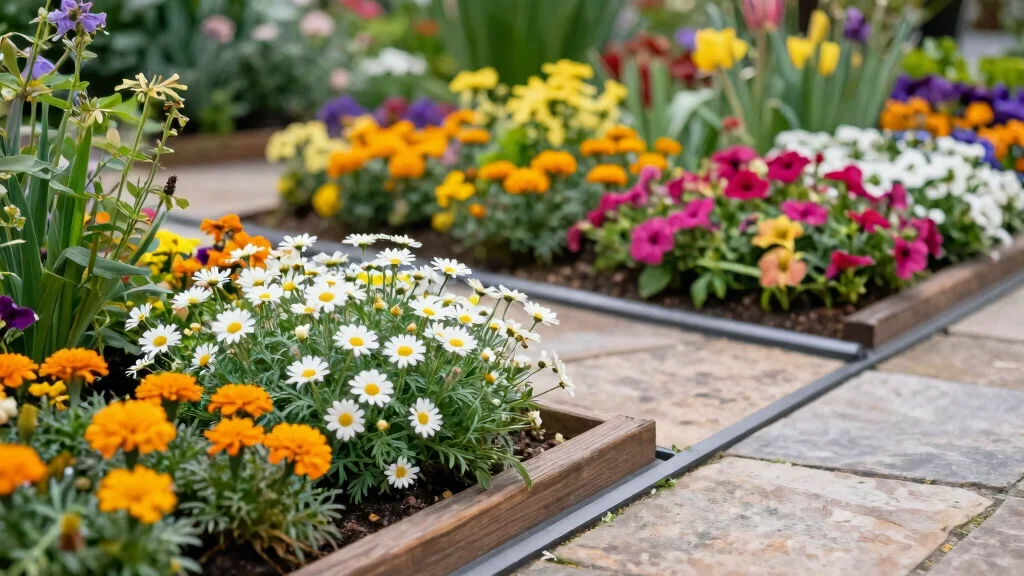
Elevated planters filled with boxwoods can dramatically enhance any outdoor space, especially in urban settings with limited ground area. This idea allows you to be creative with height and design while ensuring your boxwoods thrive in well-drained soil. Plus, elevated planters make maintenance a breeze, keeping your garden looking its best.
Choose wooden or stone planters to complement the natural beauty of your boxwoods. Stacking planters can add dimension, while ensuring there are drainage holes helps promote healthy growth. Position your planters near seating areas to create an inviting atmosphere.
Ideas for elevated boxwood planters:
– Use wooden or stone planters to complement the natural beauty of the boxwoods.
– Incorporate different levels by stacking planters for dimension.
– Consider adding drainage holes to ensure healthy plant growth.
This approach not only beautifies your space but also makes caring for your boxwoods easier, giving you more time to enjoy your outdoor oasis.
Did you know raised, elevated planters can boost drainage by up to 40% for boxwoods in small urban spaces? Elevating planters is a smart move for box woods landscaping, and it also cuts maintenance time in half, keeping your boxwoods thriving with less effort.
You Might Also Like
Elevated Boxwood Planters
Editor’s Choice

VIVOSUN 5 Tier Vertical Gardening Stackable Planter for Strawberries, Fl…


Best Choice Products 48 x 24 x 30 Inches Raised Garden Bed, Elevated Woo…
8. Seasonal Boxwood Displays

Boxwoods offer incredible versatility for seasonal displays in your garden. By adding seasonal decorations or plants around your boxwood arrangements, you can keep your garden fresh and engaging all year round. This approach allows you to play with colors and themes, creating a dynamic outdoor space.
Add colorful flowers or themed decorations in spring and summer, and use lights or ornaments for a cozy winter feel. Changing surrounding plants with the seasons can complement the boxwoods beautifully. Regular care, including pruning and watering, ensures that your boxwoods remain healthy and vibrant.
Tips for creating seasonal displays:
– Add colorful flowers or seasonal decorations for spring and summer.
– Use decorative ornaments or lights for a cozy winter look.
– Change surrounding plants with the seasons to complement the boxwoods.
This adaptability not only enhances your garden’s aesthetic but also keeps it lively and inviting, making it a joy to experience throughout the year.
Seasonal Boxwood Displays
Editor’s Choice

Interchangeable Welcome Sign for Front Door with 4 Seasonal Wreaths 21 C…

Live Flowering Marigold – Assorted Colors (4 Per Pack), Beautiful Spring…

addlon 100FT Outdoor String Lights G40 with Remote, 54 LED Shatterproof …
Conclusion

Utilizing boxwoods in your landscape design can transform any small urban garden into a polished and visually appealing space. Their versatility, low maintenance, and rich green hues make them an ideal choice for urban gardeners looking to enhance their outdoor experience.
Whether through classic hedges, topiaries, or minimalist arrangements, these eight boxwood landscaping ideas provide a variety of options to suit your style and needs. Embrace the beauty of boxwoods and explore how they can elevate your garden design today!
Note: We aim to provide accurate product links, but some may occasionally expire or become unavailable. If this happens, please search directly on Amazon for the product or a suitable alternative.
This post contains Amazon affiliate links, meaning we may earn a small commission if you purchase through our links, at no extra cost to you.
Frequently Asked Questions
What are the best boxwood varieties for low-maintenance box woods landscaping in small urban gardens?
For low-maintenance box woods landscaping, pick compact, dwarf boxwoods that stay neat in small spaces. Look for cultivars described as dwarf or slow-growing, ideal for borders, containers, or topiary forms. Plant in well-drained soil with some afternoon sun and protect from harsh afternoon heat in hot climates. Establish a simple boxwood care routine: regular watering until established, a light prune after new growth, and a yearly mulch layer to retain moisture.
With these choices, you keep a polished look with minimal effort, boosting your curb appeal in small yards.
How can I incorporate boxwoods into a small yard without overwhelming the space?
Boxwoods are architectural allies in garden design for small urban spaces. For small yards, use them as low hedges along paths, in paired plantings on either side of a walkway, or in raised containers to save ground space.
Create a sense of depth by placing larger forms toward the back and smaller ones near the front, and repeat shapes for a cohesive look.
Pair boxwoods with seasonal color and mulch to keep the bed tidy. Regular boxwood care and light pruning will maintain the clean lines that elevate your curb appeal and fit well with thoughtful landscaping ideas and garden design.
What is a simple boxwood care routine for year-round health in a small urban garden?
Keep boxwoods healthy year-round with a simple routine. Start with good soil and drainage; water deeply when the top inch of soil dries, then let it dry a bit before watering again. Mulch 2-3 inches to conserve moisture and suppress weeds. Prune lightly after growth in late winter or early spring to maintain shape, and again in mid-summer if needed to encourage fullness.
Feed sparingly with a balanced fertilizer in spring, following label directions.
Monitor for pests and diseases such as boxwood blight and scale; remove affected growth promptly and ensure good air circulation. This practical routine aligns with boxwood care and supports a professional landscaping standard for small urban spaces.
How do boxwoods boost curb appeal and fit into a polished garden design in urban spaces?
Boxwoods provide evergreen backbone that boosts curb appeal year round. They anchor a polished garden design in urban spaces by creating clean lines and structured form. Use them as a central axis in front-yard beds, edge a walkway with a neat hedge, or frame entryways with two symmetrical shrubs. For small yards, mass a few rounded forms in corners or train into a simple topiary that repeats along a path. Pair with a restrained color palette and minimalist hardscape for a professional landscaping look.
What are common mistakes people make with box woods landscaping in small spaces, and how can I avoid them?
Avoid common missteps like planting boxwoods too close to sidewalks or structures, which crowds the canopy and reduces air flow. Choose varieties suited to sun or shade; planting a sun-loving boxwood in deep shade leads to weak growth. Poor drainage and heavy irrigation can cause root rot; ensure beds are well drained or plant in containers with drainage. Over-pruning or shaping too aggressively can create thin, uneven growth. Start with a plan, use simple, repeating forms, and maintain a regular boxwood care routine. Keep mulch 2-3 inches deep and refresh annually to support healthy growth and curb appeal. This approach aligns with thoughtful landscaping ideas that emphasize sturdy, professional landscaping.
Related Topics
boxwood landscaping
urban gardening
low-maintenance plants
curb appeal
garden design
professional landscaping
easy care plants
small garden ideas
landscaping trends
beginner friendly
outdoor aesthetics
landscaping tips