
Creating a butterfly bush garden is not just about adding beauty; it’s about creating a haven for pollinators. If you’ve been dreaming of a garden that attracts butterflies while also offering vibrant blooms all season, you’re in the right place. This blog post dives into practical and delightful butterfly bush landscaping ideas that can transform your space into a lively and colorful retreat. You’ll find combinations that work wonders in small urban gardens, allowing you to connect with nature even in a bustling environment.
If you’re a gardener who cares deeply about pollinator-friendly plants, this guide will cater to your interests. Whether you’re a seasoned green thumb or just starting, you’ll discover how to design a butterfly garden that’s both aesthetically pleasing and beneficial to our essential pollinator friends. Each idea is designed to inspire you and provide practical steps, ensuring your garden not only looks gorgeous but also plays a vital role in supporting butterflies and other wildlife.
Get ready to explore eight stunning landscaping ideas that will not only beautify your garden but also attract the fluttering friends we love to see. From clever plant combinations to innovative container designs, you’ll gain insights that make your gardening efforts rewarding and enjoyable throughout the seasons.
Key Takeaways
– Combine butterfly bushes with coneflowers for a colorful and attractive display that draws in butterflies and bees.
– Create a pollinator pathway by planting diverse flowering shrubs, guiding butterflies through your garden with a mix of blooms.
– Use vertical planters for butterfly bushes in small spaces, making the most of limited room while keeping your garden vibrant.
– Incorporate ornamental grasses with butterfly bushes to add texture and movement, enhancing the overall visual appeal.
– Design seasonal bloom harmony by selecting plants that flower at different times, ensuring continuous attraction for pollinators all year long.
1. Butterfly Bush and Coneflower Combo

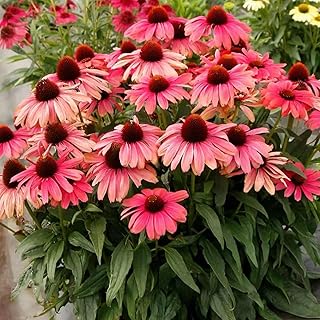
Looking to create a vibrant butterfly garden? Pairing butterfly bushes with coneflowers is an excellent choice. The butterfly bush dazzles with its rich colors while coneflowers contribute a charming daisy-like touch, making your garden a pollinator haven.
These plants thrive in sunny spots and well-drained soil, ensuring they grow beautifully together. Consider positioning butterfly bushes at the back and coneflowers in the front for a layered effect that not only pleases the eye but also invites butterflies and bees to visit easily.
Here are some ideas to enhance your garden:
– Select a variety of coneflower colors like pink, yellow, and white for a lively look.
– Regularly deadhead to promote additional blooms.
– Group these plants closely to maximize their appeal to pollinators.
By creating this delightful combination, your garden will burst with color and activity, drawing butterflies all season long.
Butterfly Bush and Coneflower Combo
Editor’s Choice
100 Pink Coneflower Seeds – Non-GMO Heirloom Echinacea for Pollinator-…


Miracle-Gro Organic Outdoor Potting Mix – Plant Soil for Outdoor Contain…

Pugster Buddleia, True-Blue Flowers, 2 Gal. (Pugster Blue)
2. The Pollinator Pathway
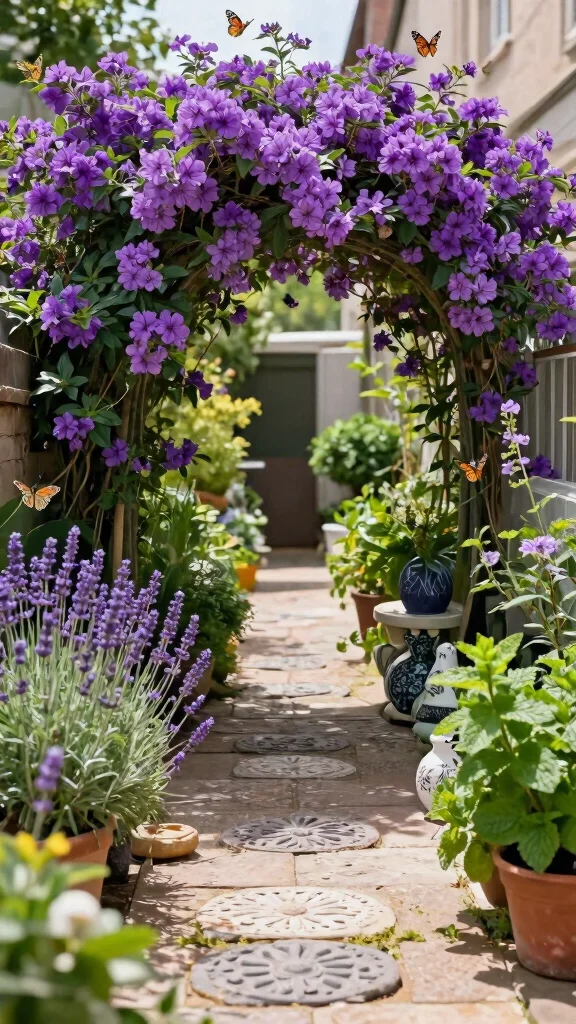
Want to turn your garden into a pollinator-friendly pathway? Line your garden’s walkway with butterfly bushes and other nectar-rich plants. This design not only welcomes visitors but also creates a lively habitat for butterflies and bees.
Place butterfly bushes along the sides of the path, interspersed with fragrant flowering herbs like lavender and mint. The delightful scents from these herbs will further attract pollinators and make your garden smell wonderful.
Consider these suggestions:
– Choose contrasting colors for the butterfly bushes and surrounding plants to add visual interest.
– Apply mulch along the pathway to retain moisture and reduce weeds.
– Decorate the trail with stones or garden art to boost its charm.
A well-designed pathway will allow you to enjoy your garden’s beauty while witnessing the dance of pollinators among the flowers.
The Pollinator Pathway
Editor’s Choice

1000 Mint Seeds – Fresh Green Herb for Kitchen Garden & Container Plan…

Live Lavender 2-Pack – Purple – Fragrant Sun Perennial Herb, Pollina…
Live Flowering Bee Balm – Balmy Purple (2 Plants Per Pack), Pollinator -…
3. Vertical Butterfly Bush Planters

Limited space in your garden? Don’t worry! Vertical planters filled with butterfly bushes can maximize your area beautifully. This creative approach not only saves space but also creates an eye-catching focal point.
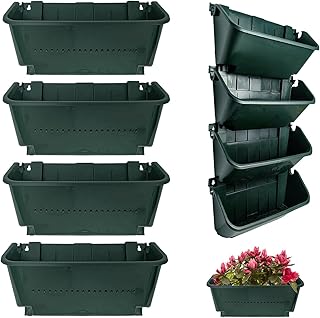
Consider using wall-mounted planters or tiered shelves to display your butterfly bushes along with companion plants like sedum or verbena. These plants thrive in vertical setups and are popular among pollinators.
Here are some tips for your vertical planters:
– Choose bush varieties that remain manageable in height for easy maintenance.
– Use lightweight potting mixes to avoid overloading your planters.
– Ensure your plants receive plenty of sunlight and proper drainage.
This inventive idea will make your compact urban garden stand out while enhancing your butterfly attraction rates.
Fun fact: A vertical butterfly bush planter can add 3x more usable garden space in a small yard—while attracting more pollinators with every tier. When you stack butterfly bushes with sedum, you create a stunning butterfly bush landscaping focal point all season.
Vertical Butterfly Bush Planters
Editor’s Choice

Bamworld Tall Plant Stand Indoor Outdoor, Corner Metal Flower Pot Stands…
Self-Watering Wall Mounted Planter Set, Indoor and Outdoor Vertical Plan…

KVITER 50 Dark Purple Butterfly Bush Seeds for Planting (Buddleia Davidi…
4. Butterfly Bushes and Ornamental Grasses

Want to add texture to your garden? Combining butterfly bushes with ornamental grasses creates a striking contrast. The flowing grasses provide a lovely backdrop, allowing the vibrant blooms of the butterfly bushes to shine.
This pairing not only enhances the visual appeal but also offers vital shelter for pollinators. Opt for grasses like blue fescue or feather reed grass to complement your butterfly bushes.
Keep these points in mind:
– Select grasses that match the colors and heights of your butterfly bushes for a harmonious look.
– Create grassy drifts behind the bushes for added depth.
– Ensure all plants are well-spaced to receive enough sunlight.
This thoughtful combination will make your urban garden a haven for butterflies and a feast for the eyes.
You might also like


Butterfly Bushes and Ornamental Grasses
Editor’s Choice

Live Ornamental Pampas Grass (Cortaderia selloana) – Pink – Perennial Ac…

SVI 5000 Blue Fescue Seeds (Festuca glauca) – Ornamental Blue Fescue G…
5. Colorful Butterfly Bush Borders

Looking to define your garden’s edges? Use a variety of butterfly bush cultivars to create a stunning border. This technique not only frames your garden beautifully but also ensures easy access for pollinators seeking nectar.
Mix different colors and heights for a dynamic border that draws the eye and encourages butterflies to visit. Pair tall butterfly bushes with shorter varieties to create lush visual layers.
Here are some planning tips:
– Use at least three different varieties for a natural-looking border.
– Incorporate low-growing plants like creeping thyme for extra texture and color.
– Ensure the border gets full sun to maximize flowering potential.
This colorful border will transform your urban garden into a vibrant space filled with fluttering wings all season long.
📹 Related Video: Planting a Huge Load of Butterfly Bushes! 🦋🌿🦋 // Garden Answer
Colorful Butterfly Bush Borders
Editor’s Choice

LAVEVE Corrugated Metal Garden Edging 6″ x 40Ft, Landscape Edging Border…

Perfect Plants Black Knight Butterfly Shrub 1 Gallon | Live Bush for Out…
6. Seasonal Bloom Harmony

Want a garden that blooms year-round? Plan your garden around seasonal flowers to attract butterflies and other pollinators. Pair butterfly bushes with early bloomers like daffodils and late-season flowers such as asters for continuous color.
This thoughtful arrangement ensures various pollinators visit throughout the growing season, creating a landscape that changes beautifully.
Key steps for achieving seasonal bloom harmony:
– Research bloom times for each plant to schedule your planting.
– Incorporate a variety of plant heights and forms for added interest.
– Use mulch to maintain consistent soil temperatures and moisture.
With careful planning, your garden can become a vibrant sanctuary for pollinators from spring through fall.
Seasonal Bloom Harmony
Editor’s Choice

Complete Flower Bulb Garden – 75 Bulbs for 50 Days of Continuous Blooms …

KVITER 600 New England Aster Seeds for Planting (Aster novae-angliae) ��…

350+ Mix Butterfly Bush Seeds -Perennial Ornamental Shrub Seeds, Drought…
7. Container Gardens with Butterfly Bushes

No ground space? No problem! Create a portable butterfly bush garden in containers. This method allows you to easily change your garden layout while still attracting pollinators wherever you go.
Select large pots to accommodate butterfly bushes and pair them with low-maintenance companions like geraniums or sweet alyssum. This combination not only adds color but also attracts a diverse range of pollinators.
For your container garden:
– Ensure pots have drainage holes for healthy roots.
– Use high-quality potting mix to support plant health.
– Water your container plants regularly, especially in warm weather.
Container gardens are a fantastic way to brighten small spaces while supporting local wildlife.
Fun fact: In container gardens, butterfly bush landscaping can attract 50–100 pollinators each day when you pair butterfly bushes with sweet alyssum and geraniums. This portable setup shines on small urban patios, easily reconfiguring layouts while keeping blooms and buzz going.
You Might Also Like
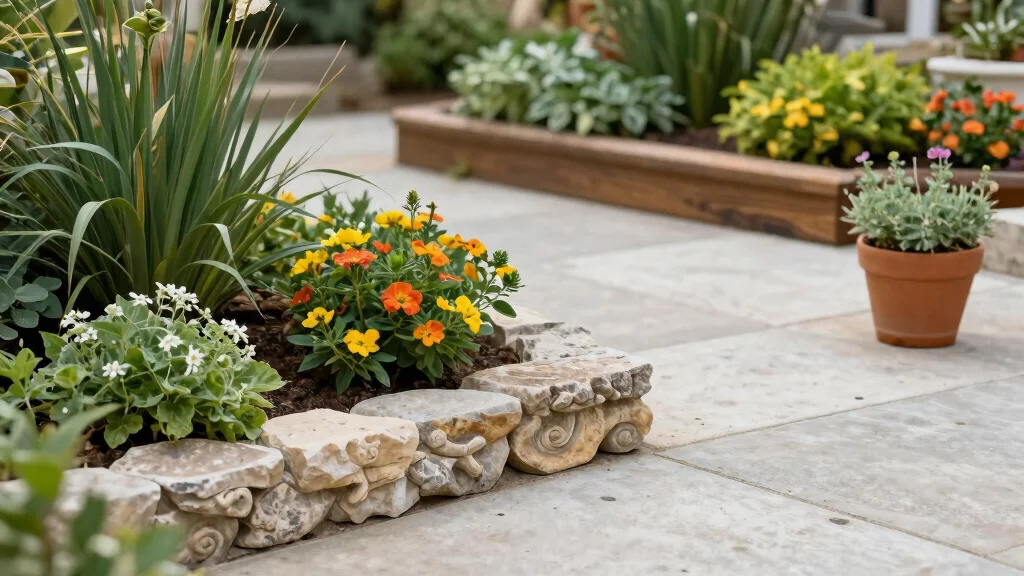

Container Gardens with Butterfly Bushes
Editor’s Choice
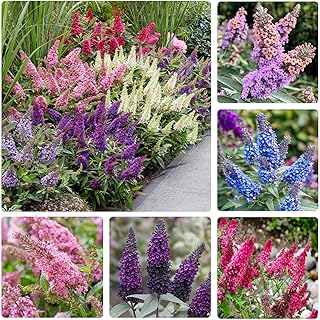
330+ Butterfly Bush Seeds – Perennial Plant | Highly Fragrant Flowers th…

15″ Large Flower Pots, Set of 2 Plastic Planters for Outdoor Indoor Plan…

Miracle-Gro Moisture Control Potting Mix – Plant Soil For Container Plan…
8. Butterfly Bush and Wildlife-Friendly Features

Enhance your butterfly bush garden by adding wildlife-friendly features like bee hotels, bird baths, and compost bins. These elements not only support butterflies but also create a welcoming environment for other wildlife.
Place a bee hotel near your butterfly bushes to attract solitary bees, which are excellent pollinators. A small bird bath can also draw birds, adding to your garden’s ecosystem by helping with pest control.
Here’s how to include these features:
– Use natural materials for bee hotels, ensuring they’re sheltered from harsh weather.
– Position bird baths in sunny spots to encourage visits.
– Consider adding a compost bin to enrich the soil and improve plant health.
These features will transform your butterfly bush garden into a thriving ecosystem, benefiting a wide array of pollinators and wildlife.
Fact: Even small wildlife-friendly features can double pollinator visits in butterfly bush landscaping. Add a bee hotel and a shallow bird bath, and watch bees, butterflies, and birds turn your urban garden into a buzzing sanctuary.
Top Varieties for Different Conditions
1. ‘Black Knight’ Butterfly Bush
– Best conditions: Thrives in temperate climates with full sun.
– Key features: This variety boasts deep purple flowers that attract a wide range of butterflies. Its robust growth can reach up to 6 feet tall, making it a striking centerpiece in your garden.
– Considerations: Requires well-drained soil and regular pruning to maintain its shape and promote blooming.
2. ‘Miss Ruby’ Butterfly Bush
– Best conditions: Ideal for smaller gardens or container planting in sunny urban spaces.
– Key features: With its compact size, ‘Miss Ruby’ only reaches about 4 feet, yet it produces beautiful coral-pink flowers that are perfect for small areas. It’s also drought-tolerant once established.
– Considerations: Needs protection from heavy winter conditions, as it may struggle in harsh climates.
3. ‘Lochinch’ Butterfly Bush
– Best conditions: Perfect for humid climates, especially in southern regions.
– Key features: This variety features soft lavender-blue flowers. Its bushy habit provides ample nectar for pollinators throughout the growing season.
– Considerations: Be mindful of its potential to self-seed, which can lead to unwanted spreading in some gardens.
4. ‘Pink Delight’ Butterfly Bush
– Best conditions: Thrives in well-drained soils in sunny areas, suitable for coastal conditions.
– Key features: With its stunning pink blooms, this variety not only attracts butterflies but also adds a touch of elegance to your landscape. It can grow up to 5 feet tall.
– Considerations: Requires consistent watering during dry spells; otherwise, it may suffer from stress.
5. ‘Santana’ Butterfly Bush
– Best conditions: Grows well in hot and dry areas with plenty of sunlight.
– Key features: This variety displays striking orange-red flowers that can bloom from summer right into fall. It attracts various butterflies and hummingbirds.
– Considerations: Needs regular deadheading to promote continuous blooming and prevent excessive seeding.
6. ‘Royal Red’ Butterfly Bush
– Best conditions: Adaptable to various climates, performing well in both urban and rural settings.
– Key features: It boasts rich red flowers that stand out against the green foliage, making it a standout in any garden. This variety can grow between 4 to 5 feet tall.
– Considerations: Like many butterfly bushes, it benefits from pruning in late winter to encourage healthier growth.
7. ‘Nanho Blue’ Butterfly Bush
– Best conditions: Best suited for regions that experience moderate winters and hot summers.
– Key features: This compact butterfly bush produces lovely blue-purple flowers that can attract a multitude of pollinators. Reaching around 3 feet tall, it’s perfect for small spaces.
– Considerations: Make sure it has direct sunlight and avoid overly moist soil to prevent root rot.
Climate/Condition Guide:
When choosing your butterfly bush, consider the following conditions:
– Temperate: Look for varieties like ‘Black Knight’ or ‘Miss Ruby.’ Both thrive in cooler climates with good drainage.
– Continental: Varieties like ‘Royal Red’ work best, as they can adapt to temperature fluctuations while still attracting butterflies.
– Coastal: Choose ‘Pink Delight,’ which can handle the wind and salt spray typical of coastal gardens.
– Hot/Dry: Opt for ‘Santana,’ as it withstands heat and drought conditions well.
– Humid: ‘Lochinch’ is a great choice for humid areas, providing stunning blooms while attracting pollinators.
Growing Tips:
– Plant butterfly bushes in full sun to ensure maximum flowering and pollinator attraction.
– Water regularly, especially during dry spells, to keep the plants healthy and blooming.
– Prune in late winter to maintain shape and promote new growth for the coming season.
Avoid:
– Don’t plant butterfly bushes too close together, as they need space for air circulation and growth.
– Avoid over-watering, which can lead to root rot and other diseases that may harm your plants.
Butterfly Bush and Wildlife-Friendly Features
Editor’s Choice

Small Metal Bird Bath for Outdoors, 10″ Dia Bowl with Stake Birdbaths Ga…

Lulu Home Wooden Insect House, Hanging Insect Hotel for Bee, Butterfly, …
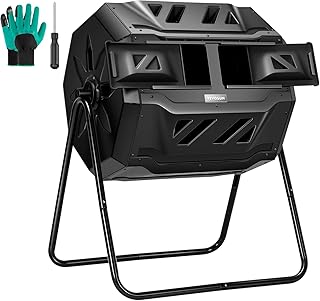
VIVOSUN Outdoor Tumbling Composter Dual Rotating Batch Compost Bin, 43 G…
Conclusion
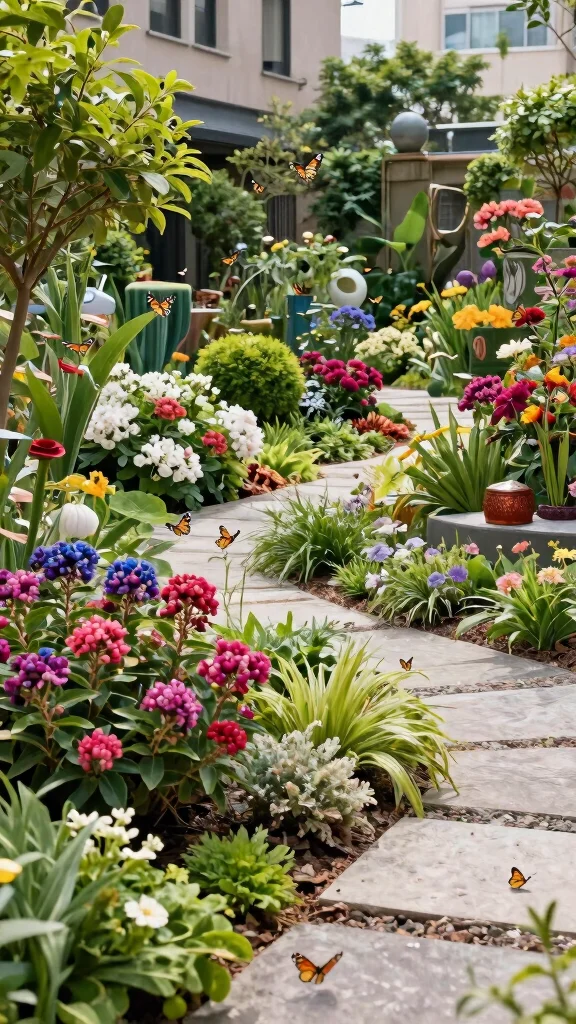
Creating a butterfly bush landscaping masterpiece in your urban garden offers a unique opportunity to support pollinators and revel in nature’s beauty. With these eight enchanting ideas, you can transform a small space into a vibrant haven full of life, color, and stunning blooms all season long.
Start planning your butterfly bush arrangements today to make your garden a thriving ecosystem that attracts butterflies and other pollinators year after year.
Note: We aim to provide accurate product links, but some may occasionally expire or become unavailable. If this happens, please search directly on Amazon for the product or a suitable alternative.
This post contains Amazon affiliate links, meaning we may earn a small commission if you purchase through our links, at no extra cost to you.
Frequently Asked Questions
What makes butterfly bush landscaping ideal for small urban gardens?
Butterfly bush landscaping can transform a tiny city plot into a buzzing pollinator haven without overwhelming space.
Choose compact butterfly bush varieties and group them with vertical elements to maximize impact while keeping paths clear. Plant in full sun, with well-drained soil, and maintain regular pruning to encourage season-long seasonal garden blooms and reliable nectar sources for pollinator-friendly plants.
How can I design a butterfly garden that attracts butterflies and fits a small patio or balcony?
Start with a focal butterfly bush and mix it with perennials and container plantings to fit a small patio or balcony.
Use a layered approach: tall butterfly bushes at the back, mid-height companions like lavender, salvia, and verbena to create a continuous nectar trail for attracting butterflies. Use lightweight pots, ensure good drainage, and provide full sun to support the best seasonal garden blooms.
What are some pollinator-friendly plants to pair with butterfly bush for a cohesive butterfly garden design?
Plant a mix of pollinator-friendly plants that bloom at different times, so nectar is available from early spring to late fall. Consider coneflowers, salvia, Russian sage, and thyme as reliable companions. Group plants in drifts around your butterfly bush landscaping to create dense, accessible nectar stations for butterflies and other pollinators.
When should I prune butterfly bushes and how can I keep them blooming all season long?
Prune after a late winter or early spring frost to shape the shrub and promote vigorous new growth. Deadhead faded blossoms to encourage rebloom, ensuring you enjoy many waves of seasonal garden blooms.
Regular feeding with a balanced fertilizer in spring helps support steady nectar production for pollinators, and mulch to conserve moisture.
How can I maximize bloom color and nectar for attracting butterflies with minimal space?
Choose compact butterfly bush varieties and combine with groundcovers or low-growing perennials to maximize space. Use reflective mulch and bright blooms to draw butterflies in. Ensure full sun and well-drained soil. By planning a thoughtful butterfly garden design, you’ll get a lush display of seasonal garden blooms and abundant pollinator-friendly plants all season.
With careful spacing and ongoing maintenance, this approach delivers big impact in small urban gardens.
Related Topics
butterfly bush landscaping
pollinator-friendly plants
urban gardening
butterfly garden design
flowering shrubs
seasonal blooms
attracting butterflies
small garden ideas
easy gardening
native plants
colorful landscaping
wildlife-friendly gardens