
Creating a serene and beautiful cabin landscape in the woods can feel like an adventure itself. The tranquility of nature has a way of inspiring us to blend our outdoor spaces with the environment around us. I put this post together because I know that many of you dream of a backyard that feels like an extension of the wilderness, a place where rustic charm meets the beauty of the trees. Whether you’re looking to enhance your weekend retreat or create a peaceful escape, these cabin landscaping ideas are made for you.
If you’re someone who loves gardening and is drawn to the idea of rustic native plant landscaping, this guide will resonate deeply. You might be searching for ways to create outdoor living spaces that reflect the natural beauty of the woods, or you may simply want to cultivate a garden that feels harmonious with its surroundings. Whatever your goals, I’ve gathered ten breathtaking cabin landscaping ideas that use woodland plants and natural landscaping techniques to help you design a space that will truly take your breath away.
From native plant gardens to eco-friendly outdoor living areas, you’ll find inspiration that speaks to your love for nature and your desire for a relaxing retreat. Let’s dive into these ideas and transform your cabin garden into a stunning natural oasis.
Key Takeaways
– Incorporate Native Plants: Using native plants in your garden helps support local wildlife and minimizes maintenance efforts. They often thrive in their natural environment, making them perfect for rustic designs.
– Create Stone Pathways: Design charming stone pathways to guide visitors through your outdoor space. These paths can enhance accessibility while adding organic beauty that blends seamlessly with the landscape.
– Design Eco-Friendly Outdoor Living Spaces: Consider using sustainable materials for outdoor furniture and structures. This approach not only helps the environment but also creates a cozy atmosphere for gatherings.
– Utilize Vertical Gardens: If you have limited space, vertical gardens can maximize your gardening area. They provide an attractive way to grow herbs, flowers, and vegetables while saving ground space.
– Implement Seasonal Color: Choose plants that offer seasonal colors and textures. This will keep your garden lively year-round and enhance the aesthetic appeal of your cabin landscape.
1. Native Plant Gardens
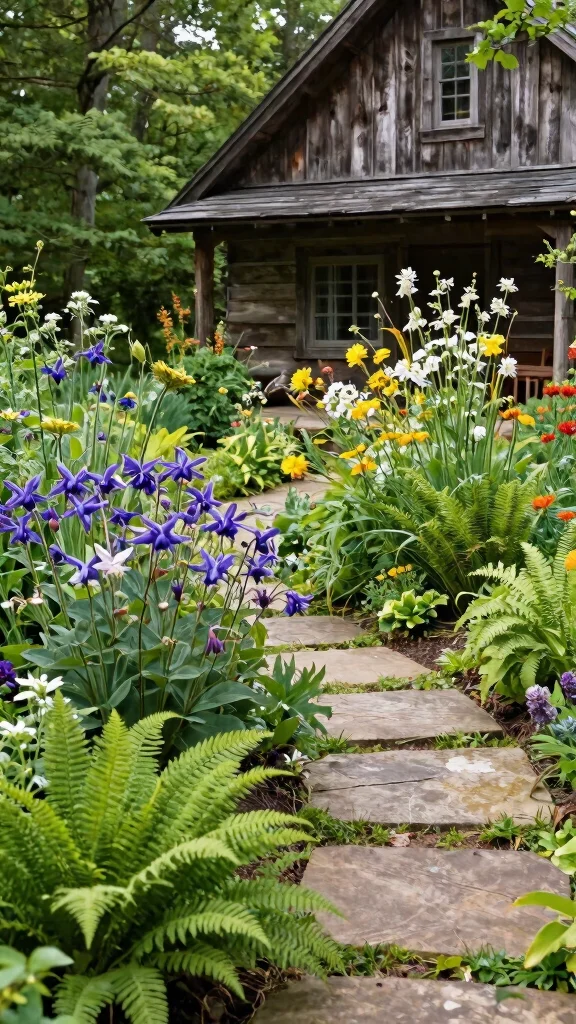
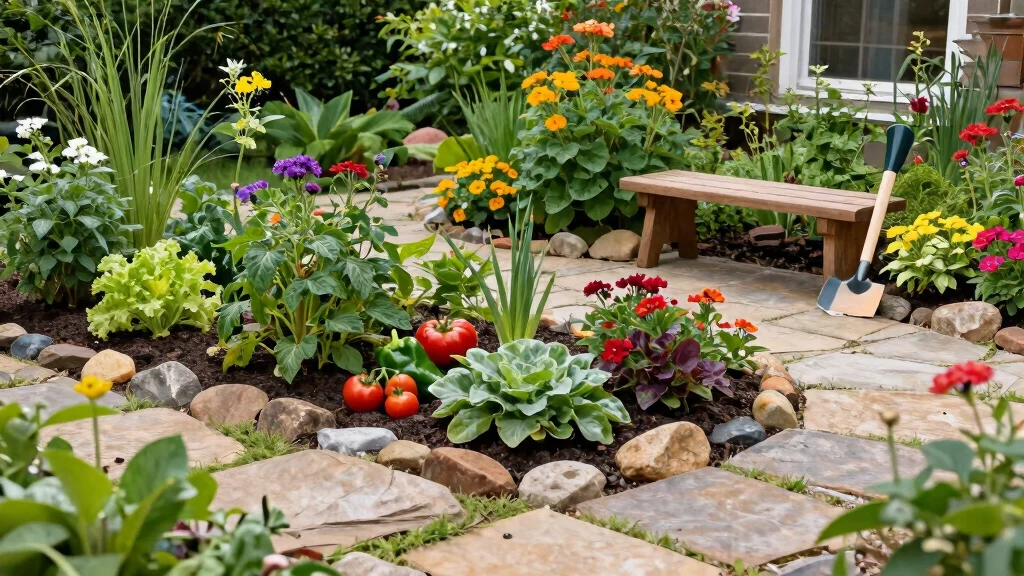
Imagine a garden that thrives with local beauty while attracting butterflies and birds. Creating a native plant garden at your cabin is a wonderful way to enhance the landscape and support local wildlife. By selecting plants that are naturally suited to your area, you reduce maintenance and water needs, making your garden a low-effort haven of biodiversity.
Start by researching local species that enjoy your region’s climate. Group plants together to mimic their natural growth patterns, creating a harmonious and organic feel. This approach not only beautifies your space but also fosters a vibrant ecosystem.
Key steps for native plant gardening:
– Research local plants to ensure they thrive in your area.
– Group plants to create a natural look.
– Use mulch for moisture retention and weed control.
– Plan for seasonal changes to enjoy blooms year-round.
These gardens are stunning and vital for supporting local ecosystems, making them an ideal choice for eco-conscious landscaping.
Native Plant Gardens
Editor’s Choice

AVALUTION Orchid Potting Bark-3QT Organic Orchid Bark for Plants, All Na…

Rapitest Soil Test Kit for Gardens, Vegetables, Flowers and Lawns. USA d…
![200,000+ Wildflower Seeds [4oz] 16 Variety Perennial Mix - Heirloom Seed...](https://m.media-amazon.com/images/I/81tsPu8J2NL._AC_UL320_.jpg)
200,000+ Wildflower Seeds [4oz] 16 Variety Perennial Mix – Heirloom Seed…
2. Stone Pathways

Stone pathways add a charming and functional element to your cabin’s landscape. They guide visitors through your garden while blending beautifully into the natural surroundings, reminiscent of paths worn by time. Choosing natural stones like slate or granite enhances the rustic appeal of your outdoor space.
When designing your pathway, think about how it connects different areas of your yard. Consider varying stone sizes for a more organic look and adding ground cover plants for extra greenery between stones.
Here are some design ideas for your stone pathway:
– Vary stone sizes and shapes for a natural appearance.
– Add ground cover plants between stones for lushness.
– Fill gaps with pebbles or gravel for texture.
– Use gentle curves to mimic nature’s patterns.
The sound of stones underfoot creates a peaceful atmosphere, uniting different spaces in your yard while harmonizing with the forest around you.
How To Choose The Right Woodland Plants for Your Cabin Landscaping
When you start thinking about cabin landscaping ideas in the woods, selecting the right woodland plants is crucial. These plants should not only blend beautifully with nature but also thrive in your specific environment. Here’s how to choose the best ones for your rustic garden design.
1. Assess Your Soil Type
Understanding your soil type is a vital first step. Different plants prefer different soil: sandy, clay, loamy, or a mix. To assess your soil, dig a small hole about 12 inches deep. Grab a handful and see how it holds together. If it crumbles easily, you have sandy soil. If it sticks together, you might have clay. Knowing this helps you choose plants that will thrive.
2. Sunlight Exposure
Check how much sunlight your area receives throughout the day. Some woodland plants love full sun, while others prefer shade. Take note of which parts of your garden get the most light. This can help you choose plants like ferns and hostas for shady spots, and wildflowers for sunnier areas.
3. Native vs. Non-Native Plants
Consider planting native species. These plants are adapted to your local climate and soil and usually require less maintenance. Check with local gardening centers or online resources to find out which native plants flourish in your area. For example, if you’re in the Northeast, look for plants like black-eyed Susans or coneflowers.
4. Seasonal Interest
Think about having plants that provide visual interest throughout different seasons. Choose a mix of perennials, annuals, and shrubs that bloom at various times of the year. For example, you can plant spring bulbs like daffodils alongside autumn-flowering asters. This way, your garden remains vibrant and interesting all year long.
5. Wildlife Attraction
If you want to create a habitat, consider plants that attract local wildlife. Flowers that produce nectar will attract bees and butterflies, while berry-producing shrubs can provide food for birds. Plants like elderberry and serviceberry not only look great but also support local ecosystems.
6. Maintenance Requirements
Finally, evaluate how much time you can dedicate to plant care. Some plants require regular pruning and watering, while others are low-maintenance and can thrive with minimal effort. Make a list of your desired plants and research their care needs. This will help ensure you choose plants that fit your lifestyle.
Pro Tip: Start small! Instead of trying to plant an entire garden at once, begin with a few plants and expand over time. This allows you to see what works best in your space and gives you the chance to adjust your plans as needed.
By carefully considering these factors, you can create a cabin landscape that not only looks stunning but thrives in harmony with the surrounding woodland. Happy planting!
Stone Pathways
Editor’s Choice

Set of 4, 16×17” Dark Gray Stepping Stone Fiberclay Pavers, Outdoor Ga…

21500pcs Creeping Thyme Seeds for Planting Outdoor, Hardy Perennial Grou…
3. Eco-Friendly Outdoor Living Spaces

Imagine a cozy outdoor area where you can relax and enjoy nature’s beauty. Transforming your cabin’s outdoor space into an eco-friendly living area is a fantastic way to extend your home. Use reclaimed wood, natural stone, or sustainable bamboo to create patios and seating that blend with the rustic charm of your cabin.
Enhance your outdoor experience by adding features like a fire pit for cozy evenings, comfortable seating with weather-resistant cushions, or a pergola with climbing native plants for shade.
Consider these elements for your outdoor living area:
– Build a fire pit with local stones for warmth and ambiance.
– Include comfortable seating for relaxation and gatherings.
– Add a pergola for shade and beauty with climbing plants.
Creating these spaces not only enhances your cabin’s appeal but also encourages you to spend more time outdoors, immersing yourself in the tranquility of your surroundings.
Sometimes the simplest cabin landscaping ideas woods turn out the best: reuse wood, plant natives, and add a cozy fire pit. Frame it with a pergola and weather-resistant cushions, and you’ll have an outdoor space that feels effortless and part of nature.
Eco-Friendly Outdoor Living Spaces
Editor’s Choice

Arden 4-Pack Outdoor Patio Dining Chair Cushion, 20×44, Rain-Proof Seat …

Christopher Knight Home Crestline Outdoor Fire Pit, Natural Stone

VINGLI Rustic Wooden Wheel Bench Outdoor Bench, Patio Bench Wagon Slatte…
4. Rustic Raised Garden Beds
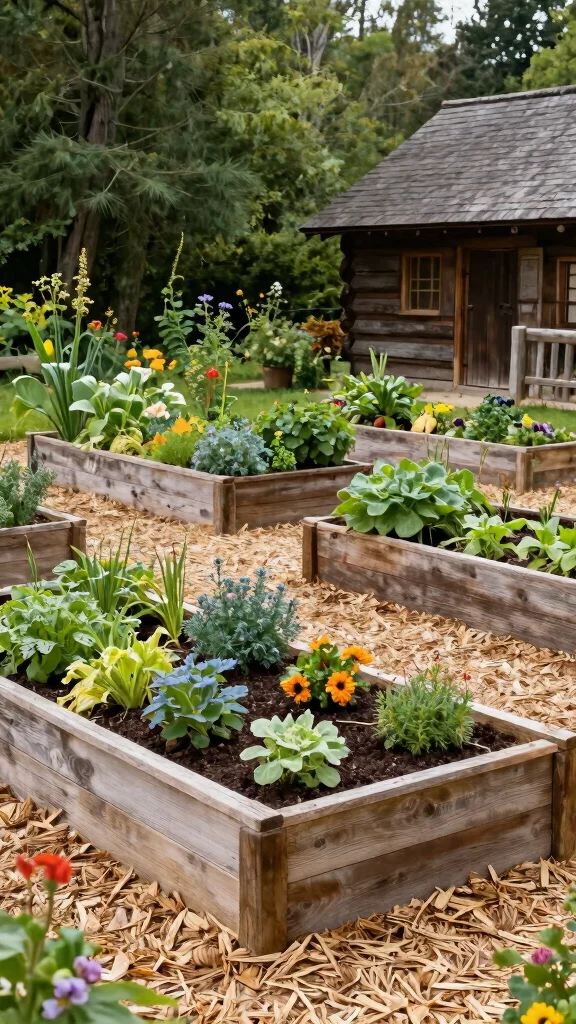
Raised garden beds offer practicality and rustic charm to your cabin landscape. They allow for better drainage, defined planting areas, and easier access for gardening. Using reclaimed wood or stone can enhance their natural aesthetic while providing a sturdy foundation for flowers or vegetables.
When creating raised beds, think about the height that will be comfortable for you to work with. Surround them with pathways for easy access and consider adding trellises for climbing plants to maximize your garden space.
Tips for designing your raised garden beds:
– Choose a comfortable height, around 18-24 inches.
– Incorporate native plants or edibles for biodiversity.
– Surround beds with paths made of wood chips or gravel.
– Add trellises for climbing plants to maximize space.
Raised beds create an organized, colorful garden that attracts pollinators and enhances the natural beauty of your cabin’s yard.
Rustic Raised Garden Beds
Editor’s Choice

100% Natural Cedar Chips | Mulch | Great for Outdoors or Indoor Potted P…
Yaheetech 8×4ft Wooden Horticulture Raised Garden Bed Divisible Elevate…
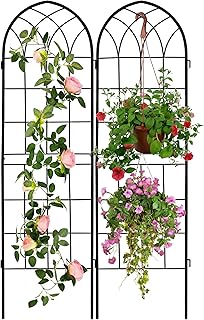
LZRS 2 Pack 71x20in Rustic Iron Arch Decoration Garden Trellis with Blac…
5. Woodland Edging

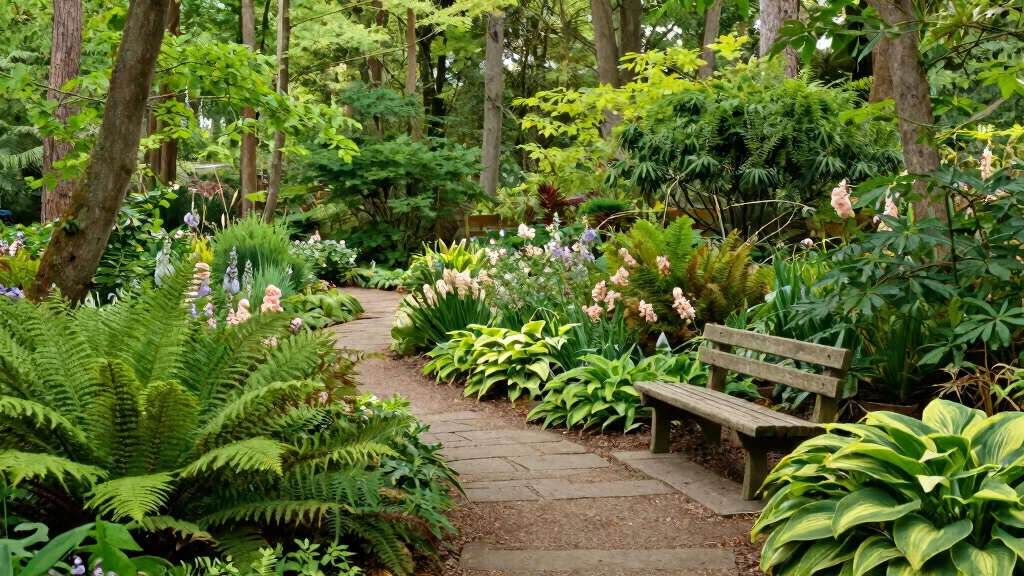
Woodland edging is a beautiful way to define areas in your cabin’s landscape while maintaining a natural look. Using logs, stones, or native plants can outline pathways and flower beds, enhancing the rustic charm of your property. This technique also provides structure while blending seamlessly with nature.
Consider materials like fallen logs for an organic barrier or stones that harmonize with your surroundings. Native ground cover plants can serve as living borders that add beauty and functionality.
Consider these materials for effective woodland edging:
– Use fallen logs for a casual and organic look.
– Incorporate stones that match the local landscape.
– Plant native ground covers as living borders.
This approach not only enhances your garden’s structure but also creates habitats for local wildlife, bringing more life to your outdoor space.
📹 Related Video: How I Created a Woodland Garden Border Using Fallen Wood Pieces! Zero Money Spent!
You might also like

Woodland Edging
Editor’s Choice

FANTIAN 20 lbs Large River Rocks for Outdoor Landscaping, 3-4 Inch Decor…

29000+ Magic Creeping Thyme Seeds for Planting Perennial Ground Cover Pl…

Greenes Fence 15 in. Full Log Edging (12-Pack, 15 ft. Total)
6. Natural Water Features

Adding a natural water feature, like a pond or stream, can elevate your cabin’s landscape beautifully. These elements serve as stunning focal points and attract wildlife, enriching your outdoor space’s biodiversity. Design your water feature to mimic natural bodies of water using local rocks and native plants for an organic feel.
When planning your water feature, choose a size that complements your space and consider integrating native aquatic plants to support local ecosystems.
Key considerations for your water feature:
– Size it appropriately so it fits harmoniously in your yard.
– Use native aquatic plants for ecological support.
– Include natural filtration systems for clean water.
A water feature creates a soothing ambiance, inviting relaxation and enhancing the tranquility of your cabin’s natural setting.
Did you know? A native water feature—pond or stream—can boost wildlife sightings and elevate cabin landscaping ideas woods without overpowering the trees. Use local rocks and native plants to mirror real waterways, keeping the scale cozy.
Natural Water Features
Editor’s Choice

ToLanbbt Pond Liner 7 x 10 Ft, 20 Mil HDPE UV Resistant Preformed Pond L…

Floating Flowering Plant – Live Aquatic Plants for Ponds & Aquariums (…
FANTIAN 20 lbs Large River Rocks for Outdoor Landscaping, 3-4 Inch Decor…
7. Vertical Gardens
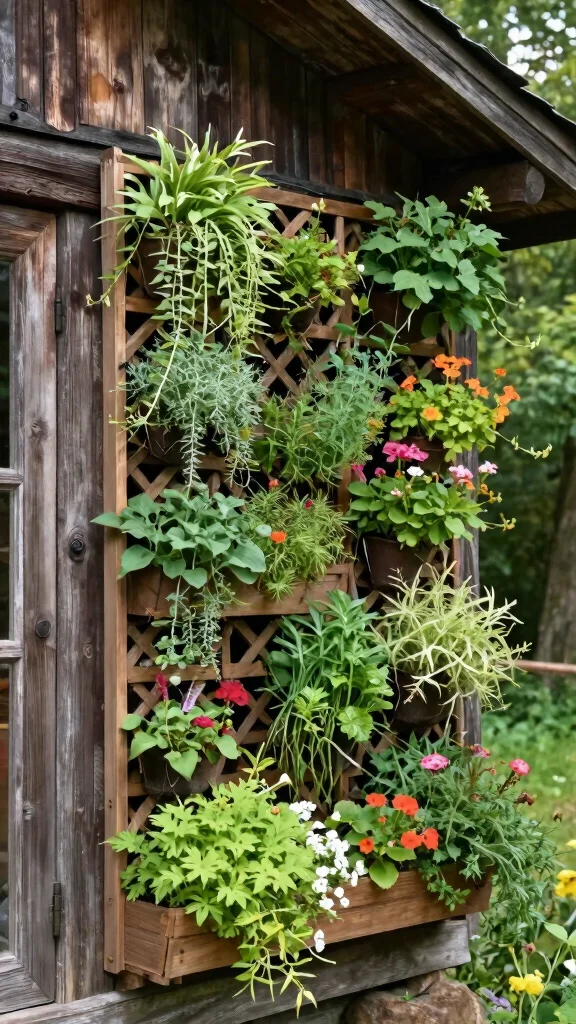
Vertical gardens are a fantastic way to maximize your cabin’s landscaping while adding a unique touch. These gardens utilize vertical space to grow plants on walls or trellises, creating a lush display that doesn’t take up much ground area. They can serve as vibrant backdrops for outdoor seating or as living fences that enhance privacy.
Consider using pallets or lattice panels filled with soil to grow herbs or colorful flowers. Climbers can create a canopy effect, adding beauty and greenery to your cabin.
Explore these ideas for vertical gardening:
– Use pallets or panels to grow herbs and flowers.
– Create a living wall with vines and blooms.
– Incorporate climbers for added height and coverage.
Vertical gardens not only beautify your space but also improve air quality, making them a beneficial addition to any cabin landscape.
Vertical Gardens
Editor’s Choice

Miracle-Gro Moisture Control Potting Mix – Plant Soil For Container Plan…

OUSHENG 10 Pack Decorative Garden Fence, Total 10ft(L) x 24in(H) Animal …

6 Pack Hanging Planter Wall Planter Self Watering 5 inch Plant Pot with …
8. Natural Privacy Screens
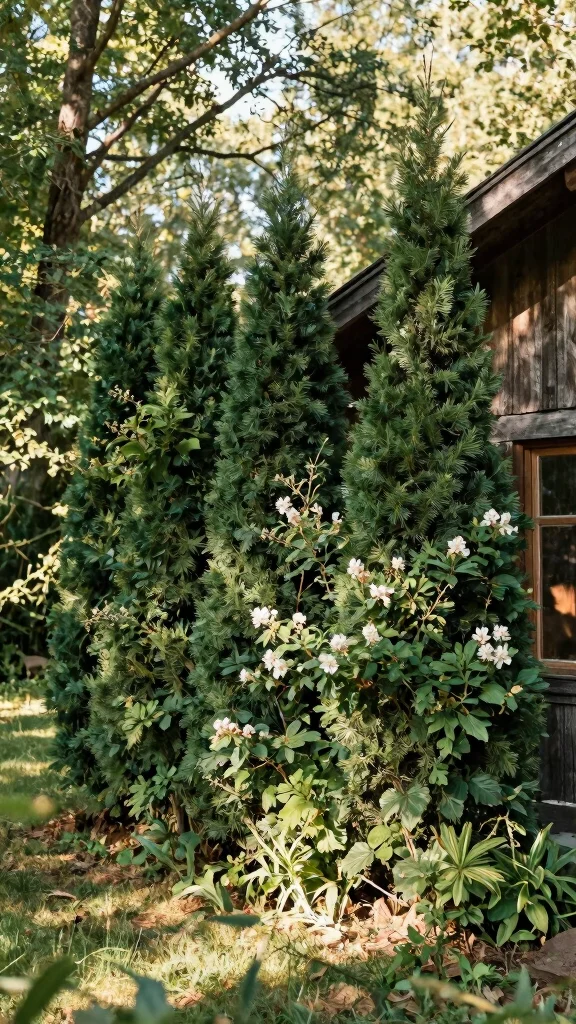
Creating a natural privacy screen enhances your cabin’s seclusion and comfort. By using a combination of native shrubs, trees, and climbing plants, you can block sightlines while preserving the stunning woodland views. These living screens add softness and beauty, turning your outdoor space into a serene retreat.
Choose effective plants like tall evergreens for year-round coverage or flowering shrubs that provide seasonal interest. Climbing vines can be trained on trellises for added privacy and charm.
Consider these plants for your natural privacy screen:
– Use tall evergreens for consistent coverage.
– Incorporate flowering shrubs for seasonal beauty.
– Train climbing vines on trellises for added privacy.
Opting for native plants ensures your screen thrives in its environment while enhancing your cabin’s tranquility and outdoor enjoyment.
“Natural privacy screens turn your cabin’s yard into a tranquil retreat. With native evergreens, flowering shrubs, and climbing vines, you gain seclusion without sacrificing woodland views—perfect for cabin landscaping ideas woods. Plant a layered screen and enjoy year-round texture and color.”
You Might Also Like

Natural Privacy Screens
Editor’s Choice

RUBFAC 7.8ft Garden Arch Trellis for Climbing Plants Outdoor, Metal Arch…

Wax Myrtle | 20 Live Plants | Myrica Cerifera | Fast Growing Shrub, Priv…

Oakleaf Hydrangea, Hydrangea Quercifolia, 50 Seeds
9. Seasonal Color and Texture

Enhancing your cabin landscaping with seasonal colors and textures makes your outdoor space dynamic and engaging. By selecting plants that bloom at different times of the year, you ensure that your landscape remains vibrant and lively throughout the seasons.
Incorporate spring bulbs for early blooms, summer perennials for brightness, fall foliage for stunning colors, and evergreen shrubs for winter interest. This thoughtful selection enriches the beauty of your cabin and attracts diverse wildlife.
Consider adding these elements for seasonal appeal:
– Plant spring bulbs like daffodils for early color.
– Include summer perennials like coneflowers for brightness.
– Add fall foliage from maples for stunning colors.
– Use evergreens for winter texture and interest.
This approach not only keeps your landscape looking fresh but also invites wildlife throughout the year, creating a beautiful tapestry around your cabin.
Seasonal Color and Texture
Editor’s Choice

All-in-One Flower Bulb Garden Kit – Cotton Candy Punch Mix – 24 Flower B…

Dwarf Yaupon Holly | Ilex Schilling Stokes Vomitoria | 3 Live Plants | D…
Seed Needs Flower Seeds Hummingbird and Butterfly Seed Mix 1 Ounce No Fi…
10. Sustainable Practices

Sustainable landscaping is essential for creating a cabin environment that respects nature. By implementing eco-friendly gardening methods, you benefit both your immediate surroundings and the planet’s health. Integrate practices like composting, rainwater harvesting, and organic gardening into your landscape design.
Embrace methods such as composting kitchen scraps to enrich soil, installing rain barrels for irrigation, and using natural pest control techniques.
Key sustainable practices to consider:
– Compost kitchen scraps to enrich soil naturally.
– Install rain barrels for sustainable water collection.
– Avoid chemical pesticides in favor of natural methods.
– Plant cover crops to improve soil health.
By adopting these practices, you create a nurturing environment for your cabin that is not only beautiful but also responsible, ensuring a healthy landscape for generations to come.
Sustainable Practices
Editor’s Choice

EPICA Countertop Compost Bin Kitchen | 1.3 Gallon | Odorless Composting …

Mighty Mint Peppermint Oil Insect Repellent Spray – Indoor & Outdoor B…

Collapsible Rain Barrel, Portable Rain Water Collection System Kit, 53 G…
Conclusion

Transforming your cabin landscape into a breathtaking natural retreat is an exciting journey filled with endless possibilities. With these ten landscaping ideas, you can create a space that not only enhances your cabin’s beauty but also nurtures the environment.
From native plant gardens to sustainable practices, each design choice contributes to the overall charm of your woodland oasis. Embrace these ideas and let your creativity flow as you craft a garden that truly reflects the serenity of nature.
Note: We aim to provide accurate product links, but some may occasionally expire or become unavailable. If this happens, please search directly on Amazon for the product or a suitable alternative.
This post contains Amazon affiliate links, meaning we may earn a small commission if you purchase through our links, at no extra cost to you.
Frequently Asked Questions
What are the essential elements of cabin landscaping ideas woods to blend into nature?
To achieve the look of cabin landscaping ideas woods, start with woodland plants that are native to your area and thrive in your site’s light and moisture. Build a layered palette that echoes a forest canopy, mixing groundcovers, shrubs, and small trees with rustic garden design elements like weathered wood, stone paths, and natural mulch. Use natural landscaping techniques such as proper drainage, soil amendments, and minimal disturbance to the soil. Create small outdoor living spaces that tuck into the landscape without overpowering it, and practice eco-friendly gardening with compost, rainwater harvesting, and native plant selections.
How do I choose native woodland plants for a cabin setting?
Start by checking which woodland plants are native to your region; pick species that tolerate your site’s sun exposure, moisture, and soil type. Group plants in drifts for a natural look, mix tall understory shrubs with groundcovers, and choose varieties that support local wildlife. Plan for year-round texture and seasonal interest. Visit a local extension service or native plant nursery for specific recommendations, and apply eco-friendly gardening practices like mulch to conserve moisture and avoid chemical fertilizers.
What practical natural landscaping techniques help cabin yards stay beautiful with minimal maintenance?
Use practical natural landscaping techniques to cut maintenance: plant native woodland plants in curving, naturalistic beds, cover with mulch, and install a stone or gravel path that guides foot traffic without breaking the natural feel. Add a rain garden or swale to manage runoff, collect rain with a barrel, and keep a compost system for amendments. Replace a portion of lawn with drought-tolerant grasses or groundcovers to reduce mowing. Favor eco-friendly gardening practices and choose species that fit your microclimates for long-term beauty.
How can I design outdoor living spaces that feel rustic yet integrated with the woods?
Design outdoor living spaces as extensions of the cabin: a flagstone patio framed by woodland plants and native shrubs, rustic timber or wicker furniture, and a small fire pit or seating circle. Add soft lighting and privacy screens made from natural materials, and use rustic garden design cues like rough-hewn timber, stone edges, and gentle curves that blend with the woods. Create winding paths that connect decks and seating areas while preserving forest feeling—still practical with eco-friendly gardening practices such as composting and drought-tolerant planting.
What common mistakes should I avoid when implementing cabin landscaping ideas woods?
Avoid introducing invasive species or turning the yard into a monoculture lawn; be mindful of sun/shade patterns and soil conditions before planting. Don’t overlook drainage, wildlife interactions, or microclimates around the cabin. Overspending or trying to install everything at once leads to maintenance headaches—start small and phase projects. Stick to native woodland plants and eco-friendly gardening practices to preserve the natural feel of your woods.
Related Topics
cabin landscaping
rustic garden design
woodland plants
eco-friendly gardening
natural landscaping
outdoor living spaces
beginner friendly
seasonal gardening
sustainable landscapes
native plant gardening
landscaping techniques
breath-taking views