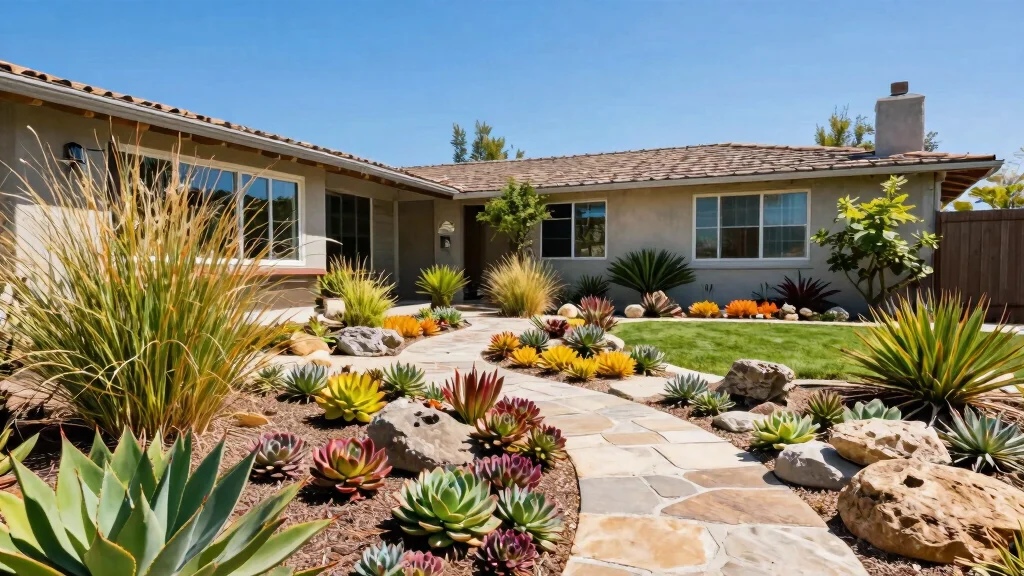
In the golden state of California, where sunshine reigns supreme and water conservation becomes increasingly vital, many homeowners are seeking ways to revamp their front yards. After all, the front yard is not just the first impression of your home; it’s a canvas waiting for creative expression. The thought of transforming your outdoor space into a drought-smart and stylish sanctuary can feel overwhelming. That’s why I created this guide—to help you navigate the world of California front yard landscaping ideas that are both beautiful and environmentally friendly.
If you’re passionate about gardening, sustainability, or simply want to enhance your home’s curb appeal, this post is tailored for you. Whether you’re an experienced gardener or just starting out, you’ll find inspiration that resonates with your style and needs. I’ve compiled seven fantastic ideas that showcase drought-tolerant plants and sustainable landscaping techniques, all while ensuring your front yard remains inviting and enviable.
By the end of this article, you’ll be armed with practical insights and actionable tips that will not only beautify your front yard but also contribute to water conservation efforts. You’ll discover how to incorporate native California plants, create stunning xeriscaped designs, and implement sustainable hardscaping solutions that can elevate your home’s exterior without compromising on style. Let’s dive into these drought-smart, stylish, and totally enviable ideas!
Key Takeaways
– Explore native plant options that thrive in California’s climate, offering beauty and resilience without excessive water use.
– Discover rock garden designs that give a modern twist to your landscape while minimizing maintenance and water needs.
– Learn about xeriscaping tips that save water and create visually appealing layouts, utilizing local plant species for sustainability.
– Get inspired by hardscaping solutions, including pathways and seating areas that enhance curb appeal while conserving resources.
– Embrace the beauty of ornamental grasses and zen gardens, providing low-maintenance elegance and tranquility to your front yard space.
1. Native Plant Paradise
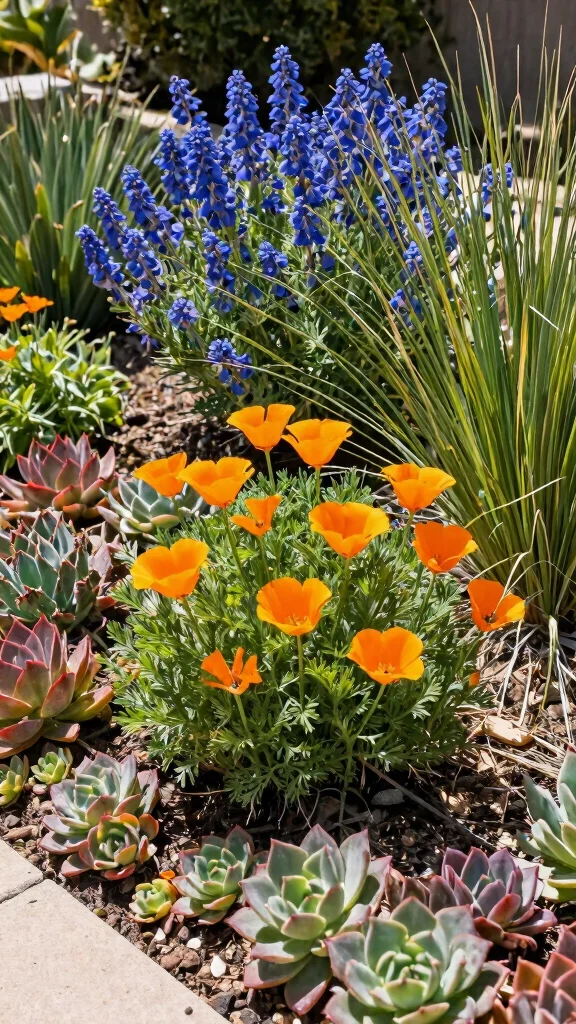
Transform your front yard into a vibrant Native Plant Paradise by choosing drought-tolerant plants that thrive in California’s unique climate. Picture a stunning array of California poppies and the lovely blue hues of ceanothus, both of which not only add color but also attract essential pollinators. These native plants beautify your space while supporting local ecosystems, making your garden a sanctuary for wildlife.
Start by selecting a diverse mix of flowering plants and shrubs to ensure your garden is visually appealing year-round. Consider layering your plants to create depth; pairing low-growing ground covers with taller options like manzanita adds texture. Group plants with similar water and sunlight needs to simplify maintenance and enhance growth.
Key steps to create your Native Plant Paradise:
– Choose a variety of native plants for year-round beauty
– Layer plants by height and texture for visual interest
– Group plants with similar care requirements for easy maintenance
With thoughtful planning, you’ll cultivate a lively tapestry that delights the eye and benefits local wildlife. Best of all, once established, these native plants require minimal watering, saving you both time and resources!
Native Plant Paradise
Editor’s Choice

CARPATHEN Drip Irrigation System Kit – Complete Premium Garden Watering …


Drought-Resistant Planting: Lessons from Beth Chatto’s Gravel Garden

2. Rock Garden Retreat

Consider crafting a Rock Garden Retreat that beautifully merges the rugged charm of stones with drought-friendly plants! This design not only conserves water but also adds a unique and eye-catching aesthetic to your yard. Using various sizes of rocks and boulders offers visual intrigue while serving as an ideal backdrop for drought-resistant species like sedums and agaves.
To enhance your Rock Garden, layer rocks to create mini hills and valleys, adding depth to your landscape. Choose gravel or decomposed granite as your base, which promotes excellent drainage and a contemporary feel. Select plants that thrive in rocky environments, such as lavender or rosemary, ensuring they flourish with minimal water.
Key features of a Rock Garden Retreat:
– Create layers with rocks for depth and interest
– Use gravel for modern drainage solutions
– Include drought-tolerant plants like lavender for color
Rock gardens not only look stunning but also require little upkeep, making them perfect for busy homeowners. The striking contrast of rugged stones against soft greenery will elevate your home’s curb appeal dramatically!
Top Varieties for Different Conditions
1. California Lilac (Ceanothus spp.)
– Best conditions: Thrives in coastal and hot/dry climates. It works great for creating a colorful hedge or backdrop.
– Key features: This beautiful shrub produces clusters of vibrant blue flowers, attracting butterflies and bees. It’s also very drought-tolerant once established, making it perfect for sustainable landscaping.
– Considerations: Needs well-drained soil and can be sensitive to heavy pruning.
2. Manzanita (Arctostaphylos spp.)
– Best conditions: Ideal for hot and dry areas, especially in sandy or rocky soils.
– Key features: Known for its striking reddish-brown bark and evergreen leaves, this plant is resistant to pests and diseases. It also provides great erosion control.
– Considerations: May need some shelter from extreme heat and requires minimal watering once established.
3. Agave (Agave spp.)
– Best conditions: Great for sunny areas in arid regions. Perfect for xeriscaping projects.
– Key features: This succulent comes in many shapes and sizes, adding unique architectural elements to your front yard. It conserves water effectively and thrives in poor soil.
– Considerations: Watch out for sharp leaf edges. Some varieties can be quite large, so plan your space accordingly.
4. California Poppy (Eschscholzia californica)
– Best conditions: Perfect for full sun and well-drained soils typical in coastal and valley regions.
– Key features: This vibrant annual blooms in warm colors, creating a stunning spring display. It is also the state flower, adding a touch of local pride.
– Considerations: Needs to be sown directly in the garden as it does not transplant well.
5. Red Yucca (Hesperaloe parviflora)
– Best conditions: Thrives in sunny, dry areas and is great for heat-tolerant landscapes.
– Key features: It produces tall flower spikes that attract hummingbirds. This plant offers a striking visual without needing much water.
– Considerations: It can become a bit invasive in certain areas, so monitor its growth.
6. Lavender (Lavandula spp.)
– Best conditions: Prefers full sun and thrives in well-drained, sandy soil, making it suitable for hot and dry climates.
– Key features: The lovely purple flowers not only enhance curb appeal, but also provide fragrance and attract pollinators. It’s drought-resistant and low-maintenance.
– Considerations: Needs to be pruned regularly for best health and growth.
7. Ornamental Grasses (various species)
– Best conditions: Adaptable to many climates, they work well in mixed plantings for texture and movement.
– Key features: Grasses like Blue Oat Grass and Fountain Grass add softness to your front yard while needing little water. They provide year-round interest.
– Considerations: Some varieties can spread quickly, so choose carefully and consider controlling their growth.
Climate/Condition Guide:
When selecting plants for your California front yard, consider your local climate. Coastal areas tend to be milder and wetter, while interior valleys can get very hot and dry. If you live in a cooler region, look for varieties that provide cold tolerance. Generally, drought-tolerant plants work best in hot/dry climates. Always consider sun exposure, soil type, and moisture levels when making your selections.
Growing Tips:
– Group plants with similar water and light needs together for easier maintenance.
– Use mulch around your plants to help retain moisture and suppress weeds.
– Regularly check for pests and diseases to keep your garden healthy.
Avoid:
– Overwatering, as many drought-tolerant plants thrive on minimal water.
– Choosing non-native plants that require excessive care or water, as they may not survive well in California’s climate.
Rock Garden Retreat
Editor’s Choice

Grey Fines. Grey Decomposed Granite, 40 Pounds. Compactable decomposed G…

MSI Decorative Polished Multicolor Pebbles, 1 inch – 2.5 inch, 40 lb. Bag

10 in. x 20 in. Sedum Groundcover Mat, Non-toxic Hardy Stonecrop for Lan…
3. Xeriscaped Elegance

Embrace Xeriscaped Elegance by designing a front yard that prioritizes water conservation while remaining visually stunning. Xeriscaping uses drought-tolerant plants strategically placed among decorative stones, gravel, or mulch to significantly reduce water usage. Think about incorporating resilient cacti, colorful succulents, and aromatic Mediterranean herbs that thrive in California’s arid climate.
Create defined zones in your landscape using pavers or natural stones to enhance visual appeal. Opt for a color palette that complements your home’s exterior, selecting plants that harmonize with your overall style. Implement a drip irrigation system to efficiently water your plants, ensuring optimal health without wasting resources.
Ideas for an Elegant Xeriscaped Yard:
– Define zones with pavers for visual appeal
– Choose a complementary color palette for harmony
– Use drip irrigation to conserve water effectively
The beauty of xeriscaping lies in its simplicity. By selecting the right plants and layout, your front yard can become a sustainable paradise that reflects your commitment to the environment while enhancing your home’s charm!
Xeriscaped Elegance
Editor’s Choice

All About Pavers: A Practical Guide to Choosing, Installing and Caring f…

ZOOFOX 10lb Natural Rocks Stones, Small Washed Gravel for Terrariums, Su…

Outsidepride Hispanicum Sedum Seeds – 1000 Pcs Perennial Ground Cover Se…
4. Floral Pathway Wonders

Infuse charm into your front yard with Floral Pathway Wonders! Imagine a path framed by colorful, drought-tolerant flowers, creating a welcoming entrance and boosting your home’s curb appeal. Envision a stunning border of salvia, lantana, or vibrant desert marigold lining a gravel or stone pathway.
To maximize the visual impact of your pathway, select blooms with varying heights and colors that create rhythmic patterns. Plant flowers in clusters to attract pollinators, encouraging visits from butterflies and bees. Choose permeable materials for your pathway to allow for easy drainage, enhancing the sustainability of your design.
Features of a Floral Pathway:
– Select blooms of different heights for visual rhythm
– Cluster plants to attract pollinators
– Use permeable materials for easy drainage
A floral pathway not only guides guests to your door but also envelops your yard in lush beauty. It’s the perfect blend of function and aesthetics in your drought-smart California front yard!
You might also like


Floral Pathway Wonders
Editor’s Choice
ZOOFOX 10lb Natural Rocks Stones, Small Washed Gravel for Terrariums, Su…

SVI 1000 Blue Sage Seeds for Planting (Salvia farinacea) – Heirloom Sage…

FLORA GUARD Bulb Planter with Depth Markers – Automatic Soil Releasing S…
5. Sustainable Hardscaping

Elevate your front yard with Sustainable Hardscaping, combining beautiful stonework with drought-resistant planting for a functional yet stunning landscape. Eco-friendly materials like reclaimed wood, permeable pavers, and natural stones provide a chic, modern look while minimizing environmental impact.
Incorporate pathways designed to allow rainwater to permeate, reducing runoff and lessening watering needs. Enhance your space with hardscape features like benches or walls crafted from recycled materials for added character. Opt for plants that complement your hardscape beautifully, such as hardy succulents or ornamental grasses that thrive in dry conditions.
Considerations for Sustainable Hardscaping:
– Design paths for rainwater absorption
– Use recycled materials for added charm
– Pair plants with hardscaping for cohesive beauty
This approach not only cuts down your water usage but also leaves a lasting impression through its stylish and environmentally conscious design. Your front yard will shine with beauty and sustainability!
Fun fact: Sustainable hardscaping with permeable pavers and natural stone can cut front-yard runoff by up to 40% in California storms. Pair reclaimed wood benches with drought-tolerant planting to create a chic, functional oasis that saves water and looks amazing.
Sustainable Hardscaping
Editor’s Choice

Vodaland Permeable HexPave System – Grass & Gravel Pavers – 100% Recycle…

All-in-One 10in Stepping Stone Kit – Includes Cement Mix, Concrete & Let…

Psilvam 2-Person Outdoor Bench with 700 Lbs Weight Capacity, Poly Lumber…
6. Ornamental Grass Collection
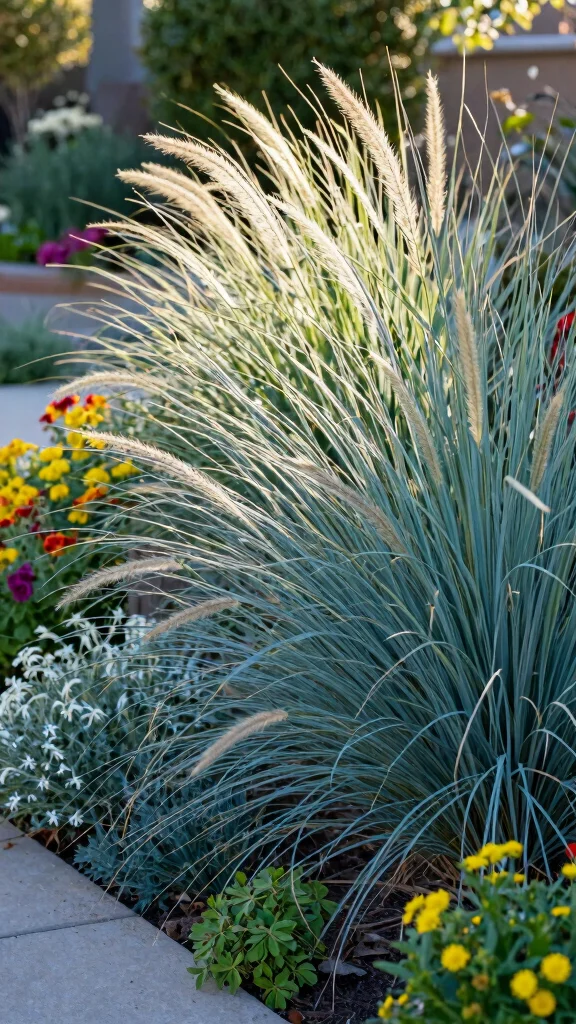
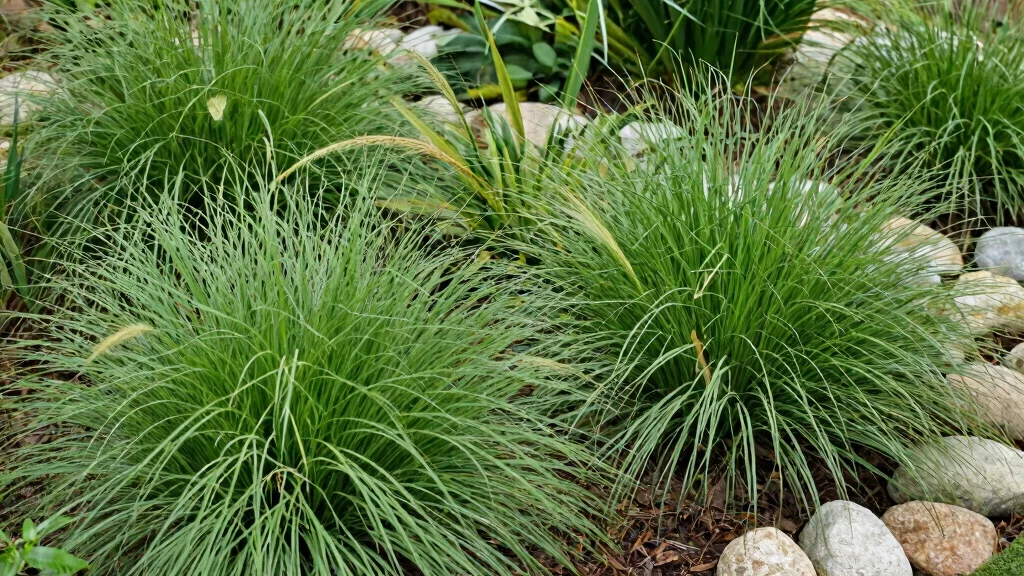
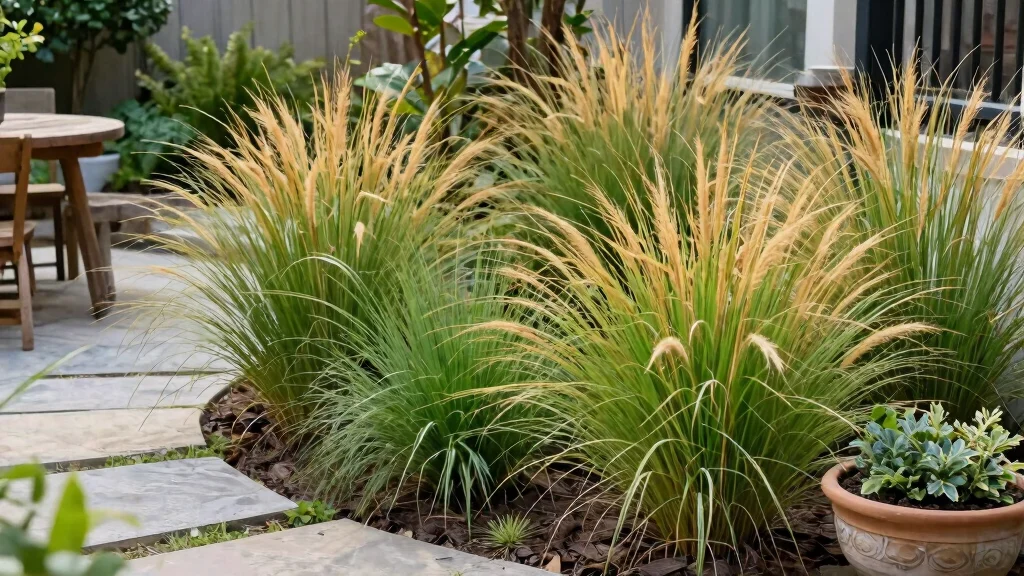
Create an Ornamental Grass Collection in your front yard that adds texture and motion while being drought-tolerant. Grasses such as blue fescue, fountain grass, and feather reed grass introduce soft elegance and dynamic beauty, perfectly complementing any home style.
These grasses require minimal water once established, making them ideal for a sustainable landscape. The variety in their heights and textures offers visual delight throughout the seasons. Additionally, they provide excellent habitats for birds and beneficial insects, enhancing biodiversity in your yard.
Benefits of Using Ornamental Grasses:
– Require minimal water for sustainability
– Add visual interest with diverse heights and textures
– Provide habitats for local wildlife
By integrating ornamental grasses into your front yard, you not only boost its appeal but also align with California’s climate. The gentle sway of the grasses in the breeze creates a calming atmosphere, making your outdoor space a delightful retreat!
“Fun fact: Ornamental grasses like blue fescue and fountain grass sip less water once established, cutting irrigation by up to 30%. Their texture and movement bring dynamic, drought-smart charm to California front yard landscaping ideas.”
📹 Related Video: Planting 3 Beautiful Varieties of Ornamental Grass! 🌾🌾🌾 // Garden Answer
You Might Also Like
Ornamental Grass Collection
Editor’s Choice

Daylily Nursery 5 Karl Foerster Feather Grass in 4 Inch Containers (5 Po…

Drought Tolerant Wildflower Mix – 20,000+ Seeds – 1 oz Bulk Extra La…

SVI 5000 Blue Fescue Seeds (Festuca glauca) – Ornamental Blue Fescue G…
7. Zen Garden Serenity

Achieve Zen Garden Serenity in your front yard, transforming it into a peaceful retreat focused on minimalism and tranquility. This design philosophy combines raked gravel, boulders, and thoughtfully placed native plants to foster a calming environment.
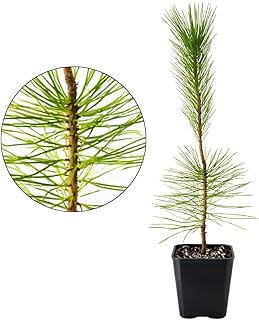
Use raked gravel to simulate flowing water patterns, complemented by larger stones that serve as focal points. Introduce slow-growing, drought-tolerant plants such as succulents or Japanese black pines to enhance the serene landscape. Keep your design simple and uncluttered, emphasizing the natural beauty of each element.
Elements of a Zen Garden:
– Simulate water patterns with raked gravel
– Use larger stones for striking focal points
– Maintain simplicity for natural beauty
A Zen garden not only showcases your design sensibilities but also provides a soothing space to relax. It’s a wonderful way to enjoy your front yard while honoring California’s natural beauty through sustainable practices!
Fun fact: In california front yard landscaping ideas, a drought-smart Zen garden can use 60% gravel and stone, slashing irrigation by up to 40%. Pair that with 2-3 slow-growing natives for year-round calm.
Zen Garden Serenity
Editor’s Choice
My Shelfie – Japanese Black Pine Bonsai Tree, Tall Bonsai Tree Live, Liv…
ZOOFOX 10lb Natural Rocks Stones, Small Washed Gravel for Terrariums, Su…

Live Succulent Sedum adolphii Shooting Stars, 2 Inch Fully Rooted Potted…
Conclusion

Creating a front yard that is both stylish and drought-smart is not just about aesthetics; it’s a commitment to sustainability and environmental responsibility. By embracing California’s native plants and incorporating unique landscaping ideas, you can enhance your home’s curb appeal while conserving water. Whether you choose a rock garden or a floral pathway, each design offers a chance to connect with nature and contribute positively to your environment. Let’s make our front yards stunning showcases of sustainable living!
Note: We aim to provide accurate product links, but some may occasionally expire or become unavailable. If this happens, please search directly on Amazon for the product or a suitable alternative.
This post contains Amazon affiliate links, meaning we may earn a small commission if you purchase through our links, at no extra cost to you.
Frequently Asked Questions
What are some drought-smart California front yard landscaping ideas that still look stylish?
A smart start is to blend drought-smart California front yard landscaping ideas with curb appeal.
Choose drought-tolerant plants native to California and plant them in blocks by water needs to simplify irrigation.
Replace turf with mulch, gravel, and native groundcovers, and install a drip irrigation system to follow xeriscaping tips in practice.
Add a focal feature—like a Ceanothus or Manzanita specimen—to boost curb appeal ideas while keeping maintenance low.
Which drought-tolerant native California plants are best for a front yard and how should I choose them?
Choosing the right plants starts with your sun, soil, and water budget.
Try these popular native California plants: Ceanothus (California lilac) for blue spring blooms, Arctostaphylos (manzanita) for sculptural evergreen structure, Eriogonum (buckwheat) for massed low groundcover, Epilobium canum (California fuchsia) for late-summer color, and Salvia spp. for long-lasting pollinator blooms.
Place sun-loving varieties in bright spots and shade-tolerant ones in partial sun, group them by water needs, and ensure well-drained soil for best performance. This approach fits native California plants in california front yard landscaping ideas with low water use.
What xeriscaping tips can I apply to reduce water use in my California front yard?
Xeriscaping tips start with a plan: assess sun exposure and soil type, then reduce turf and replace it with drought-tolerant plants grouped by water needs.
Mulch 2-4 inches deep to conserve moisture and suppress weeds, and install a drip irrigation system to apply water directly to roots.
Choose native California plants with similar water needs to avoid overwatering, and use sustainable landscaping practices like rain capture where possible. These xeriscaping tips help you keep a beautiful yard with less water.
How can I boost curb appeal with native California plants while keeping sustainability in mind?
Think texture, color, and structure.
Start with evergreen natives for year-round form, add seasonal blooms from native California plants, and weave in curb appeal ideas with smart planting beds and stone pathways.
Use sustainable landscaping practices like efficient irrigation, mulch, and proper plant spacing to reduce maintenance and water waste. Finish with lighting and a clean edge to make your front yard pop at night and in daytime.
What common mistakes should I avoid when planning California front yard landscaping ideas?
Even with great ideas, it’s easy to slip up. Avoid overwatering and choosing high-water exotics that don’t fit your climate, which wastes water and money.
Don’t ignore sun exposure, soil drainage, or microclimates—place plants where they belong.
Skipping mulch or planting too close leads to weeds and maintenance headaches. Finally, plan for long-term maintenance by thinking through xeriscaping tips and native California plants that thrive with minimal care.
Related Topics
california front yard landscaping
drought-tolerant plants
sustainable landscaping
xeriscaping tips
native California plants
curb appeal ideas
eco-friendly design
low maintenance gardens
outdoor aesthetics
beginner friendly
landscaping trends
water-wise gardening