
Creeping phlox has been on my mind lately, and I can’t help but marvel at how stunning it looks in gardens during the spring. The way those colorful blooms spill over edges, creating a soft blanket of color, is simply captivating. If you’re a gardening enthusiast or a newcomer eager to enhance your outdoor space, this post is designed for you. We all want our gardens to look beautiful without a mountain of upkeep, and creeping phlox offers a perfect solution.
In this guide, you’ll discover ten creative creeping phlox landscaping ideas that will inspire you to use this hardy perennial in your garden design. Whether you’re working with sloped yards, rocky terrain, or just want to add a splash of color to your flower beds, you’ll find practical tips and tricks. Each idea is low-maintenance, allowing you to enjoy a vibrant garden without constant fuss. Let’s dig into these ideas and uncover how you can make your outdoor space bloom beautifully with creeping phlox.
Key Takeaways
– Diverse Applications: Creeping phlox can be used in various ways, including as ground cover, in rock gardens, or flanking pathways.
– Colorful Blooms: This perennial flower blooms in vibrant colors, making it an excellent choice for adding visual interest to any garden space.
– Low Maintenance: Once established, creeping phlox requires minimal care, giving you more time to enjoy your garden and less time worrying about upkeep.
– Versatile Planting Options: You can easily integrate creeping phlox into container gardens, edging flower beds, or as part of mixed flower displays for a layered look.
– Seasonal Beauty: With its early spring blooms, creeping phlox not only brings joy during its peak season but also offers year-round greenery, enhancing your garden’s appeal throughout the year.
1. Flanking Pathways with Phlox
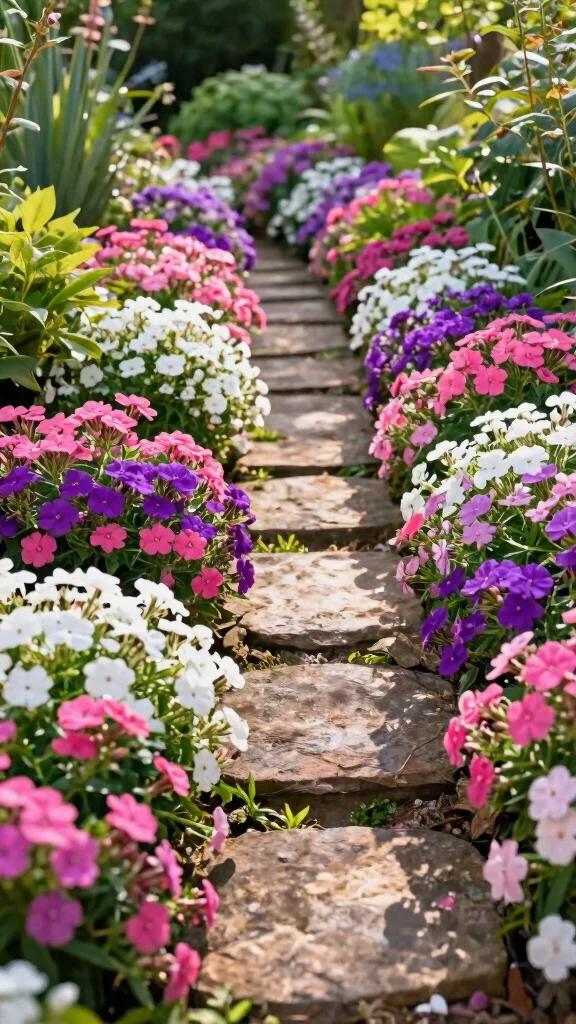
If you’re looking to enhance your garden’s charm, consider flanking your pathways with creeping phlox. Picture vibrant flowers cascading over the edges, inviting you to stroll along the path. This simple yet effective landscaping choice adds visual drama and guides visitors smoothly through your outdoor space.
Begin by planting creeping phlox on either side of the walkway. Their colorful blooms will soften hard edges and create a cohesive look. Here are some effective tips:
– Mix colors: Use vibrant combinations like pink and purple or stick to a single shade for uniformity.
– Arrange heights: Taller plants at the back with shorter ones in front create a lovely layered effect.
– Maintain regularly: Deadhead spent flowers to encourage fresh blooms throughout the season.
This approach not only beautifies your pathway but also ensures easy navigation, as creeping phlox thrives in various soil types.
Fun fact: Creeping Phlox landscaping along pathways creates a living border that blooms from spring through summer, guiding your steps with color. When you flank walkways, keep a gentle spillover over edges for a natural, cohesive look.
Flanking Pathways with Phlox
Editor’s Choice

LUOJIBIE Zinnia Seeds, 13000+ Bulk Pack Mixed Colors Large Blooms Seeds,…


Fiskars Trowel, Heavy Duty Gardening Hand Tool with Hang Hole, For Diggi…
Back to the Roots 100% Organic Mulch, 58 Quart, Expanding Coconut Husk B…
2. Rock Gardens with a Splash of Color

Rock gardens offer a unique way to blend the ruggedness of stones with the beauty of creeping phlox. This combination not only stabilizes soil on slopes but also adds a stunning visual element. Imagine colorful flowers spilling over rocks, enhancing their natural beauty.
To craft your rock garden, select an assortment of rocks and plant creeping phlox between them. This arrangement creates a charming contrast and softens the rock edges. Consider these tips:
– Prepare soil: Ensure good drainage to keep creeping phlox healthy among the stones.
– Layer rocks: Use larger stones as focal points and smaller ones for depth.
– Vary textures: Choose rocks with different textures to complement the delicate blooms.
This design is low-maintenance while adding a captivating touch to your garden landscape.
Rock Gardens with a Splash of Color
Editor’s Choice

Pack 3 Creeping Phlox Plant Live, 5-9 Inches, Perennial Creeping Phlox G…

Expert Dahlia Potting Soil Mix by Gardenera – Enhance Growth and Color -…

Virekm River Rocks, Decorative Ornamental Pebbles,Garden Landscaping Sto…
3. Edging Flower Beds with Phlox

Using creeping phlox as a border for your flower beds is a smart way to add color and definition. Their trailing nature beautifully softens the edges of traditional beds, enhancing the overall appearance. Imagine a vibrant outline framing your blooming flowers.
To create this look, plant a row of creeping phlox around your flower beds. This not only establishes a visual border but also delineates different areas in your garden. Here are some practical tips:
– Space wisely: Leave enough space between plants for proper growth and airflow.
– Pair effectively: Combine phlox with taller perennials or shrubs for added layers.
– Choose varieties: Select phlox that bloom at different times for continuous color.
This effective method transforms ordinary garden beds into standout features.
Edging Flower Beds with Phlox
Editor’s Choice

1100+ Mix Creeping Phlox Seeds for Planting-Non-GMO Heirloom Plant Seeds…

Colwelt Saw-Tooth Edger Lawn Tool, Half Moon Lawn Edger with T-Grip, Sid…

Miracle-Gro Shake ‘N Feed All Purpose Plant Food – Outdoor and Indoor Pl…
4. Container Gardens with Creeping Phlox

Container gardening is perfect for those with limited space or who want to create stunning displays. Creeping phlox thrives in pots, allowing you to showcase their beauty on patios or balconies. Imagine colorful blooms cascading from containers, adding charm to any area.
To design an attractive container garden, choose pots of various shapes and sizes. Plant creeping phlox in these containers, letting them flow naturally over the sides. Here are some helpful hints:
– Ensure drainage: Make sure your containers have holes to prevent waterlogging.
– Mix plants: Combine phlox with low-maintenance plants like sedums for visual interest.
– Rotate seasonally: Change plants for year-round appeal.
This flexibility allows for beautiful arrangements that can be easily moved.
Container gardening is my answer when space is tight and mood is big. Creeping phlox in pots blooms like a waterfall, turning balconies into living color you can enjoy every day—creeping phlox landscaping at its finest. Pro tip: choose pots in varied shapes, and ensure drainage for happy, cascading color.
Container Gardens with Creeping Phlox
Editor’s Choice

Miracle-Gro Potting Mix – For Container Plants, Flowers, Vegetables, Shr…

VIVOSUN Self-Watering Planters, 6-Pack 10.5 Inch Compact Rectangular Win…
5. Phlox as a Ground Cover Solution

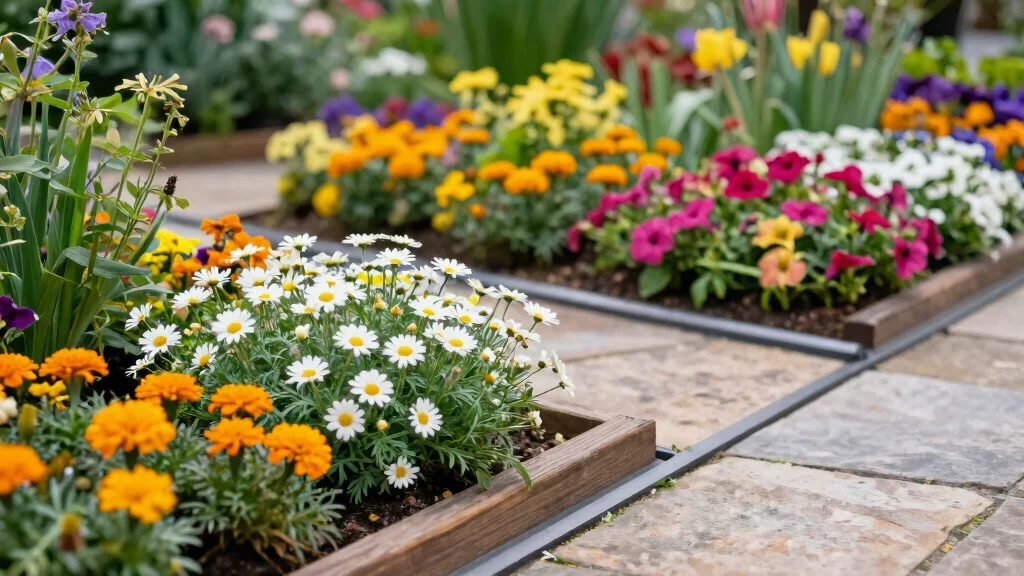
Creeping phlox is an excellent choice for ground cover, especially on slopes. Its vigorous growth and low maintenance make it perfect for preventing soil erosion while adding vibrant color. Imagine a stunning blanket of blooms stabilizing your garden landscape.
Plant creeping phlox across sloped areas to create a colorful carpet that enhances both beauty and functionality. This method reduces maintenance tasks like weeding and watering. Consider these tips:
– Select varieties: Choose creeping phlox suited for your local climate.
– Space properly: Plant closely to cover ground quickly and suppress weeds.
– Regular upkeep: Prune and deadhead for continuous blooms.
This solution not only beautifies slopes but also simplifies garden care.
📹 Related Video: Creeping Phlox border idea. 🌸🌸🌸🌸🌸
You might also like

Phlox as a Ground Cover Solution
Editor’s Choice
Back to the Roots 100% Organic Mulch, 58 Quart, Expanding Coconut Husk B…

Jute Erosion Control, Soil Saver Mesh Blanket – 48″ Wide x 20 Yards (60 …

CarpetC 1000+ Creeping Phlox Seeds for Planting, Ground Cover Purple Flo…
6. Accent Walls with Creeping Phlox

Creating an accent wall with creeping phlox can elevate your garden’s aesthetic. This idea adds vertical interest and transforms your outdoor space into a floral masterpiece. Picture a trellis covered in colorful blooms, drawing the eye upward.
Use a trellis or lattice to encourage creeping phlox to climb, creating a stunning floral wall. This adds depth and expands the visual space of your garden. Here’s how to achieve this look:
– Choose support: A sturdy trellis or fence provides a solid base for growth.
– Group phlox: Plant multiple together at the base for a fuller appearance.
– Prune regularly: Encourage bushier growth and more blooms through consistent care.
This unique design transforms ordinary walls into vibrant displays of color.
Fun fact: A single trellis can support a thriving creeping phlox wall, turning an ordinary fence into an accent wall of blossoms in weeks. With the right lattice and regular light pruning, your creeping phlox landscaping becomes a floral display you can enjoy all season.
How To Choose the Right Creeping Phlox for Your Garden
Choosing the right creeping phlox for your garden can make a big difference in your landscaping design. With so many varieties available, it’s essential to consider several factors to ensure you select the best option. Here are some key points to help you in your decision-making process:
1. Assess Your Garden’s Conditions
Understanding your garden’s conditions is crucial for selecting the right creeping phlox. Consider factors like sunlight, soil type, and drainage. Phlox prefers well-drained soil and thrives in full sun to partial shade. Test your soil’s pH; creeping phlox grows best in slightly acidic to neutral soil (pH 6.0 to 7.0).
2. Choose the Right Color Variants
Creeping phlox comes in a range of vibrant colors, including pink, purple, blue, and white. Decide on the color scheme you want in your garden. Consider how the colors will blend with other plants and flowers. Keep in mind seasonal changes; some phlox varieties bloom earlier than others, creating a delightful display throughout the growing season.
3. Consider Growth Size and Spread
Creeping phlox can vary significantly in size and spread. Some varieties may grow up to 6 inches tall, while others can reach 12 inches. Additionally, their spread can range from 12 to 24 inches. Think about where you want to plant them—whether as a ground cover or in borders—and choose accordingly to avoid overcrowding.
4. Evaluate Maintenance Needs
While creeping phlox is generally low maintenance, some varieties may require more care than others. Consider how much time you can dedicate to your garden. If you’re looking for a plant that you can install and mostly forget about, opt for robust varieties that are resistant to pests and diseases.
5. Look for Local Adaptations
When choosing creeping phlox, check with local nurseries or garden centers for varieties that thrive in your region. Local adaptations are often more resilient to local pests, diseases, and climate conditions. This can lead to a healthier and more vibrant garden.
6. Check for Seasonal Changes
Different creeping phlox varieties may have distinct blooming periods. Some flowers might bloom in early spring, while others might flower later. Plan your garden layout with these seasonal changes in mind to ensure a continuous display of color throughout the seasons.
Pro Tip: Before making your final selection, consider planting a few different types of creeping phlox in small sections. This way, you can see which colors and growth patterns you prefer in your own garden setting! 🌼
Accent Walls with Creeping Phlox
Editor’s Choice

HiGift Plant Support Stakes, 6 Pack Metal Peony Cages and Supports, Gard…

SUNNYPARK Antique Garden Iron Trellis with Decorative Hummingbirds Detac…
7. Phlox and Pathway Integration

Integrating creeping phlox with pathways creates a smooth transition between hardscaping and softscaping. Imagine a stone path flanked by blooming flowers, where the beauty flows naturally into the garden. This design enhances both aesthetics and function, preventing erosion while adding an inviting touch.
To effectively integrate phlox with pathways:
– Choose natural materials: Use stone or gravel paths to complement the organic feel.
– Plant wisely: Position phlox along the edges, allowing them to cascade over stones.
– Create layers: Pair phlox with taller plants behind for depth.
This integration enriches your garden’s aesthetic while maintaining a relaxed vibe.
Phlox and Pathway Integration
Editor’s Choice

20,000+ Creeping Thyme Seeds Ground Cover, Non-GMO Perennial Flower Seed…

Arcadia Garden Products Set of 4, 16×17” Dark Gray Stepping Stone Fibe…

EasyFlex No-Dig Landscape Edging with Anchoring Spikes, 2.7 in Tall Deco…
8. Vibrant Borders Around Lawn Edges

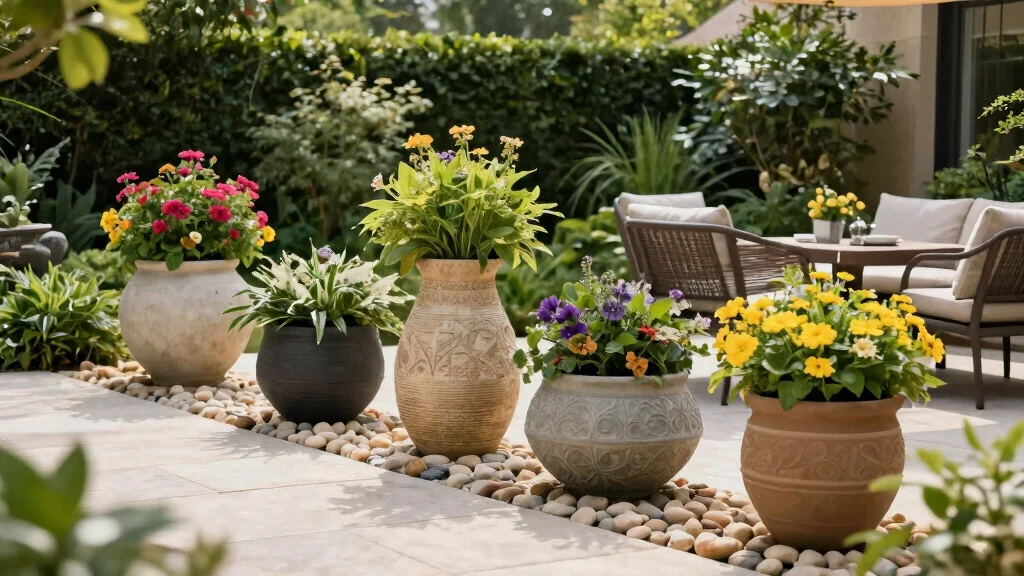
Creeping phlox makes a stunning border for your lawn, creating a beautiful transition between grass and flower beds. This landscaping idea softens yard lines, adding a colorful touch. Imagine a vibrant outline that enhances your outdoor space.
Plant creeping phlox around the perimeter of your lawn to establish a beautiful boundary and prevent grass from invading flower beds. Here’s how to do it:
– Define edges: Use a shovel to create a neat border between the lawn and flowers.
– Choose colors: Opt for one color or a mix for visual appeal.
– Maintain regularly: Monitor phlox to prevent overgrowth into the lawn.
This practical approach adds charm and color to your landscape.
You Might Also Like

Vibrant Borders Around Lawn Edges
Editor’s Choice
BARAYSTUS Rotary Cultivator Garden Rotary Tiller Adjustable Stainless St…

A ANLEOLIFE 40FT Galvanized Steel Landscape Edging, 12-Pack 40″ L x 6″ H…

Creeping Phlox Seeds for Planting, 1000+pcs Rare Perennial Creeping Purp…
9. Phlox in Mixed Flower Displays
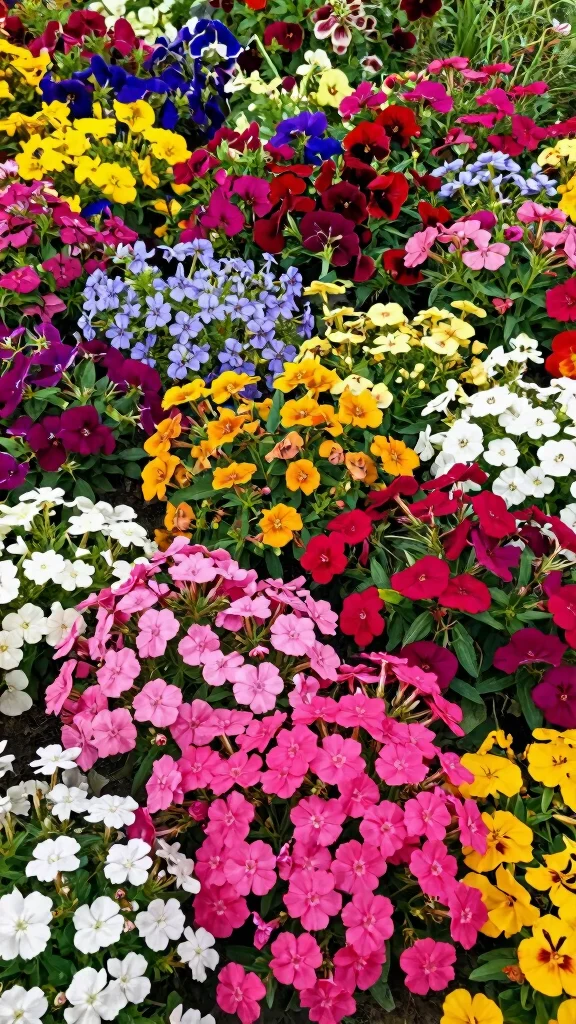
Incorporating creeping phlox into mixed flower displays brings vibrancy to your garden. Their low-maintenance nature and profuse blooms make them great companions for other flowers. Imagine a colorful border where phlox enhances taller plants and adds texture.
Create a mixed border with creeping phlox alongside tall perennials and annuals. This combination provides continuous color and visual interest throughout the season. To achieve this look:
– Select complementary plants: Pair phlox with varieties that bloom at different times.
– Layer heights: Position taller flowers behind phlox for depth.
– Group plant: Plant in clusters for significant impact.
This method enhances your garden’s beauty while maximizing color and texture.
Phlox in Mixed Flower Displays
Editor’s Choice

General Hydroponics MaxiGro Plant Food for Vigorous Growth, 2.2 lbs.

1500+ Twinkle Star Phlox Seeds for Planting – Perennial Bright Phlox Gro…
10. Creating Waves of Color with Phlox

Creating waves of color with creeping phlox offers a striking visual statement in your garden. This landscaping idea allows you to design a flowing pattern where flowers ripple across the landscape. Imagine vibrant colors blending seamlessly in a wave-like design.
To achieve this effect, plant groups of creeping phlox in staggered rows, creating a wave that flows through your garden. This design adds visual interest and showcases the natural beauty of the blooms. Consider these tips:
– Select colors: Choose harmonious or contrasting shades to enhance the wave effect.
– Vary placement: Plant at different heights to amplify the flow.
– Add height: Incorporate taller plants for additional dimension.
This approach transforms your garden into a mesmerizing sea of color, inviting admiration from all who visit.
Creating Waves of Color with Phlox
Editor’s Choice
Back to the Roots 100% Organic Mulch, 58 Quart, Expanding Coconut Husk B…
CarpetC 1000+ Creeping Phlox Seeds for Planting, Ground Cover Purple Flo…
Conclusion
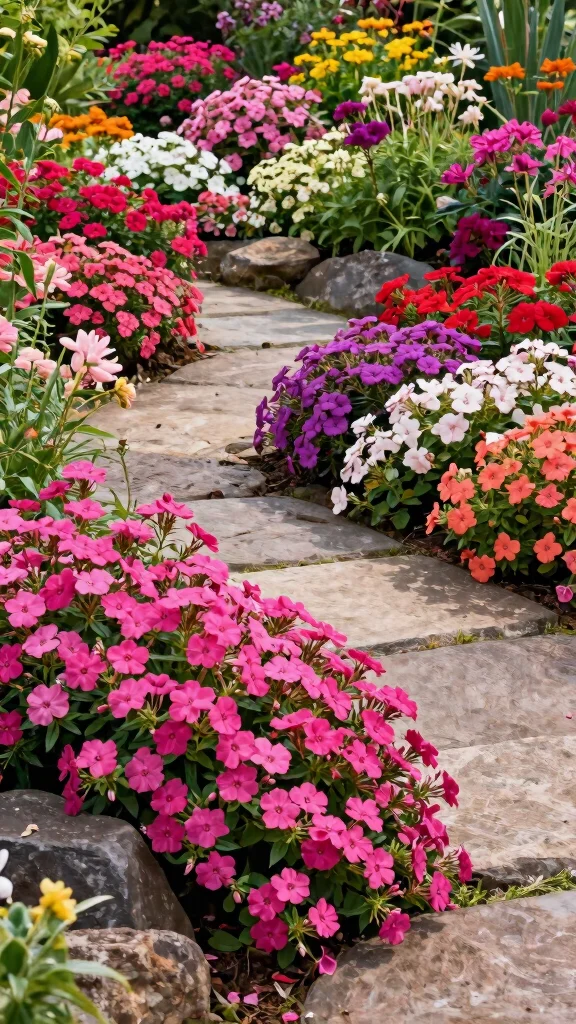
Incorporating creeping phlox into your garden design brings a vibrant and picturesque element to sloped landscapes. With their stunning colors, low maintenance needs, and versatility, these hardy ground cover plants can transform any outdoor space into a breathtaking setting.
Experiment with the ideas presented, and let creativity flourish in your garden. Whether it’s cascading over pathways, defining borders, or creating a sea of blooms, creeping phlox will truly enhance any garden design.
Note: We aim to provide accurate product links, but some may occasionally expire or become unavailable. If this happens, please search directly on Amazon for the product or a suitable alternative.
This post contains Amazon affiliate links, meaning we may earn a small commission if you purchase through our links, at no extra cost to you.
Frequently Asked Questions
Question: What makes creeping phlox landscaping an ideal ground cover for sloped gardens?
Answer: Creeping phlox landscaping creates dense, spreading mats that grip soil and prevent erosion on slopes, while delivering spectacular color year after year. As ground cover plants and perennial flowers, they establish quickly and require surprisingly little care compared with many other slope solutions. With their shallow roots and vigorous bloom, you get colorful landscaping that stays tidy and spillover-friendly across garden edges.
Because they bloom in spring and tolerate full sun to partial shade, they’re a dependable choice for low maintenance plants landscapes.
Question: How should I plant creeping phlox on a slope to maximize spillover effect and low maintenance?
Answer: Start with well-drained soil and full sun for best performance. Dig shallow trenches or spacing rows about 12–18 inches apart, then plant creeping phlox plugs or nursery plants on the slope so the foliage can cascade down the grade. Mulch to conserve moisture, and water deeply but infrequently as roots establish. Use a simple irrigation plan and avoid overwatering. This setup makes your slope look like a natural carpet and keeps maintenance manageable, a key part of creeping phlox landscaping on slopes.
Tip: Add a living border with stone or edging to further control runoff.
Question: What are some garden design ideas using creeping phlox as a ground cover for color throughout seasons?
Answer: Try layering creeping phlox with other ground cover plants and perennial flowers for year-round interest. Create color blocks along retaining walls, spill it over rock borders for a colorful landscaping effect, or edge curved pathways with phlox to guide the eye. Pair it with spring bulbs for early color, then layer late-summer perennials for continued interest. These garden design ideas show off a vibrant, low-maintenance landscape that highlights creeping phlox landscaping principles.
Question: Are creeping phlox landscaping ideas suitable for low maintenance landscapes, and what care do they need?
Answer: Absolutely. Creeping phlox is a classic low maintenance plants choice because it forms durable mats, requires minimal pruning, and tolerates drought once established. After flowering, trim back spent blooms to keep tidy and encourage a second flush in some varieties. Feed lightly with a balanced fertilizer in spring, ensure good drainage, and weed regularly to keep the edge neat. With proper care, this creeping phlox landscaping remains relatively hands-off and keeps slopes looking lush.
Question: How can I choose the right creeping phlox varieties to get a long blooming period and colorful landscaping effect?
Answer: Look for cultivars with different bloom colors and staggered bloom times to extend color in your garden. Choose varieties that suit your climate and soil (well-draining, moderately fertile), and check their mature spread to avoid overcrowding. Mix a range of perennial flowers and ground cover plants that complement phlox foliage. Together you’ll achieve a layered, sun-loving, long-blooming display that screams colorful landscaping while staying in the realm of practical, low maintenance creeping phlox landscaping.
Related Topics
creeping phlox landscaping
ground cover plants
perennial flowers
colorful landscaping
low maintenance plants
sloped garden design
fall garden tips
easy gardening
landscaping solutions
vibrant ground cover
garden design ideas
beginner gardening