
Creating a backyard that is both beautiful and productive is a dream for many gardening enthusiasts. If you’ve been thinking about transforming your outdoor space into a stunning edible paradise, you’re in the right place. Growing fruit trees not only adds visual appeal but also provides fresh, nutritious fruit right at your doorstep. I created this post to share some inspiring and practical fruit tree backyard landscaping ideas that can help you achieve an inviting and fruitful garden.
This guide is perfect for gardeners of all experience levels who want to integrate edible plants into their landscape. Whether you’re a seasoned pro or just starting out, the ideas here will inspire you to blend aesthetics with productivity. Your backyard can become a vibrant tapestry of color, flavor, and sustainability, all while attracting beneficial wildlife and creating a serene environment.
In this post, you’ll uncover ten creative ways to use fruit trees in your landscaping. From artistic espalier techniques to creating a mixed fruit orchard, each idea is designed to not only yield delicious fruit but also enhance the beauty of your outdoor space. Let’s dig into these ideas and see how you can make your garden the envy of the neighborhood!
Key Takeaways
– Diverse Designs: Explore various backyard fruit tree designs, like espalier or mixed orchards, that maximize both beauty and productivity.
– Companion Planting: Learn about the benefits of pairing fruit trees with companion plants to promote healthy growth and pest resistance.
– Seasonal Interest: Discover how to highlight different fruit trees for year-round appeal and seasonal beauty in your garden.
– Sustainable Practices: Implement sustainable gardening practices to create a thriving ecosystem in your backyard while enjoying fresh fruit.
– Wildlife Benefits: Understand how to create wildlife-friendly groves that not only support local fauna but also contribute to a balanced garden environment.
1. Fruit Tree Espalier: Art Meets Utility

Feeling inspired to transform your garden into a stunning visual masterpiece? The espalier technique allows you to train fruit trees to grow flat against walls, turning your yard into a living artwork. Picture lines of apple or pear trees, their branches elegantly arranged to flaunt blossoms in spring and juicy fruits in summer. This method not only enhances your space but also captures sunlight beautifully, making it ideal for compact gardens.
Using espalier can save space while providing a delightful harvest. Plus, it adds a unique charm that can elevate your gardening experience. Regular pruning and care will keep your trees healthy and productive, allowing you to enjoy the fruits of your labor in style.
Consider using heirloom varieties to add character and historical significance to your garden. A simple trellis or wall can serve as the perfect backdrop for this artistic endeavor.
Fruit Tree Espalier: Art Meets Utility
Editor’s Choice

Down To Earth All Natural Fertilizers Organic Fruit Tree – Plant Food fo…


Surface Mounted Heavy Duty Universal Espalier/Trellis Kit for Climbing P…

Fiskars Bypass Pruning Shears, 5/8″ Cut Capacity Gardening Scissors, Sel…
2. Mixed Fruit Orchard: A Bounty of Variety

Are you dreaming of a vibrant oasis in your backyard filled with delicious fruits? A mixed fruit orchard is the perfect solution to bring diversity and continuous harvests throughout the seasons. Envision an array of trees, from figs to cherries, each offering its unique flavor and beauty. This delightful mix not only attracts various pollinators but also creates a beautiful patchwork of colors and textures.
Planting different fruit trees together ensures easy access when harvest time arrives, making your gardening experience both enjoyable and productive. To maximize pollination, choose trees that bloom at overlapping times and arrange taller trees to provide shade for smaller varieties.
Including companion plants like herbs and flowers will enhance your orchard’s biodiversity and beauty. This harmonious blend will enrich your gardening journey while supporting sustainable practices.
Mixed Fruit Orchard: A Bounty of Variety
Editor’s Choice

True Organic Fruit & Nut Food – Organic Fertilizer for Productive Tree…
Fiskars Bypass Pruning Shears, 5/8″ Cut Capacity Gardening Scissors, Sel…
Rapitest Soil Test Kit for Gardens, Vegetables, Flowers and Lawns. USA d…
3. Fruit Tree Borders: A Living Fence

Looking for an innovative way to define your backyard spaces while enjoying fresh fruit? Using fruit trees as living borders is a fantastic solution. Imagine a natural fence made up of dwarf peach or nectarine trees, providing structure and privacy, while turning a plain boundary into a productive landscape feature. These borders can also serve as habitats for wildlife, enriching your garden’s biodiversity.
To create effective fruit tree borders, opt for dwarf or semi-dwarf varieties that are easy to manage. Make sure to space the trees adequately for healthy growth and air circulation. Planning for seasonal changes in fruit production will ensure a delightful variety throughout the year.
This approach allows you to relish fresh fruit while maintaining an attractive and functional garden design.
Fruit Tree Borders: A Living Fence
Editor’s Choice
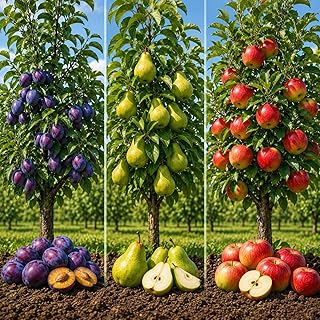
Apple, Plum & Pear Trees (3-Pack) – Dwarf Fruit Trees, Easy Grow Backy…
Apple, Plum & Pear Trees (3-Pack) – Dwarf Fruit Trees, Easy Grow Backy…
4. Fruit Trees with Companion Plants: A Symbiotic Relationship
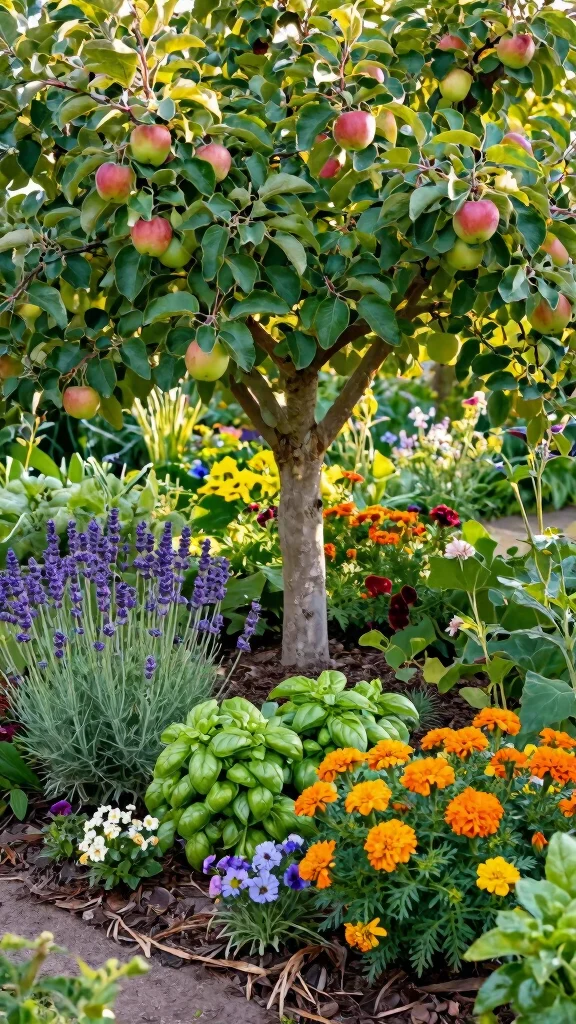
Ever thought about how companion planting can elevate your garden’s health and beauty? By pairing fruit trees with companion plants, you create a sustainable environment that boosts growth and deters pests. Imagine your apple trees surrounded by aromatic herbs like basil and lavender, not only enhancing visual appeal but also attracting beneficial insects.
This dynamic combination fosters a self-sustaining ecosystem where plants support each other. The benefits of companion planting are numerous: improved soil health, reduced reliance on chemical pesticides, and enhanced flavors in your fruits.
Choose your companion plants wisely. For example, planting marigolds near your trees can help repel harmful insects while inviting pollinators. This strategy not only beautifies your garden but also nurtures a thriving ecosystem right in your backyard!
Fun fact: Pairing fruit trees with herbs can boost beneficial insects by up to 30%, enhancing fruit trees backyard landscaping naturally. Plant basil and lavender near apple trees to invite pollinators and predators. A thriving, self-sustaining ecosystem grows sweeter fruit with less work.
📹 Related Video: Science-Based Companion Planting Combinations That WORK
Fruit Trees with Companion Plants: A Symbiotic …
Editor’s Choice

Companion Plant Seeds 5 Variety Collection for Planting – Basil, Borage,…

Pollinator Attracting Wildflower Seeds – Attracts Bees, Butterflies, and…
5. Circular Fruit Tree Garden: Embrace the Round Design

Do you want to make your backyard stand out with a unique layout? A circular fruit tree garden is an eye-catching way to maximize space while creating an inviting atmosphere. Envision a cozy circular area filled with cherry trees, enhanced by an outer ring of smaller bushes or herbs. This design fosters social interaction, making it the perfect spot for gatherings and relaxation.
Not only does a circular garden look stunning, but it also simplifies maintenance and harvesting. Plan paths to guide visitors through your space, and consider adding seating for those moments of reflection.
Including ornamental plants will provide seasonal color changes, creating a dynamic environment. As your trees grow, they will form a lovely canopy overhead, perfect for summer picnics and gatherings!
You might also like


How To Choose The Right Fruit Trees for Your Backyard Landscaping
Choosing the right fruit trees for your backyard landscape can significantly enhance both the beauty and productivity of your space. With so many options available, you’ll want to consider several factors to ensure you select trees that thrive in your environment. Let’s break down the key criteria to keep in mind when selecting fruit trees for your backyard.
1. Climate Compatibility
Choose fruit trees that are suited to your local climate. Some trees thrive in warmer regions, while others prefer cooler temperatures. Research the hardiness zone for your area. This will guide you to select trees that are more likely to thrive and produce fruit. For example, citrus trees love warm weather, while apple trees prefer cooler climates.
2. Soil Quality
The type of soil in your backyard plays a crucial role in the success of your fruit trees. Conduct a soil test to check pH levels and nutrient content. Most fruit trees prefer slightly acidic to neutral soil (pH 6.0 to 7.0). You may need to amend your soil with organic matter or compost to create the perfect environment for growth. Good drainage is also essential to prevent root rot.
3. Space Requirements
Consider how much space you have available for planting. Some fruit trees grow quite large and need ample room to spread their branches and roots. Dwarf varieties may be ideal for smaller gardens or patios, as they only grow to about 4–8 feet tall. Check the mature height and spread of the trees you’re interested in to ensure proper spacing.
4. Pollination Needs
Many fruit trees require cross-pollination to set fruit. This means you might need to plant two or more trees of different varieties that can pollinate each other. Research whether the trees you’re considering are self-pollinating or need a companion plant. For example, most apple varieties will benefit from having another apple tree nearby to produce a good yield.
5. Maintenance Level
Different fruit trees require varying levels of care and maintenance. Some trees may need regular pruning, while others are relatively low-maintenance. If you’re a busy gardener or new to fruit tree care, start with easier varieties, such as fig or cherry trees, which tend to require less attention compared to others like peaches or plums.
6. Desired Fruit Type and Harvest Time
Think about the type of fruit you want to grow and when you want to harvest it. Some trees produce fruit in the summer, while others may yield in the fall. Make a list of your favorite fruits and prioritize those. Consider planting a mix of trees that bear fruit at different times of the year to extend your harvest season and enjoy fresh fruit longer.
Pro Tip: Visit local nurseries or farmers’ markets to see what fruit trees are thriving in your area. Speaking with experienced gardeners can provide valuable insights into what works best in your specific conditions.
By keeping these selection criteria in mind, you can create a productive and beautiful fruit tree backyard landscaping that will not only look appealing but will also provide delicious homegrown fruits for years to come. Happy gardening!
Circular Fruit Tree Garden: Embrace the Round D…
Editor’s Choice
True Organic Fruit & Nut Food – Organic Fertilizer for Productive Tree…

40 LBS Grey Pea Gravel – Landscape Rocks – Drainage Rock – Gardening – A…

EasyFlex No-Dig Landscape Edging with Anchoring Spikes, 2.7 in Tall Deco…
6. Trellised Fruit Trees: Vertical Landscaping

Are you ready to elevate your garden design with vertical landscaping? Incorporating trellises with fruit trees is a brilliant way to utilize vertical space while adding height to your garden. Picture a charming lattice structure adorned with climbing fruit-bearing plants like grapevines and kiwi, creating an impressive focal point.
Trellised trees take up less ground space, making them perfect for smaller gardens. They also maximize sunlight exposure and improve air circulation, which is crucial for healthy growth.
Choose sturdy trellises and ensure regular training to maintain the shape and health of your trees. The outcome will be a stunning vertical garden that’s both functional and beautiful, providing fresh fruit while enhancing your outdoor space.
Trellised Fruit Trees: Vertical Landscaping
Editor’s Choice

Hardy Kiwi (Actinidia arguta) – Grow Now or Store for Future Planting – …
Grape Growers Plants Kit – 3 Live Grape Plants – Red, Green & Concord …
Natural Bamboo Trellis 24 Inches Tall, Mininfa Garden Ladder Trellis, Pl…
7. Fruit Tree Guilds: A Community of Plants
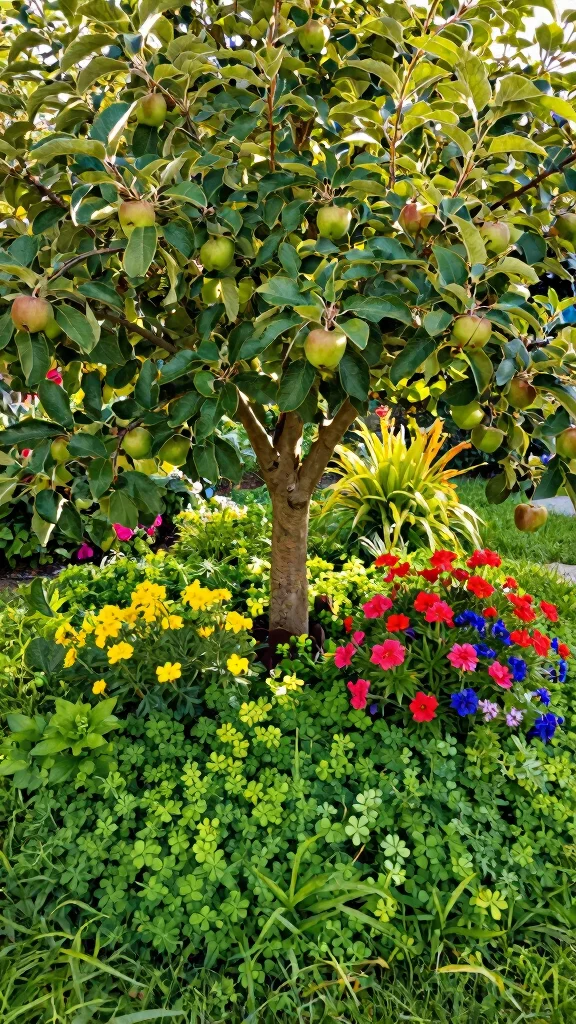
Looking for a way to create a thriving ecosystem in your garden? Fruit tree guilds offer a fantastic solution by incorporating a variety of plants that work together harmoniously. Imagine a central fruit tree surrounded by nitrogen-fixing plants, ground covers, and colorful flowering companions, all promoting healthy soil and maximizing resource use.
Guilds mimic natural ecosystems, leading to resilience and productivity. To build a successful fruit tree guild, select a central heirloom fruit tree and pair it with plants like clover for nitrogen fixation and ground covers to suppress weeds.
This thoughtful approach fosters a balanced environment that encourages growth and enhances the beauty of your backyard, making it a delightful space for both you and nature.
Fruit trees backyard landscaping becomes a tiny, thriving forest when you plant a guild around your centerpiece. Choose nitrogen-fixers, ground covers, and blooms to boost soil health while cutting maintenance. Start small: a central heirloom tree, a few companions, and watch resilience grow.
Fruit Tree Guilds: A Community of Plants
Editor’s Choice

Honey Crisp Live Apple Tree, Red-Yellow Color, Sweet Tart Flavor, 1 gal …

Burpee Wildflower 25,000 Bulk, 1 Bag, 18 Varieties of Non-GMO Flower See…

No-Till Garden Farm and Garden Cover Crop Mix Seeds – 5 Lbs – Blend of G…
8. Seasonal Fruit Tree Highlights: A Year-Round Show

Want to keep your backyard vibrant and lively all year long? Incorporating seasonal fruit trees ensures a beautiful spectacle that changes with the seasons. Picture a mix of trees that explode with blooms in spring, yield fruits in summer, and flaunt stunning autumn foliage. This dynamic landscape allows you to enjoy a fresh experience with each passing season.
Select trees that highlight different times of the year, such as cherry trees for spring and apple trees for summer. Planting early and late fruiting varieties will extend your harvests, while considering foliage color changes will add fall appeal to your garden.
Mixing in ornamental shrubs will provide year-round visual interest, making your garden not only productive but also a captivating space to admire.
You Might Also Like

Seasonal Fruit Tree Highlights: A Year-Round Show
Editor’s Choice
Back to the Roots 100% Organic Mulch, 58 Quart, Expanding Coconut Husk B…
True Organic Fruit & Nut Food – Organic Fertilizer for Productive Tree…
Fiskars Bypass Pruning Shears, 5/8″ Cut Capacity Gardening Scissors, Sel…
9. Potager Style Fruit Trees: A Kitchen Garden

Do you dream of a kitchen garden that seamlessly blends beauty with utility? A potager-style garden featuring fruit trees offers the perfect marriage of aesthetics and functionality. Picture a well-structured layout filled with neatly arranged beds of vegetables, herbs, and fruit trees, creating a charming and productive environment.
Grouping fruit trees with edible plants not only maximizes productivity but also creates an inviting atmosphere. To enhance your potager garden, include a variety of fruits and vegetables for year-round harvests.
Pathways made of natural materials like wood or stone can guide visitors through your garden, while ornamental borders with flowers add a touch of charm. This style transforms your backyard into a culinary paradise, allowing you to enjoy fresh meals right from your garden.
Did you know a potager-style setup with fruit trees can boost edible landscaping productivity by up to 40%? Grouping fruit trees with vegetables and herbs creates a beautiful, practical kitchen garden in your backyard—turning beauty into harvests you can savor all season.
Potager Style Fruit Trees: A Kitchen Garden
Editor’s Choice

Fruit and Veggies 101 – Container & Raised Beds Vegetable Garden: Garden…
Fiskars Bypass Pruning Shears, 5/8″ Cut Capacity Gardening Scissors, Sel…

Miracle-Gro Fruit & Citrus Plant Food Spikes – 10-15-15 NPK Easy-To-Use …
10. Wildlife-Friendly Fruit Tree Groves: Nature’s Allies

Are you passionate about creating a garden that nurtures local wildlife? Designing your backyard with wildlife in mind fosters a beautiful connection between your garden and nature. Imagine planting native fruit trees that attract birds, bees, and beneficial insects, all while providing you with a delicious harvest.
Incorporating natural habitats like wildflower patches and shrubs will encourage nesting and support local fauna. By selecting native fruit tree varieties suited to your area, you can ensure a thriving ecosystem.
Promote biodiversity by diversifying your plantings, and avoid pesticides to maintain a healthy environment. By nurturing wildlife, your backyard becomes a productive paradise that benefits both you and the local ecosystem.
Wildlife-Friendly Fruit Tree Groves: Nature’s A…
Editor’s Choice

Dwarf Black Cherry Fruit Tree Live Plant Seedling – Prunus serotina, Gre…

Wildflower Seeds Bulk Mix – 10,000+ Perennial & Annual Seeds – Texas, Ca…
Conclusion
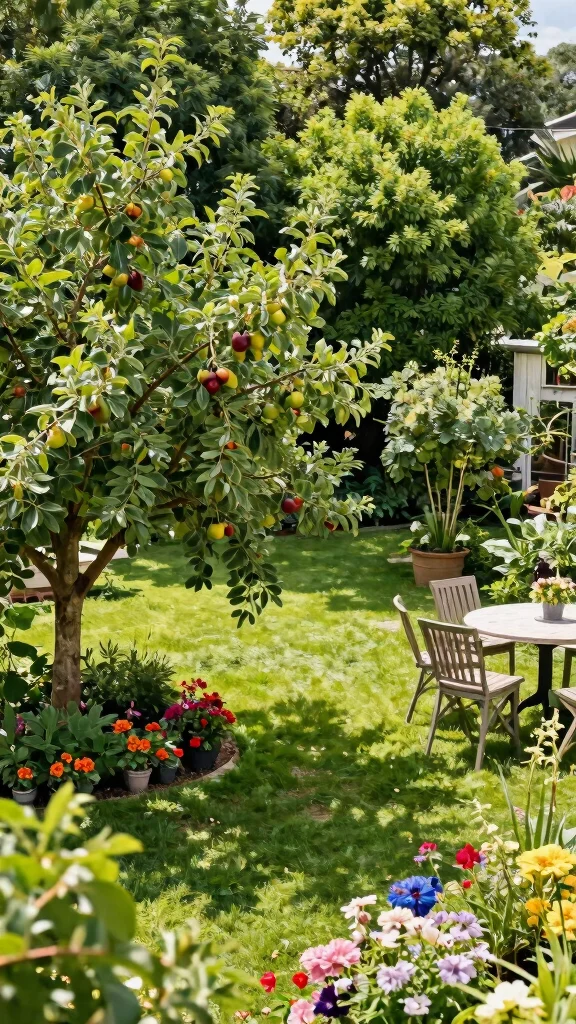
Designing your backyard with fruit trees offers a unique opportunity to blend beauty and productivity seamlessly.
From creative layout ideas to sustainable practices, these heirloom varieties can transform your space into an edible paradise. As you explore these landscaping ideas, remember that the journey of gardening is as rewarding as the harvest itself. Dive into these concepts and create your own fruitful haven today!
Note: We aim to provide accurate product links, but some may occasionally expire or become unavailable. If this happens, please search directly on Amazon for the product or a suitable alternative.
This post contains Amazon affiliate links, meaning we may earn a small commission if you purchase through our links, at no extra cost to you.
Frequently Asked Questions
What are the best fruit trees for productive fruit trees backyard landscaping design?
Start by matching climate and space. Choose dwarf or semi-dwarf varieties of apples, pears, peaches, plums, and figs so you can manage harvests and rootstock vigor.
Favor heirloom varieties when possible for flavor and resilience. Plant in a sunny, well-drained spot, space trees to allow air flow, and group them as a cohesive backyard fruit tree design.
Pair compatible varieties to support pollination and stagger harvests for a steady supply of fresh fruit—perfect for fruit trees backyard landscaping and edible landscaping tips.
How can I design a backyard that is both ornamental and productive with heirloom fruit trees?
Think layered planting: use flowering shrubs, herbs, and ornamental fruit trees to create year‑round beauty. Train trees with espalier or fan pruning to save space and add architectural interest to your ornamental fruit trees lineup.
Incorporate trellises, arbors, and winding paths to boost visual appeal while keeping maintenance practical. Choose heirloom varieties for unique flavors and character, and plan for staggered bloom and harvest to maintain productive landscaping ideas throughout the season.
What practical steps can I take to start edible landscaping with heirloom fruit trees on a small lot?
First, assess your microclimate and pick the sunniest spots. Improve soil with compost and organic matter, and choose dwarf or columnar varieties for compact spaces. Use drip irrigation and mulch to conserve water, then plant in well‑spaced groups to simplify care and ensure air circulation.
Install an irrigation plan and consider raised beds or strategic bed layouts for easy access. Keep a simple harvest calendar and label varieties to support ongoing edible landscaping tips.
How can I practice sustainable gardening while keeping ornamental appeal in fruit tree landscaping?
Prioritize sustainable gardening practices by using drip irrigation, mulch, and compost to build healthy soil and reduce water use. Choose disease‑resistant heirloom varieties to lower chemical needs, and support pollinators with diverse bloom times and native plants.
Implement rainwater harvesting, minimize chemical inputs, and use integrated pest management. This helps your landscape stay productive and beautiful without harming the environment.
What are common mistakes to avoid in backyard fruit tree design and maintenance?
Avoid ignoring your climate and pollinator needs—select varieties that pair well with your area and with compatible bloom times. Don’t overcrowd trees or plant too close to structures, which hurts air flow and growth. Use the right rootstock for size control and ensure proper spacing, irrigation, and soil health.
Also, don’t neglect winter protection in colder zones, skip regular pruning, or delay disease/pest management. A thoughtful layout with proper maintenance keeps your fruit trees backyard landscaping both beautiful and productive.
Related Topics
fruit trees backyard landscaping
edible landscaping
ornamental fruit trees
sustainable gardening
productive landscaping
heirloom varieties
backyard fruit design
gardening for beginners
seasonal planting
organic gardening tips
landscaping aesthetics
low-maintenance gardens