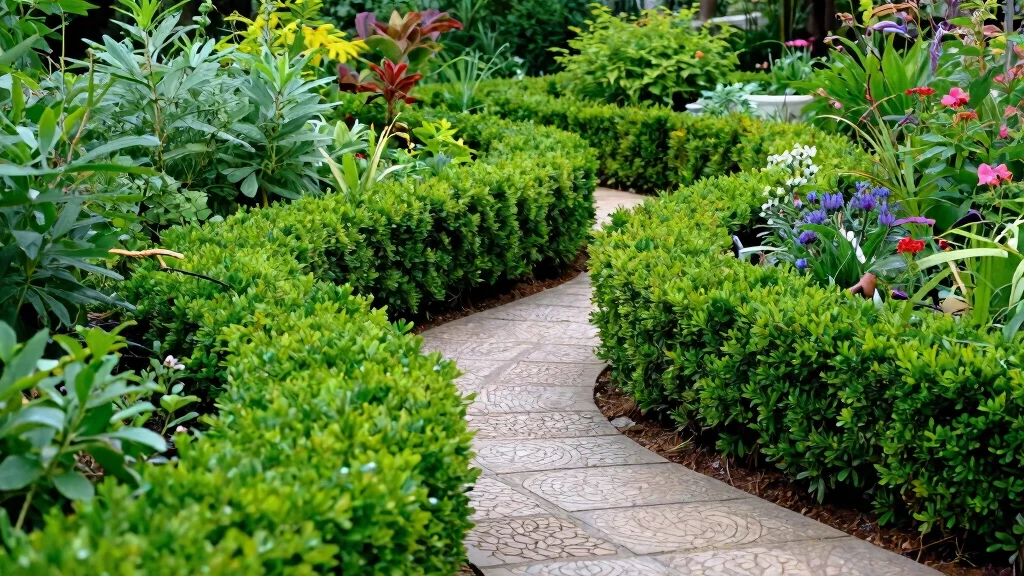
Creating a stunning garden often involves more than just colorful flowers and well-placed furniture. The right hedge plants can transform your outdoor space, providing natural borders that enhance the beauty of your yard. I put this together because I know how daunting it can be to select the best options for your garden. After all, the right hedge can offer privacy, attract wildlife, and even require minimal upkeep.
If you’re someone who loves gardening or is looking to create a sustainable pollinator-friendly space, this post is for you. Whether you’re a seasoned gardener or just starting your green thumb journey, these ideas will inspire you to incorporate hedges that not only look great but also thrive year after year. You’ll discover seven creative hedge plant landscaping ideas that are low-maintenance, environmentally friendly, and perfect for creating that cozy, inviting atmosphere you’ve always wanted.
From fragrant lavender hedges to berry-producing shrubs, there’s something for everyone. Each idea is crafted to help you achieve a beautiful, functional garden that supports local wildlife and looks better with each passing season. Let’s dive into these hedge plant landscaping ideas that will elevate your garden and enrich your outdoor experience!
Key Takeaways
– Yearly Improvement: Hedge plants grow and flourish over time, making your borders more appealing with each season.
– Diverse Options: You’ll find a variety of hedge plant designs, from fragrant lavender to berry-producing shrubs, ensuring there’s a perfect match for your garden’s needs.
– Sustainable Choices: Many of the hedges discussed are beneficial for pollinators, creating not just a beautiful border but also supporting local ecosystems.
– Low-Maintenance Benefits: Some hedge options require minimal care, making them ideal for busy gardeners who still want a vibrant outdoor space.
– Privacy and Wildlife: Choosing the right hedge plants can offer year-round privacy while also providing habitats for birds and beneficial insects.
1. Fragrant Lavender Hedges

Imagine stepping into your garden and being greeted by the soothing scent of lavender. Using lavender as a hedge not only creates a fragrant border but also invites friendly pollinators like bees and butterflies. With its stunning purple blooms, lavender is a low-maintenance choice that flourishes in sunny spots with well-drained soil. Once established, they require little water, making them perfect for eco-conscious gardeners looking to enhance their landscapes.
To successfully plant lavender hedges, ensure you choose varieties like ‘Hidcote’ or ‘Munstead’ for compact growth. Space the plants about 18 inches apart for a lush hedge, and remember to prune them back in late fall to encourage healthy growth.
Key steps for planting lavender:
– Select compact varieties for optimal spacing.
– Maintain 18-inch gaps for density.
– Prune annually for vitality.
Caring for lavender is straightforward! Just provide ample sunlight, and you’ll be rewarded with vibrant blooms year after year. The delightful color and aroma of lavender will enhance your garden’s beauty, creating a stunning border that improves with time.
Fun fact: A fragrant lavender hedge can attract bees and butterflies for up to 6 weeks each summer. Once established, it needs little water, making hedge plants landscaping ideas practical for eco-friendly borders.
Fragrant Lavender Hedges
Editor’s Choice

Soil Sunrise Lavender Potting Soil Mix (8 Quarts) Indoor/Outdoor Contain…


500-piece set of 5 Colors hosta gardening beginner kit – a perennial orn…
2. Drought-Tolerant Succulent Borders

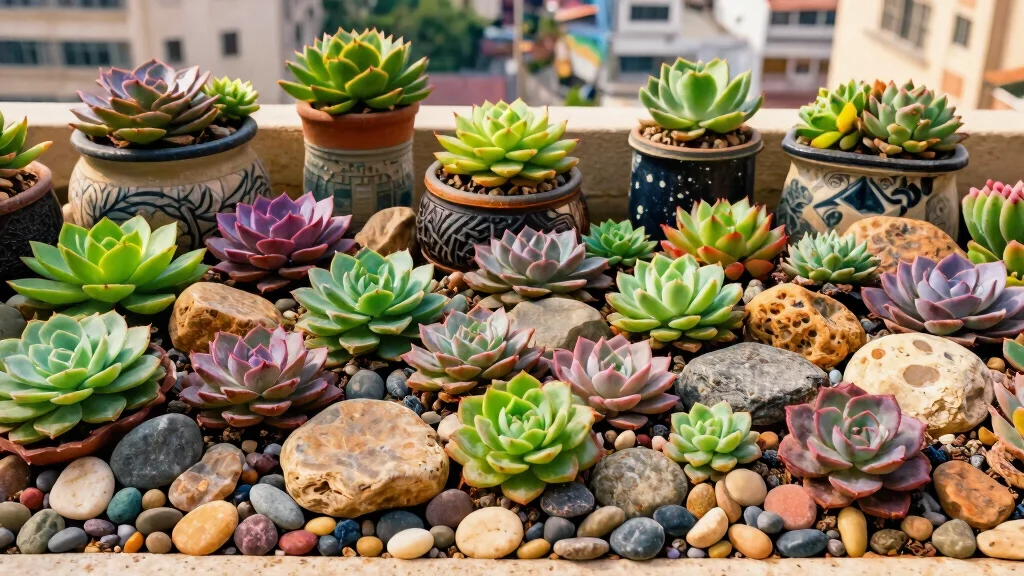
Looking for a creative edge in your landscaping? Drought-tolerant succulents make for a stunning natural border, offering a variety of shapes and colors that outshine traditional hedges. These resilient plants thrive in dry environments, making them ideal for eco-friendly gardens, especially in drought-prone areas. With minimal care required, succulents add unique visual interest and texture to your outdoor space.
To design striking succulent borders, combine various types of succulents for a colorful contrast. Incorporate rocks and gravel to create a desert-themed garden, and cluster plants together for a more organic look.
Design ideas for succulent borders:
– Mix various succulents for vibrant colors.
– Use gravel and rocks for a natural aesthetic.
– Cluster plants for a cohesive appearance.
These low-maintenance hedges provide year-round beauty while conserving water, positively impacting the environment and giving your garden a stylish flair.
Drought-Tolerant Succulent Borders
Editor’s Choice

Rosy Soil Cactus and Succulent Organic Potting Soil Mix for House Plants…

Live Succulent Sedum adolphii Shooting Stars, 2 Inch Fully Rooted Potted…

Mix Horticultural Lava Pebbles Pumice Potting Soil Amendment Succulent C…
3. Berry-Producing Shrubs
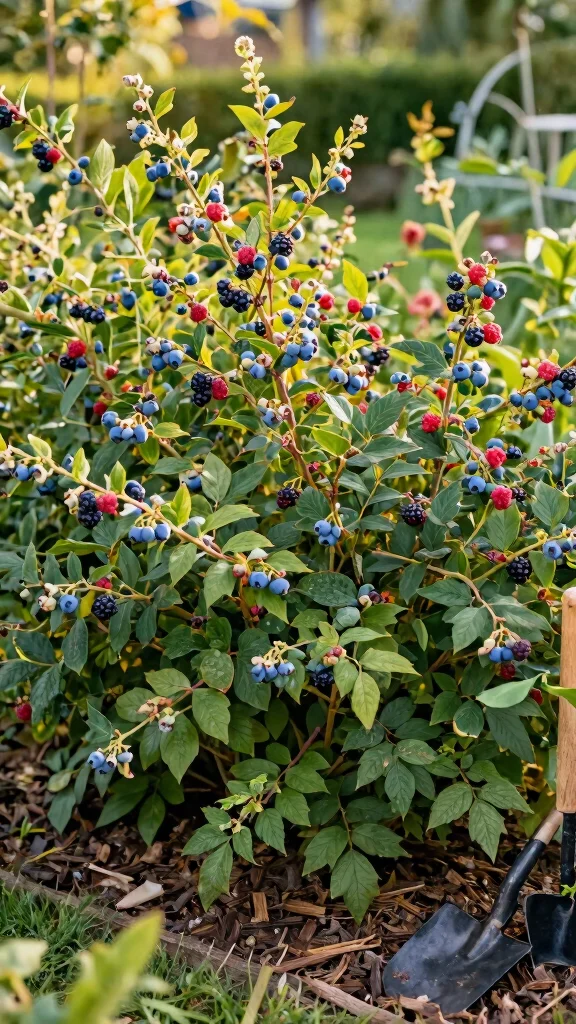
Imagine a garden that not only looks beautiful but also nourishes the wildlife around it. Introducing berry-producing shrubs enriches your landscape while providing vital food sources for birds and other creatures. Plants like blueberry bushes and raspberry canes create a lush backdrop and yield delicious fruits during the warmer months.
When planting berry shrubs, make sure to allow proper spacing for growth and easy harvesting. Choose varieties that thrive in your climate, and prune them in early spring to maintain shape and boost fruit production.
Best practices for berry shrubs:
– Space plants adequately for optimal growth.
– Select climate-appropriate varieties.
– Prune in spring for better yields.
Your garden will not only look enchanting but also deliver fresh berries for your enjoyment. As the seasons change, these hedges will enhance both beauty and utility, offering delightful rewards year after year.
Berry-Producing Shrubs
Editor’s Choice

3 Heritage Everbearing Red Raspberry Plants (3 Lrg 2 Yrs Old Bare Root C…
Perennial Farm Marketplace Vaccinium x angustifolium (Lowbush Blueberry)…
DECERK® 8.5″ Professional Pruning Shears – Cuts 4X Easier with Ultra Sh…
4. Evergreen Privacy Screens

Seeking privacy in your yard? Consider evergreen shrubs like boxwood or arborvitae to create a beautiful natural barrier. These plants provide a lush green backdrop throughout the year, ensuring your space remains secluded and serene. Evergreen hedges thrive in various conditions, requiring minimal maintenance while offering versatility in shaping and pruning.
To make the most of your evergreen hedges, enjoy their ability to grow into a dense wall of greenery over time. These plants not only enhance privacy but also serve as windbreaks and noise reducers, making your outdoor oasis even more enjoyable.
Benefits of evergreen hedges:
– Ensures privacy year-round.
– Acts as a windbreak and noise barrier.
– Easy to maintain and shape.
With proper care, your evergreen hedges will flourish, creating a beautiful sanctuary that enhances the tranquility of your outdoor space.
You might also like

Top Varieties for Different Conditions
Fragrant Lavender Hedges
– Best conditions: Thrives in hot, dry climates with well-draining soil. Perfect for sunny spots in your garden.
– Key features: Lavender hedges not only provide a stunning visual appeal but also attract pollinators with their fragrant blooms. They can bloom multiple times a year, adding color and scent to your garden.
– Considerations: While drought-tolerant, lavender requires full sun and well-drained soil. Avoid overwatering to prevent root rot.
Drought-Tolerant Succulent Borders
– Best conditions: Ideal for arid regions with limited rainfall. Excellent for low-water gardens.
– Key features: Succulents are hardy and come in various shapes and colors, providing unique textures and visual interest. They require minimal maintenance and can thrive in poor soil.
– Considerations: Ensure the soil is sandy or gravelly for proper drainage. Some succulents may not tolerate extreme cold, so check your local climate.
Berry-Producing Shrubs
– Best conditions: Suitable for temperate climates with moderate rainfall. Great for attracting wildlife.
– Key features: Shrubs like blueberry or raspberry bushes can serve as natural borders while providing delicious fruit. They also support local pollinators and birds, enhancing your garden’s ecosystem.
– Considerations: These plants may require specific pH levels in soil and can attract pests, so monitor their health closely.
Evergreen Privacy Screens
– Best conditions: Perfect for various climates, especially in areas needing year-round privacy. Works well in both sunny and partially shaded areas.
– Key features: Varieties like Boxwood or Arborvitae provide solid barriers that retain their foliage throughout the year. They can also reduce noise from outside.
– Considerations: Some evergreens may require pruning to maintain their shape and density. Ensure adequate spacing for growth and air circulation.
Colorful Flowering Hedges
– Best conditions: Flourishes in temperate climates with plenty of sunshine. Ideal for creating vibrant garden borders.
– Key features: Plants like Hydrangeas or Butterfly Bushes bloom with stunning flowers, attracting bees and butterflies. Their beauty changes with the seasons, adding interest year-round.
– Considerations: Regular watering is needed, especially during dry spells. Some flowering hedges may benefit from deadheading to encourage new blooms.
Edible Herbal Borders
– Best conditions: Thrives in sunny spots with well-drained soil. Perfect for kitchens or herb gardens.
– Key features: Herbs like Rosemary or Thyme not only look great but also add fragrance and culinary options. They can be used fresh or dried, making them practical and beautiful.
– Considerations: Some herbs may require specific moisture levels. Be cautious of potential pests that like to feast on herbs.
Native Shrubs for Wildlife Habitat
– Best conditions: Suited for local climates, especially where native plants thrive best. Great for enhancing biodiversity.
– Key features: Choosing native varieties supports local wildlife, including pollinators. They are usually low-maintenance and adapted to local conditions, making them easier to care for.
– Considerations: Research local native plants to ensure they are suitable for your space and climate. Some may spread quickly, so regular management may be needed.
Growing Tips:
– Choose the right hedge plants for your climate and soil type. Understanding your yard’s unique conditions will help you select the best options.
– Regularly prune and maintain your hedges to encourage healthy growth and vibrant blooms. This will also help prevent diseases and pests from taking hold.
Avoid:
– Avoid planting hedges that require high maintenance if you prefer a low-maintenance garden. Choose hardy, drought-tolerant options instead.
– Don’t ignore the spacing needs of your selected plants. Crowded plants can lead to poor growth and increase vulnerability to pests.
Evergreen Privacy Screens
Editor’s Choice

Perfect Plants Thuja Green Giant 2ft. Tall 8-Pack | Privacy Evergreen Ar…

Fiskars Bypass Pruning Shears, 5/8″ Cut Capacity Gardening Scissors, Sel…

5. Colorful Flowering Hedges

Add a splash of color and fragrance to your garden with flowering hedges. Varieties like hibiscus, flowering quince, and butterfly bush not only attract pollinators but also deliver stunning visual appeal throughout the seasons. These plants bloom at different times of the year, ensuring your garden remains vibrant and lively.
When planting flowering hedges, group them together for a cohesive color scheme and consider layering for added height variation. Opting for native flowering plants can also support local ecosystems while providing beauty.
Suggestions for planting flowering hedges:
– Group for harmonious color themes.
– Layer for dynamic visual interest.
– Choose native plants for ecosystem support.
Watching these hedges flourish over the years will bring joy to your garden, while also providing a continuous source of food and habitat for local pollinators.
Fun fact: Flowering hedges can attract up to 50% more pollinators than non-flowering borders in a season. When you group hibiscus, flowering quince, and butterfly bush, you create a colorful, layered fence that blooms at different times. It’s one simple way to boost hedge plants landscaping ideas.
Colorful Flowering Hedges
Editor’s Choice

Perfect Plants Nanho Butterfly Shrub 1 Gallon | Live Bush for Outdoor Pl…

Proven Winners – Chaenomeles Double Take Scarlet (Quince) Shrub, scarlet…

Costa Farms Live Hibiscus Plant – Red Tropical Outdoor Flowering Plant, …
6. Edible Herbal Borders
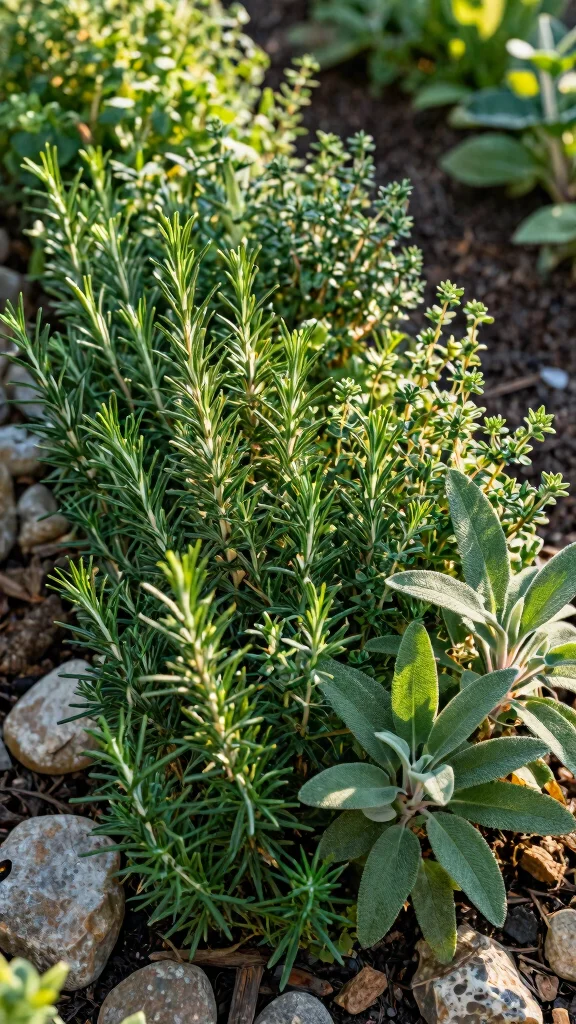
Create a culinary haven in your garden with a hedge of aromatic herbs. Plants like rosemary, thyme, and sage not only enhance your garden’s beauty but also provide fresh flavors for your cooking. These herbs are easy to care for and can be harvested regularly, making them a practical addition for any gardener.
An herb border can attract pollinators and beneficial insects, promoting a healthy ecosystem in your garden. Mix different herbs for a varied texture and ensure good drainage to keep them thriving.
Tips for planting an herb hedge:
– Combine various herbs for diverse textures.
– Ensure good drainage to avoid root issues.
– Regularly prune for bushy growth.
The lush greenery of herbs, combined with their delightful fragrances, transforms your garden into a sensory experience. As you harvest and enjoy, your herb hedge will grow even more rewarding over time.
Your hedge plants landscaping ideas can become an edible border attracting pollinators and flavors for cooking. Grow rosemary, thyme, and sage—harvest regularly for fresh herbs and a hedge you’ll love year after year.
📹 Related Video: How to make a chive hedge 🌿 Edible + ornamental gardening
You Might Also Like


Edible Herbal Borders
Editor’s Choice

HOME GROWN Non GMO Rosemary Seeds Pack – 150 High Germinating Heirloom H…

Back to the Roots 25.7qt (1 Cubic ft) Organic Premium Mulch

Meekear 5 Herb Seeds Garden Starter Kit with Complete Planting Kit & Woo…
7. Native Shrubs for Wildlife Habitat

Enhance your garden’s biodiversity by incorporating native shrubs as hedges. Plants that are indigenous to your area are more likely to thrive in local conditions while providing essential habitats and food for local wildlife. These native hedges require less water and maintenance, making them a sustainable choice for eco-conscious gardeners.
Native shrubs often produce berries and flowers that attract a variety of creatures, from birds to beneficial insects, enriching your garden’s ecosystem. Choosing these shrubs not only beautifies your space but also supports a thriving, sustainable environment.
Advantages of native shrubs:
– Supports local wildlife and ecosystems.
– Requires less water and maintenance.
– Provides year-round visual interest.
By selecting native hedges, you enhance your garden’s beauty while fostering a vibrant ecosystem that evolves beautifully with the seasons.
Native Shrubs for Wildlife Habitat
Editor’s Choice

Growing Trees from Seed: A Practical Guide to Growing Native Trees, Vine…

HealthiStraw GardenStraw, 3 cu ft (20 lbs) All-Natural Mulch for Gardens…

Burpee Wildflower 25,000 Bulk, 1 Bag, 18 Varieties of Non-GMO Flower See…
Conclusion
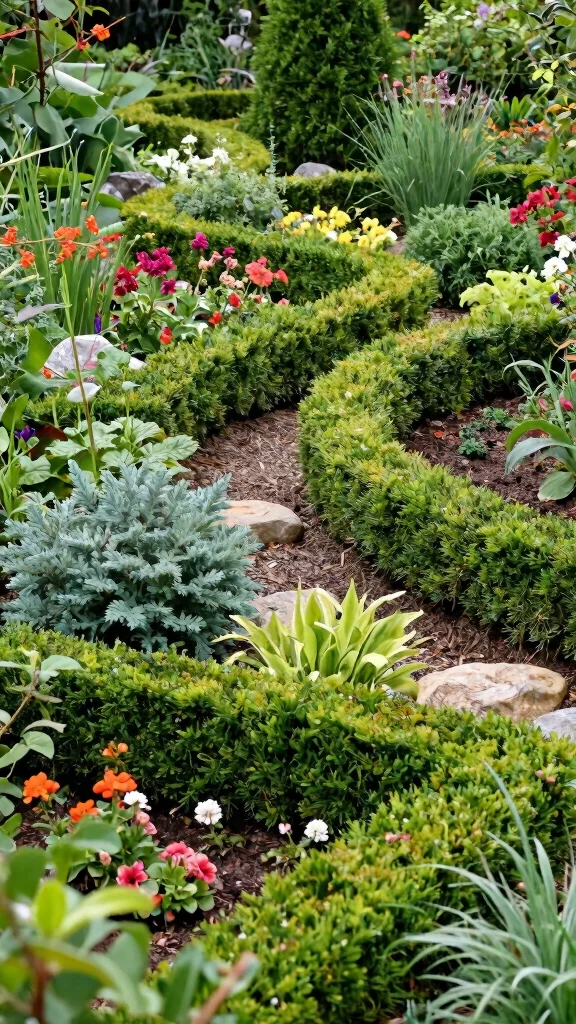
With these seven hedge plant landscaping ideas, you can create stunning natural borders that evolve beautifully with every passing year. By incorporating sustainable options, you’ll not only enjoy the aesthetic appeal but also contribute to a healthier environment for our pollinators and wildlife. Happy gardening!
Consider which hedge options resonate most with your style and needs, and don’t hesitate to experiment with combinations. Embrace the beauty of nature in your own backyard.
Note: We aim to provide accurate product links, but some may occasionally expire or become unavailable. If this happens, please search directly on Amazon for the product or a suitable alternative.
This post contains Amazon affiliate links, meaning we may earn a small commission if you purchase through our links, at no extra cost to you.
Frequently Asked Questions
What hedge plants landscaping ideas create natural borders that look better every year and support pollinators?
For natural borders that age gracefully and attract pollinators, start with a layered hedge. Use an evergreen backbone—think boxwood, yew, holly, or privet—to provide year-round privacy and a solid silhouette that gets better with time.
Underplant with flowering, nectar-rich shrubs such as viburnum, hawthorn, spiraea, or elderberry to entice bees and butterflies across seasons.
Plant in groups, monitor for even growth, and prune lightly after spring blooms to maintain shape without sacrificing flowering. This approach—part hedge plant designs, part natural borders—delivers hedge plants landscaping ideas that become a thriving, low-maintenance garden feature year after year.
Which hedge plant designs offer year-round privacy with low maintenance for a busy garden?
The best way to get year-round privacy with minimal work is to choose evergreen backbone hedges paired with simple shaping. Try a straightforward landscaping with hedges design: a tall, evergreen screen (boxwood, holly, or yew) for winter privacy, topped with a lower flowering layer (hawthorn, viburnum, spiraea) for seasonal color and pollinator resources.
Keep pruning light and regular rather than heavy topiary; remove only a third of growth each year and avoid cutting into old wood. Mulch and water during establishment so your low-maintenance hedge options thrive with less effort.
How can I landscape with hedges to create natural borders that also boost pollinator habitats?
To landscape with hedges that border naturally and support pollinator gardens, pick nectar-rich shrubs and native options. Create a border by alternating evergreen hedges with flowering shrubs that bloom at different times, e.g., native viburnums, elderflower, spiraea, or wild currants. Plant in cohesive blocks to form a continuous curtain that insects can move through.
Incorporate a pollinator-friendly understory such as native grasses or perennials between hedge rows and water sources. Avoid broad-spectrum pesticides and prune after bloom to maintain nectar sources. With this approach, your hedge plant designs become a living border that sustains pollinators and adds beauty to your garden.
What are some low-maintenance hedge options for busy gardeners that still provide structure and beauty?
Some truly low-maintenance hedge options include evergreen staples like boxwood, yew, and holly, plus adaptable choices like privet or small conifers. These shrubs offer reliable form with minimal pruning, especially when planted in a simple, evenly spaced row.
Pair them with a few flowering, drought-tolerant perennials for seasonal color without extra maintenance. Keep mulch around roots, water deeply in the first year, and avoid heavy shearing that can weaken plants. In short, these low-maintenance hedge options deliver dependable structure for landscaping with hedges.
When is the best time to prune hedges to keep them healthy and attractive year-round?
Pruning timing depends on bloom cycles. For spring-blooming hedges (like many viburnums or spiraea), prune after they finish flowering to preserve next year’s blooms. For evergreen year-round privacy hedges, light maintenance pruning can be done in late winter or early spring before new growth.
Avoid heavy pruning in late summer, which can stress plants and reduce fall color. Use clean, sharp tools, remove any dead wood, and consider a light annual shaping to keep hedges neat without sacrificing health. With these pruning steps, your hedge borders stay healthy, tidy, and attractive all year.
Related Topics
hedge plants landscaping
pollinator gardens
natural borders
sustainable gardening
low-maintenance hedges
year-round privacy
beginner friendly
landscaping techniques
garden design ideas
eco-friendly landscaping
visual appeal
seasonal planting