
Creating a stunning garden on a slope can feel overwhelming, but it can also be an exciting opportunity to showcase your creativity. This post is designed for anyone who has a yard with elevation changes and dreams of transforming those hills into a breathtaking outdoor experience. If you’re tired of looking at a neglected sloped yard, or if you want to add functionality and beauty to your property, you’re in the right place.
I’ve gathered 8 hill landscaping ideas that will help you embrace elevation changes. These ideas are not only visually appealing but also practical for controlling erosion and maintaining your sloped yard. Whether you’re a seasoned gardener or just starting, you’ll find tips and techniques that can turn your property into a stunning showcase of nature and design. Get ready to explore terraced gardens, creative erosion control methods, and much more that will bring your hillside to life.
Key Takeaways
– Terraced Gardens: Use terraced designs to create stunning views and maximize planting space on your slope. This method helps prevent erosion while enhancing visual appeal.
– Elevated Planters: Consider using elevated planters for versatile gardening options. These options work well on steep slopes and allow for easier access to your plants.
– Erosion Control Techniques: Implement creative erosion control techniques, like native plants and ground covers, to prevent soil loss and maintain your garden’s health.
– Meandering Pathways: Design meandering pathways to improve accessibility on your slope. Curved paths can guide visitors through various garden areas while providing stability.
– Diverse Planting Techniques: Explore diverse planting techniques, including colorful climbers and drought-tolerant plants, for a dynamic and engaging landscape that thrives in varied conditions.
1. Terraced Gardens for Stunning Views

Terraced gardens are a great way to tackle steep slopes, transforming them into beautiful, flat layers. This approach not only helps prevent erosion but also adds a striking visual element to your yard. Each level can feature a mix of plants, creating a colorful display that changes with the seasons.
Start by selecting plants that will thrive in your local climate and can handle varying sunlight across the terraces. Be sure to create pathways for easy access and maintenance. Here are key tips for crafting the ideal terraced garden:
– Choose plants that suit your climate and sun exposure.
– Create pathways for easy movement between levels.
– Use ground covers on edges to prevent soil runoff.
With a terraced garden, you can create stunning focal points like seating areas or water features, making the most of your elevated views!
Terraced Gardens for Stunning Views
Editor’s Choice

1 Pc Natural Stepping Stone Outdoor, Irregular Garden Stepping Stone, 12…


Jute Erosion Control, Soil Saver Mesh Blanket – 48″ Wide x 20 Yards (60 …

1 Pack Self Watering Tomato Planter with Trellis 64 Inch, Raised Garden …
2. Elevated Planters for Versatile Gardening

Elevated planters are a fantastic way to maximize hilly spaces while adding charm. You can build these from materials like wood or metal, and they come in various styles, from simple boxes to intricate designs. They make gardening easier on your back and enhance the slope’s visual appeal.
Fill your elevated planters with herbs, colorful flowers, or even dwarf fruit trees for a diverse garden. To get started, consider these points:
– Position planters at varied heights for visual interest.
– Use lightweight materials or self-watering systems for easy care.
– Add trellises for climbing plants to increase vertical beauty.
Elevated planters not only beautify your landscape but also help prevent soil erosion, ensuring your plants thrive while keeping the hillside stable!
Elevated Planters for Versatile Gardening
Editor’s Choice

LEETOLLA Elevate 32″ Tall Raised Garden Bed Outdoor with Wheels & Shelf …
3. Creative Erosion Control Techniques

Erosion control is essential when landscaping on slopes to protect your garden. By using creative methods, you can prevent soil loss while enhancing your landscape’s beauty. Consider natural solutions like ground cover plants that root deeply and stabilize the soil.
Other effective erosion control options include:
– Build retaining walls with stone or wood to level the slope.
– Use mulch or gravel for pathways to minimize runoff.
– Plant deep-rooted species to secure the soil and absorb excess water.
By merging beauty with functionality, you can design a lovely landscape that withstands the elements and maintains its integrity!
Creative Erosion Control Techniques
Editor’s Choice
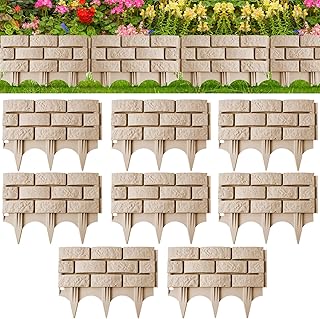
Landical 8 Pcs Imitation Stone Garden Fence, Faux Stone Retaining Wall L…

3ftx50ft Weed Barrier Landscape Fabric Heavy Duty,Weed Block Gardening…

Mulctun 45LB Natural White Rocks, 1/4″-3/4″ Garden River Rock,Decorative…
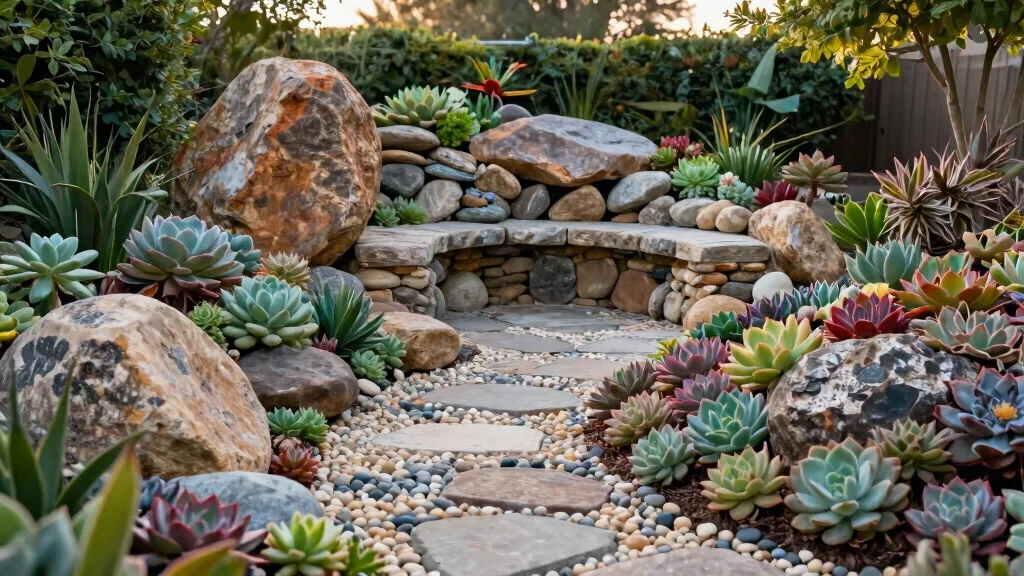
4. Rock Gardens to Enhance Natural Features

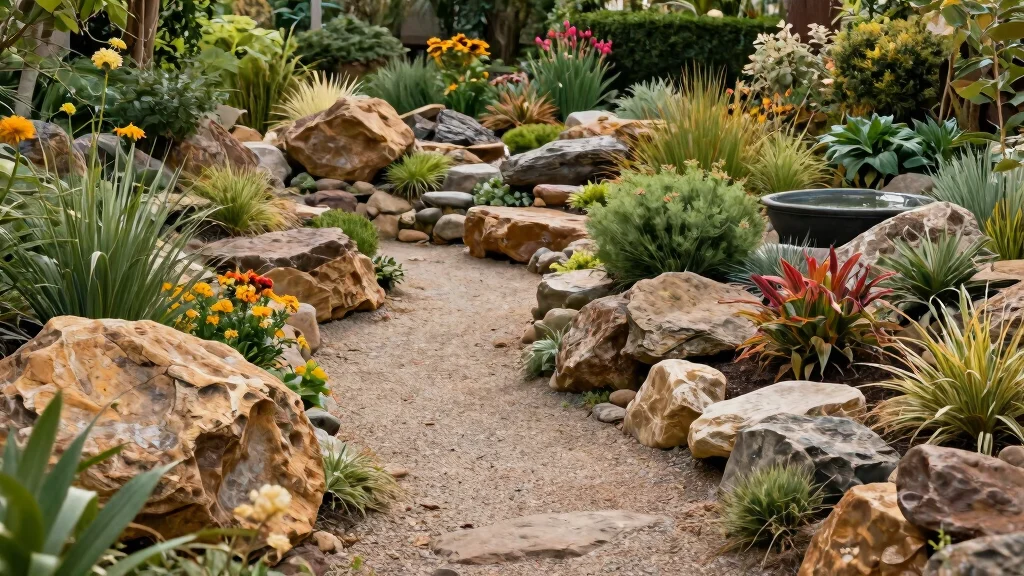
Rock gardens offer a stunning way to integrate natural elements into your sloped landscape. By utilizing stones and boulders, you can create an eye-catching garden that mirrors the natural terrain of your property. Rock gardens also help manage runoff and improve drainage in hilly areas.
To create a captivating rock garden, follow these suggestions:
– Select a mix of rocks, from small pebbles to large boulders for depth.
– Choose drought-resistant plants like succulents that thrive in rocky conditions.
– Use rocks to create small pathways or seating areas for exploration.
Incorporating rock gardens into your hillside adds natural beauty while reducing maintenance and preventing erosion!
Did you know a well-placed rock garden can cut hillside runoff by up to 40% in hill landscaping when stones and boulders are layered thoughtfully? Mix small pebbles with large boulders, and pair drought-tolerant plants like succulents for a dramatic, drainage-friendly landscape you can actually maintain.
You might also like

Rock Gardens to Enhance Natural Features
Editor’s Choice

Bits and Pieces – Stepping Stones Outdoor Walkway – 12″ River Rock Lands…

Altman Plants Deluxe Live Succulents (6 Pack), No Duplicates, Assorted V…
5. Meandering Pathways for Adjustable Access

Meandering pathways add both charm and practical access to your hilly landscape. Made from materials like gravel or stepping stones, these paths can blend seamlessly with your surroundings.
A well-designed pathway can:
– Guide visitors through the garden, highlighting unique features.
– Minimize soil erosion by directing foot traffic.
– Enhance visual appeal with contrasts against lush greenery.
Incorporate gentle curves to create a natural feel, allowing the beauty of your garden to unfold as you stroll. A thoughtfully placed pathway can turn your sloped yard into a delightful adventure!
Meandering Pathways for Adjustable Access
Editor’s Choice
Mulctun 45LB Natural White Rocks, 1/4″-3/4″ Garden River Rock,Decorative…

2 Pcs Natural Stepping Stones Outdoor, Irregular Garden Stepping Stones,…

Imitation Stone Garden Fence – DIY Garden Edging Border, 2026 New Plasti…
6. Multi-Level Decking for Outdoor Living
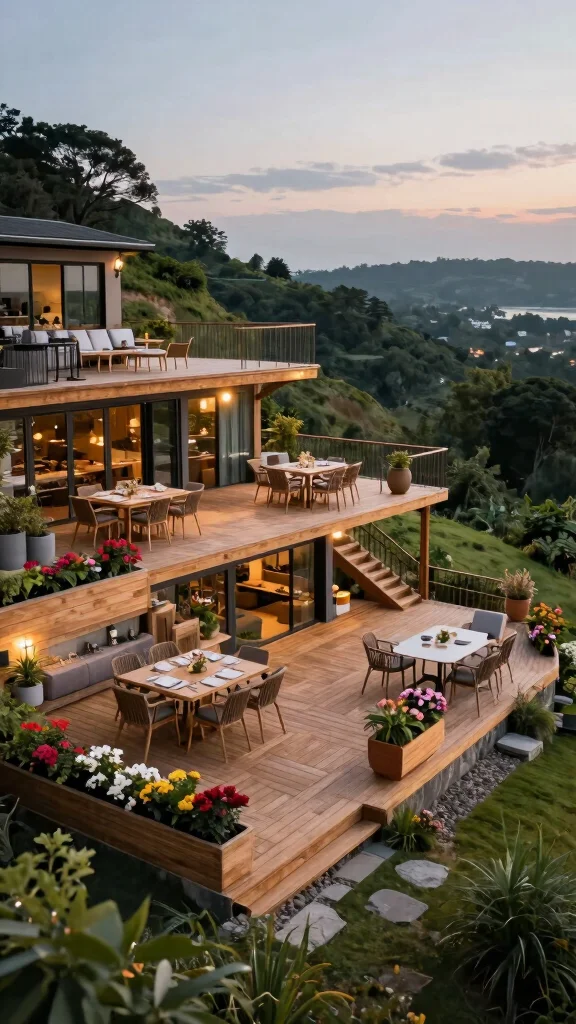
Transforming your hillside into multi-level outdoor spaces can create perfect spots for relaxation and entertainment. Multi-level decking offers a platform for gatherings and dining while beautifully integrating with your slope.
Consider these benefits of multi-level decking:
– Maximize outdoor areas by using elevation for various activities.
– Enjoy breathtaking views from each level.
– Include built-in seating or planters for added functionality.
When planning your decking, choose sustainable materials that harmonize with nature. The possibilities are endless, making it a great social hub in your garden!
Fun fact: well-planned multi-level decking can multiply usable outdoor space by up to 50% on a hillside, turning elevation into entertaining real estate. In hill landscaping, each level frames views and anchors built-in seating for guests.
📹 Related Video: How to Build and Frame a Multi-Level Deck | Trex Academy
Multi-Level Decking for Outdoor Living
Editor’s Choice

Outdoor Solid Composite Decking Boards 96″x5.43″x1″, Polymer Composite D…

LOCONHA Window Box Planter, Plastic Vegetable Flower Planters Boxes 17 I…
7. Colorful Climbers for Vertical Interest
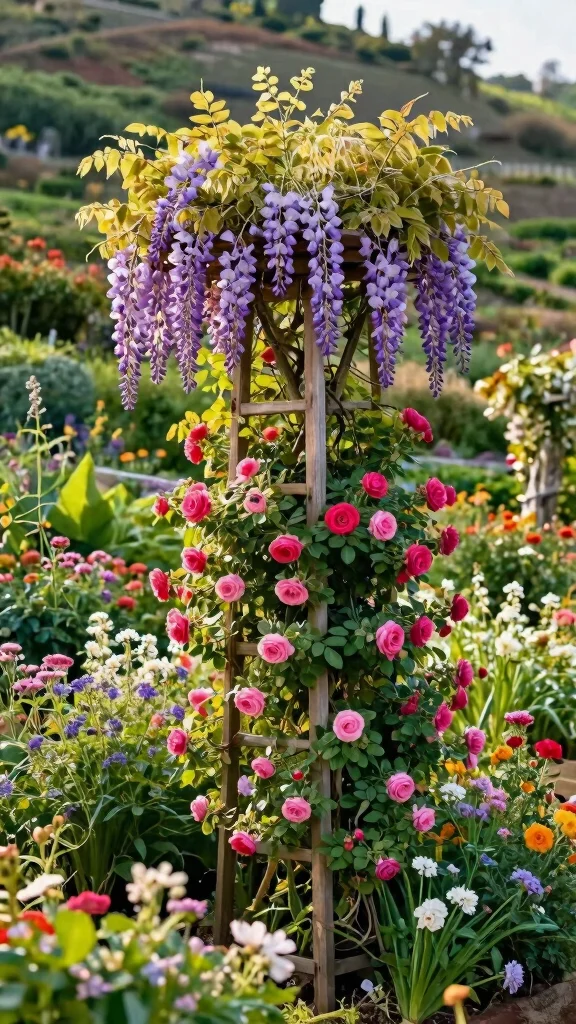
Incorporating climbing plants can elevate your hillside landscaping and optimize space. These vibrant plants can dress up walls, trellises, and fences, creating captivating displays.
Consider these popular climbers:
– Wisteria for stunning cascading blooms.
– Climbing roses for a touch of romance.
– Vining vegetables like beans for a functional garden.
Climbing plants soften hard structures and promote biodiversity while attracting pollinators. Vertical gardening can enhance visual appeal and provide privacy on your slope!
You Might Also Like

Colorful Climbers for Vertical Interest
Editor’s Choice

Kentucky Wonder Pole Bean Seeds for Planting – Heirloom Climbing Green B…
100+ Mix Climbing Rose Seeds for Planting Outdoors

Perfect Plants Amethyst Falls Wisteria Vine 1 Gallon | Live Shrub for Ou…
8. Diverse Planting Techniques for Dynamic Landscapes

Using various planting techniques can boost the diversity and resilience of your hilly garden. Layering plants and employing companion planting can create a lively landscape.
Try these ideas:
– Use taller plants as backdrops to shorter ones for depth.
– Incorporate native plants that need less maintenance.
– Experiment with different colors and textures for seasonal interest.
Diverse planting techniques enhance soil health and aesthetics while providing habitats for local wildlife. Your hillside garden can flourish as a vibrant ecosystem year-round!
Did you know that layering plants in hill landscaping can cut soil erosion by up to 40%? By using taller backdrops with native, low-maintenance varieties, you gain color, texture, and resilience—without more work.
How To Choose The Right Hill Landscaping Techniques
Choosing the right techniques for your hill landscaping project can dramatically enhance the beauty and functionality of your property. When dealing with elevation changes, it’s crucial to consider several factors to ensure your design is effective and aesthetically pleasing. Here are some key points to guide you:
1. Assess Your Property’s Slope
Understanding the degree of your slope is vital. Measure the steepness of your hill and note any areas prone to erosion. A gentle slope might allow for simple terracing, while a steep incline may require more complex erosion control measures like retaining walls or vegetation to stabilize the soil. Use a level or an inclinometer for accurate readings.
2. Consider Drainage Solutions
Proper drainage is essential in hill landscaping to prevent water accumulation that can lead to erosion and damage. Examine how water flows on your property, especially during heavy rains. Integrate features such as French drains or swales to direct runoff away from your garden beds. This will help maintain the health of your plants and the integrity of your soil.
3. Select Plants Wisely
Choosing the right plants can make or break your hillside garden. Opt for native plants, as they are better adapted to your local climate and soil conditions. Look for species with deep roots that help anchor the soil. Examples include groundcover plants like creeping thyme or sedum, which spread quickly and prevent erosion.
4. Determine Your Budget
Your budget will influence your hill landscaping choices. Set a clear budget before you start planning. Consider costs for soil amendments, plants, and any necessary materials for structures like terraces or retaining walls. Research and compare prices to find budget-friendly options while ensuring you don’t compromise on quality.
5. Plan for Maintenance
Hill landscaping can require ongoing maintenance. Think about how much time and effort you can dedicate to upkeep. Choose low-maintenance plants and designs if you prefer a more hands-off approach. Additionally, installing an automatic irrigation system can help manage watering without extensive manual labor.
6. Visualize the End Result
Creating a visual plan can help you better understand how your landscaping will look. Use software or sketch your ideas on paper to visualize plant placements, pathways, and elevation changes. This can prevent costly mistakes and ensure you achieve the desired aesthetic appeal, enhancing your property’s overall charm.
Pro Tip: Always check your local regulations regarding landscaping, especially concerning erosion control and native planting. This can save you from potential fines or the need for future adjustments.
Taking the time to evaluate these factors will lead you to the best hill landscaping techniques for your property. Whether you prefer terraced gardens, elevated planters, or natural rock gardens, each choice can contribute significantly to your landscape’s beauty and practicality.
Diverse Planting Techniques for Dynamic Landscapes
Editor’s Choice

Native Wildflower Seeds for Planting 24 Variety Pack – Perennial & Ann…

FEED GARDEN 5 Gallon Grow Bags 4 Pack – 300G Non-Woven Thickened Fabri…

Companion Planting for Beginners: Pair Your Plants for a Bountiful, Chem…
Conclusion

Hillside landscaping presents unique opportunities to transform your property into a picturesque landscape full of vibrant plant life and stunning designs. By embracing these creative ideas, from terraced gardens to diverse planting techniques, you can turn elevation changes into the focal point of your outdoor space. Each method not only enhances aesthetics but also contributes to soil preservation and efficient gardening.
So why not take the plunge and explore these ideas? Let your garden reflect the beauty of your surroundings while maximizing the potential of your slope. Happy gardening!
Note: We aim to provide accurate product links, but some may occasionally expire or become unavailable. If this happens, please search directly on Amazon for the product or a suitable alternative.
This post contains Amazon affiliate links, meaning we may earn a small commission if you purchase through our links, at no extra cost to you.
Frequently Asked Questions
What are practical hill landscaping ideas to transform a sloped yard into dramatic garden elevation features?
Transforming a sloped yard starts with embracing the grade instead of fighting it. For practical hill landscaping, build a series of level terraces using low-profile retaining walls; each terrace becomes a stage for color and texture, turning elevation changes into drama.
Pair these terraces with a stepping-stone path or a gentle switchback to create accessible flow up the slope, turning elevation changes into garden elevation features the whole family will love.
Use native grasses and groundcovers on slopes to control erosion and reduce maintenance, keeping the look lush. Add an elevated garden design accent like raised beds on some terraces for microclimate control.
How can I prevent hillside erosion while implementing hill landscaping?
Erosion control should be built into your plan from day one. Start with sloped yard ideas that create level zones with retaining walls, terracing, and proper drainage. Contour the design to slow water and guide it into designated drainage paths.
Plant deep-rooted groundcovers and grasses on the slope—think native perennials, creeping thyme, sedum, and vinca—that hold soil and reduce erosion while adding texture. Mulch exposed soils and consider biodegradable erosion control blankets during establishment.
Incorporate drainage features like French drains or shallow swales that move water away from the steepest areas and foundations. Pair these with a simple irrigation plan, such as a drip system, to keep plants hydrated without creating runoff.
Which plants work best for hillside planting techniques and elevated garden design?
For hillside planting techniques, choose plants with strong roots and good drought tolerance. Use a mix of low-growing groundcovers and perennials that thrive on slopes and in the microclimates created by your terraces. Try sedum, creeping thyme, and vinca for fast erosion control; add color with daylilies, echinacea, and rudbeckia; and consider small shrubs like dwarf lilac or boxwood for structure. Take an elevated garden design approach by placing raised beds on sunny terraces to boost drainage and warmth. Match plants to sun, moisture, and maintenance needs so your hillside garden stays vibrant year-round.
How do I choose materials and layout for terraced landscaping on a hillside?
Start with a clear plan that follows the contour of the hill. For terraced landscaping, choose materials that fit your style and climate—natural stone, timber, or poured concrete blocks—and ensure proper drainage behind walls. Design terraces wide enough for planting and a path, keeping scale in proportion to the slope. Create safe, accessible transitions with steps or gentle ramps, and weave in seating or a focal plant on each level to guide the eye. Finally, plan for maintenance access and consider soil depth and irrigation needs so each level stays healthy and easy to care for.
What maintenance tips keep garden elevation features looking great over time?
Maintenance is the secret to lasting hill landscaping. Start with a spring evaluation of walls and drainage, then keep up with pruning, weeding, and mulching. Refresh mulch annually and replace any worn erosion-control materials. Set a simple irrigation plan—drip systems work well with slopes—to prevent water waste and runoff. Revisit your sloped yard ideas each season, adjusting plantings and spacing as roots thicken and weather changes. Finally, monitor for soil movement after heavy rain and address issues promptly.
Related Topics
hill landscaping
elevated garden design
sloped yard ideas
terraced landscaping
hillside planting techniques
garden elevation features
landscaping for erosion control
beginner gardening tips
outdoor design trends
sustainable landscaping
drama in gardens
seasonal gardening