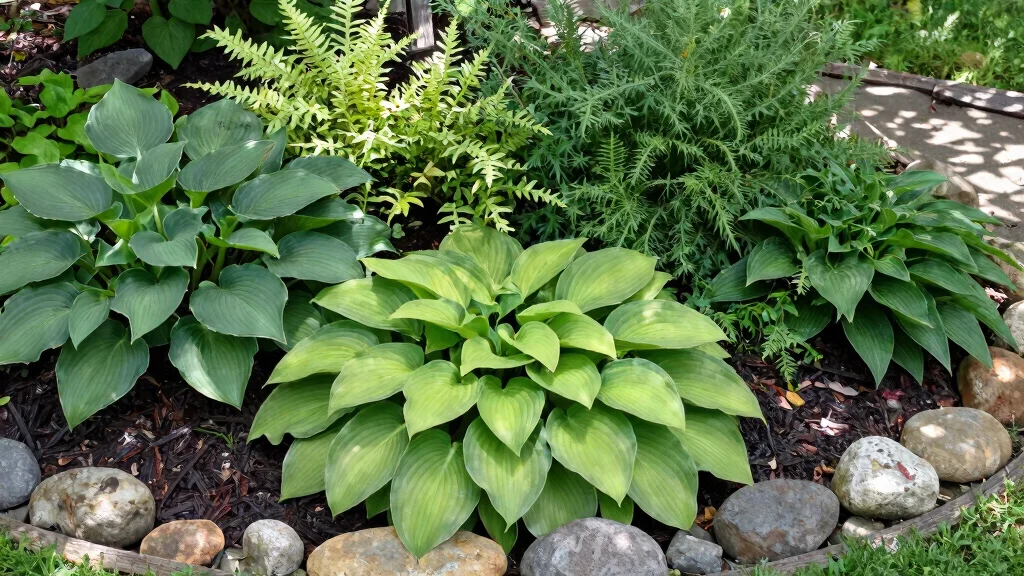
Creating a beautiful front yard can be a daunting task, especially if you’re dealing with shaded areas. Hostas are the perfect solution for this challenge. Their lush foliage adds depth and interest, transforming dull, dark spaces into vibrant displays of greenery. I crafted this post to help you harness the stunning potential of hostas in your front yard landscape.
If you appreciate gardening, especially in shaded areas, you’re in for a treat. This post is tailored for you, whether you’re a seasoned gardener or just starting your green journey. You’ll discover practical ideas to integrate hostas into your front yard. These suggestions are not only beautiful but also require minimal maintenance.
What can you expect? I’ve compiled nine unique landscaping ideas that will inspire and guide you in creating your own hostas haven. From layering hostas for dimension to incorporating colorful companion plants, you’ll find practical tips that will make your shaded front yard thrive. Let’s dig in and explore these creative ideas that will make your outdoor space shine!
Key Takeaways
– Hostas Thrive in Shade: Hostas are perfect for shaded areas, making them ideal for front yards with limited sunlight. Their variety in size and color enhances the beauty of any garden.
– Layering for Dimension: By layering different hostas, you can create depth and visual interest. Use taller varieties in the back and smaller ones in the front.
– Companion Planting: Pair hostas with colorful flowers or other shade-tolerant perennials to bring extra vibrancy to your garden. This combination can enhance the overall aesthetic.
– Low Maintenance: Hostas require minimal care, making them a great choice for busy gardeners. Regular watering and occasional mulching are often enough to keep them thriving.
– Seasonal Variety: Incorporate different hosta varieties and companion plants to ensure your front yard looks lovely throughout the seasons. This helps maintain visual interest year-round.
1. Layered Hostas for Depth and Dimension
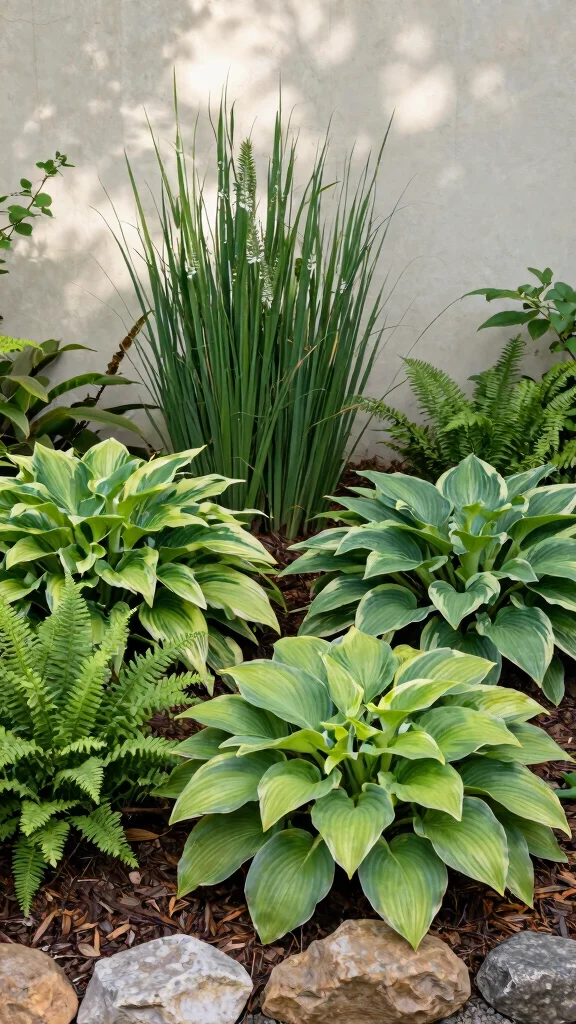
Are you looking to create a captivating front yard? Layered hostas can transform your space into a lush retreat. By placing taller varieties at the back and shorter ones in front, you create a stunning cascade that catches the eye. Mixing different shades of green—from deep emerald to bright lime—adds remarkable contrast, making each plant shine against the shaded backdrop.
Start by selecting hostas that harmonize in color and texture. Consider adding shade-loving companions, such as ferns or astilbes, for added variety. Using mulch not only controls weeds but also helps retain soil moisture. Space your plants properly to allow for their natural growth and fullness.
Key steps for a layered look:
– Choose hostas with complementary colors and textures.
– Mix in other shade-loving plants for diversity.
– Apply mulch to keep weeds out and moisture in.
– Space plants adequately for healthy growth.
This layered design not only enhances visual appeal but also highlights the rich beauty that hostas uniquely provide.
📹 Related Video: 6 Creative Ways to Create a Hosta Garden That Will Impress 🍃🌿 // Gardening Tips
Layered Hostas for Depth and Dimension
Editor’s Choice

Southern Ag All Purpose Granular Fertilizer 10-10-10, 5 LB Size: 5 LB

Back to the Roots 100% Organic Mulch, 58 Quart, Expanding Coconut Husk B…

Edward Tools Transplanter Trowel – Bend Proof and Rust Proof Aluminum – …
2. Hostas Highlighted with Decorative Stones
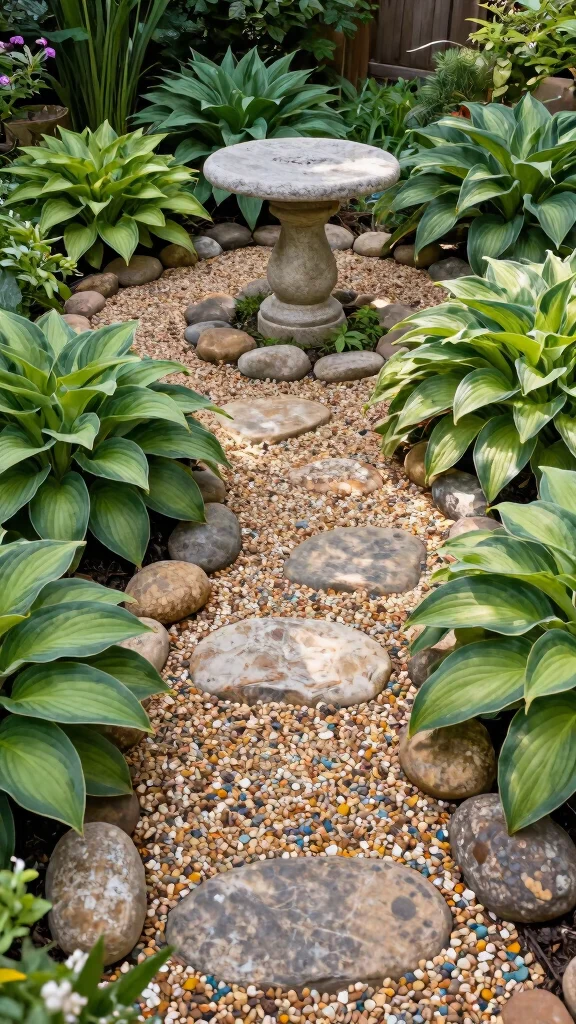
Want to elevate your garden’s charm? Integrating decorative stones around your hostas achieves both beauty and practicality. Smooth river stones or colorful gravel can form elegant borders and pathways, guiding the eye through your front yard. This design not only enhances the visual allure of your hostas but also aids in drainage and weed control, making it a smart choice.
Consider creating winding paths with stones that lead to a focal point, like a birdbath or garden art. Use contrasting colors of stones to complement your hostas’ shades. Varying the size of stones can add a natural touch. Ensure the stones align with your overall garden theme for a cohesive look.
Design tips for incorporating stones:
– Create winding stone paths toward focal points.
– Use contrasting stone colors to highlight hostas.
– Vary stone sizes for a relaxed, natural appearance.
– Ensure stone choice matches your garden’s style.
This delightful combination of lush greenery and decorative stones brings a serene, sophisticated atmosphere to your garden.
Hostas Highlighted with Decorative Stones
Editor’s Choice

EasyFlex No-Dig Landscape Edging with Anchoring Spikes, 2.7 in Tall Deco…

River Rocks for Painting 25 Pcs Large 2-3 Inch Flat Smooth Painting Ston…

40 LBS Grey Pea Gravel – Landscape Rocks – Drainage Rock – Gardening – A…
3. Colorful Companion Plants with Hostas

Looking to make your hostas truly stand out? Pairing them with vibrant companion plants can do just that. Plants like heucheras, with their striking reds and purples, beautifully contrast the lush greens of hostas. Daylilies and bleeding hearts provide colorful bursts throughout the season, enhancing both visual interest and biodiversity in your garden.
Consider darker-leaved hostas with lighter flowers for striking contrast. Layering plants of varying heights can create dynamic visuals. Incorporate annuals that bloom continuously for ongoing color. Select perennials that flower at different times for year-round appeal.
Plant combination ideas:
– Pair darker-leaved hostas with lighter flowers for contrast.
– Layer plants of different heights for visual interest.
– Include annuals for continuous seasonal blooms.
– Use perennials that flower at staggered times.
By embracing a diverse palette alongside your hostas, you can turn your garden into a vibrant paradise full of life and color.
Did you know that pairing hostas with vibrant companions can boost hostas landscaping front yards color by up to 40% across the season? Heucheras, daylilies, and bleeding hearts create striking contrast and lasting texture, turning shade into a living, blooming focal point.
Colorful Companion Plants with Hostas
Editor’s Choice

Hemerocallis ‘Stella D’Oro’ (Daylily) Perennial, yellow flowers, 1 – Siz…

Live Heuchera Coral Bells 2-Pack – Peach Parfait – Shade Perennial F…
4. Textured Arrangements with Varied Hostas

Do you want to create a visually engaging space? Hostas offer a range of textures and shapes that can be beautifully showcased together. Grouping different types—like the bold, crinkled leaves of ‘Sum and Substance’ next to the smooth foliage of ‘Patriot’—creates an intriguing visual experience.
Consider pairing hostas with distinct leaf shapes and sizes for a rich textural garden. Adding ornamental grasses introduces height and movement. Incorporating rocks or driftwood enhances the natural feel. Utilize sunlight and shadow to highlight the unique textures of each hosta.
Textural arrangement tips:
– Group hostas with varied leaf shapes for diversity.
– Add ornamental grasses for height and motion.
– Incorporate natural elements like rocks for depth.
– Use light and shadow to showcase textures.
This textured garden not only captivates the eye but also invites guests to appreciate the intricate beauty of each hosta variety.
Fun fact: when you mix 3 leaf textures—crinkled, smooth, and strap-like—front-yard hostas instantly feel larger. Add ornamental grasses for height and driftwood for movement to finish the look in hostas landscaping front yards.
Textured Arrangements with Varied Hostas
Editor’s Choice

Hosta Shade Garden Seeds 210pcs– Decorative Foliage Plants – Ideal f…

Mix Pampas Grass Seeds for Planting, 100+ Seeds Kit for Landscaping & Ho…

Handmade Spiral Shaped Garden Stake with Recycled Glass Stones & Natural…
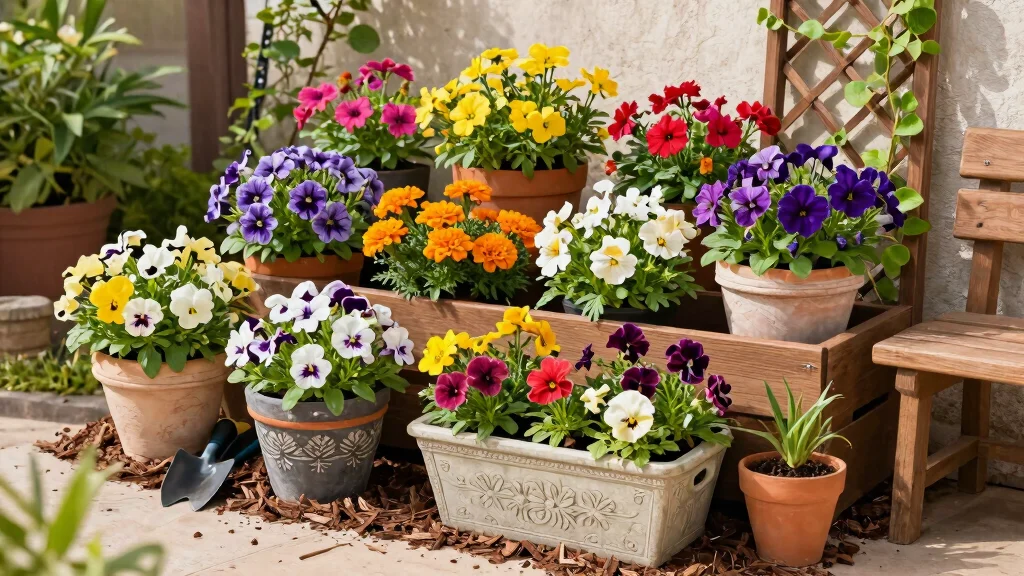
5. Hostas as a Border Planting

Searching for a practical yet beautiful landscaping idea? Using hostas as border plantings creates a lush frame for your garden or walkways. They naturally delineate spaces, enhancing the beauty of shaded areas without overwhelming them. This technique works perfectly along paths or driveways, guiding visitors smoothly.
Choose a consistent variety for a uniform look or mix varieties for a more eclectic vibe. Keep the height even along the border for a seamless flow. Space them properly to promote healthy growth and airflow. Adding contrasting ground cover in between can create a layered effect.
Border planting ideas:
– Opt for a consistent variety for uniformity or mix for diversity.
– Maintain consistent height for smooth transitions.
– Space adequately for healthy growth and airflow.
– Use contrasting ground cover for added layers.
This border technique highlights hostas’ beauty while keeping your space neat and organized, enhancing both aesthetics and functionality.
You might also like

Hostas as a Border Planting
Editor’s Choice

Best Deal on Amazon 9-Pack Hosta Bare Root Perennial Plants – Fresh from…

1.5 Inch x 100FT Garden Edging Border, Plastic Edging for Landscaping wi…

HealthiStraw GardenStraw, 3 cu ft (20 lbs) All-Natural Mulch for Gardens…
6. Creating a Hostas Haven with Garden Edging
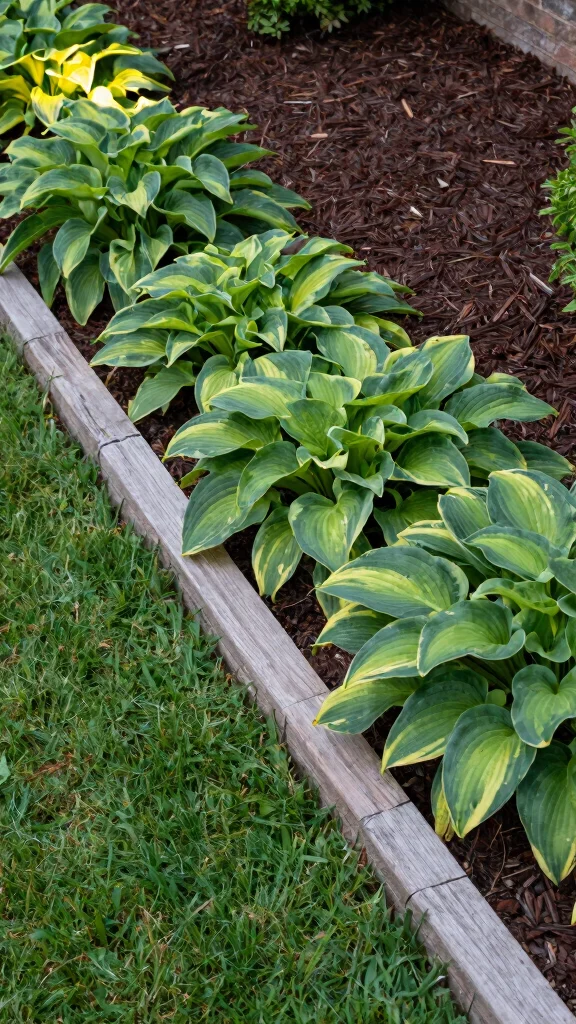
Want to showcase your hostas beautifully? Decorative garden edging can effectively define your garden beds. Whether using wood, stone, or metal, edging keeps mulch in place while creating a clean, tidy appearance. This separation not only enhances the visual impact of hostas but also simplifies maintenance.
Select materials that complement your home’s architecture for a cohesive look. Curved edges create a softer, more natural vibe, while straight lines offer a modern touch. Raised edging can prevent mulch from spilling into your lawn. Consider eco-friendly options like recycled materials for a sustainable choice.
Edging ideas to consider:
– Choose materials that match your home’s style.
– Use curved edges for a natural feel or straight lines for modernity.
– Incorporate raised edging to retain mulch.
– Opt for recycled materials for an eco-friendly touch.
The right garden edging will not only spotlight your hostas but also give your front yard a polished and inviting look.
Creating a Hostas Haven with Garden Edging
Editor’s Choice

LAVEVE Corrugated Metal Garden Edging 6″ x 40Ft, Landscape Edging Border…

Wooden Garden Edging – 13.1ft x 11.8in Pine Landscape Border, Flexible W…
EasyFlex No-Dig Landscape Edging with Anchoring Spikes, 2.7 in Tall Deco…
7. Incorporating a Water Feature with Hostas
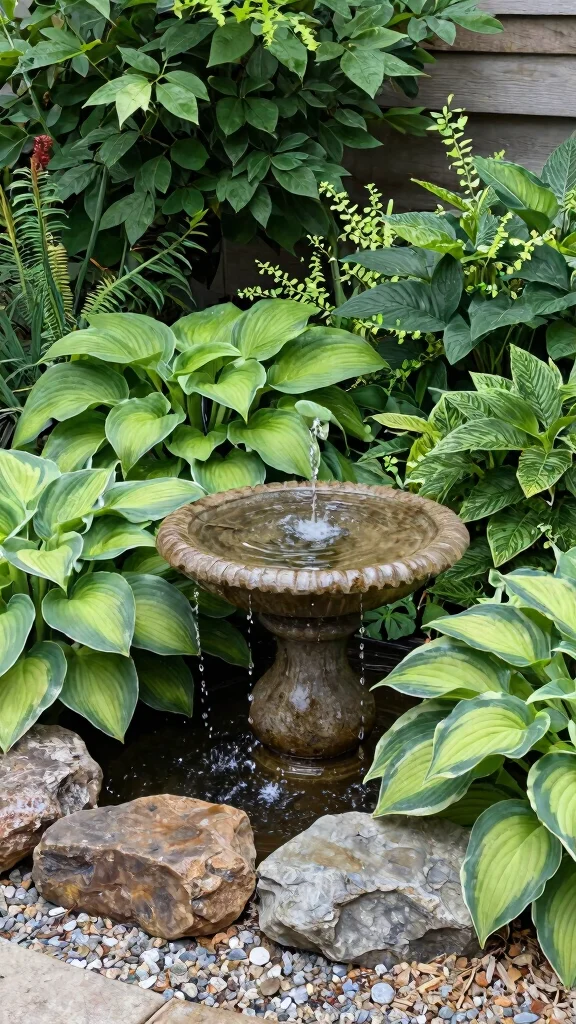
Looking for a tranquil addition to your garden? A small water feature among your hostas can create a serene atmosphere. The soothing sound of trickling water enhances the lushness of the plants and invites wildlife to your space. Whether a pond, fountain, or birdbath, water features beautify your shade garden.
Ensure the feature is visible from your home for maximum enjoyment. Surround it with a mix of hostas and other shade-tolerant plants for a natural look. Use rocks and gravel around the base to help it blend into the environment. Regular maintenance keeps the feature clean and appealing.
Water feature tips:
– Position the feature for optimal visibility from your home.
– Surround with hostas and shade-loving plants for a natural vibe.
– Use rocks to help the feature blend in.
– Maintain regularly for cleanliness and beauty.
Incorporating a water feature elevates your garden’s design while inviting peace and natural beauty into your outdoor space.
Fun fact: A small water feature among hostas can boost wildlife visits by up to 40% in shade front yards. Keep it visible from your home and surround with rocks and shade-tolerant plants for a natural, calming look—perfect for hostas landscaping front yards.
Incorporating a Water Feature with Hostas
Editor’s Choice

SongLong Submersible Pump 400GPH (1500L 25W) Ultra Quiet with Over Heati…

VIVOHOME Bird Bath for Outside, Polyresin Pedestal Bird Baths for Outdoo…

Virekm River Rocks, Decorative Ornamental Pebbles,Garden Landscaping Sto…
8. Artistic Arrangements with Hostas and Decor

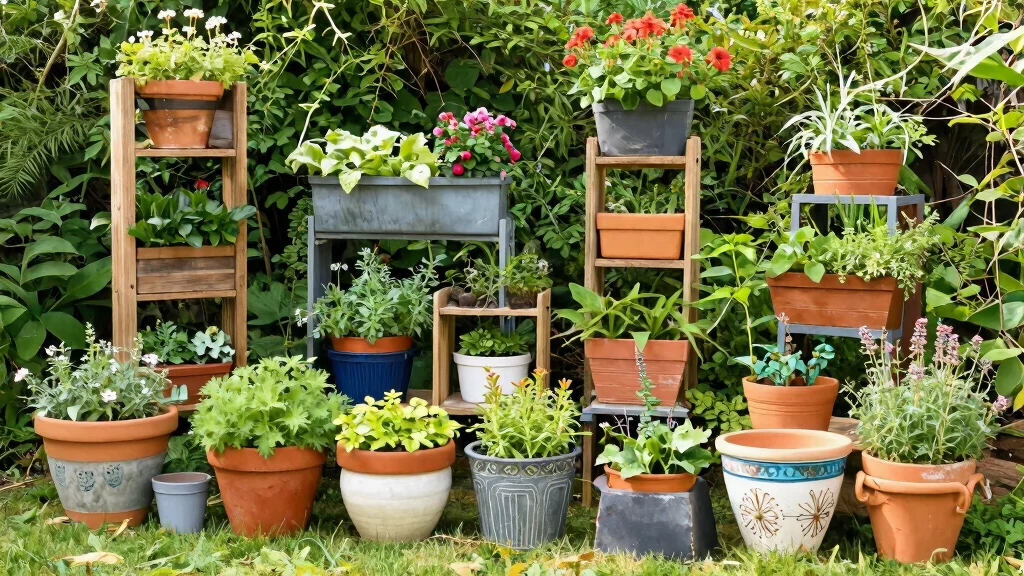
Want to add a personal touch to your front yard? Combining art elements like sculptures or decorative stones with hostas creates a striking focal point. These artistic arrangements draw attention and infuse your landscape with unique character. Choose art pieces that harmonize with your hostas’ colors and textures for a cohesive look.
Consider selecting a sculpture that complements the natural curves of your hostas. Use asymmetry for a casual, organic feel. Strategically place decorative urns or stones among the plants for added interest. Seasonal decorations can also keep the arrangement fresh and exciting.
Artistic arrangement tips:
– Select a sculpture that enhances hostas’ natural beauty.
– Create asymmetrical designs for a relaxed feel.
– Position decorative elements strategically among plants.
– Rotate seasonal decorations for variety.
Artistic arrangements not only add personality to your front yard but also encourage guests to appreciate the thoughtful design of your shade garden.
You Might Also Like
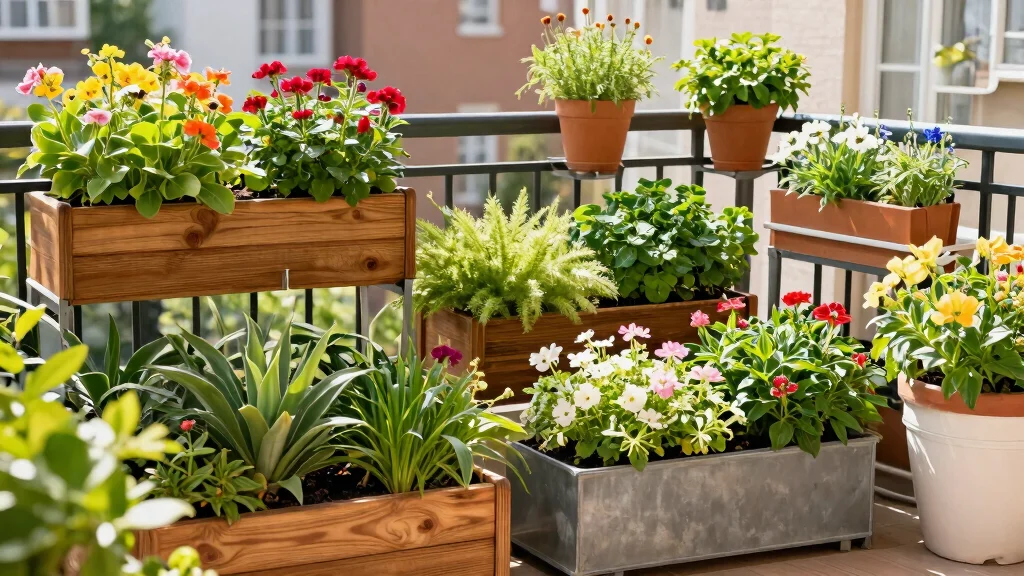
Artistic Arrangements with Hostas and Decor
Editor’s Choice

Weathered Handcrafted Garden Statue – Sizable Corroded Metal Outdoor Art…
2.4LB River Rocks Mexican Beach Pebbles for Garden Landscape Stone Pavin…
Metal Flowers for Outside,Decorative Garden Stakes,Flower Bed Decor Plan…
9. Seasonal Interest with Hostas and Perennials

Do you want a vibrant garden year-round? Choosing companion perennials that provide seasonal interest alongside your hostas is the key. Plant spring-blooming bulbs, summer flowers, and autumn foliage companions to ensure your garden evolves beautifully with the seasons. This careful selection enhances the beauty of your hostas and keeps your garden dynamic.
Layer flowering plants to ensure blooms at different times throughout the year. Include shade-loving plants like ferns and astilbes for continuous texture. Don’t forget to consider fall interest with colorful foliage or berries. Grouping perennials creates a lush, organized appearance throughout the growing seasons.
Seasonal planting tips:
– Layer flowers for staggered blooms throughout the year.
– Incorporate ferns and astilbes for consistent texture.
– Choose plants with colorful fall foliage or berries.
– Group perennials for a tidy, lush look.
Creating a garden showcasing seasonal interest alongside hostas ensures you are greeted with beauty no matter the time of year.
Ongoing Maintenance & Care Guide
Maintenance Schedule:
Daily/Weekly Tasks:
– Watering: Ensure hostas receive about 1 inch of water weekly. Water every 3-5 days during hot spells. ⏱ 15-20 minutes.
– Weeding: Regularly check for weeds around your hostas. Remove them to avoid competition for nutrients. ⏱ 10-15 minutes.
– Inspect for Pests: Look for common pests like slugs or snails. Handpick them if spotted. ⏱ 5-10 minutes.
Monthly/Seasonal Tasks:
– Fertilizing: Use a balanced fertilizer once a month during the growing season. Follow package instructions for amounts. ⏱ 20-30 minutes.
– Pruning: Trim yellowing leaves or flower stalks after blooming. Helps maintain a tidy appearance. ⏱ 30 minutes.
– Dividing Hostas: Every 3-5 years, divide large clumps to promote health and new growth. Do this in early spring or fall. ⏱ 1-2 hours.
– Mulching: Add a layer of mulch in spring to conserve moisture and suppress weeds. ⏱ 30 minutes.
– Seasonal Cleanup: Remove fallen leaves and debris in fall to prevent disease. ⏱ 30-45 minutes.
Maintenance Summary Table:
| Task | Frequency | Difficulty | Time Needed |
|——————————|—————|————-|———————-|
| Watering | Weekly | Easy | 15-20 minutes |
| Weeding | Weekly | Easy | 10-15 minutes |
| Inspect for Pests | Weekly | Easy | 5-10 minutes |
| Fertilizing | Monthly | Easy | 20-30 minutes |
| Pruning | Monthly | Easy | 30 minutes |
| Dividing Hostas | Every 3-5 years | Moderate | 1-2 hours |
| Mulching | Spring | Easy | 30 minutes |
| Seasonal Cleanup | Fall | Easy | 30-45 minutes |
Common Issues to Watch For:
⚠️ Yellowing Leaves: Indicates overwatering or poor drainage. Check soil moisture and adjust watering habits.
⚠️ Wilting Plants: May signal underwatering. Ensure consistent watering, especially in hot weather.
⚠️ Brown Edges on Leaves: Often a sign of scorching due to too much sun or lack of water. Move pots or provide shade.
⚠️ Visible Pests: If you see slugs or snails, act quickly. They can cause significant damage to your hostas.
⚠️ Fungal Growth: Look for spots or mold on leaves. This can indicate overwatering or poor air circulation. Improve drainage and spacing between plants.
Care Tips:
💡 Choose the Right Spot: Hostas thrive in partial to full shade. Pick a location away from harsh sunlight to keep them happy.
💡 Use Organic Mulch: Applying organic mulch can help retain soil moisture and improve soil quality. Aim for 2-3 inches around the base of the plants.
💡 Rotate Fertilizers: To avoid nutrient buildup, consider rotating between liquid and granular fertilizers. This ensures balanced nutrition.
💡 Watch for Raccoons and Deer: These animals may eat your hostas. Use fencing or natural repellents to keep them away.
💡 Keep Leaves Clean: Gently wipe down leaves to remove dust and debris. This helps the plant absorb sunlight better and promotes healthier growth.
Following this guide will help you maintain a lush and vibrant hostas landscape in your front yard. Regular attention to watering, weeding, and pest control can make all the difference. With these simple practices, your hostas will thrive in the shade, adding beauty to your space all year long.
Seasonal Interest with Hostas and Perennials
Editor’s Choice

Amazing Deal-Complete Spring & Summer 100 Bulbs Blooming Bee & Butterfly…

Complete Shade Perennial Flower Bulb Garden – 30 Bulbs for 50 Days of Co…
Conclusion

With creativity and the right plant selections, your shaded front yard can transform into a landscaped paradise featuring stunning hostas. These adaptable perennials offer endless possibilities for color, texture, and design. Whether you embrace layered arrangements, integrate decorative elements, or emphasize seasonal interest, hostas will thrive, bringing beauty to your outdoor space with minimal maintenance.
So why not take the plunge and start planning your very own hosta-enhanced landscape? Your front yard will shine, inviting neighbors and passersby to admire its tranquil charm.
Note: We aim to provide accurate product links, but some may occasionally expire or become unavailable. If this happens, please search directly on Amazon for the product or a suitable alternative.
This post contains Amazon affiliate links, meaning we may earn a small commission if you purchase through our links, at no extra cost to you.
Frequently Asked Questions
Which hostas landscaping front yards perform best in shade?
Great choices for hostas landscaping front yards in shade include varieties that hold color and maintain form in low light. Try Sum and Substance, Halcyon, Blue Angel, and compact types like Blue Mouse Ears.
Tips: prepare rich, well-draining soil, amend with compost, and apply a 2–3 inch mulch layer to conserve moisture. Space plants according to their mature size (roughly 1–2 feet apart for small to mid-sized cultivars) so they have room to fill in. Water deeply, especially during dry spells, and keep an even moisture level.
To finish the look in front yard plantings, pair your hostas with shade garden ideas like ferns and heuchera or carex for texture. With these steps, your hostas landscaping front yards will thrive and look incredible in the shade.
How can I design a low maintenance landscaping shade garden in the front yard plantings using hostas and other perennial plants for shade?
Plan around repetition and simple care. Choose 2–3 hosta varieties as the backbone and repeat them in gentle drifts for impact. Add a few shade garden ideas like ferns, heuchera, and astilbe to create seasonal interest without extra work. Mulch generously (2–3 inches) to suppress weeds and retain moisture, and install a straightforward irrigation method (drip or soaker hose) for easy care. Fertilize only in spring with a balanced, slow-release formula and divide any perennials every 3–5 years to maintain vigor. This approach embodies low maintenance landscaping while keeping your hostas landscaping front yards tidy and colorful.
What are some shade-tolerant perennial plants that pair well with hostas in front yard plantings?
Pairing with hostas works best when you mix color, texture, and bloom times. Consider heuchera (coral bells) for foliage color, ferns for softness, astilbe for airy summer plumes, tiarella for light spring blooms, pulmonaria for early color, hellebores for winter-to-spring interest, and carex grasses for ground cover. In front yard plantings, group plants in drifts and repeat them along borders to create cohesion. These perennial plants for shade keep your shade garden ideas fresh all season and pair beautifully with hostas landscaping front yards
What garden design tips help hostas thrive in a front yard with limited sun?
Start with a clear plan: build layers of height and texture rather than a lone specimen. Use a focal point (a standout hosta or sculpture), then layer mid-height perennials and groundcovers for depth. For garden design tips, choose plants that share similar moisture needs and bloom at different times to keep color through the seasons. Outline the bed with a clean edge and cover the soil with mulch to improve moisture retention and reduce weeds. Ensure good drainage and improve heavy soils with compost before planting. In shade garden ideas, keep a consistent color palette and repeat plant drifts in front yard plantings for a cohesive look.
Are there budget-friendly, low-maintenance ideas for a cohesive hosta-focused front yard shade garden?
Yes. Start by sourcing divisions from friends, neighbors, or local plant swaps to build a sturdy hosta foundation without buying many plants. Choose a few reliable perennial plants for shade with similar care needs—hostas, heuchera, and ferns—and fill gaps with inexpensive groundcovers like carex or pachysandra. Keep costs down with a simple mulch layer and a basic drip irrigation setup for easy watering. Plan front yard plantings that work year-round by combining evergreen foliage with a few seasonal blooms. This low maintenance landscaping approach gives you a cohesive hostas landscaping front yards shade garden on a budget.
Related Topics
hostas landscaping
shade garden ideas
front yard plantings
low maintenance landscaping
perennial plants
garden design tips
easy gardening
shade-loving plants
front yard aesthetics
beginner friendly
landscaping trends
backyard to front yard