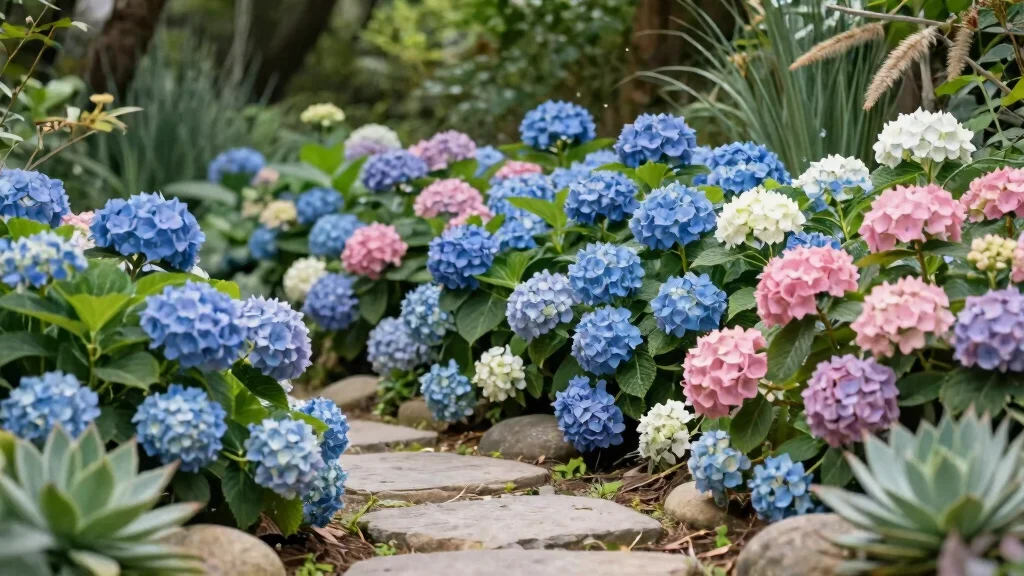
Gardening has a way of capturing our hearts, especially when the blooms are as stunning as hydrangeas. If you’ve been dreaming of vibrant colors and lush greenery in your yard, you’re not alone. There’s something magical about watching these gorgeous flowers transform a space. That’s why I created this post—to explore creative hydrangea landscaping ideas that can take your outdoor area from ordinary to extraordinary.
If you’re a gardening enthusiast or someone who simply appreciates the beauty of nature, this guide is for you. Whether you have a small patio or a sprawling backyard, these hydrangea ideas will help you craft an inviting oasis. You’ll discover ways to incorporate these beautiful blooms into your garden, all while considering factors like color choices, maintenance, and seasonal displays.
Get ready to dive into nine unique ideas for hydrangea landscaping that are not only visually stunning but also include tips on creating low-maintenance gardens and drought-tolerant arrangements. You’ll leave with practical insights and inspiration to make your yard the envy of the neighborhood, filled with colorful flower arrangements that genuinely stop people in their tracks.
Key Takeaways
– Hydrangea borders can beautifully define spaces in your garden, creating a structured yet inviting look.
– Statement hedges made from hydrangeas offer privacy while adding vibrant color to your yard.
– Use hydrangeas as centerpieces along garden paths for a stunning visual appeal that attracts attention.
– Combine hydrangeas with other plants in mixed flower beds for a rich and diverse planting design.
– Container hydrangeas provide versatility, allowing you to easily change your garden’s look while keeping maintenance low.
1. Hydrangea Borders That Define Spaces
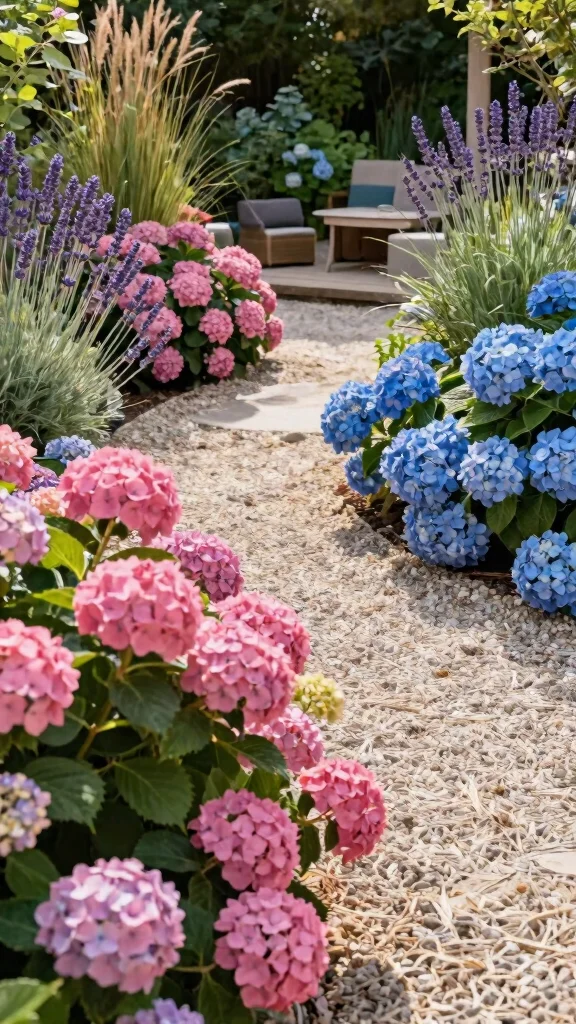
Are you looking to add structure and style to your garden? Hydrangeas are perfect for creating beautiful borders that separate spaces, such as a cozy seating area or a vibrant flower bed. With their lush leaves and stunning blooms, they create a welcoming atmosphere that enhances your garden’s overall appeal.
To achieve a captivating look, consider planting varieties like the ‘Endless Summer’ or ‘Annabelle’ that bloom consistently throughout the season. You can plant them in a staggered arrangement for fullness or a single line for a classic touch.
Garden Design Tips:
– Combine hydrangeas with low-maintenance plants for an eye-catching yet easy-to-manage border.
– Pair shorter varieties with taller plants for added visual interest.
– Use mulch around the base to keep moisture in and weeds out.
These borders not only beautify your space but also guide visitors, showcasing the hydrangeas’ breathtaking blooms.
📹 Related Video: 4 Year Update on Our ‘Incrediball’ Hydrangea Hedge! 🌿
Hydrangea Borders That Define Spaces
Editor’s Choice

2-Inch x 100 FT Landscape Edging Border with 150 Stakes, Plastic Edging …


Hydrangea arb. ‘Annabelle’ (Smooth Hydrangea) Shrub, white mophead flowe…

2. Statement Hydrangea Hedges

Want to make a striking statement in your yard? Consider planting hydrangeas as hedges! These flowering shrubs provide a stunning backdrop that enhances your garden’s aesthetics while offering privacy. They are perfect for adding color and life, creating a serene retreat in your outdoor space.
Hydrangeas thrive in shaded areas too, making them an excellent alternative to traditional hedges. Choose taller varieties like ‘Limelight’ or ‘PeeGee’ for a beautiful display that lasts from summer to fall.
Seasonal Landscaping:
– Regularly trim your hedge to maintain its shape and encourage bushier growth.
– Opt for varied colors to create a seasonal display with different blooming times.
– Mix in foliage plants for added texture and depth.
With their vibrant flowers and low maintenance, hydrangea hedges will surely draw compliments from your neighbors.
Fun fact: Hydrangea hedges can reach 6–8 feet tall, creating instant privacy in shaded yards. Plant taller varieties like Limelight or PeeGee to gain color and curb appeal, turning any outdoor space into a relaxing retreat with hydrangea landscaping ideas.
Statement Hydrangea Hedges
Editor’s Choice

COOLJOB 2 Pairs Gardening Gloves for Women Ladies, Breathable Rubber Coa…

Grenebo Gardening Tools, 10-Piece Gardening Gift Set for Women, Rust-Pro…

KVR Upgraded Garden Kneeler and Seat with Thicken & Widen Soft Kneeling …
3. Hydrangea Centerpieces for Garden Paths
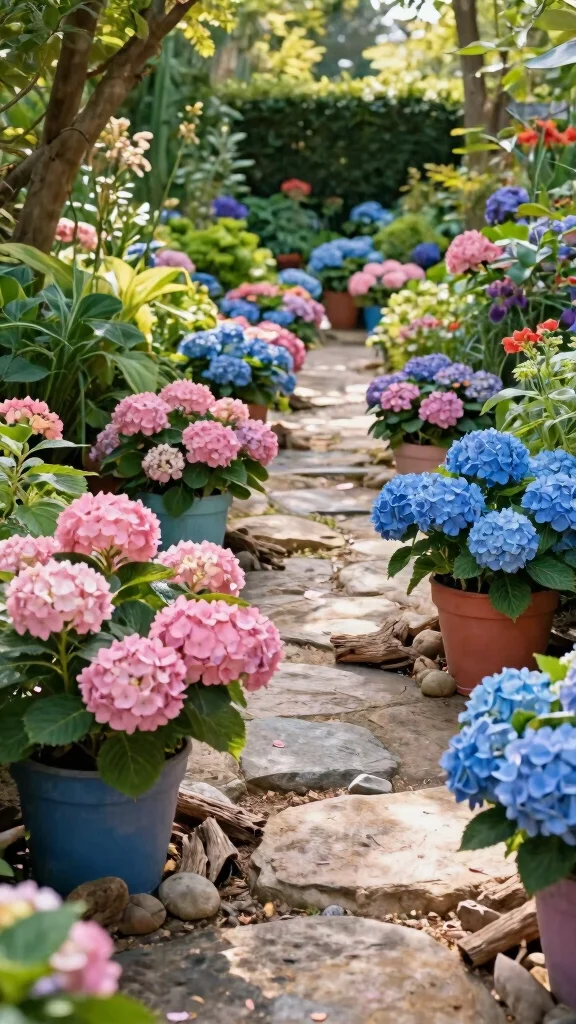
Elevate the allure of your garden paths by using hydrangeas as charming centerpieces. These delightful flowers can add a burst of color and attract attention as guests stroll through your outdoor oasis.
Strategically placing hydrangeas along paths, whether in pots or mixed plantings, can enhance the overall charm of your garden. Mix different colors for a vibrant display that catches the eye.
Design Tips:
– Select containers with unique textures or colors to complement the hydrangeas.
– Pair them with decorative stones or driftwood for a cohesive look.
– Vary the heights of the pots to create dynamic arrangements.
This approach not only beautifies your pathways but also surprises visitors, ensuring that your garden leaves a lasting impression.
Hydrangea Centerpieces for Garden Paths
Editor’s Choice

Farmer’s Secret Fruit & Bloom Booster Fertilizer (16oz) – Super Concen…

Face Planter Pot with Heart Hands, Resin Head Planter for Indoor Plants,…
4. Hydrangeas in Mixed Flower Beds

Combine hydrangeas with other plants in your flower beds to create a stunning display of colors and textures. Their large blooms, when paired with smaller flowers, can bring life and energy to your garden.
For a harmonious look, consider planting hydrangeas alongside perennials like astilbes or hostas that thrive in similar conditions. Choose a color palette that complements the hydrangeas for a cohesive arrangement.
Tips for Colorful Arrangements:
– Use contrasting colors to make the hydrangeas stand out.
– Vary plant heights for a layered, dynamic effect.
– Incorporate foliage plants for year-round interest.
By thoughtfully selecting companion plants, you can create a flower bed that enchants throughout every season.
Turn your shade garden into a show with hydrangeas in mixed beds—pair them with hostas and astilbes for instant texture. When you choose a cohesive color palette, your hydrangea landscaping ideas bloom into one cohesive, eye-catching scene.
Hydrangeas in Mixed Flower Beds
Editor’s Choice

Handy Organizer Garden Tool Pouch – Unisex Utility Belt Apron for Garden…

Grenebo Gardening Tools 9-Piece Heavy Duty Garden Hand Tools with Fashio…
COOLJOB 2 Pairs Gardening Gloves for Women Ladies, Breathable Rubber Coa…
5. Hydrangeas as Natural Privacy Screens
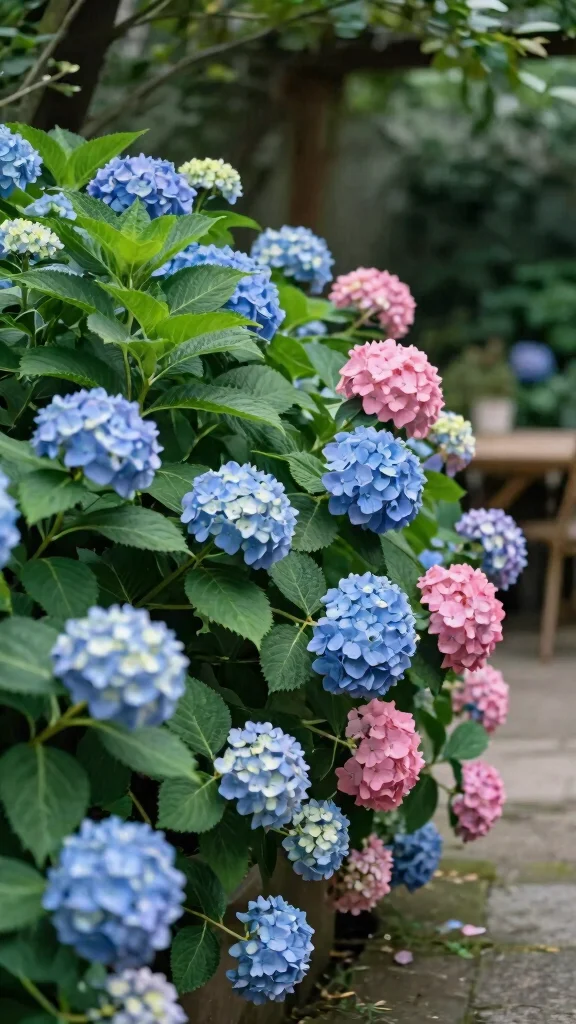
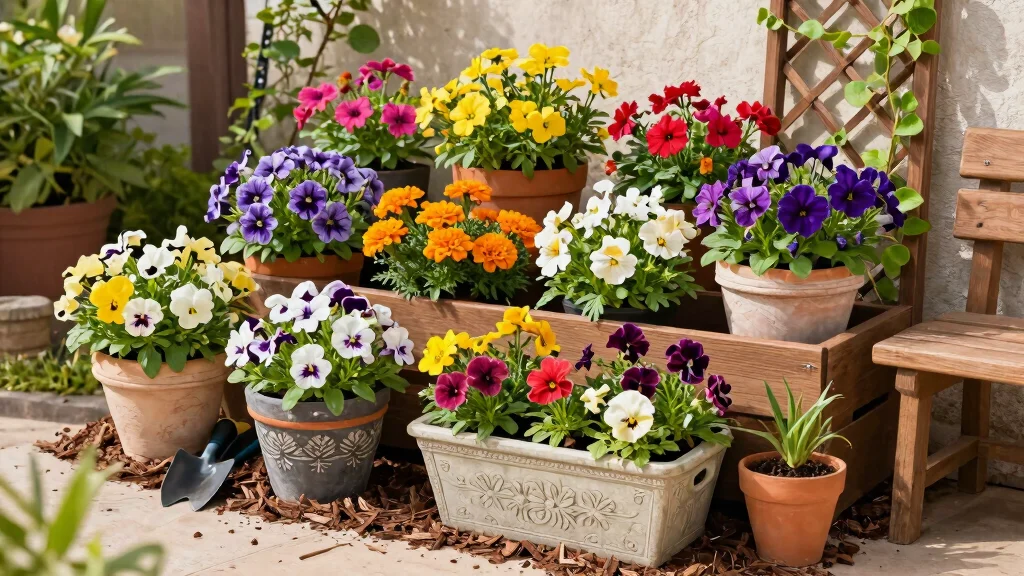
Looking for a way to enhance your privacy while beautifying your garden? Hydrangeas can serve as effective natural screens. Their dense foliage and striking blooms create a lovely barrier that shields your space from prying eyes.
Planting a row of hydrangeas can block unwanted views while still allowing light to filter through, making them ideal for creating cozy relaxation spots.
Practical Garden Design Tips:
– Choose sturdy hydrangea varieties that can withstand wind for a reliable screen.
– Mix different types for a colorful and diverse privacy wall.
– Plant them closer together for a fuller effect.
Using hydrangeas as privacy screens not only enhances beauty but also functionality in your outdoor space.
Privacy you can enjoy? Hydrangeas deliver a living screen with lush, shade-loving foliage. Plant a row now to block views while letting light filter through—perfect, practical hydrangea landscaping ideas you can act on today.
You might also like

Hydrangeas as Natural Privacy Screens
Editor’s Choice
Grenebo Gardening Tools 9-Piece Heavy Duty Garden Hand Tools with Fashio…
KVR Upgraded Garden Kneeler and Seat with Thicken & Widen Soft Kneeling …

Wells Lamont Gardening Gloves for Women – Breathable Polyester, Seamle…
6. Container Hydrangeas for Versatility

Container gardening is an excellent way to incorporate hydrangeas, especially in shaded spots where ground planting may not work. With pots, you can easily move hydrangeas to find the best light and create stunning displays wherever you want.
Select containers that match the hydrangeas’ colors and ensure they have drainage holes for healthy growth.
Low Maintenance Gardening:
– Group containers together for a striking focal point with varied sizes and colors.
– Rotate seasonal plants to keep your display vibrant year-round.
– Water regularly and position containers to promote healthy growth.
Container hydrangeas provide flexibility, allowing you to design your garden to reflect your style while keeping maintenance low.
Container Hydrangeas for Versatility
Editor’s Choice

Container Gardening for Beginners: The Complete Guide to Growing Your Ow…
KVR Upgraded Garden Kneeler and Seat with Thicken & Widen Soft Kneeling …
COOLJOB 2 Pairs Gardening Gloves for Women Ladies, Breathable Rubber Coa…
7. Hydrangeas and Hardscape Features

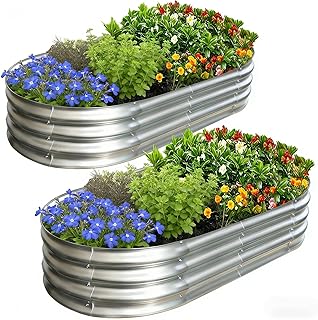
Integrating hardscape elements into your hydrangea garden can enhance visual interest and beauty. Features like stone walls and pathways create structure while contrasting beautifully with the softness of hydrangea blooms.
Design your garden to highlight hardscape features that allow hydrangeas to shine, such as planting them near a stone wall to accentuate their vibrant colors.
Design Ideas:
– Create raised beds or retaining walls to elevate your hydrangeas for prominence.
– Incorporate pathways made of pavers leading to hydrangea clusters for a natural flow.
– Experiment with various textures to create eye-catching contrasts.
This approach adds character and dimension to your landscape, making your hydrangeas truly stand out.
Ongoing Maintenance & Care Guide
Maintenance Schedule:
Daily/Weekly Tasks:
– Watering: Check for moisture in the soil. Hydrangeas need about 1-2 inches of water weekly, depending on the weather. Water deeply, especially during dry spells. ⏱ (15-30 minutes)
– Deadheading: Remove spent blooms to encourage new growth and maintain a tidy appearance. This keeps the plant looking fresh. ⏱ (10-15 minutes)
– Pest Inspection: Look for signs of pests like aphids or spider mites. Catching these early can save your plants. ⏱ (5-10 minutes)
Monthly/Seasonal Tasks:
– Fertilizing: In the spring, apply a balanced, slow-release fertilizer to boost growth. Follow package instructions for the right amount. 💡 (20-30 minutes)
– Pruning: Trim dead or damaged stems after blooming in late summer. This encourages healthy growth for the next season. 🌿 (30-45 minutes)
– Mulching: Add a layer of mulch around the base to retain moisture and suppress weeds. Replenish it as needed throughout the season. 🌱 (30-45 minutes)
– Soil Testing: Check soil pH annually to ensure it’s suitable for hydrangeas. Aim for a pH of 5.5 to 6.5. This helps your plants thrive. 🧪 (30 minutes)
– Winter Preparation: In late fall, protect roots with a layer of mulch or leaves, especially in colder areas. This keeps them safe from frost. ❄️ (15-20 minutes)
Maintenance Summary Table:
| Task | Frequency | Difficulty | Time Needed |
|—————————|——————-|————|——————|
| Watering | Weekly | Easy | 15-30 minutes |
| Deadheading | Weekly | Easy | 10-15 minutes |
| Pest Inspection | Weekly | Easy | 5-10 minutes |
| Fertilizing | Monthly | Moderate | 20-30 minutes |
| Pruning | Seasonal | Moderate | 30-45 minutes |
| Mulching | Monthly | Easy | 30-45 minutes |
| Soil Testing | Annually | Moderate | 30 minutes |
| Winter Preparation | Annually (Fall) | Easy | 15-20 minutes |
Common Issues to Watch For:
⚠️ Wilting Leaves: If leaves droop, check the soil moisture. It may need more water. 🌊
⚠️ Discoloration: Yellowing leaves can indicate overwatering or nutrient deficiency. Assess your watering schedule and consider fertilizing. 🌿
⚠️ Pest Damage: Look for webbing or small insects on leaves. If you see any, treat them promptly to prevent infestations. 🦠
⚠️ Stunted Growth: If your hydrangeas aren’t blooming well, check soil pH and nutrients. Adjust accordingly for better results. 📈
⚠️ Fungal Issues: If you notice black spots on leaves, it could be a fungal infection. Ensure good air circulation and avoid overhead watering. 🌧️
Care Tips:
💡 Choose the Right Location: Hydrangeas prefer partial shade, especially in hotter climates. This helps prevent leaf scorch.
💡 Opt for Mulch: A 2-3 inch layer of organic mulch keeps the soil moist and cool. This is a simple way to boost health and minimize weeds.
💡 Watch for Sunlight: Too much direct sun can harm your hydrangeas. If leaves start to burn, consider relocating or providing shade. ☀️
💡 Use Clean Tools: Always use clean, sharp tools for pruning. This prevents the spread of disease and ensures a clean cut.
💡 Learn About Your Variety: Different hydrangeas have specific needs. Research the type you have to give it the best care possible.
Hydrangeas and Hardscape Features
Editor’s Choice

EasyFlex No-Dig Landscape Edging with Anchoring Spikes, 2.7 in Tall Deco…

Glow in the Dark Rocks for Garden Outdoor, Glowing Pebbles Garden Stones…
Galvanized Raised Garden Bed Kit, Planter Garden Boxes Outdoor, Oval Lar…
8. Seasonal Hydrangea Displays

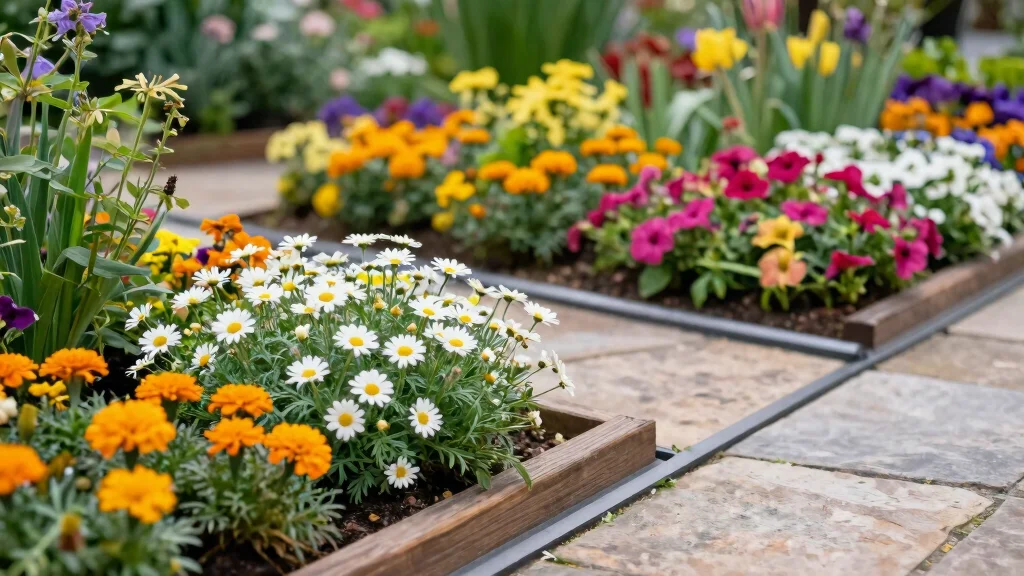
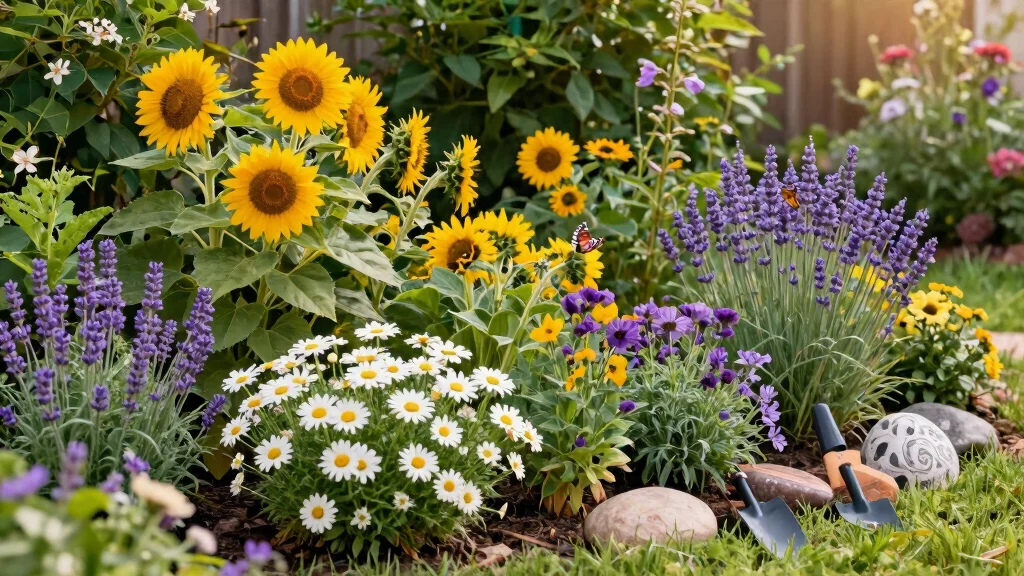
Hydrangeas can bring year-round color to your garden with a bit of creativity. While they are stunning in summer, their foliage also adds beauty when not in bloom.
Pairing hydrangeas with seasonal plants allows you to craft dynamic displays that evolve throughout the year.
Seasonal Ideas:
– In spring, combine hydrangeas with tulips and daffodils for a cheerful look.
– In autumn, plant ornamental grasses for a lovely backdrop as hydrangeas fade.
– Add evergreen shrubs to keep the area vibrant during winter.
By rotating seasonal plants with hydrangeas, your garden will remain a breathtaking sight all year long.
You Might Also Like
Seasonal Hydrangea Displays
Editor’s Choice
Handy Organizer Garden Tool Pouch – Unisex Utility Belt Apron for Garden…
Grenebo Gardening Tools 9-Piece Heavy Duty Garden Hand Tools with Fashio…
Wells Lamont Gardening Gloves for Women – Breathable Polyester, Seamle…
9. Hydrangeas for Pollinator Gardens

Creating a pollinator-friendly garden not only benefits the environment but also makes your hydrangeas stand out. Their vibrant blooms attract butterflies, bees, and other pollinators, enhancing the ecological health of your yard.
Plant hydrangeas alongside other flowering plants that bloom at different times to ensure a consistent food source for pollinators. Consider incorporating native plants known for attracting local wildlife.
Gardening Tips:
– Choose diverse hydrangea varieties for different shapes and colors to attract various pollinators.
– Design your layout to include clusters for easy access to blooms.
– Avoid harmful pesticides and focus on organic gardening.
This approach not only beautifies your garden but also nurtures the environment, creating a harmonious space for flowers and wildlife.
Hydrangeas for Pollinator Gardens
Editor’s Choice

Espoma Organic Bloom! 16-Ounce Concentrated Plant Food – Plant Fertili…

Wooden Insect House, Insect Hotel for Bugs, Bees, Butterflys, Ladybirds,…

Northeast Wildflower Seeds – Extra Large 1 Ounce Packet – Over 7,500 Nat…
Conclusion
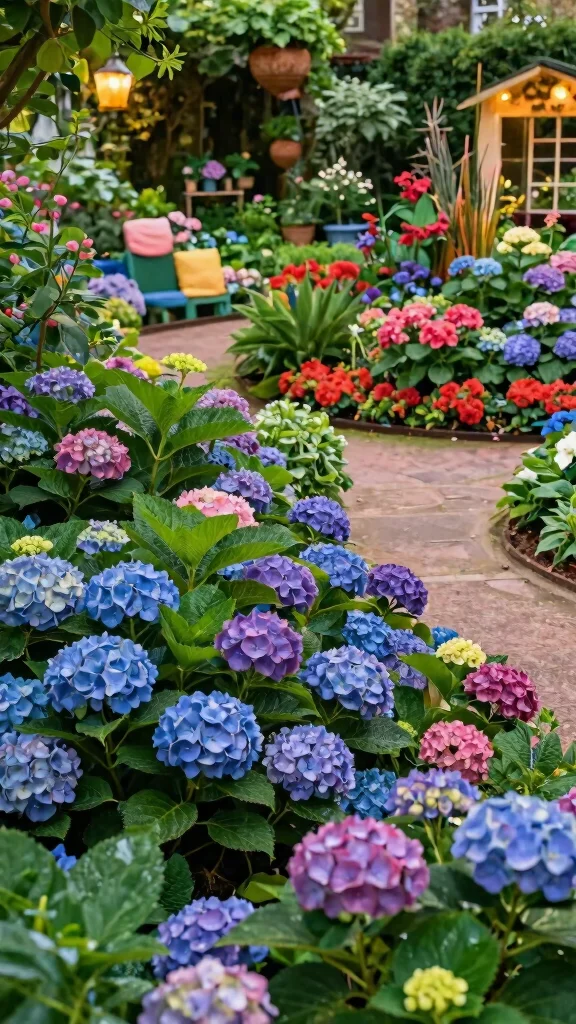
Transforming your garden with hydrangeas offers endless possibilities for creating beauty and charm. From colorful arrangements in mixed flower beds to stunning hedges and seasonal displays, these versatile plants can truly elevate your outdoor space.
Remember to consider the specific needs of hydrangeas, such as light and moisture, to ensure they thrive in your garden. By combining these ideas with practical garden design tips, your yard will become a blooming oasis that draws admiration from all who pass by.
Note: We aim to provide accurate product links, but some may occasionally expire or become unavailable. If this happens, please search directly on Amazon for the product or a suitable alternative.
This post contains Amazon affiliate links, meaning we may earn a small commission if you purchase through our links, at no extra cost to you.
Frequently Asked Questions
Which hydrangea varieties are best for a shade garden and dramatic blooms?
For a shade garden, choose reliable, bloom-heavy hydrangeas: Hydrangea macrophylla ‘Endless Summer’ for repeat summer blooms, Hydrangea arborescens ‘Annabelle’ for huge white heads, Hydrangea paniculata ‘Limelight’ or ‘Incrediball’ for sturdy panicles, and Hydrangea quercifolia ‘Snow Queen’ or ‘Ruby Slippers’ for fall color. Plant in dappled shade with rich, well-drained soil and keep evenly moist. Group them in drifts to create a dramatic focal point in your shade garden hydrangea landscaping ideas.
Tip: test your soil pH to predict bloom color shifts and adjust with lime or sulfur as needed.
These varieties support bold, colorful flower arrangements and are core elements of hydrangea landscaping ideas for shade.
How can I design a shade garden with hydrangeas to maximize blooms throughout the seasons?
Start with site and light: morning sun, afternoon shade is ideal for hydrangea landscaping ideas. Build layers: a drift of hydrangeas with hostas, ferns, and other shade-tolerant perennials for seasonal landscaping interest. Choose varieties with overlapping bloom times or reblooming types. Use color planning: soil pH can shift bloom color; add organic matter to maintain moisture. Focus on garden design tips for a low-maintenance garden: mulch 2–3 inches, water deeply, prune lightly in late winter to protect next year’s buds.
In short: plan, group, mulch, water, and select overlapping bloom times for continuous drama.
Are hydrangeas drought-tolerant, and how should I water them in a shaded bed?
Hydrangeas aren’t truly drought-tolerant like some perennials, but established plants tolerate brief dry spells. In a shaded bed, they still need steady moisture. Water deeply once or twice per week during dry spells (about 1–1.5 inches per week, including rain), using a drip or soaker hose to keep leaves dry and reduce disease risk. Mulch with 2–3 inches of organic mulch to lock in moisture. Pair with drought-tolerant plants like certain grasses or sedums for a balanced, low maintenance garden.
Pro tip: morning irrigation helps prevent scorch and fungal issues.
What are simple, low-maintenance ideas for keeping a shade hydrangea bed looking vibrant all season?
Choose hardy hydrangea varieties and plant them in groups (3–5) for impact, with a backdrop of shade-tolerant companions like hostas, ferns, and heucheras. Mulch 2–3 inches to conserve moisture and suppress weeds, and water deeply rather than frequent shallow drinks. Prune according to variety (usually after flowering) to protect next year’s buds. Keep fertilizer light and slow-release, and tidy spent blooms to maintain a neat look. For extra color, swap in seasonal container plants or perennials while keeping the hydrangea as the focal point—classic seasonal landscaping that’s still low maintenance.
How can I create colorful flower arrangements using hydrangeas in seasonal landscaping?
Hydrangeas make stunning focal points in colorful flower arrangements. For fresh cuts, choose firm, fully opened blooms, recut stems at 45 degrees, and strip lower leaves before placing in clean water with flower food. Pair hydrangeas with shade-loving greens and blooms—think white or blue hydrangeas with hostas, astilbes, or ornamental grasses for contrast. In seasonal landscaping, rotate companion plants to keep colors vibrant through summer, then transition to dried arrangements by air-drying or preserving stems later in the season.
Tip: store vibrant colors by keeping blooms out of direct sun and heat.
Related Topics
hydrangea landscaping
shade garden
drought-tolerant plants
colorful blooms
seasonal landscaping
low maintenance gardens
garden design tips
beginner friendly
easy gardening
outdoor aesthetics
landscaping ideas
flower arrangements