
Creating the perfect outdoor space can feel overwhelming, especially when you’re unsure of where to start. That’s why I’ve put together this guide on 10 landscaping plan layouts that will help you visualize your dream garden before you dig a single hole. With so many design ideas floating around, it’s easy to get lost in the possibilities. This post aims to simplify that process, giving you a clear roadmap to follow for your sustainable edible landscaping project.
If you’re someone who loves gardening, especially the idea of growing your own food while being eco-friendly, then you’re in the right place. Whether you’re a novice gardener or have a green thumb, this blog is tailored for anyone eager to create an outdoor haven that’s both beautiful and productive. You’ll find inspiration and practical advice that resonates with your gardening goals and lifestyle.
By the end of this post, you’ll walk away with 10 creative landscaping layouts that are not only visually appealing but also functional and sustainable. You’ll gain insights into how to plan your outdoor space effectively, ensuring every inch serves a purpose. Plus, you’ll learn how to incorporate edible plants and pollinator-friendly features into your design, all while considering your unique environment. Let’s dive into these inspiring designs so you can start imagining your perfect garden!
Key Takeaways
– Visualize Your Space: Each of the 10 layouts offers a unique perspective that helps you plan effectively before starting any digging or planting.
– Sustainable Practices: Learn how to integrate sustainable methods, such as edible plants and pollinator gardens, into your landscaping project.
– Diverse Options: From raised beds to wildlife habitats, you’ll discover a variety of layouts that cater to different needs and preferences.
– Practical Tips: Gain helpful insights on how to implement each design, along with companion planting strategies that enhance growth.
– Community Inspiration: Find out how to connect with your local gardening community, fostering collaborations and sharing ideas for a thriving outdoor space.
1. The Raised Bed Revolution

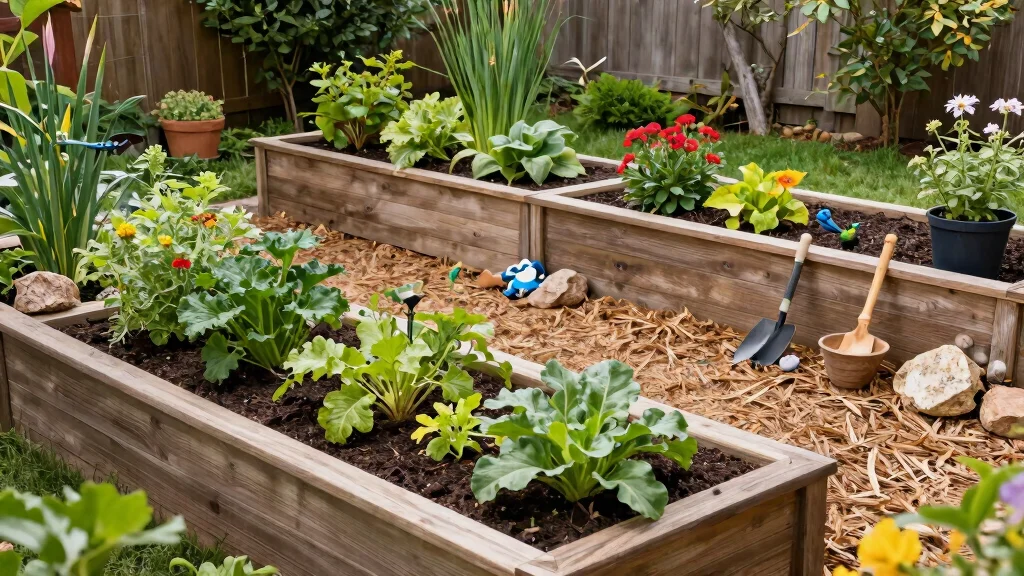
Are you ready to transform your gardening experience? Raised beds are a popular choice, and they offer fantastic benefits like improved drainage and easy access for all ages. This layout invites you to create multiple raised beds in a compact area, ideal for those working with limited outdoor space.
Imagine a garden where herbs, vegetables, and flowers coexist in harmony, all while providing a vibrant and functional space. You’ll enjoy fresh produce right at your fingertips, and the layout makes tending to your plants a breeze.
Tips:
– Use sustainable materials like untreated wood or stone for your raised beds.
– Incorporate a drip irrigation system to minimize water usage.
– Select companion plants that thrive together to maximize space and health.
– Consider adding a trellis for vertical gardening to save even more ground space.
This approach not only enhances the visual appeal of your garden but also boosts productivity, making it a sustainable choice.
Fun fact: in a well-crafted landscaping plans layout, raised beds can boost drainage by up to 50% and yields per square foot by 20–40% in compact spaces. Multiple beds let herbs, veggies, and flowers coexist, delivering fresh produce and easier access for gardeners of all ages.
📹 Related Video: How to design a raised bed garden layout
The Raised Bed Revolution
Editor’s Choice

Espoma Organic Raised Bed Mix – All Natural and Organic Potting Soil Mix…


Best Choice Products 72x24x30in Raised Garden Bed, Elevated Wood Planter…

Garden Tools Set, 3 Pack Heavy Duty Gardening Tools Set Include Garden S…
2. Edible Landscape Design with Pollinator Gardens

Want to create a garden that supports both your culinary needs and the environment? Integrating pollinator gardens into your edible landscape is a brilliant way to enhance biodiversity. This layout focuses on strategically placing flowering plants that attract bees and butterflies alongside your vegetable patch.
By doing this, you not only beautify your garden but also improve pollination, leading to healthier plants and plentiful harvests. You’ll find it rewarding to see your crops thrive in a vibrant ecosystem.
Tips:
– Incorporate native flowering plants that bloom at various times to provide resources throughout the growing season.
– Position flowering plants at the edge of your vegetable garden for a natural transition.
– Avoid pesticides to protect pollinators in your garden.
– Include a water source, like a small birdbath or shallow dish, for visiting butterflies and bees.
This layout is a beautiful blend of aesthetics and functionality, making your edible garden a haven for wildlife.
Edible Landscape Design with Pollinator Gardens
Editor’s Choice

Gardening Log Book and Planner: Monthly Garden Planting Journal and Orga…

Burpee Wildflower 25,000 Bulk, 1 Bag, 18 Varieties of Non-GMO Flower See…

zunatu 10x2x1ft(2 Pack) Galvanized Raised Garden Bed,Outdoor Planter Box…
3. The Herb Spiral

Ever thought about a stunning focal point for your garden that’s both beautiful and practical? The herb spiral is a creative solution that maximizes space while allowing a variety of herbs to flourish. This layout features a spiral structure made from natural stones or bricks, creating different microclimates where herbs can thrive.
You’ll love having easy access to fresh herbs for your cooking, and the spiral shape adds a unique touch to your garden design.
Tips:
– Start with perennial herbs at the top and annual herbs at the bottom for easy harvesting.
– Integrate flowers or small plants that attract beneficial insects to support your herbs.
– Use organic compost to enrich the soil for healthier growth.
– Incorporate decorative elements like stones or driftwood to enhance the spiral’s beauty.
The herb spiral layout combines practicality with charm, making it a delightful choice for your sustainable garden.
The Herb Spiral
Editor’s Choice

Burpee, 9 Quarts | Premium Organic Potting Natural Soil Mix Food Ideal f…

Small Garden Tools – 3 Pcs Mini Garden Tools Set with Small Trowel, Mini…

2PCS Natural Raw Stone Healing Crystals Bulk, Gemstones for Reiki, Medit…
4. Companion Planting Layouts
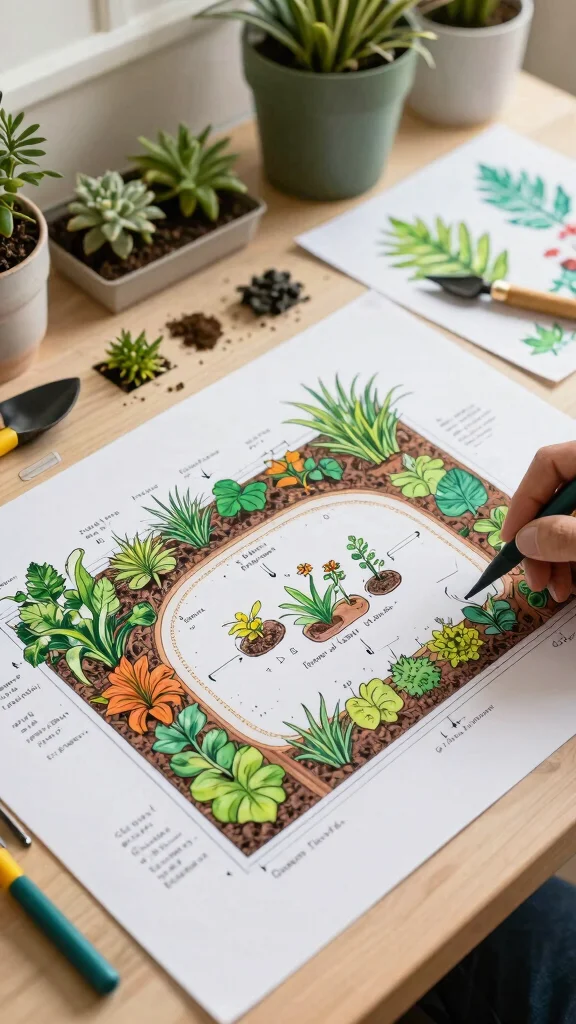
Looking to improve your garden’s health and productivity? Companion planting is the way to go. This layout focuses on pairing plants that naturally support each other, like tomatoes with basil or carrots with onions. By using this method, you can increase yields, reduce pests, and enhance flavors in your produce.
This approach encourages a thoughtful layout, optimizing your garden space while promoting a healthier ecosystem.
Tips:
– Research specific pairings that work well together and avoid combinations that could hinder growth.
– Use colors and textures in your layout to create a visually appealing arrangement.
– Place taller plants in the back to avoid shading smaller companions.
– Always rotate your crops to maintain healthy soil.
Integrating companion planting into your landscaping plans fosters a harmonious garden, enhancing sustainability and enjoyment.
Companion Planting Layouts
Editor’s Choice

Companion Planting for Beginners: Pair Your Plants for a Bountiful, Chem…
![Punch! Landscape, Deck and Patio Design v19 for Windows PC [Download]](https://m.media-amazon.com/images/I/B18nS++5CJS._AC_UY218_.jpg)
Punch! Landscape, Deck and Patio Design v19 for Windows PC [Download]
5. Vertical Gardens for Limited Spaces

Short on ground space but still want a vibrant garden? Vertical gardens are your answer! This layout shows how to utilize walls, trellises, and fences to create an eye-catching vertical garden. With options like climbing plants, hanging pots, or wall-mounted planters, this design is ideal for urban gardeners eager to maximize limited outdoor areas.
You’ll enjoy the visual interest and lush greenery that vertical gardens bring to your home.
Tips:
– Choose plants based on sunlight and water requirements that suit the vertical structures you have.
– Mix edible plants with ornamental ones for an attractive display.
– Consider drip irrigation for efficient watering.
– Use lightweight soil to ease the burden on your vertical structures.
This layout encourages creativity, turning any limited outdoor space into a stunning vertical oasis.
You might also like

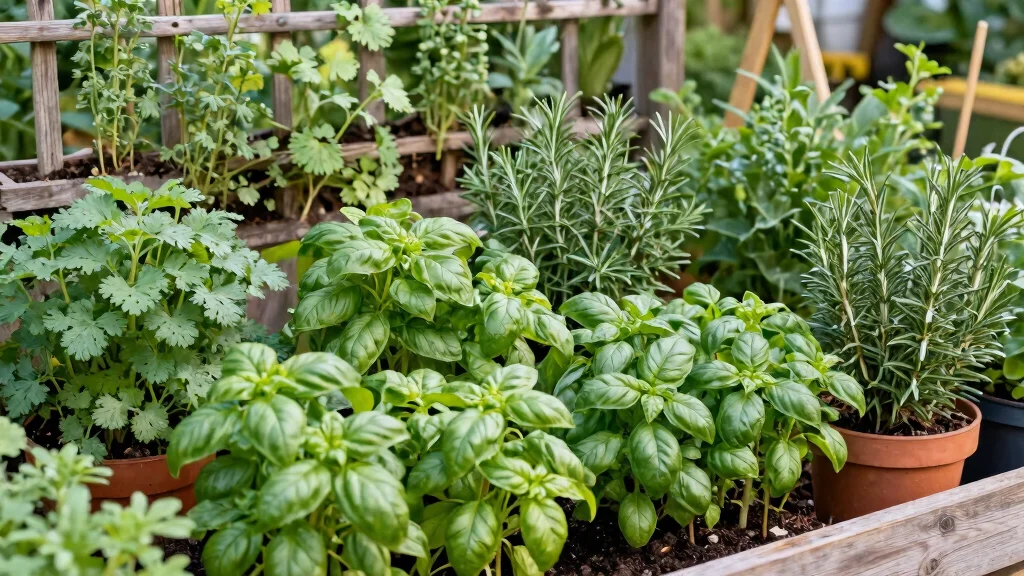
Dimensions & Size Guide
Standard Sizes & Measurements:
When planning your edible landscaping, knowing the standard sizes for garden beds, paths, and other features is essential. For raised beds, a common size is 4 feet wide by 8 feet long. This allows easy access from both sides without stepping on the soil. The ideal height for a raised bed is 12 to 24 inches. This depth provides enough space for roots to grow and makes gardening easier on your back.
For pathways, aim for at least 3 feet wide. This width gives you enough space to move comfortably, especially when transporting tools or harvest. As for the space between plants, a good rule of thumb is to give each plant at least 12 to 18 inches, depending on their mature size. This spacing allows for adequate air circulation and light exposure, which are key for healthy growth.
Quick Reference Table:
Size/Dimension – Best for: [use case], Minimum space needed: [measurement]
4 ft x 8 ft – Raised Beds, Minimum space needed: 32 square feet
3 ft – Pathways, Minimum space needed: 3 feet wide
12-18 inches – Plant Spacing, Minimum space needed: 12 inches per plant
12-24 inches – Raised Bed Height, Minimum space needed: 12 inches
Space Planning Tips:
1. Measure Twice: Before you dig, double-check all your measurements. A small error can lead to a big problem later. Use a tape measure to ensure accuracy.
2. Visualize Your Layout: Use graph paper or digital tools to sketch out your design. This helps you see how different elements fit together and ensures you don’t overcrowd your plants.
3. Consider Sunlight and Water Access: Make sure to map out where the sun rises and sets in your space. Plants need adequate light, and planning for easy access to water will make your garden thrive.
4. Don’t Forget About Growth: As you choose your plants, think about how large they will get. For example, tomato plants need more space than herbs. Give them room to spread out without competing with each other.
5. Pathway Placement Matters: Position paths where you’ll need to walk often. This keeps your garden organized and easy to navigate, minimizing the risk of trampling your plants.
Pro Tip: The most crucial measurement to keep in mind is the width of your raised beds. Keeping them to a maximum of 4 feet wide ensures you can reach the center without stepping into the bed. This design supports healthy soil and plant growth while making gardening more enjoyable for you!
Vertical Gardens for Limited Spaces
Editor’s Choice

KINGLAKE Flower Pots,10 Pcs Metal Iron Hanging Flower Plant Pots Balcony…

LA JOLIE MUSE Large Hanging Planters – 13 Inch Flower Pots Outdoor Indoo…
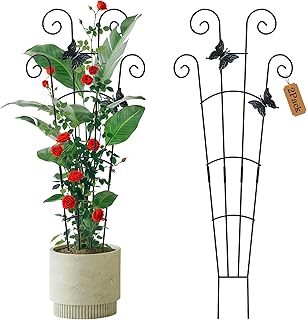
2 Pack 30 Inch Taller Plant Trellis for Potted Climbing Plants Indoor,Ex…
6. The Food Forest Layout

Imagine having a mini-ecosystem right in your backyard! Designing a food forest is a fantastic way to support a variety of edible plants, trees, and shrubs. This layout mimics a natural forest structure, layering taller fruit trees to provide shade for shorter bushes and ground cover.
By adopting this design, you promote biodiversity, improve soil health, and create a sustainable garden. It’s perfect for those wanting to grow diverse edible plants with minimal maintenance.
Tips:
– Incorporate native species to support local wildlife.
– Use mulch to retain moisture and suppress weeds.
– Plan pathways for easy access while being mindful of the ecosystem.
– Regularly inspect plants for pests and diseases to maintain health.
This layout offers a stunning combination of beauty and productivity, making it a rewarding choice for sustainable gardening.
The Food Forest Layout
Editor’s Choice

Practical Permaculture: for Home Landscapes, Your Community, and the Who…
Companion Planting for Beginners: Pair Your Plants for a Bountiful, Chem…

Rapitest Soil Test Kit for Gardens, Vegetables, Flowers and Lawns. USA d…
7. Pollinator Pathways in Urban Areas
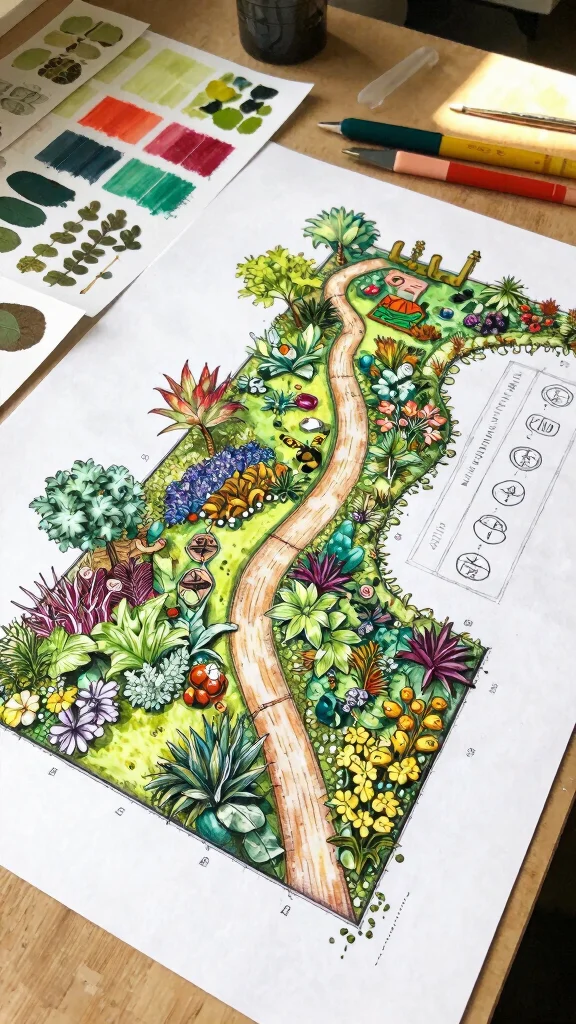
Want to make a difference for local ecosystems in your urban area? Creating pollinator pathways is essential. This layout illustrates how to design interconnected gardens that provide habitats for bees, butterflies, and other beneficial insects. By including flowering meadows and native plants, you can create a green corridor that enhances biodiversity in your neighborhood.
This design also encourages community gardening, fostering cooperation among neighbors.
Tips:
– Utilize native plants that flourish in your area for low maintenance.
– Plan for continuous blooms throughout the season to support pollinators.
– Incorporate benches and resting spots to encourage outdoor enjoyment.
– Use signage to educate the community about the importance of pollinators.
This layout not only beautifies urban landscapes but also nurtures appreciation for the natural world.
Pollinator Pathways in Urban Areas
Editor’s Choice
Burpee Wildflower 25,000 Bulk, 1 Bag, 18 Varieties of Non-GMO Flower See…

Personalized Garden Signs for Outdoor, Custom Butterfly Garden Sign with…
8. Rain Gardens: A Natural Solution
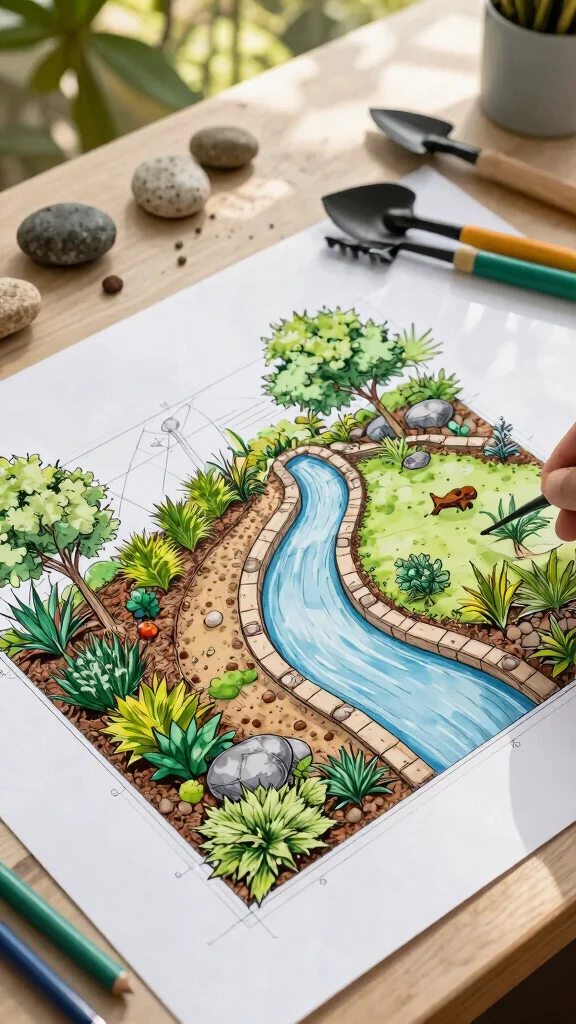
Looking for an environmentally friendly way to manage stormwater? Rain gardens are a beautiful solution that supports local wildlife. This layout emphasizes native, water-loving plants that thrive in varying moisture conditions. By creating dips in your garden, you can capture rainwater naturally and promote groundwater recharge.
With a rain garden, you’re not just managing water; you’re crafting a vibrant space for pollinators and birds.
Tips:
– Choose plants that can handle both wet and dry conditions for optimal health.
– Plan your rain garden away from tree roots to prevent competition for water.
– Surround the garden with stones or gravel for added drainage and visual interest.
– Regularly maintain the garden to remove debris and promote the health of plants.
This layout serves as a sustainable solution for water management while adding lush beauty to your landscape.
Did you know a well-placed rain garden can cut stormwater runoff by up to 30%? It’s a smart, beautiful addition to your landscaping plans layout—supporting pollinators and birds while native plants flourish in any moisture. Start with a shallow dip and watch water recharge your space.
You Might Also Like

Rain Gardens: A Natural Solution
Editor’s Choice

Rain Gardens: Sustainable Landscaping for a Beautiful Yard and a Healthy…
9. Community Orchard Layouts

Want to enhance social connections while providing fresh food? Establishing a community orchard is a wonderful way to do just that. This layout showcases how to organize fruit trees and plants to maximize sunlight and accessibility. By creating clusters of fruit-bearing trees, community members can easily collaborate in caring for and harvesting their shared bounty.
This design fosters a sense of community and sustainability, bringing neighbors together.
Tips:
– Include a mix of fruit trees to ensure a variety of harvests throughout the year.
– Provide paths or picnic areas for social gatherings and education.
– Organize workshops to teach others about fruit tree care and sustainable gardening practices.
– Regularly check for pests and diseases in the orchard.
This layout not only promotes community spirit but also encourages healthier eating habits.
Fun fact: Community orchards can yield 2x the harvest per acre when fruit trees are clustered for sun exposure and shared upkeep. Share the care, share the harvest, and turn neighbors into collaborators with a smart landscaping plans layout.
Community Orchard Layouts
Editor’s Choice

Software as a Garden: Software Development for Non-Developers

6 Live Fruit Trees – Backyard Orchard Starter Bundle – 2 Apple, 2 Pl…
Garden Tools Set, 3 Pack Heavy Duty Gardening Tools Set Include Garden S…
10. Wildlife Habitat Gardens

Are you passionate about promoting biodiversity? Creating wildlife habitats in your garden is vital for maintaining a balanced ecosystem. This layout focuses on native plants, shrubs, and water features that attract birds, insects, and other wildlife. With various plant layers, you provide shelter, food, and nesting areas for local species.
Your garden will not only flourish but also contribute to environmental conservation.
Tips:
– Avoid chemicals and pesticides that could harm local wildlife.
– Incorporate natural materials like logs and stones for additional shelter.
– Create a small pond or water feature to attract frogs and birds.
– Plant a variety of flowering and fruiting plants to cater to different species.
This design creates a thriving ecosystem, making your garden a living part of nature.
Wildlife Habitat Gardens
Editor’s Choice

Plant This, Not That: Over 200 Native Plant Swaps for a More Sustainable…

BioAdvanced Organics Brand Tomato, Vegetable & Fruit Plant Bug Spray, Re…

SunJet 40″ High 6-Tiers Cascading Rock Outdoor Water Fountain with LED L…
Conclusion

These 10 landscaping plan layouts not only inspire but also lay the groundwork for sustainable gardening practices. By carefully considering your design choices, you can create beautiful outdoor spaces that are both functional and environmentally conscious.
As you embark on your gardening journey, remember to embrace nature, promote biodiversity, and most importantly, enjoy the process of nurturing your green sanctuary.
Note: We aim to provide accurate product links, but some may occasionally expire or become unavailable. If this happens, please search directly on Amazon for the product or a suitable alternative.
This post contains Amazon affiliate links, meaning we may earn a small commission if you purchase through our links, at no extra cost to you.
Frequently Asked Questions
What is a landscaping plans layout and why is it important before you start digging?
A landscaping plans layout is a drawn blueprint of your outdoor space that shows where every element will go before you dig a hole. It helps you see how edible beds, paths, trees, seating, and water features fit together, test sun/shade patterns, drainage, and maintenance needs, and prevent costly mistakes. To get started, map your site with measurements, list your edible goals (vegetables, herbs, fruit trees), sketch 2–3 layout options (grid, curved, terraces), choose a scale (for example 1/4 inch = 1 foot works well), mark irrigation and mulch zones, and plan access routes for chores. Compare the options and pick the layout that best supports your outdoor space planning and landscape design tips, while keeping your garden design ideas in mind.
How can I create visual garden layouts that help me plan sustainable edible landscaping?
To create visual garden layouts that guide edible landscaping, start with a clear site map and scale drawing. Place edible beds by sun exposure, tuck shade-tolerant herbs in partial shade, and build up vertical space with trellises and fruit arches. Define zones for vegetables, herbs, fruit, pollinator-friendly perennials, and seating. Sketch several options and compare their flow, harvest order, and maintenance needs. Test each layout with temporary markers or chalk before digging. Tools like grid paper or simple software can help you stay true to scale. This approach keeps garden design ideas and outdoor space planning front and center in your landscape plans layout decisions.
What are practical landscape design tips for a sustainable edible landscaping plan?
Here are practical landscape design tips for a sustainable edible landscape: 1) orient beds by sun and wind to optimize yields, 2) choose drought-tolerant, edible varieties to save water, 3) build soil health with compost, mulch, and minimal tilling, 4) install drip irrigation and collect rainwater where possible, 5) use raised beds or contained planters to improve soil control, 6) mix perennials (berries, herbs) with annual vegetables for year-round harvest, 7) plan crop rotation and companion planting to reduce pests, 8) plant pollinator-friendly flowers to support biodiversity, and 9) use vertical gardening to maximize space in small yards. All of these feed into smarter outdoor space planning and align with landscape design tips in your landscaping project examples.
Are there examples of landscaping plan layouts for different spaces?
Yes — here are landscaping project examples of landscaping plans layout for different spaces you might have:
Small urban lot: a grid-style kitchen garden with modular raised beds, a compact herb spiral, and a narrow path for access.
Medium backyard: a kitchen garden layout with 4 raised beds, a central seating patio, and a trellis wall for vertical edibles.
Front yard: an edible landscape with drought-tolerant natives and low-maintenance fruiting shrubs to boost curb appeal.
Courtyard: a shaded microclimate with a shade-tolerant salad bed, vertical vines, and a stone seating area. Each example shows how visual garden layouts and outdoor space planning come together in practical landscape design tips and can be adapted to your own garden design ideas.
How can I translate garden design ideas into a cohesive outdoor space plan using landscaping plans layout?
To translate garden design ideas into a cohesive outdoor plan using a landscaping plans layout, start by clarifying your goals and the edible outcomes you want. Then inventory sun/shade, soil type, water access, and existing features. Create a master plan that groups elements into zones for edible beds, pathways, seating, and utilities. Choose a unifying style and color palette to tie visual garden layouts together. Iterate with 3D previews or printed sketches before digging, and refer to landscape design tips and landscaping project examples to stay practical. Finally, build in stages and adjust as you go for a sustainable, productive outdoor space.
Related Topics
landscaping plans layout
sustainable gardening
edible landscaping
visual garden layouts
outdoor space planning
landscape design tips
beginner friendly
DIY landscaping
garden design examples
seasonal planting
advanced garden planning