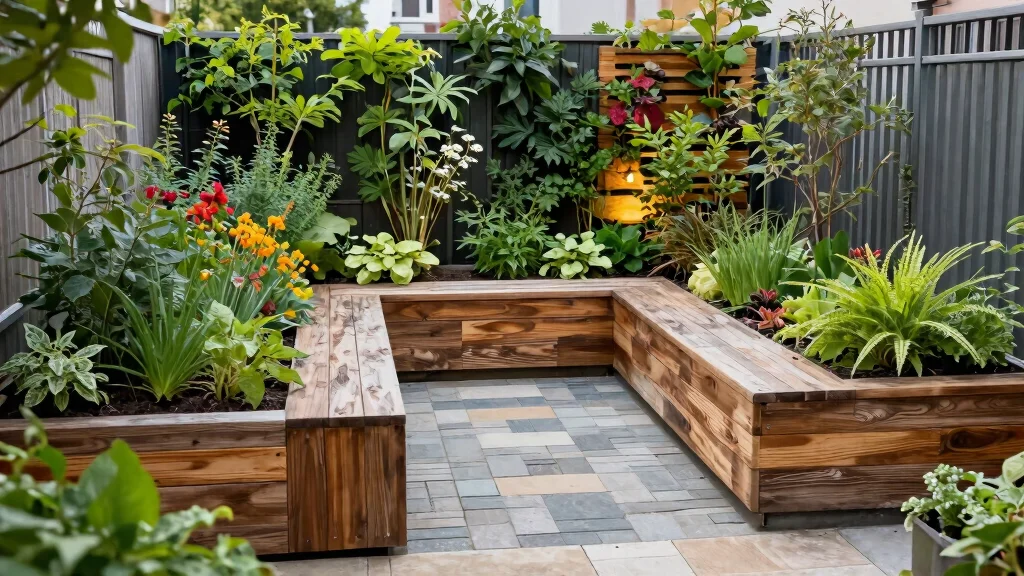
Creating a beautiful yard is often more complicated than it seems. You might find yourself staring at a blank canvas, wondering where to start or how to make the best choices. I’ve been there too, craving a stunning outdoor space but feeling overwhelmed by options. That’s why I put together this guide to help you take the guesswork out of your landscaping plans.
If you love gardening and want to transform your small urban space into a personal paradise, this is the perfect post for you. Whether you’re an experienced gardener or a novice looking to dip your toes into outdoor space planning, I’ve got something that will spark your creativity. You’ll find nine unique landscaping plans that are practical, eco-friendly, and designed to fit your urban garden’s needs.
Each plan offers inspiration, practical tips, and sustainable solutions. You’ll learn how to make the most of your space, add color and texture, and even attract local wildlife. So if you’re ready to create a yard you will absolutely love, keep reading. Let’s dive into these fantastic yard design ideas that will turn your outdoor space into a beautiful retreat.
Key Takeaways
– Discover nine unique landscaping plans that simplify the design process for small urban gardens.
– Learn how to create vertical gardens that maximize space and add greenery to your outdoor area.
– Explore cozy edible gardens that not only look good but also provide delicious homegrown food.
– Find out how to use native plants to create low-maintenance, eco-friendly landscapes that support local wildlife.
– Get tips on designing multi-functional outdoor spaces that can serve several purposes, from relaxation to gardening.
1. The Vertical Garden Wonder

Imagine transforming your walls into a thriving green oasis!
Vertical gardens offer a creative solution for limited spaces, allowing you to enjoy lush greenery without sacrificing square footage. By using climbing plants and innovative wall-mounted planters, you can create a stunning vertical landscape that brings life to any area.
Start by selecting a diverse range of plants that thrive together, ensuring they have the same light and water needs. Regularly check on your irrigation system to keep your greenery flourishing, and opt for lightweight, breathable materials to protect your walls.
Key features to consider:
– Mix vibrant herbs and flowers for a colorful display.
– Incorporate a drip irrigation system for easy maintenance.
– Choose lightweight planters to reduce wall strain.
By embracing vertical gardening, you’ll not only enhance your outdoor aesthetic but also enjoy fresh herbs right at your fingertips!
The Vertical Garden Wonder
Editor’s Choice

Make Good PlantPod Luxe – Self-Watering Wall Planters (Set of 6) – Easy …


50+ Dark Red Morning Glory Seeds Climbing Vine Flowers Garden Planting

Automatic Plant Water Indoor, 15 Potted Plants Self Watering System, Aut…
2. Cozy Edible Gardens

Imagine a garden that nourishes both your body and spirit!
Edible landscaping transforms your outdoor space into a vibrant, productive sanctuary. Whether you opt for raised beds or herb spirals, integrating edible plants adds practicality alongside beauty.
Consider using companion planting techniques to boost growth and deter pests naturally. Arrange your plants in visually appealing patterns to enhance both form and function, creating a garden that’s as lovely as it is useful.
Layout inspirations include:
– Circular herb spirals for efficient space use.
– Raised beds with built-in seating for comfort and convenience.
– Permeable pathways to promote drainage and soil health.
With a well-planned edible garden, you’ll have fresh ingredients at your fingertips while also creating a feast for the eyes!
Cozy Edible Gardens
Editor’s Choice

Esterno Hanging Flower Pot Tiered Stand (Black), Metal Outdoor Stacking …

Companion Planting for Beginners: Pair Your Plants for a Bountiful, Chem…

Vego garden Raised Garden Bed Kits, 17″ Tall 9 in 1 8ft X 2ft Metal Rais…
3. Native Plant Paradise

Bring the beauty of local flora right to your backyard!
Native plants are naturally suited to your region, requiring less water and care while supporting local wildlife. By creating a landscape that fosters biodiversity, you’re also enhancing your outdoor environment.
Group your plants by their water needs, and design layers to create visual interest. Choose a mix of native flowers, grasses, and shrubs to establish a stunning, easy-to-maintain landscape.
Consider these tips:
– Research local native species for the best options.
– Plan for diverse bloom times to ensure year-round color.
– Design with wildlife in mind by providing habitats and food sources.
This environmentally-friendly approach enriches your yard while positively impacting the local ecosystem!
Fun fact: Native plants in local landscapes often require 30-50% less water than non-native lawns. Group by water needs, layer for depth, and mix natives to boost biodiversity—it’s a practical, beautiful landscaping plan you can start today.
Native Plant Paradise
Editor’s Choice


MIXC 230FT Quick-Connect Drip Irrigation System Kit, Automatic Garden Wa…
4. Minimalist Zen Retreat

Create your own peaceful escape with a minimalist garden!
A Zen-inspired space emphasizes simplicity and calm, utilizing elements such as stones, sand, and thoughtfully placed plants. This tranquil environment encourages mindfulness, making it perfect for those seeking a serene retreat.
Use gravel paths flanked by low-maintenance plants and natural elements like boulders to foster an organic flow. Adding a small water feature can enhance the sense of tranquility and invite wildlife to your garden.
Key design elements:
– Stick to a limited color palette for a cohesive look.
– Incorporate open spaces to promote a feeling of airiness.
– Use natural materials to connect with the environment.
A minimalist Zen garden not only soothes the soul but also elevates your outdoor experience!
How To Choose The Right Landscaping Plans for Your Small Urban Garden
Choosing the perfect landscaping plans for your small urban garden involves careful consideration of various factors. Here’s how to make your selection process smoother and more effective.
1. Assess Your Space
Begin by measuring your outdoor area. Take note of dimensions, sunlight exposure, and any existing structures. Understanding your space helps you visualize whether to use vertical gardens, edibles, or native plants. If you’re working with a balcony or small yard, these details are crucial for effective outdoor space planning.
2. Define Your Goals
Clarify what you want from your garden. Are you looking for a peaceful retreat, a productive edible garden, or a vibrant space for wildlife? Defining your goals guides your design choices. For example, if attracting pollinators is a priority, incorporating native plants makes sense. Think about how you’ll use the space and what atmosphere you want to create.
3. Consider Maintenance Level
Evaluate how much time you can dedicate to garden upkeep. Some landscaping plans require regular pruning, watering, or weeding, while others are more low-maintenance. If you prefer a hands-off approach, opt for drought-tolerant plants or a minimalist zen retreat. Understanding your maintenance preferences prevents future frustration.
4. Choose Sustainable Practices
Incorporate eco-friendly options into your garden design. This can include using native plants, rainwater harvesting, or organic gardening methods. Sustainable landscaping plans not only benefit the environment but also reduce upkeep costs. For instance, native plants often require less water and are more resilient to local pests.
5. Budget Wisely
Establish a clear budget for your landscaping project. Costs can vary widely based on plant choices, materials, and design complexity. Create a list of necessary items, like soil, plants, and tools. This will give you an overview of your expenses and allow you to prioritize what’s essential versus what’s optional. Don’t forget to include costs for professional help if needed.
6. Seek Inspiration
Look for garden layout inspiration online or in magazines. Local gardening groups or community gardens can also spark ideas. Pinterest and Instagram are fantastic places to discover yard design ideas that fit your style. Collect images that resonate with you and think about how you can adapt them to fit your space.
Pro Tip: Start small! If you’re unsure about a specific landscaping plan, try it out on a small scale first. This allows you to experiment with layouts and plants before fully committing to the design. You might be pleasantly surprised by how a small area can reflect a larger vision!
Minimalist Zen Retreat
Editor’s Choice
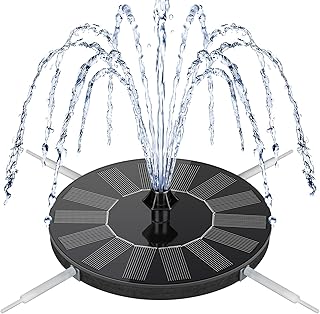
Mademax Solar Bird Bath Fountains, Upgrade 1.4W Solar Fountain Pump with…
5. Urban Wildlife Haven

Transform your garden into a sanctuary for local wildlife!
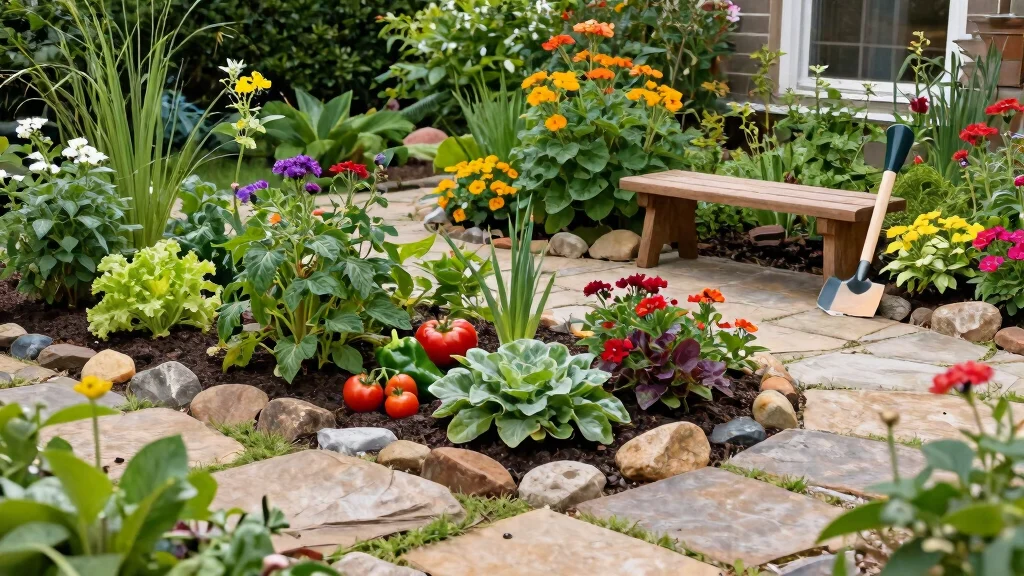
By adding elements that attract birds, butterflies, and beneficial insects, you enhance both biodiversity and your outdoor enjoyment. Features such as birdhouses, native plants, and water sources can significantly enrich your garden.
Include nectar-rich flowers, create a small pond or birdbath, and avoid harmful chemicals to support wildlife health. Plan your garden to incorporate various food sources and shelter for different species.
Essential components to add:
– Nectar-rich plants to draw in pollinators.
– A small pond or birdbath for hydration.
– Diverse plantings to support various wildlife.
This wildlife-friendly approach enhances your connection with nature while contributing positively to the environment!
You might also like

Urban Wildlife Haven
Editor’s Choice

SISTERBIRD 2 Pack Bird Houses for Outside Clearance with Copper Guard, C…

Native Wildflower Seeds for Planting 24 Variety Pack – Perennial & Ann…

Metal Bird Bath for Outside Garden Birdbath Bowl, 42.1″ Height Bird Feed…
6. Eco-Friendly Hardscaping

Make hardscaping an exciting part of your garden design!
By using eco-friendly materials like permeable pavers and reclaimed wood, you can create beautiful pathways and patios without harming the planet. These sustainable choices enhance your outdoor aesthetics while promoting better drainage and reducing runoff.
Combine hardscaping features with green spaces for a beautiful balance. Opt for soft curves instead of harsh lines to create a more natural appearance.
Key design aspects to consider:
– Use permeable materials to manage water flow.
– Incorporate greenery within hardscaping for visual appeal.
– Create inviting spaces for relaxation and gatherings.
Eco-friendly hardscaping enriches your outdoor spaces while being kind to the environment!
📹 Related Video: How To Install A Permeable Gravel Driveway Grid System
Eco-Friendly Hardscaping
Editor’s Choice

Vodaland Permeable HexPave System – Grass & Gravel Pavers – 100% Recycle…
7. Multi-Functional Spaces
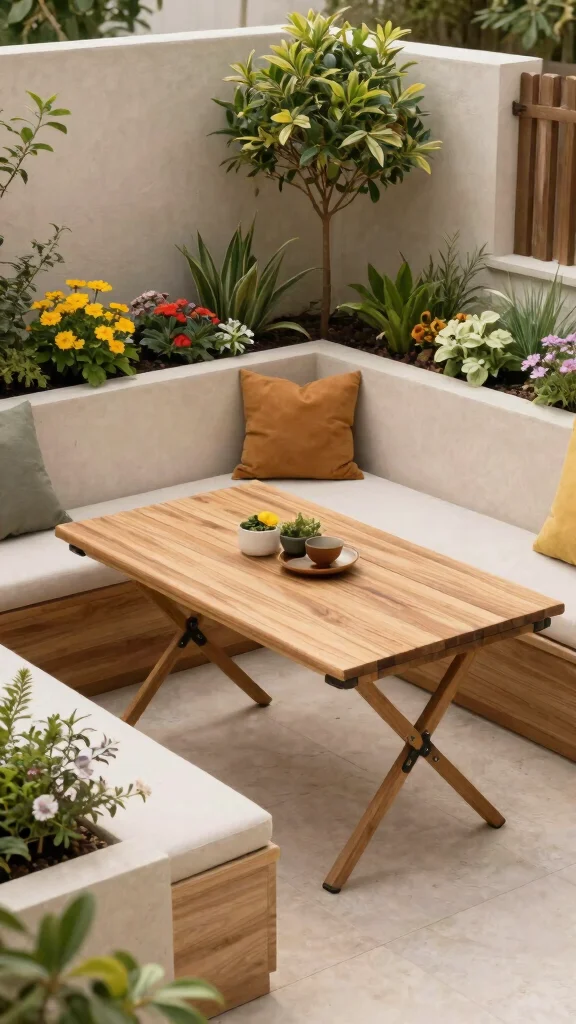
Why compromise when you can have both a garden and a patio?
Multi-functional outdoor areas maximize usability, allowing you to enjoy different activities without needing extra space. By combining seating, dining, and gardening, you create a cohesive design that encourages outdoor living.
Integrate features like raised beds serving as seating walls or include collapsible tables to enhance versatility. Movable planters can also adapt to seasonal changes for added flexibility.
Ideas to enhance your space:
– Combine seating walls with raised beds for dual use.
– Use collapsible furniture for easy storage.
– Incorporate movable planters to change layouts.
By designing dynamic spaces, your yard feels larger while providing endless opportunities for relaxation, gardening, and entertaining!
Is it possible to love every inch of your yard? With movable planters, raised beds used as seating, and collapsible tables, you can blend dining, lounging, and gardening in one multi-functional space. These landscaping plans adapt to seasons, so small urban gardens shine year-round.
Multi-Functional Spaces
Editor’s Choice

Giantex Folding Side Table, Square Small Patio Table, Tempered Glass Tab…

Yaheetech 8x2ft Wooden Horticulture Raised Garden Bed Divisible Elevated…
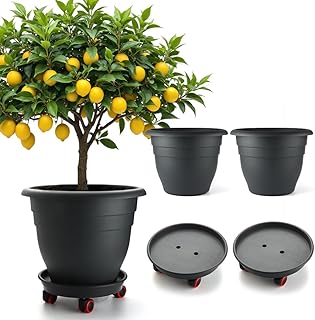
RooTrimmer 3 Pack 16 Inch Large Plant Pots with Rolling Saucers & Draina…
8. The Scented Garden

Elevate your garden experience with fragrant plants!
A scented garden enriches your outdoor space with beautiful aromas, enhancing the overall atmosphere. Consider incorporating fragrant plants like lavender, rosemary, and jasmine that thrive in urban conditions and attract pollinators.
Position aromatic plants along pathways or near seating areas to maximize their delightful scents. Grouping plants with similar care needs ensures a thriving, easy-to-maintain garden.
Design tips to consider:
– Place fragrant plants strategically for maximum scent.
– Group plants by care requirements for easier maintenance.
– Incorporate a variety of fragrances for a layered sensory experience.
A scented garden not only enhances relaxation but also deepens your connection with nature right outside your door!
You Might Also Like


The Scented Garden
Editor’s Choice

Perfect Plants Confederate Jasmine Live Plant, 1 Gallon Pot, Includes Ca…

Rosemary Plant Live in Pot, Live Rosemary Plant, 8 Inches in Height, Fra…

Live Lavender 2-Pack – Purple – Fragrant Sun Perennial Herb, Pollina…
9. Seasonal Color Show

Why settle for a static garden when you can celebrate all seasons?
Designing a garden that showcases seasonal blooms creates a vibrant landscape that evolves throughout the year. By selecting a variety of plants that flower at different times, you ensure a colorful experience no matter the season.
Choose spring perennials, summer annuals, autumn foliage, and winter evergreens for consistent interest. Mixing textures and heights adds depth to your design, creating an inviting space.
Planning tips to keep in mind:
– Choose plants with staggered bloom times for continuous color.
– Incorporate diverse heights and textures for visual interest.
– Plan for seasonal celebrations with family and friends.
With a seasonal garden, your outdoor space remains exciting and vibrant year-round!
Fun fact: A thoughtful seasonal color plan can boost curb appeal by up to 30% across the year. With smart landscaping plans, you mix spring blooms, summer textures, and winter greens to keep your yard vibrant all year long.
Seasonal Color Show
Editor’s Choice

Essential Guide to Perennial Gardening: Techniques and Know-How for Plan…

Burpee Wildflower 25,000 Bulk, 1 Bag | 18 Varieties of Non-GMO Flower Se…
Conclusion

With these nine landscaping plans, you have the tools to transform your urban yard into an oasis you truly love.
From vertical gardens to seasonal displays, each idea promotes sustainability and creativity in your outdoor space.
Start planning today and watch your small garden flourish into a stunning retreat where you can relax and reconnect with nature.
Note: We aim to provide accurate product links, but some may occasionally expire or become unavailable. If this happens, please search directly on Amazon for the product or a suitable alternative.
This post contains Amazon affiliate links, meaning we may earn a small commission if you purchase through our links, at no extra cost to you.
Frequently Asked Questions
What makes a sustainable landscaping plan successful for a small urban yard?
Creating a sustainable landscaping plans approach for a small urban yard starts with understanding your site and goals. Prioritize waterwise plants, healthy soil, and vertical elements to multiply green space without crowding.
Key steps include assessing sun and shade, choosing a cohesive color and plant palette, selecting drought-tolerant natives, using mulch to lock in moisture, and adding a rain barrel for irrigation.
Think in terms of yard design ideas and practical outdoor space planning to build a low-maintenance, high-impact yard you’ll love.
How can I incorporate yard design ideas that save water and maximize space in a small garden?
Start by embracing yard design ideas that blend beauty with efficiency. Choose native, drought-tolerant plants, group plants with similar water needs, and use vertical planters to free up ground space.
Consolidate irrigation with a simple drip system and a rain barrel, mulch generously, and use compact, multi-functional furniture to keep seating and planting zones cohesive. Integrate outdoor space planning to ensure each element serves multiple purposes.
With thoughtful planning, your landscape design tips translate into a lush, sustainable oasis even in a condo balcony or narrow patio.
What are practical steps for outdoor space planning to create a cohesive garden layout inspiration?
Start with a clear map of your space: measure, note sun patterns, and identify existing features. Then design zones for entertaining, growing, and relaxation, using a simple grid or shapes to guide garden layout inspiration.
Create a focal point—like a tree, sculpture, or water feature—and repeat colors and textures across your yard design ideas to build unity. Finally, choose scalable elements so your outdoor space planning stays flexible as your needs change.
How do I choose a garden layout inspiration that works with my climate, sun exposure, and urban constraints?
Understanding your climate and microclimates is essential. Start with a garden layout inspiration that fits your sun exposure map and wind patterns, then pick plants and materials that tolerate your conditions. For small urban spaces, consider vertical gardens, compact perennials, and tiered planters to maximize height without widening the footprint.
Use scalable features like modular paths and lightweight furniture so your space remains adaptable during seasonal changes. Tailor your design with outdoor space planning and practical landscape design tips for best results.
What are budget-friendly backyard landscaping solutions that still deliver a polished look?
Great question! Start by repurposing materials you already have and layering in modular planters that you can move as the yard evolves. Plant a few backbone perennials and groundcovers to provide ongoing structure, then accent with seasonal blooms.
Install a simple drip irrigation or soaker hose, mulch generously to reduce weeding, and add solar lighting for ambiance without high electricity costs. These backyard landscaping solutions keep costs down while delivering a cohesive, polished look that still feels curated. Plus, they pair nicely with landscape design tips for small spaces.
Related Topics
landscaping plans
sustainable gardening
urban garden design
backyard landscaping
yard design ideas
outdoor space planning
garden layout inspiration
easy landscaping
beginner friendly
eco-friendly landscaping
small garden solutions
landscape design tips