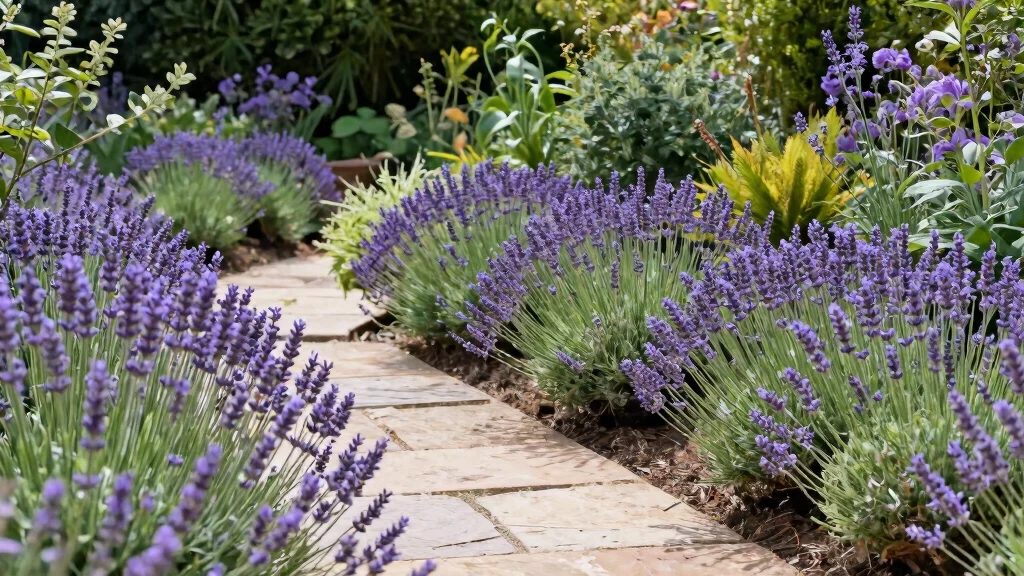
Creating a lavender garden has become a delightful obsession for many gardening enthusiasts and casual hobbyists alike. The soothing scent of lavender can transform your outdoor space into a fragrant retreat. This post stems from my love for these beautiful blooms and the increasing demand for sustainable gardening practices that support eco-friendly living. If you’re searching for ways to incorporate lavender plants into your garden, you’re in the right spot.
Whether you’re an experienced gardener or just starting out, this guide is tailored for anyone who appreciates the beauty of fragrant flowers and wants to enhance their outdoor aesthetics. Here, you’ll discover ten irresistible lavender garden landscaping ideas that are not only stunning but also drought-resistant. These ideas will help you create a space that thrives while conserving water, making it perfect for our ever-changing climate.
By the end of this post, you will gain valuable insights and practical tips that will inspire you to plant lavender in creative ways. You’ll learn how to design cozy seating areas, create fragrant pathways, and even incorporate lavender as effective ground cover. Let’s dive into these landscaping ideas and transform your garden into a stunning lavender oasis!
Key Takeaways
– Lavender Hedges for Pathways: Use lavender plants as hedges along pathways to create a fragrant and inviting environment that guides visitors through your garden.
– Lavender and Rock Gardens: Pair lavender with rocks and gravel to develop a drought-resistant garden that blends natural beauty with low maintenance.
– Lavender as Ground Cover: Discover how ground cover lavender can suppress weeds while adding beautiful color and scent to areas that need a touch of life.
– Cozy Lavender Seating Areas: Design intimate seating spaces surrounded by lavender plants to create a serene retreat perfect for relaxation and enjoyment.
– Seasonal Lavender Displays: Learn how to incorporate seasonal elements into your lavender garden for year-round interest, ensuring your space remains vibrant and engaging.
1. Lavender Hedges for Pathways

Imagine walking through your garden, surrounded by lush lavender hedges that not only define your pathways but also fill the air with their soothing fragrance. These hedges act as natural guides, inviting visitors to explore while adding vibrant colors to your landscape. Using varieties like English or French lavender ensures you have a stunning visual display that’s both tall and bushy, perfect for creating a striking border.
To bring this idea to life, start by selecting a sunny location where lavender thrives in well-drained soil. Space your plants 12-18 inches apart to allow for proper airflow and growth. Regularly trimming your hedges will maintain their shape and promote more blooms throughout the season.
Get started with these simple steps:
– Choose a sunny spot for optimal growth
– Space plants 12-18 inches apart for airflow
– Trim regularly to encourage blooms
By crafting these aromatic hedges, you not only beautify your garden but also create a welcoming habitat for pollinators like bees and butterflies.
Fun fact: Lavender hedges for pathways can cut water use by up to 30% and attract more pollinators, benefiting lavender garden landscaping on a drought-friendly border. English or French varieties stay tall and bushy, creating a fragrant, low-maintenance guide along every path.
Lavender Hedges for Pathways
Editor’s Choice

DECERK® 8.5″ Professional Pruning Shears – Cuts 4X Easier with Ultra Sh…


Lavender Fertilizer – Liquid Plant Food for More Blooms, Stronger Root…
2. Lavender and Rock Gardens

Bring a touch of elegance to your outdoor space by incorporating lavender into a rock garden. The rugged stones provide a striking contrast to the delicate lavender blooms, creating an eye-catching focal point. This setup not only enhances your garden’s aesthetic but also thrives with minimal maintenance.
To create your rock garden, choose rocks of varying heights and shapes to add interest and texture. Cluster your lavender plants among the stones, combining them with drought-resistant options like succulents for a vibrant look. Use gravel or decorative stones for pathways to improve drainage and visual appeal.
Here are a few tips to get started:
– Select rocks of varied heights for visual interest
– Cluster lavender with drought-resistant plants
– Use gravel for pathways to enhance drainage
This combination not only looks stunning but also makes it easy to care for your garden, especially in dry climates.
Lavender and Rock Gardens
Editor’s Choice

Live Lavender 2-Pack – Purple – Fragrant Sun Perennial Herb, Pollina…

2lb Bonsai Succulent and Cactus Soil Boniosz Gritty Mix Rocks Faster Dra…

FANTIAN 20 lbs Natural River Rocks Mexican Beach Pebbles, 2-3 Inch Decor…
3. Lavender as Ground Cover

Transform your garden with lavender as a ground cover, offering a beautiful bloom while reducing weeds and retaining moisture. Low-growing types like ‘Hidcote’ or ‘Munstead’ can create a stunning, soft carpet of purple that spreads gracefully.
For best results, plant your lavender in sunny spots where they can thrive. Space the plants closely together to achieve quick coverage and water them regularly during the initial growing season to help them establish.
Follow these essential tips:
– Plant in sunny areas for optimum growth
– Space plants closely for lush coverage
– Water regularly in the first growing season
Ground cover lavender not only beautifies your garden but also acts as a fragrant barrier, helping to deter pests and create a healthier environment.
Lavender as Ground Cover
Editor’s Choice

GROWIT Plant Moisture Meter – Accurately Tells You When to Water Your Pl…

Back to the Roots 25.7qt (1 Cubic ft) Organic Premium Mulch

Munstead English Lavender Seeds for Planting – Compact Dwarf Hardy Per…
4. Lavender in Raised Beds
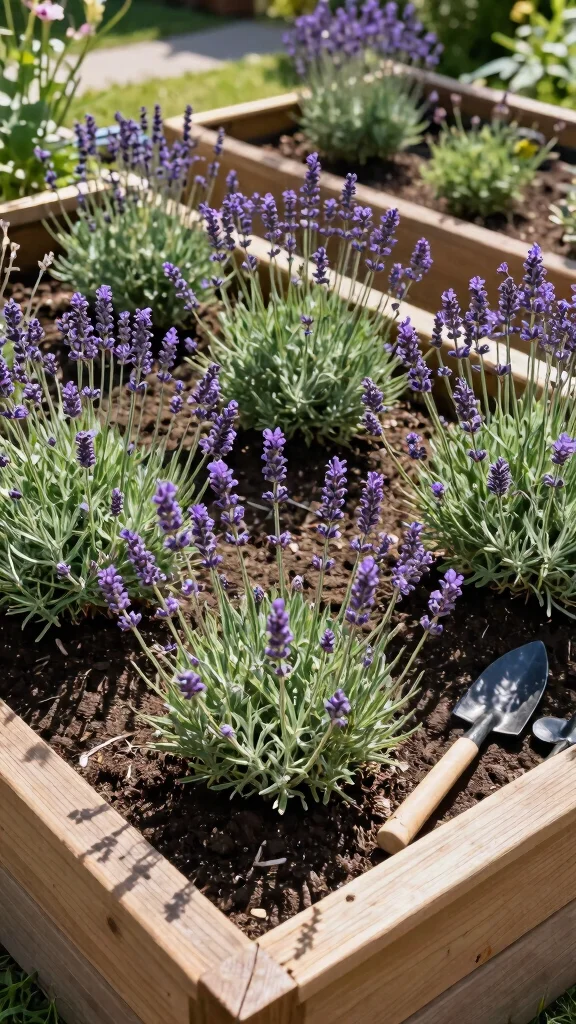
Raised garden beds offer a fantastic way to grow lavender while ensuring excellent drainage. They can be creatively designed in various shapes and sizes, adding both functionality and beauty to your garden.
To build a raised bed for your lavender, opt for untreated wood or bricks for the frame. Fill it with quality soil that drains well, mixing in compost for added nutrients. Plant a variety of lavender types to create an engaging visual effect.
Here’s how to get started:
– Use untreated wood or bricks for the frame
– Fill with well-draining soil and compost
– Plant multiple lavender varieties for diversity
This setup not only promotes healthy plants but also makes gardening more accessible, allowing you to manage water efficiently and enjoy your lavender garden.
Lavender in Raised Beds
Editor’s Choice

Back to the Roots 25.7qt (1 Cubic ft) Organic Premium Compost

Soil Sunrise Lavender Potting Soil Mix (8 Quarts) Indoor/Outdoor Contain…

12 Pack Cedar Planks for Grilling Salmon and More – Sourced and Made in …
5. Cozy Lavender Seating Areas

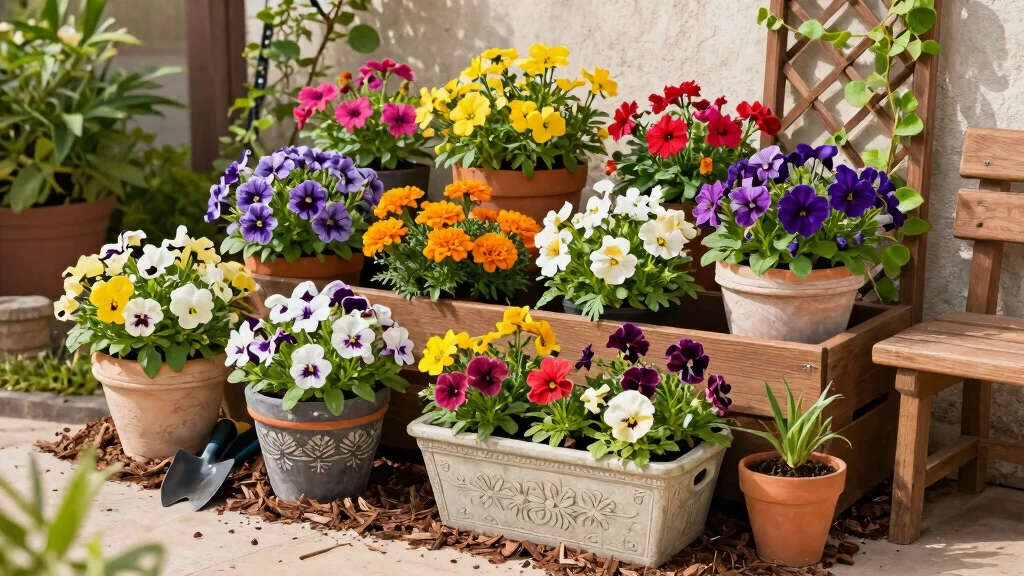
Imagine a peaceful seating area surrounded by blooming lavender, creating an ideal spot for relaxation. Picture a quaint bench nestled among the fragrant plants, offering a tranquil retreat from the hustle and bustle.
To create this inviting space, position your seating where it receives morning sun and afternoon shade. Surround it with lavender for natural privacy and fragrance, and consider adding decorative touches like lanterns or cushions in lavender hues.
Start crafting your cozy area with these tips:
– Place seating to get morning sun and afternoon shade
– Surround with lavender for fragrance and privacy
– Add lanterns or cushions in lavender colors
This setup not only enhances your outdoor aesthetics but also provides a personal oasis for unwinding and enjoying the beauty of nature.
You might also like

Cozy Lavender Seating Areas
Editor’s Choice

Hummingbird Solar Lanterns Garden Decor Birthday Gifts for Women Mon Gra…

Flower Shaped Pillow, Cute Decorative Throw Pillow with Soft Artificial …

HOKYHOKY Solid Wood Entryway Bench – 31.5″ Farmhouse Small Storage Bench…
6. Lavender Borders and Edges

Using lavender as border plants can add definition and structure to your garden layout. These borders frame pathways, flower beds, and garden paths, creating a cohesive look while infusing your space with enchanting fragrance.
For effective lavender borders, select shorter varieties to keep the edges neat and manageable. Plant them in a single row along the desired edges to create a clean line, and experiment with spacing to achieve the perfect density and visibility.
Here are a few steps to create beautiful borders:
– Choose shorter varieties for neat edges
– Plant in a single row for a clean border
– Experiment with spacing for the best look
Lavender borders not only beautify your space but also naturally deter pests, contributing to a healthier garden environment.
📹 Related Video: How To Plant Lavender for a Beautiful Border or Hedge
Lavender Borders and Edges
Editor’s Choice

LUOJIBIE Lavender Seeds, 20000+ Seeds Bulk Pack, 2026 Lavender Seeds for…

EasyFlex No-Dig Landscape Edging with Anchoring Spikes, 2.7 in Tall Deco…
7. Lavender-Scented Pathways
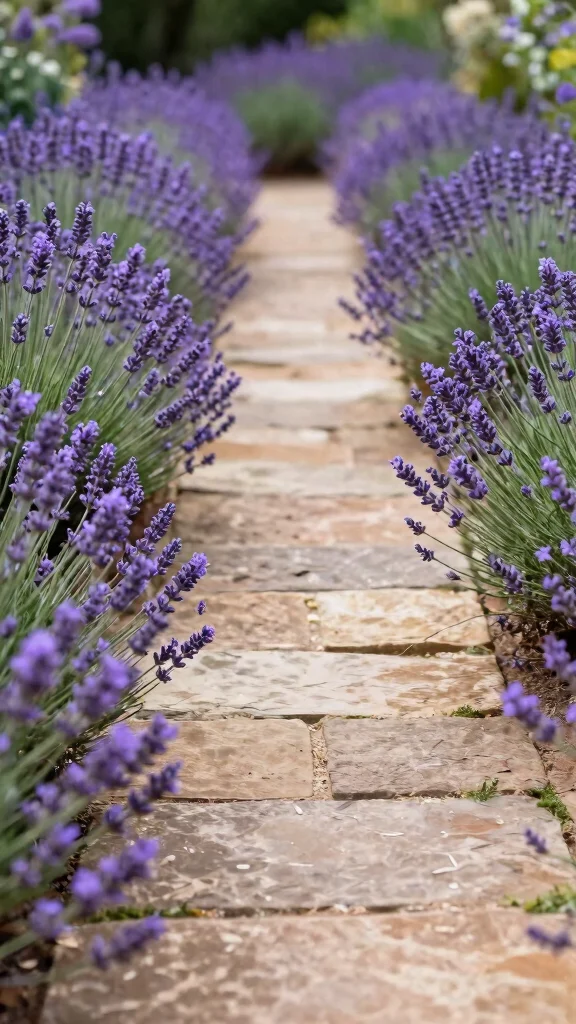
Consider the pleasure of walking down a pathway lined with aromatic lavender, creating a sensory experience that captivates your senses. Incorporating lavender along your pathways can transform ordinary walks into soothing escapes.
For this delightful idea, plant lavender on either side of the walkway, ensuring they have enough space to grow without overcrowding. Mix in other fragrant plants like rosemary or sage to enhance the aromatic experience, and use natural stone or gravel for pathways that harmonize with the lavender.
Get started with these tips:
– Plant lavender on both sides of the pathway
– Mix in fragrant plants for diversity
– Use natural materials for a seamless look
This concept not only beautifies your outdoor space but also encourages mindfulness as you stroll through your fragrant garden.
Lavender-scented pathways turn every stroll into a relaxing, practical ritual. Line the walk with drought-resistant lavender and companion herbs like rosemary, then finish with natural stone—creating a fragrant, low-maintenance route that makes lavender garden landscaping feel effortless and inviting.
Lavender-Scented Pathways
Editor’s Choice

Arcadia Garden Products Set of 4, 16×17” Dark Gray Stepping Stone Fibe…

HOME GROWN Non GMO English Lavender Seeds 1,500+ Wildflower Seed for Pla…

ZOOFOX 10lb Natural Rocks Stones, Small Washed Gravel for Terrariums, Su…
8. Vertical Lavender Gardens

If you’re short on space, a vertical lavender garden is the perfect solution. This clever approach allows you to maximize your gardening area while still enjoying the beauty of fragrant blooms.
To create a vertical lavender garden, use a planter or trellis designed for herbs and flowers. Choose compact lavender varieties suitable for vertical growth, ensuring they receive plenty of sunlight and regular watering.
Here’s how to start your vertical garden:
– Use a vertical planter for space efficiency
– Select compact lavender varieties for growth
– Ensure adequate sunlight and moisture
This idea not only saves space but also adds depth and interest to your outdoor area, making every inch count while remaining visually appealing.
❝ Fun fact: A vertical lavender garden can triple usable space in just 4×4 feet, boosting your lavender garden landscaping. Use compact varieties and a trellis in full sun, then water regularly for fragrance-rich blooms all season. ❞
You Might Also Like
Vertical Lavender Gardens
Editor’s Choice

RUBFAC 7.8ft Garden Arch Trellis for Climbing Plants Outdoor, Metal Arch…

GameXcel Vertical Planter Tower – 5 Tier Stackable Garden Planters with …
Munstead English Lavender Seeds for Planting – Compact Dwarf Hardy Per…
9. Lavender and Companion Planting

Companion planting with lavender can enhance the growth of neighboring plants while providing pest protection and visual charm. Pairing lavender with herbs like thyme or rosemary creates a harmonious garden that meets their growing needs and offers a fragrant experience.
To maximize the benefits of companion planting, group plants with similar water and sunlight needs. Use lavender’s natural pest-repelling properties to safeguard your vegetables or flowers, and play with color contrasts for a vibrant garden look.
Consider these companion planting tips:
– Group plants with similar needs for better growth
– Use lavender to protect other plants from pests
– Experiment with colors for visual appeal
By thoughtfully incorporating companion plants, you’ll cultivate a thriving organic garden that is both beautiful and functional.
Ongoing Maintenance & Care Guide
Maintenance Schedule:
Daily/Weekly Tasks:
– Check soil moisture: Ensure the top inch of soil is moist. This will help you know when to water. ⏱ (5-10 minutes)
– Remove weeds: Pull out weeds that compete for nutrients. Catch them early to keep your lavender healthy. 🌱 (10-15 minutes)
– Inspect for pests: Look for aphids or spider mites, especially during warm months. Early detection is key! 🐞 (5 minutes)
– Deadhead flowers: Snip off spent blooms to encourage new growth and maintain a tidy appearance. ✂️ (10 minutes)
Monthly/Seasonal Tasks:
– Water deeply: During the growing season, ensure lavender receives an inch of water per week. Water less in cooler months. 💧 (30 minutes)
– Prune plants: Trim back lavender after blooming to promote bushy growth for next season. This avoids leggy plants. ✂️ (30-45 minutes)
– Apply mulch: Add a layer of gravel or wood chips to retain moisture and suppress weeds, especially in drought periods. 🪨 (1 hour)
– Fertilize: Use a low-nitrogen fertilizer in early spring for a healthy start. High nitrogen can harm lavender. 🌿 (15 minutes)
– Monitor for diseases: Keep an eye out for root rot or fungal issues, common in overly wet conditions. Act quickly if you spot any signs. ⚠️ (5-10 minutes)
Maintenance Summary Table:
| Task | Frequency | Difficulty | Time Needed |
|————————–|——————|————–|——————|
| Check soil moisture | Daily/Weekly | Easy | 5-10 minutes |
| Remove weeds | Daily/Weekly | Easy | 10-15 minutes |
| Inspect for pests | Daily/Weekly | Easy | 5 minutes |
| Deadhead flowers | Daily/Weekly | Easy | 10 minutes |
| Water deeply | Monthly | Easy | 30 minutes |
| Prune plants | Monthly | Moderate | 30-45 minutes |
| Apply mulch | Monthly | Moderate | 1 hour |
| Fertilize | Monthly | Easy | 15 minutes |
| Monitor for diseases | Monthly | Easy | 5-10 minutes |
Common Issues to Watch For:
⚠️ Signs of overwatering: Yellowing leaves or wilting might mean the roots are drowning. Check drainage!
⚠️ Pest infestations: If you spot sticky residue or webbing, inspect for pests like aphids or spider mites. Act quickly to prevent damage!
⚠️ Fungal diseases: Look for discolored leaves or mold. This often happens in overly humid conditions. Ensure good air circulation!
⚠️ Leggy growth: If plants are stretching too tall with fewer blooms, it’s a sign they need pruning or more sunlight. Adjust their location if necessary.
⚠️ Brittle stems: Stems that break easily can indicate dehydration. Ensure consistent watering, especially in hot months!
Care Tips:
💡 Plant in full sun: Lavender thrives in direct sunlight. Aim for at least 6-8 hours of sun each day to ensure vibrant flowers! ☀️
💡 Choose well-drained soil: Use sandy or gravelly soil to prevent root rot. If planting in heavy soil, consider raised beds. 🌍
💡 Group similar plants: Plant lavender with other drought-resistant plants to create an appealing garden design while minimizing water use. 🌸
💡 Mulching benefits: Not only does it suppress weeds, but mulch also helps retain moisture and protects roots from temperature extremes! 🛡️
💡 Seasonal adjustments: In colder climates, consider covering lavender with burlap in winter for protection against frost. This can help your plants survive the chill! ❄️
Lavender and Companion Planting
Editor’s Choice

Ahopegarden Indoor Garden Hydroponics Growing System: 10 Pods Plant Germ…

Mighty Mint Peppermint Oil Insect Repellent Spray – Indoor & Outdoor B…
HOME GROWN Non GMO English Lavender Seeds 1,500+ Wildflower Seed for Pla…
10. Seasonal Lavender Displays

Celebrate the changing seasons by featuring different lavender varieties that bloom at various times throughout the year. This strategy allows your garden to showcase lavender’s beauty from spring to fall, keeping your outdoor space lively and engaging.
To create a seasonal display, select early, mid, and late-season lavender varieties to stagger the blooms. Plant in clusters for waves of color, and incorporate seasonal decorations to enhance the overall look during each time of year.
Here’s how to set up your seasonal displays:
– Choose varieties that bloom at different times
– Plant in clusters for dynamic color
– Add seasonal decor to elevate the aesthetic
This approach not only maintains interest throughout the year but also highlights the natural beauty of lavender in your garden.
Seasonal Lavender Displays
Editor’s Choice

Seed Needs Lavender Seeds for Planting a Variety of Lavandula Plants – N…

Companion Planting for Beginners: Pair Your Plants for a Bountiful, Chem…
Conclusion

Creating a lavender garden is a rewarding endeavor that combines beauty, fragrance, and sustainability. Whether you opt for hedges, cozy seating, or creative vertical gardens, these ideas will help you craft an enchanting outdoor space.
As you explore these lavender garden landscaping ideas, consider how each can enhance not just the aesthetics but also the ecological health of your space. Happy gardening!
Note: We aim to provide accurate product links, but some may occasionally expire or become unavailable. If this happens, please search directly on Amazon for the product or a suitable alternative.
This post contains Amazon affiliate links, meaning we may earn a small commission if you purchase through our links, at no extra cost to you.
Frequently Asked Questions
How can lavender garden landscaping help create a drought-resistant, sustainable outdoor space?
Lavender garden landscaping is naturally drought-tolerant when you pick the right varieties and follow smart, water-wise practices.
Plant in full sun on well-drained soil, using raised beds or amended soil with gravel to improve drainage. Group lavender plants in drifts or blocks to maximize water efficiency and create a strong fragrance effect. Water deeply but infrequently, and mulch with straw, pine needles, or shredded bark to conserve moisture. Avoid overhead irrigation; a drip system or soaker hose is ideal. Pair lavender with other low-water perennials to build cohesive garden design ideas that boost outdoor aesthetics and showcase fragrant flowers.
Which lavender varieties are best for fragrance and drought tolerance in a garden design?
For fragrance and ruggedness, choose Lavandula angustifolia (English lavender) cultivars such as Munstead or Hidcote, and reliable Lavandula x intermedia varieties like Grosso or Phenomenal. These lavender plants have strong essential oil content and bloom reliably in sun with excellent drainage. Plant in sun, ensure well-drained soil, and amend clay with sand or grit. Prune lightly after bloom to maintain compact shape, and avoid heavy feeding which can reduce fragrance. In very wet winters, ensure drainage to prevent root rot.
What are effective garden design ideas for a fragrant, low-water lavender border?
Design ideas for a fragrant, drought-friendly border: run long drifts along paths and borders to create a bold silhouette and scent while keeping maintenance simple. Mix with other fragrant flowers and drought-tolerant companions like sage, salvia, or ornamental grasses for texture. Use mulched pathways, edging with stone, and install a simple drip irrigation line for targeted watering. Experiment with color schemes that complement lavender’s silvery foliage and keep the look cohesive with garden design ideas that emphasize outdoor aesthetics.
How should I care for lavender plants to minimize maintenance in a sustainable landscape?
To minimize maintenance in a sustainable lavender landscape, stick to light, timely pruning and avoid over-fertilizing. Prune back about one-third after flowering to keep plants compact and improve air circulation. Water deeply but infrequently, letting the soil dry between watering; prevent root rot with excellent drainage. Mulch to suppress weeds and conserve moisture, and perform routine checks for pests like aphids or fungal issues, adjusting with organic sprays if needed. Use mulch and compost to enrich soil gradually and rely on landscaping tips for best results.
Can lavender be used beyond aesthetics for bees, aroma, and edible uses in a sustainable outdoor space?
Yes—lavender can do more than look beautiful. The fragrant flowers attract pollinators like bees and butterflies, boosting the garden’s biodiversity. Use dried stems in arrangements or bouquets indoors, and fresh sprigs add scent to outdoor seating areas. In culinary spaces, culinary lavender can be used sparingly in desserts or herbal blends, though keep in mind flavor strength. Integrate with edible herbs and bee-friendly plants for a holistic outdoor aesthetics that supports pollinators and your senses, all while staying true to lavender garden landscaping principles.
Related Topics
lavender garden
landscaping tips
fragrant flowers
drought-resistant plants
sustainable gardening
garden design
outdoor aesthetics
beginner friendly
easy landscaping
colorful blooms
herb garden
seasonal gardening