
As spring blooms, the sweet scent of lilac trees fills the air, bringing a wave of nostalgia and joy. If you’re like me, the arrival of warmer weather instantly has you dreaming of a colorful, fragrant garden. Lilac trees are not just beautiful; they transform your yard into a vibrant paradise. That’s why I created this post. I want to help you explore how to make your outdoor space more inviting and full of life with lilac tree landscaping ideas.
Whether you’re a seasoned gardener or just starting out, this guide is for anyone who loves to fill their yard with color and fragrance. You’ll discover creative ways to integrate lilac trees into your garden design. From creating stunning focal points to selecting companion plants that thrive alongside them, these ideas will breathe new life into your landscape. You’ll walk away with practical tips and inspiration that you can start applying right away.
In this post, you’ll find nine unique lilac tree landscaping ideas that will not only beautify your yard but also enchant your senses. You’ll learn how to design vibrant borders, create fragrant retreats, and even incorporate lilacs in vertical gardens. Let’s dive in and make your garden dreams a reality!
Key Takeaways
– Lilac trees can serve as vibrant borders that enhance the beauty of your garden while providing a stunning backdrop for other plants.
– Fragrant understory planting with lilacs can create a lush, inviting atmosphere that draws people into your garden.
– Use lilac trees as focal points in your landscaping to create visual interest and a sense of harmony.
– Mixed shrub borders paired with lilacs can add depth and texture, making your garden more dynamic and appealing.
– Incorporating seasonal color with companion planting alongside lilacs ensures your garden is always lively and fragrant, no matter the time of year.
1. Vibrant Border with Lilac Trees

If you’re looking to define your garden space, lilac trees can do just that while adding a splash of color. These beautiful trees not only provide an inviting atmosphere but also fill your yard with delightful fragrances. Plant them along pathways or yard edges to create a natural and stunning border, harmonizing with their lush green leaves and vibrant blooms. Consider mixing various lilac colors like deep purple, soft lavender, and bright white to enhance visual appeal and extend blooming periods.
To achieve a stunning look, stagger lilac trees with lower-growing plants such as daisies or daylilies for a beautiful contrast. Ensure there’s enough space for each lilac to grow, as they can reach up to 10 feet tall. This method promotes healthy growth and a fragrant landscape, making your yard a sensory delight during spring and summer months.
Key elements to consider:
– Plant lilacs along edges for stunning borders
– Mix different lilac colors for visual interest
– Stagger with lower plants for contrast
– Ensure adequate space for growth
With this approach, you’ll create a vibrant and fragrant border that enhances your outdoor space, making it a true garden oasis.
📹 Related Video: transplanting lilacs to create a privacy border #garden
How To Choose the Right Lilac Tree for Your Landscaping
When planning your lilac tree landscaping, choosing the right lilac can make a big difference in your garden’s beauty and fragrance. Here’s how you can make the best choice:
1. Consider Size
Lilac trees can vary significantly in size. Some, like the common lilac, can grow up to 12 feet tall, while others, like the dwarf lilac, may only reach 3-4 feet. Think about your yard’s space and how tall or wide you want the lilac trees. If you have a smaller garden, opt for dwarf varieties that won’t overwhelm your landscape.
2. Assess Blooming Time
Different lilac varieties bloom at different times in the spring. For example, the common lilac blooms in late spring, while some hybrids may bloom earlier or later. If you want to enjoy lilacs’ fragrance throughout spring, consider planting a mix of early and late bloomers. This staggered blooming can provide continuous color and scent in your garden.
3. Evaluate Hardiness Zones
Lilacs are hardy in USDA zones 3-7, but specific varieties have different tolerances. Before you buy, check your local climate zone to ensure the lilac tree you choose will thrive in your area. This will save you time and effort, preventing you from planting a tree that won’t survive the winter.
4. Choose the Right Color
Lilacs come in various colors, including purple, white, and pink. Think about your overall garden color scheme. If your garden has a lot of bright colors, a soft white lilac could provide a beautiful contrast. Alternatively, a deep purple lilac can add richness to a more muted palette. Selecting the right color can enhance your garden’s aesthetic appeal.
5. Check for Fragrance
While most lilacs are fragrant, some varieties are more aromatic than others. If fragrance is a priority for you, ask your local nursery about the most fragrant types. Something like the ‘Sensation’ lilac is known for its strong scent. Make sure to enjoy the scent as you stroll through your garden!
6. Understand Care Requirements
Different lilac varieties have different care needs. Some may require more sunlight, while others may need specific soil types. Review the care requirements for each type before purchasing. Consider your gardening abilities and how much time you can devote to lilac tree care. Opt for varieties that align with your skill level and garden conditions.
Pro Tip: Visit a local botanical garden or nursery to see lilac trees in bloom. This will give you a firsthand experience of the colors, sizes, and fragrances available. You can also ask knowledgeable staff for their recommendations based on your landscaping needs.
Choosing the right lilac tree is a rewarding step in creating a fragrant and colorful yard. By considering these criteria, you can select the perfect lilac that will enhance your garden for years to come!
Vibrant Border with Lilac Trees
Editor’s Choice
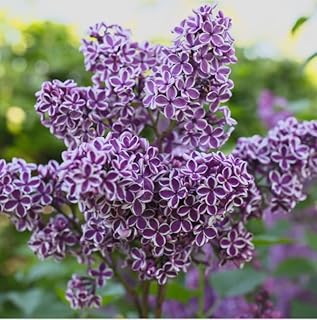
Sensation Lilac Live Starter Plant – Syringa vulgaris ‘Sensation’ …


Miracle-Gro Water Soluble All Purpose Plant Food – Fertilizer For All In…

Landscape Edging Garden Edging Border Faux Stone Edging,17FT x 2.75 in T…
2. Fragrant Understory Planting

Enhancing your lilac trees with understory planting is a fantastic way to create a lush and fragrant garden. Consider adding fragrant herbs like lavender and thyme below your lilacs, thriving in the dappled shade they provide. These plants not only add beauty to the ground level but also release delightful scents that complement the lilacs’ aroma beautifully. Mixing plants of varying heights and colors can create a captivating scene beneath the lilacs.
Incorporate lush foliage plants like hostas or delicate astilbes to create a stunning understory. Remember to choose plants suited for your soil and sunlight conditions; many fragrant options thrive in well-drained soil with some daily sun. This arrangement helps retain moisture, promoting healthy lilac tree care while boosting the overall beauty of your garden.
Consider these ideas for a fragrant understory:
– Plant lavender and thyme for delightful scents
– Use hostas for lush foliage contrast
– Add astilbes for colorful blooms
– Ensure well-drained soil for healthy growth
This thoughtful planting strategy will create a lush, aromatic landscape that enhances your lilac trees and elevates your entire garden experience.
Fragrant Understory Planting
Editor’s Choice

Fiskars Bypass Pruning Shears, 5/8″ Cut Capacity Gardening Scissors, Sel…

Bamllum Leather Gardening Gloves for Women – Working Gloves for Weeding,…
3. Lilac Tree Focal Points

Using lilac trees as focal points can instantly captivate anyone visiting your garden. Imagine a single, majestic lilac tree positioned at the center of a circular flower bed, surrounded by seasonal blooms like tulips and dahlias. This design not only showcases the lilac but also allows for creativity with various garden color schemes throughout the year. You can create a lush ring with colorful perennials that bloom at different times, ensuring continuous beauty.
Consider enhancing the area with decorative features like a birdbath or a small bench, creating a serene spot to relax and enjoy the fragrant scene. Pay attention to the growth habits of the lilac to maintain balance as seasons change, ensuring that your focal point remains the star of the garden.
To create captivating focal points:
– Plant a single lilac in a circular bed
– Surround it with seasonal blooms for color
– Add features like benches or birdbaths
– Consider growth habits for seasonal balance
This approach will create a stunning centerpiece that transforms your garden into a fragrant retreat, inviting all to enjoy its beauty.
Fun fact: In lilac tree landscaping, a single lilac tree can perfume a 300-square-foot circle with scent, turning a focal point into an inviting centerpiece. Surround it with seasonal blooms for color all year, and watch pollinators multiply.
Lilac Tree Focal Points
Editor’s Choice

ZEshops 100 Lupine Flower Seeds – Colorful Perennial Blooms for Border…
Landscape Edging Garden Edging Border Faux Stone Edging,17FT x 2.75 in T…
4. Mixed Shrub Borders

Incorporating lilac trees into mixed shrub borders creates a vibrant and fragrant landscape. Use lilacs as taller elements surrounded by smaller flowering shrubs like hydrangeas and azaleas, which provide delightful bursts of color throughout the season. Choosing a harmonious color palette that complements the lilacs ensures a cohesive look, while varying bloom times keep the interest alive.
Adding evergreen shrubs like boxwood or juniper can create a year-round structure, balancing seasonal blooms of lilacs and other plants. This design not only enhances aesthetics but also benefits lilac tree care by allowing proper air circulation and sunlight exposure.
Key considerations for mixed shrub borders:
– Use lilacs as taller elements in borders
– Select smaller shrubs for seasonal bursts of color
– Incorporate evergreens for year-round structure
– Ensure proper air circulation and sunlight
This approach will create a dynamic landscape filled with color and fragrance, making your garden a true visual delight.
Mixed Shrub Borders
Editor’s Choice

2 Gal. First Editions Spring Sizzle Hydrangea Shrub

Purple Old Fashion Lilac Tree Live Plant, Lilac Bushes Live Plant for Ga…

5. Frame a Garden Pathway

Framing a garden pathway with lilac trees creates a breathtaking entry to your outdoor haven. Plant lilacs on either side of a winding stone or gravel path, allowing their blooms and fragrance to welcome visitors as they stroll through your yard. This not only defines the pathway but also immerses them in a sensory experience of color and aroma.
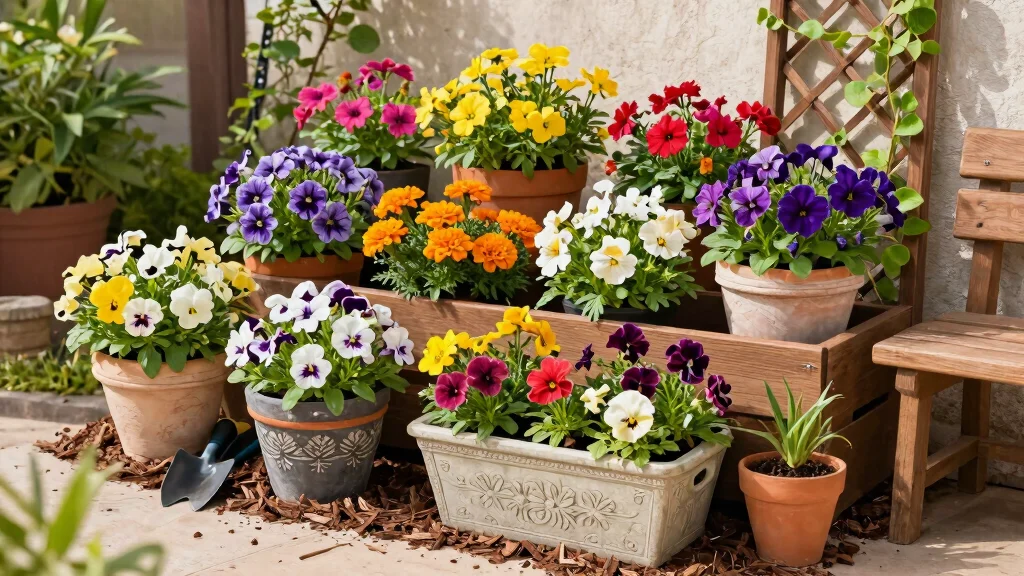
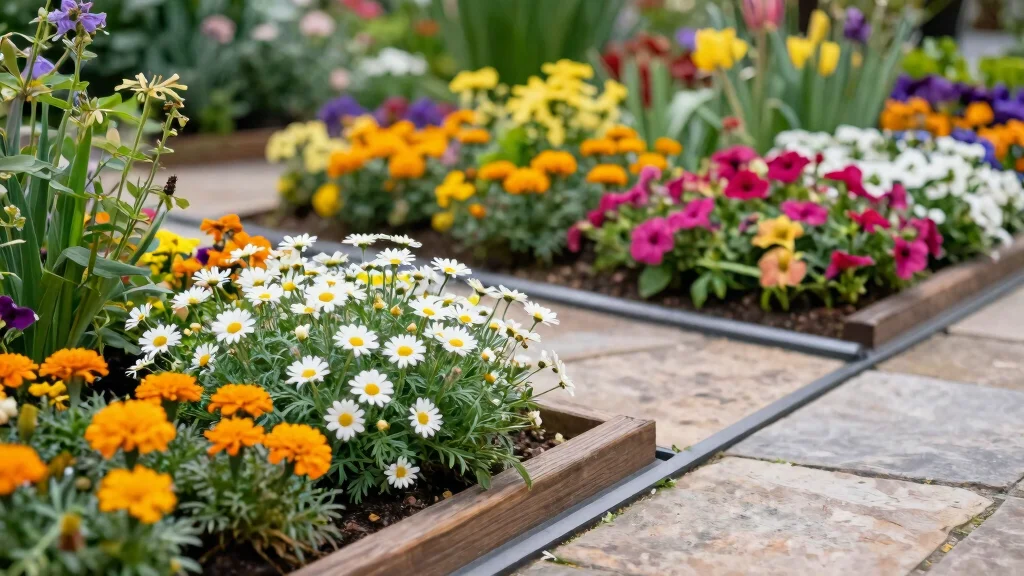
Consider mixing in low-growing plants like creeping thyme or sedum along the edges for a soft look and lush ground cover. These plants enhance the beauty of the lilacs without competing for attention. For added charm, think about placing decorative lanterns or lights along the path, making it a focal point even after sunset.
Steps to frame your pathway:
– Plant lilacs on both sides of the path
– Add low-growing plants for ground cover
– Use decorative lanterns for evening charm
– Keep the pathway clear for easy access
This design will transform your pathway into a stunning entrance, inviting guests to enjoy the vibrant beauty and delightful scents of your garden.
You might also like
Frame a Garden Pathway
Editor’s Choice

29000+ Magic Creeping Thyme Seeds for Planting Perennial Ground Cover Pl…

Syringa vulgaris ‘Albert F. Holden’ Lilac – Fragrant Purple Bicolo…

River Rock Stepping Stones Outdoor for Garden Walkway, 10 inch Diameter …
6. Lilac Tree Espalier
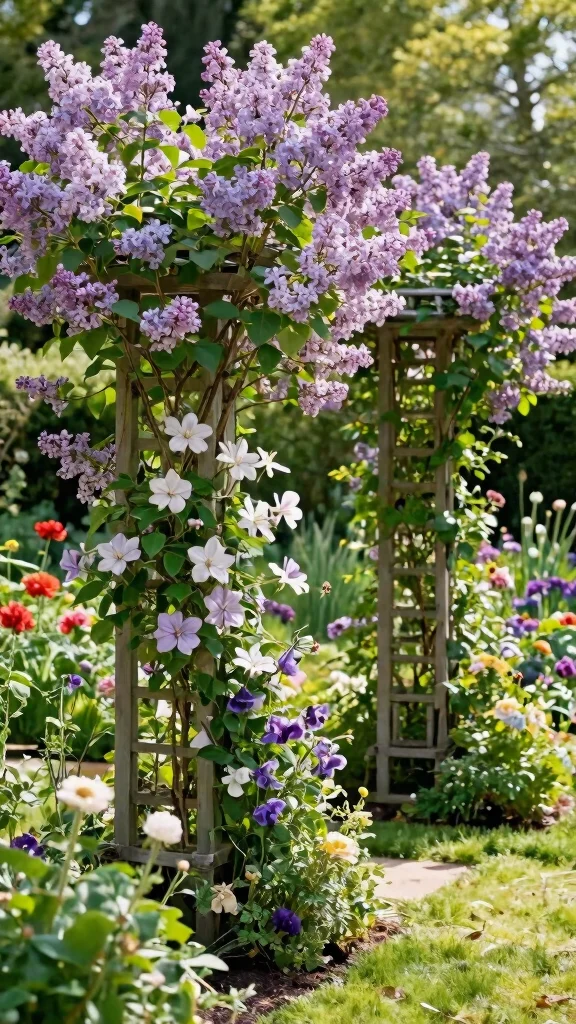
Espalier techniques can turn your lilac trees into stunning living art while maximizing your garden space. Train lilacs against a trellis or wall for an eye-catching vertical design that showcases their unique structure. This method not only saves ground space but also allows you to combine colorful climbing plants like clematis or sweet peas, adding layers of color and fragrance.
Ensure you provide proper support for the lilacs as they grow, and remember to prune them regularly to maintain their shape and health. This creative approach can create a beautiful backdrop for patios or seating areas, enhancing the visual appeal of your garden while ensuring all plants thrive together.
Tips for creating a lilac espalier:
– Train lilacs against a trellis for vertical design
– Combine with colorful climbing plants
– Provide adequate support for growth
– Regularly prune for shape and health
This technique will add a unique touch to your garden and create a stunning space to enjoy the delightful scents of lilacs.
Lilac Tree Espalier
Editor’s Choice

SUNNYPARK Set of 2 Hummingbird Metal Garden Trellis for Climbing Plants,…

Joyhalo 12 Pack Plant Stakes, 16 Inch Plant Support Stakes, Plant Sticks…
Fiskars Bypass Pruning Shears, 5/8″ Cut Capacity Gardening Scissors, Sel…
7. Seasonal Color with Companion Planting
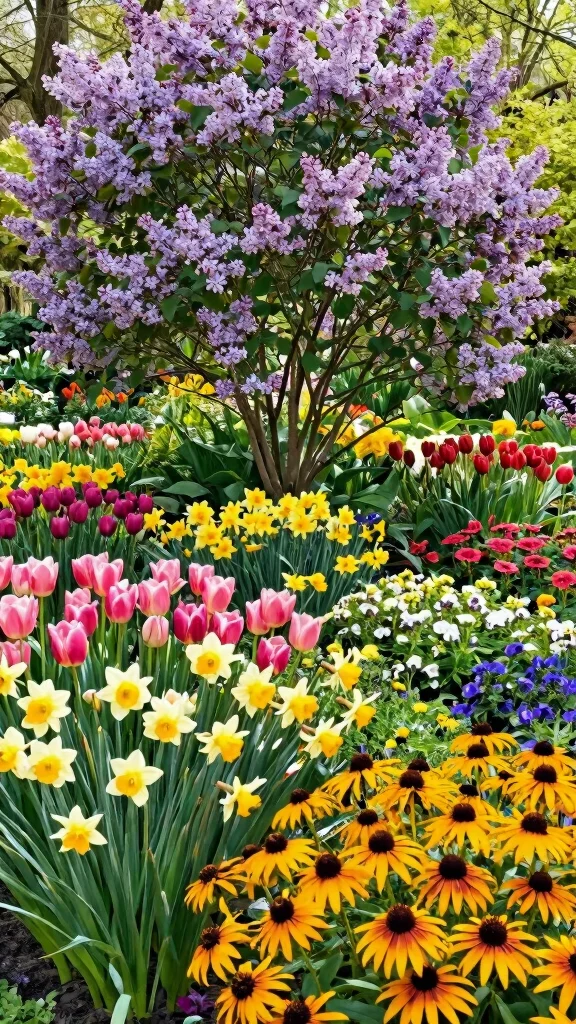
Enhance the beauty of your lilac trees with companion planting for seasonal color. Choose plants that bloom at different times, such as tulips and daffodils in spring, followed by summer favorites like coneflowers and black-eyed Susans. This layering technique keeps your garden lively and visually interesting throughout the year.
Incorporate fragrant plants like salvia and catmint to harmonize beautifully with the lilacs, attracting pollinators and boosting the health of your garden. Pay attention to the height and spread of each plant to ensure that the lilacs remain the standout feature, keeping an eye on their growth habits to maintain balance.
Elements to consider for companion planting:
– Choose plants with staggered bloom times
– Incorporate fragrant options like salvia
– Ensure lilacs remain the focal point
– Monitor growth to maintain balance
This approach will create a vibrant, fragrant garden that thrives throughout the seasons, enhancing the charm of your lilac trees.
Did you know that a thoughtful lilac tree landscaping plan with seasonal companion planting can boost pollinator visits by up to 40%? Plant tulips and daffodils in spring, then coneflowers and black-eyed Susans in summer. Add salvia and catmint for fragrance and health.
Seasonal Color with Companion Planting
Editor’s Choice

KVR Upgraded Garden Kneeler and Seat with Thicken & Widen Soft Kneeling …
Fiskars Bypass Pruning Shears, 5/8″ Cut Capacity Gardening Scissors, Sel…
Bamllum Leather Gardening Gloves for Women – Working Gloves for Weeding,…
8. Creating a Lilac-Scented Retreat
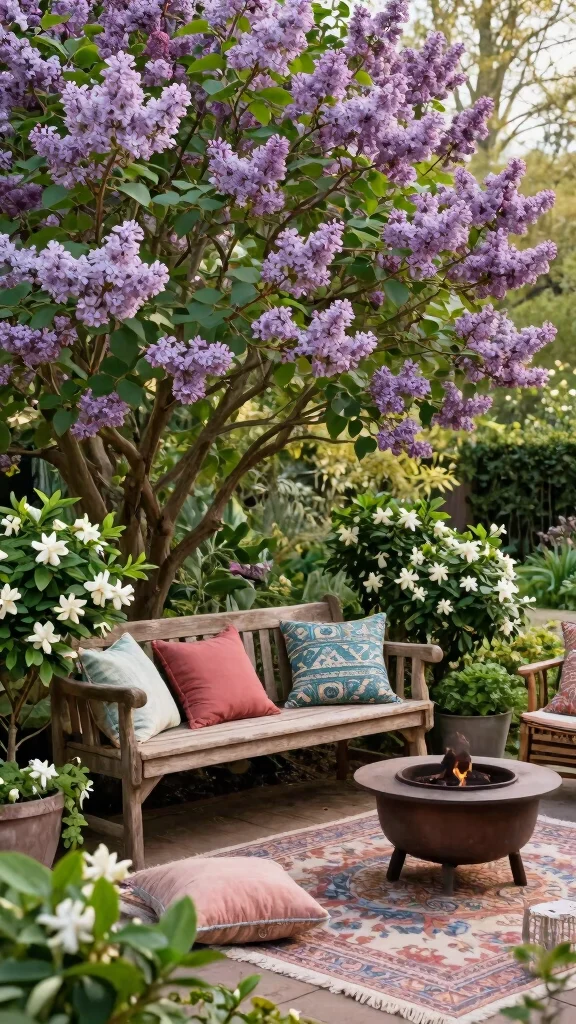
Transform your backyard into a lilac-scented retreat by designing cozy seating areas surrounded by these fragrant trees. Position lilacs close to your patio or seating arrangements, allowing their sweet scent to naturally infuse the space. Pair lilacs with aromatic plants like gardenias or jasmine to elevate the fragrance experience even further.
Opt for comfortable seating options like wooden benches or cushioned lounge chairs that invite relaxation and enjoyment of your garden. Consider adding outdoor rugs and tables for a cozy touch, and think about a small fire pit nearby for warm evenings surrounded by the delightful aroma of lilacs. A water feature can enhance tranquility and attract wildlife, making your lilac retreat even more enchanting.
Ideas for creating your retreat:
– Plant lilacs near seating areas for fragrance
– Pair with aromatic plants for enhanced scent
– Choose comfortable seating for relaxation
– Add a water feature for tranquility
This design will transform your backyard into a serene oasis, perfect for enjoying the lovely scents and beauty of lilac trees.
Fun fact: Placing lilac trees near your patio turns outdoor space into a fragrant retreat, with the bloom scent layering up to 15–20 feet. Pair them with gardenias for a daily mood lift—and it’s all part of lilac tree landscaping.
You Might Also Like

Creating a Lilac-Scented Retreat
Editor’s Choice
KVR Upgraded Garden Kneeler and Seat with Thicken & Widen Soft Kneeling …
9. Vertical Gardens with Lilacs

Incorporating lilac trees into vertical gardens is a creative way to maximize space and showcase their beauty. Utilize trellises or vertical planters to create stunning displays of lilacs alongside trailing plants like nasturtiums or ivy. This method not only saves ground space but also adds a lovely visual dimension to your garden.
Ensure that the vertical structures can support the lilac trees as they grow, and pair them with colorful flowering annuals that bloom at different times for year-round interest. This practical design promotes good airflow around the lilacs, which is essential for their health. Use decorative pots or containers to enhance the aesthetic, creating a visual experience that draws the eye upwards.
Steps for creating a vertical garden:
– Use trellises or planters for vertical displays
– Pair with trailing plants for added interest
– Ensure support for lilac growth
– Incorporate colorful annuals for year-round appeal
This approach will maximize your space while allowing you to enjoy the stunning beauty and fragrance of lilac trees in a unique way.
Vertical Gardens with Lilacs
Editor’s Choice

2 Pack Raised Garden Bed Tomato Planter with Trellis, 57″ Tomato Cage Pl…

WANCHI Gardening Gloves, Durable and Comfortable Women’s Long Garden Glo…

Metal Garden Arch Trellis Wall Mounted Rose Arch Garden Trellis for Clim…
Conclusion

Incorporating lilac trees into your landscape opens up a world of fragrant beauty and vibrant color.
From designing mixed shrub borders to creating serene outdoor retreats, these ideas can inspire you to cultivate a stunning garden that celebrates the essence of lilacs. Each lilac tree landscaping idea allows for creativity, enhancing not only the visual appeal but also the sensory experience of your yard. So, gather your gardening tools and start making fragrant dreams come true!
Note: We aim to provide accurate product links, but some may occasionally expire or become unavailable. If this happens, please search directly on Amazon for the product or a suitable alternative.
This post contains Amazon affiliate links, meaning we may earn a small commission if you purchase through our links, at no extra cost to you.
Frequently Asked Questions
What are the best fragrant perennials to pair with lilac tree landscaping for a colorful, fragrant yard?
For lilac tree landscaping, choose fragrant perennials that bloom in harmony with lilacs and fill the garden with scent and color. Consider lavender for soothing fragrance and lavender hues, Nepeta (catmint) for silvery foliage and blue flowers, Salvia for bright spikes, peonies for lush blooms, iris for architectural lines, and phlox for a color-rich ground cover. Plant in layered drifts around the base of the lilac, with taller varieties toward the back and shorter ones at the front to create a colorful garden design. Make sure they all get full sun, well-drained soil, and regular moisture. Use mulch to conserve moisture and keep fragrance and color going through spring and early summer in your lilac tree landscaping.
These companions help extend fragrance and color beyond the lilac bloom, creating a cohesive, fragrant landscape.
How should I care for lilac trees to maximize fragrance and color in lilac tree landscaping?
Start with a sunny site (at least 6 hours). For lilac tree care: prune immediately after bloom to encourage new flowering wood, avoid heavy nitrogen, water deeply during dry spells, apply a slow-release fertilizer after bloom, and mulch 2-4 inches. Ensure good air circulation to reduce disease, and plant away from larger trees that shade the lilac. With proper care, fragrance intensifies as the blooms develop and the shrub fills in around your fragrant companions in this lilac tree landscaping.
Regular monitoring and timely pruning will keep the plant healthy and the fragrance strong year after year.
What garden color schemes work best for lilac tree landscaping to create a cohesive, colorful design?
Build a palette that flatters lilac blossoms. Try a monochromatic scheme of purples and lavenders, add whites for sparkle, or layer in soft pinks and fresh greens for contrast. Repeating a few core colors across borders and in fragrant landscaping plants helps unify the space and creates a harmonious colorful garden design. Plan bloom times so you get flowers from spring into early summer, and use height variety and textures to keep the yard looking lively in your garden color schemes.
Which fragrant perennials bloom around the same time as lilac and thrive near lilac trees?
Choose perennials that thrive in sun and well-drained soil and bloom in late spring. Options include peonies, iris, creeping phlox, dianthus (pink, clove-scented), lavender, Nepeta (catmint), and ornamental alliums. Plant in groups around the base and along the drip line of the lilac to extend fragrance and color, creating a cohesive fragrant landscaping plants display in your lilac tree landscaping.
When is the best time to plant lilac trees and how should I maintain them to ensure spring blooming and fragrance?
Plant lilac trees in fall or early spring when the ground is workable and temperatures are mild. Dig a hole wide enough for the root ball, loosen surrounding soil, and set the plant at the same depth it was in the pot. Backfill, water deeply, and mulch 2-4 inches. For lilac tree care, prune right after flowering to encourage next year’s bloom, remove old or crossing wood, and avoid heavy pruning late season. After planting, give steady moisture the first growing season, then switch to deep, infrequent watering to encourage strong roots. This approach supports vibrant spring blooming trees and a lasting fragrance in your fragrant landscape.
Related Topics
lilac tree landscaping
fragrant landscaping plants
colorful garden design
spring blooming trees
lilac tree care
garden color schemes
companion planting
easy landscaping
perennial gardens
vibrant outdoor spaces
seasonal blooms
beginner gardening