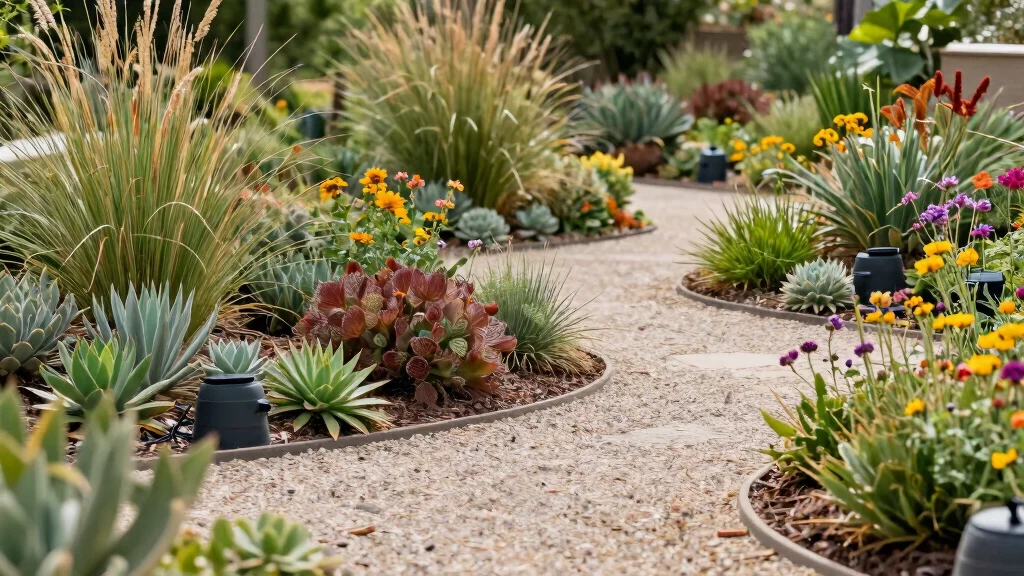
As the sun blazes high and water restrictions tighten, many of us are craving a yard that thrives without relying heavily on our dwindling resources. The idea of low water landscaping has become not just appealing but essential. This post is for anyone who loves to garden yet also cares deeply about sustainability and the environment. If you’re passionate about transforming your outdoor space while conserving water, you’re in the right place.
I’ve pulled together ten inspiring low water landscaping ideas that are not just drought-tolerant but also stunning and guilt-free. You’ll discover practical tips on using native plants, creating rock gardens, and more. Whether you’re a seasoned gardener or just starting out, these ideas will help you cultivate a sustainable and beautiful garden that flourishes even in the driest conditions.
So, grab your gardening gloves and get ready to explore how you can create a vibrant outdoor space that’s both environmentally friendly and visually appealing.
Key Takeaways
– Embrace Native Plants: Choose plants that naturally thrive in your region to reduce water usage and maintenance.
– Create a Rock Garden: Use rocks and stones to shape your garden, minimizing soil erosion while enhancing aesthetics.
– Incorporate Edible Landscaping: Mix vegetables and herbs into your garden design, allowing you to enjoy fresh produce while conserving water.
– Implement Efficient Irrigation Systems: Consider drip irrigation or rainwater harvesting to maximize water usage efficiency.
– Encourage Wildlife Habitats: Design your garden to attract birds, bees, and butterflies, fostering a healthy ecosystem while using fewer resources.
1. Embrace Native Plants

Want a garden that thrives with minimal effort? Native plants are perfect for this! They’re naturally suited to your local climate, requiring little water after they’re established. With varieties like sage, lavender, and agave, you’ll create a colorful display that attracts pollinators, bringing life to your outdoor space.
When planning your garden, cluster these plants to mimic their natural environments. This not only adds visual appeal but also ensures a low-maintenance garden. You’ll spend less time watering and more time enjoying your beautiful landscape.
Key steps to get started:
– Pair native grasses with flowering perennials for dynamic beauty.
– Use layering techniques to create depth and interest.
– Don’t forget to mulch; it conserves moisture and suppresses weeds!
Your garden will flourish with vibrant colors and textures while conserving water. Experience the joy of a thriving garden that’s easy to maintain!
Embrace native desert plants to simplify maintenance and boost curb appeal. Desert marigold, Mexican hat, and brittlebush thrive here—group them for vibrant, long-lasting color and wildlife. This is how arizona landscaping ideas front yard come alive with birds, butterflies, and easy care.
📹 Related Video: Going Native: Urban Landscaping for Wildlife with Native Plants
How To Choose Low Water Landscaping Plants
When planning your low water landscaping, selecting the right plants is crucial. Here’s how to make the best choices for a drought-tolerant garden that still looks stunning.
1. Consider Climate Zone
Your local climate plays a big role in which plants will thrive. Check the USDA Plant Hardiness Zone Map to find your zone. This helps you choose plants that are suited to your temperature range and rainfall levels.
2. Select Native Plants
Native plants are adapted to your region’s soil, climate, and pests, making them a great choice for low water landscaping. They require less maintenance and are more drought-resistant compared to non-native species. Look for local nurseries that specialize in native plants to find options that fit your landscape.
3. Assess Soil Type
Different plants prefer different soil types. Some may thrive in sandy soil, while others do better in clay or loamy conditions. Test your soil’s pH and drainage capabilities to choose plants that will grow well in your garden. Amending your soil with organic matter can also help improve conditions for your selected plants.
4. Evaluate Water Needs
Make a list of plants and their water requirements. Some plants are incredibly drought-resistant, while others may still need occasional watering. Aim for a mix of plants with similar water needs to simplify irrigation. Knowing their water demands will help you design a garden that thrives with minimal watering.
5. Think About Colors and Textures
Choose plants that complement each other in color and texture. This makes your garden visually appealing, even as it conserves water. Combine plants with different leaf shapes and flower colors to create a dynamic landscape. Consider incorporating ornamental grasses or succulents for unique textures.
6. Plan for Seasonal Interest
Look for plants that bloom at different times and provide year-round interest. This strategy ensures your garden remains attractive throughout the seasons. Choose early bloomers, summer stalwarts, and late-season performers for a garden that stays lively all year.
Pro Tip: Keep your design flexible. As you learn which plants thrive best in your garden, you may want to adjust your selections. Start small and expand your plant list based on what works best in your landscape.
By considering these factors, you can choose the perfect plants for your low water landscaping project. A thoughtful approach will lead to a beautiful and sustainable garden that thrives even in dry conditions! 🌿
Embrace Native Plants
Editor’s Choice
Back to the Roots 100% Organic Mulch, 58 Quart, Expanding Coconut Husk B…


Drought Tolerant Wildflower Mix – 20,000+ Seeds – 1 oz Bulk Extra La…

MIXC 230FT Quick-Connect Drip Irrigation System Kit, Automatic Garden Wa…
2. Create a Rock Garden

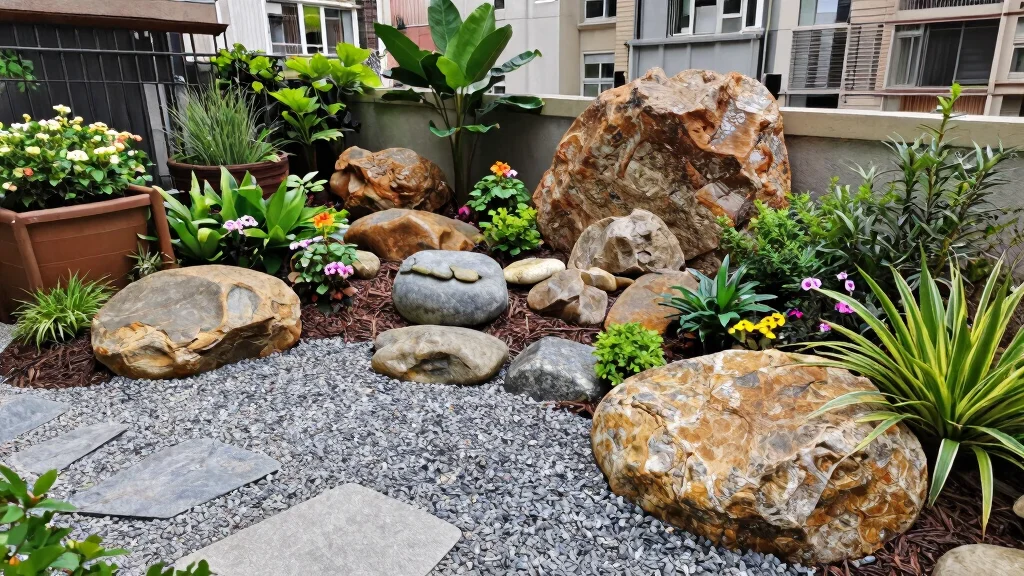
Looking for a stunning landscaping option that conserves water? A rock garden combines rocks and drought-tolerant plants for a beautiful, low-maintenance oasis. By using a variety of stones—from big boulders to small pebbles—you can create an eye-catching design that enhances your outdoor space.
Incorporate resilient plants like sedums, creeping thyme, and succulents that thrive in rocky conditions. These plants benefit from the heat-retaining properties of the stones, making for a cozy environment at night. You’ll have a striking garden that’s also practical.
Key features to consider:
– Add a small water feature, like a dry stream bed, for serenity.
– Mix colors and sizes of rocks for a dynamic design.
– Group plants according to their water needs for optimal health.
Your rock garden will be a conversation starter, effortlessly blending beauty and practicality while requiring minimal water!
Create a Rock Garden
Editor’s Choice

Back to the Roots 100% Organic Succulent & Cacti Mix (6 Quart) | Made in…

18lb Mix Horticultural Lava Rock Pebbles Pumice Potting Soil Amendment S…

YISZM 40lbs Natural River Rocks, 3″-4″ Premium Pebbles for Garden and La…
3. Utilize Gravel and Mulch

Want to simplify your gardening while keeping it beautiful? Gravel and mulch are fantastic for water-efficient landscaping. They help retain moisture and reduce weed growth, making your garden easier to maintain and more aesthetically pleasing.
Consider using different types of decorative gravel to create pathways or entire garden beds. This not only enhances drainage but also complements your drought-resistant plants. Organic mulch is a great addition, helping to conserve moisture and improve soil health.
Steps to enhance your garden:
– Choose contrasting gravel colors for visual appeal.
– Regularly check mulch levels and replenish as needed.
– Mix larger stones with smaller gravel for added texture.
Your garden will thrive with minimal effort, showcasing a beautiful blend of functionality and style!
Utilize Gravel and Mulch
Editor’s Choice

LAVEVE 4FT x 100FT Weed Barrier Landscape Fabric, 3.2oz Premium Heavy Du…

Mix Horticultural Lava Pebbles Pumice Potting Soil Amendment Succulent C…

Back to the Roots 25.7qt (1 Cubic ft) Organic Premium Mulch
4. Implement Xeriscaping Techniques

Looking to create a garden that minimizes water use? Xeriscaping focuses on water conservation through thoughtful planning and plant selection. By grouping plants with similar watering needs, you’ll create a stunning, low-maintenance landscape.
Implement drip irrigation systems to deliver water directly to the roots, reducing waste and ensuring plants get precisely what they need. Design your landscape with zones: intersperse areas that need more water with drought-tolerant sections for visual contrast and efficiency.
Essential tips for xeriscaping:
– Keep paths clear for easy access and maintenance.
– Use resilient plant combinations for varied colors and textures.
– Incorporate hardscape elements like patios or walkways to minimize watering areas.
Your xeriscaped garden not only saves water but also offers a beautiful and functional outdoor space!
Implement Xeriscaping Techniques
Editor’s Choice

Antonki 2 Pack Soil Moisture Meter, Plant Water Meter for Gardening, Far…
MIXC 230FT Quick-Connect Drip Irrigation System Kit, Automatic Garden Wa…

5. Incorporate Edible Landscaping

Why not make your garden both beautiful and useful? Edible landscaping combines gorgeous plants with functional ones, like herbs, peppers, and certain fruits that thrive in dry conditions. These plants not only look fantastic but also attract pollinators, enriching your garden’s ecosystem.
Design your garden to highlight these edible plants, perhaps with raised beds or trellises for climbing vegetables. This approach not only conserves water but encourages a sustainable lifestyle that benefits both you and the environment.
Tips for a stunning edible landscape:
– Pair edible plants with ornamental varieties for a balanced aesthetic.
– Use compost and organic fertilizers to naturally boost soil health.
– Group herbs together to maximize space and create a fragrant garden!
Your garden will be a beautiful blend of aesthetics and functionality, providing fresh ingredients right at your doorstep!
Did you know edible landscaping can slash irrigation needs by up to 40% in low water landscaping when you pair drought-tolerant herbs and peppers with smart raised beds? It’s practical, gorgeous, and guilt-free—grow food that looks great while you conserve water.
You might also like

Incorporate Edible Landscaping
Editor’s Choice

Land Guard Galvanized Raised Garden Bed Kit, Galvanized Planter Garden B…
5pack Adjustable Plant Support Pole – Stackable Indoor/Outdoor Support…

Seed Needs Edible Wildflower Seed Packet Collection (7 Varieties of Flow…
6. Design a Rain Garden

Want to turn a problem area into a stunning focal point? A rain garden captures and absorbs rainwater runoff, helping filter water while providing a habitat for local wildlife. By using native, drought-resistant plants, your rain garden will thrive even in dry spells.
Consider curving pathways and varying plant heights to create depth and visual interest. With thoughtful placement, you can transform a challenging area into a beautiful oasis that supports biodiversity.
Ideas to enhance your rain garden:
– Use stones or boulders to delineate the rain garden area.
– Select a diverse mix of plants to attract different pollinators.
– Include seating areas nearby for enjoying the peaceful ambiance!
Your rain garden will not only beautify your space but help support the local ecosystem, making it a true asset to your home.
Design a Rain Garden
Editor’s Choice

Miracle-Gro Organic Outdoor Potting Mix – Plant Soil for Outdoor Contain…
![200,000+ Wildflower Seeds [4oz] 16 Variety Perennial Mix - Heirloom Seed...](https://m.media-amazon.com/images/I/81tsPu8J2NL._AC_UL320_.jpg)
200,000+ Wildflower Seeds [4oz] 16 Variety Perennial Mix – Heirloom Seed…

PINPON 4 Pack Sunflower Stepping Stones – 10 Inch Cement Garden Pavers…
7. Create Vertical Gardens
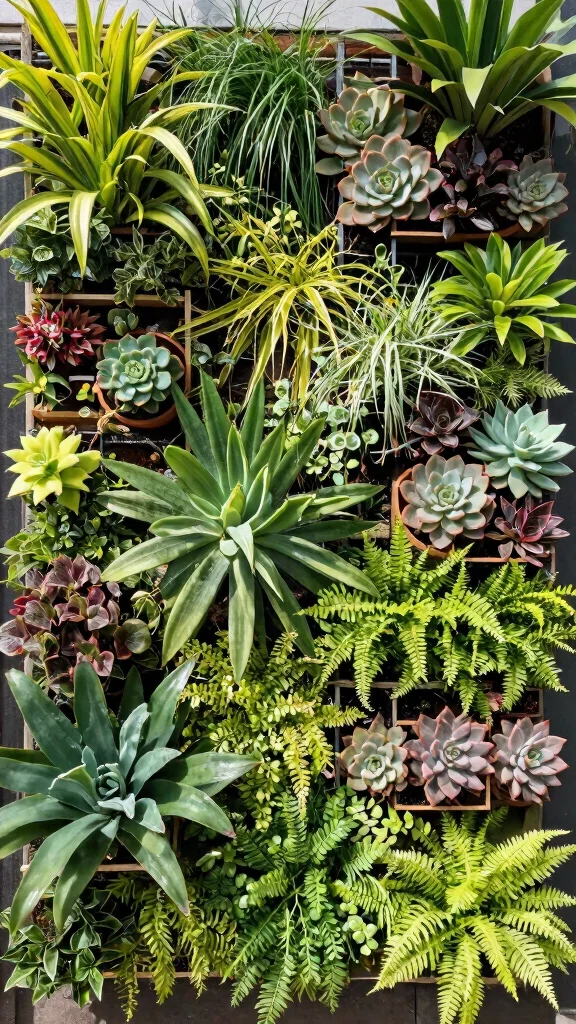
Looking to add greenery to your space without taking up much ground? Vertical gardens are a perfect solution! These living walls can include drought-tolerant plants, allowing you to enjoy lush foliage with minimal watering.
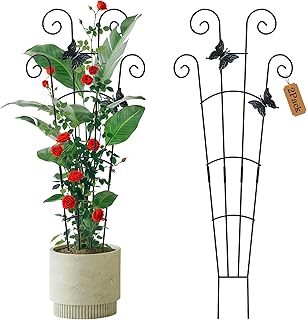
You can create vertical gardens using pallets, planters, or trellises, giving you endless design options. Incorporate native succulents, ferns, or edible herbs for a vibrant showcase of color and texture.
Key elements to consider:
– Use lightweight soil and integrated irrigation for low maintenance.
– Choose plants based on sunlight exposure to ensure success.
– Group plants with similar care requirements for optimal growth!
Your vertical garden will not only beautify your space but also improve air quality, making your home more inviting.
Create Vertical Gardens
Editor’s Choice
2 Pack 30 Inch Taller Plant Trellis for Potted Climbing Plants Indoor,Ex…

TOREVSIOR 5-Tier Vertical Raised Garden Bed, Vertical Garden Planter wit…

Live Succulent Sedum adolphii Shooting Stars, 2 Inch Fully Rooted Potted…
8. Opt for Low Water Hardscapes

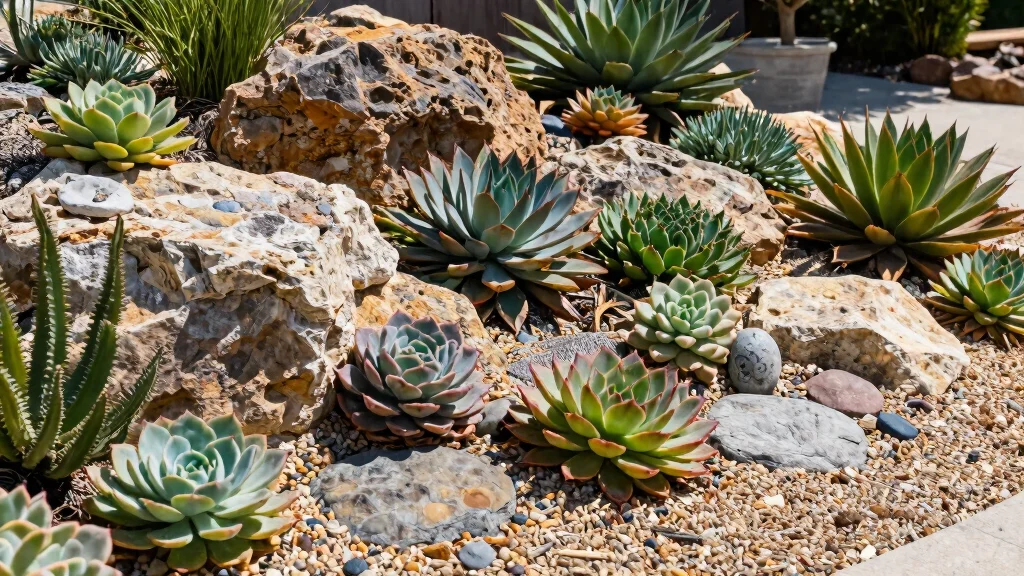
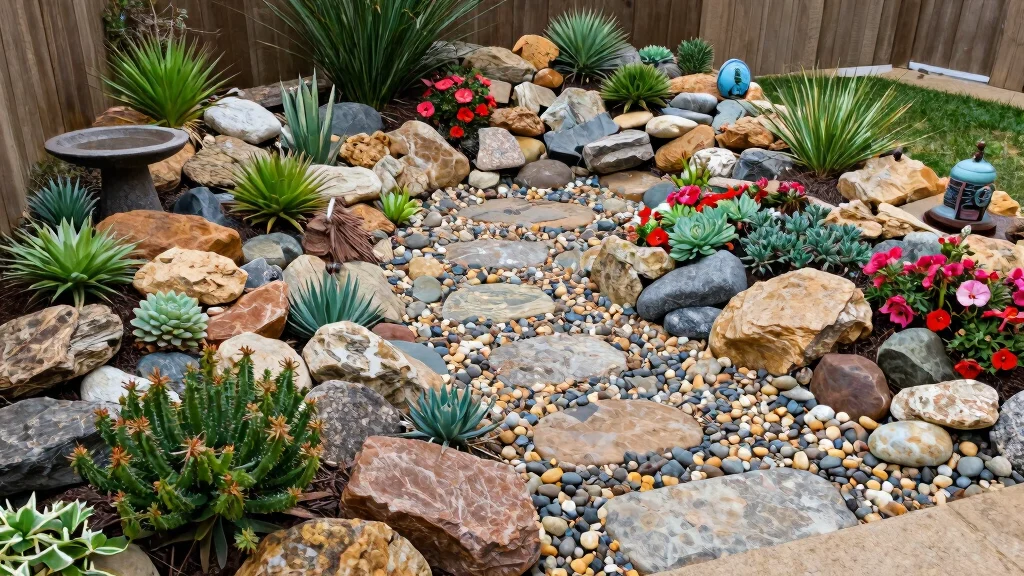
Want to create a striking contrast in your garden? Low-water hardscapes can enhance your landscape while reducing the need for watering. By using materials like decomposed granite, pavers, or concrete, you can design beautiful patios and pathways that serve practical purposes.
These elements can create inviting spaces for relaxation without sacrificing aesthetics. A balanced landscape will reflect nature’s beauty while enhancing your outdoor living experience.
Consider these hardscape tips:
– Choose permeable materials to allow for water drainage and reduce runoff.
– Design pathways that guide visitors organically through your garden.
– Incorporate shaded seating areas using plants for comfort!
Your hardscape additions will provide both functionality and beauty, making your garden a delightful retreat.
Fun fact: Switching to low-water hardscapes can slash lawn irrigation by up to 70% in drought-prone zones. Pair decomposed granite or pavers with native plants, and you’ll enjoy striking patios without a water bill shock.
You Might Also Like
Opt for Low Water Hardscapes
Editor’s Choice

Goovilla Plastic Interlocking Deck Tiles, 9 Pack Outdoor Patio Flooring,…

Grey Fines. Grey Decomposed Granite, 40 Pounds. Compactable decomposed G…

Sika – Sikacryl – Gray – Ready-Mix Concrete Patch – for Repairing spalls…
9. Use Efficient Irrigation Systems
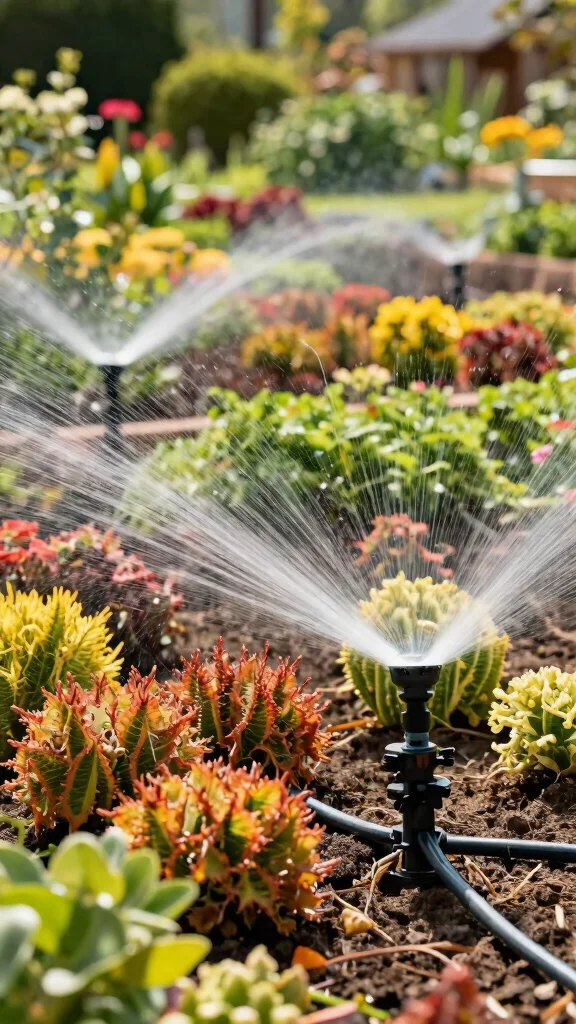
Want to ensure your plants get the moisture they need without wasting water? An efficient irrigation system is key for low-water landscaping. Drip systems and soaker hoses deliver water directly to roots, minimizing waste and maximizing effectiveness.
Consider adding timers and moisture sensors to automate your watering, adjusting schedules based on real-time weather conditions. This proactive approach can significantly reduce your water usage, supporting a more sustainable gardening practice.
Important irrigation tips:
– Regularly check and maintain your system for optimal performance.
– Adjust your watering schedule seasonally to meet plant needs.
– Use mulch and ground cover to minimize evaporation.
Your efficient irrigation will not only save water but also ensure your garden remains lush and vibrant!
Use Efficient Irrigation Systems
Editor’s Choice

230FT Drip Irrigation System for Garden with 38pcs Adjustable Copper Noz…

Soaker Hose 100FT, Thickened Flat Soaker Hoses For Garden 100 ft 2 pack,…

RAINPOINT Sprinkler Timer, Programmable Water Timer for Garden Hose, Out…
10. Encourage Wildlife Habitats

Looking to enhance the beauty and biodiversity of your garden? Creating a space that supports local wildlife adds life and vibrancy to your backyard. By incorporating native plants, birdbaths, and bee hotels, you’ll attract beneficial creatures that help your garden thrive.
Consider leaving areas of wildflowers or native grasses for local fauna to thrive. These welcoming spaces not only beautify your garden but also create a lively atmosphere that you can enjoy.
Tips for attracting wildlife:
– Install bird feeders and baths to create a lively environment.
– Use organic gardening practices to protect local creatures.
– Plant a variety of flowers to attract butterflies and bees!
Your wildlife-friendly garden will be a delightful retreat that connects you with nature, making your outdoor space even more enjoyable.
Encourage Wildlife Habitats
Editor’s Choice

Wildflower Seeds Bulk Mix – 10,000+ Perennial & Annual Seeds – Texas, Ca…

LuxenHome 20 Inch Ceramic Bird Bath for Outside, Elegant Tall Outdoor Bi…

EGREE Mason Bee Houses Outdoor Wooden Bee Hotel for Garden and Yard Hand…
Conclusion
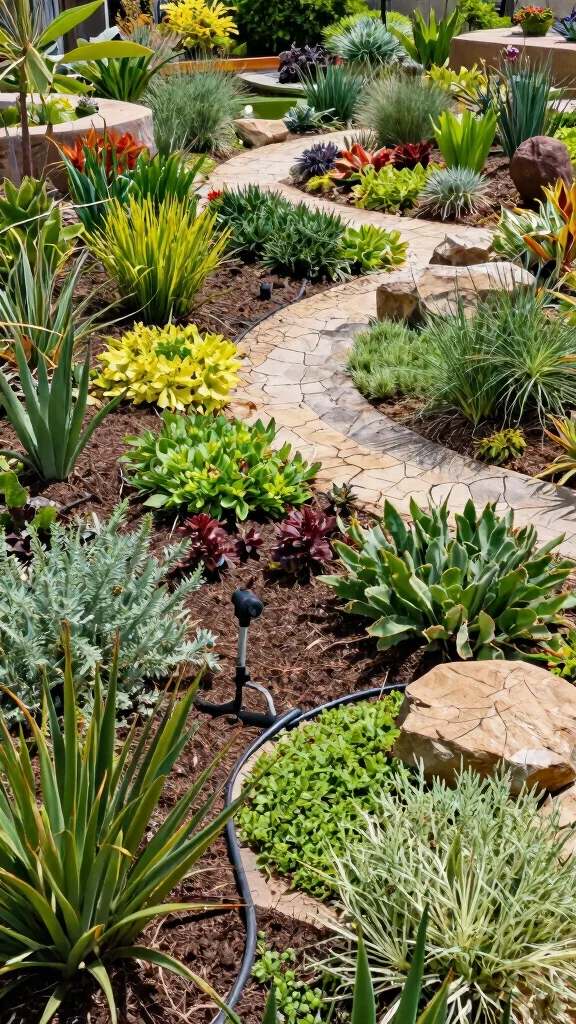
Transforming your garden into a low water, drought-tolerant paradise is not only possible but incredibly rewarding.
By embracing native plants, xeriscaping techniques, and sustainable practices, you can create a stunning landscape that thrives with minimal water use.
Whether you choose to design a rock garden, incorporate edible plants, or implement efficient irrigation, each choice contributes to a more sustainable future. Dive into these ideas and start your journey toward a gorgeous, guilt-free, water-efficient garden today!
Note: We aim to provide accurate product links, but some may occasionally expire or become unavailable. If this happens, please search directly on Amazon for the product or a suitable alternative.
This post contains Amazon affiliate links, meaning we may earn a small commission if you purchase through our links, at no extra cost to you.
Frequently Asked Questions
Question: What is low water landscaping and what are its main benefits?
Low water landscaping is a garden approach that uses drought-tolerant, native, and water-efficient plants to minimize irrigation.
It helps conserve water, lowers utility bills, and reduces maintenance, while keeping your yard beautiful. By embracing sustainable landscaping and native plant gardens, you support local wildlife and improve resilience during heat waves. With xeriscaping techniques, you group plants by water needs, apply mulch, and install water-efficient irrigation like drip systems to maximize every drop.
Question: Which drought-resistant native plants are best for beginners in low water landscaping?
Beginner-friendly options include Echinacea purpurea (Purple Coneflower), Rudbeckia hirta (Black-eyed Susan), Penstemon spp., Gaillardia pulchella (Blanketflower), and drought-tolerant grasses like Muhlenbergia capillaris (Pink Muhly Grass). Remember to choose native plant varieties from your region and check your local extension for the best fits.
Question: How can I design my yard using xeriscaping techniques with native plants?
To design with xeriscaping techniques, start with a site analysis (sun/shade, soil, drainage), map your space, and define your watering zones. Choose a palette of native plants and drought-resistant species for each zone, then cluster thirsty plants together yet keep them in their own zone. Use mulch generously, improve soil with compost, and install a drip irrigation system with a smart controller. Add rain barrels and opt for permeable hardscapes to reduce runoff.
Question: What maintenance tips help a low water landscape stay healthy without much watering?
Keep it healthy with practical steps: mulch 2–4 inches around roots to cut evaporation, weed regularly to reduce competition, and prune dead or crowded growth for better air flow. Water deeply and infrequently, especially during establishment and drought, rather than on a fixed schedule. Monitor for signs of stress or pests, fix irrigation leaks, and feed lightly with a slow-release fertilizer in early spring. Regular checks keep your low water landscape thriving with minimal watering.
Question: Can low water landscaping boost property value and sustainability beyond water savings?
Absolutely. A well-planned low water landscaping boosts curb appeal and can increase property value, especially in drought-prone areas. It reduces ongoing maintenance, mowing, and fuel use, while water-efficient gardening lowers bills. A garden built with native plant gardens and pollinator-friendly species supports local wildlife and resilience to heat waves, making your yard a more sustainable living space. In short, it pays off for the planet and your wallet.
Related Topics
low water landscaping
drought-resistant plants
xeriscaping techniques
native plant gardens
sustainable landscaping
water-efficient gardening
beginner friendly
eco-friendly design
garden design
drought-tolerant
landscape ideas
outdoor living