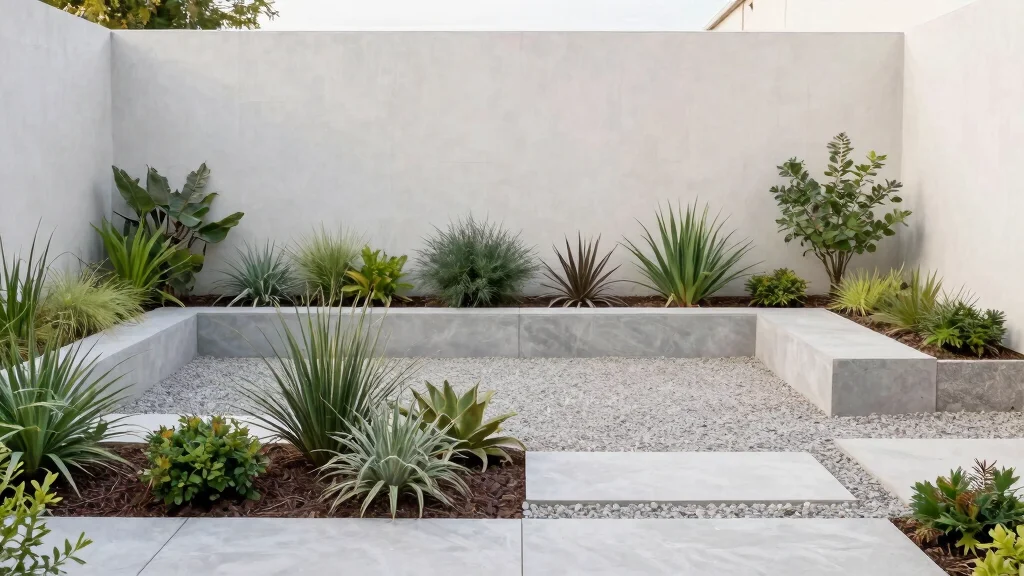
Creating a stunning front yard doesn’t mean you need a ton of space or endless hours of upkeep. These days, minimalist front yard landscaping is becoming popular for a good reason. It lets you enjoy beautiful outdoor spaces while keeping things simple and sustainable. If you’ve been feeling overwhelmed by traditional garden designs or searching for ways to make your front yard more inviting, this post is just for you.
Whether you are a busy homeowner, an eco-conscious renter, or someone who loves modern aesthetics, there’s something here for you. You will find simple ideas that require minimal maintenance but deliver maximum impact. I’ve gathered seven minimalist front yard landscaping ideas that are not only stylish but also sustainable. Each suggestion offers practical tips to help you create a space that feels refreshing and effortlessly chic.
From native plant gardens that attract local wildlife to cozy outdoor seating areas that invite relaxation, these ideas ensure that less truly can be more. You will learn how to mix hardscaping with green elements, making your front yard a standout feature. So, let’s dive into these inspiring ideas that will transform your outdoor space into a stunning minimalist oasis.
Key Takeaways
– Native Plant Gardens: Opting for native plants supports local ecology and requires less maintenance. They thrive in your climate, making them a smart choice for sustainable landscaping.
– Gravel Pathways: Gravel creates a modern look while being low-maintenance. It also helps with drainage, preventing muddy areas in your yard.
– Geometric Planters: Using geometric shapes adds a contemporary feel to your space. These planters can be filled with low-maintenance plants for a clean, organized look.
– Minimalist Hardscaping: Incorporating stone, wood, or concrete structures can define your yard’s layout without overwhelming the space. This approach allows for a stylish, open feel.
– Water Features: Simple water features can provide soothing sounds and attract wildlife. A small pond or fountain can elevate the ambiance without demanding much upkeep.
1. Native Plant Gardens
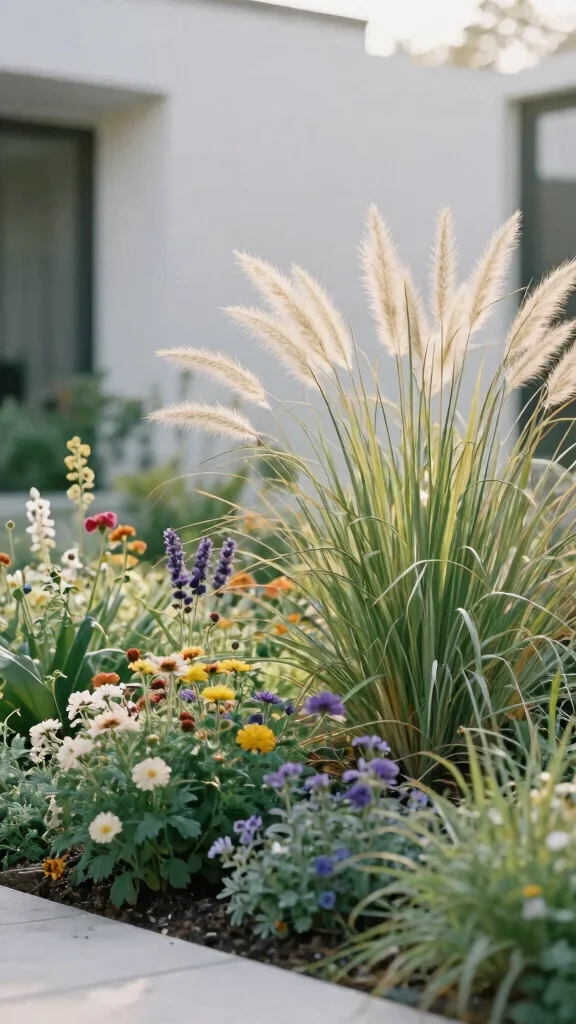
Create a stunning native plant garden that celebrates your local ecosystem. By choosing plants that thrive naturally in your area, you’ll enjoy a beautiful landscape while supporting local wildlife. Native plants require less water and care, making your garden both vibrant and low-maintenance throughout the seasons. Mix flowering perennials, ornamental grasses, and hardy shrubs for a dynamic display of colors and textures.
Start by researching which plants flourish in your climate. Group them based on their sunlight and water needs to ensure they thrive together. This approach not only promotes biodiversity but also enhances the overall beauty of your garden.
Key steps to create your garden:
– Research local native species for best results.
– Organize plants by their environmental needs.
– Incorporate varying heights for visual depth.
By choosing native plants, you create a beautiful front yard that benefits both you and the environment.
Did you know native plant gardens can cut outdoor water use by up to 50%? Choosing local species supports wildlife and lowers maintenance, while a mix of flowering perennials, ornamental grasses, and hardy shrubs delivers year-round color.
Native Plant Gardens
Editor’s Choice

Wildflower Seeds Bulk Mix – 10,000+ Perennial & Annual Seeds – Texas, Ca…


Back to the Roots 25.7qt (1 Cubic ft) Organic Premium Mulch
2. Gravel Pathways

Enhance your front yard with charming gravel pathways that invite exploration. These paths not only add rustic appeal but are also easy to maintain, providing a practical solution for foot traffic. Choose gravel that complements your home’s colors and feel free to mix sizes and shades to create visual interest. Additionally, gravel helps with drainage, keeping your garden healthy and vibrant.
To get started, define your pathway edges with stones or concrete for a clean look. You can also add stepping stones for a modern twist, or surround the path with low-maintenance plants that soften the edges.
Helpful tips for your gravel pathways:
– Outline edges with stones to maintain shape.
– Integrate stepping stones for a unique touch.
– Surround with ground cover plants for added texture.
Gravel pathways are a beautiful and functional addition that enhances your yard’s minimalist aesthetic.
❝ Fun fact: Gravel paths drain water up to 4x faster than bare soil, keeping your minimalist front yard landscaping drier and healthier after rain. That quick drainage means less mud on shoes and a more inviting path for guests. ❞
Gravel Pathways
Editor’s Choice

Mulctun 45LB Natural White Rocks, 1/4″-3/4″ Garden River Rock,Decorative…

EasyFlex No-Dig Landscape Edging with Anchoring Spikes, 2.7 in Tall Deco…
3. Geometric Planters
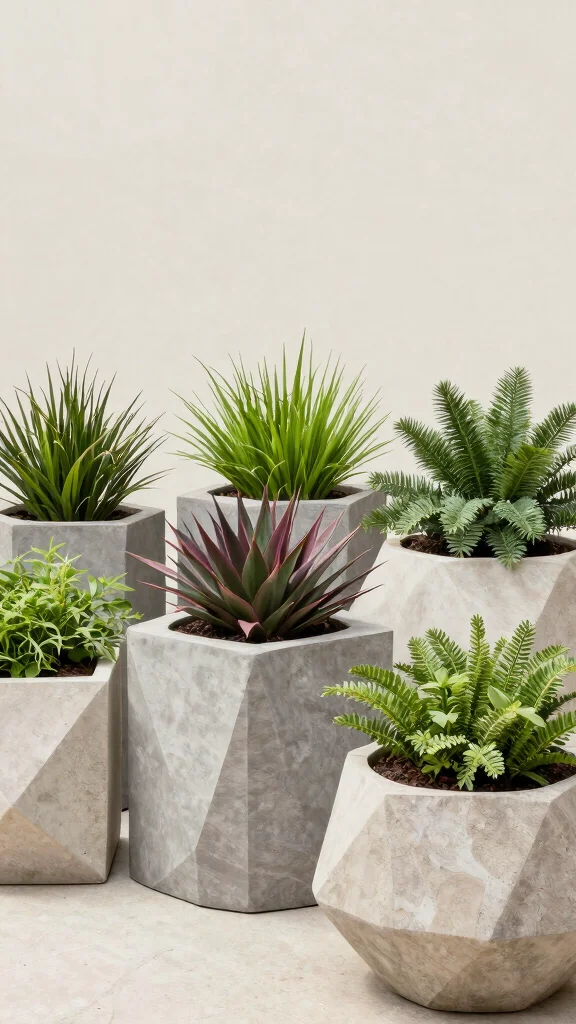
Add striking geometric planters to your front yard for a modern touch. These planters, made of materials like concrete or metal, create eye-catching contrasts against the natural curves of plants. Use them to establish focal points or to break up larger plant beds, enhancing your landscape’s visual appeal.
Grouping planters of varying heights and shapes can create depth and interest in your design. Choose colors that match your home’s exterior for a cohesive look, and fill them with a mix of plants for added dynamism.
Key insights for using geometric planters:
– Select colors that complement your home.
– Use diverse plants for a lively display.
– Group smaller planters for a striking effect.
Geometric planters offer a way to add contemporary flair while keeping your design simple and elegant.
Geometric planters are surprising in how much impact they pack. Group varying heights and hues that echo your home’s colors, and your minimalist front yard landscaping instantly gains focal points and depth without clutter, just calm, modern curb appeal.
📹 Related Video: DIY GEOMETRIC FLOWER POT USING CARD BOARD AND CEMENT
Geometric Planters
Editor’s Choice

Drought Tolerant Wildflower Mix – 20,000+ Seeds – 1 oz Bulk Extra La…

Creative Co-Op Round Stoneware Planters with Geometric Prints, Black and…
Set of 2 24 Inch Tall Plastic Planters with Drainage Saucers, Rattan Pat…
4. Minimalist Hardscaping
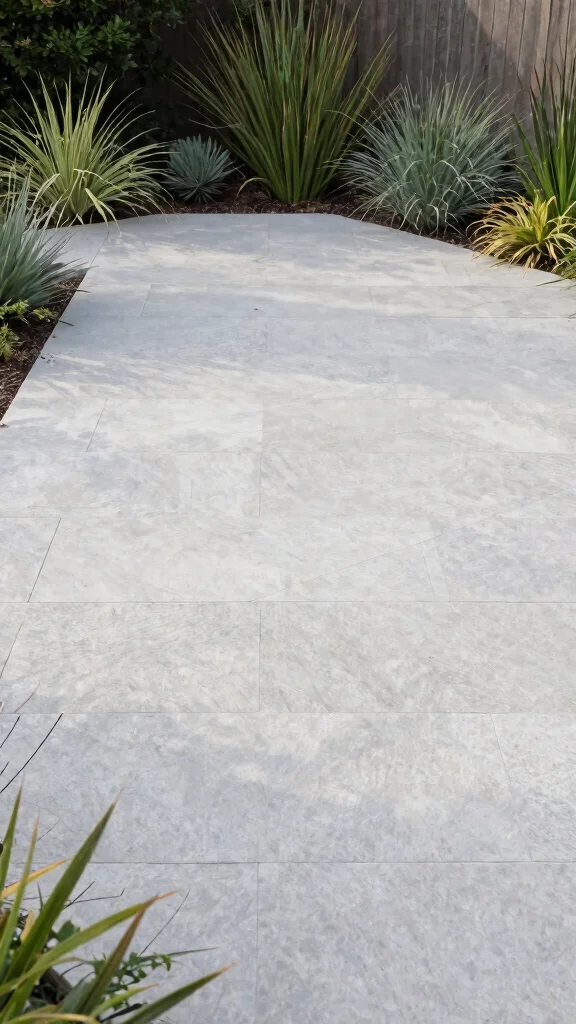
Utilize minimalist hardscaping to create elegant, low-maintenance outdoor spaces. Features like stone patios or wooden decks serve as functional living areas while emphasizing simplicity in design. Using larger, unadorned materials allows for smooth transitions across different zones in your yard.
Focus on keeping surfaces uncluttered and smooth to maintain that minimalist vibe. Natural materials blend beautifully with the landscape, and adding subtle lighting can enhance these features during the evening.
Helpful tips for minimalist hardscaping:
– Maintain smooth, uncluttered surfaces.
– Use natural materials for harmony.
– Add soft lighting to highlight features.
Integrating minimalist hardscaping creates a visually stunning front yard that’s both practical and inviting.
You might also like


Minimalist Hardscaping
Editor’s Choice
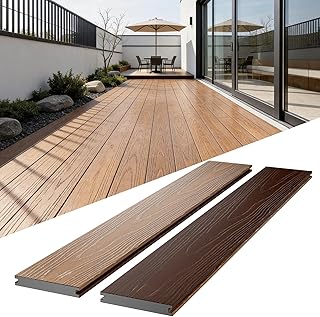
Outdoor Solid Composite Decking Boards 96″x5.43″x1″, Polymer Composite D…
5. Water Features

Incorporate a minimalist water feature to elevate the tranquility of your front yard. A small fountain or pond serves as a serene focal point that attracts wildlife and promotes relaxation. Designed thoughtfully, these features blend seamlessly into your landscape while providing soothing sounds of flowing water.
Opt for modern designs that align with minimalist aesthetics, and surround the feature with natural stones or plants for a harmonious appearance. Ensure that maintenance access is easy without disrupting the overall layout of your garden.
Ideas for implementing water features:
– Choose sleek designs for modern appeal.
– Surround with stones and native plants for a natural look.
– Ensure easy access for maintenance.
Adding a water feature not only enhances your yard’s beauty but also creates a calming atmosphere for all to enjoy.
Water Features
Editor’s Choice

FANTIAN 20 lbs Large River Rocks for Outdoor Landscaping, 3-4 Inch Decor…

VIVOSUN 800GPH Submersible Pump(3000L/H, 24W), Ultra Quiet Water Fountai…

Teamson Home 38.58 in. Modern Curved Faux Slate Waterfall Fountain for I…
6. Sustainable Mulching

Mulching is an effective way to improve the aesthetics of your front yard while reducing upkeep. Using organic materials like wood chips or straw helps retain soil moisture and suppress weeds, all while looking great. Choose a color that contrasts with your plants to create a striking visual effect.
Keep the mulch layer thin for a neat appearance, and refresh it regularly to maintain its benefits. Opting for locally sourced materials promotes sustainability and supports your community.
Best practices for mulching:
– Use organic, locally sourced materials.
– Replenish mulch regularly for effectiveness.
– Define garden areas with mulch for organization.
Sustainable mulching combines beauty and practicality, enriching your minimalist landscape.
You Might Also Like


Key Trade-offs & Our Top Pick
Option 1: Native Plant Gardens
– Pros:
– Low maintenance since native plants are adapted to your local climate.
– Support local wildlife, attracting beneficial pollinators like bees and butterflies.
– Cons:
– Limited variety if you prefer a more colorful garden.
– Some native plants may not be well-suited for small spaces.
– Best for: Homeowners looking for an eco-friendly solution that blends seamlessly with the environment.
Option 2: Gravel Pathways
– Pros:
– Inexpensive and easy to install compared to other paving options.
– Allows for good drainage, reducing standing water and mud.
– Cons:
– Requires regular raking to maintain appearance.
– Can be difficult for wheelchair or mobility-impaired individuals to navigate.
– Best for: Those wanting a casual, rustic look that is also functional and cost-effective.
Option 3: Geometric Planters
– Pros:
– Adds a modern touch to any front yard.
– Versatile in terms of size and material, fitting various styles.
– Cons:
– High upfront cost, especially for custom designs.
– May require more maintenance to keep plants healthy and vibrant.
– Best for: Homeowners who appreciate contemporary aesthetics and are willing to invest for style.
Option 4: Minimalist Hardscaping
– Pros:
– Creates a clean and modern look with defined lines.
– Durable materials can last for many years with little upkeep.
– Cons:
– Can feel cold or stark if not balanced with greenery.
– Higher initial investment for quality materials and installation.
– Best for: Individuals looking to create sleek, modern outdoor spaces while prioritizing durability.
Option 5: Water Features
– Pros:
– Adds tranquility and visual appeal to your yard.
– Attracts wildlife, enhancing your garden’s ecosystem.
– Cons:
– Requires more maintenance, including water quality checks.
– Initial installation can be costly and labor-intensive.
– Best for: Those seeking a calming element that enhances the beauty of their minimalist front yard.
Expert Recommendation:
Best Overall: Native Plant Gardens
Native plant gardens are our top pick for most homeowners. They offer excellent value for money by minimizing maintenance while promoting biodiversity. You can enjoy a stunning front yard that also supports local wildlife, all while saving time and resources in upkeep. The combination of low-water usage and adaptability to local conditions makes native plants a wise choice for sustainable landscaping.
Why We Picked This:
While native plant gardens shine for sustainability and ease, they may not suit everyone. If you prefer modern design, consider geometric planters or hardscaping for a stylish touch. For those on a budget, gravel pathways provide a great compromise. Your choice ultimately depends on your personal taste, maintenance willingness, and overall front yard vision.
Sustainable Mulching
Editor’s Choice

Double Tree Incense Cedar Wood Chips for Potting House Plants, Vegetable…

HealthiStraw GardenStraw, 3 cu ft (20 lbs) All-Natural Mulch for Gardens…
7. Outdoor Seating Areas

Create a cozy outdoor seating area in your front yard to enjoy nature at its best. Choose minimalist furniture like sleek benches or simple chairs that fit seamlessly into your garden’s design. Select natural materials such as wood or metal to reflect a sustainable ethos in your space.
Strategically place seating to integrate it with plants or water features, enhancing the overall tranquility of your yard. Adding cushions in muted colors keeps the space comfortable without overwhelming the aesthetic.
Suggestions for your seating area:
– Use cushions in subtle tones for comfort.
– Add a small table for functionality.
– Consider shade options like pergolas for comfort.
An outdoor seating area allows you to relax and enjoy your minimalist front yard while connecting with nature.
Outdoor Seating Areas
Editor’s Choice

Outdoor Chair Cushions Set of 4: Waterproof & Fade Resistant Seat Cushio…
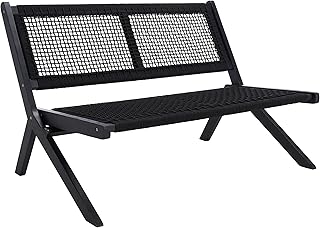
SAFAVIEH Outdoor – Kobina Folding Bench – Black & Black – Solid Wood and…

Outdoor Furniture Set, 2Pcs Patio Armchairs, Metal Modern Outside Furnit…
Conclusion

Embracing minimalist front yard landscaping gives you the opportunity to create a space that is both beautiful and sustainable.
From native plants to geometric planters, each idea offers a unique approach to achieving a low-maintenance yet stunning garden.
By adopting these principles, you can enjoy your outdoor space while making a positive impact on the environment.
Note: We aim to provide accurate product links, but some may occasionally expire or become unavailable. If this happens, please search directly on Amazon for the product or a suitable alternative.
This post contains Amazon affiliate links, meaning we may earn a small commission if you purchase through our links, at no extra cost to you.
Frequently Asked Questions
What exactly is minimalist front yard landscaping and how does it differ from traditional front yard design?
Minimalist front yard landscaping focuses on simplicity, restraint, and purposeful design. It uses a limited color palette, clean lines, and deliberate negative space to create a calm outdoor space. It contrasts with traditional front yards that are often dense with variety and high maintenance landscaping. To get started: define one focal point, choose 3–5 compatible plants (prefer natives or drought-tolerant options), pick durable hardscape materials, create clean edge lines, and use mulch to reduce weeds and irrigation needs. This approach delivers a low maintenance landscaping that still looks modern and inviting in your front yard ideas.
For best results, focus on minimalist garden design principles like scale, repetition, and balance to achieve modern outdoor spaces.
Which plants and materials are best for a sustainable minimalist front yard landscaping look?
Go native and drought-tolerant plants: grasses such as little bluestem and muhly, hardy succulents, and evergreen shrubs that provide year-round structure. Pair these with low-maintenance groundcovers and sparse, well-spaced plantings to keep the look airy. For materials, choose durable hardscapes such as concrete, gravel, timber, and permeable pavers. Use mulch to conserve moisture and suppress weeds. Plan zones for easy maintenance and consider a simple drip irrigation system to keep watering efficient. This combination supports low maintenance landscaping while staying true to minimalist front yard landscaping and modern outdoor spaces.
How can I implement the 7 minimalist front yard landscaping ideas in a practical, low-maintenance way?
Start by defining a single focal point and a restrained color palette. Use mass plantings of a few compatible species to create visual impact with less upkeep. Incorporate drought-tolerant plants and smart irrigation, plus permeable hardscaping to reduce runoff. Add a vertical element or sculptural accent for interest without clutter, and finish with low-profile lighting and clean edges. Keep front yard ideas cohesive by repeating plant shapes and textures, and assign a simple maintenance schedule for pruning, mulching, and irrigation repairs. This approach keeps minimalist front yard landscaping practical and low-maintenance.
What simple landscaping techniques help create a modern outdoor space with a minimalist vibe?
Use a limited color palette and repeat plant forms to create unity. Define edges with clean, crisp lines and keep planting beds uncluttered. Mass plantings rather than scattered individual specimens boost impact with less work. Choose durable materials for hardscape, maintain a neat overall silhouette, and stick to evergreen structure for year-round appeal. Mulch with a uniform depth to reduce weeds and water use, and plan for efficient irrigation and easy-access pathways to boost maintenance simplicity. This ties into simple landscaping techniques for modern outdoor spaces.
How does minimalist front yard landscaping improve curb appeal and reduce upkeep over time?
A cohesive, tidy front yard with a restrained plant palette and well-chosen hardscape reads as polished curb appeal and feels welcoming to visitors. Because it emphasizes low maintenance landscaping, you’ll spend less time on pruning, mowing, and seasonal cleanup. Native and drought-tolerant plants cut water use, while permeable surfaces reduce runoff and maintenance costs. With proper planning for drainage, accessibility, and seasonal interest, minimalist front yard landscaping enhances property value and provides sustainable, attractive modern outdoor spaces.
Related Topics
minimalist front yard landscaping
low maintenance landscaping
modern outdoor spaces
simple landscaping techniques
sustainable gardening
front yard ideas
easy landscaping
minimalist garden design
budget friendly landscaping
beginner friendly gardening
trending garden styles
seasonal landscaping