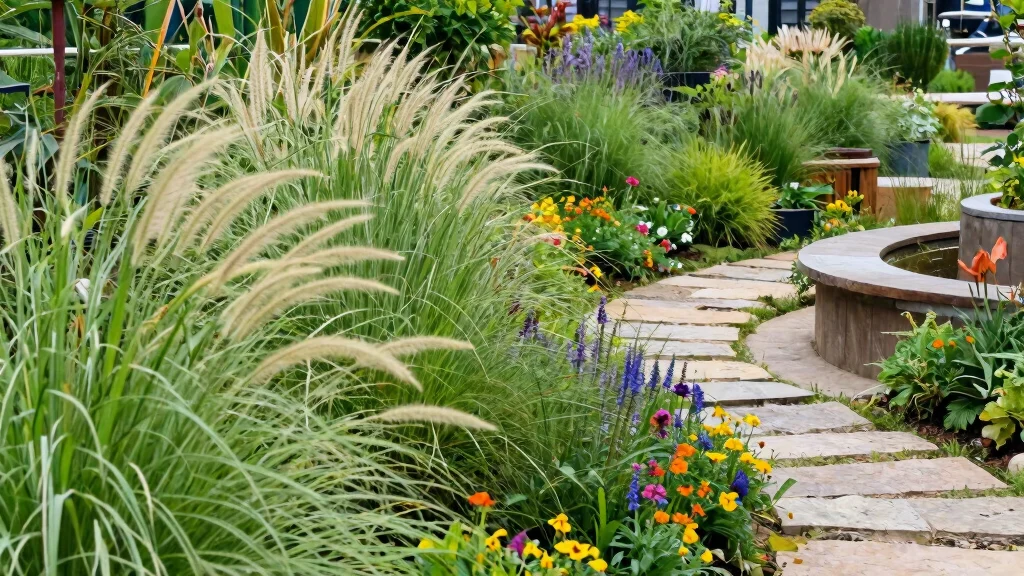
Native grasses are the unsung heroes of urban landscaping, blending beauty with sustainability. As more of us seek eco-friendly solutions, the charm of these resilient plants shines brighter than ever. This blog post gathers nine stunning ideas for using native grasses in your outdoor space. I wanted to create this resource because I believe that anyone can transform their yard into a lush retreat without the added stress of constant maintenance.
If you love gardening or simply want to spruce up your outdoor area, this guide is for you. It’s tailored for busy homeowners, eco-conscious individuals, and anyone looking to enhance their environment with low-maintenance, drought-resistant grasses. You’ll discover practical, beautiful landscaping ideas that not only look great but also contribute to a healthier ecosystem. By the end, you’ll be inspired and armed with actionable tips to bring native grasses into your garden.
Let’s dive into the world of native grasses and explore how they can elevate your outdoor space while being kind to the planet.
Key Takeaways
– Native grasses offer a stunning, low-maintenance alternative to traditional lawns. You can reduce upkeep while enhancing your yard’s visual appeal.
– These grasses are eco-friendly and support local wildlife, making them a great choice for sustainable gardening. You’ll contribute to biodiversity in your area.
– Drought-resistant varieties thrive in various climates, saving you time and water. This means less worry during dry spells and a healthier garden overall.
– Incorporating native grasses can create natural privacy screens and borders, enhancing your outdoor experience while providing functional beauty.
– From container gardens to rain gardens, the possibilities are endless. You will find creative ways to integrate these grasses into your landscaping for seasonal color and texture.
1. Lush Lawn Alternative

Are you tired of the constant upkeep that traditional lawns demand? Switch to a lush, native grass alternative that thrives effortlessly in your region’s climate. Grasses like Buffalo Grass and Blue Grama not only boast stunning textures but are also drought-resistant, saving you time and resources. With their deep root systems, these grasses flourish even during dry spells, making them a smart choice for sustainable gardens.
Plus, they create a welcoming habitat for local wildlife, enhancing biodiversity in your yard. Their low growth means you’ll spend less time mowing and more time enjoying your outdoor space.
Consider blending various native grasses to achieve a vibrant, seasonal color palette. This will create a beautiful green carpet that requires minimal maintenance while providing maximum visual appeal.
Lush Lawn Alternative
Editor’s Choice

Outsidepride Perennial Short Native Grass Seed Mix – 1 lb. Premium Mix o…

Outsidepride Perennial Short Native Grass Seed Mix – 5 lbs. Premium Mix …
Earthwise TrueGrass Native Grass Seed Mix – Texoka Buffalograss, Blue Gr…
Outsidepride Blue Grama Native Grass Seed – 1 lb. Perennial, Drought Tol…
Outsidepride Western Native Grass Seed Mix – 1 lb. Perennial Blend of Wa…
2. Grassy Borders and Pathways

Want to add character to your outdoor space? Grassy borders and pathways using native grasses can transform your garden into a visual delight. Grasses such as Sideoats Grama and Little Bluestem serve as perfect frames for paths and garden beds, enhancing your landscape’s overall design.
They add texture and a natural flow to your garden, making it more inviting. The gentle height and movement of these grasses create a serene atmosphere, making your outdoor area a peaceful retreat.
For a striking look, combine these grasses with stone or gravel pathways. This will not only elevate aesthetics but also promote eco-friendly practices in your landscaping.
Grassy Borders and Pathways
Editor’s Choice
Outsidepride Perennial Little Bluestem Grass Seed – 1 lb. Warm Season, D…
Outsidepride Perennial Short Native Grass Seed Mix – 1 lb. Premium Mix o…
Outsidepride Blue Grama Native Grass Seed – 1 lb. Perennial, Drought Tol…
Outsidepride Perennial Tall Native Grass Seed Mix – 1 lbs. Blend of Drou…

Outsidepride Indian Native Grass Seed – 1 lb. Perennial, Low Maintenance…
3. Bold Accent Plants

Looking to make a statement in your garden? Use native grasses as bold accent plants that draw attention. Varieties like Switchgrass and Indian Grass can reach impressive heights, providing dramatic focal points, especially against contrasting backdrops like walls or fences.
Their graceful sway in the wind adds dynamic movement to your landscape, bringing it to life. Not only do these grasses enhance visual interest, but they also create habitats for local insects and birds, contributing to ecological health.
Pair them with shorter native plants to build layers of color and texture, resulting in a self-sustaining ecosystem that thrives in your backyard.
4. Xeriscaping Wonders

Ready to save water while beautifying your garden? Embrace xeriscaping with drought-resistant native grasses. This technique focuses on utilizing plants that require little to no irrigation once established, making it ideal for areas with water scarcity.
Grasses like Muhly Grass and Plains Lovegrass not only thrive in dry conditions but also offer unique forms and textures that enhance your garden’s appeal. Incorporating materials like gravel and mulch conserves moisture while creating a rustic, natural look.
This eco-friendly strategy can lower your water bill and promote responsible gardening, supporting both your wallet and the environment.
Fun fact: Native grasses like Muhly Grass and Plains Lovegrass cut outdoor watering by up to 50% once established—proof that beauty and thrift can go hand in hand. Embrace xeriscaping for a low-maintenance, drought-smart garden.
Ongoing Maintenance & Care Guide
Maintenance Schedule:
Daily/Weekly Tasks:
– Watering: Native grasses usually need minimal watering once established. Check every week, especially during dry spells. A 10-15 minute soak should suffice if the soil feels dry.
– Weed Control: Spend about 15-20 minutes removing any weeds that may sprout. This helps prevent competition for nutrients and space.
– Mowing (if applicable): If your grasses grow tall, mow them to maintain height. This task may take about 30 minutes every 2 weeks during the growing season.
Monthly/Seasonal Tasks:
– Mulching: Apply a fresh layer of organic mulch every spring to retain moisture and suppress weeds. This takes about 1 hour for a medium-sized area.
– Fertilizing: Use a slow-release, low-nitrogen fertilizer once in early spring for optimal growth. This task should take about 30 minutes.
– Pruning: Trim back dead or brown foliage each fall. This will help prepare the grasses for winter. Allocate about 1 hour for this task.
– Pest Inspection: Check for any pests or diseases monthly. This should take about 15-30 minutes.
Maintenance Summary Table:
| Task | Frequency | Difficulty | Time Needed |
|—————————-|———————|—————–|—————–|
| Watering | Weekly | Easy | 10-15 minutes |
| Weed Control | Weekly | Easy | 15-20 minutes |
| Mowing | Every 2 weeks | Moderate | 30 minutes |
| Mulching | Once a year | Moderate | 1 hour |
| Fertilizing | Once a year | Easy | 30 minutes |
| Pruning | Once a year | Easy | 1 hour |
| Pest Inspection | Monthly | Easy | 15-30 minutes |
Common Issues to Watch For:
⚠️ Yellowing Leaves: This can mean overwatering or nutrient deficiency. Check the soil moisture and consider a soil test.
⚠️ Brown Spots: Look for signs of pests or diseases. Inspect closely to identify any issues.
⚠️ Poor Growth: If your grasses aren’t growing well, they may need more sunlight or better drainage. Assess their location and make adjustments if necessary.
Care Tips:
💡 Choose the Right Grasses: Native grasses vary in drought tolerance and sunlight needs. Research your local species to find the best fit.
💡 Water Deeply, but Less Often: Allow the soil to dry out between waterings to encourage deep root growth. This is key for drought resistance.
💡 Create Diversity: Plant different native grasses together. This helps create a balanced ecosystem and minimizes pest issues.
💡 Observe Seasonal Changes: Note how your grasses change with the seasons. Some may need different care in summer vs. winter.
💡 Community Resources: Join local gardening groups or consult with native plant experts. They can provide valuable advice tailored to your area.
Maintaining your native grasses can be straightforward and rewarding. With a little attention and care, you can enjoy a low-maintenance, eco-friendly landscape that enhances your outdoor space. Remember to adjust your approach based on your local climate and the specific needs of your grasses!
5. Natural Privacy Screens

Want a natural way to create privacy in your garden? Native grasses offer an excellent solution! Tall varieties such as Big Bluestem and Northern Sea Oats can form beautiful green privacy screens without the need for fences.
These grasses grow densely, acting as a natural barrier that muffles noise and enhances your backyard’s tranquility. They also positively impact the environment by capturing carbon and providing sustenance for local wildlife.
For added visual appeal, mix in flowering native plants, creating not just functionality but a stunning privacy feature.
Fun fact: native grasses landscaping, when dense, can reduce nearby noise by up to 12 decibels. Tall species like Big Bluestem and Northern Sea Oats form living privacy screens, while sequestering carbon and feeding local wildlife.
📹 Related Video: Growing HUGE Ornamental Grasses – Privacy & EASY!
You might also like


6. Artistic Container Gardens

Bring a touch of nature to your urban living spaces with artistic container gardens! Stylish pots can showcase native grasses like Fountain Grass or Carex, perfect for balconies or patios.
These grasses are ideal for container gardening due to their compact size and resilience. Create striking arrangements by mixing different grasses or adding colorful native flowers for a vibrant display.
Container gardens offer easy maintenance and mobility, enhancing your outdoor aesthetic while supporting local species in an eco-friendly way.
7. Creative Vertical Gardens

Maximize your gardening potential with creative vertical gardens using native grasses! This innovative concept not only adds visual flair but also optimizes limited urban spaces.
Train grasses like Zebra Grass or Blue Fescue to grow vertically on trellises or in wall planters, creating a stunning living wall effect. These grasses thrive under various conditions and often require less care than traditional arrangements.
Add a mix of native plants to enhance color and texture, turning your vertical garden into an eye-catching focal point that promotes biodiversity.
Fun fact: Native grasses landscaping in vertical gardens can pack 2–3 times more greenery into a small urban space than ground beds. Zebra Grass and Blue Fescue train beautifully on trellises, delivering a living wall that needs less water and upkeep.
Creative Vertical Gardens
Editor’s Choice

Bloomingbulb Ornamental Grass, Zebra Grass, Outdoor Planting, Decorative…
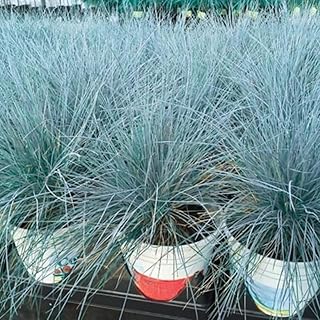
Blue Fescue Grass Plants Live, Ornamental Grass for Outdoor Landscaping …

Outsidepride Legacy Fine Fescue Grass Seed Mix – 5 lbs. Shade & Sun Tole…

Big Bluestem Native Grass Seed, Deer& Wildlife Cover, 2 lbs Pure Live Seed
Earthwise TrueGrass Native Grass Seed Mix – Texoka Buffalograss, Blue Gr…
8. Native Grasses in Rain Gardens
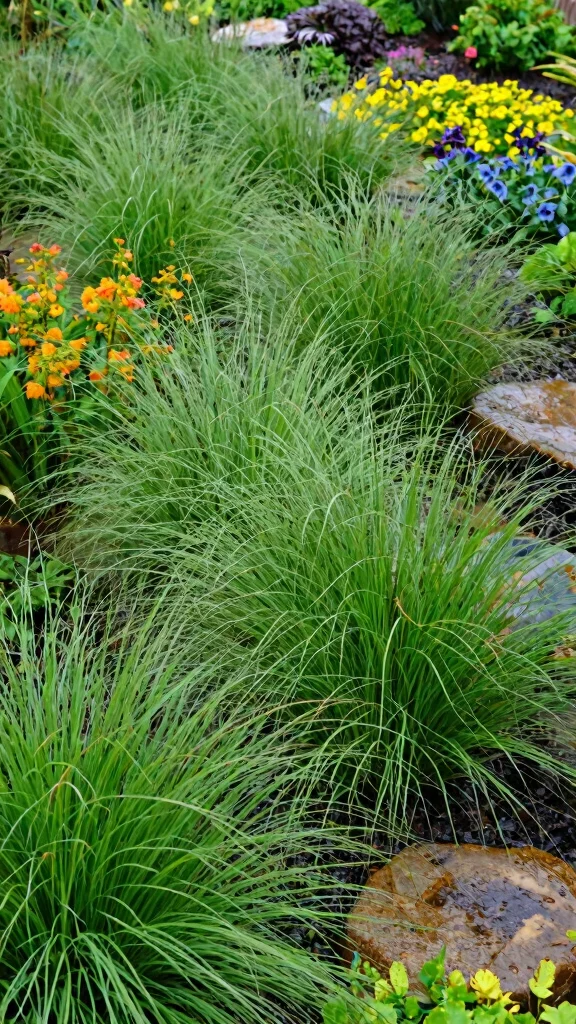
Transform stormwater management with beautiful rain gardens featuring native grasses! Grasses like Fescue and Switchgrass thrive in wet conditions, making them ideal for absorbing excess rainwater.
These gardens help reduce water pollution while providing wildlife habitats and enhancing the beauty of your landscape. Mix different native plant species with grasses for varying heights and textures, creating a stunning and functional feature in your yard.
Best of all, rain gardens require minimal maintenance once established, making them an excellent eco-friendly gardening choice.
Native Grasses in Rain Gardens
Editor’s Choice
Outsidepride Switchgrass Seed – 1 lb. Perennial Hardy, Drought & Flood T…
Outsidepride Perennial Tall Native Grass Seed Mix – 1 lbs. Blend of Drou…

Indiangrass, Tall Perennial Native Grass Seed, Drought Tolerant, Provide…
Outsidepride Perennial Little Bluestem Grass Seed – 1 lb. Warm Season, D…
Big Bluestem Native Grass Seed, Deer& Wildlife Cover, 2 lbs Pure Live Seed
You Might Also Like


9. Seasonal Color and Texture
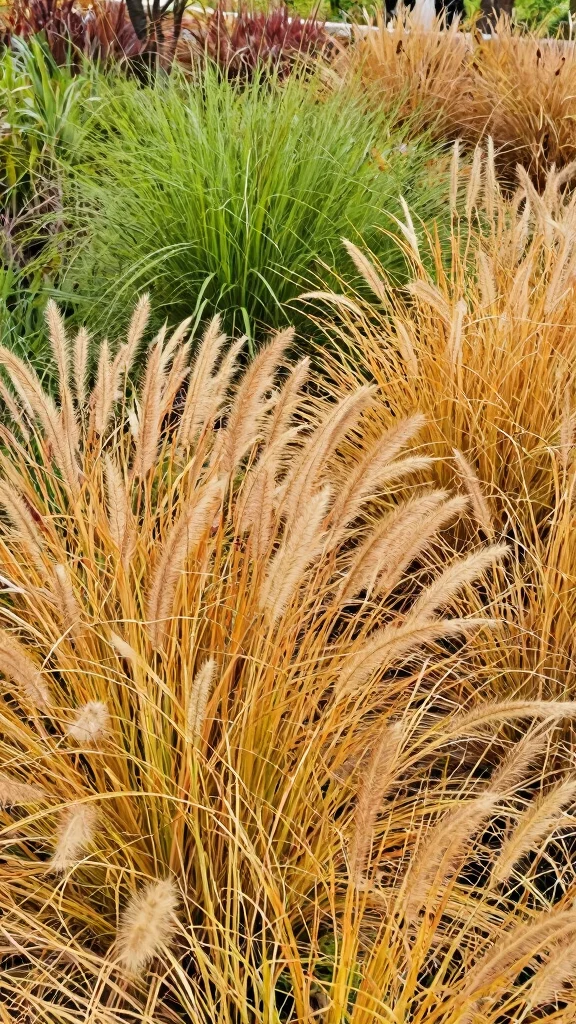
Explore the beauty of seasonal color and texture with native grasses in your landscape! From the golden tones of Little Bluestem in fall to the vibrant greens of Mexican Feather Grass in spring, these plants evolve beautifully throughout the year.
Their unique forms and gentle movement add character to your garden across every season. Incorporate these grasses alongside flowering plants for stunning seasonal displays, creating a visual feast for the eyes.
This approach not only highlights your outdoor space’s beauty but also supports local ecosystems, reflecting nature’s ever-changing cycles.
Seasonal Color and Texture
Editor’s Choice
Outsidepride Perennial Little Bluestem Grass Seed – 1 lb. Warm Season, D…
Outsidepride Switchgrass Seed – 1 lb. Perennial Hardy, Drought & Flood T…
Indiangrass, Tall Perennial Native Grass Seed, Drought Tolerant, Provide…
Outsidepride Perennial Tall Native Grass Seed Mix – 1 lbs. Blend of Drou…
Outsidepride Perennial Short Native Grass Seed Mix – 1 lb. Premium Mix o…
Conclusion
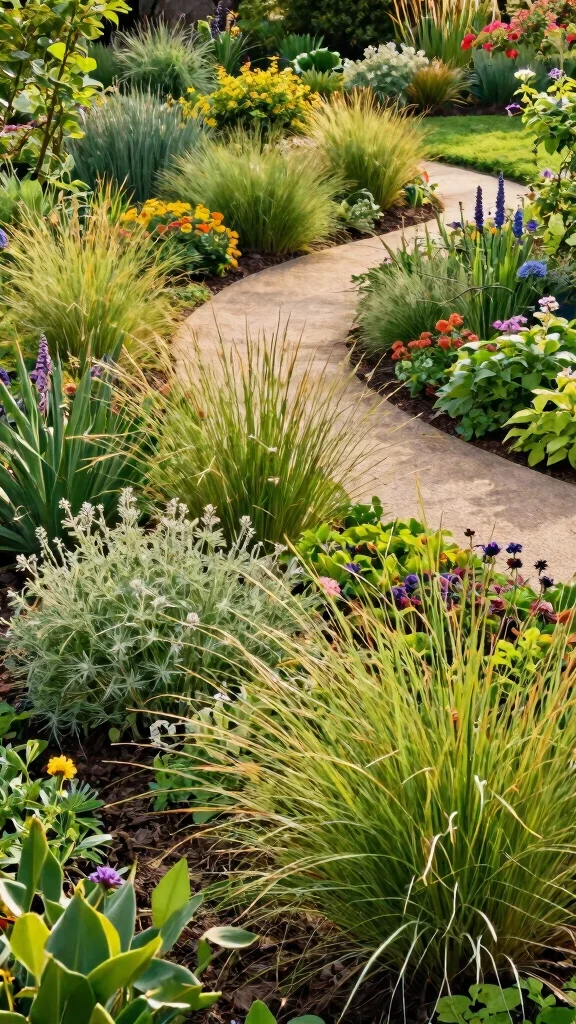
Incorporating native grasses into your landscaping brings not just beauty but also a low-maintenance and eco-friendly approach to gardening.
These versatile plants allow for creative designs that enhance biodiversity and sustainability.
With so many stunning options available, it’s time to embrace the natural beauty and practicality of native grasses in your own outdoor spaces!
Note: We aim to provide accurate product links, but some may occasionally expire or become unavailable. If this happens, please search directly on Amazon for the product or a suitable alternative.
This post contains Amazon affiliate links, meaning we may earn a small commission if you purchase through our links, at no extra cost to you.
Frequently Asked Questions
What are the best native grasses for a low-maintenance urban landscape?
For a low-maintenance urban landscape, start with drought-resistant natives such as big bluestem, little bluestem, switchgrass, and prairie dropseed. These grasses thrive in sun or partial shade and tolerate heat, wind, and compact soils. Plan a mix based on sun exposure and soil type, and plant in broad drifts rather than singles to reduce irrigation and weeding.
In the first year, water regularly to help roots establish, then let rainfall and deep, infrequent irrigation do most of the work. Mulch generously to conserve moisture and suppress weeds. With a little annual cutback and occasional division, this is a classic example of native grasses landscaping that lowers water use and maintenance while boosting curb appeal.
How can native grasses landscaping support eco-friendly gardening and sustainable garden design?
Native grasses landscaping supports eco-friendly gardening by feeding pollinators, birds, and beneficial insects, while their deep roots improve soil structure and dramatically reduce runoff. They typically require less fertilizer, fewer pesticides, and less frequent mowing than traditional lawns. For a sustainable garden design, combine several native grasses with other natives to create vertical and seasonal interest, mulch heavily, and capture rainwater with a barrel or bioswale. Tips: choose grasses that match your sun and moisture, group them by water needs, and plant in a way that preserves natural drainage. This makes your landscape a haven for wildlife and a model of eco-friendly gardening and sustainable garden design.
Can native grasses survive drought in city environments, and how can I water them efficiently?
Yes. Many native grasses are drought-resistant grasses once established. In city settings they can survive with less water if you plant well and mulch. During establishment, water deeply and regularly; after that, switch to deep, infrequent watering (for example, once every 1–3 weeks during hot, dry spells, depending on soil and rainfall). Use a drip irrigation or soaker hose to minimize evaporation. Mulch with 2–3 inches to preserve moisture and suppress weeds. Group grasses with similar water needs and choose varieties suited to your sun conditions. With these practices, native grasses landscaping thrives even in tough urban climates.
What maintenance schedule works best for native grasses landscaping if I want low upkeep and less mowing?
Plan a maintenance routine that lets nature do most of the work. Leave seed heads for wildlife and texture, and only mow about 4–6 inches off a few times a year, or cut back in late winter to early spring. Remove thatch as needed and keep an eye on clump density—dividing every 3–5 years helps maintain vigor. Avoid heavy fertilizing; native grasses landscaping generally thrive on native soil and rainfall. This approach keeps maintenance minimal while preserving movement, color, and structure throughout the seasons.
How can I design a small urban yard or container garden using native grasses landscaping ideas?
For a compact space, pick 2–3 compact native grasses such as little bluestem and prairie dropseed that stay manageable in containers. Use large, well-draining containers with high-quality potting mix and ensure drainage holes. Plant grasses in groups to create mass and reduce weeding, then layer with low-growing natives and seasonal perennials for year-round interest. Place containers in sunny spots or microclimates that suit the grasses, and water smartly with drip irrigation or capillary mats. With thoughtful placement and simple upkeep, your urban yard showcases native grasses landscaping beauty and eco-friendly style in even the smallest space.
Related Topics
native grasses landscaping
low maintenance landscaping
eco-friendly gardening
sustainable garden design
drought-resistant grasses
urban landscaping
native plant landscaping
easy care gardens
landscaping tips
environmentally friendly
xeriscaping
landscape design ideas