
If you’ve ever caught a whiff of fresh rosemary, you know how it can instantly uplift your mood. This time of year, as gardens come alive, many of us find ourselves yearning for ways to incorporate fragrant herbs into our outdoor spaces. Rosemary, with its aromatic scent and beautiful foliage, is a perfect choice for any garden lover looking to add a touch of elegance and utility. That’s why I created this post—you deserve innovative ideas that balance beauty, function, and fragrance.
Whether you’re a seasoned gardener or just starting out, these rosemary plant landscaping ideas cater to your love for herb-infused garden design. If you appreciate aromatic plants for landscaping and want to create drought-tolerant spaces, you’re in the right place. I pulled together nine ideas that are not only visually stunning but also bring functional benefits to your garden. You’ll discover how to use rosemary creatively, from borders to containers, and even as focal points in your yard.
Get ready to dive into these fragrant landscaping ideas that will transform your garden into a sensory delight. You’ll learn how to design spaces that are effortlessly beautiful, functional, and rich in natural aromas. Let’s make your gardening dreams a reality with rosemary!
Key Takeaways
– Versatile Planting: Rosemary fits well in various landscaping styles, from borders to rock gardens, enhancing both beauty and practicality.
– Drought-Tolerant: This hardy herb thrives in dry conditions, making it a smart choice for low-maintenance, drought-tolerant landscaping.
– Companion Planting Benefits: Pairing rosemary with other plants can promote growth and deter pests, leading to a healthier garden ecosystem.
– Aromatic Appeal: Incorporating rosemary adds delightful fragrance to your outdoor space, making it a sensory haven.
– Container Options: Rosemary is excellent for container gardening, allowing you to showcase its beauty even in small spaces or patios.
1. Rosemary Borders for Pathways
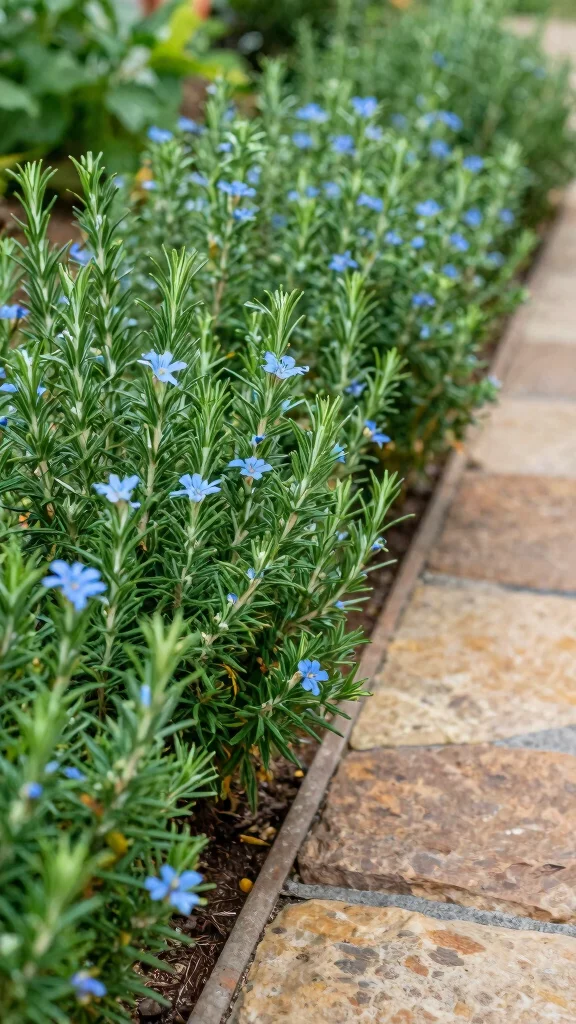
Imagine strolling along a garden path framed by vibrant rosemary. This delightful plant not only adds beauty but also fills the air with its refreshing scent. The lush foliage creates a natural boundary, making your pathways feel more inviting and defined. You’ll love how rosemary enhances both the look and feel of your outdoor space.
To create a stunning border, plant rosemary in a single row along your pathways, ensuring there’s room for it to flourish. Pair it with other drought-resistant plants to create a harmonious landscape that thrives with minimal care.
Key benefits of rosemary borders:
– Fragrance: Experience an invigorating aroma every time you pass by.
– Low Maintenance: Enjoy a beautiful garden without constant upkeep.
– Aesthetic Appeal: Lush green leaves and blue flowers add charm to any pathway.
This approach not only beautifies your garden but also creates an aromatic experience. You’ll appreciate the combination of practicality and elegance.
Ongoing Maintenance & Care Guide
Maintenance Schedule:
Daily/Weekly Tasks:
– Water your rosemary plants in the morning if the soil feels dry. Aim for about 1 inch of water each week. ⏱ 5-10 minutes
– Check for any pests, like aphids or spider mites. They can damage your plants if not caught early. ⏱ 5 minutes
– Trim any dead or unhealthy leaves to promote new growth and keep your plant looking fresh. ⏱ 10 minutes
Monthly/Seasonal Tasks:
– Fertilize your rosemary plants with a balanced fertilizer during the growing season (spring and summer). Use about 1 tablespoon for each plant. ⏱ 15 minutes
– Prune your rosemary back by about one-third to encourage bushier growth. This is best done in early spring. ⏱ 30 minutes
– Refresh the mulch around your rosemary to help retain moisture and control weeds. Aim for a layer around 2-3 inches thick. ⏱ 20-30 minutes
Maintenance Summary Table:
| Task | Frequency | Difficulty | Time Needed |
|——————————-|————-|————|————-|
| Watering | Weekly | Easy | 10 minutes |
| Pest Check | Weekly | Easy | 5 minutes |
| Leaf Trimming | Weekly | Easy | 10 minutes |
| Fertilizing | Monthly | Easy | 15 minutes |
| Pruning | Seasonal | Moderate | 30 minutes |
| Mulch Refresh | Monthly | Easy | 30 minutes |
Common Issues to Watch For:
⚠️ Look out for these warning signs that indicate your rosemary plants may need extra attention:
– Yellowing Leaves: This may mean overwatering. Check the soil moisture before watering again.
– Wilting: If your rosemary looks droopy, it could need water. Check the soil; if it’s dry, give it a drink.
– Brown Tips: This can indicate underwatering or too much direct sunlight. Adjust your watering schedule or move the plant to a shadier spot.
– Stunted Growth: If your rosemary isn’t growing well, it might need fertilization or more sunlight. Ensure it’s getting at least 6-8 hours of light each day.
– Pest Infestation: If you see webs or small bugs, act quickly. Use insecticidal soap or neem oil to treat the problem.
Care Tips:
💡 Keep your rosemary thriving with these practical care habits:
– Mulch Smartly: Use organic mulch to help retain soil moisture and prevent weeds. This can reduce how often you need to water. Aim for a 2-3 inch layer.
– Rotate Your Pot: If you’re growing rosemary in a container, rotate it every couple of weeks. This helps all sides receive equal sunlight and prevents lopsided growth.
– Monitor Soil Drainage: Make sure your pot has drainage holes to avoid soggy soil. Overly wet soil can lead to root rot.
– Give Space to Breathe: When planting rosemary in the ground or a container, ensure it has enough space to grow. Ideally, give each plant about 24-36 inches of space.
– Watch Seasonal Changes: Adjust your watering and care routine with the seasons. In winter, rosemary needs less water as it slows down growth.
By following these maintenance and care tips, you can ensure your rosemary plants remain healthy, aromatic, and contribute to your herb-infused garden design beautifully. Happy gardening!
Rosemary Borders for Pathways
Editor’s Choice

Seed Needs Rosemary Seeds for Planting – Non-GMO Heirloom & Untreated Pe…


Herb Plant Food – Liquid Fertilizer for All Edible Herbs, Supports Fas…

Land Guard Corrugated Garden Edging Border, 6″×50′ Landscape Paver Edgi…
2. Herb Spiral Incorporating Rosemary

Herb spirals are a creative way to cultivate various herbs, and rosemary is a standout choice for this design. This structure maximizes your gardening space while serving as a beautiful centerpiece. The spiral shape allows for diverse growing conditions, making it easier to care for your plants.
To start your herb spiral, use stones or bricks to form a spiral shape, leaving space at different heights for rosemary to thrive. This design will help you grow companion plants that share similar needs, creating a vibrant herb garden.
Benefits of an herb spiral:
– Space-Saving: Grow multiple herbs in a small area.
– Microclimates: Different heights allow for varying light and water conditions.
– Aesthetic Value: Spiral designs add a unique artistic element to your garden.
This method not only optimizes your space but also enhances visual appeal. You’ll enjoy a flourishing herb garden that’s both functional and stunning.
📹 Related Video: DIY Herb Spiral: Grow More Herbs in Less Space!
Herb Spiral Incorporating Rosemary
Editor’s Choice

UNIME Glow in The Dark Garden Pebbles Stones Rocks for Yard and Walkways…

HOME GROWN Non GMO Rosemary Seeds Pack – 150 High Germinating Heirloom H…
3. Container Gardening with Rosemary

Container gardening offers endless possibilities for showcasing herbs like rosemary. This adaptable plant thrives in pots, making it perfect for patios, balconies, or any small space. You can enjoy its beauty and fragrance anywhere in your outdoor area.
Choose well-draining pots filled with quality potting mix to ensure rosemary flourishes. Pair it with other herbs like basil or thyme for a charming and functional herb display.
Reasons to grow rosemary in containers:
– Portable: Move containers to optimize sunlight or protect from weather.
– Decorative: Select stylish pots to enhance your garden’s aesthetics.
– Accessibility: Perfect for small spaces or urban settings.
This approach not only beautifies your space but also provides fresh herbs at your fingertips. Enjoy the convenience and aroma of rosemary every day!
Container Gardening with Rosemary
Editor’s Choice

T4U 4 Pack 6 Inch Self Watering Pots – Water Level Indicator & Deep Rese…

D’vine Dev 8.2 Inch Ceramic Planter Pot with Drainage Hole and Saucer, I…

Miracle-Gro Moisture Control Potting Mix – Plant Soil For Container Plan…
4. Rosemary in Rock Gardens

Rock gardens blend stones and plants beautifully, and rosemary is an ideal addition. This hardy herb thrives in rocky, well-drained soil, creating a stunning contrast to the rough textures of stones. You’ll enjoy the natural look it brings to your outdoor design.
Plant rosemary in clusters among larger rocks to allow its natural shape to shine. Combine it with other drought-tolerant plants like succulents for a cohesive and low-maintenance garden.
Advantages of using rosemary in rock gardens:
– Drought-Tolerant: Perfect for low-water landscaping.
– Texture and Color: Needle-like leaves and flowers enhance visual interest.
– Natural Habitat: Mimics rosemary’s preferred growing conditions.
This design not only highlights the beauty of rosemary but also promotes a sustainable environment. You’ll create a serene and attractive space in your garden.
I love how rosemary thrives in rocky gardens, perfect for rosemary plant landscaping with minimal fuss. Plant rosemary in clusters among larger rocks to let its natural shape shine, then pair it with succulents for a cohesive, low-maintenance display.
Rosemary in Rock Gardens
Editor’s Choice

Mix Horticultural Lava Pebbles Pumice Potting Soil Amendment Succulent C…

Pulovin 20 lbs River Rocks for Plants, 2-3 Inch Decorative Garden Rocks …

25 Culinary Herb Seeds Variety Pack – 13,055+ Non-GMO Heirloom Herbs See…
5. Rosemary as Ground Cover
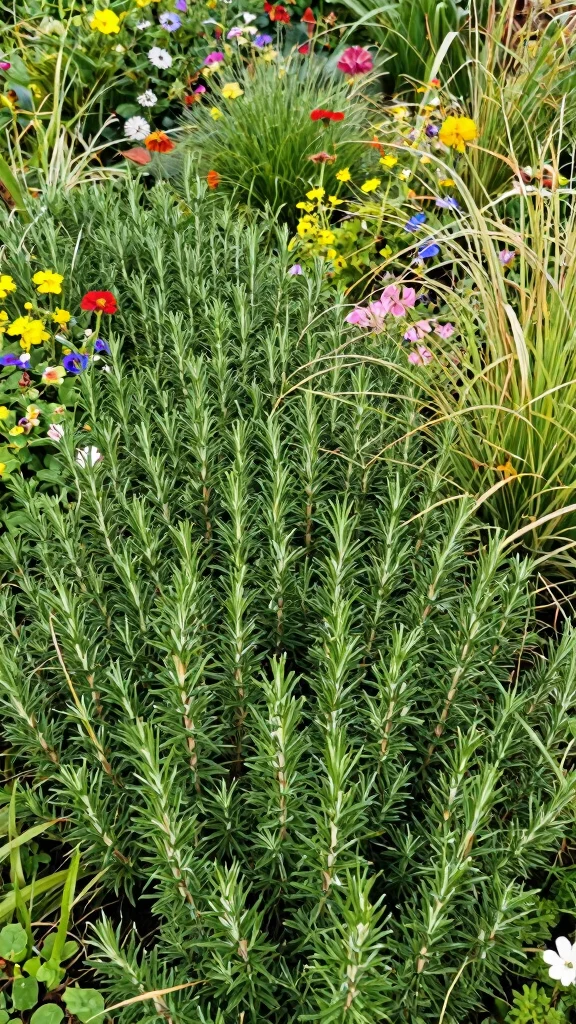
Using rosemary as ground cover is a smart choice for creating a lush, fragrant carpet in your garden. This hardy herb fills spaces quickly and helps keep weeds at bay. You’ll love how it transforms your landscape into a fragrant haven.
Plant rosemary in clusters, ensuring proper spacing for air circulation and growth. Combine it with other low-growing herbs or flowers for added color and texture.
Benefits of rosemary as ground cover:
– Weed Suppression: Dense growth chokes out unwanted plants.
– Aromatherapy: Enjoy delightful scents when brushed against.
– Visual Appeal: Provides a beautiful transition between garden features.
This method enhances your garden’s beauty while reducing maintenance. You’ll appreciate the aromatic benefits and visual charm rosemary brings.
Fun fact: When rosemary is used as ground cover, its dense mat can suppress weeds by up to 60% in the first season. That same fragrant carpet fills beds with scent and color, making rosemary plant landscaping feel both practical and gorgeous.
You might also like

Rosemary as Ground Cover
Editor’s Choice
HOME GROWN Non GMO Rosemary Seeds Pack – 150 High Germinating Heirloom H…

Garden Tools Set, 3 Pack Heavy Duty Gardening Tools Set Include Garden S…
Back to the Roots 100% Organic Mulch, 58 Quart, Expanding Coconut Husk B…
6. Companion Planting with Rosemary

Companion planting can boost your garden’s health, and rosemary is an excellent companion for many plants. By selecting the right neighbors for rosemary, you can enhance growth and deter pests. This strategy can lead to a thriving herb garden.
When arranging your garden, consider placing rosemary near its compatible plants to maximize benefits. This approach creates a beautiful and productive space where plants support each other.
Great companions for rosemary:
– Vegetables: Enhance flavor and growth with carrots and cabbage.
– Flowers: Repel pests and add color with marigolds.
– Herbs: Pair with thyme and oregano for a fragrant display.
This planting method promotes a healthy garden ecosystem. You’ll enjoy the benefits of improved plant health and a beautiful arrangement.
Companion Planting with Rosemary
Editor’s Choice

Companion Planting for Beginners: Pair Your Plants for a Bountiful, Chem…

Seed Needs Herb Seeds Variety Pack Culinary Herb Collection (12 Individu…
7. Rosemary in Vertical Gardening

Vertical gardening is a fantastic solution for maximizing space, and rosemary can play a key role in this design. By using wall-mounted planters or hanging pots, you can incorporate rosemary into your garden without sacrificing ground space. This method allows you to showcase your herbs beautifully.
Consider arranging rosemary in staggered heights for a dynamic visual effect. Make sure each plant receives adequate sunlight and water to thrive.
Benefits of vertical gardening with rosemary:
– Space Optimization: Ideal for small patios or urban areas.
– Visual Drama: Create depth and interest in your garden.
– Easy Maintenance: Elevated plants reduce strain while tending to them.
This approach not only saves space but also enhances your garden’s aesthetic. Enjoy the beauty and functionality of vertical gardening with rosemary!
Fun fact: In vertical gardening, you can fit 6 rosemary plants on a compact wall using stacked planters. Their fragrance travels upward and keeps pests at bay. With rosemary plant landscaping, you get fresh herb harvests without sacrificing floor space.
Rosemary in Vertical Gardening
Editor’s Choice

Chapin 47998 Watering Can, 2 Gallon, Indoor and Outdoor Plants, Lawn, Ga…

Make Good PlantPod Luxe – Self-Watering Wall Planters (Set of 6) – Easy …

Dahey 10 Pcs 3.8 Inches Small Hanging Flower Pots Metal Iron Bucket Plan…
8. Rosemary as a Focal Point

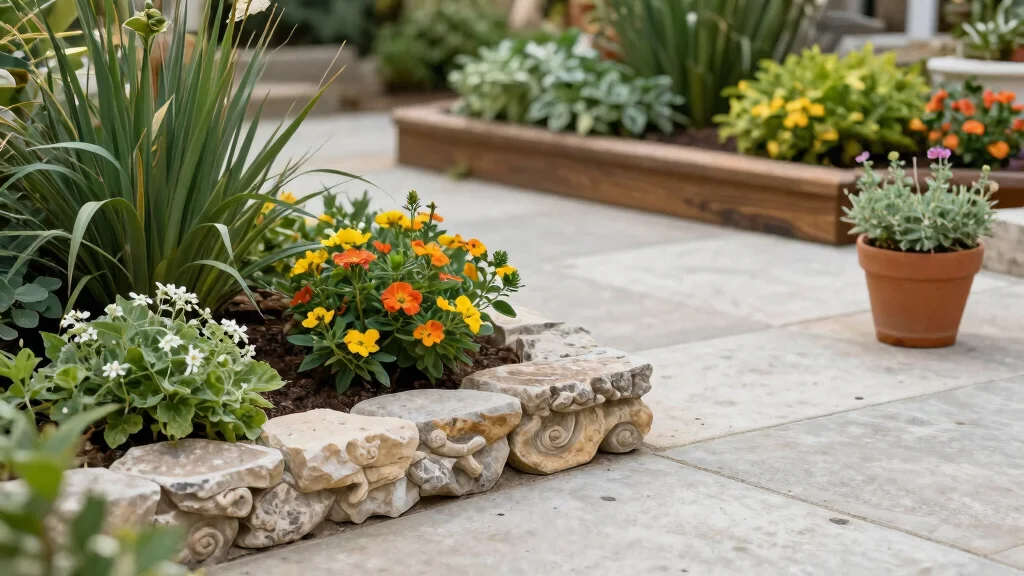
Positioning rosemary as a focal point in your garden creates an eye-catching centerpiece. Its tall stature and vibrant flowers make it a standout against other plants. You’ll appreciate how rosemary draws attention and adds interest to your landscape.
To highlight rosemary’s role, plant it among lower-growing plants or use contrasting colors to make it pop. Place it where it can be seen from seating areas or garden entrances for maximum impact.
Key benefits of using rosemary as a focal point:
– Visual Interest: Enhances garden aesthetics with its form and color.
– Fragrance: Adds a delightful aroma to your outdoor space.
– Functional Beauty: Can serve as a privacy screen or backdrop.
This strategy not only beautifies your garden but also creates a pleasant environment. Enjoy the sensory experience rosemary brings to your outdoor area!
You Might Also Like
Rosemary as a Focal Point
Editor’s Choice

29000+ Magic Creeping Thyme Seeds for Planting Perennial Ground Cover Pl…

Flamaker 3 Pieces Outdoor Patio Wicker Furniture Set, Modern Rattan Chai…
9. Aromatic Herb Garden Design

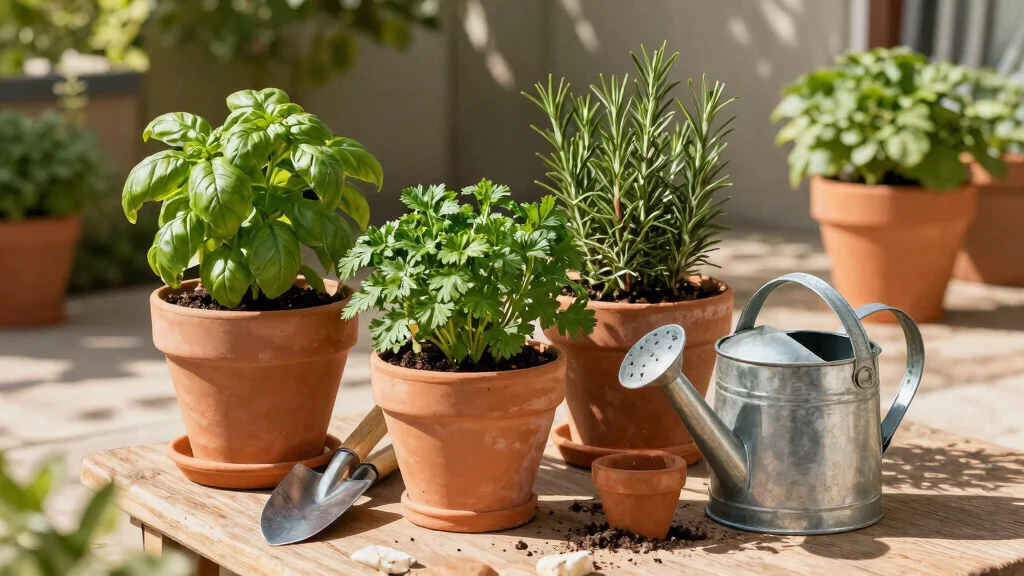
Creating an aromatic herb garden with rosemary at its center brings beauty and practicality to your outdoor space. This garden design allows for culinary exploration while providing fresh ingredients right at your fingertips. You’ll love having flavorful herbs accessible whenever you cook.
Position your herb garden close to your kitchen for convenience. Include a variety of companion plants like basil and parsley to create a dynamic and colorful display.
Essential design tips for your herb garden:
– Accessibility: Keep herbs close for easy cooking access.
– Companion Plants: Mix herbs that complement each other for a thriving garden.
– Visual Harmony: Combine colors and textures for a stunning design.
This approach not only enhances your culinary experience but also creates a beautiful outdoor space. Enjoy the fresh scents and flavors that an aromatic herb garden brings!
Aromatic Herb Garden Design
Editor’s Choice

LEETOLLA Elevate 32″ Tall Raised Garden Bed Outdoor with Wheels & Shelf …
Seed Needs Rosemary Seeds for Planting – Non-GMO Heirloom & Untreated Pe…

Ahopegarden Indoor Garden Hydroponics Growing System: 10 Pods Plant Germ…
Conclusion

Incorporating rosemary into your landscaping offers an array of fragrant, functional, and visually stunning possibilities. From decorative containers to vertical gardens and companion planting, the adaptability of rosemary allows for creative freedom in your garden design.
By blending aesthetics with practicality, you can enjoy the beauty and benefits of this aromatic herb while enhancing your outdoor environment. So, roll up your sleeves and start planting rosemary today – your garden will thank you! Don’t hesitate to share your gardening adventures and rosemary landscaping tips with us!
Note: We aim to provide accurate product links, but some may occasionally expire or become unavailable. If this happens, please search directly on Amazon for the product or a suitable alternative.
This post contains Amazon affiliate links, meaning we may earn a small commission if you purchase through our links, at no extra cost to you.
Frequently Asked Questions
Question: What are the best rosemary varieties for landscaping and fragrance?
If you’re planning rosemary plant landscaping, start with varieties known for their fragrance and sturdy form.
Top picks include Tuscan Blue for a tall, architectural hedge, Blue Spire for a compact, columnar border, Arp for a versatile groundcover, and Gorizia for a creeping, drought-tolerant touch.
Choose varieties that match your space, sun exposure, and water needs. Plant in full sun with well-draining soil, give them space to breathe, and prune after flowering to promote branching and a stronger scent.
Question: How can I design a drought-tolerant rosemary-centered landscape that still looks beautiful?
Designing a drought-tolerant landscaping with rosemary is all about sun, drainage, and smart plant pairings.
Start by placing rosemary where it gets full sun and where the soil drains freely. Group rosemary with other aromatic plants for landscaping like lavender, thyme, and sage to create cohesive color and texture.
Use raised beds or soil amendments (grit, sand) to improve drainage, and mulch with pebbles or coarse bark to reduce evaporation. Install drip irrigation or minimal watering schedules to keep the landscape vibrant without waste.
Question: Which plants make great companions for rosemary in an herb garden design?
Great rosemary companion planting partners include lavender, sage, thyme, and oregano—plants that share sun and drought tolerance.
Avoid placing aggressive groundcovers or mint nearby, as they can compete for resources and spread. Think in layers: rosemary as a mid- to back-row backdrop, with shorter herbs in front for accessibility and scent when you brush past them. This approach supports herb garden design goals and keeps your planting practical and fragrant.
Question: How can I create aromatic, aesthetically pleasing rosemary borders and garden aesthetics with herbs?
Create a sense of fragrance and beauty by using rosemary as a backbone in borders or hedges.
Plant it along walkways or garden paths to release scent with every step, and mix in aromatic plants for landscaping like thyme and lavender for year-round interest. Pair blue-green rosemary with silver-leaved companions to enhance visual contrast, and consider massed plantings for a striking effect. For garden aesthetics with herbs, add seasonal flowers and potted rosemary specimens to keep the design dynamic and accessible.
Question: What are common mistakes to avoid in rosemary plant landscaping and how do I fix them?
Common mistakes include overwatering and poor drainage, planting in soil that’s too rich, and neglecting pruning.
Fixes: ensure excellent drainage and use lean or amended soil to favor fragrance and compact growth; prune after bloom to keep plants bushy and prevent woody centers; space plants properly to avoid crowding and disease; and ensure they get full sun. In colder climates, protect container plants or move them indoors during frost. This approach supports rosemary plant landscaping and keeps your garden aesthetics with herbs thriving year-round.
Related Topics
rosemary plant landscaping
herb garden design
aromatic plants
drought-tolerant landscaping
companion planting
garden aesthetics
fragrant plants
easy gardening
functional landscaping
plant care tips
outdoor decor
seasonal gardening