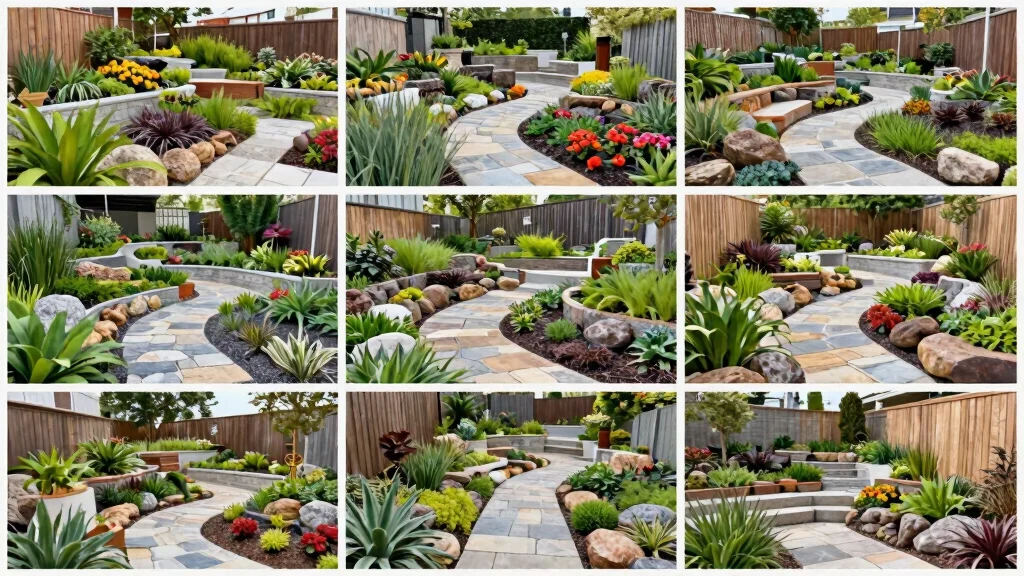
Creating a beautiful outdoor space on a slope can feel like a daunting challenge. If you’ve ever looked at your hilly backyard and wondered how to tame it, you’re not alone. Many homeowners grapple with the same issue. The truth is, a slope doesn’t have to be a barrier to creating an inviting and functional garden. With the right slope backyard landscaping ideas, you can transform that difficult hill into a stunning oasis that enhances your outdoor living experience.
This blog post is for anyone passionate about gardening, eco-friendly design, or simply seeking inspiration to revamp their outdoor space. If you’ve been dreaming of turning your sloped yard into a picturesque retreat, you’re in for a treat. We’ve gathered eight remarkable ideas that are not only visually appealing but also practical and sustainable. You’ll discover creative landscaping techniques, hillside landscaping tips, and garden design ideas that will breathe new life into your yard.
Get ready to explore solutions that will inspire you to make the most of your slope. From terraced gardens that optimize space to playful water features that add a sense of tranquility, each idea is designed to help you envision a beautiful transformation. Let’s dive in and see how you can turn that challenging hill into the outdoor haven you’ve always wanted.
Key Takeaways
– Terraced Gardens: Create multi-level growing spaces that are easier to maintain and visually appealing, perfect for sloped backyards.
– Native Plant Gardens: Use plants native to your region to promote biodiversity and reduce maintenance while adding natural beauty.
– Rock Gardens: Incorporate rocks and drought-resistant plants to control soil erosion and create interesting textures in your landscape.
– Outdoor Pathways: Design pathways with steps that lead visitors through your garden, making navigation easier and more enjoyable.
– Water Features: Add fountains or ponds to enhance the ambiance while utilizing gravitational flow, leveraging the natural slope for a soothing effect.
1. Terraced Gardens for Easy Maintenance

Terraced gardens offer a stunning solution for transforming sloped yards into beautiful, manageable spaces. By creating flat surfaces at different heights, you can cultivate a variety of plants, from vibrant flowers to fresh herbs and veggies. Utilizing materials like stone, wood, or reclaimed items not only enhances the visual appeal but also promotes sustainability in your garden design.
To get started, evaluate the slope’s steepness and design your terraces accordingly. Opt for low-maintenance perennial plants that thrive in your climate to reduce upkeep. This approach minimizes soil erosion and enhances drainage, making your garden both functional and beautiful.
Key steps to create a terraced garden:
– Assess your slope’s steepness for proper terrace design.
– Choose eco-friendly materials like reclaimed wood or natural stone.
– Plan a diverse mix of plants for visual interest and sustainability.
– Ensure proper drainage to keep terraces healthy and functional.
Terraced gardens not only enhance the aesthetics of your yard but also provide a sustainable way to enjoy sloped landscapes.
Terraced gardens can reduce hillside erosion by up to 60%, turning a tricky slope into usable, beautiful space. For slope backyard landscaping ideas, mix stone, wood, and reclaimed materials to craft flat terraces for herbs, veggies, and vibrant blooms.
Terraced Gardens for Easy Maintenance
Editor’s Choice
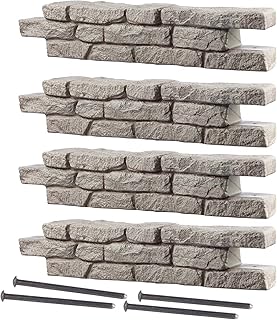
RTS Home Accents Rock Lock Interlocking Landscape Edging and Border Syst…


Garden Tools Set, 8 Piece Gardening Tools Set with Non Slip Ergonomic Ha…

Miracle-Gro Organic Outdoor Potting Mix – Plant Soil for Outdoor Contain…
2. Native Plant Gardens

Native plant gardens beautifully celebrate local flora while fostering biodiversity in your outdoor space. These plants are naturally suited to your region’s climate, meaning they thrive with less water and care compared to their non-native counterparts. Plus, they attract local wildlife, such as butterflies and birds, enriching your garden’s ecosystem.
Begin by researching plants native to your area and choosing those that flourish in the conditions of your slope. A diverse mix of heights and colors can keep your garden vibrant throughout the seasons. Incorporating features like logs or rocks also creates habitats for local creatures.
Here’s how to create a native plant garden:
– Research local flora to identify ideal plants for your slope.
– Design with varied heights and textures for visual appeal.
– Choose plants that bloom at different times for seasonal interest.
– Add natural elements to provide habitat and enhance biodiversity.
Native plant gardens not only beautify your yard but also contribute positively to the local ecosystem.
Native Plant Gardens
Editor’s Choice

Eden Brothers Native Southwest Wildflower Seed Mix

Jute Erosion Control, Soil Saver Mesh Blanket – 48″ Wide x 20 Yards (60 …
3. Rock Gardens for Beautiful Control

Rock gardens are an elegant way to merge natural elements with effective slope management. Once established, these gardens require minimal upkeep and can be designed to showcase a variety of rocks alongside resilient plants. Featuring alpine plants and succulents, they thrive in rocky settings while providing stunning visual interest.
These gardens can also manage water flow, directing it away from vulnerable areas on your slope. By carefully selecting rocks and plants, you can create an eye-catching and functional landscape.
Here are tips for building your rock garden:
– Select a variety of rock sizes and colors for depth.
– Choose drought-resistant plants that thrive in rocky conditions.
– Arrange rocks and plants thoughtfully for a natural look.
– Incorporate pathways for easy access and maintenance.
Rock gardens not only enhance your landscape’s beauty but also help control erosion effectively.
Key Trade-offs & Our Top Pick
Option 1: Terraced Gardens
– Pros:
– Great for managing soil erosion.
– Provides multiple planting areas with various levels.
– Easy access for maintenance and harvesting.
– Cons:
– Can be expensive to install.
– Requires careful planning and design.
– May need retaining walls for stability.
– Best for: Homeowners who want a structured, functional garden on a steep slope.
Option 2: Native Plant Gardens
– Pros:
– Low maintenance and drought-resistant.
– Supports local wildlife and biodiversity.
– Adapts well to local soil and weather conditions.
– Cons:
– May not provide the colorful blooms desired.
– Limited availability of specific native plants in some areas.
– Requires knowledge of local species for proper selection.
– Best for: Eco-conscious gardeners looking to create a sustainable space.
Option 3: Rock Gardens
– Pros:
– Excellent for drainage and erosion control.
– Can be visually striking with minimal upkeep.
– Provides a habitat for certain wildlife, like lizards and insects.
– Cons:
– Can be labor-intensive to set up.
– Requires the right selection of plants that thrive in rocky soil.
– May not be suitable for all climates.
– Best for: Gardeners wanting a low-water option that adds texture and interest.
Option 4: Vertical Gardens
– Pros:
– Ideal for small spaces on sloped yards.
– Allows for creative expressions and design.
– Can improve air quality around your home.
– Cons:
– Setup can be costly and complex.
– Requires ongoing maintenance and watering.
– Limited plant selection compared to traditional gardens.
– Best for: Urban gardeners or those with limited ground space looking for innovative solutions.
Expert Recommendation:
Best Overall: Terraced Gardens
Terraced gardens are the top choice for most people dealing with slope backyard landscaping. They offer a well-structured solution that balances aesthetics and functionality. With terraced gardens, you can create distinct planting areas, tackle erosion effectively, and ensure easy maintenance. While they come with higher upfront costs, their long-term durability and versatility make them a worthwhile investment.
Why We Picked This:
Terraced gardens suit those who want a beautifully designed outdoor space that also serves practical purposes. However, if you’re looking for a low-maintenance option, consider native plant gardens or rock gardens. If space is limited, vertical gardens offer an exciting alternative. Each choice has unique benefits depending on your specific needs and preferences. Choose what resonates with you and fits your landscape vision!
Rock Gardens for Beautiful Control
Editor’s Choice

Pebbles Polished Gravel, Natural Polished Mixed Color Stones,0.5-1.2inch…

Back to the Roots 100% Organic Succulent & Cacti Mix (6 Quart) | Made in…

20000pcs Creeping Thyme Seeds for Planting Perennial Ground Cover Plants…
4. Spiral Herb Gardens

Spiral herb gardens are both practical and visually striking, offering diverse planting areas on slopes. This unique design allows you to create different microclimates, catering to various herb types. The upper sections are warm and dry, perfect for Mediterranean herbs, while the lower areas provide moisture for delicate varieties.
This garden style not only enhances your cooking with fresh herbs but also adds a creative flair to your landscaping. Building your own spiral herb garden is simple and rewarding.
Here’s how to get started:
– Choose a sunny location with easy access for maintenance.
– Select a variety of herbs suited to different sun and moisture levels.
– Construct the spiral with rocks or bricks to create planting levels.
– Use mulch to retain moisture and suppress weeds effectively.
A spiral herb garden not only provides fresh culinary ingredients but also serves as an artistic landscaping feature.
Did you know spiral herb gardens maximize usable space on a slope while using 30% less water? On the warm upper tiers you’ll grow Mediterranean herbs, and the cooler, moister lower tiers support delicate varieties, perfect for practical, eco-friendly slope backyard landscaping ideas.
📹 Related Video: This is how You build a Herb Spiral!
You might also like

Spiral Herb Gardens
Editor’s Choice

Pulovin 15 lbs River Rocks for Plants, 1-1/2 inch Decorative Garden Rock…
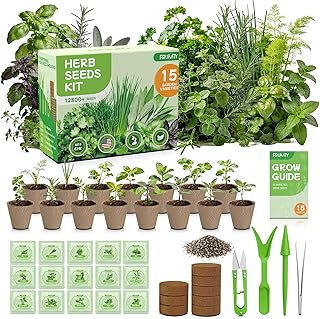
Herb Garden Starter Kit – Fruivity 12800+ 15 in 1 Herb Heirloom Seed K…
5. Zen Garden Retreats
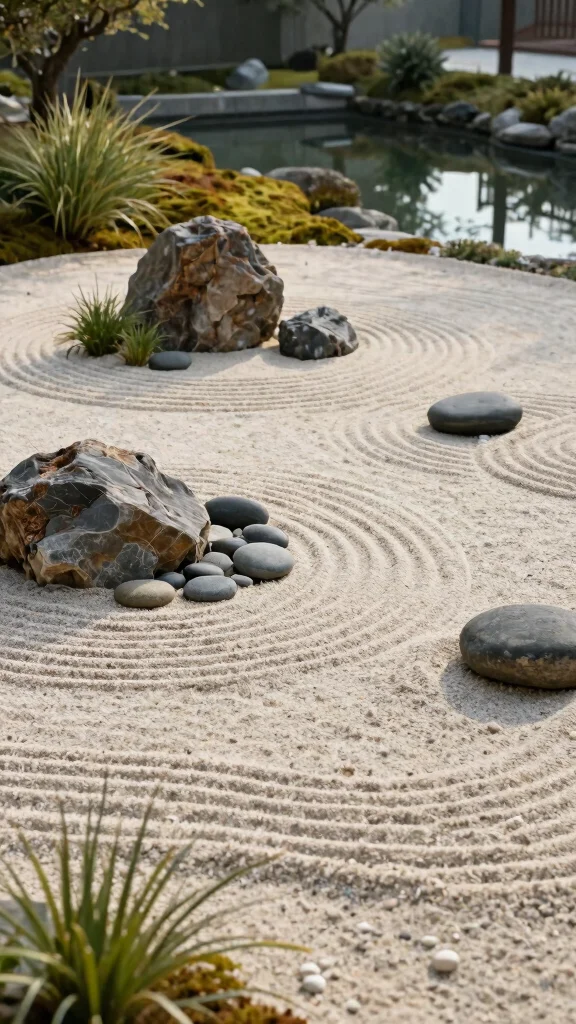
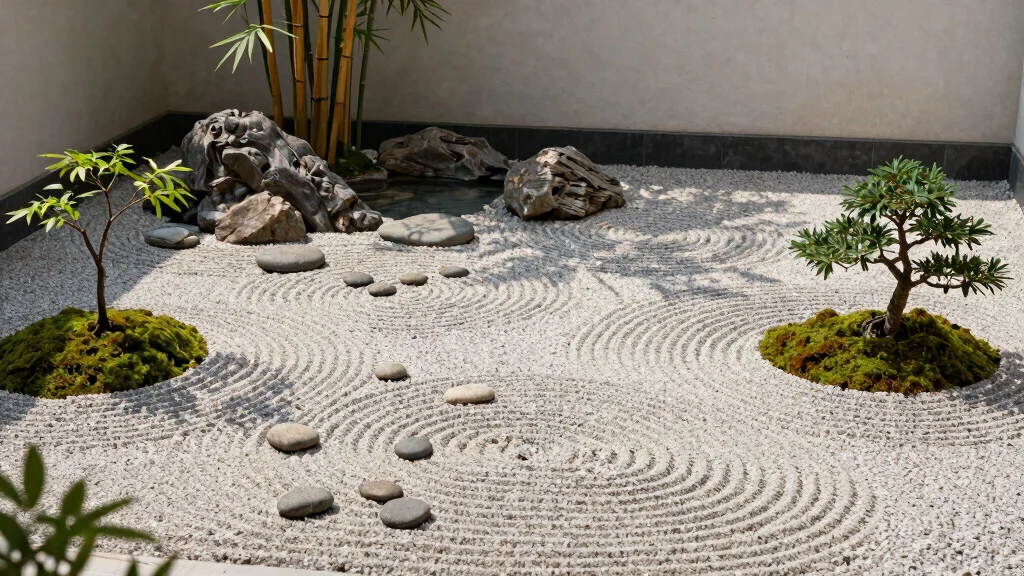
A Zen garden offers a peaceful escape in your sloped backyard, focusing on simplicity and natural beauty. With carefully arranged rocks, soft sand, and minimalistic elements, these gardens create tranquil spaces where you can relax and unwind. Utilizing local stones and grasses can enhance sustainability while keeping maintenance low.
Adding features like water elements can deepen the calming atmosphere, providing both visual and auditory relaxation. Designing your Zen garden can be a fulfilling project.
To create your Zen garden:
– Choose calming elements like rocks, gravel, and soft plants.
– Use gentle curves in your layout to mimic nature.
– Incorporate green grasses or moss to soften stone features.
– Add a water feature for soothing sounds and a serene vibe.
A Zen garden can transform your slope into a tranquil sanctuary, helping you connect with nature and find peace.
Zen Garden Retreats
Editor’s Choice

Alpine Corporation 27″ Tall Rustic Outdoor 2-Tier Barrel Pump Water Foun…

FANTIAN 20 lbs Large River Rocks for Outdoor Landscaping, 3-4 Inch Decor…

Island Falls Home Zen Garden Kit 11x8in. Beautiful Japanese Decor Mini R…
6. Outdoor Stairs and Pathways

Outdoor stairs and pathways enhance both accessibility and the beauty of your sloped landscape. By using natural materials such as wood or stone, you can create inviting steps that guide visitors through your garden. Adding plantings along the edges softens the hard lines and adds visual interest.
Thoughtfully designed pathways can lead to hidden garden spots or cozy seating areas, enriching your outdoor experience.
Consider these tips for your outdoor stairs:
– Plan a layout that follows the slope’s natural contour.
– Select durable materials that match your garden style.
– Create planting pockets along pathways for added beauty.
– Incorporate lighting to illuminate paths for safety and ambiance.
Outdoor stairs and pathways can transform challenging slopes into inviting and engaging landscapes, encouraging exploration and enjoyment.
Outdoor Stairs and Pathways
Editor’s Choice

Arcadia Garden Products Set of 4, 16×17” Dark Gray Stepping Stone Fibe…

Yaheetech 54pcs Hardwood Interlocking Patio Deck Tiles Acacia Waterproof…

EasyFlex No-Dig Landscape Edging with Anchoring Spikes, 2.7 in Tall Deco…
7. Vertical Gardens for Small Spaces
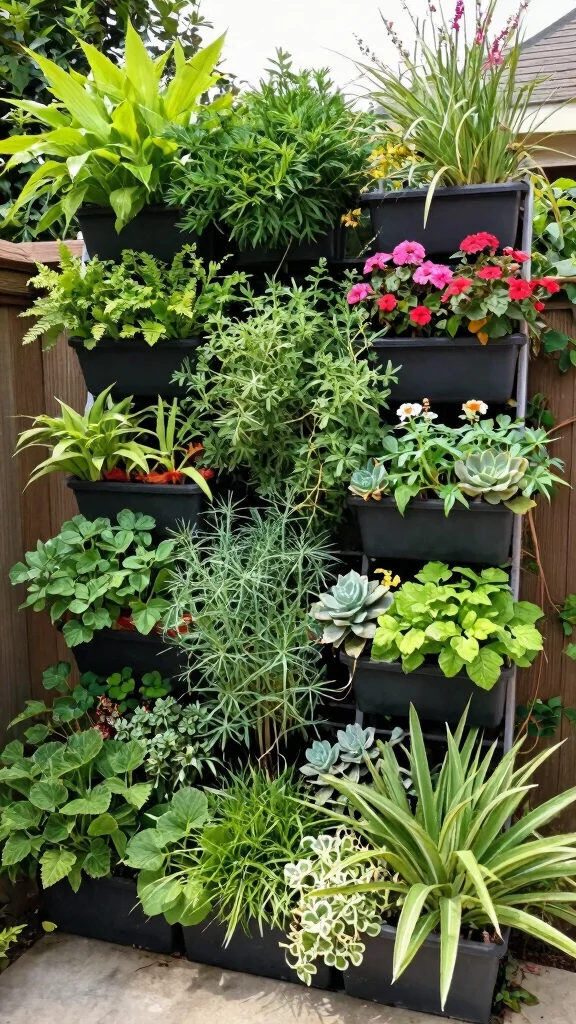
Vertical gardens are an innovative solution for maximizing space on a sloped backyard while adding a distinct aesthetic touch. Using trellises or wall-mounted planters, you can create vibrant living walls that feature a variety of plants.
These gardens not only beautify your space but also enhance air quality by introducing more greenery. They are perfect for growing herbs, succulents, and flowers, utilizing vertical space effectively.
Here’s how to design your vertical garden:
– Choose a sturdy support structure for your plants.
– Select plants that thrive in smaller spaces, like trailing herbs.
– Install an efficient irrigation system, such as drip irrigation.
– Experiment with arrangements to maximize sunlight exposure.
Vertical gardens provide a creative way to elevate the beauty of your sloped yard, making every inch count.
You Might Also Like


Vertical Gardens for Small Spaces
Editor’s Choice

G TALECO GEAR Vertical Garden Planter, 5 Tiers Vertical Raised Garden Be…

Obelisk Trellis for Climbing Plants Outdoor, 6.2 FT Plant Support for To…

ShopLaLa Wall Planter – 2 Pack, Wooden Hanging Large Planters for Indoor…
8. Playful Water Features

Incorporating water features into your sloped backyard can transform it into a serene and playful oasis. Whether you opt for a cascading waterfall, a koi pond, or a simple fountain, water elements can create a calming atmosphere while managing flow in sloped areas.
These features attract wildlife and enhance the visual appeal of your landscape, providing soothing sounds that enrich your outdoor experience. Using natural stones or eco-friendly materials ensures your design remains sustainable.
Here are some ideas for adding water features:
– Create a tiered waterfall that flows down your slope.
– Design a small pond surrounded by lush plantings.
– Use recycled materials for a rustic, eco-friendly look.
– Position features near seating areas for optimal enjoyment.
Adding playful water features can enhance your backyard’s beauty, providing a tranquil retreat where you can relax and connect with nature.
Did you know that for slope backyard landscaping ideas, a small cascading waterfall can slow runoff by up to 40%? It also attracts wildlife and adds serenity.
Playful Water Features
Editor’s Choice

Rainforest Decorations Waterfall Landscaping Kit Blue Shiny Tinsel Curta…

AISITIN DIY Solar Water Pump Kit for Water Feature Outdoor, Solar Powere…

Adroiteet 10 x 15 FT Pond Liner, 20 Mil Fish Pond HDPE Liner, Pond Liner…
Conclusion
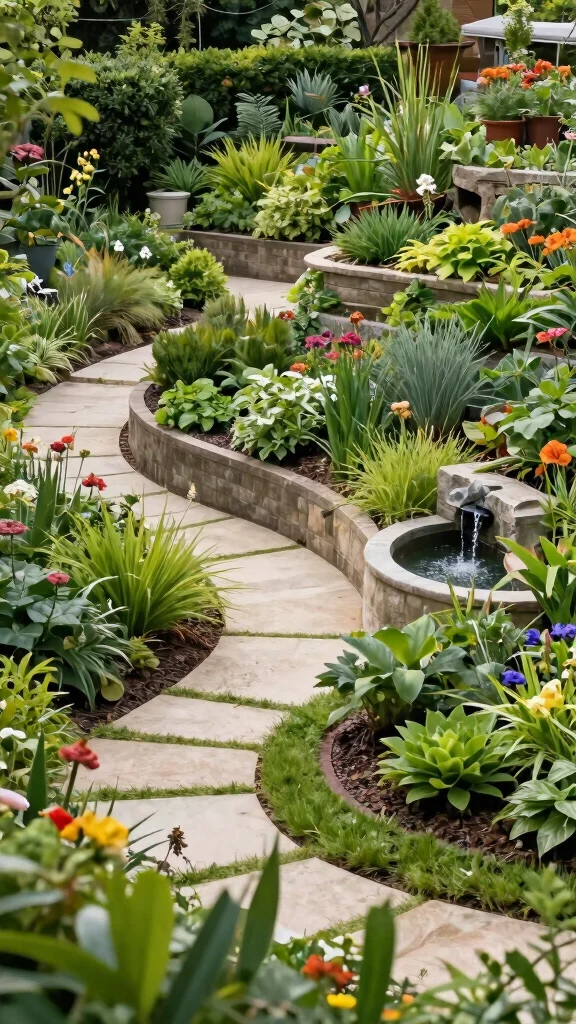
Transforming a sloped backyard into a captivating outdoor space is entirely achievable with the right landscaping ideas. From terraced gardens to playful water features, these eco-friendly solutions not only enhance aesthetics but also contribute to sustainability.
As you explore these slope backyard landscaping ideas, remember that each element can create a unique charm. Embrace the beauty of your hillside and let your creativity flow as you design a garden that invites joy, relaxation, and a deeper connection to nature.
Note: We aim to provide accurate product links, but some may occasionally expire or become unavailable. If this happens, please search directly on Amazon for the product or a suitable alternative.
This post contains Amazon affiliate links, meaning we may earn a small commission if you purchase through our links, at no extra cost to you.
Frequently Asked Questions
What are practical slope backyard landscaping ideas to transform a difficult hill into an eco-friendly outdoor space?
Turning a steep yard into something beautiful starts with a clear plan. For slope backyard landscaping ideas, as part of your garden design ideas, prioritize terracing, native plantings, and durable ground covers that hold soil. Build shallow, wide terraces with low-profile edging to prevent erosion and create level planting zones. Choose native, drought-tolerant plants and groundcovers like grasses, sedums, and creeping thyme to reduce water use and maintenance. Use mulch generously and install a simple drip irrigation system to water efficiently. Add permeable paths and rain barrels to capture runoff and reuse it. This approach gives you an eco-friendly outdoor space that’s both functional and visually inviting, aiding your outdoor space transformation.
How can I prevent erosion and manage water on a sloped yard while following hillside landscaping tips?
Erosion control on a slope starts with a smart drainage plan. Measure the grade and design gentle contours that slow water and keep soil in place. Hillside landscaping tips like terracing or shallow retaining walls plus swales help capture runoff and create planting pockets. Use deep-rooted perennials and native grasses to stabilize soil, and spread a thick layer of mulch to protect seedlings. Choose permeable pathways and avoid compacting the soil. A simple drip irrigation system will water efficiently at the roots, and collecting rainwater with a barrel reduces demand on the tap. With these steps, you’ll manage water gracefully and prevent erosion while keeping your slope beautiful.
What are the best low-maintenance, sustainable plants for a hillside slope?
For a hillside slope, choose low-maintenance, sustainable options that thrive in sun or shade. Native grasses, creeping thyme, sedums, alpine strawberries, and alpine ivies work well because they root quickly and require little water once established. Group plants by sun exposure, use groundcovers to blanket the soil, and mix in a few flowering perennials for seasonal interest. Mulch to conserve moisture and reduce weeds. Consider a few hardy shrubs like ceanothus or manzanita if you have more space. This strategy aligns with slope backyard landscaping ideas that are eco-friendly and low maintenance.
How do slope backyard landscaping ideas balance aesthetics and safety on a slope?
Balance beauty with safety by designing gentle transitions and stable surfaces. Use wide, non-slip paths and seating terraces with comfortable slopes. Incorporate drainage-aware design, with edging that directs water away from seating areas. Include lighting along steps and edges to reduce trips after dark. Use permeable hardscapes and natural materials to blend with the landscape. Keep soil covered with mulch and planting to prevent washouts. This thoughtful approach ensures your eco-friendly slope backyard landscaping ideas are inviting day and night, and it embraces creative landscaping techniques.
What steps should I take to plan and implement slope yard solutions without heavy digging or costly grading?
Start with a site survey and a simple plan. Sketch contours, set a budget, and identify sunny vs shady zones. Consider modular or low-impact slope yard solutions like raised beds, terraces, and pre-made retaining walls made from recycled materials. Choose perennial groundcovers to hold soil while you build. Use erosion controls like fabric and mulch and install a basic drip irrigation. By phasing the project, you can achieve big results with minimal digging and disruption, turning sloped yard solutions into a practical reality.
Related Topics
slope backyard landscaping
hillside garden design
outdoor space transformation
eco-friendly landscaping
creative landscaping techniques
sloped yard solutions
beginner friendly
garden design ideas
landscaping tips
seasonal gardening
landscape architecture
easy landscaping projects