
If you’ve ever looked at your sloped yard and felt overwhelmed, you’re not alone. Many people struggle with how to work with the slope instead of against it. I created this post to show you that sloped landscaping doesn’t have to be a chore. In fact, it can be an exciting opportunity to create a beautiful and eco-friendly outdoor space that thrives on the natural grade of your land.
This guide is perfect for anyone who loves gardening or wants to improve their home’s outdoor appeal. Whether you’re a seasoned gardener or just starting, you’ll find practical ideas that make the most of your sloped landscape. We’ll explore techniques like garden terraces, rock gardens, and retaining walls. Each idea aims to enhance your outdoor space while addressing issues like erosion control and accessibility.
By the end of this post, you’ll have seven creative and sustainable sloped landscaping ideas that not only work with the slope but celebrate it. Your yard can become a stunning garden that reflects your personality and values while being environmentally friendly. Let’s dig into these inspiring concepts!
Key Takeaways
– Embrace Garden Terraces: These create level planting areas that break up the slope while adding beauty and function to your yard.
– Rock Gardens for Erosion Control: This natural approach not only prevents soil loss but also adds a unique aesthetic element to your landscape.
– Install Retaining Walls: These structures offer both support and style, making them a great way to create different levels in your garden.
– Introduce a Water Feature: Adding a pond or fountain can turn your sloped garden into a serene retreat while helping with drainage issues.
– Utilize Native Plants: Choosing plants that thrive in your local environment promotes sustainability and reduces maintenance needs, making it easier to care for your garden.
1. Embrace Garden Terraces for Level Planting

Are you struggling with a sloped yard? Garden terraces could be your ideal solution. They provide level spaces for planting while elevating the aesthetics of your outdoor area. Constructed with materials like wood, stone, or concrete, they can be tailored to suit your style and needs.
Start by mapping out your slope to create distinct planting zones. Incorporate colorful pots and cascading plants to add visual appeal. With thoughtful design, terraces not only enhance beauty but also help manage water runoff and soil erosion.
Key tips for stunning terraces:
– Select native plants for easy maintenance and thriving growth.
– Add pathways with stones or gravel for accessibility and charm.
– Use terraces for erosion control while preserving soil health.
– Mix textures with varied plants and materials for depth.
By carefully planning your garden terraces, you can transform a challenging slope into a lush, inviting oasis that you’ll cherish for years.
Sloped landscaping doesn’t have to mean chaos—garden terraces turn grades into level planting zones. Start by mapping your slope, then layer with wood, stone, or concrete, add pots and cascading greenery, and watch drainage and charm rise together.
Embrace Garden Terraces for Level Planting
Editor’s Choice

NWFashion Special Design Fun Garden 6INCH Flower Planter Succulent Pot I…


AGTEK 60FT Plastic Landscape Edging Coil Kit, 4 inch High Terrace Board …
2. Create a Rock Garden for Natural Erosion Control

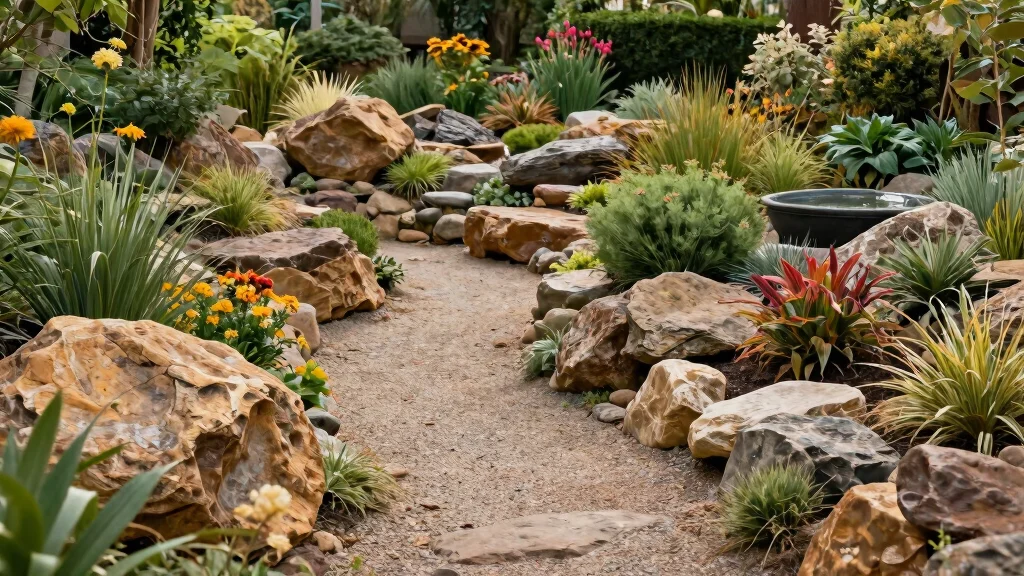
Looking for a unique way to control erosion? Rock gardens offer a practical yet visually striking solution for sloped areas. By placing rocks and boulders strategically, you can effectively slow down water runoff, allowing plants to thrive in your garden.
A rock garden can seamlessly blend with your landscape, enhancing its natural beauty. Consider using a variety of rock sizes and colors to achieve a more organic feel. This not only adds character but also creates a sustainable environment for hardy plants.
Essential elements for designing your rock garden:
– Use varied rock sizes for a natural appearance.
– Choose drought-resistant plants for low-maintenance beauty.
– Add natural features like sand or pebbles for drainage.
– Layer plants from tall to short for visual interest.
With this eco-friendly approach, your sloped landscape can become a resilient, stunning retreat that requires minimal upkeep.
Create a Rock Garden for Natural Erosion Control
Editor’s Choice

20 lbs Rocks for Outdoor Landscaping, 3″-4″ Aquarium Rocks for Fish Tank…


FEED GARDEN 4FT x 100FT Landscape Fabric Weed Barrier Fabric, Heavy Duty…
3. Install Retaining Walls for Structure and Style

Are you tired of erosion ruining your garden? Retaining walls can provide the perfect blend of functionality and aesthetics. These structures create distinct planting areas, adding depth and beauty to your sloped landscape.
You can design your retaining wall to fit your style, whether using natural stone, brick, or reclaimed wood. Proper drainage is crucial to prevent water buildup and damage, so consider adding drainage pipes or gravel backfill.
Key considerations for your retaining wall:
– Choose materials that complement your landscape.
– Ensure drainage to avoid water issues behind the wall.
– Create planting pockets for flowers or greenery.
– Use the wall to create levels that enhance visual flow.
With well-designed retaining walls, you can maximize your sloped space while introducing architectural charm to your garden.
Fun fact: A well-built retaining wall can reduce soil erosion by up to 90% on slopes. It also creates distinct planting zones, giving your sloped landscaping more depth and style.
📹 Related Video: How to Build a Retaining Wall (Step-by-Step)
How To Choose the Right Elements for Your Sloped Landscaping
When it comes to sloped landscaping, making the right choices is vital for both aesthetics and functionality. Choosing the right elements can help embrace the natural grade of your land rather than fight against it. Here’s how to decide on the best features for your sloped garden.
1. Consider the Slope Angle
Understanding the angle of your slope is essential. A gentle slope may allow for garden terraces, while a steep incline may benefit from retaining walls or rock gardens. You can easily measure the slope with a level and a measuring tape. Generally, slopes under 20% are easier to work with for planting and pathways.
2. Evaluate Your Soil Type
Different soil types influence plant growth and water drainage. Sandy soil drains quickly but may require more frequent watering. Clay retains moisture but can cause erosion on slopes. Testing your soil pH and nutrient levels can help you choose suitable plants and materials for erosion control. Consider using a soil test kit for accurate results.
3. Determine Your Budget
A clear budget will guide your selections. Costs can vary widely based on materials like stones, plants, and labor. For instance, opting for local plants often costs less than exotic ones. Set a realistic budget and prioritize essential elements first, such as erosion control features, before adding decorative items.
4. Choose Sustainable Plants
Selecting native and drought-resistant plants not only enhances your eco-friendly approach but also ensures they thrive in your local climate. Native plants typically require less maintenance and are better for local wildlife. Check with local nurseries or gardening groups for recommended varieties that suit your slope’s conditions.
5. Incorporate Functional Features
Think about adding pathways and retaining walls that can create accessibility and help manage water flow. Using materials like stone or treated wood can enhance durability and style. Pathways can guide visitors through the landscape while also reducing soil erosion by directing foot traffic.
6. Plan for Erosion Control
Your slope is at risk of erosion, especially during heavy rains. Incorporating features like terracing, mulch, or ground cover plants can significantly reduce soil loss. You might also consider adding a rain garden to manage runoff and improve drainage. Effective erosion control maintains your landscape and protects your plants.
Pro Tip: Before starting your project, visualize your design by sketching it out or using landscaping software. This can help you see how different elements will work together and save time in the planning process.
With these key considerations, you can effectively choose elements that will enhance your sloped landscaping while promoting sustainability and beauty. The right selections will make your garden a welcoming space that works harmoniously with your land’s natural grade.
Install Retaining Walls for Structure and Style
Editor’s Choice

4 Pack Universal Retaining Wall Blocks with French Drain Pipe for Proper…

Flex-Drain 51110 Flexible/Expandable Landscaping Drain Pipe, Solid, 4-In…

ZOOFOX 10lb Natural Rocks Stones, Small Washed Gravel for Terrariums, Su…
4. Introduce a Water Feature for Serenity

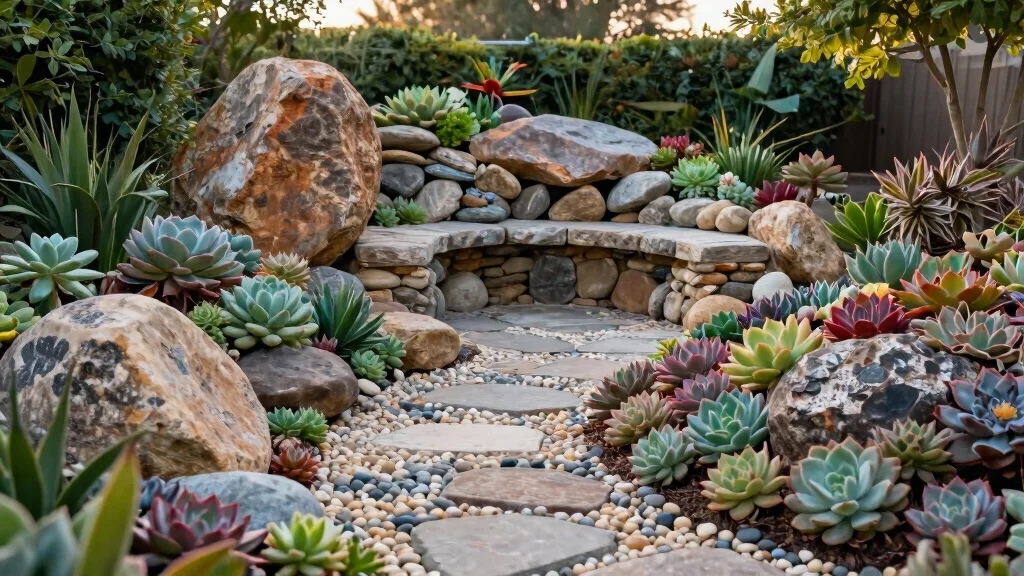
Want to add a calming element to your sloped garden? Water features like ponds, streams, or waterfalls can create a peaceful atmosphere while managing water runoff. These natural elements not only look beautiful but also support local wildlife.
When integrating a water feature, choose a location that enhances your landscape while serving a purpose. Use native plants and natural stones to ensure harmony with your surroundings.
Tips for adding water features:
– Select a strategic location for visibility and function.
– Design with natural materials to blend seamlessly.
– Ensure wildlife-friendly areas for attracting animals.
– Choose low-maintenance designs for easy care.
With careful planning, a water feature can elevate both the beauty and functionality of your sloped landscape.
You might also like
Introduce a Water Feature for Serenity
Editor’s Choice

Aquascape 22008 Installation Kit for Pond, Waterfall, Landscape, and Gar…

Aquascape Backyard Waterfall Fountain Kit for Landscape and Garden | 830…

VIVOSUN 800GPH Submersible Pump(3000L/H, 24W), Ultra Quiet Water Fountai…
5. Utilize Native Plants for Sustainability

Are you looking for a sustainable solution for your sloped garden? Native plants are your best bet. They adapt effortlessly to local conditions, ensuring resilience and minimal maintenance.
Choosing native species enriches your garden while supporting local ecosystems. These plants typically require less water and provide a habitat for wildlife, making them ideal for sustainable landscaping.
Reasons to embrace native plants:
– Require less water once established, perfect for slopes.
– Help stabilize soil and reduce erosion.
– Support local wildlife and biodiversity.
– Offer seasonal beauty with varied blooms.
Integrating native plants into your sloped garden enhances not only the beauty of your space but also contributes to a healthier ecosystem.
Utilize Native Plants for Sustainability
Editor’s Choice

Farm Plastic Supply – American Excelsior QuickGrass Pro – 4′ x 112.5′ – …

6. Create Pathways to Enhance Accessibility

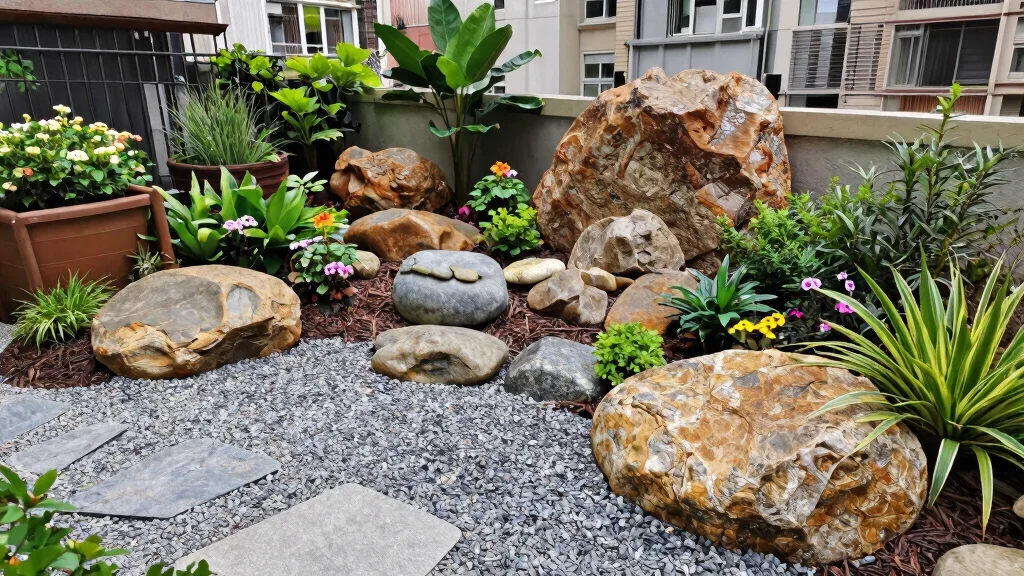
Navigating a sloped garden can be challenging without proper pathways. Thoughtfully designed paths provide accessibility and add a decorative touch to your outdoor space.
Consider pathways as both functional and aesthetic elements. Opt for materials that blend with your garden’s style and create meandering routes that follow the slope’s natural contours.
Ideas for effective pathways:
– Use natural materials like gravel or flat stones.
– Design curved paths for visual interest and serenity.
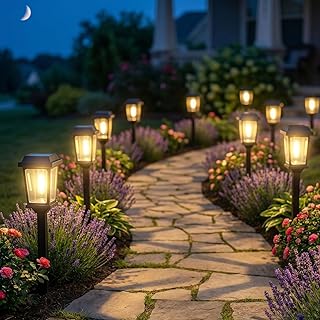
– Add lighting for safety and ambiance.
– Surround paths with greenery for vibrancy.
With careful design, your pathways can enhance not just accessibility but also the overall charm of your sloped landscape.
Did you know that well-placed pathways on sloped landscaping can boost accessibility by up to 40% while blending with the grade? Curved routes using natural materials like gravel or flat stones follow the land’s contours, making gardens easier to enjoy and safer to navigate.
You Might Also Like

Create Pathways to Enhance Accessibility
Editor’s Choice
ZOOFOX 10lb Natural Rocks Stones, Small Washed Gravel for Terrariums, Su…

Natural Pebble Stepping Stones for Garden & Outdoor Walkways – 9 Inch Ro…
12 Pack Solar Lights Outdoor, Modern Solar Pathway Lights Outdoor, Water…
7. Consider a Vegetable Garden for Sustainable Living

Are you interested in growing your own food in a sloped area? A vegetable garden can be both rewarding and sustainable. You’ll enjoy fresh produce while positively impacting the ecosystem around you.
To maximize your sloped vegetable garden, consider terracing for different crops. This reduces water runoff and simplifies harvesting. Companion planting and vertical gardening can also help you efficiently use space.
Essential tips for your vegetable garden:
– Terrace sections for better water management.
– Use companion planting for increased yields.
– Implement vertical gardening to save space.
– Start a compost system for healthier soil.
Creating a vegetable garden in your sloped space promotes sustainable living while deepening your connection to nature.
Consider a Vegetable Garden for Sustainable Living
Editor’s Choice

Companion Planting for Beginners: Pair Your Plants for a Bountiful, Chem…

Raised Garden Bed with Legs for Outdoor Plants, Standing Elevated Plante…

SJZX Hydroponics Growing System Kit, 5-Layer Hydroponic Tower, 30 Planti…
Conclusion
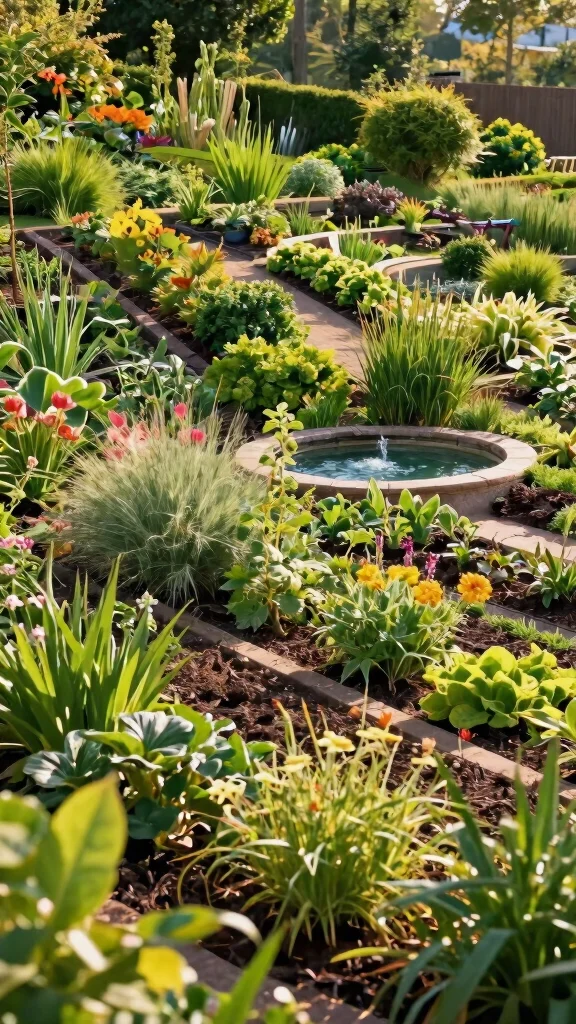
Landscaping a sloped yard can be a beautiful and fulfilling project if you embrace the natural grade of your land. By implementing these seven ideas—whether it’s terrace gardening, water features, or native plants—you can create an eco-friendly and sustainable landscape that celebrates your unique outdoor space.
Don’t hesitate to mix and match these elements to craft a garden that reflects your style and meets your needs. Each step you take in working with nature instead of against it will lead to a healthier environment for both you and local wildlife.
Note: We aim to provide accurate product links, but some may occasionally expire or become unavailable. If this happens, please search directly on Amazon for the product or a suitable alternative.
This post contains Amazon affiliate links, meaning we may earn a small commission if you purchase through our links, at no extra cost to you.
Frequently Asked Questions
What are practical, eco-friendly sloped landscaping ideas that work with the grade of my land?
Start by reading the land’s contours instead of fighting them. For sloped landscaping, practical ideas include garden terraces that follow natural grades, and using native plants for erosion control.
Choose permeable materials for paths or seating to keep water moving slowly down the slope, and consider a rain garden or swales as part of your landscape design.
Pair with a simple maintenance plan and select a plant list suited for hillside gardening.
What are the best ways to prevent erosion on a slope while designing your garden?
Erosion control on slopes starts with proper grading and ground cover. Groundcovers and deep-rooted perennials stabilize soil, while mulch and compost protect the topsoil and slow runoff.
Build stepwise garden terraces to break up slope height and create planting shelves, then install shallow drainage swales to guide water safely away from vulnerable areas.
In steeper spots, consider lightweight retaining walls that hold soil and support erosion control without overwhelming the slope.
Do garden terraces and retaining walls work well together on sloped sites?
Absolutely. Plan around the slope’s natural grade: garden terraces create level planting shelves, and retaining walls stabilize those shelves and define space.
Ensure proper drainage behind the wall to prevent water buildup, and choose materials that complement your home and garden for a cohesive landscape design.
Used thoughtfully, this combo supports sustainable, eco-friendly sloped landscaping with reduced maintenance.
What plants are best for hillside gardening to minimize maintenance and erosion?
Choose native, drought-tolerant plants with strong root systems for hillside gardening.
Groundcovers and grasses like creeping thyme, sedum, or native varieties provide soil stabilization and low maintenance while enhancing erosion control.
Plant in drifts, mulch to conserve moisture, and group species to match your landscape design goals for a thriving, eco-friendly slope garden.
What budget-friendly strategies can help me implement eco-friendly sloped landscaping without fighting the grade?
Start with a contour-based plan that follows the hilllines and uses existing slopes. Garden terraces can be modular and affordable if you use local materials or lightweight composites to reduce cost.
Choose native plants for erosion control and install a simple rain garden or swales to manage runoff. Phase the project to spread costs and ensure proper drainage keeps your slope healthy and beautiful, aligning with smart landscape design.
Related Topics
sloped landscaping
eco-friendly gardening
landscape design
hillside gardening
garden terraces
retaining walls
erosion control
beginner friendly
sustainable landscaping
DIY garden solutions
vertical gardening
easy landscaping