
As the scorching sun beats down on South Texas, your garden may be feeling the heat. This time of year has me craving beautiful, low-maintenance landscaping that can stand up to those high temperatures and long dry spells. If you’re someone who loves gardening but struggles with keeping plants alive in the relentless sun, this post is for you. I’ve pulled together seven fantastic south Texas landscaping ideas that are heat-tough, water-wise, and undeniably beautiful.
In this guide, you’ll discover how to embrace the unique charm of native Texan flora and create sustainable gardens that thrive in hot, arid conditions. You’ll learn about heat-tolerant plants, drought-resistant landscaping techniques, and even some clever xeriscaping methods. By the end of this article, you’ll feel empowered to transform your outdoor space into a stunning retreat that not only looks great but conserves water and supports local wildlife.
Let’s break it down with practical tips and ideas that will help you design a garden that shines all summer long.
Key Takeaways
– Discover a variety of drought-resistant native plants that thrive in South Texas, ensuring your garden remains lush and vibrant despite the heat.
– Learn how to incorporate succulents into your landscaping for a visually appealing and low-maintenance solution.
– Explore the benefits of using ornamental grasses to add texture and movement to your outdoor spaces.
– Get insights on creating a xeriscaped oasis that maximizes water efficiency while offering a unique aesthetic.
– Find practical advice on implementing drip irrigation systems and utilizing sustainable practices to further enhance your garden’s resilience and beauty.
1. Embrace Drought-Resistant Native Plants

Drought-resistant native plants are a smart choice for your South Texas garden. These resilient beauties thrive in tough climates, requiring less water and upkeep, which means you can spend more time enjoying your outdoor space. Think about adding local favorites like Texas Sage, Purple Coneflower, or Red Yucca to your landscape for a splash of color and texture.
By choosing these plants, you’re not only beautifying your garden but also supporting local pollinators like bees and butterflies. Plus, their hardiness can lead to lower water bills and less maintenance. Group plants with similar watering needs to streamline your irrigation efforts, and consider adding decorative rocks or mulch to enhance moisture retention and visual appeal.
Key benefits of native plants:
– Reduce water usage significantly
– Attract local wildlife for a vibrant ecosystem
– Lower maintenance compared to traditional plants
– Enhance the aesthetic appeal of your garden
Opting for native plants creates a sustainable garden that flourishes with minimal effort. You’ll enjoy a thriving oasis that’s both beautiful and eco-friendly!
Top Varieties for Different Conditions
1. Texas Sage (Leucophyllum frutescens)
– Best conditions: Thrives in hot, dry conditions typical of South Texas.
– Key features: This heat-tolerant plant features silvery leaves and produces beautiful purple blooms, attracting pollinators like bees and butterflies.
– Considerations: Texas Sage prefers well-drained soil and full sun. It can become leggy without proper pruning.
2. Blackfoot Daisy (Melampodium leucanthum)
– Best conditions: Ideal for sunny areas with poor soil.
– Key features: This native wildflower offers bright yellow flowers and blooms from spring to fall, adding a cheerful touch to your garden.
– Considerations: Drought-tolerant but may need occasional watering in extreme heat. Watch for pests like aphids.
3. Red Yucca (Hesperaloe parviflora)
– Best conditions: Performs well in full sun and is perfect for rock gardens.
– Key features: This succulent blooms with stunning red flower spikes and attracts hummingbirds to your yard.
– Considerations: Very low maintenance, but overwatering can lead to root rot.
4. Blue Grama Grass (Bouteloua gracilis)
– Best conditions: Grows best in dry, sunny spots.
– Key features: A low-growing grass that provides texture and movement with its unique flower spikes.
– Considerations: Adaptable to various soils but needs to be cut back in early spring for a tidy appearance.
5. Desert Willow (Chilopsis linearis)
– Best conditions: Suited for hot, dry climates and can tolerate drought.
– Key features: This tree produces lovely trumpet-shaped flowers in shades of pink and purple, and it provides shade and shelter for wildlife.
– Considerations: Grows best in well-draining soil and can reach heights of 20 feet, so consider its space needs.
6. Lantana (Lantana camara)
– Best conditions: Excellent for sunny areas with minimal water.
– Key features: Known for its colorful clusters of flowers, Lantana is a magnet for butterflies and thrives in poor soils.
– Considerations: It can spread quickly, so be sure to manage its growth to prevent it from overtaking other plants.
7. Agave (Agave spp.)
– Best conditions: Perfect for hot, arid areas and low maintenance gardens.
– Key features: Agave plants have striking architectural forms and can create a focal point with their rosettes of thick, spiky leaves.
– Considerations: Very drought-tolerant but ensure it has enough space to grow, as some varieties can be quite large.
Climate/Condition Guide:
For South Texas, consider your specific conditions:
– Hot/Dry: Choose drought-resistant plants like the Texas Sage and Agave.
– Sunny Areas: Varieties like Lantana and Red Yucca love the sun and can handle poor soils.
– Poor Soil: Look for hardy options like Blackfoot Daisy that thrive without much care.
– Windy Areas: Desert Willow can withstand strong winds, making it ideal for exposed locations.
Growing Tips:
1. Water deeply but infrequently to encourage deep root growth.
2. Group plants with similar water and light needs together for better management.
3. Use mulch to help retain moisture and reduce weed growth.
Avoid:
1. Overwatering plants; many drought-resistant varieties hate soggy soil.
2. Planting non-native species that may not survive the harsh South Texas climate.
Embrace Drought-Resistant Native Plants
Editor’s Choice
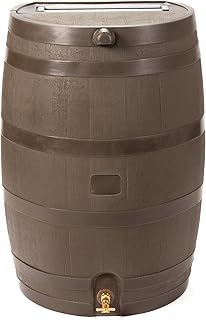
RTS Home Accents 50-Gallon Rain Barrel with Brass Spigot, Flat Back Rain…


Back to the Roots 25.7qt (1 Cubic ft) Organic Premium Mulch

Raindrip 016010T 1/4-Inch Drip Irrigation Supply Tubing, 100-Foot., for …
2. Create Visual Interest with Succulents

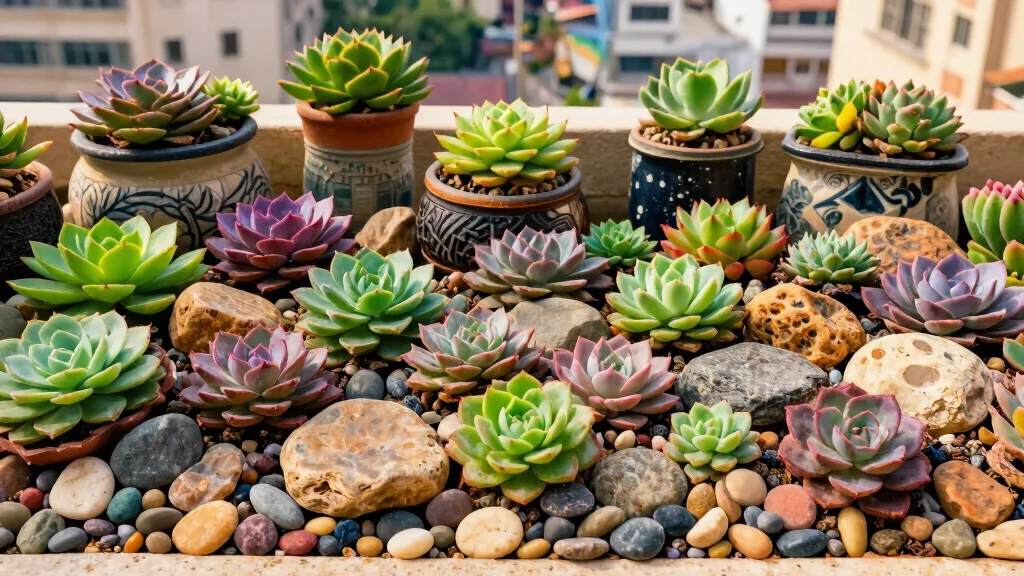
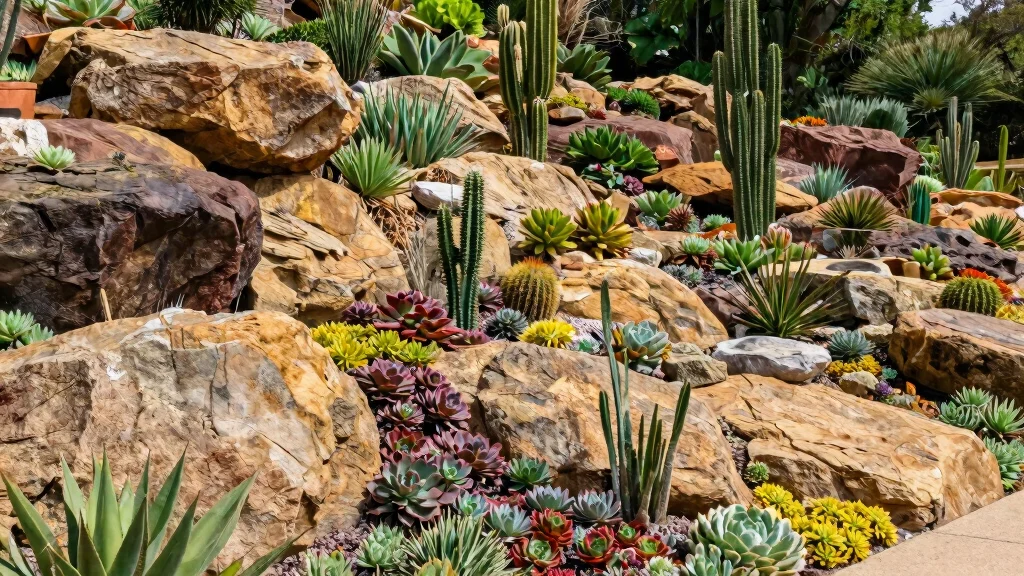
Succulents are a fantastic option for adding style and simplicity to your hot-weather garden. Their unique forms and vibrant colors create stunning focal points, all while requiring very little care. Consider grouping various types like Agave, Aloe Vera, and Echeveria in large terracotta pots or among decorative stones for a modern look.
Using shallow beds filled with gravel and sand will ensure proper drainage, keeping your succulents healthy and thriving. When arranging them, play with heights and textures to add depth to your garden. You can also mix succulents with other drought-resistant plants for an intriguing contrast.
Ways to enhance your succulent garden:
– Cluster different succulents for a vibrant display
– Use colorful pebbles around bases for emphasis
– Incorporate decorative pots to elevate aesthetics
With a well-designed succulent garden, you can create an inviting space that shines even in the harshest conditions!
Create Visual Interest with Succulents
Editor’s Choice

YISZM 2LB Succulent and Cactus Gravel Pebbles, 1/5 Inch Natural Decorati…
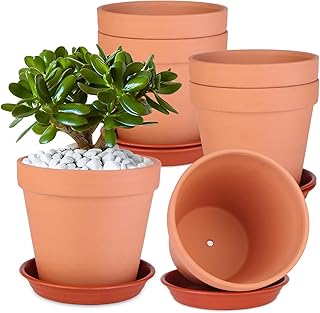
6 Pack 6 Inch Terracotta & Clay Pots with Saucer for Plants, Large Terra…

Back to the Roots 100% Organic Succulent & Cacti Mix (6 Quart) | Made in…
3. Incorporate Ornamental Grasses

Ornamental grasses add movement, texture, and height to any South Texas landscape. They soften harsh lines and create a flowing feel, making your garden more welcoming. Grasses like Blue Grama and Mexican Feather Grass are drought-tolerant and offer unique beauty and charm.
Plant them in clusters or use them as borders to frame pathways and other plants, enhancing your garden’s visual appeal. Their gentle sway in the breeze creates a tranquil atmosphere, inviting you to enjoy your outdoor space. Plus, they thrive in poorer soils, so you won’t have to fuss with fertilizers.
Benefits of including ornamental grasses:
– Create natural movement and flow in your garden
– Provide height and texture contrast with other plants
– Require low maintenance and thrive in various conditions
Incorporating these grasses allows for a versatile design that complements any garden style, making them an essential addition to your landscaping!
South Texas Landscaping Ideas truly shine with ornamental grasses— they add movement and soft borders, even in heat. Plant Blue Grama or Mexican Feather Grass in clusters to create a drought-tolerant, water-wise landscape that feels welcoming.
Incorporate Ornamental Grasses
Editor’s Choice
Grasses: Versatile Partners for Uncommon Garden Design

Pink Ornamental Grass Seeds Mix for Planting – 250+ Seeds: Pink Muhly, P…
4. Design a Xeriscaped Oasis

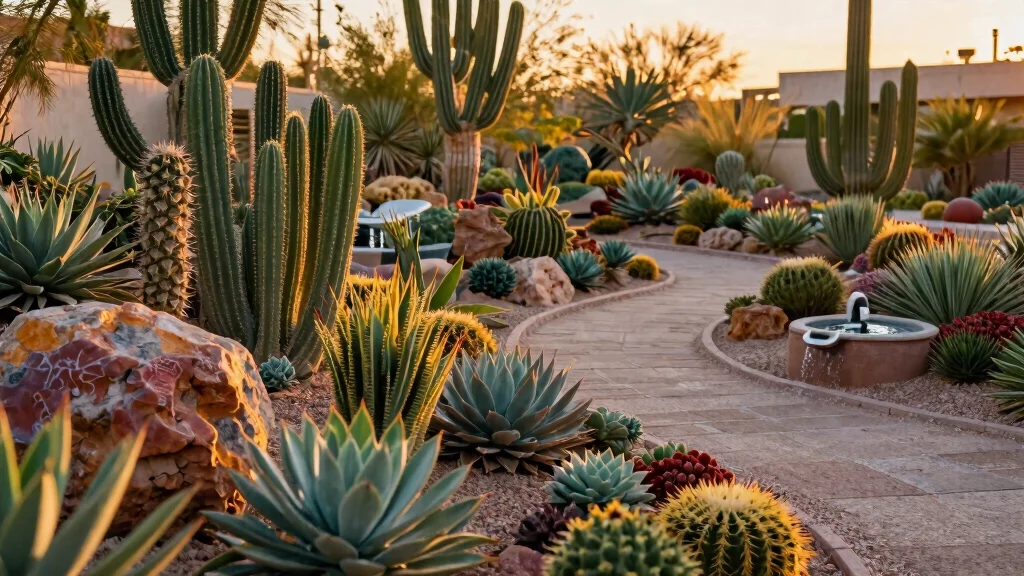
Xeriscaping offers a stylish and water-efficient approach to landscaping in South Texas. This method focuses on drought-resistant plants, rock gardens, and efficient irrigation setups to create beautiful outdoor spaces. Start by sketching out your layout with a variety of native plants that thrive on minimal water.
Incorporate decorative stones and gravel to form pathways that enhance aesthetics while helping retain moisture around your plants. A drip irrigation system can provide targeted hydration, ensuring your plants get what they need without waste.
Features to consider for your xeriscaped garden:
– Implement rock borders for added visual interest
– Create dry creek beds for natural drainage
– Add a small rock waterfall for tranquility
Transforming your space into a xeriscaped haven not only conserves water but also attracts local wildlife, turning your garden into a vibrant ecosystem!
❝ Fun fact: Drip irrigation can cut outdoor water use by up to 50% in South Texas. Pair it with native, drought-tolerant plants and a xeriscaped layout to keep blooms while conserving moisture. ❞
You might also like
Design a Xeriscaped Oasis
Editor’s Choice

ZOOFOX 10lb Natural Rocks Stones, Small Washed Gravel for Terrariums, Su…
Raindrip 016010T 1/4-Inch Drip Irrigation Supply Tubing, 100-Foot., for …

Drought Tolerant Wildflower Mix – 20,000+ Seeds – 1 oz Bulk Extra La…
5. Add Color with Desert Wildflowers

Brighten your landscape with desert wildflowers that thrive in South Texas! These cheerful blooms, like Texas Bluebonnet, Indian Paintbrush, and Evening Primrose, bring vibrant color and life to your garden.
Consider planting them in clusters or drifts for maximum impact, mixing colors for a lively display. Not only do they enhance beauty, but they also provide vital food sources for pollinators, helping sustain local ecosystems. Ensure they’re planted in well-drained soil with plenty of sunlight for optimal growth.
Tips for successful wildflower planting:
– Use clusters for dramatic visual effect
– Choose sunny spots for best results
– Allow wildflowers to thrive in dedicated areas
By embracing desert wildflowers, you’ll create a colorful haven that stands out beautifully in the heat, bringing joy to your outdoor space!
📹 Related Video: Growing Desert Wildflowers – Part I 🌞 Gardening With Soule
Add Color with Desert Wildflowers
Editor’s Choice

Sustee Aquameter, Set of 5, Plant Soil Moisture Sensor (Green, Small)
Drought Tolerant Wildflowers Mix – Extra Large Packet – Over 7,500 O…
6. Sustainable Practices for Your Garden

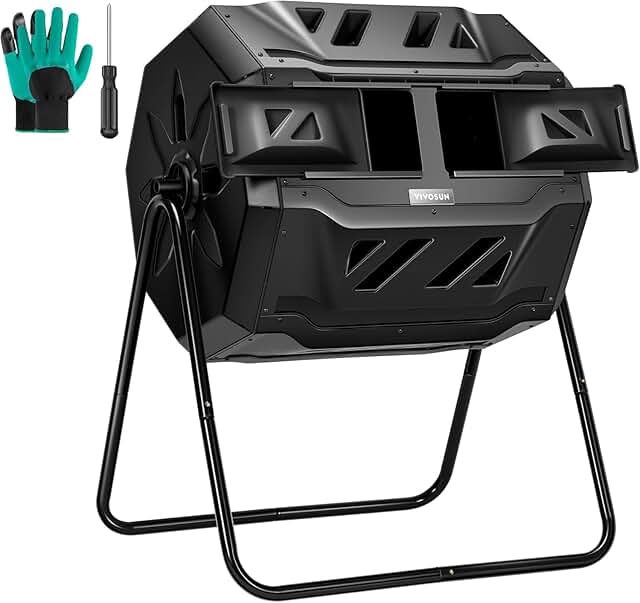
Sustainable garden design enhances your South Texas landscape while benefiting the environment. Start by setting up rain barrels to collect water runoff for irrigation, reducing waste. Composting helps enrich your soil naturally, cutting down on the need for chemical fertilizers.
Planting trees and shrubs provides shade, lowering water demands while creating a more comfortable space. Use mulch to retain moisture and suppress weeds, which means less work for you.
Implement these sustainable practices:
– Collect rainwater for irrigation
– Use compost to enrich soil naturally
– Incorporate shade trees to reduce water needs
By embracing these eco-friendly strategies, you’ll cultivate a beautiful garden that thrives alongside local wildlife, showcasing your commitment to sustainability!
Rain barrels, mulch, and compost are practical, powerful tools for south texas landscaping ideas. In a heat-tough climate, shading with trees cuts water use, while mulch and compost enrich soil naturally, reducing chemical fertilizers and maintenance.
You Might Also Like

Sustainable Practices for Your Garden
Editor’s Choice
Back to the Roots 25.7qt (1 Cubic ft) Organic Premium Mulch

Prestantious Gutter Downspout Diverter with Built-in Filter Screen Fits …
VIVOSUN Outdoor Tumbling Composter Dual Rotating Batch Compost Bin, 43 G…
7. Install Drip Irrigation Systems

Drip irrigation systems are ideal for ensuring your South Texas plants get just the right amount of water. This efficient setup minimizes waste and can be tailored to meet your garden’s specific needs.
Position the drip lines close to the roots for optimal hydration, reducing evaporation loss. Automating the system with timers allows for consistent watering without overdoing it.
Advantages of drip irrigation:
– Customize flow based on plant needs
– Conserve water and reduce weed growth
– Achieve a thriving, low-maintenance garden
Investing in a drip irrigation system means less time worrying about watering and more time enjoying your beautiful, sustainable outdoor oasis!
Install Drip Irrigation Systems
Editor’s Choice

Rain Bird LNDDRIPKIT Drip Irrigation Landscape/Garden Watering Kit with …

RAINPOINT Sprinkler Timer, Programmable Water Timer for Garden Hose, Out…
Conclusion

Transforming your South Texas landscape into a heat-tough, water-wise oasis is both achievable and rewarding.
With native plants, sustainable practices, and stunning design elements, you can create a beautiful garden that thrives in the sun and supports local wildlife.
After applying these landscaping ideas, you’ll not only reduce your water usage but also enjoy a vibrant and lush outdoor retreat that enhances your home’s curb appeal!
Note: We aim to provide accurate product links, but some may occasionally expire or become unavailable. If this happens, please search directly on Amazon for the product or a suitable alternative.
This post contains Amazon affiliate links, meaning we may earn a small commission if you purchase through our links, at no extra cost to you.
Frequently Asked Questions
What are practical steps to implement south texas landscaping ideas that are heat-tough and water-wise?
Ready to create south texas landscaping ideas that stand up to heat and save water? Start with a quick site check—sun exposure, wind, and soil. Then prioritize native Texan flora and other heat-tolerant plants that thrive with less water. Design with water-use zones by grouping plants with similar needs, and install a drip irrigation system paired with a thick mulch layer to cut evaporation. Apply xeriscaping techniques like mulch, efficient irrigation, and drought-tolerant groundcovers. Finally, plan for rain capture and a sustainable garden design that reduces maintenance and saves water.
Which heat-tolerant plants perform best in South Texas yards?
Several heat-tolerant options consistently perform well in South Texas. Try Texas sage (Leucophyllum frutescens) for a silver-green shrub that tolerates heat and drought; Desert willow (Chilopsis linearis) for a graceful tree; prickly pear cactus (Opuntia spp.) for color and texture; agave species for architectural form; sotol (Dasylirion texanum) for a sculptural accent; Little Bluestem (Schizachyrium scoparium) for grass color year-round; and Blackfoot Daisy (Melampodium leucanthum) for a long-blooming groundcover. These native Texan flora and drought-resistant landscaping choices thrive with minimal irrigation once established.
What are xeriscaping techniques and how do I apply them in South Texas?
Xeriscaping is about maximizing water efficiency while keeping your yard beautiful. In South Texas, start by grouping plants by water needs and choosing native Texan flora and other drought-resistant landscaping options. Mulch heavily to reduce evaporation, install a drip irrigation system with a timer, and use permeable hardscapes to encourage rainwater infiltration. Add shade through trees to cool the soil, and consider rainwater harvesting to supplement irrigation. With these xeriscaping techniques, your landscape stays vibrant with far less water.
Can native Texan flora support pollinators and wildlife while staying low-maintenance?
Absolutely. Native Texan flora are tailored for local pollinators. Plant nectar-rich natives like Texas sage, Blackfoot Daisy, and desert willows to attract bees, butterflies, and hummingbirds. Create layered habitats by combining tall shrubs, mid-height bloomers, and groundcovers so pollinators have food and shelter throughout the seasons. Once established, they require less water and fertilizer, which keeps maintenance manageable while boosting biodiversity in your south texas landscaping ideas.
What common mistakes should I avoid in sustainable garden design for South Texas?
Avoid overwatering, especially in the heat of summer. Don’t plant water-hungry non-native species that require more irrigation; choose native Texan flora and drought-tolerant landscaping. Skip not applying mulch; mulch preserves moisture and reduces weeds. Don’t ignore soil health—amend with compost and consider soil testing. Don’t neglect shade and wind patterns; plant trees or shrubs to provide microclimates. Finally, plan for rainwater harvesting or irrigation zoning; implement a drip system with zones to target different sun exposures. Following these tips keeps your south texas landscaping ideas practical and stunning.
Related Topics
south texas landscaping
drought-resistant plants
xeriscaping techniques
heat-tolerant flora
native Texan plants
sustainable gardening
water-wise landscaping
garden design tips
easy landscaping ideas
wildlife-friendly gardens
low-maintenance gardens
green living